A travel book is most useful when it turns destination research into a practical plan covering places to visit, transportation, accommodation, costs, safety, and daily activities.
If you are searching for a travel book to help organize an upcoming trip, the best choice is not necessarily the longest or most attractive publication. A useful guide should answer the questions that actually arise before and during a journey: Where should you go? How much should you budget? Which neighborhoods are practical? How do you get around? What should you reserve in advance?
This guide explains how to choose and use a travel book effectively, how digital guides compare with traditional books, and how to turn travel research into an itinerary you can actually follow. For broader planning help, you can also use these free travel guides as a starting point.
For international trips, official government guidance should remain part of your research rather than relying exclusively on a commercial guide. The U.S. Department of State recommends checking destination requirements, travel advisories, documents, personal safety considerations, and insurance before international travel.
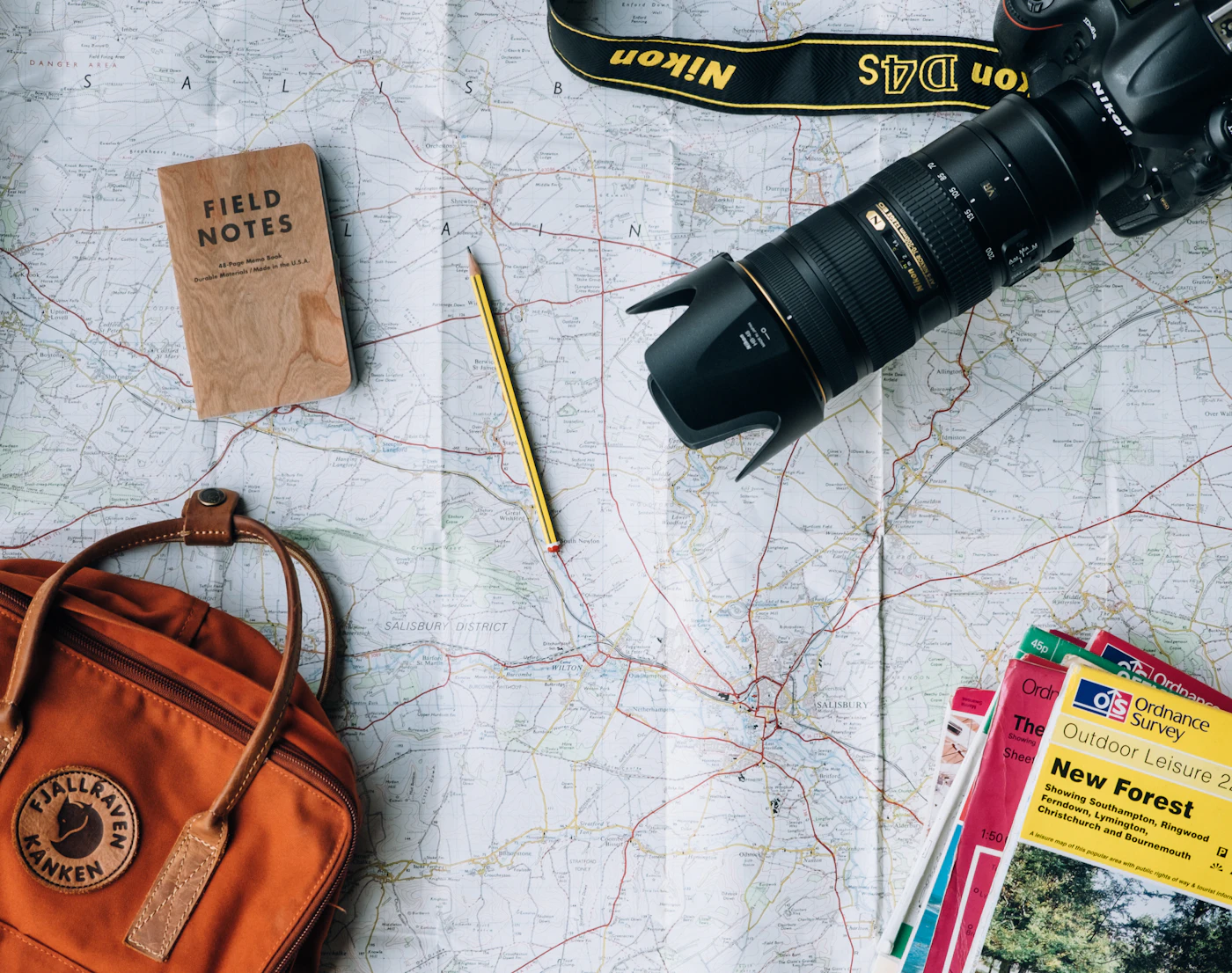
What Is a Travel Book?
A travel book is a resource that organizes destination information into practical advice about attractions, transportation, accommodation, food, culture, costs, and trip planning.
Traditional travel books have historically been printed guides that travelers carried during a journey. Modern versions can also be downloadable guides, destination handbooks, eBooks, detailed planning resources, or digital publications that combine written information with maps and links.
The most valuable guide is not simply a collection of tourist attractions. It should help you make decisions.
- Which areas are convenient for accommodation?
- How many days should you spend at the destination?
- Which attractions require advance reservations?
- How can you organize sightseeing without wasting transportation time?
- Which expenses are likely to affect the total budget?
For travelers who prefer a structured approach, a travel guide for planning a trip can be particularly useful because it moves beyond inspiration and focuses on execution.
One important limitation is that travel information changes. Opening hours, transportation schedules, entry requirements, prices, and visa policies can change after a book or article is published. Therefore, use a guide for structure and context, then verify time-sensitive details through official sources.
How to Choose the Best Travel Book
The best travel book matches your destination, trip style, travel dates, budget, and level of planning detail.
Start with the purpose of the trip. A backpacking guide should emphasize transportation, affordable accommodation, neighborhoods, and practical logistics. A family travel guide should focus more heavily on child-friendly attractions, convenient hotels, travel times, and realistic daily schedules.
1. Check how recently the guide was updated
A recently updated guide is generally more useful for prices, transportation, attractions, and other information that can change quickly.
Publication date alone is not enough. Check whether the specific information you need has been reviewed recently. A guide published several years ago may still provide excellent cultural background, but current transportation and entry requirements should be independently verified.
2. Match the guide to your travel style
Your ideal travel resource should reflect how you actually travel rather than attempting to cover every possible traveler.
- Budget travelers need cost comparisons and affordable alternatives.
- Families need realistic distances and child-friendly activities.
- Couples may prioritize neighborhoods, restaurants, and experiences.
- First-time visitors need orientation and practical transportation advice.
- Experienced travelers may want local neighborhoods and less obvious attractions.
3. Look for practical information
A useful travel planning book should tell you how to use destination information rather than merely describing what exists.
Look for maps, suggested itineraries, transportation instructions, estimated visit times, neighborhood explanations, reservation advice, and budgeting guidance. These elements turn research into decisions.
If you prefer a web-based approach, compare a traditional guide with a free digital travel guide before deciding which format works better for your trip.
How to Use a Travel Book to Plan a Trip
Use a travel book in stages: choose the destination, research neighborhoods, prioritize attractions, build a route, estimate costs, and verify current information.
Step 1: Define the trip objective
Before collecting dozens of recommendations, decide what you want from the trip. Your objective might be cultural sightseeing, relaxation, food, nature, history, shopping, nightlife, or a combination.
Without a clear objective, a guide can create information overload. You may save twenty attractions when you realistically have time for eight.
Step 2: Identify the best area to stay
Choosing the right neighborhood can reduce transportation time and make a short vacation substantially easier.
Study the destination map before booking accommodation. Look at major attractions, public transportation stations, airports, restaurants, and the distance between areas.
This is where a destination-specific resource becomes particularly useful. For example, travelers planning Japan can begin with a Japan travel guide for first-time visitors before building a detailed itinerary.
Step 3: Build a priority list
Divide attractions into three groups:
- Must-see: experiences you would regret missing.
- Worth seeing: activities that fit if time allows.
- Optional: attractions to use as alternatives.
This simple system prevents an itinerary from becoming too crowded.
Step 4: Group activities geographically
Grouping nearby attractions into the same day reduces unnecessary transportation and gives you more usable sightseeing time.
For example, instead of crossing an entire city several times, place attractions in the same district together. A good guide can provide the initial map knowledge, while current mapping tools can confirm travel times.
Step 5: Verify important details
Before booking, verify opening hours, admission rules, transportation schedules, reservation requirements, and entry documentation.
The U.S. Department of State’s international travel checklist recommends reviewing destination requirements, organizing travel documents, checking personal travel needs, and considering appropriate insurance before international travel.
Review the official International Travel Checklist before an international trip.
What Information Should a Travel Book Include?
A high-value travel guide should combine destination context with actionable information about transportation, accommodation, attractions, food, costs, safety, and itinerary planning.
| Information | Why It Matters | What to Look For |
|---|---|---|
| Destination overview | Provides context | Culture, geography, seasons |
| Neighborhoods | Improves hotel selection | Location, transport, atmosphere |
| Transportation | Reduces wasted time | Trains, buses, taxis, walking |
| Attractions | Supports itinerary decisions | Location, duration, reservations |
| Food | Improves daily planning | Local specialties and dining areas |
| Budget | Prevents financial surprises | Accommodation, transport, activities |
| Safety | Supports responsible planning | Official warnings and local guidance |
Do not expect one publication to provide perfectly current information about every category. The strongest planning method combines a guide with official destination resources and current booking information.
Travel information that should always be verified
Verify visas, passport requirements, entry rules, health requirements, safety advisories, attraction schedules, and transportation information close to departure.
The U.S. Department of State specifically advises international travelers to review entry and exit requirements, passport validity, local laws, destination advisories, and other current information.
Check official international travel planning guidance before departure.
Digital Travel Guides vs Printed Books
Digital guides are easier to update and search, while printed travel books can be more convenient when you want offline reference material.
| Feature | Digital Guide | Printed Guide |
|---|---|---|
| Search | Fast | Manual |
| Updates | Potentially frequent | Fixed after publication |
| Offline access | Depends on download | Excellent |
| Maps | Interactive options | Printed maps |
| Weight | Minimal | Additional luggage weight |
| Planning links | Easy to access | Usually requires separate research |
There is no universal winner. Many travelers benefit from combining both formats: use a comprehensive digital resource for research and keep a lightweight offline reference for important information during the journey.

Travelers who prefer step-by-step digital planning can also use a step-by-step guide to plan a trip alongside destination research.
How to Turn a Travel Guide Into an Itinerary
Turn guidebook recommendations into an itinerary by assigning priorities, locations, travel times, meal breaks, reservations, and realistic daily limits.
Use the 3-layer itinerary method
A practical itinerary has a fixed layer, a flexible layer, and a backup layer.
- Fixed layer: flights, hotels, timed tickets, tours, and reservations.
- Flexible layer: museums, restaurants, neighborhoods, shopping, and optional attractions.
- Backup layer: indoor activities, alternative restaurants, and replacement attractions.
This structure prevents one canceled activity from destroying an entire day.
For travelers building a multi-city vacation, a step-by-step travel itinerary builder guide can help convert destination research into a logical schedule.
Example of a realistic planning day
Suppose you have one full day in a major city. Instead of scheduling six distant attractions, choose two major experiences in the same area, leave time for lunch, and reserve a final block for an optional activity.
The goal is not to maximize the number of places visited. The goal is to maximize the quality of the time available.
Pro tip: Leave at least one flexible period in a multi-day trip. Delays, weather, fatigue, unexpected discoveries, and restaurant availability can change the best plan.
Using a Travel Book for Budget Planning
A travel guide can help estimate major expenses, but your final budget should include transportation, accommodation, food, attractions, local travel, taxes, fees, and emergency costs.
A useful planning formula is:
Total trip budget = transportation + accommodation + food + activities + local transportation + insurance + fees + emergency reserve.
For example, imagine a five-day trip with:
- $450 transportation
- $600 accommodation
- $250 food
- $150 activities
- $100 local transportation
- $100 reserve
The estimated total would be $1,650.
The important lesson is that the headline hotel or flight price is rarely the complete cost of a vacation. Baggage charges, airport transfers, attraction fees, taxes, transportation between neighborhoods, and optional experiences can change the final figure.
If controlling costs is your main objective, combine your guide with a budget trip planning strategy before booking major expenses.
Track the hidden costs
Hidden costs often come from transportation, baggage, resort or facility charges, booking fees, exchange rates, and last-minute purchases.
Create a simple spreadsheet or note with three columns: expected cost, confirmed cost, and possible additional cost. This gives you a more realistic financial picture before departure.
How Destination-Specific Guides Improve Planning
Destination-specific travel books are valuable because they provide local context that generic trip-planning resources cannot fully reproduce.
A general travel planning book can explain how to organize a vacation, but a city or country guide can explain how that framework applies to a particular destination.
For example, New York City requires different planning decisions from Bangkok, while Japan has different transportation, cultural, and itinerary considerations from Europe.
For New York travelers, a New York City travel guide can help organize attractions and neighborhoods around the realities of a dense urban destination.
For Southeast Asia, a Bangkok travel guide for first-time visitors can provide destination-specific context before you build a daily schedule.
For European multi-city trips, a 10-day Europe trip planning guide can help you think about the relationship between cities, transportation time, and the number of nights required.

Common Travel Book Mistakes to Avoid
The biggest mistake is treating a travel book as a complete and permanently current source instead of using it as one layer of trip research.
Mistake 1: Following every recommendation
A guide may contain hundreds of suggestions, but your vacation does not need to include all of them. Choose experiences that match your interests and available time.
Mistake 2: Ignoring geography
Two attractions may look close in a written list but be far apart in practical travel time. Always check the map before placing activities on the same day.
Mistake 3: Using outdated entry information
Visa requirements and entry rules can change. Always verify these details through official government or embassy resources.
Mistake 4: Building an overly ambitious itinerary
Scheduling every hour can make a vacation feel like work. Leave room for meals, rest, transportation delays, and spontaneous discoveries.
Mistake 5: Using only affiliate recommendations
A trustworthy travel resource should provide meaningful planning information before asking readers to purchase hotels, flights, tours, or other services.
Commercial links can be useful when they help readers compare or book something relevant, but the editorial value should stand on its own.
Travel Book Planning Checklist
Use this checklist to turn travel research into a practical and flexible vacation plan.
- Choose the destination and travel dates.
- Define the main purpose of the trip.
- Choose the most suitable neighborhood.
- Research transportation options.
- List must-see attractions.
- Group activities geographically.
- Check reservation requirements.
- Estimate the complete trip cost.
- Review entry and passport requirements.
- Check current safety and destination advisories.
- Research travel insurance where appropriate.
- Create a flexible daily itinerary.
- Save important documents offline.
- Keep backup activities for weather or closures.
- Recheck time-sensitive information shortly before departure.
The U.S. Department of State recommends organizing required documents and keeping copies separately from originals when traveling internationally. It also recommends checking destination-specific requirements and considering travel insurance.
Read official international travel guidance before finalizing an overseas itinerary.
Frequently Asked Questions About Travel Books
What is the best travel book for planning a vacation?
The best travel book is one that matches your destination, travel style, budget, trip length, and need for practical planning information. Look for current destination information, transportation advice, neighborhood guidance, suggested itineraries, budgeting information, and useful maps.
Are travel books still useful in the digital age?
Yes, travel books remain useful because they organize destination knowledge into a structured reference that can reduce research time. Digital resources can then be used to verify changing prices, schedules, entry rules, and opening hours.
Should I buy a printed travel guide or use a digital guide?
Choose a printed guide for offline reference and a digital guide for searchability, links, and easier updates. Many travelers get the best results by combining both formats.
How can a travel book help me save money?
A good travel guide can identify cheaper neighborhoods, public transportation options, free attractions, affordable dining areas, and ways to avoid inefficient routes. Use those recommendations alongside current prices before booking.
How do I use a travel book to create an itinerary?
Start with must-see attractions, group nearby locations together, add transportation time, schedule fixed reservations, and leave flexible periods. This creates a realistic itinerary rather than an overloaded checklist.
How current should travel information be before a trip?
Time-sensitive information should be checked again shortly before departure because prices, schedules, entry rules, and operating conditions can change. Government requirements should always be verified through current official sources.
Can one travel book cover an entire country?
Yes, but country-wide guides usually provide less detail for individual cities than dedicated destination guides. Use a broad guide for route planning and more focused resources for major stops.
What makes a travel guide trustworthy?
A trustworthy guide distinguishes recommendations from facts, provides practical context, avoids misleading claims, and encourages readers to verify changing information through authoritative sources.
Final Takeaway
A good travel book should make trip planning easier by helping you decide where to go, what to prioritize, how to move around, what to budget, and what information needs verification.
The strongest approach is not to rely on one source for everything. Use a comprehensive guide to understand the destination, destination-specific resources to improve your itinerary, official government websites to verify important requirements, and current booking information for prices and availability.
Most importantly, build a trip around your actual priorities rather than trying to visit every place mentioned in a guide. A shorter itinerary with sensible transportation, realistic activity levels, and enough flexibility will usually produce a better travel experience than an overloaded schedule.
For additional planning resources, explore the free travel guides, learn how to choose a complete travel planning guide, and use a step-by-step itinerary planning method to turn research into an actionable trip.
When used this way, a travel book is more than something you read before vacation. It becomes a decision-making tool that helps you spend your time, money, and energy more intentionally.