Planning a Bangkok Travel Guide for First-Time Visitors does not need to be complicated. Bangkok combines historic temples, huge shopping centers, street food, river neighborhoods, lively markets, and modern public transportation in one enormous city.
This Bangkok Travel Guide for First-Time Visitors brings the most important planning decisions together, including where to stay, what to see, how to get around, how to control costs, what to eat, and when to visit.
If you are visiting Thailand’s capital for the first time, this Bangkok Travel Guide for First-Time Visitors will help you organize your trip without trying to see everything in one day.
Bangkok Travel Guide for First-Time Visitors: Why Visit Bangkok?
Bangkok is a strong choice for a first Thailand trip because you can experience several sides of the country without leaving the metropolitan area. Historic royal architecture sits close to modern malls, traditional markets, river communities, restaurants, and major transport connections.
Thailand’s official tourism authority highlights attractions including Wat Phra Kaew, Wat Pho, Wat Arun, the Golden Mountain, and Chatuchak Weekend Market. It also describes Bangkok as a city with historic and religious attractions alongside museums, parks, markets, and shopping centers. Tourism Authority of Thailand Bangkok destination information
For a first visit, the smartest approach is to group attractions by neighborhood. This reduces unnecessary travel time and makes a short trip much easier to manage.
Pro tip: Do not try to see every Bangkok attraction. Choose two or three major areas each day and leave time for food, shopping, and unexpected discoveries.
Bangkok Travel Guide for First-Time Visitors: Best Things to Do
The best things to do in Bangkok for first-time visitors are a mixture of historic landmarks, river experiences, markets, food neighborhoods, and modern city attractions.
This Bangkok Travel Guide for First-Time Visitors recommends experiencing both traditional Bangkok and contemporary Bangkok rather than focusing entirely on temples or shopping.
1. Visit the Grand Palace and Wat Phra Kaew
The Grand Palace is one of the most important historic landmarks in Bangkok. The complex is particularly useful as a starting point because it introduces visitors to Thai royal history and architecture.
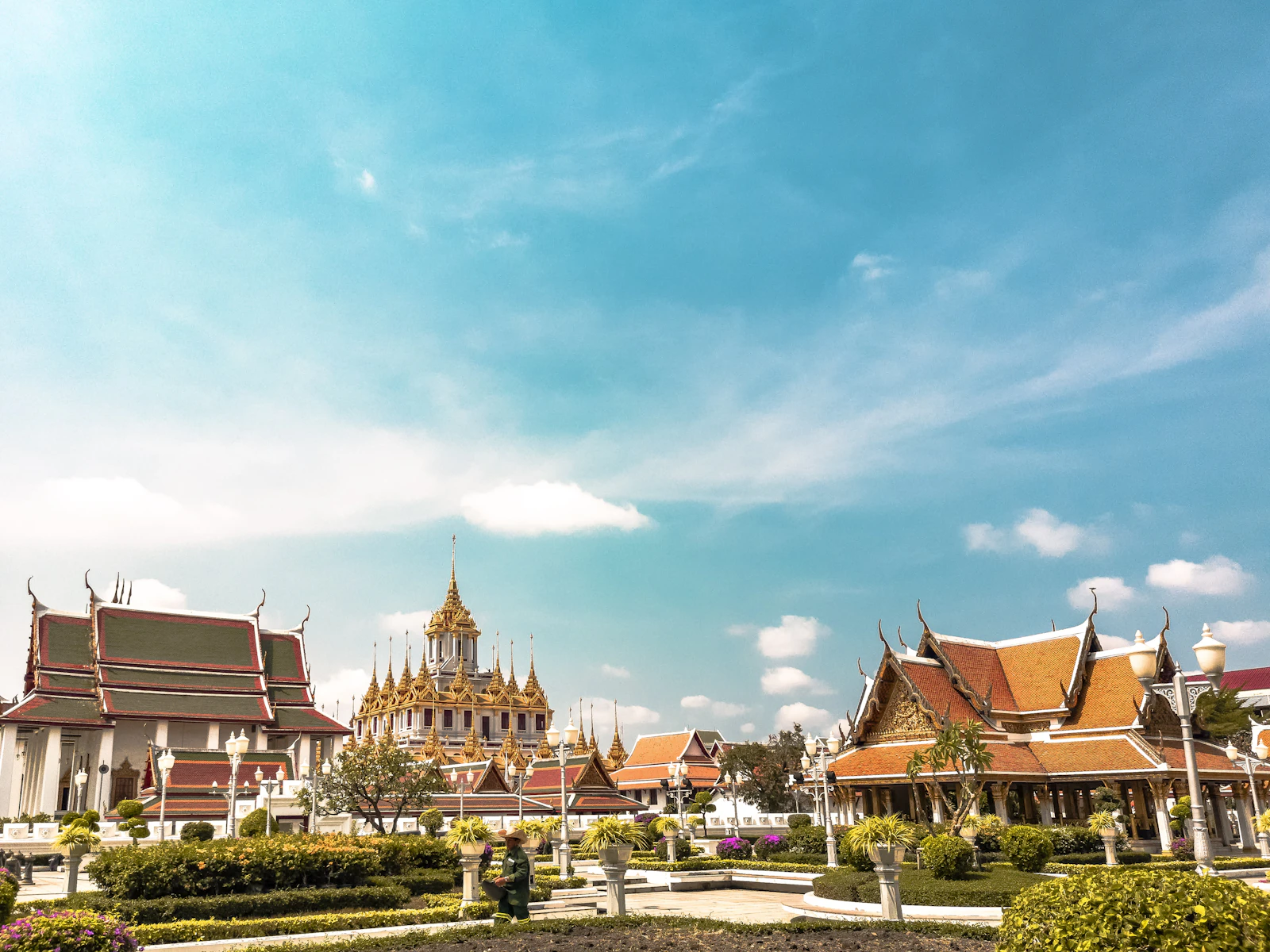
Wat Phra Kaew, also known as the Temple of the Emerald Buddha, is located within the Grand Palace complex. The Tourism Authority of Thailand specifically recommends the Grand Palace as a major Bangkok sight for visitors. See the official Bangkok itinerary recommendation
Dress respectfully when visiting temples and royal sites. Lightweight clothing is useful in Bangkok’s heat, but shoulders and knees should be appropriately covered for religious sites.
2. Explore Wat Pho
Wat Pho is another essential stop for visitors researching the best Bangkok temples for first-time travelers. It is close to the Grand Palace, so visiting both on the same day makes geographic sense.
Allow enough time to walk around rather than simply photographing the main structure. Bangkok’s temples are cultural places of worship, so visitors should behave respectfully and follow posted rules.
3. See Wat Arun from the Chao Phraya River
Wat Arun provides a different experience because its riverside setting makes it especially memorable around sunrise, sunset, or during the softer light of late afternoon.
A river boat can also turn transportation into part of the sightseeing experience. Instead of treating the Chao Phraya River only as a route between attractions, consider using it to understand how different parts of Bangkok connect.
4. Walk through Chinatown and Yaowarat
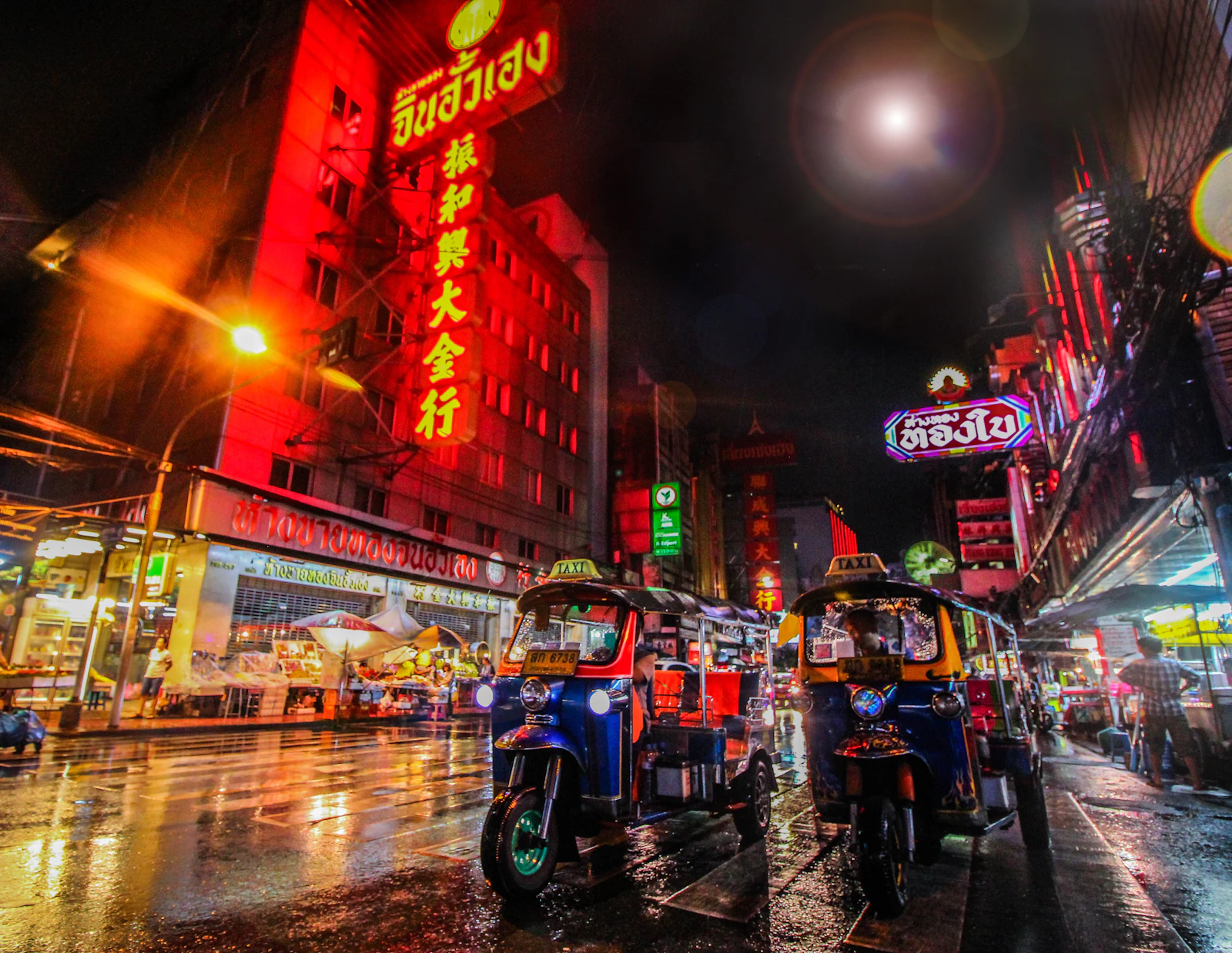
Yaowarat is one of the most useful areas for travelers interested in Bangkok food for first-time visitors. The neighborhood is known for restaurants, street food, markets, and a busy evening atmosphere.
Go hungry and compare several small dishes rather than spending the entire evening at one restaurant. Prices vary considerably, so check menus before ordering when you are trying to control your Bangkok travel costs.
5. Shop at Chatuchak Weekend Market
Chatuchak is worth considering if your trip includes shopping, souvenirs, clothing, local products, or inexpensive gifts. It is also a useful example of Bangkok’s enormous market culture.
Because market opening patterns can vary by day and section, check current information before making it the central activity of your day. TourismThailand lists Chatuchak among Bangkok’s major attractions. Check Bangkok attractions through TourismThailand
6. Experience modern Bangkok in Siam and Sukhumvit
First-time visitors sometimes focus entirely on temples and miss modern Bangkok. Siam and Sukhumvit offer shopping centers, restaurants, cafés, entertainment, and convenient access to the BTS network.
This is particularly useful on a very hot afternoon when you want air conditioning rather than another outdoor sightseeing session.
7. Enjoy Bangkok after dark
Evening is when Bangkok changes character. You can choose between street food, night markets, rooftop views, riverside dining, shopping, or a relaxed walk through a busy neighborhood.
Keep your evening plan flexible. Bangkok traffic can make a short road journey much longer, while rail transport can often provide a more predictable alternative.
How to Visit Bangkok on a Budget
Learning how to visit Bangkok on a budget is mainly about controlling accommodation, transportation, meals, and paid attractions. You do not need to avoid experiences; you need to spend selectively.
A useful Bangkok Travel Guide for First-Time Visitors should also explain how to enjoy the city without overspending. Accommodation, transportation, food, and attraction choices can make a significant difference to your total trip cost.
1. Choose accommodation near public transportation
A cheap hotel far from the BTS or MRT can become expensive once daily transportation and lost time are included. Compare the room price with the cost and convenience of reaching attractions.
For budget travelers, hostels, guesthouses, and modest hotels can be useful alternatives to luxury properties. You can also compare accommodation options through the site’s hotels and accommodations resources.
2. Use BTS and MRT when practical
Bangkok’s rail network is one of the easiest ways to reduce exposure to road congestion. TourismThailand describes the BTS Skytrain as a convenient way to move through central Bangkok, while the BTS operator provides current routes, stations, and fares. Check BTS Skytrain routes and fares
For visitors planning how to get around Bangkok on a budget, the basic rule is simple: use rail for suitable journeys, river transport when it fits your route, and road transport when there is no practical alternative.
3. Eat local food strategically
Bangkok can be inexpensive for food if you eat where local demand is high. Street food, food courts, local restaurants, and markets can provide more affordable choices than restaurants located inside premium tourist hotels.
Do not assume every street-food stall is automatically cheaper. Compare portions, prices, cleanliness, and location before ordering.
4. Mix free and paid attractions
Build your daily schedule around one or two major paid attractions and fill the remaining time with markets, neighborhoods, public spaces, temples where appropriate, and walks.
A simple formula can help:
Daily sightseeing budget = paid attractions + transport + food + shopping allowance
For example, if you allocate $15 for attractions, $8 for transportation, $15 for food, and $10 for miscellaneous spending, your planned daily activity budget is $48 before accommodation and international flights.
The exact cost will depend on your travel style, exchange rate, season, and choices, so use this only as a planning framework rather than a fixed Bangkok price.
Note: Budget travel does not mean choosing the cheapest option every time. A slightly more expensive hotel beside a BTS station can save enough transportation time and money to be worthwhile.
Best Areas to Stay in Bangkok for First-Time Visitors
The best areas to stay in Bangkok for first-time visitors depend on what you want to do each day. There is no single best neighborhood for every traveler.
Choosing where to stay is one of the most important decisions covered in this Bangkok Travel Guide for First-Time Visitors. The right neighborhood can reduce transportation time and make your trip much easier.
| Area | Best For | Why Consider It |
|---|---|---|
| Old Town | Temples and history | Convenient for the Grand Palace, Wat Pho and historic sights |
| Sukhumvit | First-time convenience | Good access to BTS, restaurants, malls and nightlife |
| Siam | Shopping | Excellent for malls and central-city connections |
| Silom | Mixed travel styles | Business district, restaurants and transport connections |
| Riverside | Scenery and atmosphere | River views and access to river-based sightseeing |
| Chinatown | Food and nightlife | Excellent base for exploring Yaowarat and nearby areas |
Old Town for historic sightseeing
Choose Old Town if your priority is seeing the Grand Palace, Wat Pho, Wat Arun, museums, and historic neighborhoods. It is particularly practical for travelers creating a short Bangkok itinerary for first-time visitors focused on cultural attractions.
Sukhumvit for transportation and convenience
Sukhumvit can be a practical choice for travelers who want restaurants, shopping, nightlife, and BTS access. It also provides a wide range of accommodation from budget properties to upscale hotels.
Siam for shopping and central access
Siam is especially convenient for travelers who want shopping malls and modern city attractions. It can also work well when you want to combine sightseeing with an afternoon indoors.
Silom for a balanced city experience
Silom can work well for travelers who want a combination of restaurants, business-district attractions, nightlife, and access to public transportation.
Riverside for atmosphere
The riverside is a good option when the experience of staying beside the Chao Phraya is part of your trip. It may not always be the cheapest base, but the setting can justify the choice for some travelers.
Chinatown for food lovers
Chinatown is a strong option if food, markets, and evening activity are major priorities. Staying nearby can make it easier to explore Yaowarat after dark without traveling across the city.
Before booking, compare the hotel location with your daily attractions. Use these strategies for finding cheap hotels and compare hotel booking websites before paying.
How to Get Around Bangkok
Knowing the cheapest way to travel around Bangkok can save both money and frustration. Bangkok traffic is a major reason to think about transportation before creating your daily itinerary.
This Bangkok Travel Guide for First-Time Visitors recommends combining BTS, MRT, river boats, taxis, and walking depending on your destination. You do not need to rely on one transportation method for the entire trip.
BTS Skytrain
The BTS is particularly useful for central areas, shopping districts, and neighborhoods connected to its lines. Check the current route map and fare information before traveling. Official BTS Skytrain website
MRT
The MRT complements the BTS and is useful for reaching areas that are not directly connected to the Skytrain. For a first trip, learning which attractions are near rail stations can make your itinerary much more efficient.
River boats
River transport can be useful when visiting riverside attractions and can also provide a memorable alternative to road traffic. Confirm the route, pier, and service before boarding.
Taxis and ride-hailing
Road transport can be useful when traveling with luggage or reaching places away from rail stations. However, traffic conditions can dramatically change journey times.
Tuk-tuks
A tuk-tuk ride can be fun as an experience, but do not automatically assume it is the cheapest transportation option. Agree on the fare before starting and be clear about your destination.
TourismThailand provides additional information about Bangkok’s BTS, MRT, Airport Rail Link, and city transportation options. Bangkok transportation information from TourismThailand
What to Eat in Bangkok
Food should be part of any Bangkok trip planning strategy for first-time visitors. Bangkok gives you opportunities to try noodles, rice dishes, curries, grilled foods, soups, desserts, fruit, and regional Thai specialties.
Food is another major part of any Bangkok Travel Guide for First-Time Visitors. Trying local dishes, exploring Yaowarat, and visiting food courts can make your Bangkok experience more memorable while keeping costs manageable.
Try local dishes instead of eating every meal in tourist restaurants
Pad Thai, tom yum, green curry, mango sticky rice, boat noodles, grilled meats, Thai-style omelets, and various noodle soups are common starting points for first-time visitors.
If you are watching your budget, food courts and busy local restaurants can be useful. If you are trying street food, look for busy vendors with strong turnover and sensible food-handling practices.
Explore Yaowarat for an evening food experience
Chinatown is particularly suitable for travelers who want an energetic evening centered around food. Arrive with an appetite and consider sharing several dishes so you can try more variety.
For travelers who want to explore food as part of a wider trip, The Offers Guy also has a guide to food tours and local foods to try.
Best Time to Visit Bangkok
The best time to visit Bangkok for good weather depends on your tolerance for heat, rain, crowds, and accommodation prices. Thailand has distinct hot, rainy, and cooler periods, although Bangkok remains warm throughout much of the year.
The Tourism Authority of Thailand states that the country’s climate is influenced by seasonal monsoons and describes broad periods of rain, cooler weather, and heat. Check Thailand’s official climate and weather information
| Period | Typical Travel Consideration | Good For |
|---|---|---|
| November–February | Generally more comfortable | Sightseeing and outdoor activities |
| March–May | Increasing heat | Travelers comfortable with hot weather |
| June–October | More rain and humidity | Flexible travelers and possible value deals |
November to February
For many visitors, November through February is among the most comfortable periods for exploring Bangkok outdoors. Cooler conditions compared with the hottest months can make temple visits, walking, and sightseeing easier.
March to May
These months can be very hot. If you travel during this period, start outdoor sightseeing early, schedule indoor attractions during the hottest part of the day, drink enough water, and avoid packing too many activities into one afternoon.
April is particularly associated with high temperatures across Thailand. TourismThailand notes that April brings the country’s highest temperatures in many areas. Thailand in April: official tourism information
June to October
The rainy season does not mean it rains continuously every day. Rain can arrive in heavy bursts, so flexible scheduling can make this period workable.
Travelers visiting during the rainy period should carry compact rain protection and build indoor alternatives into their itinerary.
Pro tip: The best month to visit Bangkok Thailand is not necessarily the same for every traveler. If weather comfort is your priority, favor the cooler period. If flexibility and potentially lower prices matter more, compare dates across the shoulder and rainy periods.
Bangkok Travel Guide for First-Time Visitors: 3–5 Day Itinerary
If you are wondering how many days to spend in Bangkok, this Bangkok Travel Guide for First-Time Visitors recommends three to five days. Three days can cover the major highlights, while four or five days gives you more time for markets, food, shopping, museums, neighborhoods, and a slower pace.
Day 1: Historic Bangkok
- Grand Palace
- Wat Phra Kaew
- Wat Pho
- Chao Phraya River area
- Wat Arun
Keep this day focused on Old Town and the river. Avoid crossing the city repeatedly.
Day 2: Modern Bangkok and shopping
- Siam
- Shopping malls
- BTS Skytrain experience
- Sukhumvit
- Evening restaurant or market
This creates a useful contrast between historic Bangkok and modern city life.
Day 3: Markets and Chinatown
- Chatuchak if operating on your travel day
- Local market
- Chinatown
- Yaowarat food experience
Check opening days and current hours before committing to a market-focused day.
Day 4: Flexible exploration
Use the fourth day for anything you missed, a museum, shopping, a river experience, a food tour, or a relaxed neighborhood day.
Day 5: Relaxed Bangkok
If you have five days, avoid filling every hour with attractions. Use the extra day for shopping, a massage, a café, a museum, a neighborhood walk, or revisiting an area you enjoyed.
This approach is better than filling every hour. Bangkok is large, and traffic, heat, queues, and unexpected discoveries can all change your schedule.
Common Bangkok Travel Mistakes to Avoid
Trying to see too much in one day
Bangkok is not a city where you should plan ten attractions simply because they look close together on a map. Build your day geographically.
Choosing a hotel only by price
The cheapest room can become poor value if it requires long daily journeys. Check its distance from BTS, MRT, boat piers, restaurants, and the attractions you actually plan to visit.
Ignoring temple etiquette
Religious sites require respectful behavior. Dress appropriately, follow signs, remove footwear where requested, and avoid disruptive photography.
Underestimating the heat
Bangkok sightseeing can become tiring quickly. Schedule outdoor attractions during more comfortable parts of the day and use indoor attractions as breaks.
Not checking attraction hours
Opening hours vary between attractions, museums, markets, and businesses. TourismThailand recommends checking current information before visiting, particularly because schedules can vary. Thailand tourism business-hours guidance
Using road transport for every journey
Traffic can make a short distance take much longer. Compare BTS, MRT, river transport, and road options before leaving your hotel.
Bangkok Travel Guide for First-Time Visitors: FAQs
Have a question about your first Bangkok trip? Click any question below to reveal the answer.
What are the best things to do in Bangkok for first-time visitors?
The best things to do in Bangkok for first-time visitors include visiting the Grand Palace and Wat Phra Kaew, exploring Wat Pho and Wat Arun, experiencing Chinatown and Yaowarat, visiting a major market such as Chatuchak when operating, and exploring modern areas such as Siam and Sukhumvit.
How can I visit Bangkok on a budget?
To visit Bangkok on a budget, choose accommodation near useful public transportation, use BTS or MRT when practical, eat at local restaurants and food courts, mix free activities with paid attractions, and compare accommodation and transportation costs before booking.
Which are the best areas to stay in Bangkok for first-time visitors?
The best areas to stay in Bangkok for first-time visitors depend on your plans. Old Town works well for historic sightseeing, Sukhumvit for transportation and restaurants, Siam for shopping, Silom for a mixed city experience, Riverside for atmosphere, and Chinatown for food and evening activity.
What is the best time to visit Bangkok for good weather?
The best time to visit Bangkok for good weather is often the cooler period from November through February, although conditions vary. Travelers should compare weather, crowds, accommodation prices, and personal tolerance for heat before choosing dates.
How many days should I spend in Bangkok?
Three to five days is a practical range for a first visit. Three days can cover the major highlights, while four or five days gives you more time for markets, food, shopping, museums, neighborhoods, and a slower pace.
Is Bangkok good for budget travelers?
Yes. Bangkok can work well for budget travelers because you can choose from hostels, guesthouses, inexpensive hotels, local restaurants, markets, public transportation, and a mixture of free and paid activities.
What should first-time visitors know before traveling to Bangkok?
First-time visitors should plan their accommodation around transportation, allow extra time for traffic, dress respectfully at temples, prepare for Bangkok’s heat and humidity, check attraction opening hours, and avoid trying to visit too many areas in a single day.
Final Takeaway: Build Your Bangkok Trip Around Four Decisions
A successful Bangkok Travel Guide for First-Time Visitors should answer four practical questions: what you want to see, where you should stay, how much you want to spend, and when you want to travel.
- Choose your attractions: Start with the Grand Palace, Wat Phra Kaew, Wat Pho, Wat Arun, Chinatown, markets, and one modern Bangkok neighborhood.
- Choose your base: Match your hotel area to your sightseeing plans instead of choosing accommodation solely by room price.
- Control your costs: Use public transportation, compare hotels, eat locally, and mix expensive attractions with lower-cost activities.
- Choose your season: Compare the cooler, hotter, and rainy periods based on your weather preferences and travel budget.
Most importantly, use this Bangkok Travel Guide for First-Time Visitors as a framework rather than a strict checklist. Bangkok is easier to enjoy when you combine major landmarks with local food, markets, neighborhoods, and time to simply explore.
Before booking your trip, compare your flight, hotel, transportation, and activity costs using the planning resources available on The Offers Guy. You can also review practical ways to plan a trip, build a travel itinerary step by step, and calculate your total vacation cost before booking.
One final rule: plan the structure of your Bangkok trip in advance, but leave enough room for the city to surprise you.