This japan travel guide for first-time visitors shows you how to plan a practical Japan trip covering Tokyo, Kyoto, transportation, food, accommodation, costs, and cultural etiquette.
Japan can look complicated before your first visit because the country combines enormous cities, efficient railways, traditional neighborhoods, regional food, different accommodation styles, and unfamiliar booking systems. The good news is that you do not need to understand everything before you arrive.
The smartest approach is to build your trip around a few major bases, connect them with reliable transportation, and leave enough time to actually experience each destination. For more trip-planning ideas, see our best travel guides for planning a trip before booking your itinerary.

Why Japan Works So Well for First-Time Travelers
Japan is particularly rewarding for first-time visitors because Tokyo, Kyoto, Osaka, Mount Fuji, and other major destinations can be connected efficiently by rail.
One of the biggest advantages of Japan travel is the variety available within a relatively straightforward route. Tokyo gives you modern neighborhoods, museums, shopping, restaurants, and major transport connections. Kyoto adds temples, shrines, gardens, traditional streets, and historic districts. Osaka provides a different food-focused urban experience, while Mount Fuji adds a dramatic nature stop.
The official Japan National Tourism Organization provides destination information, transportation guidance, seasonal information, and practical planning resources. Use official sources for information that can change, especially immigration, transport, and entry requirements.
For a first visit, avoid trying to cover the entire country. A shorter route with fewer hotel changes is usually more enjoyable than an ambitious itinerary that spends most of the trip sitting on trains.
How Many Days in Japan for First-Time Visitors?
Seven to ten days is a practical starting point for first-time visitors who want to combine Tokyo, Kyoto, and one additional experience.
A seven-day trip can work well if you keep the route compact. A nine- or ten-day trip gives you more breathing room for Mount Fuji, Osaka, Nara, or an extra Tokyo day.
| Trip Length | Recommended Route | Best For |
|---|---|---|
| 5–6 days | Tokyo + Kyoto | Short first visit |
| 7 days | Tokyo + Mount Fuji + Kyoto | Classic highlights |
| 9–10 days | Tokyo + Kyoto + Osaka + day trip | More relaxed exploration |
| 12–14 days | Tokyo + Kyoto + Osaka + Hiroshima or regional destination | Deeper Japan experience |
Before committing to a route, compare your available days with the time required for airport arrival, hotel check-in, intercity travel, and recovery from jet lag. Our step-by-step travel itinerary guide can help you turn the route into a daily schedule.
A Practical Japan Travel Itinerary for First-Time Visitors
A balanced first-time itinerary should concentrate on two major cities and add only one or two carefully chosen side trips.
Days 1–3: Tokyo
Spend the first three days discovering different sides of Tokyo instead of treating the city as one enormous sightseeing list.
- Day 1: Arrive, check in, and explore your neighborhood.
- Day 2: Visit Asakusa, Shibuya, Harajuku, or Shinjuku.
- Day 3: Explore a quieter neighborhood, museum, market, or observation deck.
Tokyo is enormous, so grouping attractions geographically saves time. The official Tokyo destination guide highlights areas including Shibuya, Harajuku, Ginza, Shinjuku, Asakusa, and Akihabara. :contentReference[oaicite:2]{index=2}
If you want a shorter city break before continuing through the country, use our Tokyo weekend itinerary as a starting point.
Days 4–6: Kyoto
Kyoto deserves at least two full sightseeing days if traditional architecture, temples, gardens, and historic neighborhoods are priorities.
Take the Tokaido Shinkansen from Tokyo toward Kyoto and use the journey as part of the experience rather than simply seeing it as transportation. The fastest Tokyo–Kyoto rail services can take approximately two hours and 20 minutes, according to the Japan National Tourism Organization. :contentReference[oaicite:3]{index=3}
In Kyoto, consider Fushimi Inari, Higashiyama, Kiyomizu-dera, Gion, Arashiyama, and central Kyoto. The official Kyoto guide notes that the city is connected to major Japanese cities by the Tokaido-Sanyo Shinkansen and has extensive local transportation. :contentReference[oaicite:4]{index=4}
For a deeper destination resource, continue with our detailed Travel to Kyoto guide.
Days 7–10: Osaka, Mount Fuji, or a Flexible Day
The final part of the itinerary should depend on your interests rather than adding another destination simply to increase the number of places visited.
Food lovers may prefer Osaka. Travelers interested in scenery may choose the Fuji Five Lakes area or Hakone. History-focused visitors may consider Hiroshima, while travelers who want a slower pace could simply spend another day in Kyoto or Tokyo.
This approach also makes your japan travel itinerary for first-time visitors easier to manage when weather, fatigue, or transportation changes affect your plans.
Tokyo Planning Tips for First-Time Visitors
Tokyo is easiest to explore when you divide the city into geographic areas and avoid crossing the entire metropolitan area several times in one day.
Haneda Airport is generally closer to central Tokyo than Narita International Airport, although your best arrival airport depends on your flight schedule and fare. Tokyo is served by trains, buses, monorail services, and other public transportation options. :contentReference[oaicite:5]{index=5}
Choose accommodation near a useful railway or subway station rather than selecting a hotel solely because it appears close to one attraction. Station access can make a major difference when carrying luggage.
Good first-time areas include Shinjuku for transportation and nightlife, Asakusa for traditional atmosphere, Ueno for museums and parks, and Shibuya for modern Tokyo. Your final choice should reflect your preferred travel style and budget.
For hotel research, browse our hotels and accommodations section before choosing where to stay.
Kyoto Planning Tips for First-Time Visitors
Kyoto is best experienced by starting early, grouping nearby attractions, and allowing time to walk rather than scheduling every hour.
Popular areas can become busy, especially around major temples and traditional districts. Visiting an important attraction early can give you a calmer experience and leave the middle of the day for smaller streets, gardens, cafés, or neighborhood exploration.
Gion and Higashiyama are particularly useful for first-time visitors who want traditional architecture and historic streets. The Japan National Tourism Organization describes Higashiyama as an area containing numerous historic temples and old-town landscapes. :contentReference[oaicite:6]{index=6}
Do not assume every Kyoto attraction is close enough to walk between. Use trains and buses strategically, then walk within each sightseeing cluster.
Should You Add Mount Fuji to Your Japan Trip?
Mount Fuji is worth adding when you can spare at least one day without forcing an already crowded itinerary.
Mount Fuji can be incorporated through Hakone, the Fuji Five Lakes region, or another viewpoint depending on your route. Visibility is weather-dependent, so do not build your entire trip around getting a perfect photograph.
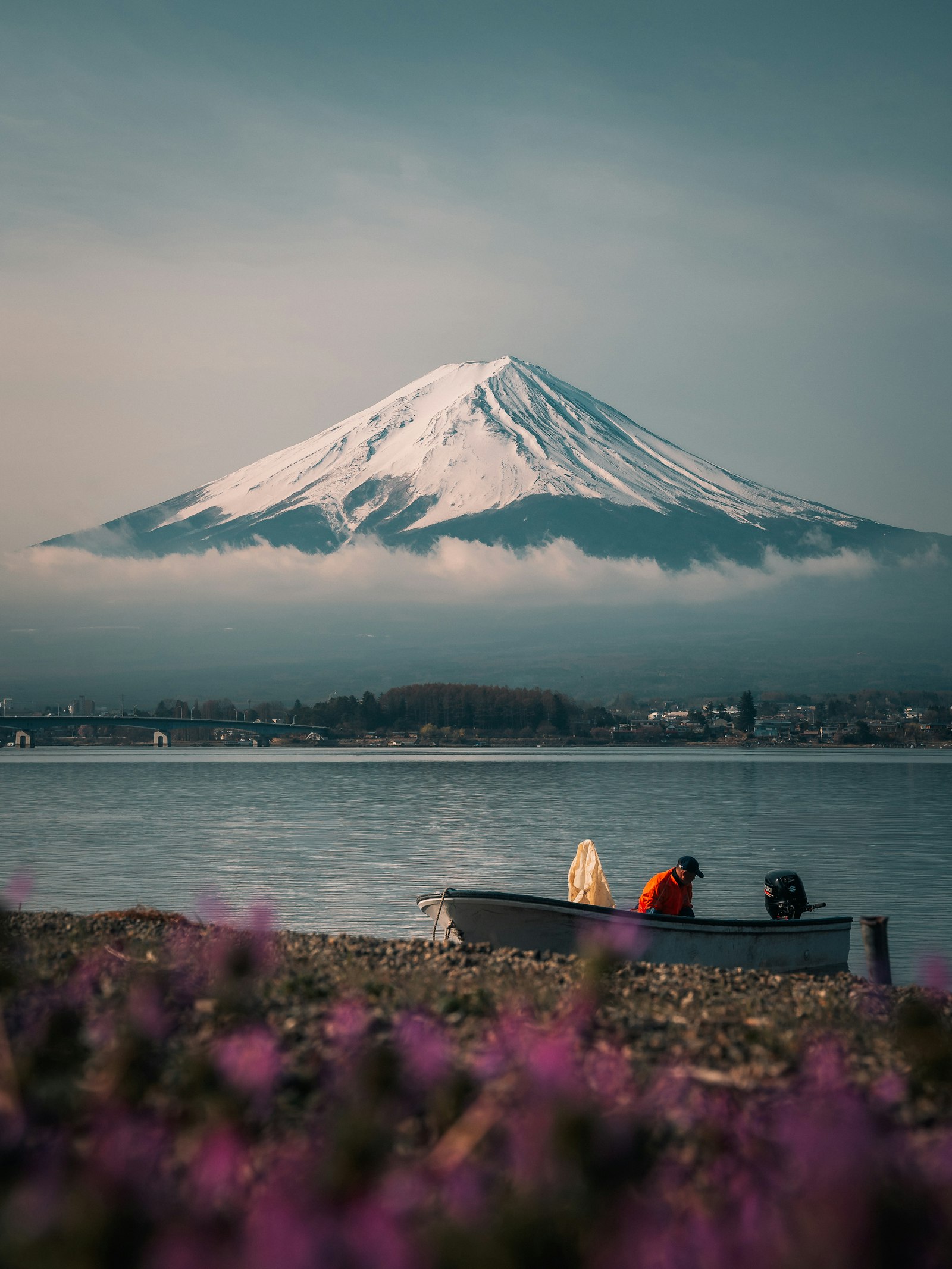
For travelers who want a memorable scenic stop, Lake Kawaguchiko and Fujiyoshida can provide striking views of Mount Fuji. The official Japan destination information also highlights Mount Fuji, Hakone, and the Fuji Five Lakes among the major attractions of the Tokai region. :contentReference[oaicite:7]{index=7}
Japan Transportation Tips for First-Time Visitors
Japan transportation is easiest when you combine local trains, subway systems, IC cards, and Shinkansen services instead of relying on one transport pass for everything.
Japan has an extensive railway network covering major cities and many regional destinations. The Japan National Tourism Organization describes Japan Railways as a nationwide network with local trains, rapid services, limited express trains, and Shinkansen bullet trains. :contentReference[oaicite:8]{index=8}
- Use local trains and subways for city exploration.
- Use Shinkansen services for major intercity journeys.
- Use IC cards where supported for convenient local transportation.
- Check the final train time before staying out late.
- Reserve seats when your route or travel period makes reservations appropriate.
Our trains and buses travel resources can complement your route planning when you compare transportation options.
Should You Buy a Japan Rail Pass?
A Japan Rail Pass is not automatically the cheapest option; compare the cost of your actual long-distance journeys with available rail passes before purchasing.
The nationwide Japan Rail Pass provides unlimited travel on most JR services during its validity period, but it does not cover every private railway, subway, or urban transport service. Regional passes can be more appropriate when your itinerary is concentrated in one area. :contentReference[oaicite:9]{index=9}
For example, someone spending most of the trip in Tokyo and Kyoto may not need a nationwide pass simply because both cities are connected by Shinkansen. A traveler adding multiple long-distance journeys may find a pass more useful.
Always compare the actual ticket costs before buying. The official JR information also explains that regional passes can be useful for travelers concentrating on areas such as western or eastern Japan. :contentReference[oaicite:10]{index=10}
Japan Travel Budget for First-Time Visitors
A realistic Japan travel budget depends heavily on accommodation, season, intercity transportation, dining choices, and how many paid attractions you visit.
| Expense | Budget Approach | Higher-Cost Approach |
|---|---|---|
| Accommodation | Hostels, simple hotels, capsule hotels | Central hotels, ryokan, premium properties |
| Food | Convenience stores, ramen, casual restaurants | Kaiseki, premium sushi, specialty dining |
| Transport | Local trains and strategic rail bookings | Frequent long-distance Shinkansen journeys |
| Activities | Parks, neighborhoods, selected attractions | Multiple ticketed experiences and tours |
For a week-long trip, calculate your transportation and hotel costs before setting a daily spending limit. Our guide to a week-long trip to Japan under $2,000 provides another budgeting framework for travelers trying to control total costs.
One useful strategy is to spend more on experiences you genuinely care about and less on convenience purchases. A centrally located hotel may save transportation time, while a cheaper hotel far from the station may create additional daily costs.
How to Find Cheap Flights to Japan
The best way to reduce international airfare is to compare multiple departure dates, airports, airlines, and baggage-inclusive prices instead of choosing the first low headline fare.
Travelers from the United States should compare flights into Tokyo Haneda, Tokyo Narita, Osaka Kansai, and other practical arrival airports when the itinerary allows. A slightly different arrival airport can sometimes work better when it matches the first destination.
Track prices before committing, especially if your dates are flexible. Compare the total fare after baggage and seat charges rather than relying only on the advertised base fare.
For route-specific research, see our guide to cheap flights to Japan and our article covering Japan flights from the USA.
Japan Hotel Booking Tips for First-Time Travelers
The best Japan hotel is usually the property that balances station access, room size, location, cancellation terms, and total price.
Japanese accommodation ranges from business hotels and capsule hotels to luxury properties and traditional ryokan. Room sizes can also feel different from what travelers expect in larger Western hotel markets.
For Tokyo, prioritize a location near a station that serves the neighborhoods you plan to visit. In Kyoto, consider whether your hotel makes access to your planned sightseeing areas convenient.
Booking directly is not always cheaper, so compare rates, cancellation conditions, taxes, and included benefits before choosing. Our hotel and accommodation resources can help with the comparison process.
Japan Food Guide for First-Time Travelers
Japan is an excellent destination for food-focused travel because affordable everyday meals can coexist with highly specialized regional and fine-dining experiences.
First-time travelers should try ramen, sushi, udon, soba, tempura, yakitori, curry rice, okonomiyaki, and regional specialties. You do not need an expensive restaurant reservation for every meal.
Convenience stores can be useful for inexpensive breakfasts, snacks, drinks, and simple meals. Local restaurants near railway stations can also offer excellent value.
If you have dietary restrictions, research the Japanese terminology for your needs before traveling and communicate clearly with restaurants. Do not assume every ingredient will be obvious from an English menu.
For paid culinary experiences and sightseeing activities, explore our tours and activities section.
Japan Cultural Etiquette Tips for Tourists
Respecting quiet public spaces, following local instructions, and observing basic queueing and temple etiquette will make your Japan trip smoother.
- Keep your voice low on trains.
- Follow designated lines and queueing systems.
- Remove shoes where signs or hosts require it.
- Follow photography restrictions at temples and private locations.
- Do not block narrow streets or entrances while taking photographs.
- Carry rubbish until you find an appropriate disposal point.
Japan travel etiquette is less about memorizing dozens of rules and more about observing what people around you are doing. When uncertain, look for signs or ask staff politely.
Japan SIM Card Options for Tourists
A reliable mobile data connection makes navigation, translation, train research, reservations, and emergency communication much easier during Japan travel.
International travelers can consider an eSIM, physical SIM card, or other mobile connectivity option depending on phone compatibility and trip length. Check whether your phone is unlocked before leaving home.
Download important maps and reservation details before your trip, but keep your travel documents accessible offline as well. Our SIM cards and connectivity guide can help you compare options.
Do You Need Japan Travel Insurance?
Travel insurance can protect your trip against eligible medical expenses, cancellations, interruptions, baggage problems, and other covered events.
Insurance terms differ significantly between providers, so read the policy rather than choosing solely by price. Pay attention to medical limits, exclusions, cancellation conditions, baggage coverage, and documentation requirements.
For international trips, keep your policy number and emergency assistance information accessible offline. Review our travel insurance resources before departure.
Japan Airport Arrival Tips for First-Time Visitors
Prepare your passport, immigration information, accommodation details, and arrival documentation before landing to reduce unnecessary delays.
Japan’s official Visit Japan Web service allows travelers to pre-register information for immigration, customs, and tax-free shopping procedures and generate a QR code for arrival procedures. :contentReference[oaicite:11]{index=11}
Visa requirements depend on nationality and can change, so check the latest information from the Japanese Ministry of Foreign Affairs and the Japan National Tourism Organization before departure. JNTO specifically advises travelers to verify current requirements because visa regulations can change. :contentReference[oaicite:12]{index=12}
Keep your first-night hotel address available in English and, when useful, Japanese. This is especially helpful when using airport transportation or asking for directions.
Japan Travel Packing List for First-Time Visitors
Pack light enough to move comfortably between hotels because Japanese rail stations can involve stairs, platforms, transfers, and crowded areas.
- Comfortable walking shoes
- Weather-appropriate layers
- Compact umbrella or rain protection
- Universal travel adapter
- Portable power bank
- Prescription medicines and essential documents
- Small day bag
- Reusable water bottle
- Passport and travel insurance information
- Lightweight luggage that is easy to maneuver
Travelers using Shinkansen services should also consider luggage size when planning intercity journeys. The official Shinkansen guidance explains that oversized baggage rules apply on several routes and recommends reserving the appropriate luggage space when required. :contentReference[oaicite:13]{index=13}
17 Japan Travel Mistakes First-Time Visitors Should Avoid
The biggest first-trip mistakes are usually overpacked itineraries, poor geographic planning, unrealistic transportation assumptions, and failing to research current entry requirements.
- Trying to visit too many cities in one week.
- Changing hotels every night.
- Buying a rail pass without comparing ticket costs.
- Ignoring airport-to-hotel transfer time.
- Scheduling too many attractions per day.
- Forgetting to account for jet lag.
- Assuming every train requires the same ticket.
- Ignoring the final train of the evening.
- Booking accommodation without checking station access.
- Relying only on one payment method.
- Not keeping some payment backup available.
- Failing to check seasonal weather before packing.
- Assuming Mount Fuji will always be visible.
- Ignoring attraction reservation requirements.
- Using only tourist-heavy neighborhoods.
- Forgetting to verify current visa information.
- Trying to turn every day into a race against the itinerary.
The best japan travel guide for first-time visitors should ultimately help you make fewer decisions during the trip. Build a strong route before departure, then leave enough flexibility to enjoy unexpected discoveries.
How to Make Japan Travel More Affordable Without Making It Worse
The most effective savings usually come from controlling large expenses such as airfare, hotels, and intercity transportation rather than cutting every small food or sightseeing expense.
Start by comparing flight dates and airports. Next, calculate accommodation costs for the complete stay rather than judging hotels by nightly price alone. Finally, compare individual rail tickets with regional or nationwide passes.
Another useful technique is to mix paid experiences with free attractions. Tokyo neighborhoods, Kyoto streets, parks, shrines, markets, and scenic areas can provide memorable experiences without requiring a ticket for every activity.
If you are comparing vacation components, our package tours resources can help you evaluate whether bundling parts of a trip makes financial sense.
Japan Travel Planning: A Simple Booking Order
Book your international flights and core accommodation first, then finalize intercity transportation, attractions, day trips, and smaller activities.
- Choose your travel dates.
- Confirm entry and visa requirements.
- Compare international flights.
- Select your main cities.
- Book refundable or flexible accommodation when practical.
- Map the intercity route.
- Compare rail tickets and passes.
- Reserve high-demand attractions where required.
- Arrange mobile connectivity.
- Review insurance coverage.
- Prepare payment methods.
- Download maps and important documents.
This sequence prevents a common planning problem: buying an expensive flight before realizing that your preferred hotel dates or transportation route do not fit the itinerary.
Is a Japan Itinerary Under $2,000 Possible?
A one-week Japan itinerary under $2,000 can be possible for some travelers, but the result depends heavily on airfare, accommodation, transportation, and departure city.
Do not treat a $2,000 target as a guaranteed price. Instead, use it as a planning ceiling and divide the budget into major categories before booking.
| Budget Category | Planning Question |
|---|---|
| Flights | Can flexible dates reduce the airfare? |
| Hotels | Can a station-area business hotel reduce the total? |
| Transport | Are point-to-point tickets cheaper than a pass? |
| Food | Can casual local meals balance occasional premium dining? |
| Activities | Which experiences are worth paying for? |
For a more detailed cost framework, compare your numbers with our Japan under $2,000 itinerary guide.
When Is the Best Time to Visit Japan for First-Time Travelers?
The best time depends on your priorities: spring and autumn offer popular seasonal scenery, while other seasons can provide different weather, pricing, and crowd conditions.
Cherry blossom season is highly popular, but exact timing varies by location and weather. Autumn foliage also attracts substantial demand. Summer can be hot and humid in many destinations, while winter can be excellent for travelers interested in snow, winter scenery, and seasonal activities.
Rather than asking for one universally perfect month, decide whether your priority is mild weather, flowers, autumn colors, winter experiences, lower prices, or fewer crowds.
How to Build a Better Japan Trip Around Your Interests
The strongest Japan itinerary matches destinations to your interests instead of copying a generic list of famous attractions.
Food-focused travelers can prioritize Osaka, Tokyo neighborhoods, markets, ramen shops, sushi counters, and regional specialties. History and culture enthusiasts can give more time to Kyoto, Nara, Hiroshima, castles, shrines, and traditional districts.
Nature lovers can add Mount Fuji, Hakone, the Fuji Five Lakes, national parks, or regional destinations. Anime and gaming fans may prioritize Akihabara, Ikebukuro, Nakano, themed attractions, and specialized shopping districts.
This interest-first approach is one of the simplest ways to make a japan travel itinerary for first-time visitors feel personal instead of generic.
Final Takeaway: Build a Smarter First Japan Trip
The best first Japan trip is not the one that visits the most places; it is the one that balances major highlights with realistic travel time and enough flexibility to enjoy them.
Start with Tokyo and Kyoto, add Mount Fuji, Osaka, Nara, or another destination only when the extra travel makes sense, and compare transportation costs before buying passes.
Use official resources for entry rules and current transportation information, research hotels around useful stations, and keep your daily schedule flexible. With those foundations in place, Japan becomes much easier to navigate.
For additional destination planning, explore the The Offers Guy travel blog for more guides, deals, itineraries, and practical travel resources.
Frequently Asked Questions About Japan Travel
These answers cover the most common planning questions for travelers preparing their first Japan trip.
How many days should a first-time visitor spend in Japan?
Seven to ten days is a practical starting point for combining Tokyo and Kyoto with Mount Fuji, Osaka, or another carefully selected destination. Longer trips allow a slower pace and more regional exploration.
What is the best Japan itinerary for first-time visitors?
A Tokyo, Mount Fuji, and Kyoto route is one of the simplest first-trip combinations. Travelers with more time can add Osaka, Nara, Hiroshima, or another regional destination.
Is Tokyo or Kyoto better for a first Japan trip?
Tokyo and Kyoto serve different purposes. Tokyo is stronger for modern city experiences, shopping, nightlife, technology, and neighborhood exploration, while Kyoto is stronger for historic architecture, temples, gardens, and traditional culture.
Is the Japan Rail Pass worth buying?
The Japan Rail Pass is worthwhile only when the cost of your planned JR journeys makes the pass financially useful. Compare individual fares and regional passes before purchasing.
How do you travel between Tokyo and Kyoto?
The Shinkansen is the most straightforward option for many travelers. The fastest services can make the journey in approximately two hours and 20 minutes, although the exact journey depends on the service and timetable.
What are the best places to visit in Japan for first-time travelers?
Tokyo and Kyoto are the strongest starting points for most first-time visitors. Depending on available time, Mount Fuji, Osaka, Nara, Hiroshima, Hakone, and the Fuji Five Lakes can be added.
Do I need cash when traveling around Japan?
Travelers should not assume that every payment can be made by card. Carrying an appropriate amount of Japanese yen as backup remains sensible, particularly when visiting smaller businesses or rural areas.
Should I buy a SIM card or eSIM for Japan?
An eSIM or physical SIM can make navigation, translation, reservations, and communication easier. Choose based on phone compatibility, data requirements, trip duration, and coverage.
What should I pack for Japan travel?
Pack comfortable walking shoes, weather-appropriate layers, a universal adapter, portable power, essential medicines, travel documents, and luggage that is easy to move through train stations.
What Japan travel mistakes should first-time visitors avoid?
Avoid overcrowding your itinerary, changing hotels too often, buying transportation passes without comparing prices, ignoring airport transfer time, and failing to verify current entry requirements.
Can I plan Japan travel on a budget?
Yes. Travelers can reduce costs by comparing airfare, choosing practical accommodation, using public transportation efficiently, mixing casual and premium meals, and selecting free or low-cost attractions alongside paid experiences.
Do I need to complete Visit Japan Web before entering Japan?
Visit Japan Web can be used to pre-register information for immigration, customs, and tax-free shopping procedures. Check the current official guidance before departure because entry procedures can change.
Official Japan Travel Resources
Use official sources for information that can change, particularly visa requirements, transportation rules, and arrival procedures.
- Japan National Tourism Organization – Travel Japan
- Japan Visa and Entry Information
- Japan Transportation Guide
- Japan Rail Pass Information
- Japan Customs and Visit Japan Web Information
Always confirm the latest requirements directly with the relevant Japanese authorities before departure because immigration, visa, transportation, and entry procedures may change.