A Tokyo travel guide for first-time visitors should help you choose the right neighborhood, navigate public transportation, control daily costs, and experience both traditional and modern Japan without wasting hours crossing the city. The easiest approach is to organize sightseeing by area, stay near a useful train station, and leave room for unexpected discoveries.
Tokyo combines historic temples, neon-lit shopping districts, excellent public transport, Japanese food, technology, and quieter residential neighborhoods. This guide explains how to plan a practical first visit, avoid common mistakes, and build a realistic three-day itinerary.

1. Choose the Best Time to Visit Tokyo
Spring and autumn are popular times to explore Tokyo, while winter can suit travelers seeking cooler weather and fewer seasonal crowds at some attractions. Your best travel dates depend on weather preferences, accommodation prices, school holidays, and the experiences you want.
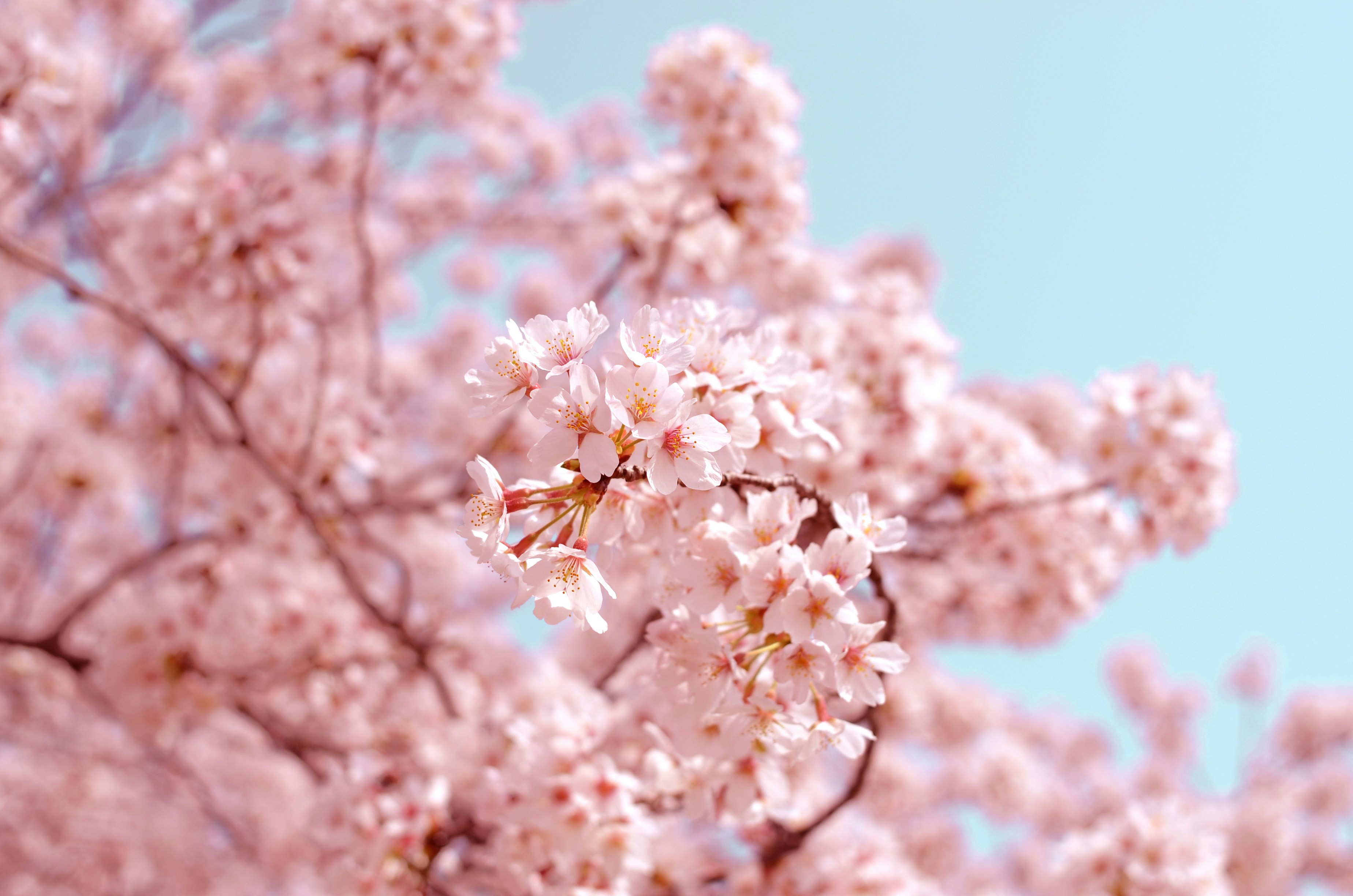
- March to April: Spring flowers, pleasant sightseeing conditions on many days, and potentially heavy demand around cherry blossom season.
- May: Comfortable sightseeing conditions are possible, although public holidays can increase domestic travel demand.
- June: The rainy season can bring wet days, so plan indoor alternatives.
- July to August: Expect heat and humidity. Schedule outdoor sightseeing early and take regular breaks.
- September to October: Autumn can offer improving conditions, but September may still bring typhoon-related disruption.
- November: Autumn foliage and cooler temperatures can make city walks appealing.
- December to February: Winter is generally cooler, with shorter daylight hours and opportunities for indoor attractions.
For a budget-conscious trip, compare hotel rates across several date ranges instead of assuming one season is always cheapest. Check the official GO TOKYO travel planning resources for seasonal information and destination guidance.
Pro tip: If cherry blossoms are your priority, avoid booking solely around an expected flowering date months in advance. Forecasts change, and popular hotels can become expensive during peak demand.
2. Understand Tokyo’s Airports Before Booking
Haneda is generally closer to central Tokyo than Narita, but the best airport depends on your flight price, arrival time, and final hotel location. Include the onward journey in your flight comparison instead of comparing airfare alone.

Haneda Airport (HND)
Haneda is convenient for many central Tokyo destinations and offers rail, monorail, bus, and taxi connections. Your exact journey depends on the neighborhood where you are staying.
Narita International Airport (NRT)
Narita is farther from central Tokyo, but express trains and airport buses provide useful connections. Compare the total journey time, ticket price, luggage arrangements, and arrival schedule before deciding.
Use the official Tokyo airport access guide to compare available transportation options.
For example, a flight that saves $40 but requires an additional $25 in transport and a longer transfer saves only $15 before accounting for the extra time. This is why the cheapest airfare is not necessarily the cheapest arrival plan.
3. Master Tokyo Public Transportation
Trains and subways are usually the most practical ways to explore Tokyo because they connect major sightseeing districts without requiring a rental car. Use a route-planning app, check station names carefully, and allow extra time for transfers in large stations.

Use an IC card where accepted
Rechargeable IC cards such as Suica and PASMO can simplify payment on many participating trains, subways, buses, and at selected shops. Mobile versions are also available on compatible devices, subject to setup and availability.
Check the official Tokyo subway guide for current ticketing advice, route information, and travel etiquette.
Understand the different rail networks
Tokyo uses several railway operators, including JR East, Tokyo Metro, and Toei Subway. A route may involve different operators, so a transfer that looks simple on a map can require another ticket or a different fare calculation.
- Check the destination and line color before entering a station.
- Follow transfer signs rather than immediately exiting through the ticket gates.
- Check the last train before planning a late evening out.
- Keep luggage compact during crowded periods.
- Compare individual fares with day passes before buying a transport pass.
Budget example: If you make four journeys in a day and each costs an illustrative ¥200, your local transport total is ¥800. Compare that amount with the actual price and coverage of a day pass before purchasing one. These figures are a calculation example, not a current fare quotation.
For longer journeys beyond Tokyo, review The Offers Guy’s trains and buses resources before building a multi-city itinerary.
4. Choose the Right Tokyo Neighborhood
The best Tokyo neighborhood for your first visit is the one that matches your daily sightseeing plans and provides convenient transportation. Staying beside a useful station can save more time than choosing a hotel simply because it is close to one famous attraction.

| Neighborhood | Best for | Planning consideration |
|---|---|---|
| Shinjuku | Transport, shopping, dining, city views | Large station and busy streets can take time to navigate. |
| Shibuya | Modern city culture, fashion, shopping | Popular areas can be crowded and accommodation can be expensive. |
| Asakusa | Historic atmosphere and traditional streets | Check connections to your planned evening activities. |
| Ueno | Museums, park visits, rail connections | Compare the exact station and hotel location. |
| Tokyo Station and Marunouchi | Rail connections and central-city access | Hotel rates can vary significantly by location. |
For a first visit, compare at least three hotels using the same dates, room occupancy, cancellation terms, and total price. Then estimate the daily transport time from each hotel to your main attractions.
Start your accommodation research with The Offers Guy’s hotels and accommodations guide. Prioritize location, transport access, and the full booking price rather than the headline nightly rate.
5. Plan a Realistic Tokyo Travel Budget
A realistic Tokyo budget includes accommodation, food, local transport, activities, connectivity, and a contingency reserve in addition to international flights. Your daily spending will depend heavily on room type, dining choices, shopping, and the number of paid attractions you visit.
Use the following worksheet to estimate costs for one traveler. Enter actual prices for your dates rather than relying on a universal daily budget.
| Expense | What to include |
|---|---|
| Accommodation | Nightly rate, taxes, and mandatory charges |
| Food | Breakfast, lunch, dinner, snacks, and drinks |
| Local transport | Rail, subway, buses, and occasional taxis |
| Attractions | Admission tickets, exhibitions, and reservations |
| Connectivity | SIM, eSIM, or roaming plan |
| Contingency | Unexpected expenses and schedule changes |
Calculate the cost before you book
Suppose your estimated three-day expenses, excluding international flights, are ¥12,000 per day for accommodation, ¥4,000 for food, ¥1,000 for transport, and ¥2,000 for activities. Your illustrative daily total would be ¥19,000.
For three days, that would equal ¥57,000 before shopping, international airfare, airport transfers, and any additional expenses. These are sample planning figures, not verified Tokyo prices; replace them with quotes for your travel dates.
To find savings, compare weekday and weekend hotel rates, choose free parks and neighborhood walks, and avoid paying for attractions that do not match your interests. The Offers Guy’s money-saving travel tips offer additional ways to compare the complete cost of a trip.
6. Follow This Practical Three-Day Tokyo Itinerary
Three days is enough to experience several major sides of Tokyo if you group attractions geographically and avoid trying to see the entire city at once. This itinerary combines traditional streets, modern neighborhoods, and central Tokyo landmarks while leaving room for meals and rest.
Day 1: Asakusa, Ueno, and Tokyo Skytree
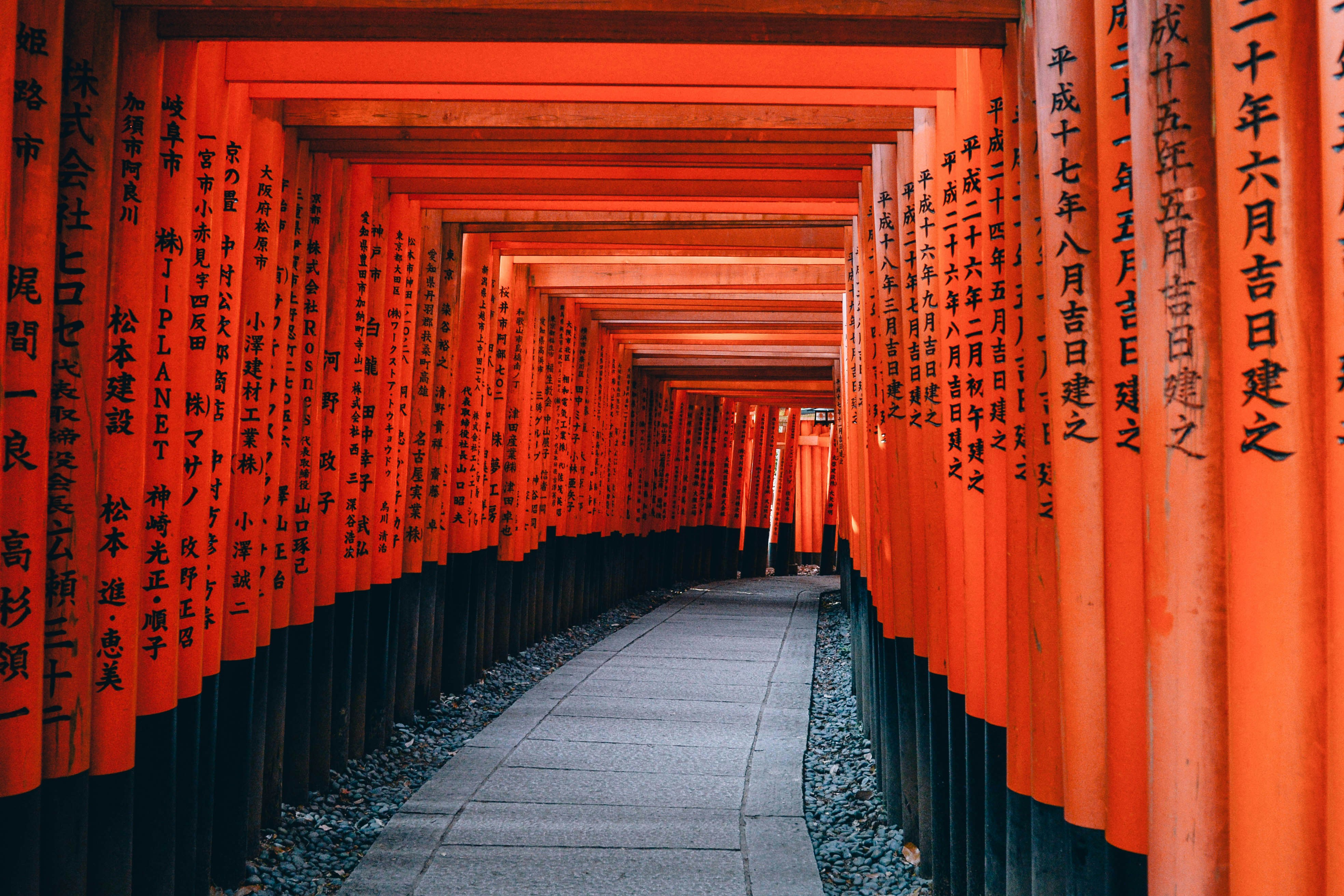
- Morning: Explore Asakusa and visit Senso-ji. Allow time to walk through nearby streets and browse local shops.
- Lunch: Try a local Japanese meal around Asakusa or on the route toward Ueno.
- Afternoon: Explore Ueno Park or select a museum that matches your interests.
- Evening: Visit the Tokyo Skytree area if you want city views. Check observation deck ticket availability and sunset times before going.
This route works because the stops are in the eastern part of Tokyo. You can shorten the day by choosing either a museum or an observation deck rather than forcing both into a tight schedule.
Day 2: Meiji Shrine, Harajuku, Shibuya, and Shinjuku
- Morning: Visit Meiji Shrine and enjoy the surrounding green space.
- Late morning: Walk through Harajuku and explore its fashion and shopping streets.
- Afternoon: Head to Shibuya Crossing, browse shops, and choose a café or nearby attraction.
- Evening: Continue to Shinjuku for illuminated streets, restaurants, and city views.
Do not underestimate walking distances around stations and shopping districts. If you book a timed observation deck or other ticketed attraction, build the rest of the day around that appointment.
Day 3: Tokyo Station, Imperial Palace Area, and Ginza
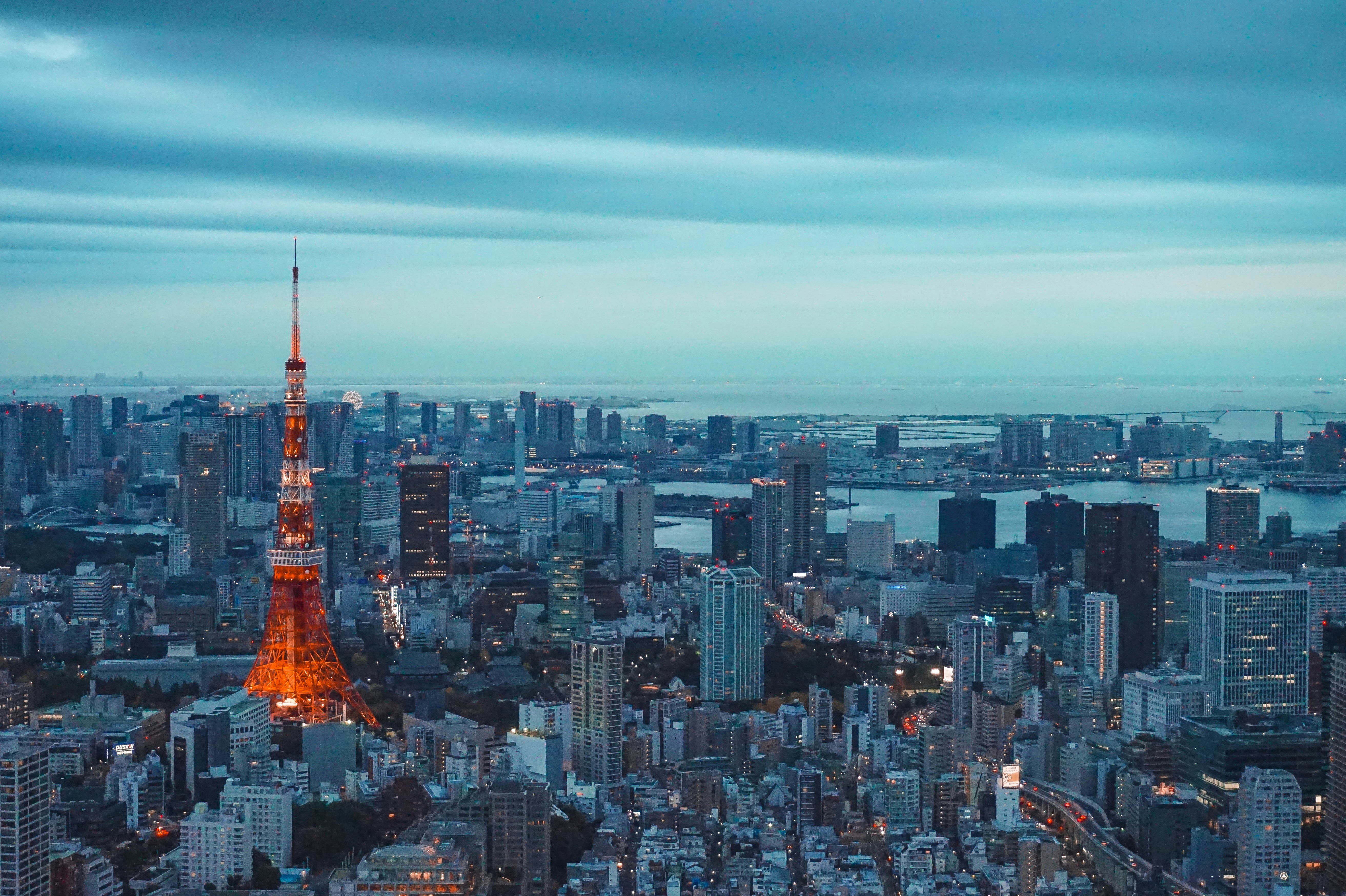
- Morning: Explore the Tokyo Station and Marunouchi area.
- Late morning: Visit the publicly accessible areas around the Imperial Palace, checking access restrictions in advance.
- Afternoon: Walk around Ginza for department stores, architecture, and cafés.
- Evening: Choose a final Japanese meal or revisit a neighborhood you enjoyed most.
If you have an extra day, consider a slower visit to another neighborhood or a day trip outside the city. For a more detailed route, use The Offers Guy’s three-day Tokyo weekend itinerary.
7. Explore Japanese Food Without Overplanning
The easiest way to enjoy Tokyo’s food scene is to mix everyday Japanese meals with one or two dining experiences that genuinely interest you. You do not need a reservation at an expensive restaurant for every meal to enjoy the city’s cuisine.
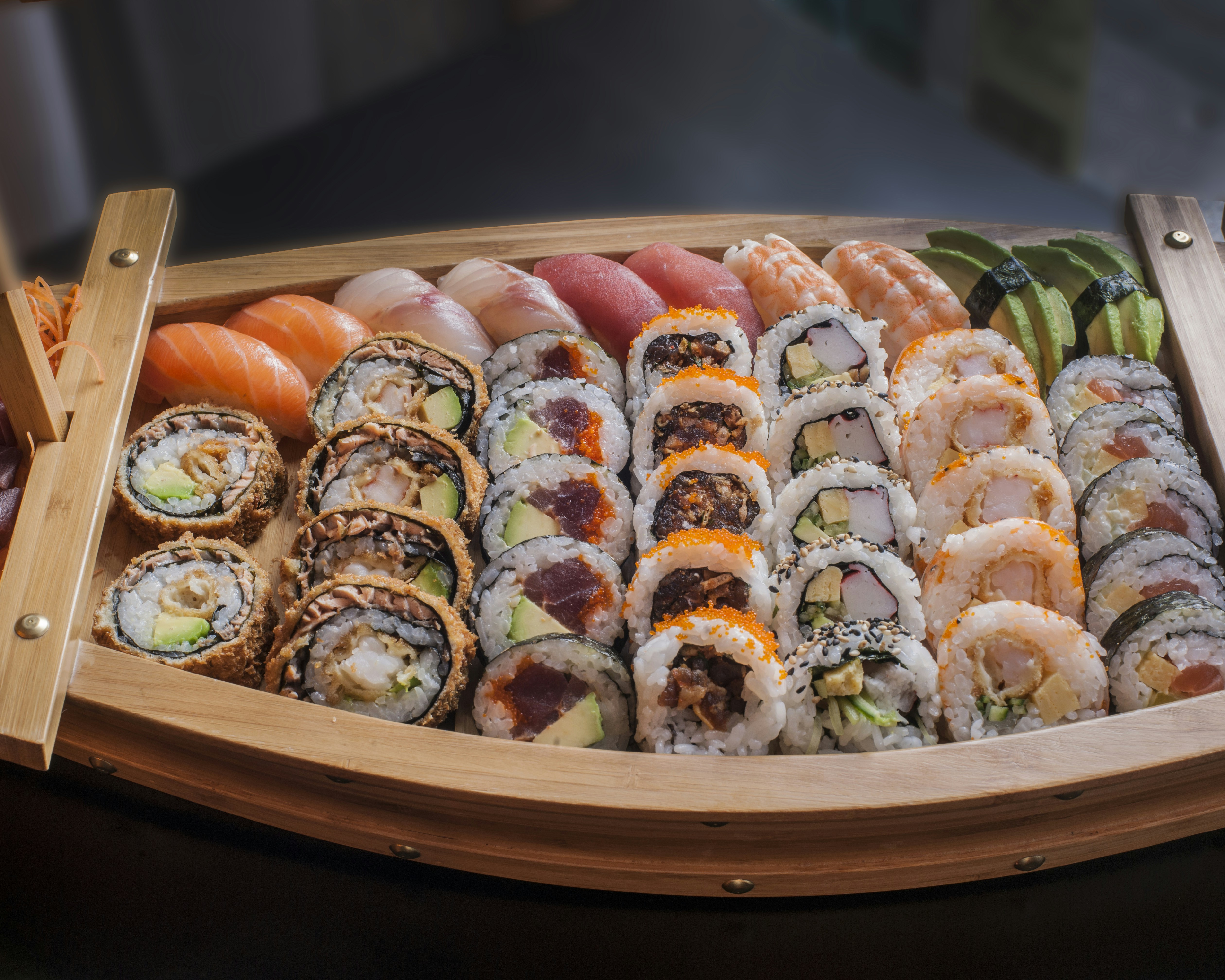
Consider trying ramen, sushi, soba noodles, tempura, Japanese curry, onigiri, and seasonal sweets. Local restaurants, food halls, and casual dining spots can make it easier to discover different dishes during a short stay.
- Check menus and prices before sitting down.
- Tell restaurant staff about food allergies clearly and in advance.
- Check whether a restaurant accepts cards or requires another payment method.
- Make reservations for popular restaurants when the venue recommends them.
- Follow posted rules about outside food, queues, and photography.
For more practical cultural guidance, read the official Tokyo customs and manners guide before your visit.
8. Understand Local Etiquette
Following basic Japanese etiquette means being considerate in shared spaces, respecting photography restrictions, and observing local instructions at temples, shops, and restaurants. You do not need to memorize every custom, but paying attention makes interactions smoother.
- On trains: Keep conversations quiet, silence your phone, and let passengers exit before boarding.
- In queues: Wait in the designated line at stations, restaurants, and escalators.
- At temples and shrines: Follow signs and avoid touching protected objects.
- With photography: Respect restrictions and ask permission before taking close-up photos of people.
- With rubbish: Use appropriate bins when available and carry your rubbish until you find one.
- With footwear: Remove shoes when signs or staff indicate that it is required.
Review the official Tokyo sightseeing etiquette tips for additional examples. Local rules can differ by venue, so posted instructions should take priority.
9. Arrange Mobile Internet Before You Arrive
A working mobile connection helps you navigate Tokyo, translate signs, check train routes, manage bookings, and contact your accommodation. Compare a travel eSIM, physical SIM, pocket Wi-Fi, and your existing roaming plan before departure.
Check that your phone supports the service you choose and that the plan covers Japan. Confirm data limits, activation timing, hotspot support, and whether voice calls or SMS are included.
For help choosing a suitable option, read The Offers Guy’s eSIM versus international SIM card comparison or browse the SIM cards and eSIM resources.
Pro tip: Save your hotel address, important reservations, and an offline map before leaving reliable Wi-Fi. This provides a backup if your connection is temporarily unavailable.
10. Prepare for Weather and Unexpected Disruptions
Check the forecast and official travel alerts before each sightseeing day, especially during periods of heavy rain, extreme heat, or typhoon activity. Tokyo’s weather can affect walking plans, outdoor attractions, transport, and day trips.
- Carry a compact umbrella or suitable rain protection when needed.
- In hot weather, plan outdoor sightseeing early and take breaks indoors.
- Check railway service notices before traveling to timed reservations.
- Keep important bookings and emergency information available offline.
- Use official announcements when severe weather or transport disruption occurs.
The Japan National Tourism Organization’s Tokyo destination guide is a useful starting point for destination information. For immediate disruptions, check the relevant transport operator and local authorities.
11. Check Entry Requirements Before Departure
Your entry requirements depend on your nationality, passport, travel purpose, and length of stay, so verify them through official Japanese government sources before booking non-refundable travel. Do not assume that visa rules for one nationality apply to everyone.
Check passport requirements, visa eligibility, permitted stay, customs declarations, and any documentation relevant to your circumstances. Travelers who need a visa should allow sufficient processing time.
Start with the official Tokyo visa and immigration information and follow the relevant Japanese government instructions for your passport.
12. Carry a Practical Payment Backup
Bring a payment method accepted by your accommodation and major providers, plus a backup option for unexpected situations. Card acceptance is widespread in many visitor-facing businesses, but you should not assume every small shop, service, or transport option accepts your preferred payment method.
- Check foreign transaction fees with your bank.
- Carry a reasonable amount of Japanese yen for situations where cash is needed.
- Keep a backup payment card separately from your primary card.
- Check whether your card supports contactless payments and international transactions.
- Use reputable exchange services and review the amount you will receive before confirming a transaction.
13. Book Popular Attractions Strategically
Reserve attractions in advance when the venue uses timed entry, has limited capacity, or is particularly popular on your travel dates. Booking every activity is unnecessary, but leaving a high-demand experience until the last minute can limit your choices.
Check official attraction websites for opening hours, ticket availability, age restrictions, photography rules, and cancellation terms. Do not rely exclusively on an old blog post for current prices or schedules.
Keep at least one flexible block in your itinerary each day. This allows you to adjust for rain, queues, tiredness, or an unexpected discovery without losing a prepaid booking.
14. Avoid These Common First-Time Tokyo Mistakes
The most avoidable Tokyo planning mistakes are scheduling distant neighborhoods on the same day, ignoring station walking time, and underestimating the total cost of transportation and accommodation. A little geographic planning makes a short visit much more comfortable.
- Too many attractions: Choose a few meaningful stops instead of racing through a long checklist.
- Wrong hotel location: Check walking distance to the actual station entrance and the routes you will use.
- Unnecessary rail passes: Compare the pass price with your planned journeys.
- Last-minute reservations: Check high-demand activities and popular dining venues early.
- No weather backup: Keep indoor attractions available for rainy or very hot days.
- Overlooking airport costs: Include the transfer in your airfare comparison.
- Rushing between districts: Remember that large stations can involve considerable walking.
15. Use This Final Tokyo Trip Checklist
Before leaving home, confirm your travel documents, accommodation, airport transfer plan, mobile connectivity, transportation strategy, and important reservations. Keep the plan simple enough to adapt when conditions change.
- Confirm passport and visa requirements.
- Save flight details and hotel addresses.
- Compare the airport transfer options.
- Choose a convenient accommodation area.
- Check train routes and available payment methods.
- Estimate your complete trip budget.
- Arrange mobile data and offline navigation.
- Check weather and attraction opening hours.
- Save emergency contacts and essential reservations.
- Leave some time free for spontaneous exploration.
Frequently Asked Questions About Visiting Tokyo
These answers address common questions first-time visitors ask when planning a Tokyo vacation.
How many days should a first-time visitor spend in Tokyo?
Three full days is a practical starting point for exploring several major Tokyo neighborhoods. Four to five days gives you more time for museums, shopping, food experiences, quieter districts, and a possible day trip.
What is the best area to stay in Tokyo for first-time visitors?
Shinjuku, Shibuya, Ueno, Asakusa, and the Tokyo Station area can all work well. Choose based on your budget, airport connections, planned attractions, and preferred atmosphere rather than relying on one universal recommendation.
Is Tokyo expensive for tourists?
Tokyo can suit different budgets, but accommodation, shopping, and paid experiences can increase total spending. Compare actual hotel rates, use public transportation, mix casual meals with special dining experiences, and select attractions carefully.
What is the easiest way to get around Tokyo?
Trains and subways are generally the most convenient ways to reach major sightseeing areas. Use a route-planning app, consider an IC card where accepted, and allow extra time for transfers through large stations.
Should I choose Haneda or Narita Airport?
Haneda is generally closer to central Tokyo, while Narita also has convenient express train and bus connections. Compare airfare, arrival time, onward transport cost, and the location of your accommodation before choosing.
Do I need a travel eSIM in Tokyo?
You do not necessarily need an eSIM, but mobile data is useful for maps, translation, transport updates, and reservations. Compare an eSIM, physical SIM, pocket Wi-Fi, and your existing roaming plan based on compatibility, coverage, and total cost.
What should I avoid doing on my first Tokyo trip?
Avoid planning too many distant attractions in one day, buying transport passes without comparing prices, ignoring local etiquette, and assuming all businesses accept the same payment methods. Leave time for station transfers, meals, and rest.
When is the best time to visit Tokyo?
Spring and autumn are popular for sightseeing, while winter can offer cooler weather. The best time depends on your budget, weather preferences, seasonal interests, and tolerance for crowds. Check current forecasts and hotel prices before choosing dates.
Can I explore Tokyo without speaking Japanese?
Yes. Many major stations and visitor-facing attractions provide useful English signage, and translation apps can help with menus and directions. Learning a few polite Japanese expressions and keeping destination names available on your phone can make travel easier.
Is Tokyo suitable for a first trip to Japan?
Tokyo is a practical starting point for travelers interested in modern city life, traditional sites, Japanese food, shopping, and public transportation. Its size makes neighborhood-based planning especially important for a short visit.
Final Takeaway
A successful first trip to Tokyo is built around a manageable itinerary, convenient accommodation, reliable transport, and a realistic budget. Spend each day exploring connected neighborhoods, verify time-sensitive information through official sources, and leave enough flexibility to enjoy the city beyond its famous landmarks.
For the next step, use The Offers Guy’s Japan travel guide for first-time visitors to plan the rest of your trip, or explore the Japan tourist attractions guide if you want to add another destination.
Editorial note: Transportation arrangements, attraction hours, prices, and entry requirements can change. Verify important details with official providers before departure. This article is general travel-planning information, not a guarantee of current prices or availability.