The best day trips from Tokyo by train take you beyond Japan’s capital to historic temples, coastal towns, mountain landscapes, hot spring resorts, and views of Mount Fuji. For a first visit, Kamakura is ideal for history, Hakone for mountain scenery, Nikko for elaborate shrines, and Kawaguchiko for Fuji views.
You do not need to rent a car or change hotels to experience these destinations. With an early start, a carefully chosen route, and advance checks of train schedules, you can explore a different side of Japan and return to your Tokyo accommodation the same evening.

This guide compares eight destinations by journey time, transport route, main attractions, and practical planning considerations. If this is your first visit, combine it with our Japan travel guide for first-time visitors to organize the rest of your itinerary.
Compare the 8 Best Day Trips From Tokyo by Train
Kamakura and Yokohama are among the easiest choices for a short excursion, while Nikko and Kawaguchiko reward travelers who can dedicate more time to transportation and sightseeing. Choose a destination based on your interests, the train route, and how much time you want to spend away from Tokyo.
| Destination | Approximate one-way journey | Best for | Suggested time |
|---|---|---|---|
| Kamakura | About 55–60 minutes | Temples, the Great Buddha, and beaches | Full day |
| Hakone | About 85–100 minutes to Hakone-Yumoto on common routes | Mountain scenery, museums, and hot springs | Full day |
| Nikko | About 2 hours by limited express | Shrines, architecture, and nature | Full day |
| Kawaguchiko | About 2–2.5 hours, depending on the service | Mount Fuji and Lake Kawaguchi | Full day |
| Yokohama | About 25–40 minutes from central Tokyo, depending on station | Waterfront walks, museums, and food | Half or full day |
| Kawagoe | About 30–60 minutes, depending on route | Historic streets and traditional shops | Half or full day |
| Atami | About 40–50 minutes by suitable Shinkansen service | Coastal scenery and hot springs | Full day |
| Mount Takao | About 50–60 minutes from Shinjuku | Hiking, forests, and mountain views | Half or full day |
Important: Journey times are approximate planning estimates, not guaranteed train times. Some routes require transfers, and local transportation can add substantial time after arrival. Check the operator’s current timetable and fare before departure.
1. Kamakura: A Relaxing Day Trip for Temples and Coastal Scenery

Kamakura is one of the best day trips from Tokyo for travelers who want historic temples, the famous Great Buddha, and a seaside atmosphere without spending hours on a train. Located in Kanagawa Prefecture, the former political capital is particularly convenient for a first excursion outside Tokyo.
How to get to Kamakura from Tokyo
Take the JR Yokosuka Line from Tokyo Station to Kamakura Station. The journey takes approximately 55 minutes, although your starting station and service can affect the total travel time.
Many central attractions are walkable, while the Enoden railway connects several coastal stops and nearby sightseeing areas. Check the Japan National Tourism Organization’s Kamakura guide for destination information.
What to see in Kamakura
- Kotoku-in Temple: Visit the Great Buddha, a landmark bronze statue approximately 11 meters tall, excluding its pedestal.
- Hasedera Temple: Explore temple grounds and seasonal flowers.
- Komachi-dori: Browse food stalls, small shops, and souvenir stores near Kamakura Station.
- Hokokuji Temple: Consider this temple for its bamboo grove and quieter atmosphere.
- Yuigahama Beach: Finish with a coastal walk when the weather and daylight allow.
A practical Kamakura itinerary
- Arrive in the morning and explore a historic temple area.
- Visit the Great Buddha and Hasedera Temple.
- Have lunch near Hase or Kamakura Station.
- Explore Komachi-dori and finish with a coastal walk if time permits.
Best for: First-time visitors, couples, culture enthusiasts, and travelers who prefer a manageable day without a complicated transport plan.
Planning tip: Kamakura and Enoshima can be combined, but doing both thoroughly can make the day rushed. Choose fewer attractions if you want time for lunch, shopping, and unhurried exploration.
2. Hakone: Mountain Scenery, Art Museums, and Hot Springs

Hakone is the strongest choice for travelers seeking mountain scenery, hot springs, lake views, and outdoor art within a single excursion. The destination lies in Fuji-Hakone-Izu National Park and is known for its varied landscapes and transport experiences.
How to travel from Tokyo to Hakone
From Shinjuku, take an Odakyu train toward Hakone-Yumoto. Some limited express services require a separate limited express ticket in addition to the basic fare.
An alternative is to take the Tokaido Shinkansen from Tokyo Station to Odawara and transfer to local transport. This route can be faster to the gateway area but may cost more. Read the official Hakone destination guide before planning your route.
Best things to do in Hakone
- Hakone Open-Air Museum: Explore outdoor sculptures and art installations.
- Lake Ashi: Enjoy lakeside scenery and consider a sightseeing cruise.
- Owakudani: Visit the volcanic landscape when access and conditions permit.
- Hakone Shrine: Explore the forested shrine grounds near the lake.
- Hakone-Yumoto: Browse local shops and consider a day-use hot spring facility.
How to plan a one-day Hakone route
Choose a compact loop rather than attempting every attraction. One possible plan is to arrive at Hakone-Yumoto, travel toward Gora for the museum, continue toward the ropeway area if operating, and finish near Lake Ashi.
Transport between these places involves different trains, buses, cable cars, or ropeway services. Weather, maintenance, and operating conditions can affect the route, so check the day’s service information before purchasing a pass.
Best for: Nature lovers, art enthusiasts, couples, and visitors who want a relaxing alternative to Tokyo’s busy neighborhoods.
Planning tip: If a hot spring is the main reason for your visit, choose the facility first and build the rest of your itinerary around its location. Hakone is spread out, and crossing the region repeatedly can waste valuable time.
3. Nikko: Historic Shrines, Forests, and Japanese Heritage

Nikko is ideal for travelers interested in elaborate shrines, Japanese history, forest scenery, and a more substantial excursion beyond the capital. Its main cultural attractions can fill a day, while the wider region also contains waterfalls, lakes, and mountain landscapes.
How to reach Nikko by train
Limited express services run from Tokyo-area stations, including Asakusa and certain services from Shinjuku. Another option is the JR Tohoku Shinkansen to Utsunomiya followed by the JR Nikko Line.
These routes differ in price, travel time, and rail pass coverage. Consult the official Nikko transport guide before choosing a ticket.
What to see in Nikko
- Nikko Toshogu Shrine: Explore the richly decorated shrine associated with Tokugawa Ieyasu.
- Rinnoji Temple: Discover an important Buddhist temple complex.
- Shinkyo Bridge: Photograph the distinctive bridge near the main heritage area.
- Kanman-ga-fuchi Abyss: Consider a quieter riverside walk if time allows.
- Lake Chuzenji and Kegon Falls: Add these natural attractions only if transport connections and your schedule permit.
Is Nikko possible in one day?
Yes. Focus on the central shrine and temple area for a manageable day trip. Reaching Lake Chuzenji and Kegon Falls as well requires additional bus travel and careful timing.
Best for: History enthusiasts, photographers, architecture lovers, and travelers who want to explore Japan’s cultural heritage.
Planning tip: Nikko’s mountain roads and local buses can add significant travel time. Check return connections before heading to distant attractions, especially during busy autumn foliage periods.
4. Kawaguchiko: A Scenic Day Trip for Mount Fuji Views

Kawaguchiko is one of the best choices for travelers hoping to see Mount Fuji, walk beside a lake, and photograph one of Japan’s most recognizable landscapes. The destination is part of the Fuji Five Lakes region, but mountain visibility depends heavily on weather and cloud cover.
How to get from Tokyo to Kawaguchiko
Some direct limited express trains operate from Shinjuku toward Kawaguchiko, while other routes require a transfer at Otsuki. Depending on the service, the trip can take approximately two hours or longer.
Check the Fujikyu Railway official website for train information and the Japan National Tourism Organization for broader destination planning.
What to do around Lake Kawaguchi
- Lake Kawaguchi: Walk along accessible sections of the waterfront and look for clear mountain views.
- Oishi Park: Explore lakeside gardens and seasonal flowers.
- Mt. Fuji Panoramic Ropeway: Consider the elevated viewpoint when operating conditions allow.
- Local museums: Add a museum or cultural stop if the weather obscures Mount Fuji.
- Local cafés: Leave time for a relaxed meal rather than spending the entire visit moving between viewpoints.
When should you visit Kawaguchiko?
Clear mornings can provide good viewing opportunities, but no season guarantees an unobstructed view of Mount Fuji. Winter often brings crisp conditions, while spring and autumn can offer attractive seasonal scenery and busy sightseeing areas.
Best for: Photographers, couples, nature lovers, and travelers who want a memorable Mount Fuji excursion.
Planning tip: Choose your main viewpoint according to the weather forecast and keep a backup activity. Do not spend the entire day waiting for clouds to clear.
5. Yokohama: A Convenient Waterfront Escape

Yokohama is one of the easiest day trips from Tokyo when you want a different urban atmosphere, waterfront walks, museums, and varied dining without a long rail journey. Its location south of Tokyo makes it suitable for a half-day visit or a relaxed full day.
How to reach Yokohama
Frequent train services connect Tokyo-area stations with Yokohama Station and other stops across the city. The best route depends on whether you want to visit Minato Mirai, Chinatown, or another neighborhood.
Top attractions in Yokohama
- Minato Mirai: Explore the waterfront, shopping areas, and city views.
- Yokohama Chinatown: Discover one of the city’s best-known dining and shopping districts.
- Yamashita Park: Enjoy a walk beside the harbor.
- Red Brick Warehouse: Visit the historic waterfront complex, shops, and event spaces.
- Yokohama museums: Choose a museum that matches your interests and available time.
Yokohama is especially useful for travelers who do not want to commit to an early departure. Start late in the morning, explore two connected areas, and return to Tokyo for dinner if you prefer.
Best for: Families, food lovers, urban explorers, and travelers with limited time.
Planning tip: Yokohama is a large city. Choose attractions within the same area instead of trying to cover the entire city in one day.
6. Kawagoe: Traditional Streets and Old-Town Atmosphere

Kawagoe is an excellent day trip for travelers who want historic streets, traditional shops, and a glimpse of Japan’s Edo-period atmosphere without traveling far from Tokyo. Located in Saitama Prefecture, Kawagoe is often called Little Edo.
How to reach Kawagoe
Travel by rail from Ikebukuro on the Tobu Tojo Line or from Seibu-Shinjuku Station on the Seibu Shinjuku Line toward Hon-Kawagoe. Journey times vary by service and station, so compare the routes before leaving.
The official Kawagoe destination guide provides further information about the historic district and its attractions.
What to explore in Kawagoe
- Kurazukuri Warehouse District: Walk among traditional warehouse-style buildings.
- Toki no Kane: See the town’s recognizable bell tower.
- Kashiya Yokocho: Browse traditional candy shops and small food businesses.
- Kitain Temple: Explore a historic Buddhist temple complex.
- Local shopping streets: Look for crafts, souvenirs, and regional snacks.
A half-day can be enough for the main streets, but a full day gives you more time for temples, food stops, and quieter lanes. Weekends and festival periods can be busy.
Best for: Culture enthusiasts, casual photographers, shoppers, and travelers seeking an easy excursion.
Planning tip: Check the distance from your arrival station to the historic district. Some routes arrive closer to the main sightseeing area than others.
7. Atami: Coastal Scenery and Hot Spring Relaxation

Atami is a useful option for travelers who want a coastal escape, sea views, and a hot spring experience without committing to an overnight stay. The town is located in Shizuoka Prefecture and has direct rail connections from Tokyo on suitable services.
How to reach Atami by train
The Tokaido Shinkansen can reach Atami from Tokyo in approximately 40–50 minutes on suitable services. Some trains do not stop at Atami, so check the timetable carefully before purchasing a ticket.
Conventional JR Tokaido Line trains are another option, generally taking longer but potentially costing less. Compare the total fare, departure station, and return options.
Things to do in Atami
- Atami Sun Beach: Enjoy a walk along the waterfront.
- Atami Castle area: Consider the elevated views and nearby attractions.
- Kinomiya Shrine: Visit a well-known local shrine surrounded by greenery.
- MOA Museum of Art: Explore art and cultural exhibits if they match your interests.
- Day-use hot springs: Book a suitable facility in advance if bathing is a priority.
Atami works particularly well when you want fewer attractions and more time to relax. You can explore the waterfront, have lunch, visit one cultural attraction, and finish with a booked hot spring visit.
Best for: Couples, travelers seeking relaxation, and anyone who wants to combine coastal scenery with a comfortable rail journey.
Planning tip: Confirm the hot spring facility’s day-use policy, opening hours, fees, and any advance reservation requirements. Not every accommodation accepts visitors who are not staying overnight.
8. Mount Takao: A Convenient Hiking Day Trip
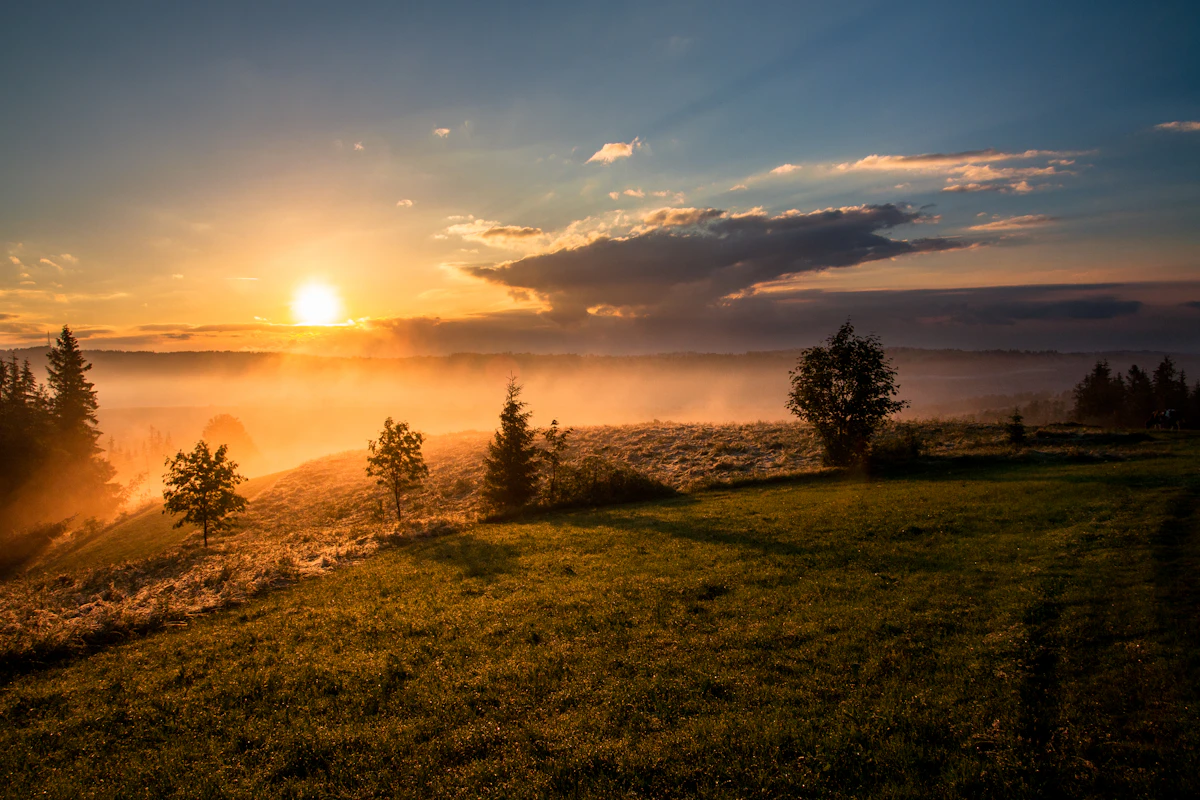
Mount Takao is one of the most convenient day trips from Tokyo for hikers and nature lovers because the mountain is reachable by train in roughly an hour from Shinjuku. Its trails, cable car, and mountain viewpoints make it suitable for different fitness levels, provided you choose an appropriate route.
How to get to Mount Takao
Take the Keio Line from Shinjuku toward Takaosanguchi Station. The station is the main gateway to the mountain and its walking trails.
Read the Japan National Tourism Organization’s Mount Takao guide for information about trail options and access.
What to do at Mount Takao
- Trail No. 1: Choose the popular main trail for a straightforward introduction to the mountain.
- Mountaintop viewpoint: Enjoy the landscape, with Mount Fuji sometimes visible on clear days.
- Yakuoin Temple: Explore a significant temple along the mountain route.
- Cable car or chairlift: Reduce part of the uphill walk when these services are operating.
- Takao 599 Museum: Consider this nearby stop to learn more about the area’s natural environment.
Allow several hours for the hike, viewpoints, breaks, and descent. Trail conditions, crowds, weather, and your pace will determine how much you can comfortably fit into the day.
Best for: Active travelers, families with suitable hiking plans, and visitors who want nature without a long-distance journey.
Planning tip: Wear suitable walking shoes, bring water, check the weather, and leave enough time to descend before your planned return train.
How to Plan a Successful Train Day Trip From Tokyo
The best train day trips are built around one main destination, a realistic return journey, and a small number of nearby attractions. The biggest planning mistake is treating the time between Tokyo and the destination as the only transportation time that matters.
Step 1: Choose the right departure station
Tokyo has several major stations, and the best departure point depends on the railway operator. Shinjuku is useful for routes toward Hakone, Kawaguchiko, and Mount Takao, while Tokyo Station serves several JR and Shinkansen routes.
Use a journey planner to compare the departure station, transfers, arrival station, and return service before buying tickets.
Step 2: Calculate the complete journey time
Do not plan around train time alone. Include walking to the station, transfer time, local buses, queues, and the walk from the destination station to the first attraction.
For example, a destination that is two hours from Tokyo may require another 30–60 minutes of local transportation before sightseeing begins. The total day can be much longer than the headline rail journey suggests.
Step 3: Group attractions by location
Choose two or three nearby attractions rather than crossing the destination several times. This is particularly important in Hakone and Nikko, where attractions are spread across a larger area.
- For Kamakura, group temples, the Great Buddha, and nearby shopping streets.
- For Hakone, select a compact route based on the day’s transport operations.
- For Yokohama, focus on the waterfront or Chinatown and nearby attractions.
- For Kawaguchiko, prioritize one or two viewpoints and a backup activity.
Step 4: Check operating hours and reservations
Museums, ropeways, sightseeing trains, special exhibitions, and hot spring facilities may operate on different schedules. Some attractions also close on specific weekdays or change access during bad weather.
Check official websites before departure, particularly for Mount Fuji viewpoints, Hakone transport, and seasonal attractions.
Step 5: Keep a return-time buffer
Choose a realistic return train and leave a buffer for queues, delays, and the walk back to the station. Do not schedule your last attraction so tightly that a small delay could cause you to miss a reserved service.
For broader trip planning, explore our Japan trips guide and Tokyo weekend itinerary.
How Much Do Tokyo Day Trips Cost?
The cost of a day trip depends on the train route, local transportation, attraction tickets, meals, and whether you use reserved or premium services. Short trips such as Yokohama and Kawagoe can be relatively economical, while Shinkansen journeys and multi-stop routes may increase the budget.
Instead of relying on a single estimated price, calculate the cost of your specific itinerary before booking.
| Expense | What to check |
|---|---|
| Return train fare | Basic fare, limited express supplement, or Shinkansen ticket |
| Local transport | Buses, local trains, ropeways, and cable cars |
| Attraction tickets | Admission, museum entry, and reserved experiences |
| Food and drinks | Lunch, snacks, and refreshments |
| Optional experiences | Boat rides, hot springs, observation decks, and special activities |
Should you buy a rail pass?
A regional pass can be worthwhile when several included journeys fit your itinerary, but it is not automatically the cheapest option. Compare the pass price against the individual tickets you would actually purchase and verify which railway operators are included.
Also check whether a pass covers the complete route or only part of it. Some private railways and local buses may require separate tickets.
For more transportation advice, browse our trains and buses guide. If you are organizing a longer stay, our hotel and accommodation resources can help with choosing a practical base in Tokyo.
Which Tokyo Day Trip Should You Choose?
Kamakura is the best all-round option for a first excursion, Hakone is ideal for mountain scenery, Nikko is strongest for historic shrines, and Kawaguchiko is the leading choice for Mount Fuji views. Yokohama and Kawagoe suit travelers who prefer shorter journeys, while Atami and Mount Takao offer coastal relaxation and outdoor adventure.
Use your available time as the deciding factor. For a half-day, consider Yokohama, Kawagoe, or Mount Takao. For a full day, choose Kamakura, Hakone, Nikko, Kawaguchiko, or Atami according to your interests and the current transport schedule.
For the best experience, select one destination, start early, and leave room for a meal or an unexpected discovery. A well-paced excursion will usually be more rewarding than trying to fit every attraction into a single day.
Frequently Asked Questions
These answers cover the most common questions about planning day trips from Tokyo by train.
What is the easiest day trip from Tokyo by train?
Yokohama is one of the easiest choices because frequent trains connect it with central Tokyo and many attractions are accessible by local transit. Kamakura and Kawagoe are also practical options for a first excursion.
Which Tokyo day trip is best for first-time visitors?
Kamakura is an excellent first choice because it combines historic temples, the Great Buddha, shopping streets, and coastal scenery in a manageable itinerary. Choose Yokohama if you prefer a shorter urban excursion.
Can I visit Mount Fuji on a day trip from Tokyo?
Yes. Kawaguchiko is a popular choice for a day trip to the Mount Fuji region. Direct trains and transfer routes are available on selected services, but visibility depends on weather and cloud conditions.
Is Hakone worth visiting for just one day?
Yes, provided you choose a limited number of attractions. Focus on a compact route that combines one or two main experiences, such as the open-air museum, Lake Ashi, or a hot spring facility.
Is Nikko too far for a day trip from Tokyo?
Nikko is feasible as a day trip, but it requires more planning than nearby destinations. Prioritize the central shrine and temple area, and add distant waterfalls or lakes only if your transport connections allow enough time.
Which day trips from Tokyo are best for families?
Yokohama, Kamakura, and Kawagoe can work well for families because their main sightseeing areas can be organized into manageable routes. Mount Takao is another option for families who enjoy walking and choose trails suitable for their fitness levels.
Do I need a Japan Rail Pass for Tokyo day trips?
Not necessarily. Compare the cost of individual tickets with any regional or nationwide pass that covers your actual routes. Private railway services, local buses, and some supplements may not be covered by every pass.
What is the best season for day trips from Tokyo?
Spring and autumn are popular for comfortable sightseeing and seasonal scenery. Summer can be hot and humid, while winter may offer clearer mountain views on some days. Check weather conditions and seasonal attraction schedules before traveling.
Can I visit two destinations in one day?
Yes, if the destinations are close together and the transport connections work well. Kamakura and Enoshima are a common combination, while trying to combine distant destinations such as Nikko and Kawaguchiko in one day is generally impractical.
Where can I check official train information?
Check the relevant operator’s website before departure. Useful starting points include JR East, Odakyu Railway, and Keio Railway. Verify schedules, fares, reservations, and service notices for your travel date.
Plan Your Next Japan Adventure
Exploring beyond Tokyo gives you a chance to experience Japan’s historic towns, mountain landscapes, coastal scenery, and cultural landmarks without changing hotels. The best destination is the one that fits your interests and allows enough time to enjoy the journey.
Continue planning with our Japan tourist attractions guide, review our Japan travel guide for first-time visitors, and compare transportation options before confirming your itinerary.
For the most reliable trip, verify all transport schedules and attraction details with official operators shortly before departure. That simple step helps you spend less time managing logistics and more time enjoying Japan.