City guides for first-time visitors work best when they combine neighborhoods, transportation, realistic itineraries, costs, attractions, and practical booking advice in one place.
Planning your first trip to a major city can become unnecessarily complicated when information is scattered across attraction websites, maps, travel forums, hotel pages, and outdated itineraries. The better approach is to use a city guide that answers the questions you are likely to have before you arrive.
This guide shows how to use city guides for first-time visitors to plan a trip efficiently, avoid common mistakes, and build a practical itinerary without trying to see every attraction in a single day. It also connects you with destination-specific guides for New York City, Bangkok, Los Angeles, Tokyo, Kyoto, Paris, and London.

What Are City Guides for First-Time Visitors?
City guides for first-time visitors are practical destination resources that explain where to stay, what to see, how to move around, how much time to allow, and what mistakes to avoid.
A useful guide does more than provide a list of attractions. It connects the attractions to neighborhoods, transportation routes, opening schedules, travel time, accommodation areas, food options, and the length of your stay.
For example, someone planning a two-day New York trip needs a different strategy from someone spending a week in Tokyo. A good first-time city travel guide recognizes that difference.
The most useful information normally includes:
- Best neighborhoods for different types of travelers
- Major attractions and realistic sightseeing times
- Public transportation and airport transfer options
- Suggested one-, two-, three-, and four-day itineraries
- Budget considerations and hidden costs
- Seasonal considerations
- Local food and cultural experiences
- Booking advice for popular attractions
- Common mistakes made by first-time visitors
This structure makes a city travel planning guide more useful than an attraction-only article because the reader can move from research to an actual trip plan.
For broader planning help, you can also explore free travel guides and the best travel guides for planning a trip.
How to Choose the Right City Guide
The best city guide should match your trip length, travel style, budget, arrival airport, and the specific neighborhoods you want to explore.
Do not automatically choose the longest guide. A 5,000-word destination article can still be less useful than a concise guide containing accurate transportation information and a realistic itinerary.
1. Start With Your Trip Length
Your number of available days should determine how much of a city you attempt to cover.
A first-time visitor with 48 hours should concentrate on a small number of connected areas. Someone with five days can add museums, local neighborhoods, day trips, shopping districts, and slower experiences.
For short visits, our 48-hour New York City itinerary and NYC in 48 hours guide demonstrate why grouping attractions geographically matters.
2. Check Transportation Information
A city guide becomes much more valuable when it explains how to reach attractions instead of simply naming them.
Transportation can consume a surprisingly large part of a short trip. A 30-minute attraction visit may require an hour of travel each way if the itinerary is poorly organized.
For London, Transport for London provides official visitor information covering public transportation, journey planning, payment options, maps, and accessibility. Visit Transport for London’s official visitor information before finalizing your London route.
3. Look for Neighborhood-Level Information
Neighborhood information helps first-time travelers understand where attractions actually sit in relation to hotels, restaurants, and transportation.
This is especially important in large cities such as New York, Los Angeles, Tokyo, and London, where two attractions that appear close on a list may not be convenient to combine.
New York City Guide for First-Time Visitors
First-time visitors to New York City should organize sightseeing by neighborhood rather than attempting to cross Manhattan repeatedly.
For first-time New York travel planning, think in clusters. Midtown can combine Times Square, Rockefeller Center, Fifth Avenue, and nearby attractions. Lower Manhattan can be organized around the Financial District, 9/11 Memorial area, and waterfront experiences.
Central Park can also be paired with attractions on the Upper East Side or Upper West Side rather than treated as an isolated stop.
If you want a broader destination overview, use our New York City travel guide for first-time visitors. For additional planning ideas, see our New York City travel tips and travel to New York City guide.
A Practical Two-Day New York Structure
A practical two-day New York itinerary should concentrate each day on nearby districts instead of maximizing the number of attractions.
- Day one: Midtown, Central Park, Fifth Avenue, and an evening activity.
- Day two: Lower Manhattan, waterfront areas, a neighborhood food stop, and an evening viewpoint or show.
Travelers staying longer can expand into Brooklyn, Queens, museums, neighborhood restaurants, and additional cultural attractions.
For budget-conscious travelers, also see free things to do in major U.S. cities before purchasing attraction passes.
Bangkok Travel Guide for First-Time Visitors
Bangkok is easiest to explore when temple visits, markets, food areas, shopping, and transportation are organized into logical geographic groups.

A first-time Bangkok itinerary should account for the fact that different parts of the city provide very different experiences. Historic areas are ideal for temples and cultural sightseeing, while other districts are better suited to shopping, nightlife, hotels, or restaurants.
The official Tourism Authority of Thailand highlights Bangkok attractions including Wat Phra Kaew, Wat Pho, Wat Arun, Golden Mountain, and Chatuchak Weekend Market. Check the official Bangkok destination information when confirming attractions and local travel planning.
For a dedicated first-time resource, read our Bangkok travel guide for first-time visitors.
How to Plan Three Days in Bangkok
Three days in Bangkok can cover historic landmarks, local food, shopping, and a relaxed neighborhood experience without requiring an exhausting schedule.
- Use one day for major historic and cultural attractions.
- Use another day for markets, food, shopping, and local neighborhoods.
- Keep the final day flexible for attractions you missed or a slower experience.
A common mistake is scheduling too many distant attractions on the same day. Heat, traffic, walking, and waiting time can quickly change an ambitious itinerary into an exhausting one.
Los Angeles Travel Guide for First-Time Visitors
Los Angeles requires area-based planning because attractions are spread across a much larger metropolitan area than many first-time visitors expect.

Instead of creating a checklist containing Hollywood, Santa Monica, Downtown Los Angeles, Beverly Hills, and other locations on the same day, divide the city into geographic zones.
This approach helps reduce unnecessary driving and makes it easier to leave time for meals, parking, traffic delays, and spontaneous stops.
Our Los Angeles travel tips for first-time visitors provide a destination-specific starting point.
If your trip includes accommodation shopping, compare the hotel location against the places you actually plan to visit. A cheaper room can become less economical if transportation costs and travel time increase substantially.
Tokyo, Kyoto, and Japan City Guides
First-time Japan travelers should treat Tokyo and Kyoto as different destination experiences rather than trying to apply one itinerary style to both cities.

Tokyo is well suited to district-based planning. A first-time visitor might dedicate separate blocks of time to areas such as Shibuya, Shinjuku, Asakusa, or other districts depending on interests.
Kyoto requires a different approach because temples, gardens, historic streets, and cultural sites can take longer to explore than their appearance on a map suggests.
Our Japan travel guide for first-time visitors provides broader planning help, while travel to Kyoto focuses specifically on the historic destination.
For a short Tokyo trip, use our Tokyo weekend itinerary to build a more realistic schedule.
Tokyo Versus Kyoto Planning
| Planning Factor | Tokyo | Kyoto |
|---|---|---|
| Best planning method | District-based itinerary | Neighborhood and attraction clusters |
| Main challenge | Scale and number of districts | Balancing historic sites with travel time |
| Ideal approach | Choose a few priority areas | Start early and group nearby sights |
Pro tip: do not build your Japan itinerary entirely around the number of attractions you can technically reach. Build it around the amount of time you can comfortably spend at each location.
Paris City Guide for First-Time Visitors
Paris is easier to navigate when visitors combine neighborhoods, museums, landmarks, food stops, and walking routes rather than treating every attraction as a separate excursion.

First-time visitors often make the mistake of putting the Eiffel Tower, Louvre Museum, Montmartre, Notre-Dame, and several distant neighborhoods into one day.
A better approach is to choose a few priority experiences and build the surrounding day around them.
The official Paris tourism office provides practical information covering transportation, maps, neighborhoods, attractions, accessibility, and current destination information. Visit the official Paris Tourist Office for information that can change before your trip.
You can also explore our amazing things to do in Paris for additional sightseeing ideas.
What to Prioritize in a Short Paris Trip
For a short Paris trip, prioritize one or two major attractions per day and leave room for neighborhood exploration.
- Choose one major landmark or museum.
- Add a nearby neighborhood walk.
- Reserve time for a meal or café stop.
- Keep one flexible block for unexpected discoveries.
London City Guide for First-Time Visitors
London first-time visitors should plan around the Underground, walking routes, neighborhood clusters, and the locations of major attractions.
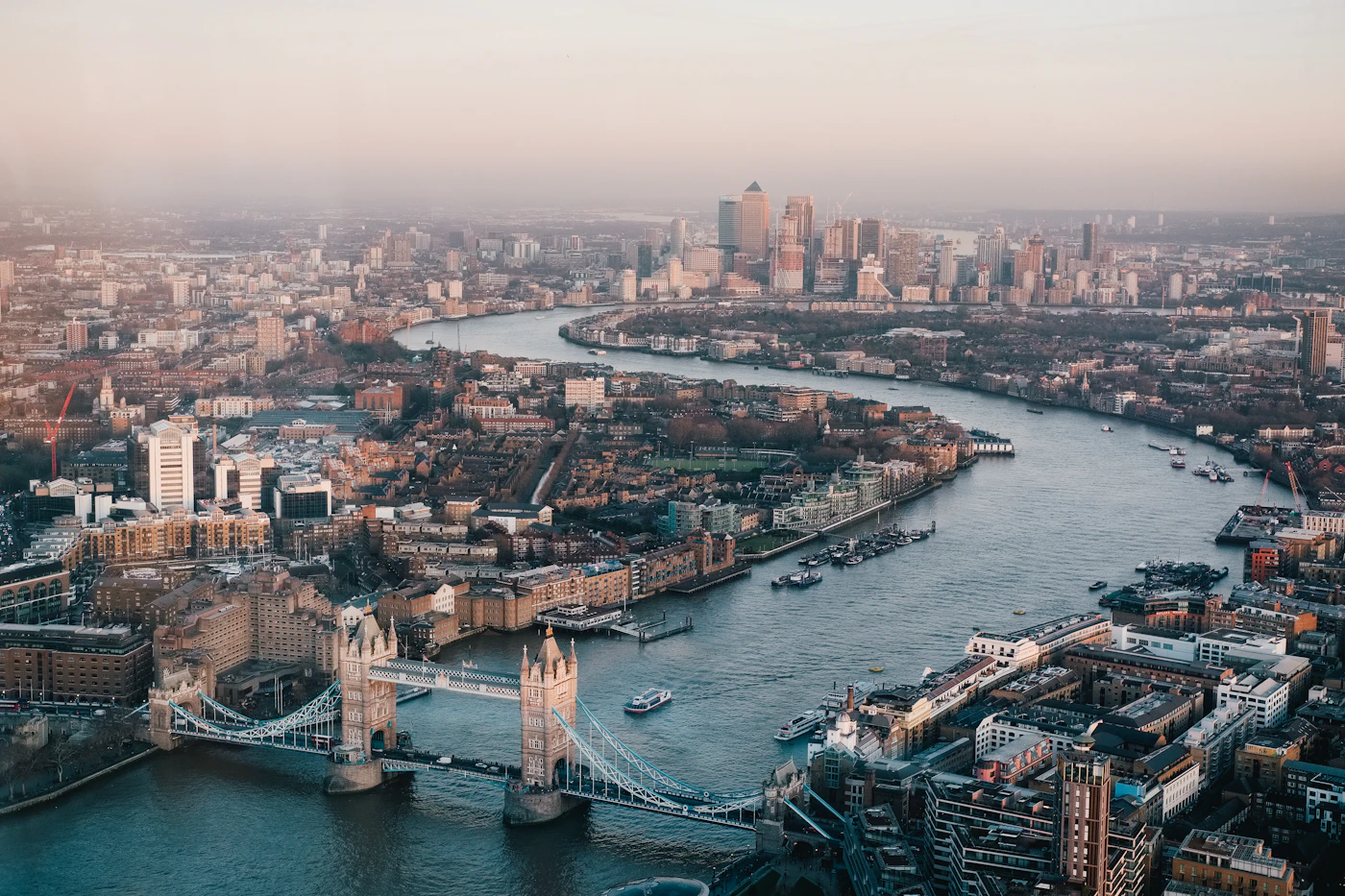
London is particularly suitable for city-guide planning because transportation can connect otherwise distant areas. Still, an itinerary should not assume that every journey will be instantaneous.
Transport for London publishes visitor maps covering the Tube, buses, rail services, cycling, river services, and accessibility information. Use the official London visitor maps when planning routes.
Our things to do in London guide can be used alongside official transportation information to create a practical sightseeing schedule.
How to Turn City Guides Into a Real Itinerary
The fastest way to turn a city guide into a useful itinerary is to rank attractions, group them geographically, and assign realistic time blocks.
Step 1: Create Three Priority Levels
Separate attractions into must-see, would-like-to-see, and optional categories before assigning them to specific days.
- Must-see: experiences you would regret missing.
- Would-like: attractions worth visiting if time allows.
- Optional: flexible stops that can be removed when the day becomes busy.
Step 2: Group Nearby Attractions
Put attractions from the same neighborhood or transportation corridor together whenever possible.
This is one of the highest-value principles in city trip planning because reducing unnecessary movement creates additional sightseeing time without extending the day.
Step 3: Add Travel Buffers
Every city itinerary should include buffer time for transportation, queues, meals, navigation, weather, and unexpected delays.
If an itinerary requires every train, subway, bus, or taxi to work perfectly, the schedule is probably too aggressive.
Step 4: Build Around One Anchor Experience
Choose one important anchor experience for each major sightseeing period and build nearby activities around it.
For example, a museum reservation can become the center of a half-day plan. A timed observation deck visit can anchor an evening. A major temple or historic site can define a morning route.
How to Use City Guides to Reduce Travel Costs
The most effective city-guide budget strategy is to reduce unnecessary transportation, avoid poorly located hotels, compare attraction costs, and plan expensive experiences selectively.
Travelers often focus on finding the cheapest hotel rate while ignoring the total cost of the trip. A room that saves $30 per night may not be a bargain if it requires expensive daily transportation or long journeys.
Use the site’s hotel and accommodation resources when comparing where to stay, and check flight resources when planning your transportation budget.
For city breaks, compare the following before booking:
- Hotel nightly rate
- Taxes and mandatory fees
- Airport transfer cost
- Daily transportation expenses
- Attraction admission
- Food and dining budget
- Luggage or storage charges
- Travel insurance
Information-gain tip: create a simple trip-cost worksheet using the formula below:
Total city-trip cost = transportation + accommodation + attractions + food + local travel + fees.
This gives you a more realistic comparison than looking only at airfare or hotel prices.
7 Common Mistakes First-Time City Travelers Make
Most first-time city-trip mistakes come from overplanning, poor geographic grouping, ignoring transportation time, and failing to leave flexibility.
- Trying to see everything. A checklist is not an itinerary.
- Ignoring neighborhood geography. Attractions should be grouped whenever practical.
- Booking a hotel based only on price. Location can affect the real trip cost.
- Underestimating queues. Popular attractions may require more time than the admission itself.
- Scheduling every hour. Flexible time makes a trip easier to manage.
- Ignoring official sources. Opening rules, transportation information, and attraction policies can change.
- Using outdated itineraries. Always verify time-sensitive information before departure.
For travelers looking beyond individual destinations, our local foods to try in major U.S. cities guide can add a food-focused layer to a city itinerary.
How to Build a Better First-Time City Trip
A strong first-time city itinerary balances major attractions with transportation efficiency, local experiences, realistic pacing, and enough flexibility to handle unexpected changes.
Start with your trip length. Select your highest-priority experiences. Group them by location. Check official transportation information. Estimate the total cost. Then add one flexible block to every major sightseeing day.
This approach works across different destinations because it focuses on the underlying problem rather than a generic attraction checklist.
For travelers comparing affordable destinations, our guides to budget cities to visit in the USA, cheap city breaks in the USA, and cheap European city breaks can help with destination selection.
Frequently Asked Questions About City Guides for First-Time Visitors
The best city guides for first-time visitors answer practical questions about transportation, neighborhoods, itineraries, costs, attractions, and booking decisions.
What should a first-time city travel guide include?
A first-time city travel guide should include neighborhoods, transportation, major attractions, suggested itineraries, accommodation areas, food, costs, and practical travel advice.
The most useful guides connect these elements so travelers can make decisions instead of simply reading a list of attractions.
How many attractions should I visit in one day?
Most travelers should prioritize a few meaningful experiences rather than trying to maximize the number of attractions visited each day.
The right number depends on attraction size, queues, transportation, walking distance, meal breaks, and your personal pace.
How do I plan a city trip for only two days?
For a two-day city trip, choose one geographic area for each major sightseeing day and reserve only the most important timed experiences.
Start with your must-see attractions, then add nearby restaurants, neighborhoods, parks, museums, or viewpoints.
Should I stay in the city center on my first visit?
Staying centrally can be useful for a first visit, but the best location depends on transportation access, hotel pricing, and your planned attractions.
A slightly less central hotel near reliable public transportation can sometimes provide better overall value.
Are city guides better than attraction lists?
City guides are generally more useful because they explain how attractions, neighborhoods, transportation, timing, and costs fit together.
An attraction list tells you what exists; a practical city guide helps you decide what to do and when to do it.
How can I avoid wasting time while sightseeing?
Group attractions geographically and avoid unnecessary cross-city journeys between consecutive activities.
Also check opening times, reservation requirements, transportation routes, and realistic travel times before finalizing the itinerary.
What are the best city guides for first-time visitors?
The best city guides for first-time visitors are destination-specific resources that combine practical logistics with realistic itineraries and local context.
For The Offers Guy readers, useful starting points include the New York City, Bangkok, Los Angeles, Japan, Tokyo, Kyoto, Paris, and London guides linked throughout this article.
Final Takeaway
The best city guides for first-time visitors do not try to make travelers see everything; they help travelers spend limited time and money on the experiences that matter most.
Use a destination guide to understand the city, then convert that information into a neighborhood-based itinerary. Verify time-sensitive information with official sources, compare the full cost of your trip, and leave enough flexibility to enjoy the destination rather than constantly watching the clock.
Whether you are planning New York, Bangkok, Los Angeles, Tokyo, Kyoto, Paris, London, or another major destination, the same principle applies: plan fewer things better, group activities intelligently, and make every travel day realistic.