The best things to do in Tokyo for first-time visitors include exploring Senso-ji Temple, crossing Shibuya Scramble Crossing, visiting Meiji Jingu Shrine, discovering Akihabara, and enjoying panoramic city views. The key to a successful first trip is grouping attractions by neighborhood, checking reservation requirements, and balancing famous landmarks with quieter local experiences.
Tokyo, Japan, combines historic temples, futuristic architecture, excellent public transportation, shopping districts, traditional gardens, and distinctive food culture. This guide explains what to see, how long to spend at each attraction, which experiences deserve priority, and how to organize your days without wasting time traveling across the city. For a shorter visit, use our three-day Tokyo weekend itinerary to turn these recommendations into a practical route.

1. Explore Traditional Tokyo and Historic Landmarks
Tokyo’s historic districts offer a valuable introduction to Japanese architecture, religious traditions, and everyday local life. Start with Asakusa and nearby cultural attractions before moving to modern shopping districts on another day.
1. Visit Senso-ji Temple in Asakusa
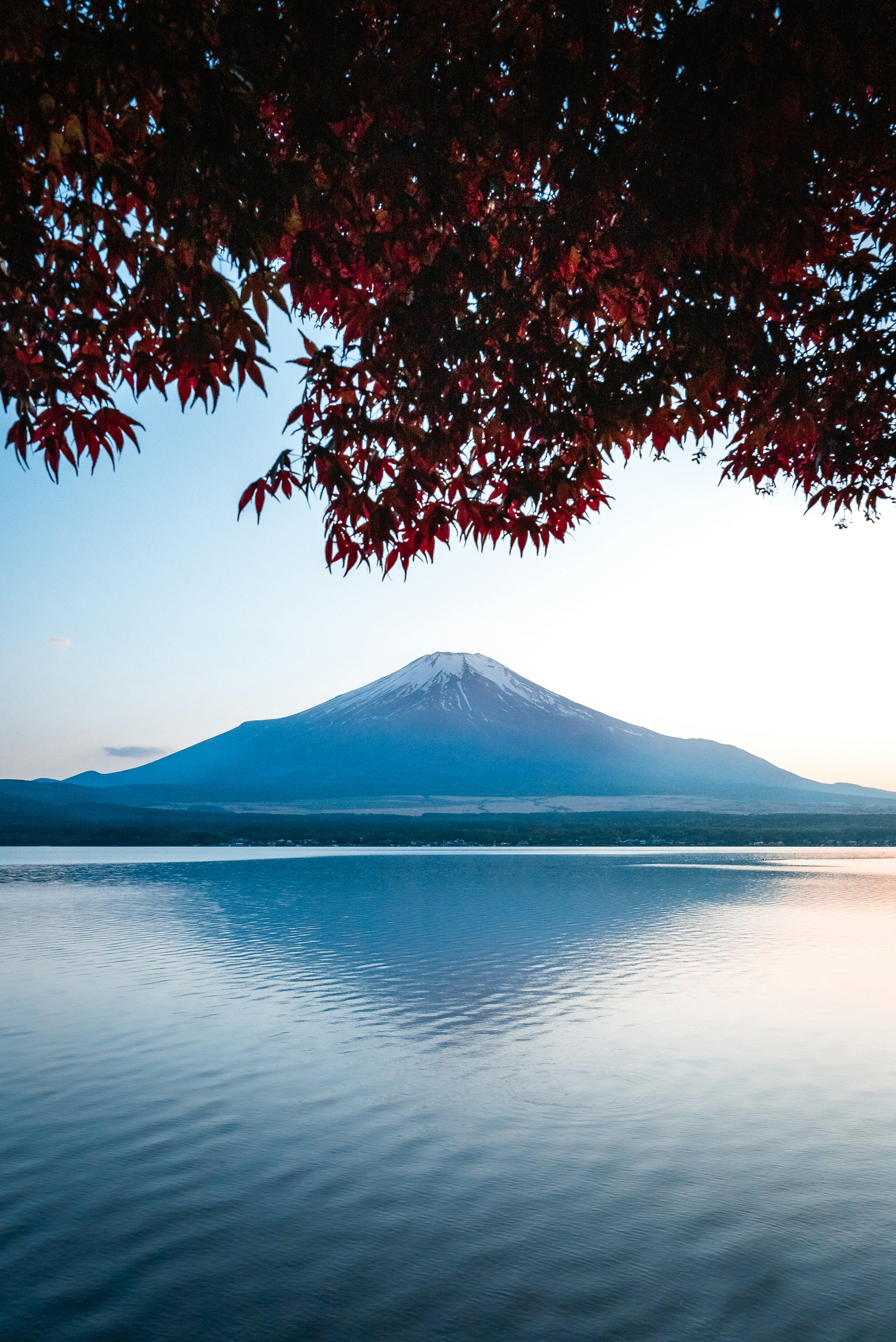
Senso-ji is one of the best starting points for understanding Tokyo’s historic side. Located in Asakusa, this Buddhist temple is known for its prominent entrance gate, traditional architecture, and the Nakamise shopping street leading toward the main grounds.
Arrive early if you want quieter photographs and more space to explore. The surrounding streets are also worth visiting for traditional souvenirs, snacks, and views of older Tokyo. Check the official Tokyo attractions guide for destination information before your visit.
2. Walk Through Meiji Jingu Shrine
Meiji Jingu provides a peaceful forest setting close to some of Tokyo’s busiest shopping streets. The Shinto shrine sits within a large wooded area near Harajuku and is dedicated to Emperor Meiji and Empress Shoken.
Walk slowly along the approach, observe posted shrine etiquette, and allow time to appreciate the contrast between the green surroundings and the surrounding city. Combine the shrine with Harajuku rather than making a separate cross-city journey.
3. Explore the Imperial Palace East Gardens
The Imperial Palace East Gardens are a useful choice for travelers interested in Japanese history and landscaped grounds. The gardens occupy part of the former Edo Castle grounds and feature stone walls, open lawns, seasonal plants, and historical remains.
Check official opening days and access information before visiting because schedules can vary. This stop works well with Tokyo Station and the Marunouchi district.
4. Discover the Historic Streets of Yanaka
Yanaka offers a slower-paced alternative to Tokyo’s major commercial districts. Its neighborhood streets, small shops, temples, and traditional atmosphere provide a different perspective on the capital.
Walk through Yanaka Ginza shopping street, browse independent businesses, and leave room for spontaneous stops. Be considerate of residents when photographing homes and narrow residential lanes.
5. Visit Nezu Shrine
Nezu Shrine is a rewarding stop for travelers who want traditional architecture without focusing exclusively on Tokyo’s largest landmarks. Its shrine buildings, landscaped grounds, and rows of red torii gates make it a memorable cultural visit.
Pair Nezu Shrine with Yanaka or nearby Ueno. Seasonal flower displays can be attractive, but check the timing of special events rather than assuming the gardens will be at their peak.
2. Experience Modern Tokyo and Famous City Views
Modern Tokyo is best experienced through a combination of busy pedestrian crossings, observation decks, contemporary architecture, and distinctive neighborhoods. These attractions are popular for good reason, but the experience improves when you plan around crowds and visibility.
6. Cross Shibuya Scramble Crossing
Shibuya Scramble Crossing is one of Tokyo’s most recognizable places to experience the city’s pedestrian flow. When traffic signals change, people cross the intersection from several directions, creating the scene many visitors associate with modern Japan.
Cross the intersection yourself, then look for a suitable public viewing location if you want photographs from above. Visit during daylight for architectural details or after dark for illuminated streets. Keep walkways clear when taking pictures.
7. Visit Shibuya Sky
Shibuya Sky is a strong choice for travelers who want an elevated view of Tokyo’s skyline. Its observation areas provide a broad perspective over the surrounding buildings, with visibility depending on weather and atmospheric conditions.
Reserve ahead if your preferred time is important, particularly around sunset and busy travel periods. Compare the ticket conditions and arrival instructions on the official attraction website before purchasing.
8. See Tokyo from Tokyo Skytree
Tokyo Skytree is worth considering if panoramic city views are a priority for your visit. The observation decks look over the enormous metropolitan area, and on suitable clear days, distant landmarks may be visible.
Combine the tower with the nearby Tokyo Solamachi shopping and dining complex or Asakusa. This creates a more efficient sightseeing day than visiting the tower alone and then traveling to a distant neighborhood.
9. Photograph Tokyo Tower
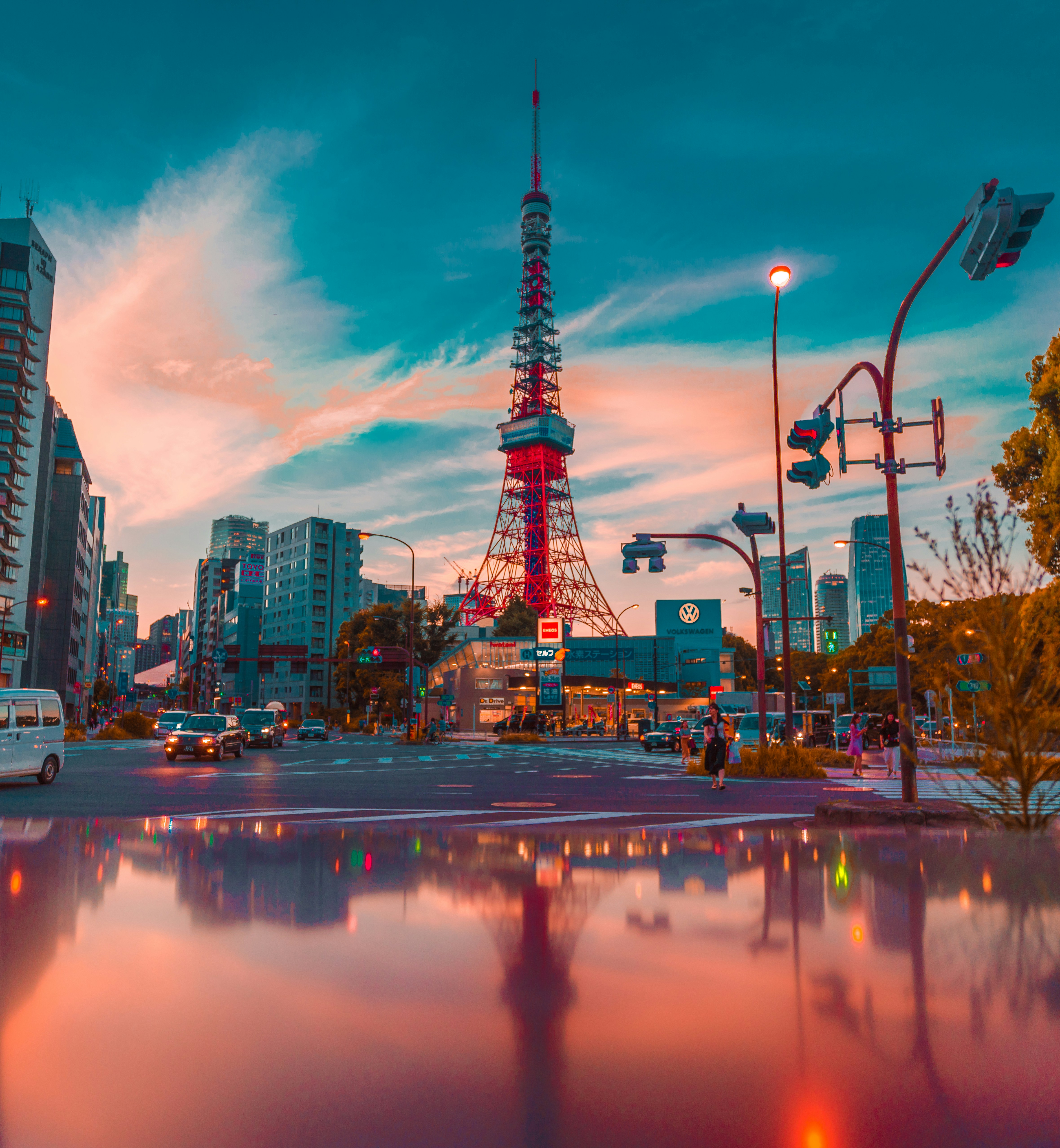
Tokyo Tower offers a classic skyline landmark and a different perspective from Tokyo Skytree. Its distinctive structure is especially striking when illuminated in the evening.
Choose Tokyo Tower if you prefer a recognizable landmark surrounded by central Tokyo’s streets and parks. If you have limited time, select one major observation deck based on location, ticket cost, and the view you want rather than paying for every viewpoint.
10. Explore Shinjuku Gyoen National Garden
Shinjuku Gyoen offers a welcome break from crowded streets and high-rise buildings. Its landscaped gardens provide a mix of garden styles, open lawns, and seasonal scenery within easy reach of Shinjuku.
Visit in the morning or early afternoon and check garden rules, opening times, and admission information before traveling. During cherry blossom season, arrive with a flexible plan because crowds and seasonal conditions affect the experience.
11. See Tokyo’s Neon Streets in Shinjuku
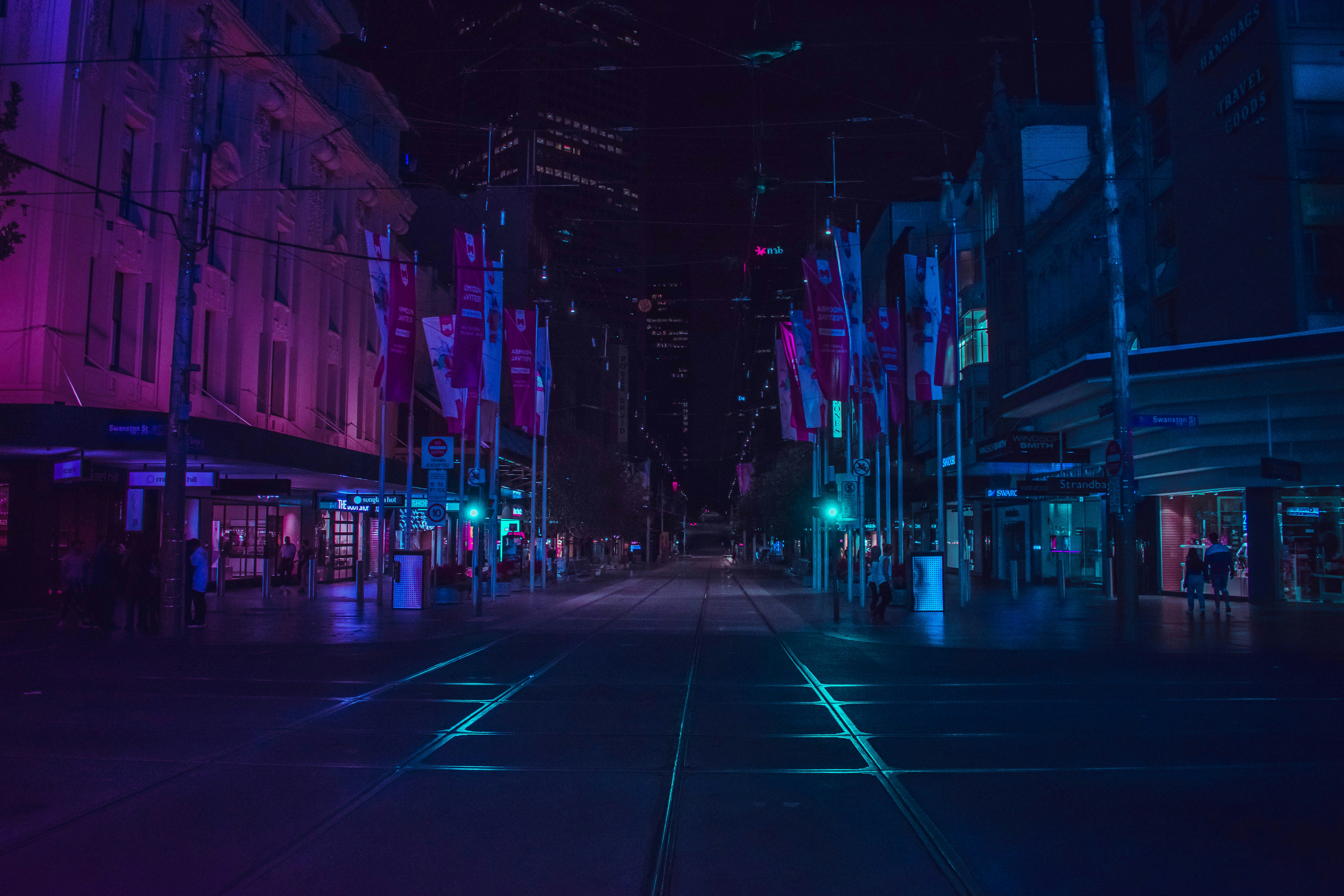
Shinjuku is an excellent area for experiencing Tokyo after dark. Its large railway station, department stores, restaurants, and illuminated streets make it a destination in its own right rather than just a transport hub.
Choose a few streets to explore instead of attempting to cover the entire district. Keep track of your station exit, check the last-train timetable for your route, and use clearly marked public routes when returning to your accommodation.
12. Explore Odaiba’s Waterfront
Odaiba is a good option for waterfront scenery, modern buildings, shopping, and open views across Tokyo Bay. The area feels different from the narrow streets of older Tokyo and can be especially appealing on a clear day.
Plan around the attractions that interest you because Odaiba covers a substantial area. Check current transit connections and attraction hours before committing to a full afternoon there.
3. Discover Tokyo’s Culture, Shopping, and Local Experiences
Tokyo’s neighborhoods each have a different character. Rather than visiting every shopping district, choose the areas that match your interests in anime, fashion, electronics, traditional crafts, or contemporary Japanese culture.
13. Browse Electronics and Anime Shops in Akihabara

Akihabara is one of Tokyo’s leading destinations for electronics, gaming, anime, and manga culture. Its stores range from large electronics retailers to specialist shops selling collectibles, games, and character merchandise.
Compare prices before purchasing electronics, especially if you are buying an item to use outside Japan. Check warranty coverage, plug compatibility, language settings, and any tax-free shopping requirements that apply to your purchase.
14. Shop for Fashion in Harajuku
Harajuku is ideal for visitors interested in Japanese street fashion, youth culture, and distinctive shops. Takeshita Street is a well-known shopping destination, while nearby Omotesando has a different atmosphere with contemporary architecture and larger fashion brands.
Visit earlier in the day if you prefer a less crowded walk. Allow extra time for browsing side streets, where smaller stores can offer a more varied experience than the busiest shopping strip.
15. Explore Ginza’s Shopping Streets
Ginza is a strong choice for department stores, design-focused shopping, galleries, and carefully presented retail spaces. It is particularly useful for travelers who want to compare Japanese products, stationery, gifts, and established international brands.
Set a spending limit before browsing and check department-store opening hours. Ginza can also be a worthwhile area for window-shopping if you want to experience the district without making expensive purchases.
16. Visit Tsukiji Outer Market
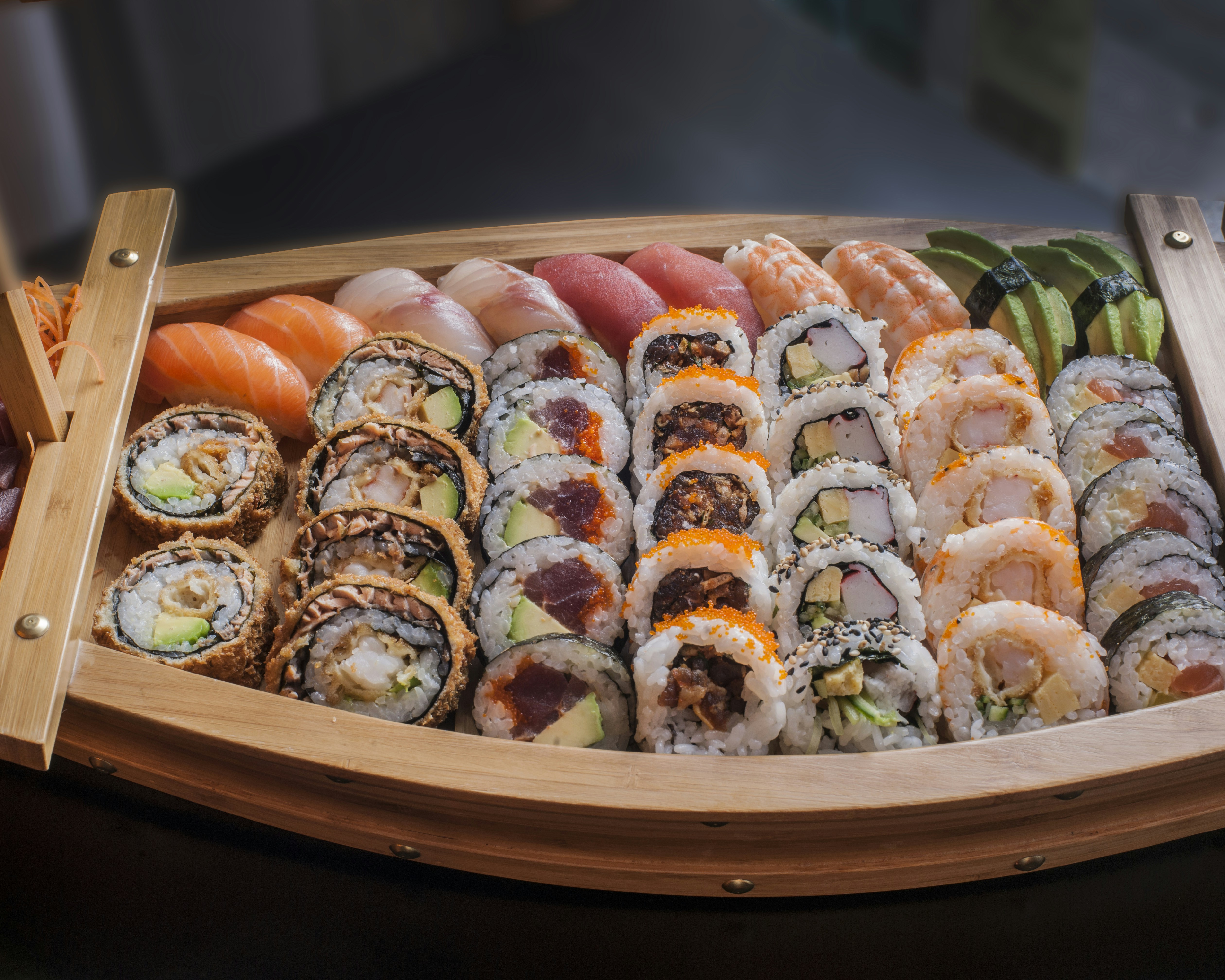
Tsukiji Outer Market is a useful stop for discovering Japanese ingredients, prepared foods, and market culture. The market area is made up of individual businesses, so the selection and opening hours vary from stall to stall.
Arrive earlier for a broader selection, carry cash as a backup, and avoid blocking narrow walkways while eating or taking photographs. Check current market guidance if you are planning a specific food experience.
17. Experience a Japanese Tea Ceremony
A tea ceremony introduces visitors to Japanese hospitality, presentation, and cultural traditions in a more focused setting. Guided experiences can explain the meaning of utensils, preparation methods, and the etiquette involved.
Look for a reputable provider that clearly describes the duration, language, accessibility, and inclusions. Reserve in advance when a small group or specific session time matters to your plans.
18. Visit a Sumo Tournament or Training Experience
Sumo is a distinctive way to learn about a major Japanese sporting tradition. Depending on the season, visitors may be able to attend an official tournament or book a suitable guided experience.
Official tournament dates and ticket availability vary, so confirm the schedule before arranging your day around a match. For training visits, follow the host’s rules and understand that access is not guaranteed at every stable.
19. Explore the Museums of Ueno Park
Ueno Park is a practical choice for visitors interested in museums, art, history, and green space. The wider area contains several cultural institutions, allowing you to choose an exhibition that matches your interests.
Check which exhibitions are open and whether advance tickets are required. Select one or two museums rather than trying to see everything in a single afternoon.
4. Enjoy Gardens, Food, and Distinctive Tokyo Experiences
The best city itineraries include quieter experiences alongside major attractions. Tokyo’s gardens, food streets, and neighborhood walks can provide memorable visits without requiring an expensive ticket for every activity.
20. Walk Through Rikugien Garden
Rikugien is a landscaped Japanese garden suited to travelers who enjoy carefully designed scenery and peaceful walking routes. Its paths, pond views, and seasonal foliage offer a slower experience than Tokyo’s commercial districts.
Check seasonal opening arrangements and garden admission information. Visit when you have enough time to walk without rushing from one photograph to the next.
21. Visit Kiyosumi Gardens
Kiyosumi Gardens is a worthwhile choice for visitors who want a quieter garden experience in eastern Tokyo. The landscaped pond, stepping stones, and carefully arranged views create an opportunity to slow down between urban sightseeing stops.
Pair the garden with nearby cafés or other attractions in the surrounding area. Check the official local information before traveling because opening times and access conditions can change.
22. Explore Shimokitazawa’s Independent Shops
Shimokitazawa is a good neighborhood for independent shops, secondhand clothing, small cafés, and a more relaxed urban atmosphere. It offers a contrast to the major department stores and crowded shopping streets of central Tokyo.
Browse at your own pace and allow time for side streets. If vintage clothing is your priority, compare condition and sizing carefully before purchasing.
23. Try a Local Ramen Shop
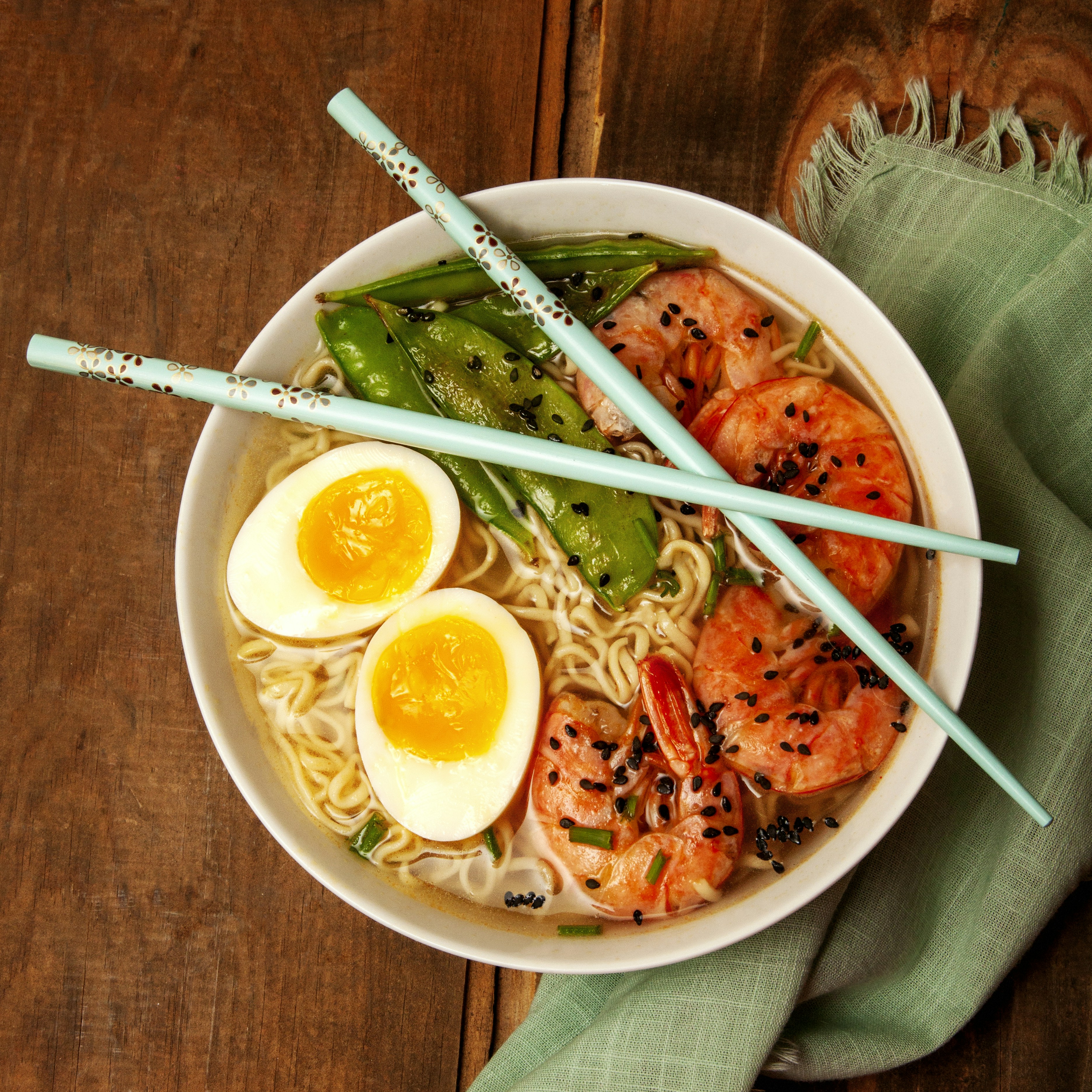
Trying ramen at a local shop is an accessible way to explore Tokyo’s food culture. Broth, noodles, toppings, portion sizes, and regional styles vary, so choosing a small restaurant can be as interesting as visiting a famous destination.
Check the menu before joining a queue, and ask about ingredients if you have dietary restrictions. Some restaurants use ordering machines, while others take orders at the counter or table.
24. Take a Walk Along the Sumida River
A walk along the Sumida River provides open views, riverside paths, and a different perspective on the city. Sections near Asakusa work particularly well with a visit to Senso-ji or the Tokyo Skytree area.
Choose a route that fits your available time and check weather conditions before setting out. Riverside scenery can be especially appealing during seasonal changes, but views depend on the exact walking section and time of year.
25. Visit a Japanese Department Store Food Hall
A department-store food hall is an easy way to discover Japanese sweets, packaged gifts, prepared meals, and regional specialties in one place. These food halls, often called depachika, are particularly useful when you want to sample different products without traveling between multiple restaurants.
Look for seasonal displays and clearly labelled ingredients, especially if you have dietary requirements. Compare package sizes and prices before buying gifts, and remember that some fresh foods are best enjoyed immediately rather than carried around all day.
Which Tokyo Attractions Should First-Time Visitors Prioritize?
If you have limited time, prioritize Senso-ji, Shibuya, Meiji Jingu, one observation deck, and one food or shopping district. These experiences provide a balanced introduction to traditional culture, contemporary city life, and everyday Tokyo.
| Attraction | Best for | Suggested time | Planning note |
|---|---|---|---|
| Senso-ji | Historic culture | 1–2 hours | Arrive early |
| Shibuya Crossing | City atmosphere | 30–60 minutes | Combine with Shibuya shopping |
| Meiji Jingu | Shrine and forest walk | 1–1.5 hours | Pair with Harajuku |
| Tokyo Skytree or Shibuya Sky | Panoramic views | 1.5–2.5 hours | Check visibility and tickets |
| Tsukiji Outer Market | Food and market culture | 1–2 hours | Check individual stall hours |
| Shinjuku Gyoen | Gardens and relaxation | 1.5–2 hours | Verify opening days |
These time estimates are planning suggestions, not official visit durations. Queues, weather, walking speed, seasonal events, and ticketed experiences can change how long each stop takes.
How to Plan Your First Tokyo Trip Efficiently
Group attractions by neighborhood
The simplest way to save time in Tokyo is to visit nearby attractions together rather than repeatedly crossing the city. Use this three-day framework as a starting point, adjusting it to your hotel location and arrival time.
- Day 1 — Traditional Tokyo: Start at Senso-ji in Asakusa, explore Nakamise, visit nearby streets, and continue toward Tokyo Skytree or the Sumida River.
- Day 2 — Modern Tokyo: Visit Meiji Jingu, explore Harajuku, cross Shibuya, and finish with a city view or an evening walk in Shinjuku.
- Day 3 — Central Tokyo: Explore the Imperial Palace East Gardens, Tokyo Station, Ginza, or a museum and garden that match your interests.
For a more detailed route, use our Tokyo weekend itinerary. If Tokyo is part of a longer trip, our Japan travel guide for first-time visitors can help you plan other destinations.
Choose transportation and tickets carefully
Tokyo’s trains and subways are generally the most practical way to move between major sightseeing areas. A rechargeable IC card can simplify many journeys, while a day pass may be useful if your itinerary includes enough eligible trips on the covered networks.
Compare your actual route before buying a pass. The official GO TOKYO transportation guide explains the main transport options, while its IC card and discount ticket guide provides current information on travel cards and passes.
For airport planning, check the available airport transfer options and compare them with public transportation. Travelers should also compare hotel and accommodation options near convenient stations before choosing where to stay.
Estimate your Tokyo sightseeing budget
Your Tokyo budget depends on accommodation, transport, meals, shopping, and the number of paid attractions you choose. Rather than relying on a single citywide daily estimate, calculate your own expected costs using the categories below.
| Budget category | What to calculate |
|---|---|
| Accommodation | Nightly room rate multiplied by the number of nights, including taxes and fees |
| Transport | Airport transfer plus expected local train, subway, or bus journeys |
| Food | Daily meal budget multiplied by the number of travel days |
| Attractions | Admission fees and reservations for the places you actually plan to visit |
| Extra expenses | Shopping, luggage storage, mobile data, and an emergency allowance |
For example, if you plan to visit three paid attractions, calculate their combined ticket costs separately from meals and transport. This makes it easier to decide whether an extra observation deck or guided experience fits your budget. Check the latest prices with each official attraction before booking.
Prepare for weather and crowds
The most comfortable sightseeing plan leaves room for seasonal weather, busy attractions, and unexpected delays. Spring can bring cherry blossoms and larger crowds, summer can be hot and humid, autumn often offers pleasant walking conditions, and winter can bring clear, cold days.
Check the forecast, carry suitable clothing, and keep indoor alternatives available for rainy weather. For broader destination ideas, see our guide to Japan’s major tourist attractions.
Common first-time Tokyo planning mistakes
- Scheduling too many distant areas: Limit each day to a manageable group of nearby attractions.
- Ignoring station walking time: Large stations and transfers can add time beyond the train journey itself.
- Assuming every attraction is free: Observation decks, exhibitions, and some gardens require paid admission.
- Leaving reservations until the last minute: Popular time slots and special experiences may sell out.
- Planning every minute: Leave space for meals, rest, shopping, and unplanned discoveries.
Frequently Asked Questions About Tokyo
These answers address common questions travelers ask when deciding what to see, how long to stay, and how to organize their first visit.
What are the best things to do in Tokyo for first-time visitors?
The top experiences include Senso-ji Temple, Shibuya Crossing, Meiji Jingu Shrine, Tokyo Skytree or Shibuya Sky, Shinjuku Gyoen, Akihabara, and Tsukiji Outer Market. Combine attractions by neighborhood to save time.
How many days do first-time visitors need in Tokyo?
Three full days provide a useful introduction to Tokyo’s historic districts, modern neighborhoods, gardens, and food culture. Four or five days allow more time for museums, shopping, quieter neighborhoods, and seasonal attractions.
What can you do in Tokyo without spending much money?
Explore Shibuya Crossing, walk around historic neighborhoods, visit shrine grounds, enjoy riverside paths, and browse shopping streets. Check the current admission rules for gardens and other attractions because not every site is free.
Which Tokyo attractions should you book in advance?
Consider advance reservations for popular observation decks, special exhibitions, guided cultural experiences, and time-limited attractions. Always check the official provider’s booking rules and cancellation terms.
What is the best way to get around Tokyo?
Trains and subways are generally the most efficient options for major sightseeing areas. Rechargeable IC cards simplify many journeys, while walking is ideal for exploring connected neighborhoods. Compare the coverage of any travel pass with your planned routes.
Is Tokyo suitable for a first trip to Japan?
Yes. Tokyo offers a broad introduction to Japanese culture, food, public transportation, shopping, historic landmarks, and modern city life. It also provides convenient connections for travelers continuing to other Japanese destinations.
Which Tokyo area is best for first-time visitors to stay in?
Shinjuku, Shibuya, Ueno, Asakusa, and areas near Tokyo Station can all be practical bases. Choose according to your airport connection, budget, preferred attractions, and the train or subway stations you expect to use most.
What should you avoid when planning Tokyo sightseeing?
Avoid scheduling too many distant neighborhoods in one day, overlooking attraction opening hours, assuming every ticket is available on arrival, and forgetting the time needed to navigate large stations. A flexible, area-based itinerary is easier to follow.
Final Takeaway
The best things to do in Tokyo for first-time visitors are not limited to the city’s most photographed landmarks. A rewarding trip combines historic temples, contemporary neighborhoods, gardens, local food, and enough unplanned time to discover places that match your interests.
Start with three days, organize your attractions geographically, and reserve only the experiences that genuinely matter to you. Before departure, confirm current schedules, ticket prices, and transportation details using official sources. With a little preparation, Tokyo becomes easier to navigate and much more enjoyable to explore.