The Pa’rus Trail in Zion National Park is one of the best choices for travelers who want scenic canyon views without tackling a steep mountain hike. This paved, multi-use path follows the Virgin River between the Zion Canyon Visitor Center and Canyon Junction, with views of sandstone cliffs, opportunities to spot wildlife, and access for walkers, cyclists, and leashed pets.
Planning ahead makes the walk easier, especially if you are visiting with children, using a wheelchair, bringing a dog, or exploring Zion for only one day. This guide explains the route, distance, accessibility, parking, shuttle connections, photography opportunities, and practical ways to make the most of your visit.

Pa’rus Trail Zion National Park: What Makes It Special?
The Pa’rus Trail is a paved riverside route that offers accessible views of Zion Canyon without the sustained climbing found on many of the park’s other hikes. Its name comes from a Southern Paiute word meaning “bubbling water,” reflecting the route’s connection to the Virgin River.
The trail passes through an open canyon landscape framed by towering sandstone formations. Depending on the light and season, the scenery can shift from warm orange cliffs to deep shadows and reflections along the river.
According to the National Park Service trail guide, visitors can walk, ride a bicycle, or bring a leashed pet along this route. The trail also has interpretive exhibits about local geology, plants, animals, and human history.

Who should consider this walk?
- Families seeking a manageable outdoor activity.
- Visitors who prefer paved paths over rocky terrain.
- Photographers looking for river, canyon, and changing-light compositions.
- Cyclists wanting a designated route through Zion Canyon.
- Travelers with leashed dogs who need a permitted hiking option.
- Visitors looking for a shorter activity between other park stops.
The Pa’rus Trail is not a wilderness escape. It is a shared, developed path, so expect other walkers, bicycles, and occasional busy periods near the visitor center.
How Long Is the Pa’rus Trail in Zion National Park?
The National Park Service lists the Pa’rus Trail as approximately 3.5 miles (5.6 kilometers) from one end to the other, with a one-way accessible segment listed at 1.6 miles (2.5 kilometers). Your total distance depends on your starting point, turnaround location, and whether you use a shuttle for part of your return.
| Trail detail | Planning information |
|---|---|
| Route | Zion Canyon Visitor Center to Canyon Junction |
| Approximate full route | 3.5 miles (5.6 km), one end to the other |
| Accessible route assessment | 1.6 miles (2.5 km) one way |
| Typical visit duration | 30 minutes to 2 hours, depending on pace and stops |
| Surface | Mostly paved, with some hard decking |
| Difficulty | Generally easy, but not perfectly level throughout |
| Park entry fee | Normal Zion National Park entrance requirements apply |
These figures come from the official Pa’rus Trail information. Published distance figures may differ because sources describe different endpoints or route measurements. Check the park’s current map before choosing a turnaround point.
How much time should you allow?
For a quick walk and a few photographs, allow around 30–45 minutes. A relaxed out-and-back visit with river views, rest breaks, and children may take 60–120 minutes or longer.
Do not calculate your schedule using walking speed alone. Photography, wildlife sightings, hot weather, and rest stops can extend the visit considerably.

Where Does the Pa’rus Trail Start?
The main starting point is the Zion Canyon Visitor Center near the South Entrance of Zion National Park in Utah. From the visitor center, follow the path toward the shuttle area, cross the bridge, and follow the signed trail entrance near South Campground.
You can also approach from Canyon Junction, which is useful if your itinerary or transportation arrangements make that end more convenient. Consult the official Zion National Park maps before setting out.
Parking at the visitor center
Parking near the visitor center can fill during busy periods, particularly during popular travel seasons and around the middle of the day. Arriving early can reduce the chance of circling for a space, but a parking spot is never guaranteed.
Before driving into the park, check current entrance conditions, parking guidance, and road restrictions. If visitor-center parking is full, use only parking areas where your vehicle is permitted; do not block access roads or park along restricted road shoulders.
Using the Zion Canyon shuttle
The shuttle can help visitors connect the Pa’rus Trail with other parts of Zion Canyon when the service is operating. Schedules and operating arrangements vary by season, so check the official Zion Canyon shuttle information on the day of your trip.
Do not assume that every shuttle accepts pets or that every trail connector is accessible. The short connector to the Human History Museum is not designed for wheelchairs and is not approved for pets or bicycles. Plan your route around those restrictions.

What Is the Best Time to Walk the Pa’rus Trail?
Early morning and late afternoon are often the most comfortable times to explore the Pa’rus Trail, especially during hot weather. These periods can offer softer light for photography and may help visitors avoid some of the strongest midday heat.
Morning visits
Morning is a useful choice for families, photographers, and travelers planning to visit several Zion attractions in one day. Cooler conditions can make walking more pleasant, and an early start gives you more flexibility if parking or shuttle queues take longer than expected.
Afternoon and sunset
Later in the day, the changing light can bring out the color and texture of the surrounding cliffs. The National Park Service identifies the trail as a good location for sunset viewing and stargazing, although actual conditions depend on weather, season, and visibility.

Seasonal planning
- Spring: Prepare for variable temperatures and check the forecast before leaving.
- Summer: Carry water, protect yourself from the sun, and avoid the hottest part of the day when possible.
- Autumn: Cooler weather may be comfortable for longer walks, but daylight hours shorten.
- Winter: Check for ice, wet decking, cold temperatures, and changing trail conditions.
The route is listed as open year-round, but that does not guarantee ideal conditions every day. Check current alerts and weather before departure.
Is the Pa’rus Trail Accessible for Wheelchairs and Families?
The Pa’rus Trail is one of Zion National Park’s most accessible paths, with a wide surface, low typical grades, and a mostly paved route, but some sections may require assistance. The National Park Service’s accessibility assessment records approximately 93.6% paved surface and 6.4% hard decking on the assessed segment.
The same assessment reports a typical grade of about 2.6% and a maximum grade of about 11.4%. That means visitors should not interpret “accessible” as a guarantee that every wheelchair user can travel the entire route independently.
Review the official Zion trail accessibility assessment for measured grades, cross slopes, bridges, and other obstacles. If accessibility is essential to your visit, contact the park for current guidance and consider your own mobility equipment, assistance needs, and tolerance for uneven transitions.
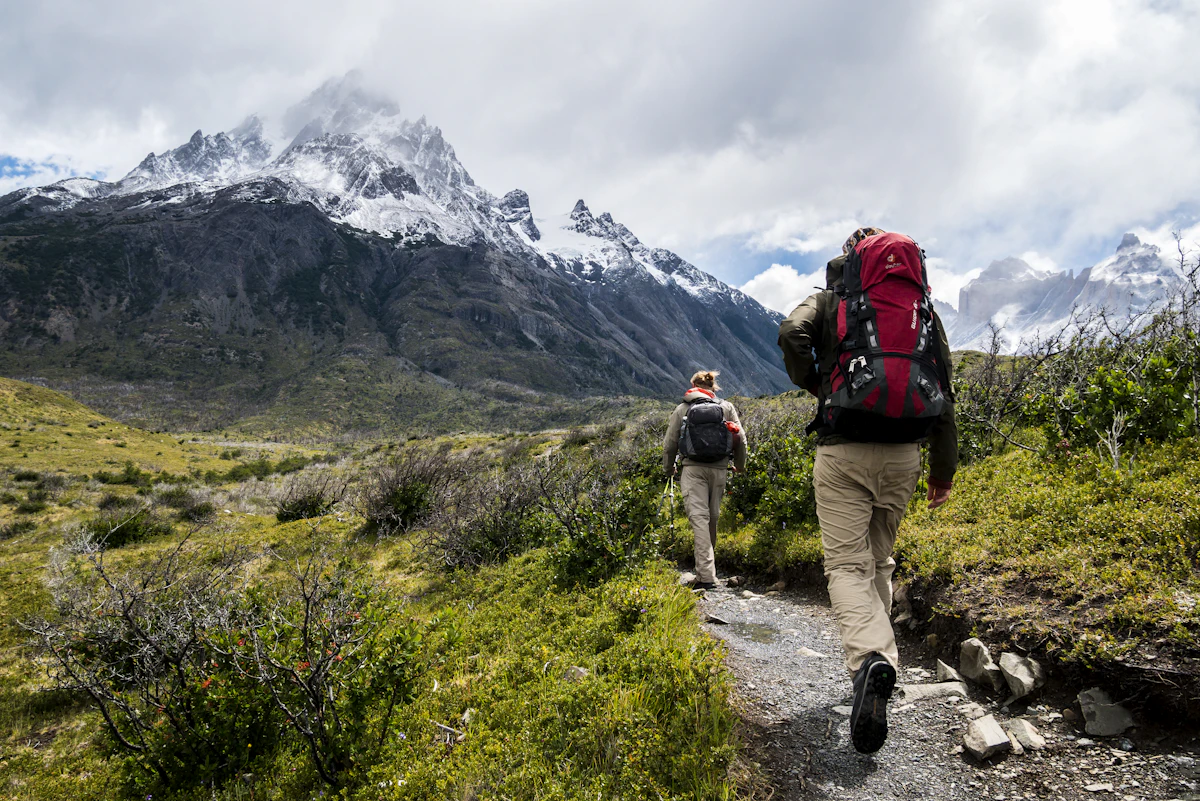
Tips for visiting with children
- Set a turnaround point before anyone becomes tired.
- Bring drinking water and snacks appropriate for the length of your visit.
- Keep children away from unsafe river access points and unstable banks.
- Watch for bicycles, particularly near bends and bridges.
- Use sun protection and take breaks in safe locations.
The trail can be an excellent introduction to outdoor exploration, but it is still a natural environment. Children need supervision, and the paved surface does not remove risks associated with heat, water, wildlife, or other trail users.
Can You Bring Dogs or Ride a Bicycle on the Pa’rus Trail?
Yes. The Pa’rus Trail permits leashed pets and bicycles, making it unusual among Zion’s hiking trails. Visitors must follow park rules and share the path responsibly.
Dog rules
Dogs must remain on a leash no longer than six feet, and owners must clean up pet waste. Pets are not permitted on the park’s other trails, wilderness areas, or shuttle buses under the standard pet rules. Service animals are subject to separate provisions.
Read the official Zion pet regulations before visiting with an animal. Never leave a pet unattended in a vehicle when conditions could endanger its health.
Bicycle rules
The trail is shared by cyclists and pedestrians. The National Park Service sets a 15 mph speed limit on the Pa’rus Trail and requires cyclists to yield to pedestrians, ride single file, and warn others before passing.
Slow down at bends and bridges, watch for wildlife, and stop when the path ahead is not clear. Wet bridges and patches of sand can reduce traction. Review the official Zion bicycling rules for permitted routes and e-bike requirements.
A Practical Two-Hour Pa’rus Trail Itinerary
A relaxed two-hour visit gives most travelers time to reach the trail, enjoy the scenery, take photographs, and return without treating the walk as a race. Adapt the schedule to your walking pace, mobility needs, weather, and the route you choose.
| Approximate time | Activity | Practical purpose |
|---|---|---|
| 0–15 minutes | Park or arrive by permitted transport; check water and supplies | Start prepared rather than rushing |
| 15–35 minutes | Enter the trail and settle into a comfortable pace | Allow time to adjust to conditions |
| 35–65 minutes | Enjoy river and canyon views; stop for photographs | Experience the landscape without rushing |
| 65–85 minutes | Continue to your chosen turnaround point | Keep the return journey manageable |
| 85–120 minutes | Return, rest, and continue to your next planned stop | Allow a buffer for delays |
This is a suggested schedule, not a measured itinerary or a promise of travel time. A full one-way route, frequent stops, limited mobility, or a crowded trail may require more time. If you plan to use a shuttle for the return, confirm its current operation and last departure before setting off.
How to get more value from the walk
- Choose one or two photography stops instead of stopping at every viewpoint.
- Look for interpretive signs to understand the river ecosystem and canyon geology.
- Keep the walking distance flexible if traveling with children or older adults.
- Save enough time for the return route and your next reservation or activity.
Safety Tips for the Pa’rus Trail
The most useful preparation is to carry water, protect yourself from the sun, watch the weather, and remain aware of other trail users. Even a relatively easy paved walk can become uncomfortable or hazardous during extreme heat, storms, or icy conditions.

What to bring
- Drinking water for each person, with additional water in hot weather.
- A hat, sunscreen, and suitable clothing for the forecast.
- Comfortable walking shoes with reliable traction.
- A fully charged phone and a plan for emergencies.
- Waste bags if you are bringing a dog.
- A small snack for longer visits or family outings.
River, weather, and wildlife precautions
Do not enter the river simply because the trail follows it. Water conditions can be unpredictable, and river edges may be slippery or unstable. Keep a safe distance from wildlife and never feed animals.
Check official weather forecasts and park alerts before your visit. If storms, flash-flood risks, extreme heat, or closures affect the area, follow National Park Service instructions and change your plans when necessary. Current conditions take priority over any general itinerary.
What Can You Do After the Pa’rus Trail?
The Pa’rus Trail works well as part of a wider Zion itinerary because it begins near the visitor center and connects with the wider canyon transportation network. The best next stop depends on your time, mobility, interests, and the day’s shuttle schedule.
- Riverside Walk: Consider this riverside route if you want another scenic walk; check current access and accessibility information before visiting.
- Zion Human History Museum: Learn about the park’s natural and human history when the museum is open and accessible from your chosen route.
- Zion Canyon Scenic Drive: Use the park’s current transport arrangements to explore additional canyon stops.
- Springdale: The nearby gateway town offers services and places to eat or prepare for the next part of your journey.

For broader trip planning, browse National Parks for Families for family-oriented ideas and Best Hikes With Kids for more hiking inspiration. If you need to organize overnight stays, see the hotel and accommodation guide.
Travelers planning a short getaway can also explore national parks for a weekend trip. Check the current official park guidance before relying on any older travel article for operating hours, closures, fees, or transport schedules.
Common Pa’rus Trail Planning Mistakes to Avoid
The easiest way to improve your visit is to plan around actual conditions rather than assuming the trail will be empty, perfectly level, or quick to complete. A few small decisions can prevent unnecessary delays and discomfort.
1. Assuming the full route is a short stroll
Although the trail is generally easy, its full length adds up. Decide in advance how far you want to walk and whether you need to return to the same starting point.
2. Arriving without checking transport
Parking and shuttle operations can affect your schedule. Confirm current arrangements and leave enough time for the return journey.
3. Treating accessibility as a guarantee
Grades, bridges, decking, and surface conditions can affect individual visitors differently. Read the official accessibility assessment and seek park guidance if necessary.
4. Bringing a pet onto an unapproved route
Standard pet access is restricted to permitted areas, including the Pa’rus Trail. Confirm the rules before connecting to another path or boarding a shuttle.
5. Underestimating desert conditions
Sun exposure, heat, and changing weather can affect even short walks. Carry water, wear suitable clothing, and turn back if conditions become uncomfortable or unsafe.
Frequently Asked Questions About the Pa’rus Trail
Is the Pa’rus Trail worth visiting?
Yes. The trail offers a relatively easy way to experience Zion Canyon scenery, the Virgin River, and sandstone cliffs without committing to a steep hike. It is especially useful for families and visitors who want a flexible outdoor activity.
How long does it take to hike the Pa’rus Trail?
The National Park Service gives a general duration of 30 minutes to 120 minutes. Your actual time depends on the distance walked, photography stops, walking pace, weather, and whether you complete the route or turn around early.
Is the Pa’rus Trail completely flat?
No. The trail is generally gentle, but the official accessibility assessment records variable grades, cross slopes, bridges, and some potential obstacles. Visitors should check the assessment if a smooth, independently accessible route is essential.
Can I take my dog on the Pa’rus Trail?
Yes. Dogs are permitted on the Pa’rus Trail when restrained on a leash no longer than six feet. Owners must clean up waste and follow park rules. Pets are not permitted on other park trails under the standard pet policy.
Are bicycles allowed on the Pa’rus Trail?
Yes. The trail is a shared route for pedestrians and cyclists. Riders must yield to pedestrians, travel at or below the posted speed limit, warn others before passing, and follow current park cycling rules.
Where should I park for the Pa’rus Trail?
The Zion Canyon Visitor Center is the main access point, but parking can fill during busy periods. Check current park information before driving, arrive early when possible, and use only authorized parking areas.
Can wheelchair users access the Pa’rus Trail?
The trail is among Zion’s most accessible routes, with a mostly paved surface and relatively low typical grades. However, some sections may require assistance. Review the National Park Service accessibility assessment before planning your visit.
Can you watch the sunset from the Pa’rus Trail?
Yes. The National Park Service identifies the route as a good place for sunset viewing. Check sunset time, weather, and your return transportation plan, and allow enough time to finish safely.
Do I need a separate reservation for the Pa’rus Trail?
The National Park Service trail page does not list a separate reservation for the Pa’rus Trail itself. However, normal park entrance requirements and other current park restrictions may apply. Confirm the latest information before travelling.
What should I bring for the Pa’rus Trail?
Bring drinking water, sun protection, comfortable footwear, weather-appropriate clothing, a charged phone, and any supplies needed by your group. Dog owners should also bring waste bags and follow leash rules.
Final Takeaway: Plan a Better Pa’rus Trail Visit
The Pa’rus Trail in Zion National Park is a practical choice for travelers who want riverside scenery, canyon views, and a manageable outdoor walk. Its paved surface, pet access, and bicycle access make it different from many other routes in the park.
Before leaving, verify the trail conditions, shuttle schedule, parking arrangements, accessibility details, and weather through the official National Park Service website. Choose a realistic walking distance, bring enough water, and leave time to enjoy the landscape rather than rushing through it.
For a family visit, a photography stop, or a flexible half-day itinerary, the Pa’rus Trail can be a rewarding way to experience Zion while keeping the plan adaptable to your needs.