The best national parks for families combine manageable trails, interesting wildlife, educational activities, scenic drives, and practical facilities that make outdoor travel easier with children.
A family national park vacation can be memorable without requiring difficult hikes, expensive equipment, or an exhausting schedule. The key is choosing a park that matches your children’s ages, interests, walking ability, and tolerance for long drives.
Some parks are ideal for families who want easy lakeside walks. Others offer wildlife viewing, junior ranger programs, waterfalls, dramatic mountains, or short desert trails. The most suitable destination depends on what your family wants to experience and how much planning you can manage.
This guide compares nine national parks for families and explains what makes each one useful for a family trip. You will also find practical planning methods, budget-saving ideas, safety advice, and a sample itinerary for organizing a comfortable visit.

How to Choose National Parks for Families
The best family national park is one that offers suitable activities, manageable travel distances, reliable facilities, and enough flexibility for children to rest.
A beautiful destination is not automatically a good family destination. A park with steep trails, limited shade, long distances between facilities, or unpredictable weather may be difficult for families with young children.
Before selecting a park, evaluate the following factors.
1. Choose activities that match your children’s abilities
Families with toddlers may prefer short walks, scenic overlooks, visitor centers, picnic areas, and wildlife viewing from safe locations. Older children may enjoy longer hikes, ranger programs, photography, and outdoor challenges.
Review trail distances, elevation changes, surfaces, shade, and access to restrooms before committing to a route.
2. Consider the length of your visit
A park that works well for a two-day weekend may not be the best choice for a week-long family vacation. Large parks often require several hours of driving between different areas.
For a short trip, select one main area and a few nearby activities. For a longer trip, divide the visit into manageable sections rather than trying to see everything.
3. Check seasonal conditions
Snow, heat, storms, road closures, wildfire restrictions, and crowded visitor areas can affect your plans. Always review official park information before departure.
The National Park Service trip-planning resource provides guidance on selecting parks, checking requirements, preparing equipment, and understanding safety considerations.
Note: Trail difficulty and access can change. Confirm current conditions, operating hours, road status, and activity restrictions through the official park website before visiting.
9 National Parks for Families to Consider
These nine national parks offer different family experiences, including wildlife watching, easy walks, mountain scenery, educational programs, and desert exploration.
The parks below are not ranked from first to last. Each serves a different type of family traveler. Your best choice depends on your children’s ages, travel budget, preferred activities, and the season of your visit.
1. Yellowstone National Park
Yellowstone is a strong choice for families who want wildlife, geothermal features, scenic drives, and educational outdoor experiences.
Yellowstone is particularly interesting for children because the landscape contains features that may seem unusual in everyday life. Families can see colorful hot springs, bubbling mud pots, geysers, large lakes, forests, and open valleys.

Why families may enjoy Yellowstone
- Wildlife viewing opportunities from designated areas.
- Geothermal features that introduce children to earth science.
- Scenic drives with opportunities for short stops.
- Visitor centers and educational resources.
- Opportunities to observe birds, mammals, forests, and waterways.
Practical advice for visiting with children
Do not plan every activity around long hikes. A family can enjoy Yellowstone through a combination of boardwalks, viewpoints, short walks, picnic breaks, and wildlife observation.
Wild animals must be viewed from a safe distance. Children should remain close to adults, and families should never approach wildlife for photographs.
Yellowstone is extensive, so choose accommodation or a camping area that reduces unnecessary daily driving. Carry food, drinking water, extra clothing, and basic supplies because services may be separated by considerable distances.
Official planning resource: Yellowstone National Park trip planning.
2. Great Smoky Mountains National Park
Great Smoky Mountains National Park is suitable for families who enjoy forest scenery, waterfalls, wildlife, scenic roads, and educational outdoor activities.
The park offers a broad mixture of landscapes, including wooded valleys, streams, mountain overlooks, historic buildings, and forest trails. Families can build a flexible day around a short walk, a scenic drive, a picnic, and a visit to an educational site.

Family activities to consider
- Short forest walks suitable for your children’s abilities.
- Scenic drives through mountain valleys.
- Waterfall viewing from appropriate trails.
- Wildlife observation from safe locations.
- Historic buildings and educational stops.
- Ranger-led programs and junior ranger activities.
How to make the visit easier
Families should avoid trying to combine too many distant locations in one day. Select activities near the entrance or area where you are staying, and allow time for traffic, parking, meals, and rest.
Weather can change quickly in mountainous environments. Carry light rain protection, comfortable walking shoes, snacks, and extra layers.
Families can explore the official Great Smoky Mountains National Park planning information before choosing trails and activities.
3. Zion National Park
Zion National Park is an excellent option for families who want dramatic canyon scenery, accessible walks, ranger programs, and memorable geological landscapes.
The towering sandstone cliffs make Zion visually impressive even when a family does not complete a demanding hike. Children can enjoy the scenery through short walks, nature activities, photography, and educational programs.

Family-friendly activities
- Walking sections of the Pa’rus Trail.
- Exploring suitable portions of Riverside Walk.
- Joining ranger-led educational programs.
- Visiting the Zion Nature Center when open.
- Completing junior ranger activities.
- Enjoying designated picnic areas.
Important planning considerations
Zion can become very busy, and transportation arrangements may affect how families move through the main canyon. During shuttle operating periods, visitors may need to use the park shuttle instead of driving directly to certain areas.
Heat, limited shade, steep sections, and exposure near canyon edges require careful planning. Young children should remain close to adults, and families should carry sufficient water.
The National Park Service provides detailed information about planning a visit to Zion National Park.
4. Acadia National Park
Acadia National Park is a versatile family destination with coastal scenery, rocky shorelines, forest paths, lakes, educational programs, and scenic viewpoints.
Acadia works well for families who want a combination of nature and coastal exploration. Children can discover tide pools, observe birds, explore easy walking routes, and learn about the environment through ranger programs.

What families can do
- Explore suitable sections of Ocean Path.
- Visit coastal viewpoints.
- Discover tide pools from safe locations.
- Enjoy selected carriage roads and walking paths.
- Visit nature centers and educational sites.
- Participate in junior ranger activities.
Why Acadia is useful for a flexible trip
Families can combine short walks with scenic drives and coastal stops. This makes it easier to adjust the day when children become tired or the weather changes.
Rocky shorelines can be slippery, and ocean conditions may be unpredictable. Children should be supervised carefully near water and exposed rocks.
For family activity ideas, consult the official Acadia National Park family activities guide.
5. Yosemite National Park
Yosemite National Park offers families spectacular waterfalls, granite cliffs, giant trees, scenic viewpoints, and a variety of outdoor learning opportunities.
Yosemite is a useful choice for families who want to introduce children to dramatic mountain scenery. Many visitors can enjoy the park through viewpoints, short walks, picnic areas, and scenic drives without attempting difficult backcountry routes.

Family activities to explore
- Visit suitable valley viewpoints.
- Explore short, manageable walking routes.
- Observe waterfalls from designated areas.
- Enjoy a family picnic.
- Learn about geology and wildlife.
- Attend educational programs when available.
Planning advice
Yosemite can become crowded, and parking or road conditions may influence the day’s schedule. Families should review official access information before arrival.
Do not underestimate distances or elevation changes. A short-looking route may be tiring for younger children, especially during warm weather.
Use the official Yosemite National Park planning guide to check current conditions and visitor information.
6. Rocky Mountain National Park
Rocky Mountain National Park is ideal for families interested in alpine scenery, wildlife, mountain lakes, scenic drives, and nature photography.
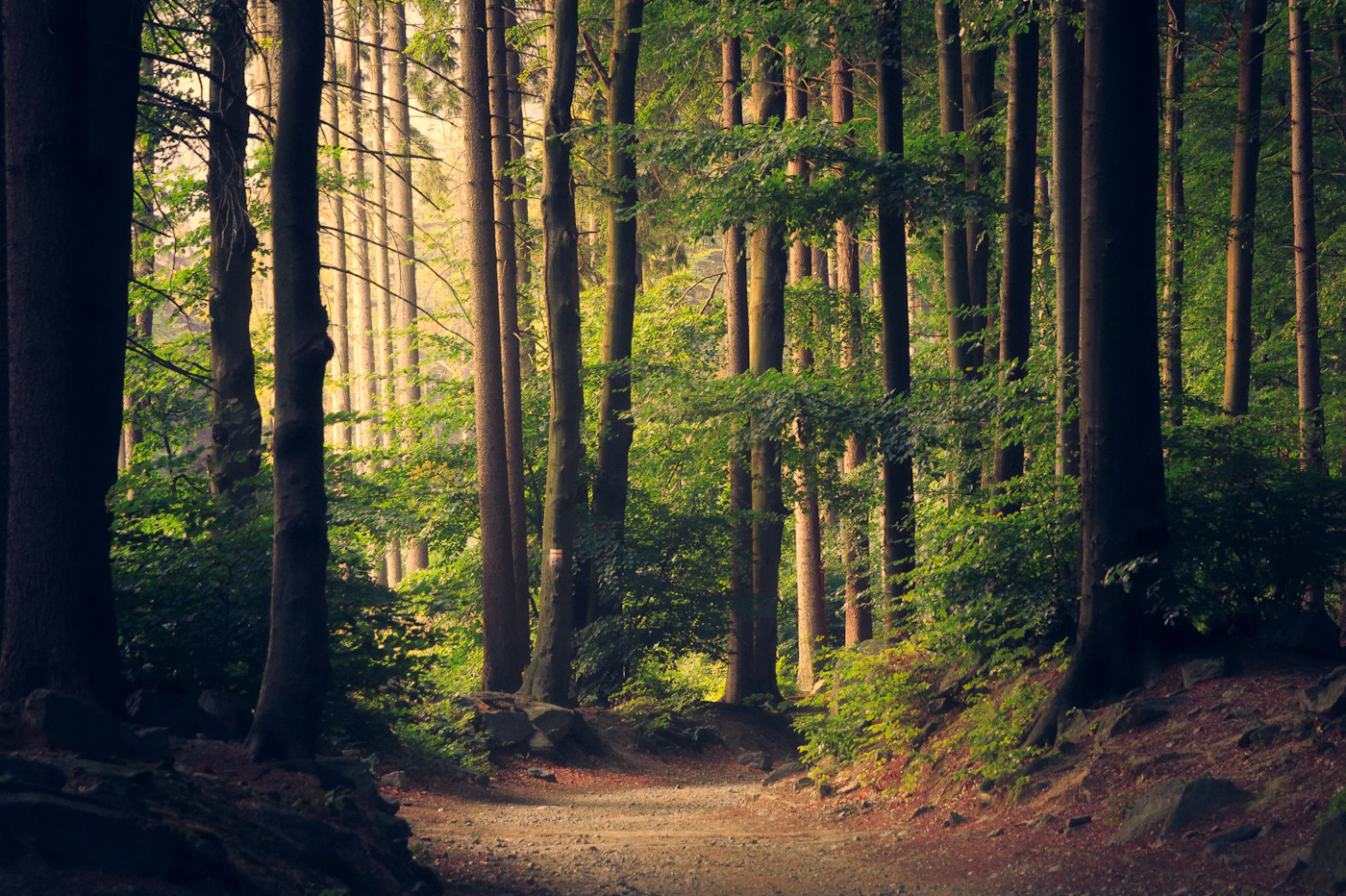
The park introduces families to high-elevation landscapes, evergreen forests, meadows, and mountain environments. Children may enjoy spotting birds, observing wildlife from safe distances, and learning how plants and animals survive in different habitats.
What makes the park appealing
- Scenic mountain viewpoints.
- Wildlife observation opportunities.
- Suitable short walks in selected areas.
- Educational nature activities.
- Mountain lakes and forest landscapes.
What parents should know
High elevation can make physical activity more demanding, particularly for visitors who are not accustomed to mountain environments. Families should allow time to adjust and avoid overloading the first day.
Weather can change rapidly. Carry warm layers, rain protection, water, and food even when the forecast appears favorable.
Review the Rocky Mountain National Park visitor guide before selecting routes and activities.
7. Joshua Tree National Park
Joshua Tree National Park is a memorable choice for families who enjoy desert scenery, unusual rock formations, short nature walks, and stargazing.
Joshua Tree provides a different experience from forest and mountain parks. Its desert plants, Joshua trees, boulder formations, and wide-open landscapes create opportunities for children to learn about survival in dry environments.
Family activities
- Explore suitable short nature trails.
- Observe Joshua trees and desert plants.
- Visit scenic rock formations.
- Learn about desert wildlife.
- Enjoy a carefully planned picnic.
- Observe the night sky from appropriate locations.
Desert safety matters
Extreme heat can make even short walks uncomfortable or unsafe. Plan outdoor activities during cooler periods, carry enough water, and avoid exposing young children to prolonged midday heat.
Rock formations may look suitable for climbing, but unstable surfaces and sharp edges can create hazards. Choose activities according to your children’s abilities and supervise them closely.
For more detailed family planning, read our guides to Joshua Tree National Park with Kids and kid-friendly hikes in Joshua Tree National Park.
Official information is available through the Joshua Tree National Park planning website.
8. Olympic National Park
Olympic National Park is a rewarding family destination for exploring temperate rainforests, mountain scenery, beaches, and diverse natural habitats.
The park is especially useful for families who want several different environments during one trip. Children can learn how coastal ecosystems, forests, and mountain habitats differ from one another.

Activities families may enjoy
- Exploring suitable rainforest walking routes.
- Visiting beaches and coastal viewpoints.
- Observing streams, trees, and forest plants.
- Enjoying scenic mountain areas.
- Learning about the park’s ecosystems.
Planning considerations
Olympic National Park is geographically spread out, so families should avoid assuming that every attraction is close together. Choose one region or plan accommodation carefully to reduce driving time.
Rain is possible in forest and coastal areas. Waterproof layers, suitable footwear, snacks, and extra clothing can improve comfort.
Consult the official Olympic National Park planning resource before traveling.
9. Arches National Park
Arches National Park is an exciting option for families who want to see natural stone arches, red-rock scenery, desert landscapes, and unusual geological formations.
Children may find the park especially engaging because the rock formations look different from ordinary hills and mountains. Families can use viewpoints, short walks, and educational stops to explore the landscape.

Family activities to consider
- Visit suitable scenic viewpoints.
- Explore short trails according to children’s abilities.
- Observe natural arches and rock formations.
- Learn how wind and water shape sandstone.
- Take photographs from safe locations.
How to prepare
Desert heat, limited shade, and exposed terrain can make walking difficult. Carry water, sun protection, food, and appropriate clothing.
Families should check access requirements and current park conditions before arrival. Avoid planning strenuous walks during the hottest part of the day.
Use the Arches National Park planning guide for current visitor information.
Family-Friendly National Park Comparison
The most suitable park depends on whether your family prioritizes wildlife, forests, beaches, mountains, deserts, or short educational walks.
| National Park | Best Family Experience | Useful for | Planning Concern |
|---|---|---|---|
| Yellowstone | Wildlife and geothermal features | Curious children and nature learners | Long driving distances |
| Great Smoky Mountains | Forests, streams, and scenic drives | Families seeking varied outdoor activities | Traffic and changing weather |
| Zion | Canyons and geological scenery | Families interested in dramatic landscapes | Heat and transportation arrangements |
| Acadia | Coastal walks and educational activities | Families wanting varied short outings | Crowds and slippery coastal rocks |
| Yosemite | Waterfalls and mountain views | Families interested in iconic scenery | Traffic and seasonal access |
| Rocky Mountain | Alpine landscapes and wildlife | Families comfortable with mountain conditions | Elevation and weather |
| Joshua Tree | Desert plants and rock formations | Families seeking a unique desert experience | Heat and limited shade |
| Olympic | Rainforests, beaches, and mountains | Families who enjoy varied ecosystems | Large distances between regions |
| Arches | Natural arches and red-rock scenery | Families interested in geology | Heat and exposed trails |
This comparison is a planning aid rather than a ranking. A family with toddlers may prefer a different park from a family with teenagers who want longer hikes.
How to Plan a National Park Family Vacation
A successful family national park vacation starts with realistic daily activities, suitable accommodation, reliable supplies, and a flexible schedule.
Step 1: Identify your family’s travel priorities
Before booking accommodation, ask each family member what they want to experience. Younger children may prefer wildlife and short walks, while older children may want more challenging activities.
Create a short list of priorities such as:
- Wildlife observation.
- Waterfalls and lakes.
- Easy hiking trails.
- Educational ranger programs.
- Scenic drives.
- Photography.
- Camping or comfortable accommodation.
Step 2: Select one main park
Visiting several parks during one short vacation may create unnecessary driving and fatigue. Select one primary destination and explore it thoroughly.
For a longer trip, add another park only when the travel distance and accommodation arrangements are reasonable.
Step 3: Build a realistic daily schedule
Children often need more breaks than adults expect. A practical schedule may include one main activity, one short walk, a meal break, and an optional evening activity.
| Time | Suggested Activity |
|---|---|
| 8:00 AM | Breakfast and preparation |
| 9:00 AM | Main family activity or short hike |
| 11:00 AM | Rest, snack, and scenic stop |
| 12:30 PM | Lunch and quiet time |
| 2:00 PM | Visitor center, wildlife viewing, or easy walk |
| 4:00 PM | Return to accommodation or enjoy a short stop |
Step 4: Check official requirements
Some parks may have entrance fees, reservations, timed-entry systems, shuttle arrangements, seasonal closures, or activity-specific requirements.
Check the official park website before traveling rather than relying only on older travel articles or social media posts.
Step 5: Prepare for changing conditions
Pack according to the destination rather than using the same equipment for every park. A desert vacation requires different preparation from a rainy forest or high-elevation mountain trip.
Useful items may include:
- Reusable water bottles.
- Comfortable walking shoes.
- Sun protection.
- Rain jackets and warm layers.
- Snacks and packed meals.
- First-aid supplies.
- Offline maps and charging equipment.
- Small binoculars for wildlife observation.
- Child-friendly activity books.
Families looking for more outdoor planning advice can read our guide to the best hikes with kids.
How to Save Money on a Family National Park Vacation
Families can reduce national park travel costs by choosing suitable accommodation, preparing meals, limiting unnecessary driving, and planning activities around free or included experiences.
1. Compare accommodation options
Hotels, cabins, vacation rentals, campgrounds, and lodges can have very different total costs. Compare the full price, including taxes, parking, cleaning fees, and resort charges where applicable.
A property farther from the park may offer a lower nightly rate but increase fuel costs and travel time. Calculate the complete trip cost before booking.
Our guide to finding affordable hotels can help with comparing accommodation options.
2. Prepare some meals
Eating every meal at restaurants can become expensive for families. A room with a refrigerator, kitchenette, or access to cooking facilities may help reduce food expenses.
Pack suitable snacks and meals when park rules allow it. Always follow restrictions concerning food storage and wildlife.
3. Choose shorter routes
Fuel costs and driving fatigue can increase when families move between distant park areas every day. Select activities close to your accommodation whenever possible.
4. Use existing family travel resources
Review our guides to affordable national park vacations and national parks for weekend trips when comparing destinations.
Pro Tip: Compare the total cost of a trip rather than only the entrance fee. Accommodation, fuel, meals, parking, equipment, and travel time can have a greater effect on your family budget.
Family Safety Tips for National Parks
Families should plan around weather, water, wildlife, trail conditions, and each child’s physical ability before starting an outdoor activity.
Stay together
Children should remain close to adults, particularly near cliffs, streams, roads, wildlife areas, and crowded trailheads. Establish a simple meeting plan in case someone becomes separated.
Respect wildlife
Never approach, feed, or attempt to touch wild animals. Use designated viewing areas and follow official distance recommendations.
Carry enough water
Water needs vary according to weather, activity, age, and elevation. Carry sufficient water for the planned activity and extra supplies when services are limited.
Check weather and trail conditions
Rain, heat, snow, thunderstorms, and strong winds can change the safety of a route. Check official alerts before leaving and be willing to change plans.
Choose trails carefully
A trail marked easy may still contain uneven surfaces, steep sections, exposed areas, or slippery rocks. Parents should review the route rather than relying only on the difficulty label.
Teach children basic outdoor rules
- Stay on designated trails.
- Do not pick plants or disturb animals.
- Do not climb unstable rocks.
- Keep food stored appropriately.
- Tell an adult when feeling tired, thirsty, or unwell.
- Carry out trash and follow park regulations.
For additional family hiking preparation, explore our guide to hiking gear for kids.
A Practical Two-Day Family National Park Itinerary
A two-day family park visit works best when the schedule combines one main activity with short walks, meals, rest periods, and flexible backup options.
The following example can be adapted to many national parks. It is not a fixed route for one particular destination.
Day 1: Introduction and easy exploration
- Arrive early and check visitor information.
- Ask park staff about suitable family activities.
- Choose one short trail or accessible walking route.
- Have lunch and allow children to rest.
- Visit a scenic viewpoint or educational area.
- Return to accommodation before the family becomes exhausted.
Day 2: Main activity and flexible afternoon
- Begin with a suitable morning hike or wildlife activity.
- Take a longer break for food and hydration.
- Visit a second nearby attraction.
- Complete a junior ranger or nature-learning activity.
- Keep the afternoon flexible for weather or tiredness.
- Review travel time before beginning the journey home.
The most important part of this itinerary is flexibility. If children are tired after the first activity, reduce the number of planned stops rather than forcing the entire schedule.
Common Mistakes Families Make in National Parks
Many family travel problems occur because parents underestimate driving time, plan too many activities, or fail to prepare for weather and limited services.
Planning too many hikes
Children may enjoy one memorable walk more than several rushed trails. Choose activities according to age and ability.
Ignoring travel distances
Large national parks can take hours to cross. Estimate driving time between accommodation, trailheads, visitor centers, and meal stops.
Relying on mobile service
Cellular coverage may be limited in remote areas. Download maps and save important information before entering the park.
Forgetting food and water
Food services may be limited or unavailable in some areas. Carry suitable supplies and understand local food-storage rules.
Choosing accommodation only by price
A low nightly rate may not be the best value if it requires long daily drives. Compare the complete cost and convenience.
Ignoring children’s interests
Not every child enjoys hiking. Add wildlife observation, photography, educational activities, scenic drives, or nature games to create a more balanced trip.
Frequently Asked Questions About National Parks for Families
Families should choose national parks according to children’s ages, trail abilities, travel time, weather conditions, and the activities they enjoy most.
What are the best national parks for families with young children?
Great Smoky Mountains, Acadia, Yellowstone, and selected areas of Zion can work well for families with young children. The best choice depends on accessible walks, rest areas, weather, and the distance between activities.
How many days should a family spend in a national park?
A two-day visit can provide a useful introduction to a smaller area, while three to five days may allow more time for wildlife viewing, short hikes, scenic drives, and rest. Large parks may require longer visits.
What should families pack for a national park trip?
Useful supplies include water, snacks, comfortable shoes, sun protection, weather-appropriate clothing, first-aid supplies, maps, charging equipment, and child-friendly activities. Packing should reflect the destination’s conditions.
Are national parks suitable for families who do not hike?
Yes. Many parks offer scenic drives, viewpoints, visitor centers, wildlife observation, picnic areas, educational programs, and short accessible walks. Families do not need to complete difficult hikes to enjoy a national park.
How can families save money during a national park vacation?
Families can compare accommodation, prepare meals, reduce unnecessary driving, select free or included activities, and plan travel during less expensive periods. Always check current fees and reservation requirements.
Which national parks are best for children interested in wildlife?
Yellowstone and Great Smoky Mountains are strong choices for families interested in wildlife observation. Rocky Mountain and Olympic also provide opportunities to learn about different habitats. Wildlife should always be viewed safely and respectfully.
What is the safest way to hike with children in a national park?
Choose a route suitable for the youngest child, check conditions, carry water and food, stay together, remain on designated trails, and turn back when weather or fatigue makes the activity unsuitable.
Should families book accommodation inside or outside a national park?
Accommodation inside a park may reduce driving, while lodging outside the park may offer more choices or lower prices. Compare total costs, travel time, availability, and convenience before booking.
Final Takeaway
The best national parks for families offer a balance of enjoyable activities, manageable travel, educational experiences, safety, and opportunities for children to explore at their own pace.
Yellowstone is useful for wildlife and geothermal features. Acadia offers coastal scenery and flexible outdoor activities. Great Smoky Mountains provides forest experiences, while Zion and Arches offer dramatic geological landscapes. Joshua Tree introduces children to the desert, and Olympic provides a variety of ecosystems.
Before booking, consider your family’s interests, children’s abilities, accommodation budget, travel distances, and seasonal conditions. A carefully planned trip with fewer activities is often more enjoyable than a crowded schedule.
For more ideas, explore our guides to family vacation destinations, family vacations on a budget, and affordable USA vacation destinations for families.
With realistic expectations, suitable preparation, and time for rest, a national park vacation can become an educational and memorable experience for the whole family.