A Vancouver to Tokyo cruise is best planned by comparing sailing dates, total costs, cabin options, sea days, Japanese ports, and your Tokyo stay before booking.
A Vancouver to Tokyo cruise is very different from a short Caribbean or Alaska vacation. The journey can include several consecutive sea days, Alaska’s Inside Passage, the International Date Line, Japanese ports, and a final arrival in the Tokyo area.
The smartest strategy is to treat the cruise, Vancouver stay, transportation, and post-cruise Tokyo trip as one complete travel plan.
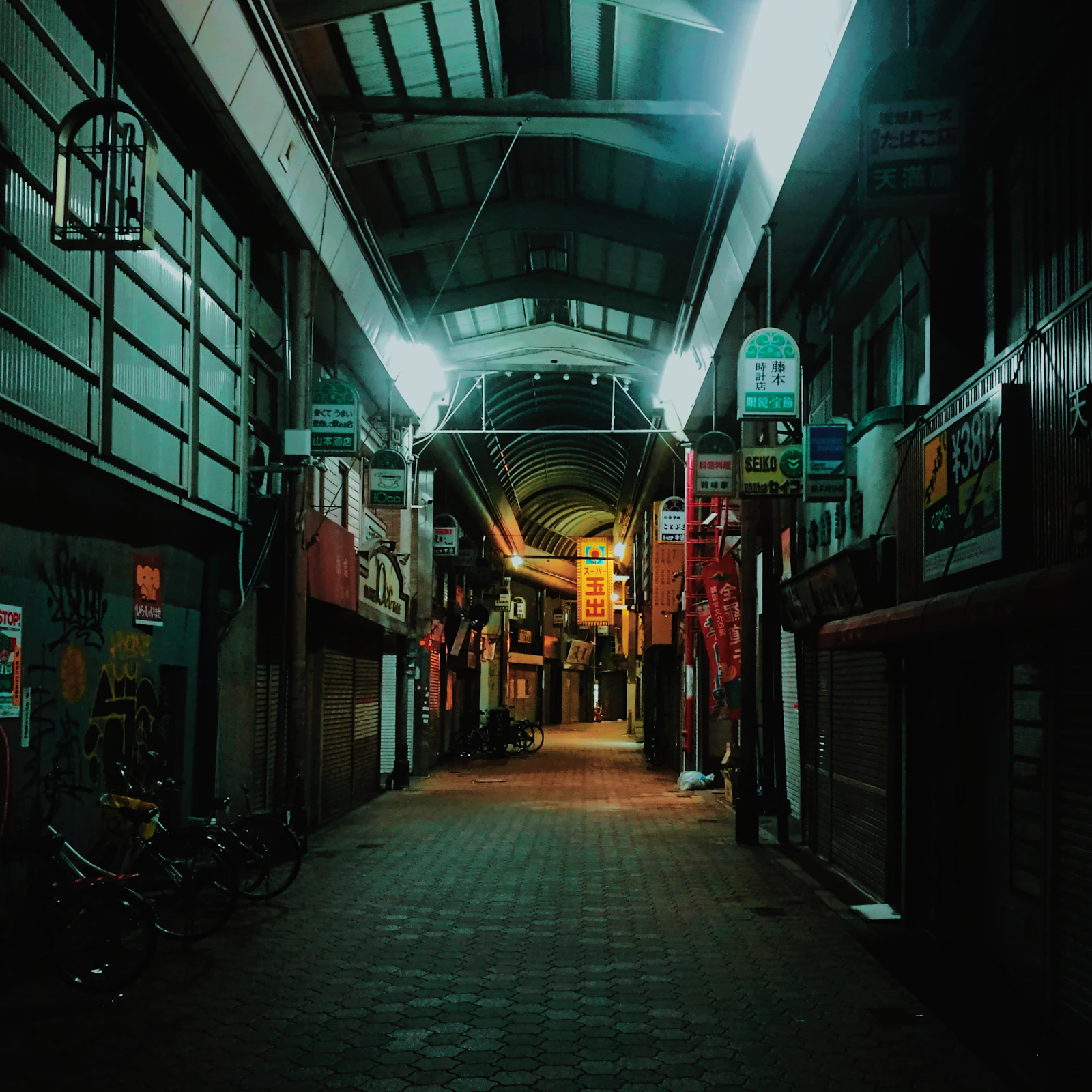
What Is a Vancouver to Tokyo Cruise?
A Vancouver to Tokyo cruise is a long-distance North Pacific sailing connecting Vancouver, Canada, with the Tokyo metropolitan area in Japan.
Unlike a standard short cruise, this type of itinerary is built around the crossing itself. Depending on the sailing, passengers may experience Alaska’s Inside Passage, visit Ketchikan, spend several days at sea, cross the International Date Line, visit Japanese ports, and finish near Tokyo.
For example, Holland America Line lists a 13-day North Pacific Crossing from Vancouver to Tokyo aboard Westerdam departing September 13, 2026. The itinerary includes Ketchikan, multiple sea days, the International Date Line, Kushiro, Aomori, and Tokyo.
View the Holland America Line Asia itinerary information
Pro Tip: Search for both “Vancouver to Tokyo cruise” and “Vancouver to Yokohama cruise” because some cruise itineraries use Yokohama as the Tokyo-area arrival port.
What Does a Vancouver to Tokyo Cruise Itinerary Look Like?
A typical North Pacific itinerary combines Vancouver, Pacific or Alaska cruising, several sea days, Japanese ports, and a Tokyo-area arrival.
The exact route depends on the cruise line, ship, departure date, and seasonal itinerary. Therefore, always check the specific sailing rather than assuming every Vancouver-to-Tokyo route follows the same pattern.
| Journey Stage | What You May Experience | Planning Priority |
|---|---|---|
| Vancouver | Embarkation and pre-cruise preparation | High |
| Inside Passage | Scenic coastal cruising | Medium |
| Ketchikan | Alaska port experience | Medium |
| Pacific Crossing | Several consecutive sea days | High |
| International Date Line | Calendar and time adjustment | High |
| Kushiro | Japanese port experience | High |
| Aomori | Japanese culture and sightseeing | High |
| Tokyo | Disembarkation and onward travel | High |
The sea days are an important part of the experience. You should therefore consider your cabin, onboard entertainment, internet needs, dining preferences, exercise routine, and personal activities before booking.
7 Ways to Plan Your Vancouver to Tokyo Cruise
The best planning framework covers the sailing date, total cost, cabin, sea days, ports, Tokyo stay, and packing requirements.
- Choose the right sailing date.
- Calculate the complete trip cost.
- Choose a cabin suitable for long sea days.
- Prepare for the Pacific crossing.
- Research Japanese port excursions.
- Plan several days in Tokyo after disembarkation.
- Pack for changing weather conditions.
1. Choose the Right Vancouver to Tokyo Cruise Date
The best Vancouver to Tokyo cruise date depends on the itinerary, season, cabin price, port schedule, and the amount of time you want to spend in Japan.
North Pacific cruises generally have fewer departure options than popular Caribbean routes. This makes date flexibility especially useful when searching for a suitable sailing.
Compare the itinerary before the price
A low cruise fare is not necessarily the best deal if the sailing has inconvenient dates, unsuitable ports, or expensive transportation requirements.
- Check the exact departure date.
- Check the final arrival date.
- Count the consecutive sea days.
- Review every port of call.
- Check arrival and departure times.
- Confirm whether the final port is Tokyo or Yokohama.
Also consider staying in Vancouver before the cruise. A one-night buffer can reduce the risk created by a delayed flight on embarkation day.
Note: Avoid scheduling an international flight to Vancouver with only a few hours between the planned arrival and cruise embarkation. A flight delay could cause you to miss the ship.
2. Calculate the Complete Cruise Cost
The true cost of a Vancouver to Tokyo cruise includes the cruise fare plus taxes, flights, hotels, transfers, excursions, onboard expenses, insurance, and your Tokyo stay.
Instead of using the advertised cruise fare as your complete budget, calculate the total expected cost.
Total trip cost = cruise fare + taxes and fees + flights + hotels + transfers + excursions + onboard spending + insurance + Tokyo expenses
Example cruise budget
Suppose two travelers pay $1,600 per person for the cruise. The following example shows how quickly additional expenses can affect the final budget.
| Expense | Example Amount |
|---|---|
| Two cruise fares | $3,200 |
| Vancouver hotel | $300 |
| Flights and transportation | $1,400 |
| Excursions | $500 |
| Travel insurance | $200 |
| Onboard extras | $400 |
| Tokyo hotel and meals | $600 |
| Example Total | $6,600 |
This is only an illustrative budget. Actual costs vary according to the sailing date, cabin, airfare, hotel, excursions, exchange rates, insurance, and onboard purchases.
Learn more about how cruise costs are calculated and ways to save money on a cruise.
Check the expenses beyond the cruise fare
The most useful cruise comparison is based on the complete trip cost rather than the lowest advertised cabin price.
- Taxes and port fees.
- Gratuities.
- Drink packages.
- Specialty dining.
- Internet access.
- Shore excursions.
- Pre-cruise accommodation.
- Post-cruise accommodation.
- Airport and cruise-port transfers.
3. Choose a Cabin for Long Sea Days
The best cabin for a long Pacific crossing balances comfort, location, private space, and your overall travel budget.
A cabin can matter more on a long transpacific journey because several consecutive days may be spent onboard without visiting a port.
Interior cabin
An interior cabin can be suitable for travelers who prioritize a lower fare and expect to spend most of their time using the ship’s public spaces.
Ocean-view cabin
An ocean-view cabin provides natural light and an outside view while generally costing less than a balcony cabin.
Balcony cabin
A balcony provides private outdoor space and can be especially appealing during long stretches at sea.
Suite
A suite provides additional living space and may include extra benefits, but the higher price should be justified by how much you value those features.
Before choosing a cabin, also consider its location on the ship, proximity to elevators, public areas, restaurants, pools, and entertainment venues.
For more booking advice, read the best time to book a cruise and common cruise booking mistakes.

4. Prepare for Long Pacific Sea Days
Long Pacific sea days are easier when you create a flexible routine that combines exercise, entertainment, relaxation, dining, and personal time.
A North Pacific crossing can include multiple consecutive days without a port visit. You should therefore think about how you will spend your time onboard before departure.
Create a practical sea-day routine
- Start the morning with breakfast and a walk.
- Choose one or two planned activities.
- Set aside time for reading or relaxation.
- Use onboard entertainment.
- Exercise regularly.
- Keep a consistent sleep schedule.
Pro Tip: Download books, podcasts, movies, maps, travel documents, and other offline material before sailing. Internet access at sea may cost extra and can work differently from a normal home connection.
5. Plan Your Japanese Port Days
Japanese port days should be planned around the ship’s arrival time, departure time, transportation, excursion duration, and a safe return-to-ship buffer.
A 2026 North Pacific Crossing example includes Japanese calls at Kushiro and Aomori before arriving in Tokyo.
Plan your Kushiro visit
Kushiro provides an opportunity to experience a less metropolitan side of Japan. Depending on the itinerary and season, travelers may choose wildlife, nature, cultural, or local sightseeing experiences.
Plan your Aomori visit
Aomori can provide a different perspective on northern Japan, with opportunities for regional food, culture, scenery, and local attractions.
Use a port-day calculation
Usable sightseeing time = scheduled port time − disembarkation time − transportation time − return buffer.
For example, a ship that remains in port for nine hours does not provide nine full hours of sightseeing. Disembarkation, transportation, security, walking, and the return-to-ship buffer all consume time.
Note: Confirm the latest port schedule before arranging independent transportation or excursions because cruise schedules can change.
6. Plan Your Tokyo Stay After the Cruise
Adding several nights in Tokyo after the cruise gives you more time to explore Japan without rushing through attractions on disembarkation day.
Tokyo is a large metropolitan destination with traditional neighborhoods, modern shopping districts, museums, food experiences, entertainment, and major transport hubs.
The Japan National Tourism Organization’s Tokyo guide provides official destination information.
Example four-day Tokyo extension
| Day | Suggested Focus |
|---|---|
| Day 1 | Arrival, hotel check-in, and nearby sightseeing |
| Day 2 | Asakusa, Tokyo Station, Ginza, and Imperial Palace area |
| Day 3 | Shibuya, Harajuku, and Shinjuku |
| Day 4 | Shopping, food, museums, or a flexible day trip |
You can also use this Tokyo weekend itinerary when planning your post-cruise stay.
If you intend to continue to Kyoto, Osaka, Hiroshima, or another Japanese destination, include transportation time when deciding how many nights to spend in Tokyo.

7. Pack for a North Pacific Crossing
Pack layers, comfortable walking shoes, rain protection, cruise clothing, travel documents, medications, electronics, and clothing suitable for both Canada and Japan.
Weather conditions can change considerably between Vancouver, the Pacific crossing, northern Japan, and Tokyo.
Vancouver to Tokyo cruise packing essentials
- Passport and required travel documents.
- Prescription medications.
- Layered clothing.
- Comfortable walking shoes.
- Rain jacket.
- Compact umbrella.
- Swimwear.
- Smart-casual or formal clothing if required.
- Phone and chargers.
- Travel adapter.
- Portable battery.
- Offline copies of important travel documents.
For a more detailed checklist, see these cruise packing tips.
Vancouver to Tokyo Cruise vs. Flying
A Vancouver to Tokyo cruise is better for travelers who enjoy slow travel and the onboard experience, while flying is better for travelers who prioritize reaching Japan quickly.
| Factor | Cruise | Flight |
|---|---|---|
| Travel speed | Slow | Fast |
| Sea experience | Major part of the trip | None |
| Accommodation | Part of cruise experience | Separate hotel required |
| Meals | Many meals included depending on fare | Separate |
| Port experiences | Possible | None during transit |
| Sea days | Several | None |
| Best suited to | Slow travelers and cruise enthusiasts | Time-sensitive travelers |
The important question is not simply which option is cheaper. Compare what you receive for your money and time.
How Can You Save Money on a Vancouver to Tokyo Cruise?
The easiest savings usually come from comparing sailing dates, cabin categories, total trip costs, excursions, onboard expenses, and hotel prices.
- Compare several departure dates.
- Compare interior, ocean-view, and balcony cabins.
- Check what your cruise fare includes.
- Compare excursion prices before booking.
- Set an onboard spending limit.
- Compare Vancouver hotel locations.
- Compare one-way airfare options.
- Book Tokyo accommodation based on transport convenience.
Start with these ways to find cheap cruise deals before choosing a specific sailing.
Pro Tip: Build a spreadsheet containing cruise fare, taxes, cabin category, hotel, flights, transfers, excursions, internet, drinks, gratuities, insurance, and Tokyo expenses. Compare the final total rather than the advertised fare.
What Are the Biggest Planning Mistakes?
The biggest mistakes include choosing a cruise without checking the full itinerary, underestimating sea days, booking tight flights, and failing to budget for additional expenses.
- Booking a same-day flight and cruise connection.
- Ignoring the number of consecutive sea days.
- Choosing a cabin without considering its location.
- Underestimating onboard spending.
- Booking independent excursions without a sufficient return buffer.
- Assuming every Tokyo cruise arrives at the same port.
- Failing to budget for post-cruise accommodation.
- Not checking current entry requirements.
- Packing only for Vancouver’s weather.
Before booking, review these cruise booking mistakes.
How Does the International Date Line Affect the Cruise?
The International Date Line can change the calendar date during a Pacific crossing, so travelers should follow the ship’s official time announcements.
This can affect reservations, appointments, excursions, communication, and onward transportation.
Do not manually guess the correct date after the crossing. Use the ship’s official daily schedule and update your personal calendar accordingly.
How Should You Choose Japanese Shore Excursions?
The best Japanese shore excursion matches your available port time, transportation needs, interests, budget, and acceptable risk level.
- Check the excursion duration.
- Check the distance from the cruise port.
- Review the transportation method.
- Check the walking requirements.
- Review cancellation conditions.
- Confirm the return time.
- Compare organized and independent tours.
Cruise-organized excursions can simplify logistics, while independent sightseeing may provide greater flexibility. The correct choice depends on your confidence, itinerary, and available time.
Frequently Asked Questions
How long is a Vancouver to Tokyo cruise?
A Vancouver to Tokyo cruise can take around two weeks for a North Pacific crossing, although longer itineraries are also available.
Exact durations vary according to the cruise line, ship, ports, and sailing date.
Is there a direct cruise from Vancouver to Tokyo?
Yes, cruise lines can offer one-way North Pacific crossings from Vancouver to the Tokyo metropolitan area.
Always verify the exact departure and arrival ports for the sailing you want to book.
Does a Vancouver to Tokyo cruise stop in Alaska?
Some Vancouver-to-Tokyo itineraries include Alaska’s Inside Passage and Ketchikan before crossing the Pacific.
Other itineraries may follow different routes, so check the specific sailing.
Where does a Tokyo cruise actually arrive?
Some cruises marketed as Tokyo sailings arrive at Yokohama, a major cruise port serving the Tokyo metropolitan area.
Check the exact port before arranging your airport transfer or hotel.
What should I pack for a North Pacific cruise?
Pack layers, comfortable shoes, rain protection, cruise clothing, medications, electronics, and required travel documents.
Weather can vary significantly between Vancouver and Japan.
Should I stay in Tokyo after the cruise?
Yes, several nights in Tokyo can make the trip more relaxed and give you time to explore Japan after disembarkation.
Three to four nights is a practical starting point for many first-time visitors.
Is a Vancouver to Tokyo cruise cheaper than flying?
Not necessarily, because cruises and flights provide different combinations of transportation, accommodation, meals, and entertainment.
Compare the complete cost of both options instead of comparing only airfare with cruise fare.
When should I book a Vancouver to Tokyo cruise?
Compare several sailing dates, cabin categories, itinerary options, and total trip costs before making the reservation.
Because North Pacific crossings may have fewer departures, flexibility can be valuable.
Final Takeaway
The best Vancouver to Tokyo cruise plan combines the right sailing date, realistic budget, comfortable cabin, sea-day strategy, carefully selected excursions, and a well-planned Tokyo extension.
Start by comparing the complete itinerary rather than focusing only on the cruise fare. Then calculate the full trip cost, prepare for several days at sea, research Japanese port stops, and allow enough time to enjoy Tokyo after disembarkation.
For official destination information, visit Japan National Tourism Organization’s Travel Japan website .
For current cruise information, check the official Holland America Line website and verify the exact sailing before booking.
Remember that cruise schedules, fares, port times, inclusions, and travel requirements can change. Confirm the latest information with the cruise line and relevant government authorities before departure.