Looking for unusual attractions in Paris beyond the Eiffel Tower, Louvre Museum, and crowded shopping streets? The French capital has forgotten railway paths, historic underground tunnels, hidden courtyards, ancient Roman ruins, and unusual museums that reveal a different side of the city.
This guide covers seven distinctive places to explore, including which attractions are free, which require advance reservations, how to reach them by public transport, and how to build a more affordable Paris itinerary without wasting money on unnecessary transfers.

What Are the Best Unusual Attractions in Paris?
The best unusual attractions in Paris include the Petite Ceinture, the Catacombs, historic covered passages, Arènes de Lutèce, distinctive museums, and elevated urban gardens. These places offer a mix of history, architecture, nature, and local culture, with free and paid options for different budgets.
For budget-conscious travelers, the best strategy is to combine free outdoor walks with one carefully selected paid attraction. Before choosing your stops, compare the location, admission requirements, transport connections, and opening arrangements rather than assuming every hidden gem is inexpensive.
1. Walk Along the Petite Ceinture Railway
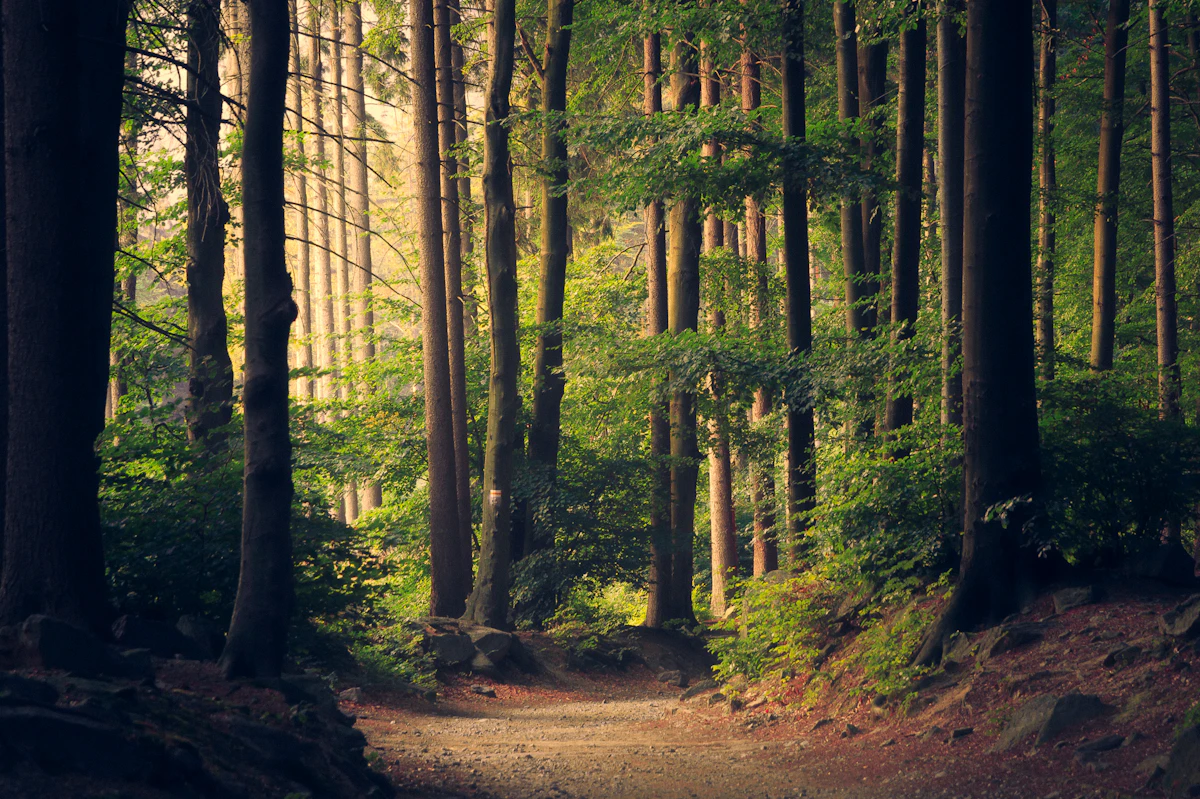
The Petite Ceinture is a former railway line where visitors can walk along selected public sections surrounded by greenery and railway heritage. It is one of the most interesting choices for travelers who want to experience a quieter side of Paris without paying for a conventional sightseeing tour.
Built during the nineteenth century, the railway once connected parts of the French capital. Although the original route is not entirely open to pedestrians, several sections have been converted into promenades where vegetation, old railway structures, and urban biodiversity create a distinctive atmosphere.
What makes this railway walk special?
- Explore sections of a historic railway that many first-time visitors overlook.
- Photograph railway structures, vegetation, and changing urban landscapes.
- Enjoy a slower sightseeing experience away from some of the busiest tourist streets.
- Combine a walk with nearby parks or neighborhood cafés.
The Petite Ceinture is especially useful for budget travelers because walking through publicly accessible sections does not require a standard museum admission ticket. However, individual sections have different access arrangements and opening hours.
Practical tip: Choose a specific entrance before leaving your accommodation. Some sections close earlier than others, and railway tunnels or fenced-off areas may remain inaccessible. Never enter closed railway infrastructure.
For current access points and ecological walking routes, consult the City of Paris guide to the Petite Ceinture and the Paris tourism guide to this unusual railway.
Best for: Nature lovers, photographers, walkers, and travelers looking for free or low-cost activities in Paris.
2. Explore the Paris Catacombs
The Paris Catacombs are an underground ossuary containing the remains of millions of Parisians in former quarry tunnels. This historic site offers a very different experience from the city’s grand avenues, gardens, and monuments.
The underground galleries help visitors understand how Paris developed beneath its modern streets. The site also illustrates the history of former quarries and the relocation of human remains from overcrowded city cemeteries.
What should visitors know before entering?
- The official entrance is at 1 Avenue du Colonel Henri Rol-Tanguy in the 14th arrondissement.
- Denfert-Rochereau is the nearest major public transport connection.
- Advance online booking is strongly recommended.
- The visit involves underground walking, stairs, and a cool environment.
- Large suitcases and oversized bags are not permitted.
As listed on the official website in October 2026, the standard adult admission price is €31, the reduced rate is €25, and the rate for children aged 8–17 is €15. Children under eight enter free. Check the official ticketing information before relying on these prices.
The Catacombs are generally open Tuesday through Sunday, from 9:45 a.m. to 8:30 p.m., with last admission at 7:30 p.m. They close on Mondays and certain public holidays. Confirm the schedule for your chosen date.
Use the official Paris Catacombs website to check admission, visitor restrictions, and ticket availability.
Budget tip: Because this is a paid attraction, combine it with a free walk around the Denfert-Rochereau neighborhood instead of booking several expensive activities on the same day.
Best for: History enthusiasts and travelers interested in underground architecture and the less familiar stories of Paris.
3. Discover Paris Through Its Historic Covered Passages

Paris’s historic covered passages are elegant pedestrian galleries filled with architectural details, small shops, and traditional interiors. They offer a sheltered way to discover the city while learning about its nineteenth-century commercial life.
These passages were early forms of protected shopping streets. Glass roofs, decorative floors, old shopfronts, and intimate corridors distinguish them from the wide boulevards that usually appear in Paris travel photographs.
Which covered passages should you visit?
- Galerie Vivienne: Known for its refined interior and decorative mosaic flooring.
- Passage des Panoramas: A historic gallery associated with traditional shops and dining establishments.
- Passage Jouffroy: A covered passage with historic shopfronts and an old-fashioned atmosphere.
These galleries are particularly suitable for a self-guided architecture walk. You can admire their interiors without buying anything, although individual shops and businesses set their own prices and operating hours.
Remember that a passage is not necessarily open around the clock. Some close in the evening, on particular days, or during business holidays. Check the hours of any shop or museum you specifically want to visit.
Money-saving tip: Visit on foot, take your own photographs where permitted, and avoid treating every attractive café or boutique as a necessary stop. A short architecture walk can be memorable without creating a large shopping bill.
Best for: Architecture lovers, couples, photographers, and visitors seeking unusual indoor places in central Paris.
4. Visit the Ancient Arènes de Lutèce

Arènes de Lutèce is an ancient Roman amphitheatre that offers a glimpse of Paris’s early history in an urban setting. Located in the Latin Quarter area, it is an interesting stop for visitors who want to explore historical ruins without organizing a full-day excursion.
The remains recall the Roman settlement of Lutetia, the predecessor of modern Paris. The site once served as an arena for public spectacles, and its surviving stone structure provides a useful contrast with the surrounding streets and buildings.
How to make the most of your visit
- Plan the visit alongside a walking tour of the Latin Quarter.
- Look at the shape of the arena and imagine its original scale.
- Read available historical information to understand the site’s Roman origins.
- Combine the stop with nearby public streets and gardens rather than paying for several separate tours.
The amphitheatre is generally known as a public outdoor site, making it an attractive option for travelers seeking free historical sightseeing. Access conditions can change, so check local information before visiting.
Allow approximately 20–40 minutes if you are making a brief stop, or longer if you enjoy architectural photography and historical interpretation. This is a suggested planning allowance, not an official visit duration.
Best for: History enthusiasts, families, and budget-conscious visitors who want to see a lesser-known historic site in central Paris.
5. Explore the Musée de la Chasse et de la Nature

The Musée de la Chasse et de la Nature combines art, natural history, decorative objects, and unusual displays in historic surroundings. It is an option for visitors who want something more distinctive than a conventional fine-art museum.
The museum explores relationships between humans, animals, and nature through collections and installations. The unusual presentation of objects makes the visit as much about observation and interpretation as it is about looking at individual exhibits.
Why add this museum to your Paris itinerary?
- Discover a specialized museum with a different subject from mainstream art collections.
- Explore historical interiors and carefully arranged displays.
- Spend time with objects that connect art, culture, and the natural world.
- Choose a museum visit when the weather makes outdoor sightseeing less appealing.
Admission charges, temporary exhibitions, and opening days can change. Check the museum’s official website before visiting and allow extra time if you plan to examine the collections carefully.
Budget tip: Compare the individual admission price with any city pass you are considering. A pass only represents value when the attractions you actually plan to visit justify its cost.
Best for: Art lovers, curious travelers, and visitors interested in unusual museum collections.
6. Step Into the World of the Musée des Arts Forains

The Musée des Arts Forains is a collection devoted to fairground art, historic attractions, and theatrical entertainment traditions. It provides an alternative to the standard museum experience, particularly for visitors who enjoy vintage design and imaginative displays.
Located in the Bercy area, the venue is known for its collection of fairground objects, decorative installations, and historic entertainment pieces. Its atmosphere differs considerably from a conventional gallery filled with paintings in chronological order.
Important booking information
Unlike a public park or a typical open street, access to the Musée des Arts Forains may depend on scheduled visits, guided tours, or special events. Do not assume you can arrive at any time and enter without a reservation.
- Check the official calendar for available visit dates.
- Confirm the language and format of the visit before booking.
- Review the ticket price and cancellation conditions.
- Plan nearby sightseeing around the confirmed appointment.
Budget tip: Reserve only after confirming that the experience fits your travel dates. A special-interest museum is worthwhile when it matches your interests, but it should not displace a higher-priority activity simply because it looks unusual.
Best for: Families, vintage-design enthusiasts, and travelers looking for an unusual cultural experience.
7. Walk the Coulée Verte René-Dumont
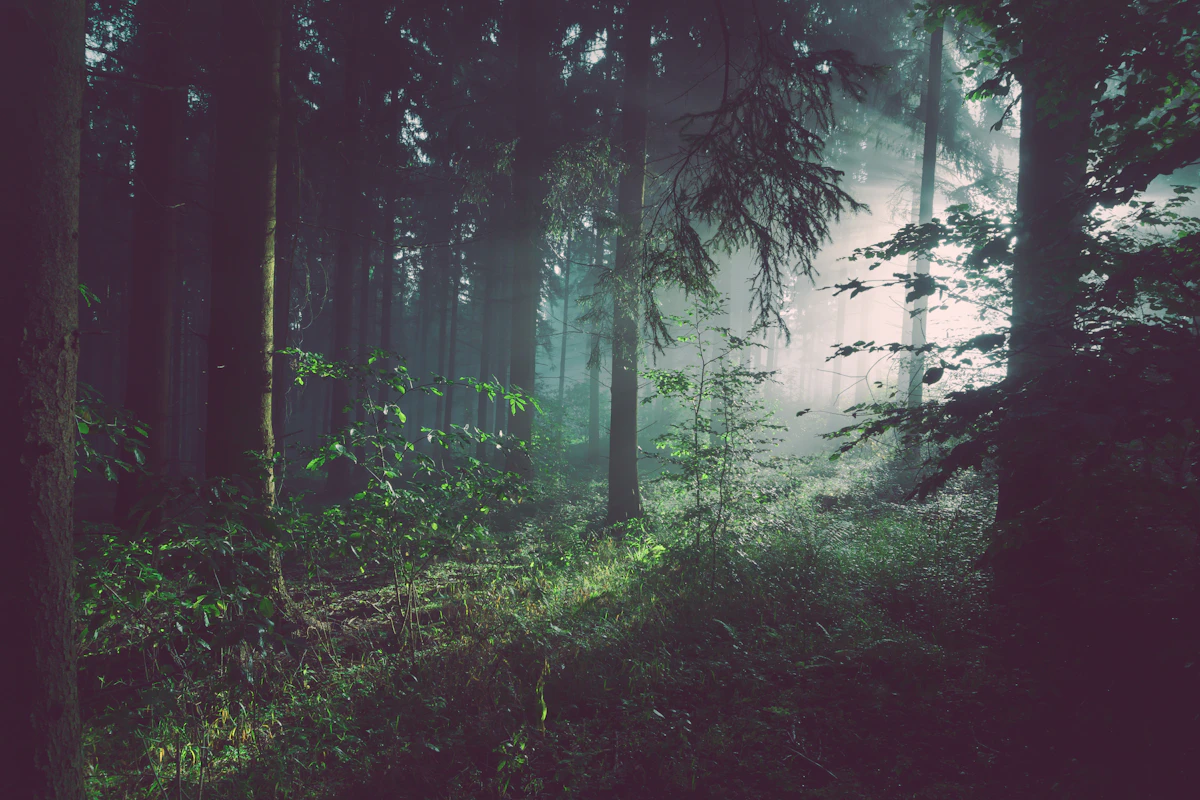
The Coulée Verte René-Dumont is an elevated green walking route built along a former railway corridor in eastern Paris. It allows visitors to experience landscaped paths, plants, and city views from a different perspective.
Also known as the Promenade Plantée, the route demonstrates how former transport infrastructure can be reused as public green space. It is especially appealing to travelers who enjoy walking, urban design, and quieter alternatives to crowded sightseeing routes.
What can you expect on the walk?
- Landscaped paths and greenery above some surrounding streets.
- Views of nearby buildings and the changing city landscape.
- Opportunities to take photographs and enjoy a slower pace.
- A walking experience that can be combined with nearby neighborhoods.
The route is a useful option for low-cost sightseeing, but access points and opening times matter. Check local information before starting, particularly if you are visiting early in the morning or late in the evening.
Budget tip: Make the walk part of a half-day neighborhood itinerary rather than crossing Paris solely to see a short section. Combining nearby stops helps reduce unnecessary metro journeys.
Best for: Walkers, photographers, couples, and travelers looking for peaceful outdoor experiences.
How to Visit Unusual Attractions in Paris on a Budget
The easiest way to explore unusual attractions in Paris affordably is to combine free walking routes with one or two paid experiences and group nearby locations together. This approach protects your budget without reducing the variety of places you see.
1. Separate free attractions from paid experiences
Start by identifying which places you can explore without an admission ticket and which require reservations or paid entry. The Petite Ceinture, selected public streets, and many outdoor sightseeing areas can help balance the cost of a visit to the Catacombs or a specialist museum.
2. Group attractions by neighborhood
Plan nearby stops together instead of traveling across the city several times. For example, the Catacombs can be combined with a walk around the 14th arrondissement, while Arènes de Lutèce fits naturally into a Latin Quarter itinerary.
3. Calculate the complete cost
Use this simple planning formula:
Total attraction cost = admission tickets + local transport + food and drinks + reservation or booking fees.
For example, if two travelers purchase tickets costing €31 each for the Catacombs, their admission total is €62 before transport or food. That calculation helps you decide whether the attraction fits your overall budget.
4. Compare transport options before leaving
Use the official Île-de-France Mobilités website to check public transport information, ticket options, and journey planning. Ticket products and prices can change, so compare the current options for your dates.
5. Choose accommodation strategically
Staying near a useful metro connection can reduce travel time and help you explore different neighborhoods efficiently. Compare accommodation location, nightly price, transport access, and additional charges rather than selecting a hotel solely because it has the lowest advertised rate.
Explore The Offers Guy’s Hotels & Accommodations resource when comparing places to stay.
For a broader planning framework, read our guides to budget travel in Europe and affordable Europe travel.
A Practical One-Day Itinerary for Unusual Paris Sightseeing
A practical day can combine the Latin Quarter’s ancient ruins, a historic covered passage, and one reserved attraction without requiring an expensive guided tour. Treat the following schedule as a flexible framework and confirm opening times before committing to it.
| Suggested time | Activity | Budget approach |
|---|---|---|
| 9:00 a.m. | Visit Arènes de Lutèce | Start with outdoor sightseeing |
| 10:00 a.m. | Explore the Latin Quarter on foot | Enjoy the streets and public spaces |
| 12:00 p.m. | Take a lunch break | Choose a bakery or reasonably priced local restaurant |
| 1:30 p.m. | Visit a historic covered passage | Enjoy the architecture without shopping |
| 3:00 p.m. | Visit the Catacombs if pre-booked | Allow for the admission charge and travel time |
| Evening | Enjoy a neighborhood walk | Finish with low-cost outdoor sightseeing |
This itinerary is an example rather than a guaranteed timetable. Check the Catacombs’ ticket slot, the opening hours of the covered passages, and journey times before deciding the order. If your ticket time differs, rearrange the free activities around it.
For more destination ideas, see The Offers Guy’s guide to hidden gems in Europe for budget travel and our overview of budget-friendly travel destinations.
Common Mistakes to Avoid When Exploring Hidden Paris Attractions
The biggest mistake is assuming that every unusual attraction is free, open daily, or accessible without planning. A little preparation prevents wasted journeys and unexpected expenses.
- Ignoring reservations: The Catacombs and specialist museums may require advance booking.
- Assuming every railway section is open: Only use publicly accessible sections of the Petite Ceinture.
- Underestimating transport time: Check routes and allow time to reach each entrance.
- Buying a city pass without calculating value: Compare its price with the attractions you genuinely intend to visit.
- Planning too many paid attractions: Mix ticketed experiences with outdoor walks and neighborhood exploration.
- Relying on old information: Recheck official admission prices, hours, and temporary closures shortly before travelling.
Frequently Asked Questions
What are the best unusual attractions in Paris for first-time visitors?
The Petite Ceinture, historic covered passages, Arènes de Lutèce, and Coulée Verte René-Dumont are good starting points. They provide a different perspective on the city and can be combined with familiar landmarks.
Which unusual attractions in Paris are free to visit?
Publicly accessible sections of the Petite Ceinture, outdoor walks, historic streets, and many public spaces can be explored without a standard attraction admission fee. Check access rules and opening times for each location.
Are the Paris Catacombs worth the admission price?
The Catacombs may be worthwhile if you are interested in underground history, former quarries, and the city’s historic ossuary. Compare the current ticket price with your interests and budget before booking.
Do I need to book unusual museums in Paris in advance?
Some specialist museums and experiences operate with scheduled visits, limited capacity, or advance reservations. Check the official website of each venue before travelling.
How can I visit hidden places in Paris without spending too much?
Combine free outdoor attractions with one carefully selected paid experience, use public transportation, walk between nearby sites, and choose reasonably priced food. Calculate the total daily cost rather than looking at admission alone.
What is the best time of year to explore unusual places in Paris?
Spring and early autumn can be pleasant for outdoor walking, although weather and visitor demand vary. Covered passages and museums can provide alternatives during rain or colder weather. Always confirm seasonal opening arrangements.
Are these Paris attractions suitable for families?
Outdoor walks, historic passages, and ancient ruins can suit many families. The Catacombs contain human remains and underground passages, so parents should consider children’s ages, comfort levels, and the venue’s visitor conditions before booking.
How many days do I need to explore unusual Paris attractions?
One day is enough to visit a few carefully selected places, while two or three days provide more flexibility for specialist museums, green walking routes, and less central neighborhoods.
Final Takeaway
The most rewarding unusual attractions in Paris reveal a city that extends well beyond its famous monuments. Former railway paths, underground history, covered shopping galleries, ancient ruins, specialist museums, and elevated gardens offer a more varied experience of the French capital.
To keep the trip affordable, choose attractions that genuinely interest you, group nearby stops, check official visitor information, and balance paid admissions with free outdoor sightseeing. Book limited-capacity experiences in advance and keep your itinerary flexible enough to accommodate changes.
Before booking flights or accommodation, compare your travel dates and the complete cost of your stay. The best Paris trip is not necessarily the one with the most attractions; it is the one that makes the best use of your time and budget.
Explore more practical ideas in The Offers Guy’s travel guides and budget travel articles.
Editorial note: Attraction details and prices were checked against available official information in October 2026. Access arrangements, prices, and opening hours may change. Confirm directly with each attraction before your visit.