A successful travel trip starts with a realistic budget, a destination that fits your time, and an itinerary that leaves enough room for transportation, meals, and unexpected costs.
Planning a travel trip is easier when you make the major decisions in the right order. Instead of booking a flight first and trying to build everything around it, start with your purpose, available time, total budget, destination requirements, transportation, accommodation, and daily schedule.
This guide explains how to plan a travel trip from the first idea to the final packing check. It also shows where travelers commonly overspend, how to build a practical itinerary, and how to connect flights, hotels, activities, insurance, and transportation into one workable plan.

What Is a Travel Trip?
A travel trip is a planned journey with a defined destination, timeframe, budget, transportation method, accommodation plan, and activities.
The important distinction is that a good travel trip is more than a collection of bookings. Your flight, hotel, airport transfer, sightseeing schedule, meals, insurance, and return journey should work together.
For example, a hotel that costs $30 less per night may not be cheaper overall if it requires expensive daily transportation. Likewise, a low-cost flight may become less attractive after baggage fees, airport transfers, seat charges, and inconvenient arrival times are included.
For broader planning ideas, see our guide to ways to plan a trip, which can help you establish the planning process before making individual reservations.
1. Define the Purpose of Your Travel Trip
The first step in planning a travel trip is deciding what you want the journey to accomplish.
A two-day city break should not be planned like a two-week family vacation. The purpose affects the destination, accommodation, pace, transportation, and amount of sightseeing that makes sense.
Start by answering five questions:
- How many days can you realistically travel?
- What is the main reason for the journey?
- Who is traveling?
- What is the maximum total budget?
- What experiences matter most?
A solo traveler might prioritize public transportation and flexible accommodation. A family may prioritize larger rooms, shorter transfers, kitchen facilities, and activities suitable for different ages.
For shorter journeys, compare your plan with our short trips guide and weekend trips guide before creating an overly ambitious schedule.
2. Choose a Destination That Fits the Trip
The best destination for a travel trip is the one that matches your available time, budget, interests, and transportation options.
Destination selection should happen before detailed booking research because travel costs can vary dramatically between locations.
Compare destinations using these criteria:
- Flight or ground transportation cost
- Average accommodation prices
- Local transportation costs
- Typical food expenses
- Major attractions and activity prices
- Weather during your travel dates
- Visa or entry requirements
- Safety and travel advisories
For international travel, check destination-specific health information before finalizing your plans. The CDC Travelers’ Health destination information provides country-specific guidance and health considerations. The U.S. Department of State also maintains current Travel Advisories for destinations.
If you are considering a major city break, destination-specific guides such as trips to New York can help you move from general inspiration to a more realistic itinerary.
3. Build a Realistic Travel Trip Budget
A realistic travel trip budget includes transportation, accommodation, food, activities, local transportation, insurance, fees, and an emergency reserve.
One of the most useful planning improvements is to calculate the total trip cost instead of comparing only the headline price of a flight or hotel.
Use this simple formula:
Total trip cost = transportation + accommodation + food + activities + local transport + insurance + fees + emergency reserve.
For example, consider a four-night trip:
- Transportation: $300
- Hotel: $520
- Food: $240
- Activities: $160
- Local transportation: $100
- Insurance and fees: $60
- Emergency reserve: $120
The planned total is $1,500. That figure is much more useful than saying the hotel costs $130 per night.
Travelers looking for lower-cost options can also review our cheap family trips guide when planning a family-oriented journey.
4. Compare Transportation Before Booking
The cheapest transportation option is not always the lowest-cost travel trip option once baggage, transfers, timing, and convenience are included.
Compare the complete journey rather than only the advertised fare.
| Cost factor | What to check | Why it matters |
|---|---|---|
| Base fare | Ticket price | Shows the starting cost |
| Baggage | Checked and carry-on fees | Can change the final price |
| Airport transfer | Train, bus, taxi, or rideshare | Connects the airport with accommodation |
| Travel time | Departure, arrival, and connections | Affects usable vacation time |
| Change conditions | Fare rules and flexibility | Important if plans may change |
For air travel, use the flights section of The Offers Guy for related flight planning resources. If you are traveling in the United States, the U.S. Department of Transportation Aviation Consumer Protection site is a useful authority for passenger rights, refunds, baggage issues, complaints, and other air travel consumer information.
A good booking decision therefore asks: “What will this journey cost from my door to my accommodation?” rather than simply asking which ticket has the lowest advertised price.
5. Choose Accommodation by Location and Total Cost
The best accommodation for a travel trip balances nightly price, location, transportation access, room suitability, and included services.
Location can be more valuable than a small difference in nightly price. Staying close to the places you actually intend to visit can reduce daily transportation expenses and wasted travel time.
Before booking, check:
- Distance from the main attractions
- Public transportation access
- Airport transfer options
- Taxes and mandatory fees
- Breakfast or meal inclusions
- Cancellation conditions
- Room size and sleeping arrangements
- Check-in and check-out times
Our hotels and accommodations page provides a useful starting point for hotel-related planning.
For a four-night stay, a $20 nightly saving equals $80. But if the cheaper hotel adds $12 per day in transportation, the apparent saving falls to $32 before considering the extra time spent commuting.
6. Build a Practical Travel Trip Itinerary
A practical travel trip itinerary groups nearby attractions together and protects enough time for transportation, meals, rest, and unexpected delays.
The biggest itinerary mistake is trying to visit too many places in one day. A destination may look compact on a map while actual travel between neighborhoods, attractions, stations, and hotels takes much longer.
Use a simple three-layer structure:
- Morning: one major attraction or activity.
- Afternoon: nearby sightseeing, lunch, or a flexible activity.
- Evening: dinner and a low-pressure experience.
For a three-day city trip, avoid scheduling three ticketed attractions in different parts of the city on the same day. Instead, create geographic clusters.
For example, a New York itinerary might group attractions around Lower Manhattan on one day and Central Park and nearby museums on another. Travelers planning a short New York visit can also use our weekend trip to New York guide.
How much should you schedule each day?
Most travelers should leave meaningful unscheduled time each day instead of filling every hour with attractions.
A useful rule is to plan one or two priority experiences and treat everything else as optional. This creates flexibility when weather changes, transportation runs late, restaurants have queues, or you simply want more time in a neighborhood.
7. Select Activities Without Overloading the Schedule
The best travel trip activity plan prioritizes experiences that are difficult to replace while leaving flexible time for spontaneous discoveries.
Separate activities into three categories:
- Must-do: experiences that define the destination.
- Nice-to-do: activities that improve the trip but can be skipped.
- Flexible: free or low-cost options that can fill open time.
This approach protects your budget and your schedule. A paid attraction requiring a timed reservation should receive more planning attention than a free neighborhood walk that can happen whenever convenient.
For tours and experiences, review the tours and activities section when building your activity shortlist.
Also calculate the full activity cost. A $35 attraction may become $55 after transportation, reservation fees, and food nearby. Understanding that total makes it easier to decide whether an activity deserves space in your itinerary.
8. Prepare Documents, Insurance, and Safety Information
Travel documents should be checked before booking non-refundable arrangements, especially for international travel.
Depending on your destination and nationality, your preparation may include:
- Passport validity
- Visa or entry authorization
- Travel insurance
- Vaccination or health requirements
- Hotel confirmations
- Transportation confirmations
- Emergency contact information
- Copies of important documents
The travel insurance section can help you understand where insurance fits into a broader trip plan.
For international health planning, check the CDC destination health guidance close to departure because recommendations and travel health notices can change.
Do not rely exclusively on a screenshot stored on one phone. Keep important confirmations accessible through your email, travel application, or another secure backup method.
9. Create a Destination-Specific Packing List
A useful packing list is based on destination weather, trip duration, planned activities, luggage limits, and access to laundry.
A five-day city trip does not necessarily require five complete outfits plus multiple pairs of shoes. Packing lighter can make airport transfers, train journeys, and hotel changes easier.
Divide your packing list into:
- Travel documents
- Clothing
- Footwear
- Toiletries
- Medication and personal essentials
- Electronics and chargers
- Weather-specific items
- Destination-specific equipment
For longer or multi-stop journeys, use our organise a trip resource to connect packing decisions with the rest of your travel plan.
10. Complete a Final Booking and Cost Check
A final travel trip review should confirm every reservation, total cost, timing requirement, cancellation condition, and transportation connection.
Use a single master checklist rather than relying on memory.
| Planning area | Final question |
|---|---|
| Transportation | Do arrival and departure times work with the accommodation? |
| Hotel | Are the dates, room type, fees, and cancellation rules correct? |
| Activities | Are timed reservations compatible with the itinerary? |
| Budget | Does the complete trip remain within the planned limit? |
| Documents | Are passports, visas, insurance, and confirmations ready? |
| Local transport | Do you know how you will reach the hotel and major attractions? |
Travelers using buses, trains, airport transfers, or rental vehicles should also review the relevant trains and buses, airport transfers, and car and bike rentals resources.
11. Avoid Common Travel Trip Planning Mistakes
The most expensive travel trip mistakes usually happen when travelers optimize one booking instead of the complete journey.
Booking the cheapest flight without checking the full cost
A low headline fare can become expensive after baggage, seat selection, airport transfers, and inconvenient schedules are included.
Planning too many attractions
A packed itinerary can turn a vacation into a transportation exercise. Prioritize the experiences that matter most and leave room between major bookings.
Ignoring location when choosing a hotel
A cheaper property far from the attractions may cost more through daily transportation and lost time.
Leaving no emergency budget
Unexpected expenses are easier to manage when a reserve is included before the trip begins.
Using old destination information
Opening hours, transportation schedules, entry rules, health recommendations, and prices can change. Confirm important details with the relevant official authority shortly before departure.
Making every day identical
A strong itinerary includes different types of experiences. Combine major attractions with neighborhoods, food, walking, rest, and flexible time.
Travel Trip Planning at a Glance
A simple planning framework can turn a complicated travel trip into a sequence of manageable decisions.
| Stage | Main decision | Useful output |
|---|---|---|
| Purpose | Why are you traveling? | Trip objective |
| Destination | Where should you go? | Shortlist |
| Budget | What can you spend? | Total trip budget |
| Transportation | How will you get there? | Transport plan |
| Accommodation | Where will you stay? | Hotel shortlist |
| Itinerary | What will you do? | Daily schedule |
| Preparation | What must be ready? | Documents and packing list |
| Final check | Does everything work together? | Confirmed trip plan |
For a broader planning framework, see our travel plan guide and best travel guides for planning a trip resource.
Frequently Asked Questions About Planning a Travel Trip
What is the best way to plan a travel trip?
The best way to plan a travel trip is to decide the purpose, destination, budget, transportation, accommodation, itinerary, activities, documents, and packing in that order.
This sequence prevents one booking from forcing poor decisions elsewhere. It also makes it easier to compare the total cost of different trip options.
How far in advance should you plan a travel trip?
Plan major travel trip decisions as early as practical when flights, visas, popular accommodation, or timed attractions have limited availability.
Short domestic trips may require less advance planning, while international journeys and peak-season vacations often benefit from earlier preparation.
How do you budget for a travel trip?
Budget for transportation, accommodation, food, activities, local transportation, insurance, fees, and an emergency reserve.
Calculating the complete cost is more reliable than comparing only flight or hotel prices.
How can you make a travel trip cheaper?
You can reduce travel trip costs by comparing dates, transportation, accommodation locations, baggage costs, activity prices, and the total cost of each itinerary.
Flexibility can also help because shifting departure dates or changing the order of destinations may reduce transportation costs.
How do you create a travel trip itinerary?
Create a travel trip itinerary by grouping nearby attractions, prioritizing one or two major experiences per day, and leaving flexible time between commitments.
This approach reduces unnecessary backtracking and makes the schedule more resilient when transportation or weather changes.
What should be included in a travel trip checklist?
A travel trip checklist should include transportation, accommodation, documents, insurance, activities, local transportation, payments, packing, emergency contacts, and final confirmations.
For international trips, also check current entry and health requirements before departure.
How do you plan a family travel trip?
Plan a family travel trip around suitable accommodation, manageable transportation, age-appropriate activities, realistic daily pacing, and enough downtime.
Families should also account for meals, child-related equipment, room configuration, and backup activities when weather changes.
How should you plan a weekend travel trip?
A weekend travel trip works best when the destination is easy to reach and the itinerary focuses on a small geographic area.
Choose a central accommodation location and limit the number of major attractions so transportation does not consume most of the weekend.
Should you book flights or hotels first?
Check both flights and accommodation together before committing to either because the combination determines whether the overall travel trip is practical.
For example, an inexpensive flight with an arrival time that requires an expensive overnight hotel may not be the best overall choice.
What is the biggest travel trip planning mistake?
The biggest mistake is optimizing individual bookings without considering how transportation, accommodation, activities, timing, and total costs interact.
Always evaluate the complete journey rather than one attractive price.
Final Takeaway: Build the Trip Around the Experience
The strongest travel trip plans balance cost, time, convenience, and meaningful experiences instead of trying to maximize the number of bookings or attractions.
Start with the purpose of the journey. Choose a destination that fits the available time and budget. Calculate the complete cost before booking, compare transportation and accommodation together, and then build an itinerary around geographic clusters.
Before departure, confirm documents, insurance, destination-specific requirements, reservations, transportation connections, and packing. Most importantly, leave enough flexibility to handle changes without turning the entire trip into a problem.
For additional planning resources, continue with our guide your trip resource, or explore destination and trip-specific guides such as best trips for 2026.
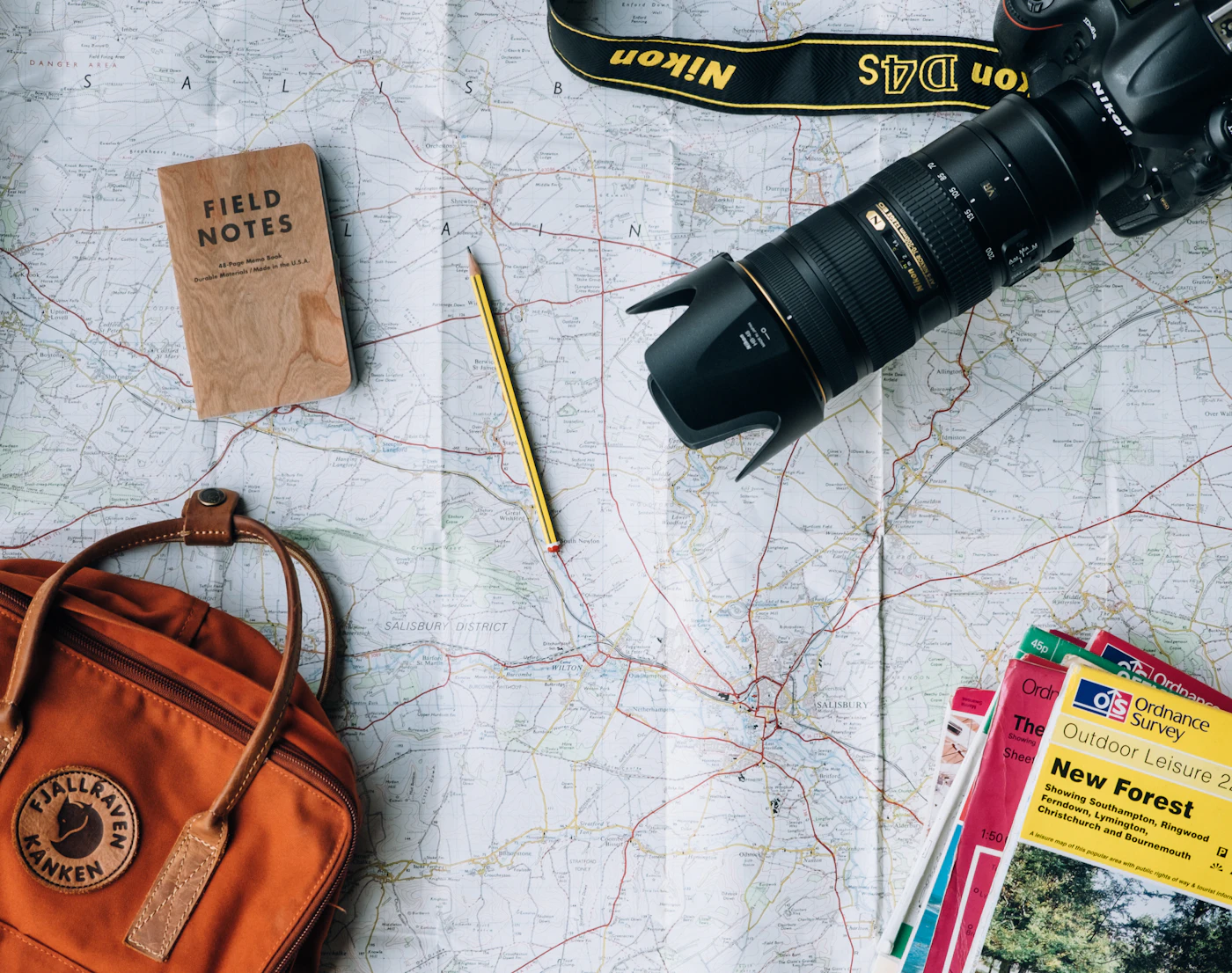
The goal is not to create the busiest itinerary. The goal is to create a travel trip that you can actually enjoy.