Finding the best things to do in Dubai means balancing famous skyscrapers, traditional neighborhoods, beaches, desert landscapes and family attractions without wasting time or money traveling between them. This guide covers 25 worthwhile experiences, explains which attractions suit different budgets, and provides a practical three-day itinerary to help you plan a better trip.
Dubai is more than luxury shopping and record-breaking buildings. Visitors can explore historic trading districts, cross Dubai Creek by traditional boat, walk along waterfront promenades, discover Emirati culture and enjoy outdoor experiences when the weather is comfortable.

25 Best Things to Do in Dubai
The best Dubai sightseeing experiences combine one or two major landmarks with nearby cultural, outdoor or waterfront attractions. Use the following list to choose experiences according to your available time, interests and budget rather than trying to visit every attraction in one trip.
1. Visit Burj Khalifa for panoramic city views

Burj Khalifa is the best choice for visitors who want a high-level view of Dubai’s skyline and urban scale. The 828-meter tower stands beside Dubai Mall and offers observation experiences on the 124th and 125th floors, with a premium option on the 148th floor.
Reserve a timed entry through the official Burj Khalifa website. Compare ticket categories, admission times and any additional experiences before paying.
- Best for: first-time visitors, photographers and architecture enthusiasts.
- Planning tip: compare daytime visibility with sunset availability before choosing a time.
- Budget tip: account for transportation, food and any additional activities when calculating the total cost.
Allow roughly two hours for the observation experience, with extra time if you also want to explore Downtown Dubai. The actual duration depends on queues and your ticket category.
2. Explore Dubai Mall beyond shopping
Dubai Mall works well for combining shopping, indoor entertainment, dining and nearby Downtown landmarks in one visit. Its location beside Burj Khalifa makes it a convenient base for a half-day sightseeing plan.
Choose the experiences that interest you instead of treating every attraction inside the complex as essential. Some activities require separate tickets, and the cost of meals and optional entertainment can quickly increase a family budget.
For an efficient visit, combine Dubai Mall with Burj Khalifa and the surrounding waterfront area rather than returning to the same district on multiple days.
3. Watch the Dubai Fountain show area
The Downtown Dubai waterfront is a useful stop for visitors who want evening views of Burj Khalifa and the surrounding architecture. Check the current fountain operating schedule before arranging your visit, because show timings and access arrangements can change.
Arrive early when the area is busy and identify a viewing location before the scheduled performance. You can combine this stop with a walk around Dubai Mall without purchasing an additional sightseeing tour.
Pro tip: Avoid scheduling a timed attraction immediately after the fountain visit if you need to cross the city. Crowds and transport queues can make departure times unpredictable.
4. Walk through Al Fahidi Historical Neighbourhood
Al Fahidi Historical Neighbourhood is one of the most rewarding places to visit in Dubai for traditional architecture, heritage and quieter walking routes. Its narrow lanes, restored buildings, courtyards, galleries and wind towers help explain how the city developed before its modern expansion.
Explore the district at a relaxed pace, visit available cultural venues and leave time to learn about local traditions. The official Al Fahidi visitor guide provides additional background and practical information.
- Best for: culture enthusiasts, photographers and travelers seeking alternatives to expensive attractions.
- Suggested time: approximately two hours, depending on museum visits.
- Useful combination: Dubai Creek, traditional markets and nearby heritage sites.
This is an especially good stop for travelers who want to understand Dubai rather than only photograph its newest buildings.
5. Cross Dubai Creek on a traditional abra
A traditional abra crossing offers a short, practical way to experience Dubai Creek and connect the historic areas of Bur Dubai and Deira. The boat ride provides a closer look at the waterway that played an important role in the city’s trading history.
Visit the official Old Dubai visitor guide for context on the heritage district and creekside experiences.
Some traditional public crossings have historically cost around AED 1, but verify the current fare, route and payment arrangements before traveling. Private boat hires and other marine services have different prices.
Combine the crossing with a walk through Al Fahidi and the markets on the opposite side. This creates a meaningful cultural outing without requiring a full-day tour.
6. Browse the Gold Souk and Spice Souk
Deira’s traditional souks are worth visiting for their trading atmosphere, jewelry displays, spices and contrast with modern shopping malls. The Gold Souk is known for its jewelry shops, while the Spice Souk offers aromatic ingredients and regional products.
Compare prices and product specifications before buying jewelry. For gold purchases, check the weight, purity, making charges and final invoice rather than judging value from the displayed price alone.
For spices and souvenirs, agree on the quantity and total price before completing a purchase. A walk through the markets is also worthwhile if you do not intend to buy anything.
7. Discover Dubai Marina on foot

Dubai Marina is ideal for an evening walk beside high-rise buildings, waterfront restaurants and recreational boats. The promenade makes it easy to enjoy the district without booking a paid attraction.
Plan a relaxed walk and choose a nearby restaurant according to your budget. If you want a boat cruise, compare the departure point, duration, included services and cancellation terms before booking.
Marina is best experienced when you allow time to explore rather than rushing through it between distant attractions.
8. Relax at Jumeirah Beach
Jumeirah Beach is a practical option for travelers seeking seaside scenery and time outdoors between sightseeing activities. Beach conditions, facilities and access arrangements vary by location, so confirm local information before visiting.
Bring sun protection and drinking water, particularly during warmer months. Follow posted swimming guidance and respect local rules about clothing, photography and public behavior.
For a low-cost day, combine a beach visit with a nearby walk rather than paying for several separate activities. Check the weather before planning a long outdoor afternoon.
9. See the Burj Al Arab from the coast
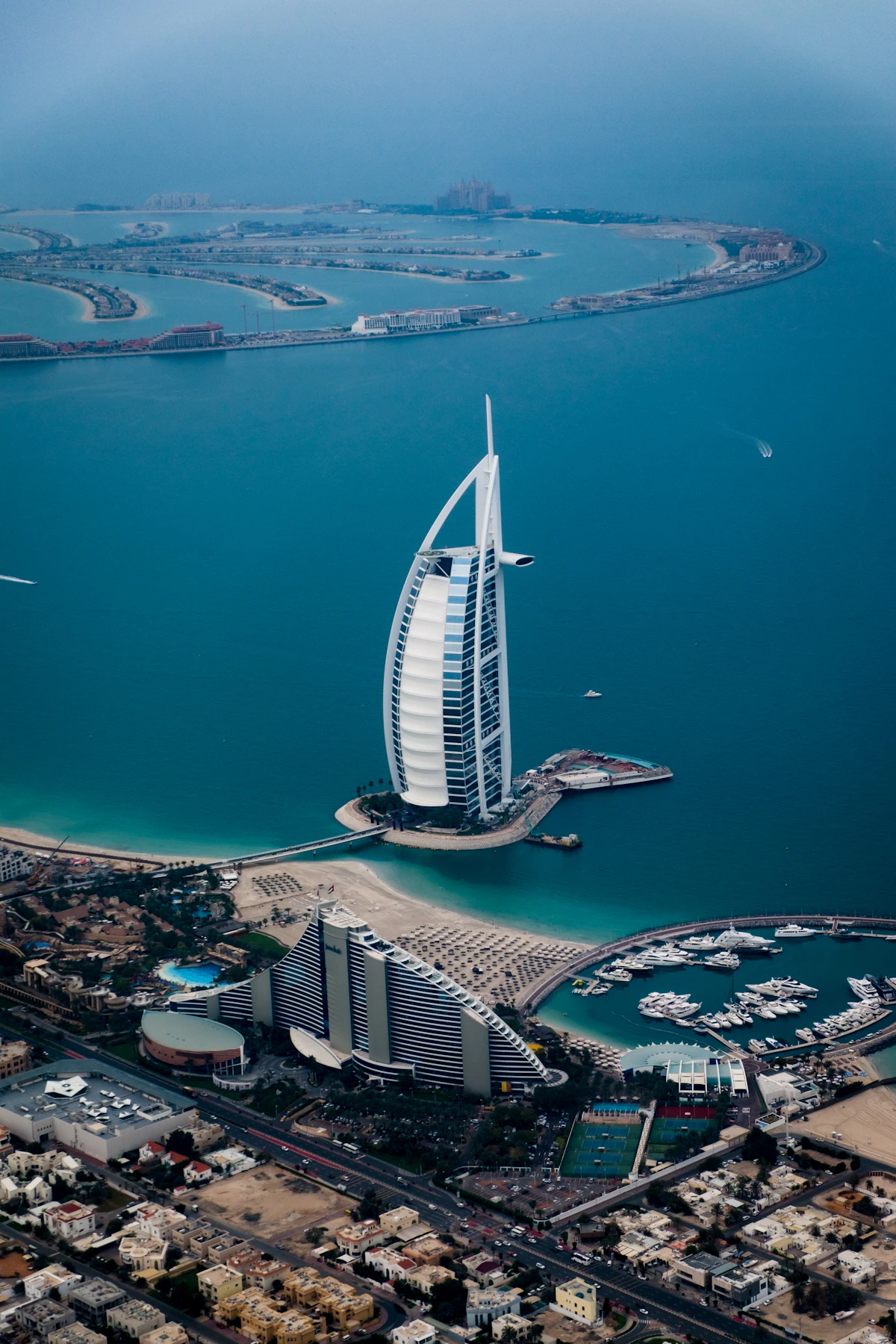
Viewing Burj Al Arab from an accessible public viewpoint is a sensible alternative to paying for an exclusive hotel experience. The sail-shaped building is one of Dubai’s best-known landmarks and makes a recognizable addition to travel photographs.
Choose a suitable public viewing location, respect access restrictions and check transport options before leaving. Entry to hotel facilities is separate from viewing the building from outside.
This is a good stop for travelers who want memorable photographs without adding an expensive reservation to their itinerary.
10. Explore Palm Jumeirah
Palm Jumeirah suits visitors interested in waterfront scenery, resort areas, restaurants and premium leisure experiences. Its spread-out layout means the best way to explore depends on which beach, attraction or dining venue you want to visit.
Check whether a venue requires advance booking or has a minimum spend. If you are visiting only for sightseeing, plan a specific destination instead of assuming the entire island is easy to explore on foot.
For transport, compare the Dubai Tram, Palm Monorail and taxi options based on your starting point. The monorail has its own fare arrangements, so do not assume that every transport card or ticket covers every service.
11. Visit Dubai Frame
Dubai Frame provides a distinctive viewpoint for comparing the city’s historic areas with its modern skyline. The 150-meter structure in Zabeel Park includes exhibition spaces and a viewing experience that connects Dubai’s past, present and future.
Check the official Dubai Frame visitor information for current opening times, admission prices and visitor rules.
Published admission has been AED 50 for adults and AED 20 for children aged 3–12, with free entry for children under three. Confirm current prices before budgeting, as fees and operating arrangements can change.
Allow time for the exhibitions as well as the viewpoint. Dubai Frame can be combined with nearby Zabeel Park, subject to park access and opening arrangements.
12. Explore the Museum of the Future when it reopens
The Museum of the Future is a landmark to keep on your future Dubai itinerary, but it is not currently a visitable attraction as of October 2026. Its official website states that it closed temporarily in September 2026 and is expected to reopen in the first quarter of 2027.
Check the official Museum of the Future updates before including it in a booking plan. Do not purchase tickets through an unofficial seller based solely on an old travel article.
If you are traveling before the announced reopening period, replace this stop with Dubai Frame, a heritage museum or another attraction that confirms it is open on your travel date.
13. Spend time at Kite Beach
Kite Beach is a good choice for travelers who want an active beach atmosphere, coastal views and outdoor recreation. Depending on current facilities and conditions, visitors may find walking and running routes, food outlets and water-based activities.
Check the availability and prices of paid activities separately. If your goal is simply to enjoy the coastline, you do not need to build the day around a costly excursion.
Visit during more comfortable weather and keep outdoor plans flexible when temperatures are high.
14. Discover the Alserkal Avenue arts district
Alserkal Avenue offers an alternative to Dubai’s conventional sightseeing circuit through contemporary art, creative spaces and cultural programming. The district is particularly appealing to travelers who want to explore a less conventional side of the city.
Check the official guide to free Dubai experiences for cultural suggestions, and verify individual gallery hours and exhibition schedules before visiting.
Admission policies vary between venues and events. Plan around a specific exhibition or program rather than assuming every space is open throughout the day.
15. Take a desert safari with a reputable operator

A desert safari is one of the most distinctive outdoor activities near Dubai for travelers interested in dunes, desert scenery and guided excursions. Experiences vary from short scenic outings to longer packages with transportation and cultural activities.
Before booking, check the exact pickup area, total duration, activities included, age restrictions, safety procedures and cancellation policy.
- Choose a shorter trip if you have limited time in Dubai.
- Ask whether transfers are included in the advertised price.
- Confirm that the operator explains safety requirements for each activity.
- Compare the full package cost rather than the lowest headline price.
Outdoor conditions can vary considerably, so confirm the forecast and bring suitable clothing, sun protection and drinking water.
16. Visit the Dubai Miracle Garden during its operating season
Dubai Miracle Garden is a seasonal attraction for visitors who enjoy landscaped flower displays and large-scale garden installations. Because the garden’s operating season and opening dates can change, verify that it is open during your trip.
Check the official attraction website for current dates, ticket prices, transport information and visitor rules before making the journey.
Plan this attraction separately from distant Downtown landmarks to avoid unnecessary cross-city travel. The garden is most useful for visitors who have enough time to enjoy the displays at a relaxed pace.
17. Spend a day at Global Village when open
Global Village is a seasonal entertainment destination that brings together international pavilions, shopping, performances and food experiences. It can suit families and groups looking for several activities in one location.
Confirm the season dates, event schedule, entrance fees and transport options before visiting. Optional rides, games, food and shopping are usually separate budget considerations from basic admission.
Allow several hours if you want to explore multiple pavilions. Avoid treating it as a quick stop between attractions in another part of Dubai.
18. Visit the Dubai Aquarium and Underwater Zoo
Dubai Aquarium and Underwater Zoo is an indoor attraction worth considering for families and travelers who enjoy marine-life exhibits. It is located within Dubai Mall, making it convenient to combine with shopping and Downtown sightseeing.
Check which experiences are included in each ticket and which require additional payment. Compare the cost with other indoor activities if you are traveling with children and managing a fixed budget.
Keep the aquarium as an optional activity rather than automatically adding every paid attraction in the mall to your schedule.
19. Explore Dubai’s traditional food and local dining areas
Exploring local dining areas is one of the most useful ways to experience Dubai beyond its major landmarks. The city’s food scene reflects Emirati traditions and the many communities that live and work in the emirate.
Look for regional dishes, traditional bakeries and casual neighborhood restaurants. Ask about ingredients and portion sizes if you have dietary requirements, and check the final bill before paying.
For a more cultural experience, combine a meal with a walk through Old Dubai. This gives you an opportunity to learn about the neighborhood instead of visiting only to eat.
20. Visit Jumeirah Mosque on a guided tour
Jumeirah Mosque is a worthwhile cultural stop for visitors who want to learn about Islamic architecture and Emirati traditions. Guided visitor programs can provide context that is difficult to gain from exterior photographs alone.
Check the official Jumeirah Mosque website for tour availability, visitor requirements, appropriate clothing and booking details.
Respect the site’s religious purpose, follow the guide’s instructions and allow sufficient time for the scheduled tour.
21. Walk around Bluewaters Island
Bluewaters Island is a waterfront destination suited to relaxed walks, dining and views of Dubai’s coastal skyline. Its location near Jumeirah Beach Residence makes it useful for combining several coastal experiences in one outing.
Check current attraction availability and any charges before deciding whether to add a paid experience. A walk through accessible public areas can be enough if you mainly want photographs and a change of scenery.
Plan the visit around Dubai Marina or JBR to reduce unnecessary transport time.
22. Explore Jumeirah Beach Residence and The Walk
Jumeirah Beach Residence, commonly called JBR, is a practical area for combining a beach visit, outdoor dining, shopping and waterfront walking. Its concentration of activities makes it easier to enjoy a flexible half-day without scheduling multiple distant attractions.
Compare the prices of restaurants and paid beach activities before committing to a full day. If you are traveling with children, confirm the facilities and beach conditions that matter to your group.
JBR is especially useful when you want an evening plan that does not depend on purchasing a sightseeing ticket.
23. Take a scenic trip on the Dubai Metro
The Dubai Metro is a useful sightseeing tool because it connects major parts of the city and reduces dependence on taxis for suitable routes. The Red and Green lines serve different districts, and the Red Line connects Dubai International Airport’s Terminals 1 and 3.
Use the Roads and Transport Authority website to check routes, operating hours, fares and service updates.
Get a suitable Nol card or ticket before traveling and ensure you have enough balance. Some attractions still require a taxi or a walk from the nearest station, so check the final part of the journey as well.
24. Enjoy a public park or waterfront green space
A public park can provide a slower, lower-cost break between Dubai’s larger attractions. Parks are useful for families, travelers who want outdoor time and visitors who do not want to pay for a new activity every few hours.
Check the opening hours, entrance fees where applicable, picnic rules and available facilities. During hot weather, choose shaded areas and plan outdoor activity for more comfortable times of day.
Pair a park with a nearby attraction instead of making a long journey solely to spend a short time outdoors.
25. Take a day trip to Hatta

Hatta is an option for travelers who want mountain scenery and outdoor experiences beyond Dubai’s central urban districts. Depending on season and availability, visitors can explore scenic viewpoints, walking routes and organized outdoor activities.
Plan transportation before departure because the trip requires more coordination than visiting attractions connected by the city metro. Check road conditions, activity availability and any access requirements through official sources.
Hatta is best suited to travelers with a full day available. If you have only two days in Dubai, focus on attractions within the city first.
Which Dubai Attractions Should You Prioritize?
The best attraction depends on your available time, spending limit and preferred travel experience. Use this comparison to select a manageable shortlist before booking tickets.
| Experience | Best for | Budget approach | Suggested time |
|---|---|---|---|
| Burj Khalifa | Skyline views | Compare observation deck tickets | About 2 hours |
| Al Fahidi | History and culture | Prioritize walking and selected venues | About 2 hours |
| Dubai Creek and souks | Heritage and markets | Use public crossings and browse carefully | 2–3 hours |
| Dubai Marina | Waterfront walks | Enjoy the promenade without a cruise | 1–2 hours |
| Jumeirah Beach | Coastal relaxation | Check public beach access | 2–3 hours |
| Desert safari | Outdoor adventure | Compare complete package prices | Half a day or longer |
| Dubai Frame | City views and exhibitions | Check official admission prices | 1–2 hours |
| Hatta | Nature and scenery | Calculate transport and activity costs | Full day |
Use our guide to the best travel places if you are comparing Dubai with other international destinations. Travelers planning their first overseas trip can also read our first-time traveler destination guide.
A Practical Three-Day Dubai Itinerary
A three-day Dubai itinerary works best when each day focuses on one geographic area instead of repeatedly crossing the city. The following plan balances major landmarks, cultural experiences and outdoor time.
Day 1: Downtown Dubai and the modern skyline
- Morning: Visit Burj Khalifa at your reserved time.
- Late morning: Explore Dubai Mall and choose any additional paid attraction carefully.
- Afternoon: Take a break for lunch and rest.
- Evening: Walk around the Downtown waterfront and check the current Dubai Fountain schedule.
Why this works: The main stops are concentrated in the same district, reducing the need for repeated transfers.
Day 2: Old Dubai and Dubai Creek
- Morning: Explore Al Fahidi Historical Neighbourhood.
- Late morning: Visit a cultural venue or gallery that is open on your travel date.
- Afternoon: Cross Dubai Creek and explore the traditional souks.
- Evening: Enjoy a meal in the area or return to your accommodation for a relaxed evening.
Why this works: You experience Dubai’s history, architecture and trading heritage in a connected walking route.
Day 3: Choose a beach, marina or desert experience
- Morning: Spend time at Jumeirah Beach or explore Dubai Marina.
- Afternoon: Relax, eat locally or choose a pre-booked activity.
- Late afternoon: Join a desert excursion if it fits your budget and schedule, or continue exploring the waterfront.
Why this works: The final day remains flexible, allowing you to choose between relaxation and adventure based on the weather and your interests.
For more planning support, explore hotel and accommodation options and compare available flight options before finalizing your travel dates.
How to Explore Dubai on a Budget
The most effective way to reduce Dubai travel costs is to combine free or low-cost experiences with a small number of carefully chosen paid attractions. You do not need to pay admission at every stop to experience the city meaningfully.
1. Build a daily sightseeing budget
Calculate your spending limit before booking tickets. Include transportation, meals, accommodation, attraction admission and a contingency amount.
For example, if your daily sightseeing budget is AED 150 per person, you could reserve AED 70 for one paid experience, AED 30 for transportation and AED 50 for meals or other expenses. These figures are an illustrative budget, not current quoted prices; adjust them to actual fares and your travel style.
2. Prioritize public transport where practical
Dubai’s metro, buses and tram can reduce transportation costs on suitable routes. Check the current Nol card fares and choose accommodation with convenient access to the places you plan to visit.
Use the official Nol card information page to confirm payment methods, current fares and travel rules.
3. Compare accommodation by total trip cost
A cheaper room far from your main attractions can lead to higher transport costs and more time spent commuting. Compare the nightly rate, location, transport access, taxes and any additional charges.
Our family holiday destination guide can also help families compare the practical trade-offs involved in choosing a destination.
4. Check seasonal operating dates
Some outdoor attractions and events operate seasonally, while other experiences may change their hours during holidays or special periods. Verify official schedules before buying tickets or arranging transport.
Note: An advertised attraction price may not include transfers, optional activities, food or equipment. Compare the complete cost before booking.
Getting Around Dubai Efficiently
The Dubai Metro is a strong option for many journeys, while taxis and other services help with destinations that are not close to a station. The most convenient transport choice depends on your hotel location, itinerary and the number of people traveling together.
- Metro: Useful for suitable routes between major districts and Dubai International Airport Terminals 1 and 3.
- Bus: Useful for additional connections, but check routes and schedules before departure.
- Tram: Convenient for parts of Dubai Marina and surrounding coastal districts.
- Taxi: Helpful for direct journeys, luggage and attractions away from public transport stations.
- Palm Monorail: A separate option for travel within Palm Jumeirah; verify its fares and operating arrangements.
Check the official Dubai transportation guide for current service information.
Before choosing a hotel, estimate the journey from the airport and the travel time to your two or three highest-priority attractions. A convenient location can save more time and money than a slightly cheaper room in a less suitable area.
When Is the Best Time to Enjoy Dubai Attractions?
The most comfortable time for extensive outdoor sightseeing is generally during Dubai’s cooler months, while indoor attractions offer alternatives during hotter weather. Conditions vary, so check the forecast for your specific dates.
- Cooler months: Better suited to walking tours, beaches, outdoor dining and desert excursions.
- Hotter months: Prioritize indoor attractions, shaded areas and outdoor activities during cooler parts of the day.
- Busy holiday periods: Book high-demand experiences early and allow extra time for transportation and queues.
Seasonal operating hours, attraction schedules and event calendars can change. Confirm these details with official providers instead of relying exclusively on older travel articles.
Common Mistakes When Planning Things to Do in Dubai
The most common planning mistake is trying to fit too many geographically distant attractions into a single day. A realistic itinerary makes it easier to enjoy each experience and avoid unnecessary transportation expenses.
Booking every attraction in advance
Reserve timed-entry experiences when necessary, but leave some flexible time for weather, meals and unexpected delays.
Ignoring additional costs
Compare taxes, transfers, optional experiences, parking and other charges before deciding whether a ticket or package is good value.
Underestimating travel time
Check the complete route, including the walk from the station to the attraction. Dubai’s districts can be more spread out than a map initially suggests.
Planning outdoor activities without checking conditions
Check the weather, carry water and sun protection, and follow safety instructions during beach and desert activities.
Relying on outdated attraction information
Opening hours, ticket prices, seasonal schedules and temporary closures can change. Confirm important details directly with the attraction before traveling.
Final Takeaway
The best things to do in Dubai combine iconic landmarks with experiences that reveal the city’s history, waterfront districts and outdoor landscapes. Start with Burj Khalifa, Dubai Mall, Al Fahidi Historical Neighbourhood and Dubai Creek, then choose additional attractions according to your interests and available budget.
For a short visit, organize your days geographically, use public transport where practical and reserve only the paid experiences that matter most to you. Verify prices, schedules and access requirements before departure, especially for seasonal attractions.
With a realistic itinerary and a clear budget, you can experience Dubai’s modern skyline, cultural heritage and coastal scenery without trying to do everything at once.
Frequently Asked Questions About Things to Do in Dubai
These answers address common planning questions about Dubai attractions, sightseeing costs, transport and trip duration.
What are the best things to do in Dubai for first-time visitors?
First-time visitors should consider Burj Khalifa, Dubai Mall, Al Fahidi Historical Neighbourhood, Dubai Creek, the traditional souks and Dubai Marina. These experiences provide a useful mix of modern landmarks, heritage and waterfront scenery.
How many days do you need to explore Dubai?
Three days is a practical starting point for major city highlights, while four to five days allows more time for beaches, desert activities, seasonal attractions and relaxed exploration. Your ideal trip length depends on your interests and travel pace.
What are some free things to do in Dubai with family?
Families can consider public beach visits, accessible waterfront walks, exploring traditional neighborhoods and browsing selected market areas. Check access rules and any applicable fees before visiting, and budget separately for food and optional activities.
How can you visit Dubai attractions without spending too much?
Choose a few paid highlights, combine them with free or low-cost experiences, use public transportation on suitable routes and group nearby attractions together. Compare the full price of tickets and tours, including transfers and optional extras.
Is public transportation convenient for Dubai sightseeing?
Dubai Metro, buses and the tram can be convenient for many popular areas, but not every attraction is close to a station. Check the complete route and consider a taxi for locations that require a long walk or additional transfer.
Can you explore Old Dubai in half a day?
Yes. A half-day can cover Al Fahidi Historical Neighbourhood, a traditional abra crossing and part of the souk area. Allow additional time if you plan to visit several museums, galleries or cultural venues.
What should you book in advance in Dubai?
Consider advance reservations for timed-entry observation decks, popular tours and experiences with limited capacity. Check current availability and cancellation policies directly with official attraction websites or authorized providers.
Is the Museum of the Future open in October 2026?
No. According to its official website, the Museum of the Future temporarily closed in September 2026 and is expected to reopen in the first quarter of 2027. Verify the latest official announcement before planning a visit.
What is a good three-day itinerary for Dubai?
Spend the first day in Downtown Dubai, the second exploring Al Fahidi, Dubai Creek and the souks, and the third enjoying the beach, Dubai Marina or a desert excursion. Choose activities based on the weather, your budget and current opening schedules.
Official Sources and Further Trip Planning
Use authoritative sources to confirm information that may change before your trip.
- Visit Dubai: Burj Khalifa
- Visit Dubai: Transportation guide
- Dubai Frame: Official visitor information
- Museum of the Future: Official updates
- Roads and Transport Authority: Transport information
Continue planning with The Offers Guy, where you can explore travel resources for flights, accommodation, tours and transportation.