The best things to do in Bali for first-time visitors include exploring Ubud’s rice terraces, visiting ancient Hindu temples, relaxing on distinctive beaches, discovering waterfalls, and taking a day trip to Nusa Penida. The key to enjoying Bali is to group attractions by region, because road journeys can take much longer than expected.
Bali, Indonesia, combines tropical landscapes, living cultural traditions, volcanic scenery, coastal villages, and outdoor adventures. This guide explains which attractions are worth prioritizing, how to organize your days, what to consider before visiting temples, and how to avoid unnecessary transportation costs.

Before choosing activities, compare your accommodation location and transport options. The Offers Guy’s guide to planning a trip can help you organize your budget, bookings, and itinerary before departure.
25 Incredible Things to Do in Bali
The most rewarding Bali attractions combine cultural sites, natural scenery, beach time, and experiences that reflect local life. Use the following list to choose activities according to your interests, available days, and preferred travel pace.
1. Explore Ubud’s cultural center
Ubud is one of the best places to experience Balinese art, traditional performances, craft markets, and inland scenery. Its central streets contain galleries, shops, restaurants, and cultural landmarks, while surrounding villages provide access to rice fields and waterfalls.
Visit Indonesia’s official tourism guide to Bali to explore the destination’s cultural and natural highlights.
Practical tip: Stay near central Ubud if you want to walk to several attractions. Schedule countryside visits separately instead of repeatedly traveling through town traffic.
2. Walk through Tegallalang Rice Terraces

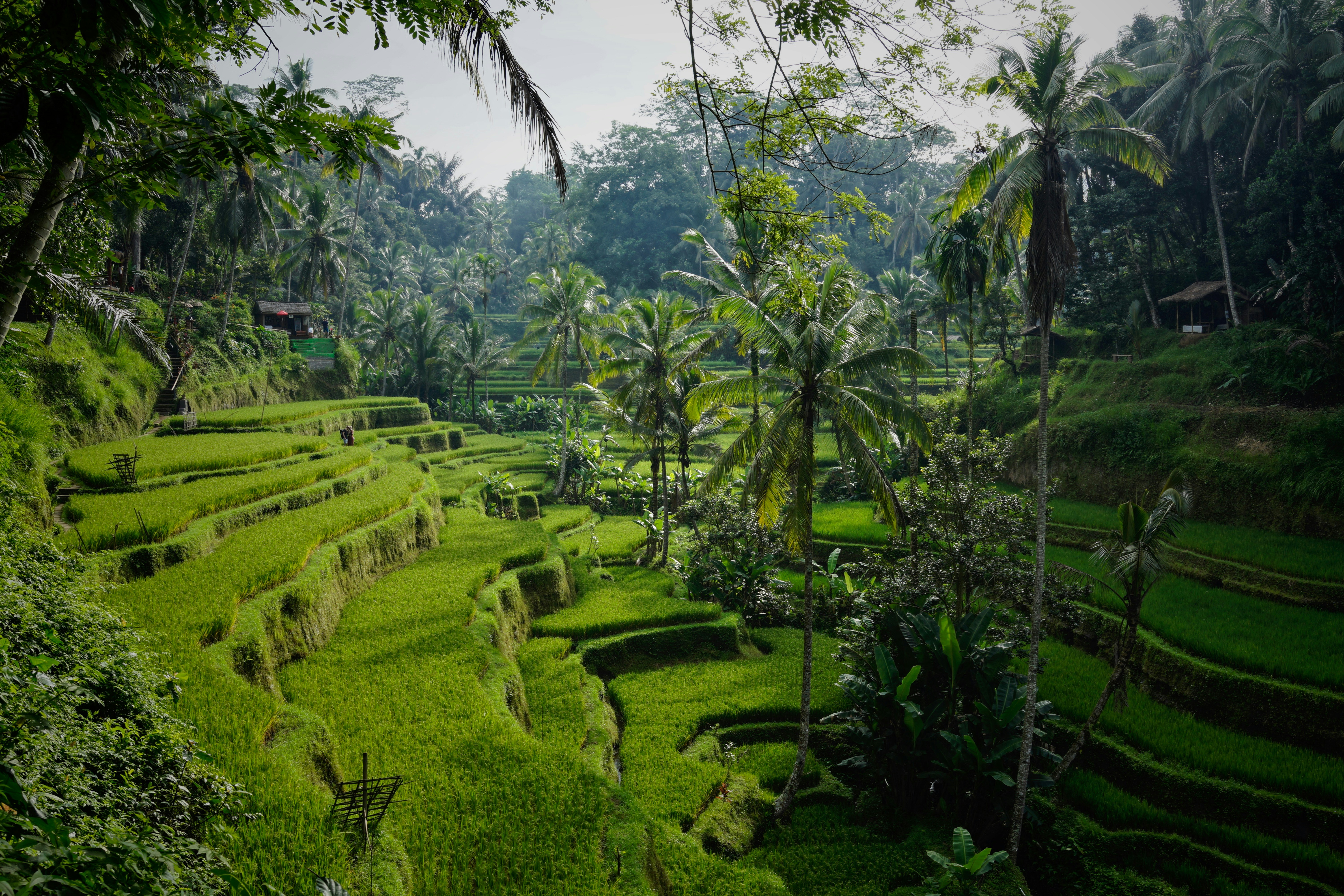
Tegallalang Rice Terraces, north of Ubud, showcase layered rice fields shaped by Bali’s traditional agricultural landscape. The terraces are particularly appealing to photographers and travelers interested in rural scenery.
Allow time to walk the paths rather than stopping only at the roadside viewpoints. Some routes involve steep steps, uneven surfaces, and additional charges collected by individual landholders or businesses.
For background on the landscape and its traditional irrigation system, read Indonesia Travel’s Tegallalang Rice Terrace guide.
Best approach: Arrive early, carry drinking water, wear shoes with grip, and ask about walking-route charges before entering.
3. Visit the Sacred Monkey Forest Sanctuary
The Sacred Monkey Forest Sanctuary combines forest paths, temples, and wildlife within Ubud. It is an interesting stop for visitors who want to experience a managed natural and cultural site without traveling far from town.
Follow posted instructions, keep food out of sight, avoid touching or feeding monkeys, and secure loose belongings. Wildlife interactions can be unpredictable, so give the animals space.
Pro tip: Visit in the morning and combine the sanctuary with nearby Ubud streets rather than planning a separate cross-island journey.
4. Visit Tanah Lot Temple
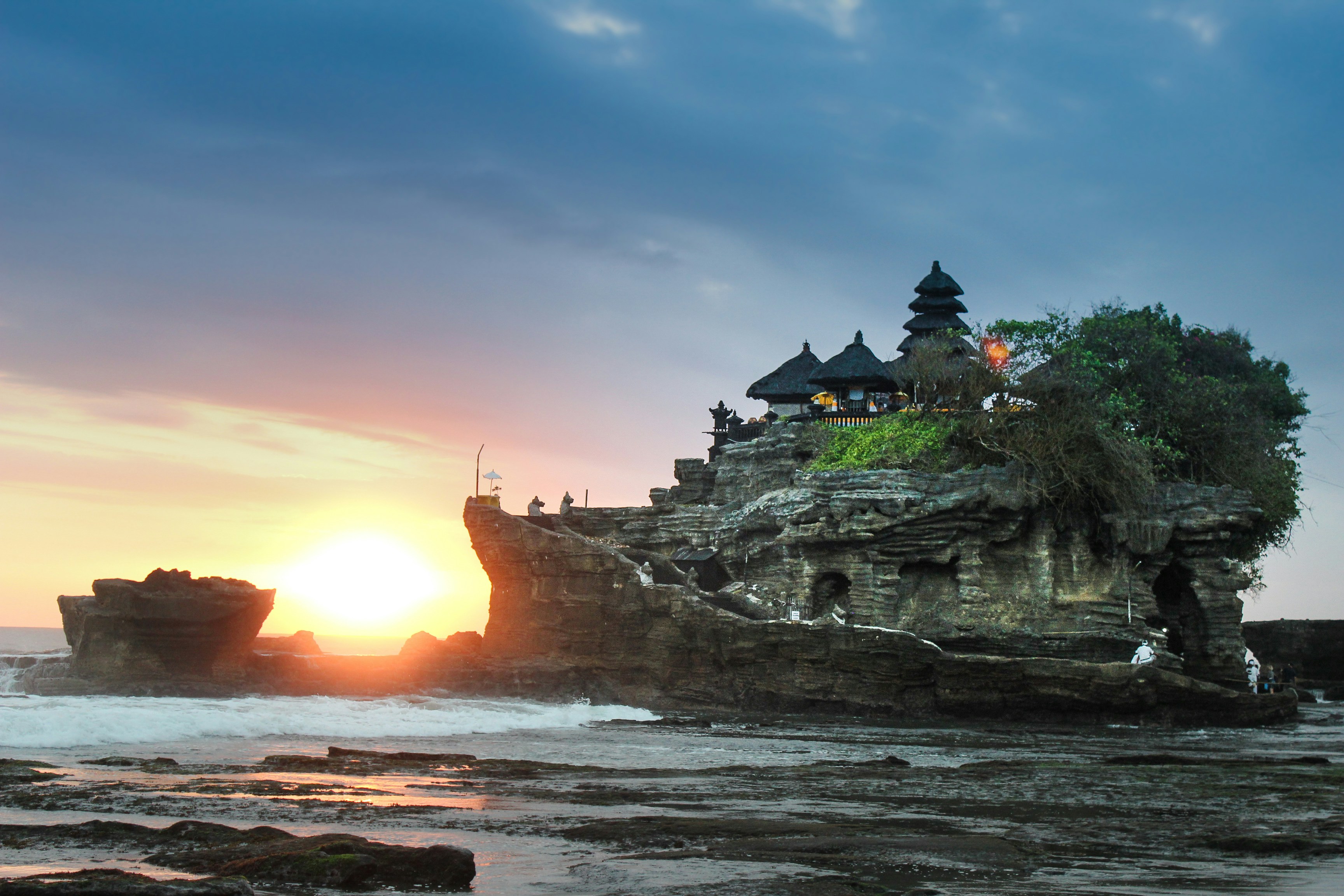
Tanah Lot is a well-known sea temple set on a rocky coastal formation. Its ocean views make it a popular destination near sunset, although crowds and traffic can increase during busy periods.
Plan the visit around daylight, tides, and access restrictions. The ability to approach the rock formation varies with sea conditions, and visitors should respect barriers around the temple.
Practical tip: Combine Tanah Lot with another nearby attraction on Bali’s western side. Avoid scheduling it immediately after a distant morning excursion.
5. See Uluwatu Temple and the ocean cliffs

Uluwatu Temple stands above the Indian Ocean on Bali’s southern peninsula. Travelers visit for its dramatic setting, cultural significance, and traditional Kecak dance performances offered at the site.
Reserve performance tickets through an authorized source when advance booking is available. Arrive with enough time to enter, find your seat, and explore the designated viewing areas.
Keep a secure hold on glasses, phones, and other loose items around monkeys, and follow the temple’s clothing and conduct rules.
6. Relax at Sanur Beach
Sanur is known for its comparatively calm coastal atmosphere and sunrise views. The beachfront promenade makes it useful for relaxed walks, cycling, and a slower day between more demanding excursions.
Check local conditions before swimming because tides, currents, and water quality can vary. Sanur can also serve as a practical departure area for some boat trips to nearby islands.
7. Spend time at Kuta Beach
Kuta Beach is a popular choice for beach walks, beginner surf lessons, and sunset scenery. Its developed surroundings also provide convenient access to shops, accommodation, and transport.
Choose a surf lesson with an instructor who explains local conditions and basic water safety. Beginners should not assume that every section of the beach is suitable for swimming at every tide.
8. Explore Seminyak’s coastal area
Seminyak suits travelers who want beach time alongside shopping, cafés, galleries, and a broad range of accommodation. It is more developed than many inland villages, so the experience centers on convenience and coastal leisure rather than rural scenery.
Compare the location of your hotel with the places you plan to visit. A property close to your preferred beach and restaurants may save more time than one with a lower nightly price farther away.
9. Discover Canggu’s beaches
Canggu attracts surfers, café visitors, and travelers looking for a contemporary coastal atmosphere. Its beaches are generally more suitable for watching the surf or taking lessons in appropriate conditions than assuming the water will always be calm.
Allow extra time for local road congestion, particularly around busy beach areas. If you are staying elsewhere, consider spending a full afternoon in Canggu rather than adding several short stops.
10. Visit Jimbaran Bay
Jimbaran offers a broad bay, beach walks, and a coastal setting that works well for a relaxed afternoon. Visitors can enjoy the shoreline and explore nearby communities without committing to a demanding excursion.
Check restaurant menus and the final bill before ordering if you choose a beachfront meal. Seafood prices may depend on weight, preparation, and the selected items.
11. Discover Nusa Penida’s Kelingking Beach viewpoint

Nusa Penida is a separate island southeast of mainland Bali. Kelingking Beach is famous for its distinctive cliff formation and elevated coastal viewpoint.
Do not underestimate the journey. Boat transfers, queues, road conditions, and steep access paths can turn a short-looking excursion into a full day.
Important: Viewing the beach from above is different from descending to the shore. The descent can be strenuous and exposed, so check current access conditions and do not attempt it if you are unprepared.
12. Visit Ulun Danu Beratan Temple
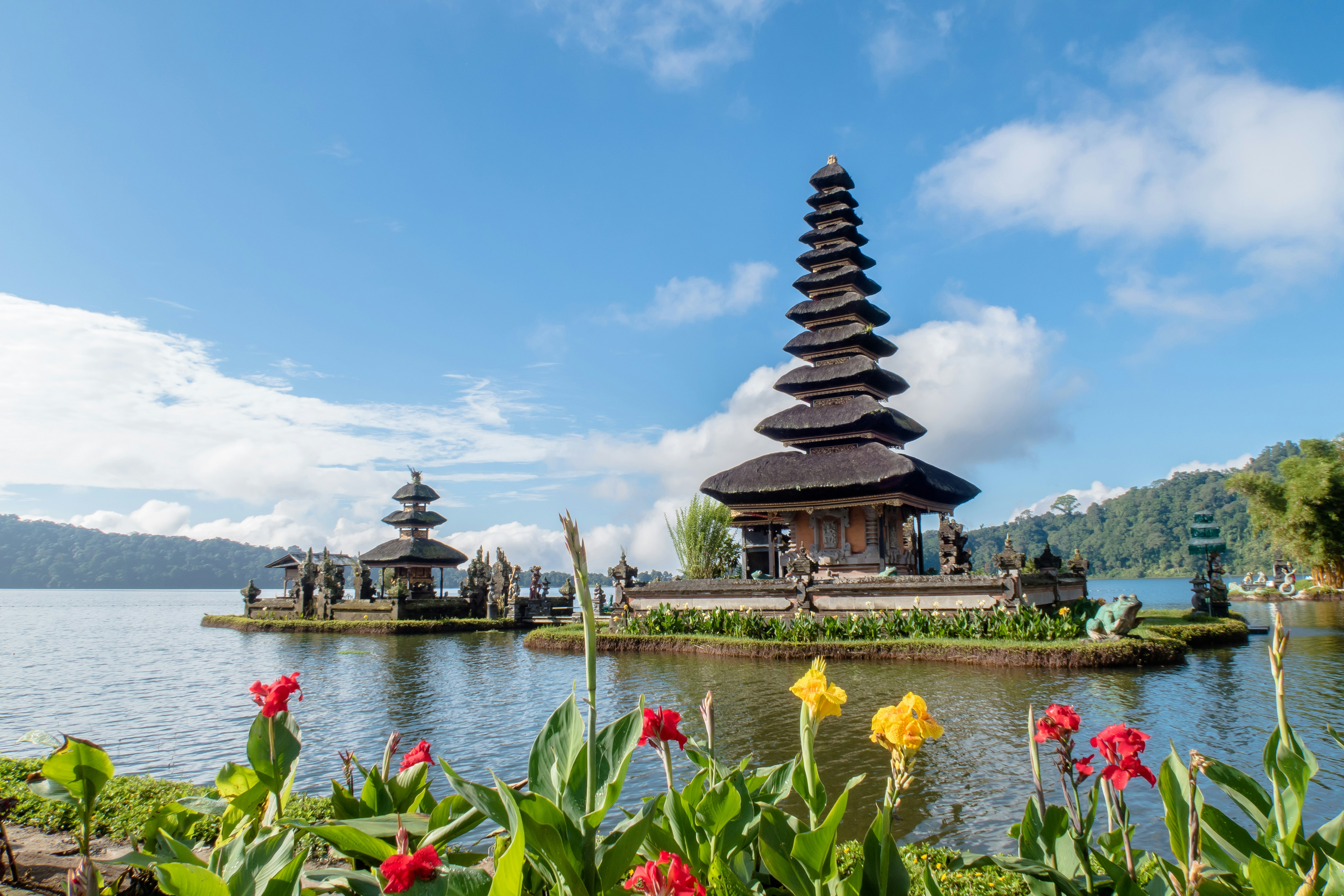
Ulun Danu Beratan Temple sits beside Lake Beratan in Bali’s cooler central highlands. Its lakeside setting and surrounding mountain scenery make it a distinctive alternative to the coastal temples.
Bring a light layer because temperatures can feel cooler than in southern Bali. Combine the temple with nearby highland stops only after checking the driving route and opening times.
13. Explore Jatiluwih Rice Terraces
Jatiluwih offers expansive terraced landscapes and a chance to appreciate the relationship between farming, water management, and Balinese cultural traditions.
Choose a walking route that matches your fitness level and allow time to enjoy the landscape without rushing. Respect cultivated fields, marked paths, and local farming activity.
Travelers interested in Bali’s cultural landscape can also consult UNESCO’s information on the Cultural Landscape of Bali Province.
14. Walk the Campuhan Ridge Walk
The Campuhan Ridge Walk offers a scenic walking route near Ubud, with rolling green hills and views over the surrounding valleys. It is a useful choice for travelers seeking an outdoor experience without arranging a full-day excursion.
Start early or choose a cooler part of the day. Carry water, use sun protection, and remember that shade can be limited along exposed sections.
15. Visit Tegenungan Waterfall
Tegenungan Waterfall is a popular waterfall destination within reach of the Ubud area. The route generally involves steps, and conditions around the water can change after rainfall.
Wear shoes suitable for wet surfaces, obey swimming restrictions, and avoid entering fast-moving water. If rain has been heavy, prioritize safety over getting a closer photograph.
16. Explore Tirta Empul Temple
Tirta Empul is a Hindu temple complex known for its sacred spring and purification traditions. Visitors can learn about Balinese religious practices while observing a place that remains important to worshippers.
Dress respectfully, follow instructions from temple staff, and ask before photographing worshippers or ceremonies. Participation in a ritual should be approached respectfully rather than treated as a photo opportunity.
17. Discover Goa Gajah, or Elephant Cave
Goa Gajah is a historic archaeological and religious site near Ubud. Its carved entrance, temple surroundings, and archaeological features make it a useful addition for travelers interested in Bali’s heritage.
Allow time to explore the full designated visitor area, and check local access arrangements before visiting. Modest clothing and respectful behavior are appropriate at religious sites.
18. Visit Besakih Temple
Besakih Temple, on the slopes of Mount Agung, is Bali’s major temple complex. The site is important for Balinese Hindu religious life and offers expansive views across the surrounding landscape.
Because the complex is large and the journey from southern resort areas can be lengthy, plan this as a substantial excursion. Check visitor arrangements, appropriate clothing requirements, and any restricted areas before arrival.
19. Explore Tirta Gangga Water Palace
Tirta Gangga is a former royal water garden featuring pools, fountains, landscaped grounds, and stepping stones. It is particularly appealing to visitors who enjoy architecture and garden photography.
Combine the visit with other eastern Bali destinations if the driving times make sense. Avoid packing the day with western or southern attractions that require substantial backtracking.
20. Discover Penglipuran Traditional Village
Penglipuran provides an opportunity to learn about traditional village layout, architecture, and community customs. Visitors should remember that this is a lived-in community, not simply a display for tourists.
Follow visitor rules, respect private property, and ask permission before photographing residents. Buying locally made crafts directly from local sellers can also support community businesses.
21. Watch the sunrise at Mount Batur
Mount Batur is a volcanic landscape known for guided sunrise hikes. The experience involves an early start, uneven terrain, and changing weather conditions, so it is best suited to travelers prepared for physical activity.
Book with a reputable operator, check the forecast, bring suitable footwear and warm layers, and follow local safety guidance. Travelers with mobility limitations or health concerns should assess whether the hike is appropriate for them.
22. Explore Munduk’s waterfalls and highlands
Munduk offers cooler highland scenery, forested landscapes, and access to several waterfalls. It can be a rewarding choice for travelers who prefer quieter surroundings over the busiest southern coastal areas.
Some waterfall routes include steep or slippery sections. Confirm trail conditions locally, allow adequate daylight, and avoid trying to visit too many distant sites in one day.
23. Go snorkeling or diving in Amed
Amed, on Bali’s eastern coast, is known for coastal scenery and underwater activities. Depending on conditions and experience, travelers can explore snorkeling locations or arrange a dive with a qualified operator.
Check sea conditions, equipment quality, operator credentials, and any relevant medical or certification requirements before booking. Never touch coral or marine wildlife, and use reef-conscious practices.
24. Take a traditional Balinese cooking class
A cooking class can provide a more personal way to understand Balinese ingredients, culinary traditions, and everyday food preparation. Some classes include a market visit, demonstrations, and a shared meal.
Confirm the menu, duration, dietary accommodations, and transport arrangements before booking. A small-group class can be easier to follow than an activity designed primarily for large groups.
25. Explore Ubud Art Market and local crafts
Ubud Art Market is a convenient place to browse textiles, baskets, souvenirs, and locally made crafts. Shopping can complement a cultural day, especially when paired with the nearby palace area and surrounding streets.
Compare prices across stalls, ask about materials and production methods, and carry reusable shopping bags. If an item is described as handmade or locally produced, ask questions rather than assuming every product has the same origin.
How to Choose the Best Bali Attractions for Your Trip
The best attractions depend on where you stay, how many days you have, your interests, and how much time you want to spend traveling. Bali is easier to explore when you divide it into regions instead of crossing the island repeatedly.
| Area | Best experiences | Suggested time |
|---|---|---|
| Ubud and central Bali | Rice terraces, temples, markets, waterfalls, walks | 2–3 days |
| South Bali | Beaches, Uluwatu Temple, coastal viewpoints | 1–2 days |
| West and southwest Bali | Tanah Lot, coastal scenery, nearby villages | Half to one day |
| Central highlands | Lake Beratan, mountain scenery, gardens | One day |
| East Bali | Besakih, Tirta Gangga, Amed | One or more days |
| Nusa Penida | Coastal cliffs, viewpoints, island scenery | One full day or longer |
These are planning suggestions, not guaranteed journey times. Traffic, weather, road conditions, and the exact starting point can change how much you can comfortably accomplish.
For accommodation decisions, compare location and total costs using The Offers Guy’s Hotels & Accommodations resources. A convenient base can reduce both transfer expenses and time spent on the road.
A Practical Three-Day Bali Itinerary
A three-day Bali itinerary works best when each day focuses on one geographical area. The schedule below is a starting point; adjust it for traffic, opening times, weather, and your preferred pace.
Day 1: Ubud, rice terraces, and cultural sights
- Start with an early visit to Tegallalang Rice Terraces.
- Explore Ubud’s cultural center and local shops.
- Visit the Sacred Monkey Forest if time permits.
- Finish with a relaxed meal or a traditional performance.
Keep the day flexible. If you spend longer walking through the terraces or exploring Ubud, leave one optional activity for another visit instead of rushing.
Day 2: Southern beaches and Uluwatu
- Choose one beach for a morning walk or surf lesson.
- Have lunch near your chosen coastal area.
- Visit Uluwatu Temple with enough time before sunset.
- Attend a scheduled cultural performance if available and desired.
Check current performance schedules and ticket arrangements before setting the day’s departure time.
Day 3: Choose one major excursion
Use the final day for one destination that matches your interests. Choose Nusa Penida for island scenery, the central highlands for lakes and mountain landscapes, or eastern Bali for temples and traditional gardens.
Do not try to combine Nusa Penida, Mount Batur, and eastern Bali in one day. Each requires different transport arrangements, and excessive travel can leave little time to enjoy the attractions.
For more destination-planning ideas, see The Offers Guy’s guide to popular travel destinations.
How to Manage Your Bali Sightseeing Budget
The most reliable way to budget for Bali attractions is to calculate the complete cost of each day, including admission, transportation, meals, equipment, and optional activities. An inexpensive attraction can become costly when it requires a long private transfer.
Use this formula to estimate your daily sightseeing budget:
Daily sightseeing cost = attraction tickets + transport + meals + activity fees + parking + contingency.
For example, if your estimated day includes $20 in attraction fees, $30 in transport, $15 in meals, and $10 for optional activities, the planned total is $75 per person. Adding a 15% contingency gives a planning budget of $86.25.
This is an illustrative calculation, not a statement of current Bali prices. Replace every figure with quotes for your travel dates, group size, and chosen activities.
Check these costs before booking
- Entrance tickets and any local access charges.
- Private driver rates, parking, and waiting-time fees.
- Boat transfers and island transportation.
- Equipment rental and guided activity costs.
- Meals, drinking water, and additional purchases.
- Travel insurance and relevant activity coverage.
Compare flight options through The Offers Guy’s flight resources, and review package tour options if combining transport and activities could simplify your trip.
Pro tip: Ask for the total price before confirming a tour. Clarify what is included, whether entrance fees are separate, how long the driver waits, and what happens if weather disrupts the activity.
Practical Bali Travel Tips for First-Time Visitors
A comfortable Bali trip depends on respecting local customs, preparing for tropical conditions, and allowing realistic travel time. Small preparations can prevent common problems during sightseeing.
Dress respectfully at temples
Religious sites may require modest clothing, a sarong, or other specific arrangements. Follow the instructions displayed at the entrance, and do not enter restricted areas.
Plan for heat and rain
Carry water, sun protection, and lightweight rain protection. Wet paths, strong sun, and humidity can make long walks more demanding than expected.
Choose transportation carefully
Compare private drivers, taxis, walking routes, and other available transport based on the full journey. If you plan to rent a vehicle, verify that you meet the local licensing and insurance requirements.
The Offers Guy’s airport transfer resources can help you research transport arrangements, while car and bike rental resources provide another starting point.
Stay connected and prepared
Download useful maps, save hotel addresses, and keep booking confirmations accessible offline. Compare connectivity options through The Offers Guy’s SIM card resources before departure.
Verify current entry and safety information
Entry requirements, local rules, attraction access, and transport arrangements can change. Check official government information and relevant local authorities before traveling, particularly for international entry requirements and outdoor activities.
Common Mistakes to Avoid When Sightseeing in Bali
The biggest planning mistake is trying to see too much of Bali in too little time. A realistic schedule generally creates a more enjoyable trip than a long list of attractions that leaves no room for traffic or delays.
- Crossing the island repeatedly: Group nearby attractions into the same day.
- Ignoring transfer time: Check realistic routes rather than relying on straight-line distances.
- Assuming all beaches are safe for swimming: Check local conditions and posted warnings.
- Underestimating outdoor activities: Check walking distances, elevation, heat, and weather.
- Forgetting additional fees: Confirm the complete cost before booking.
- Treating cultural sites as photo locations only: Respect worshippers, local customs, and access restrictions.
Travelers who want a broader planning framework can also read The Offers Guy’s travel guide planning advice.
Frequently Asked Questions About Things to Do in Bali
These quick answers help you choose attractions, estimate the time required, and organize a first visit to Bali.
What are the best things to do in Bali for first-time visitors?
Start with Ubud, Tegallalang Rice Terraces, one or two temples, a southern beach, and a nature or island excursion. This mix introduces Bali’s culture, landscapes, and coastline without requiring every day to involve a long journey.
How many days do you need to explore Bali?
Three days can cover a small selection of major attractions. Five to seven days generally provides more flexibility to combine Ubud, southern beaches, and one additional region without rushing between destinations.
Is Ubud or southern Bali better for a first visit?
Ubud is useful for rice terraces, temples, art, and inland nature. Southern Bali is better suited to beach time, coastal scenery, and convenient access to attractions such as Uluwatu. Splitting your stay between the two can provide a more varied experience.
What is the best time of day to visit Bali attractions?
Early morning is often useful for walking, outdoor activities, and popular viewpoints because temperatures may be lower and crowds may be lighter. Sunset is popular at selected coastal sites, but allow additional time for traffic and entry arrangements.
Can you visit Nusa Penida on a day trip from Bali?
Yes, a day trip is possible with suitable boat connections and advance planning. Focus on a few nearby attractions, confirm sea conditions, and account for transfer times and road conditions on the island.
Are Bali’s temples open to all visitors?
Many temples receive visitors, but access can depend on religious ceremonies, local rules, clothing requirements, and restricted areas. Check current visitor arrangements and follow instructions from temple staff.
How can you visit Bali attractions without spending too much?
Choose accommodation near the attractions you plan to visit, group destinations geographically, compare transport quotes, and confirm entrance fees before departure. Budget for meals, parking, equipment, and other costs beyond admission.
Is Bali suitable for families?
Bali can suit families who choose activities appropriate to children’s ages and abilities. Consider shorter transfers, accessible walking routes, shaded breaks, suitable swimming conditions, and accommodation that makes rest periods convenient.
Do you need a scooter to explore Bali?
No. Private drivers, taxis, walking, and other transport options can work well depending on your itinerary. Anyone considering a scooter should first verify licensing, insurance, local traffic rules, and whether they have the experience needed to ride safely.
What should you book in advance in Bali?
Consider booking accommodation, airport transfers, popular guided activities, boat connections, and scheduled performances in advance when availability is limited. Confirm the cancellation policy and verify details with the actual provider.
Final Takeaway: Plan a More Rewarding Bali Trip
The best things to do in Bali are not necessarily the attractions you can fit into the most crowded schedule. A better trip balances cultural landmarks, outdoor experiences, beaches, and time to enjoy the places around you.
For a first visit, begin with Ubud and its surrounding landscapes, explore southern Bali’s coastline, and add one carefully planned excursion to another region. Check current costs and access conditions, respect local traditions, and organize transport before committing to a packed itinerary.
Use The Offers Guy’s travel planning resources to compare accommodation, transportation, flights, and activities as you prepare for your Bali holiday.