A Singapore travel guide on a budget helps you experience Marina Bay, Chinatown, Gardens by the Bay, local food centres, and the city’s efficient public transport without overspending. The key is to combine free attractions with selected paid experiences, choose accommodation near convenient transport, and plan each day by neighbourhood. This guide includes a practical three-day itinerary, estimated expenses, money-saving strategies, and advice for first-time visitors.
Singapore is not the cheapest destination in Southeast Asia, particularly when accommodation and major attractions are included. However, careful planning can make a short city break considerably more affordable than an itinerary built around taxis, premium hotels, and multiple expensive attractions every day.
1. How Much Does a Budget Trip to Singapore Cost?
A budget-conscious visitor should plan approximately S$80–S$140 per person per day, excluding international flights, when sharing a modest room and combining affordable meals with mostly free sightseeing. Actual spending depends on travel dates, accommodation availability, attraction tickets, and whether you travel alone or share expenses.
Singapore has a wide range of accommodation and dining options. A traveller staying in a hostel, eating at hawker centres, and exploring public spaces can spend considerably less than someone booking a central hotel and visiting several ticketed attractions daily.

Estimated daily spending for a budget-conscious visitor
| Expense | Estimated cost per person | Budget strategy |
|---|---|---|
| Accommodation | S$30–S$60 | Compare hostel beds and shared-room costs. |
| Food | S$15–S$25 | Use hawker centres and economical eateries. |
| Local transport | S$5–S$12 | Combine MRT journeys with walking. |
| Attractions | S$0–S$25 | Prioritise free sights and choose paid experiences selectively. |
| Water, snacks and miscellaneous expenses | S$5–S$18 | Allow for small purchases and unexpected costs. |
| Estimated total | S$55–S$140 | Depends on actual choices and prices. |
These figures are planning estimates, not guaranteed current prices. The lower end assumes particularly economical accommodation and free sightseeing. The upper end allows more flexibility. Check current room rates and attraction prices before booking.
For a broader comparison of affordable destinations, read our guide to cheapest travel destinations. Singapore may have higher daily costs than several destinations covered in that guide, so compare total trip expenses rather than food prices alone.
Pro tip: Separate international airfare from daily spending. This makes it easier to compare flight deals without confusing the cost of reaching Singapore with the cost of staying there.
2. When Should You Visit Singapore to Manage Costs?
The most affordable dates are the dates when suitable flights and accommodation are available at competitive prices, rather than one universally cheapest month. Singapore is a year-round destination, and actual savings depend on demand, school holidays, major events, and your departure market.
Singapore has a tropical climate with warm temperatures and humidity throughout the year. Rain can affect outdoor sightseeing in any season, so a practical itinerary should include indoor alternatives.
How to compare travel dates
- Compare flight prices across several departure and return dates.
- Check the total accommodation cost for the same dates, including taxes and mandatory fees.
- Look for major events that may increase hotel demand.
- Compare the cost of your preferred attractions and any advance-booking requirements.
- Choose dates based on the combined cost, not just the cheapest airfare.
For example, saving S$40 per night on a three-night hotel booking reduces accommodation spending by S$120. That saving may be more significant than reducing a few individual meal expenses.
Use our practical guide to planning a trip to organise dates, bookings, transport, and a realistic spending allowance.
3. Where Should Budget Travellers Stay in Singapore?
Choose accommodation with convenient MRT or bus access, a suitable total price, and practical connections to the attractions on your itinerary. The lowest nightly rate is not always the cheapest option after transport expenses and travel time are included.
Neighbourhoods worth comparing
- Chinatown: A useful base for heritage streets, food options, and connections to other central districts.
- Little India: Worth comparing for budget-oriented accommodation, local eateries, and MRT access.
- Bugis: Convenient for visitors who want access to shopping areas, cultural neighbourhoods, and central attractions.
- Geylang: Offers a different range of accommodation options, but compare the exact location, transport journey, and surroundings carefully.
Prices vary substantially within each neighbourhood. Check recent reviews, room size, cancellation rules, air conditioning, luggage storage, and whether the advertised rate includes taxes and other mandatory charges.
How to compare two hotels properly
Suppose Hotel A costs S$120 per night and Hotel B costs S$95. For three nights, Hotel B saves S$75 before additional expenses. However, if its location adds S$10 per day in transport and creates extra transfer costs, the real saving becomes smaller.
Use the hotels and accommodations resource to organise your search, then compare the final price directly with the accommodation provider or booking platform.
Note: If you are travelling alone, compare the total price of a private room against a hostel bed. If two people are travelling together, divide the room cost between both travellers before comparing per-person expenses.
4. How to Get Around Singapore Cheaply
The MRT train network and public buses are usually the most practical options for keeping everyday transport costs under control. Singapore’s public transport network connects major sightseeing areas, residential districts, and many popular attractions.

Three ways to pay for local transport
- Contactless bank card or mobile wallet: Check eligibility, supported card types, overseas transaction fees, and payment conditions before travelling.
- EZ-Link or another accepted transit payment option: Compare card costs, top-up requirements, and applicable fares.
- Singapore Tourist Pass: Compare the current pass price against your expected journeys before deciding whether unlimited travel offers value.
Adult public transport fares are distance-based, and the official fare tables distinguish between payment methods. The published fares updated on 27 December 2025 list adult MRT/LRT card fares beginning at S$1.28 for ordinary trips outside the specified early-morning discount period. Your actual fare depends on the route, timing, and payment method.
Check the latest official adult transport fare tables before departure. For route planning and service information, use the official Singapore travel information guide.
Is the Singapore Tourist Pass worth buying?
A tourist pass can be convenient when you expect frequent eligible journeys, but it is not automatically the cheapest choice. Estimate how many rides you will take, calculate ordinary fares, and compare the result with the current pass price and conditions.
For a short itinerary focused on one neighbourhood each day, regular distance-based fares may be sufficient. For a packed itinerary involving many separate journeys, an unlimited-travel option may be worth considering.
Pro tip: Group nearby attractions together. Visiting Chinatown and nearby central sights on the same day can reduce unnecessary journeys and leave more time for exploring.
5. Where to Find Affordable Singapore Food
Hawker centres and neighbourhood food courts are useful places to look for affordable meals without relying on expensive restaurants. They offer a variety of local dishes, although prices and portion sizes differ between stalls and locations.

Food areas to include in your itinerary
- Maxwell Food Centre: A convenient option when exploring Chinatown and the surrounding central area.
- Lau Pa Sat: A historic food centre near the business district, useful for visitors exploring the downtown area.
- Tekka Centre: An option for exploring food and everyday shopping around Little India.
- Neighbourhood hawker centres: Often worth exploring when you are staying outside the main tourist areas.
These are places to compare, not guarantees that every stall is inexpensive or open at your arrival time. Check current opening hours and menus, and keep alternative meal options in mind.
How much should you budget for meals?
A planning allowance of S$15–S$25 per day may be workable for a cost-conscious adult who chooses economical meals and limits snacks and café visits. It is not a universal price: dietary requirements, portion sizes, restaurant choices, and individual appetites can raise the total.
For example, three meals costing S$5, S$7, and S$8 would total S$20 for the day. This is an arithmetic illustration, not a claim that those exact prices are available at every food centre.
Note: Ask about ingredients when you have allergies or dietary restrictions. Choose food that has been handled and stored appropriately, and follow any personal dietary requirements when selecting a stall.
6. Free and Low-Cost Attractions in Singapore
Build your itinerary around free public spaces and neighbourhood walks, then select only the paid attractions that matter most to you. Singapore has waterfront promenades, cultural districts, public gardens, and city viewpoints that can add variety without requiring a ticket for every stop.

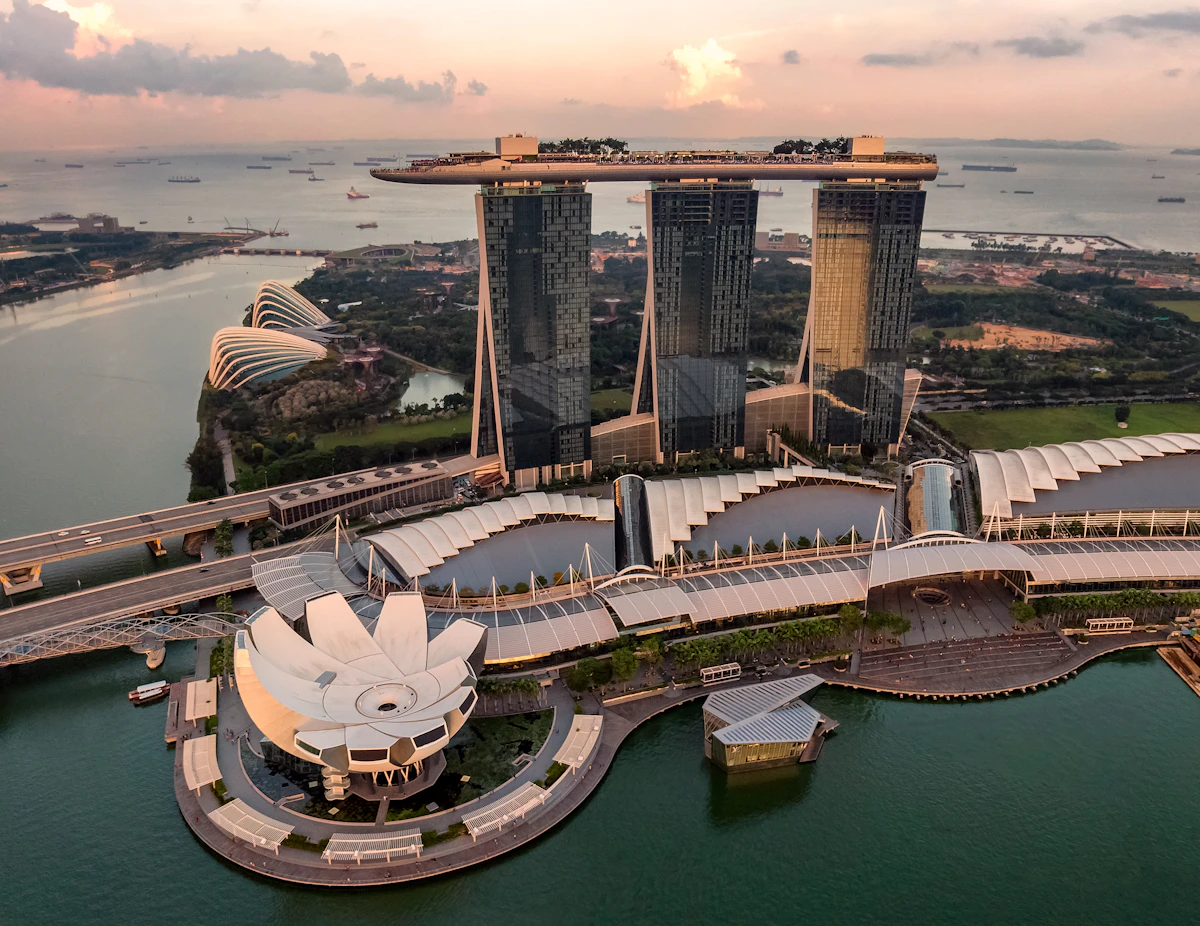
Marina Bay waterfront
The Marina Bay area is ideal for walking, photography, and viewing Singapore’s modern skyline. Plan a route around the waterfront and check the latest schedule for any public light or water shows before making the journey.
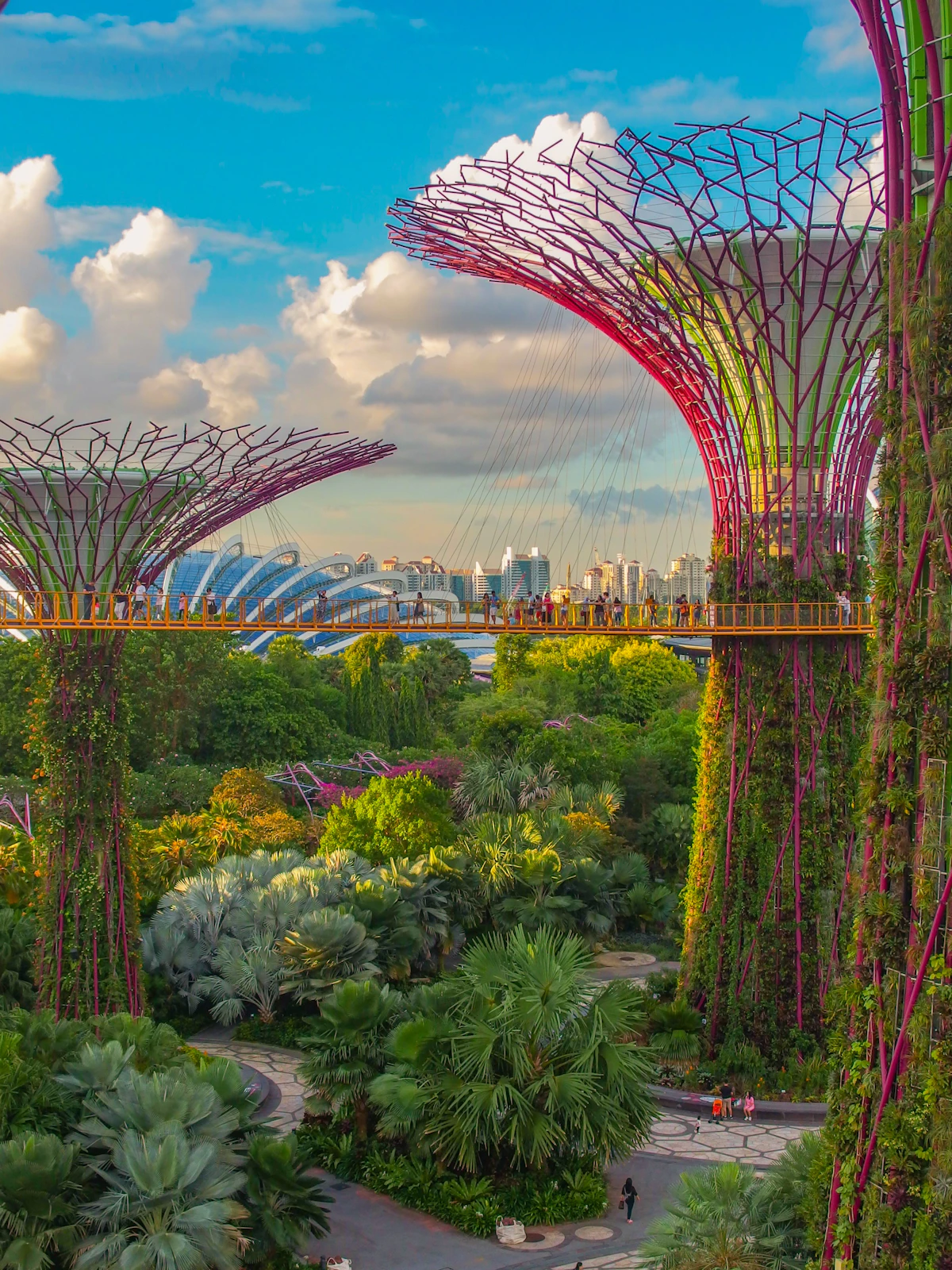
Gardens by the Bay
Gardens by the Bay combines outdoor garden spaces with ticketed attractions. Some outdoor areas can be explored without purchasing entry to every paid conservatory, so check the official visitor information before deciding which experiences fit your budget.
Allow extra money if you want to visit indoor conservatories or other ticketed features. Check opening hours, entry conditions, and current prices on the official Gardens by the Bay website.

Chinatown and Little India
These neighbourhoods provide opportunities to explore heritage buildings, markets, temples, local shops, and street scenes. Keep the visit flexible, respect religious and cultural practices, and check whether a specific attraction has visitor restrictions.
Singapore Botanic Gardens
The Singapore Botanic Gardens is a strong option for travellers who want a quieter outdoor break. General garden areas offer a way to experience the city’s green spaces, while certain attractions within the grounds may have separate admission requirements.
Sentosa Island
Sentosa can be included in a budget itinerary, but transport, island entry arrangements, and individual attractions can add costs. Compare the latest access options on the official Sentosa transport information page and check separate attraction tickets before travelling.
Practical approach: Choose one or two paid experiences for the whole trip. Use free neighbourhood walks and outdoor sightseeing to fill the remaining time without treating every attraction as essential.
7. Three-Day Singapore Budget Itinerary
A practical three-day itinerary groups nearby sights together, uses public transport for longer distances, and balances free sightseeing with one or two optional paid experiences. The schedule below is a starting point rather than a fixed timetable; adjust it for weather, opening hours, mobility needs, and attraction reservations.

Day 1: Marina Bay and Singapore’s central sights
- Morning: Begin with a walk around the Marina Bay waterfront and nearby public spaces.
- Late morning: Explore the Merlion Park area and take photographs of the skyline.
- Lunch: Find an economical meal at a nearby food centre.
- Afternoon: Visit Gardens by the Bay, choosing outdoor areas or ticketed attractions according to your budget.
- Evening: Return to the waterfront for evening views, checking current public-event schedules in advance.
Budget focus: Keep the day inexpensive by prioritising walking routes and paying only for the attractions you have selected beforehand.
Day 2: Chinatown, heritage streets, and Little India
- Morning: Explore Chinatown’s streets, heritage sites, and local shops.
- Lunch: Compare food options at Maxwell Food Centre or another convenient nearby eatery.
- Afternoon: Travel to Little India to explore its cultural landmarks and shopping streets.
- Late afternoon: Visit Tekka Centre if it fits your route and opening hours.
- Evening: Return to your accommodation by public transport and keep dinner flexible.
Budget focus: Combine neighbourhood sightseeing with meals in the same area to reduce extra journeys.

Day 3: Gardens, shopping streets, or Sentosa
- Morning: Choose the Singapore Botanic Gardens or another outdoor attraction that suits your interests.
- Lunch: Eat near your chosen destination rather than travelling across the city for a single meal.
- Afternoon: Choose between additional garden time, a museum, shopping, or Sentosa Island.
- Evening: Leave sufficient time for your return journey, packing, and any airport transfer.
Budget focus: Sentosa and ticketed museums can increase the daily total. Choose one major paid activity rather than trying to fit every attraction into the same day.
How to adjust the itinerary for different travellers
- Solo travellers: Compare hostel accommodation, public transport, and free activities.
- Couples: Compare the combined cost of a private room against two hostel beds.
- Families: Include rest breaks, child-friendly facilities, and the total cost of tickets for every family member.
- Short layovers: Allow extra time for immigration, baggage, airport transfers, and returning to the airport. Do not assume all three days’ activities fit into a brief stopover.
8. Sample Three-Day Singapore Budget Calculation
A three-day budget can be estimated by adding accommodation, food, transport, activities, and miscellaneous spending rather than relying on a single daily figure. The example below assumes one adult travelling alone and using a modest accommodation option.
| Expense category | Calculation | Estimated total |
|---|---|---|
| Accommodation | S$45 × 3 nights | S$135 |
| Food | S$20 × 3 days | S$60 |
| Local transport | S$8 × 3 days | S$24 |
| Attractions | Selected paid experiences | S$30 |
| Miscellaneous expenses | Snacks and small purchases | S$15 |
| Total | 135 + 60 + 24 + 30 + 15 | S$264 |
The illustrative total is S$264 for three days, or S$88 per day. It excludes international airfare, visa-related expenses, travel insurance, airport transfers, substantial shopping, and emergency spending. The accommodation and activity figures are planning assumptions, not verified offers.
Calculate your own trip budget
Use this formula:
Total trip cost = international transport + accommodation + food + local transport + activities + insurance and connectivity + miscellaneous costs + emergency reserve.
For example, if the estimated land budget is S$264, add your actual airfare and other excluded expenses. Then set aside a contingency amount rather than spending the entire available budget on planned purchases.
For more detailed budgeting methods, see our guide to budget travel hacks and our resource on cheap vacation destinations.
9. Practical Money-Saving Tips for Singapore
The biggest savings usually come from controlling accommodation, reducing unnecessary journeys, and choosing paid attractions deliberately. Small savings matter, but major booking decisions often have a larger effect on the final cost.

1. Compare complete booking costs
Check the final airfare after baggage and required fees, and compare accommodation after taxes and mandatory charges. A low advertised price is useful only if the final product meets your needs at a competitive total cost.
2. Build a walkable itinerary
Group attractions geographically and check walking distances before travelling. Walking can save money on short journeys, but allow for humidity, rain, mobility requirements, and the time needed to reach each destination.
3. Choose paid attractions selectively
List the attractions you most want to visit and check their current admission prices. Select a few priorities instead of paying for multiple experiences simply because they appear on popular travel lists.
4. Check mobile connectivity before departure
Compare roaming charges with travel eSIM and local SIM options. Check your phone’s compatibility, data allowance, activation conditions, and whether your plan supports the services you need. Our SIM card and connectivity resource can help organise this comparison.
5. Keep an emergency reserve
Set aside money for unexpected transport, weather-related changes, medical needs, or booking problems. The appropriate reserve depends on your overall budget, insurance, payment options, and personal circumstances.
6. Check entry requirements early
Passport validity, visa eligibility, arrival procedures, and any applicable entry requirements depend on your nationality and circumstances. Verify current requirements with the relevant official authorities before booking non-refundable arrangements.
7. Keep a daily spending record
Record food, transport, tickets, and small purchases. If spending is higher than expected on the first day, adjust the remaining itinerary by replacing optional paid activities with free alternatives.
Note: Travel deals are only useful when the dates, cancellation terms, location, and included services match your requirements. Compare the full booking conditions before paying.
Common Singapore Budget Travel Mistakes
Avoidable costs often arise from poor location choices, unplanned attraction tickets, and unrealistic daily budgets. A few checks before departure can prevent many of these problems.
- Choosing accommodation by price alone: Check the location and expected transport expenses.
- Underestimating food spending: Allow for snacks, drinks, and meals when travelling between attractions.
- Assuming every attraction is free: Verify admission prices and any booking requirements.
- Buying a transport pass without calculating usage: Compare its current price with expected individual fares.
- Overloading the itinerary: Include realistic travel time and breaks instead of scheduling distant attractions back-to-back.
- Ignoring payment fees: Check overseas card charges, currency conversion rates, and ATM fees where applicable.
- Forgetting arrival and departure expenses: Include airport transport and enough time for the journey.
A good budget is not about making every decision as cheaply as possible. It is about spending deliberately on the experiences that matter most and avoiding costs that add little value to the trip.
Frequently Asked Questions
These answers address common questions about planning an affordable visit to Singapore. Select a question to expand its answer.
How much money do I need for three days in Singapore?
A budget-conscious traveller might plan around S$165–S$420 for three days of destination spending, based on the estimated daily range in this guide. This excludes international flights and depends on accommodation, activities, food, and transport choices. Check actual prices before booking.
Can I visit Singapore on a very small budget?
Yes, if you choose economical accommodation, eat at affordable local food centres, use public transport, and prioritise free attractions. Accommodation is often the most important variable, so compare complete prices before choosing travel dates.
Is three days enough to explore Singapore?
Three days can cover several central highlights, cultural neighbourhoods, and selected gardens or attractions. A longer stay gives you more time for museums, family activities, Sentosa, and places beyond the main tourist areas.
What is the cheapest way to get around Singapore?
Walking for nearby sights and using the MRT or public buses for longer journeys is generally a practical low-cost strategy. Compare current distance-based fares with any tourist pass before deciding how to pay.
Where can I eat cheaply in Singapore?
Hawker centres, neighbourhood food courts, and economical local eateries are good places to compare prices. Maxwell Food Centre, Tekka Centre, and other neighbourhood food centres may fit different itineraries. Check current menus and opening hours.
Are Singapore’s main attractions free?
Some public spaces, waterfront walks, and outdoor garden areas can be explored without an admission ticket. Many museums, conservatories, tours, and entertainment attractions charge separately, so check official ticket information before visiting.
When should I book a budget trip to Singapore?
Compare flight and accommodation prices across flexible dates and book when the combined cost and cancellation conditions suit your needs. There is no guaranteed cheapest booking day for every route or season.
Is Singapore suitable for a family budget holiday?
Singapore can work well for families who plan transport, accommodation, meals, and attractions in advance. Compare family-room prices, child ticket policies, rest breaks, and the total cost of activities rather than looking only at the adult daily budget.
Should I carry cash or use a bank card in Singapore?
Check the payment methods accepted by your accommodation, transport options, and planned attractions. Contactless cards and mobile payments can be convenient, while some purchases may require another payment method. Review overseas transaction fees and carry a suitable backup.
Does this Singapore budget include flights and visas?
No. The example budgets cover selected destination expenses and exclude international flights, visa-related costs, travel insurance, and other stated exclusions. Your entry requirements and total trip cost depend on your passport, departure location, dates, and personal travel arrangements.
Final Takeaway: Plan Singapore Around Your Priorities
A Singapore travel guide on a budget works best when it combines realistic cost estimates, affordable accommodation, efficient transport, local food, and a manageable sightseeing schedule. You do not need to visit every attraction to enjoy the city.
Start by comparing flights and accommodation, group nearby sights into daily routes, and choose the paid experiences that matter most to you. Confirm current transport fares, admission prices, opening hours, and entry requirements before departure.
For more help planning an affordable trip, explore our guides to affordable countries to visit, budget travel destinations, and practical trip planning.
The best budget is one that covers the essentials, leaves room for unexpected expenses, and gives you the freedom to enjoy Singapore without worrying about every small purchase.