A first visit to Singapore can become expensive and confusing if you only eat at restaurants near major tourist attractions. The best way to experience the country’s food culture is to explore traditional hawker centres, neighbourhood coffee shops, and established local eateries. This Singapore food guide introduces 20 must-try dishes, explains their ingredients and flavours, and shows you where to find them, how to order them, and what to consider before choosing a meal.
Singapore’s food scene combines Chinese, Malay, Indian, and Peranakan influences. From Hainanese chicken rice and Katong laksa to crispy roti prata and traditional kaya toast, these dishes offer a practical introduction to the country’s multicultural culinary heritage.
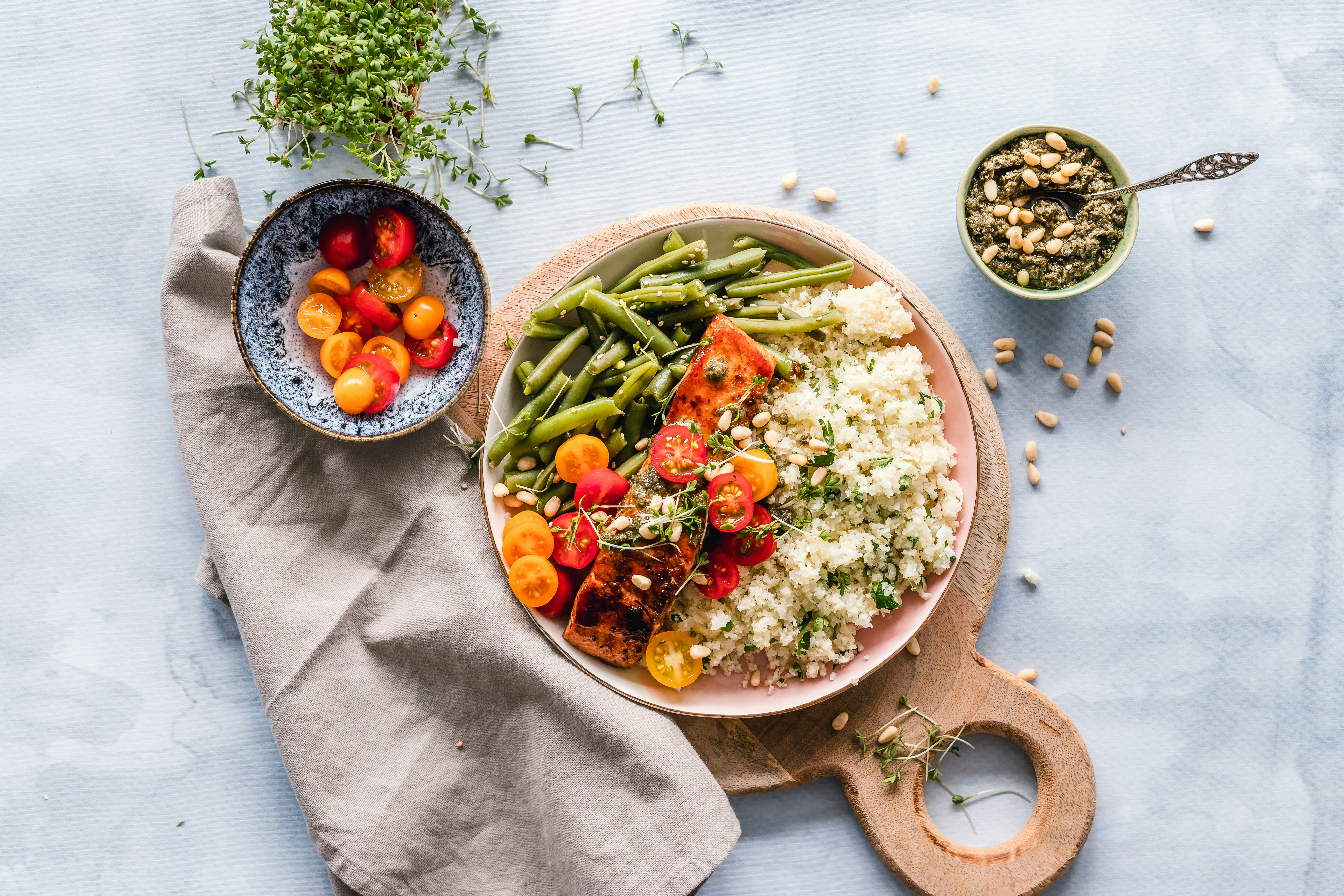
Table of Contents
- Understanding Singapore’s food culture
- 20 must-try Singapore local dishes
- Where to eat traditional food in Singapore
- How much does food cost in Singapore?
- Dietary requirements and food allergies
- A practical two-day Singapore food itinerary
- How to order food like a local
- Common mistakes when exploring Singapore food
- Frequently asked questions
Understanding Singapore’s Food Culture
Singapore’s food culture is a combination of Chinese, Malay, Indian, and Peranakan culinary traditions that have developed into distinctive local dishes. Food is an important part of everyday life, and hawker centres provide an accessible way to experience this diversity.
Unlike destinations where traditional cuisine is mainly found in expensive restaurants, Singapore has a strong everyday dining culture. Independent food stalls prepare individual specialties, often focusing on one dish that they have refined over many years.
Singapore’s hawker culture was added to UNESCO’s Representative List of the Intangible Cultural Heritage of Humanity on 16 December 2020. UNESCO recognizes the role of hawker centres as community dining spaces where different groups gather and share food traditions.
Read the official UNESCO documentation on Singapore’s hawker culture to understand why these dining spaces are important beyond their food offerings.
What makes Singaporean cuisine different?
Singapore’s local dishes are shaped by several culinary traditions:
- Chinese influences: Rice dishes, noodle preparations, steamed chicken, and stir-fried specialties.
- Malay influences: Coconut rice, sambal, aromatic spices, and grilled dishes.
- Indian influences: Flatbreads, curries, lentil preparations, and spice-rich sauces.
- Peranakan influences: A distinctive combination of Chinese and Malay ingredients and cooking techniques.
These traditions overlap, creating dishes that are difficult to classify under a single culinary category. That diversity is one of the strongest reasons to explore Singapore beyond its famous attractions.
20 Must-Try Traditional Dishes in Singapore
The best introduction to Singaporean cuisine includes chicken rice, chilli crab, laksa, char kway teow, nasi lemak, satay, and traditional desserts. The following 20 dishes cover popular meals, breakfast favourites, noodles, seafood, and sweet treats.
1. Hainanese Chicken Rice
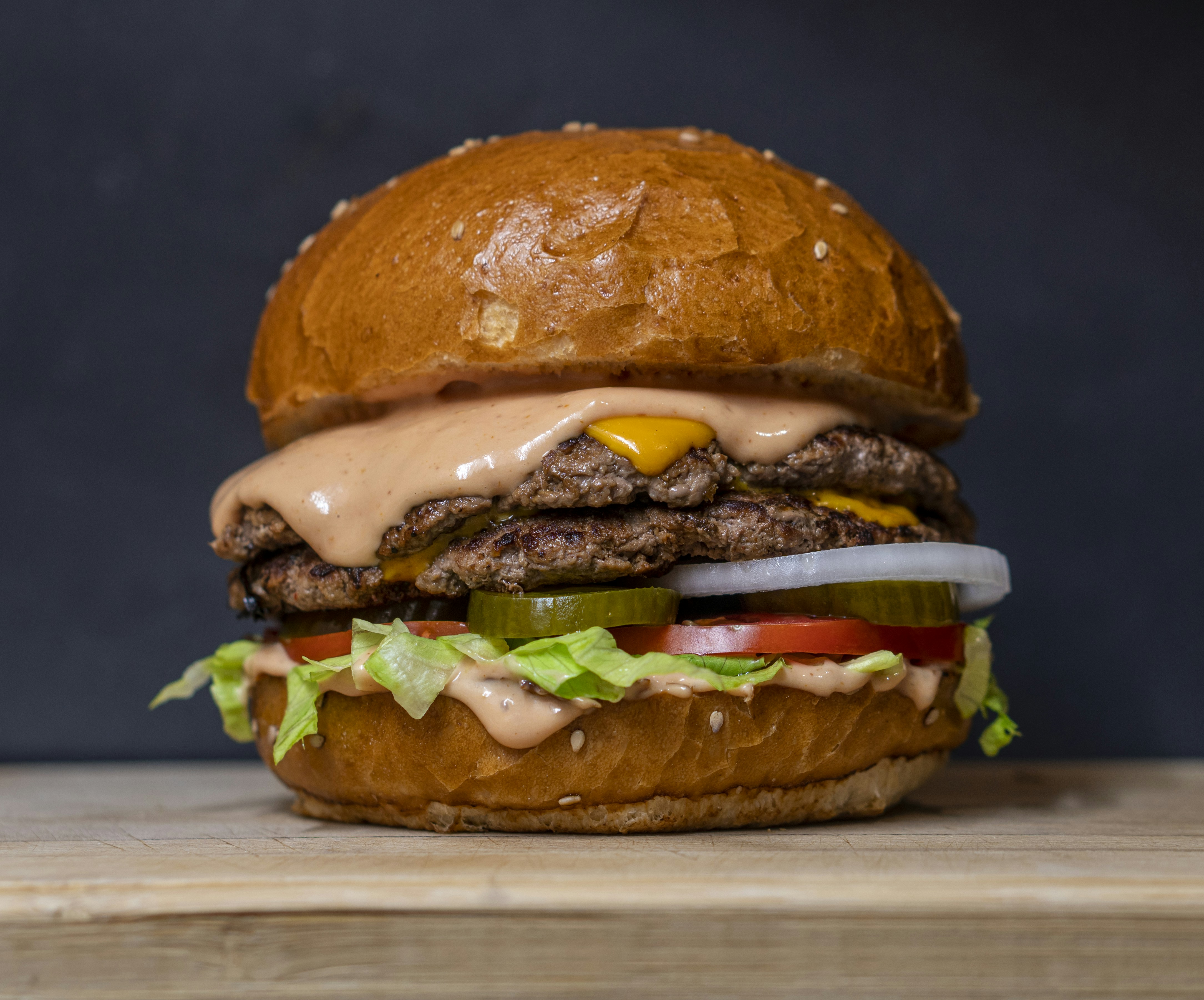
Hainanese chicken rice is one of the most recognizable traditional dishes in Singapore. It consists of poached or roasted chicken served with fragrant rice cooked using chicken stock, garlic, and ginger.
The meal normally comes with chilli sauce, ginger paste, dark soy sauce, and cucumber slices. Each condiment adds a different flavour, making even a simple plate enjoyable.
Where to try it: Maxwell Food Centre, Chinatown Complex, and Tiong Bahru Market are useful places to look for chicken rice stalls.
What to order: Try steamed chicken rice with the traditional dipping sauces. Choose roasted chicken if you prefer a more pronounced roasted flavour.
Pro tip: Compare neighbouring stalls rather than assuming the longest queue always means the best meal. Different cooks have different approaches to chicken texture, rice seasoning, and sauces.
2. Singapore Chilli Crab
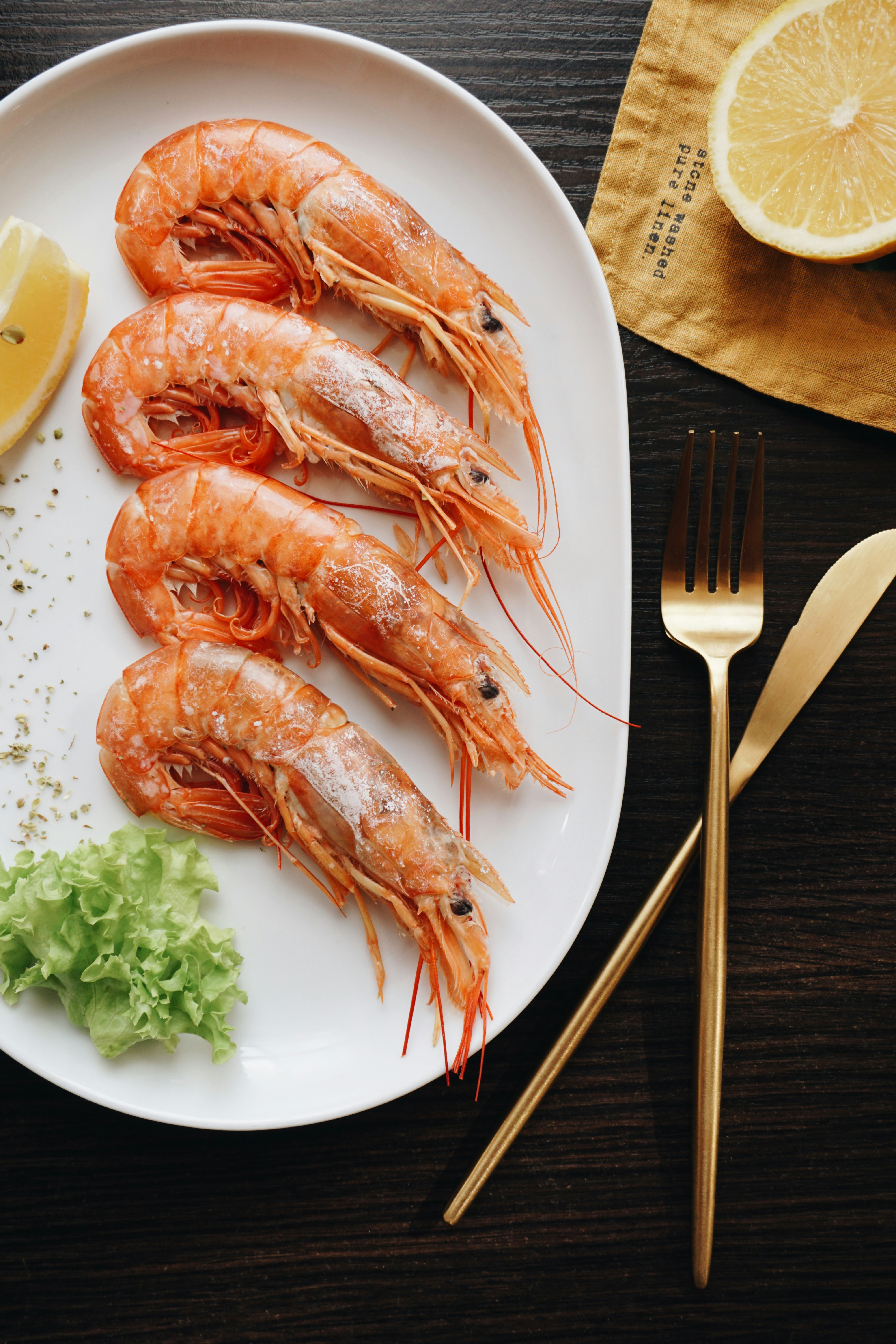
Singapore chilli crab is a famous seafood specialty made with mud crab cooked in a sweet, savoury, mildly spicy sauce. The sauce usually includes tomato, chilli, garlic, and egg.
Unlike dry seafood preparations, chilli crab is known for its generous sauce. Fried mantou buns are served alongside the crab so diners can enjoy the remaining sauce.
Where to try it: Seafood restaurants around East Coast, Clarke Quay, and other established dining districts offer this specialty.
What to know before ordering: Crab is commonly priced according to weight. Ask the restaurant to confirm the weight, price per unit, and estimated total before the kitchen prepares your order.
Pro tip: Chilli crab is generally more expensive than an individual hawker meal. Consider sharing one serving with other diners and ordering additional side dishes.
3. Katong Laksa
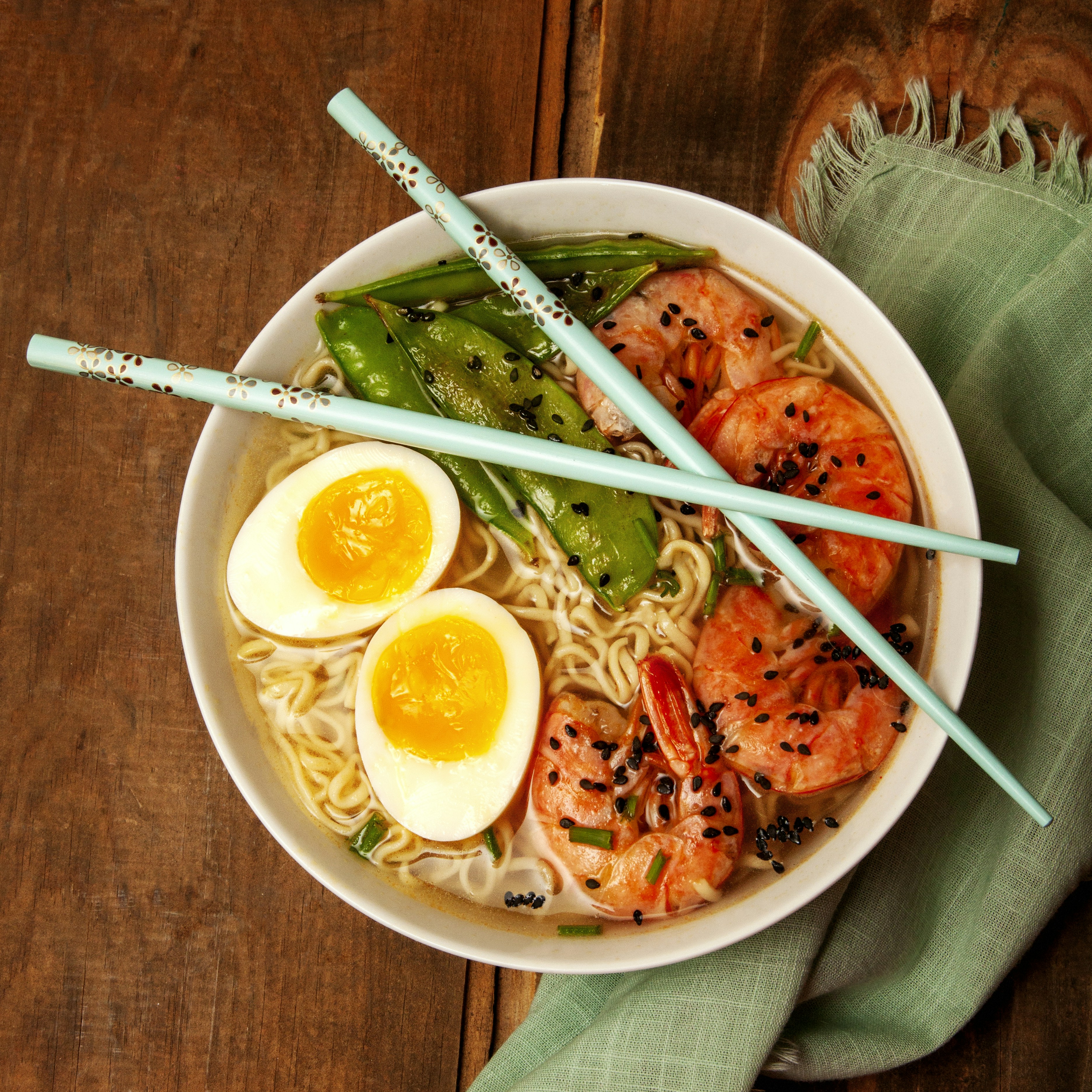
Katong laksa is a popular Singapore noodle dish featuring rice noodles in a rich coconut-based curry broth. Common toppings include prawns, fish cake, cockles, and tofu puffs.
The broth combines coconut milk, dried shrimp, chilli, and aromatic spices. The result is creamy, savoury, and slightly spicy.
Where to try it: Explore Katong and Joo Chiat, particularly the traditional food shops along East Coast Road.
What makes it different? Katong-style laksa traditionally uses shorter noodles that can be eaten with a spoon, making the dish distinctive compared with other noodle soups.
Note: Ask about seafood ingredients if you have shellfish allergies.
4. Char Kway Teow
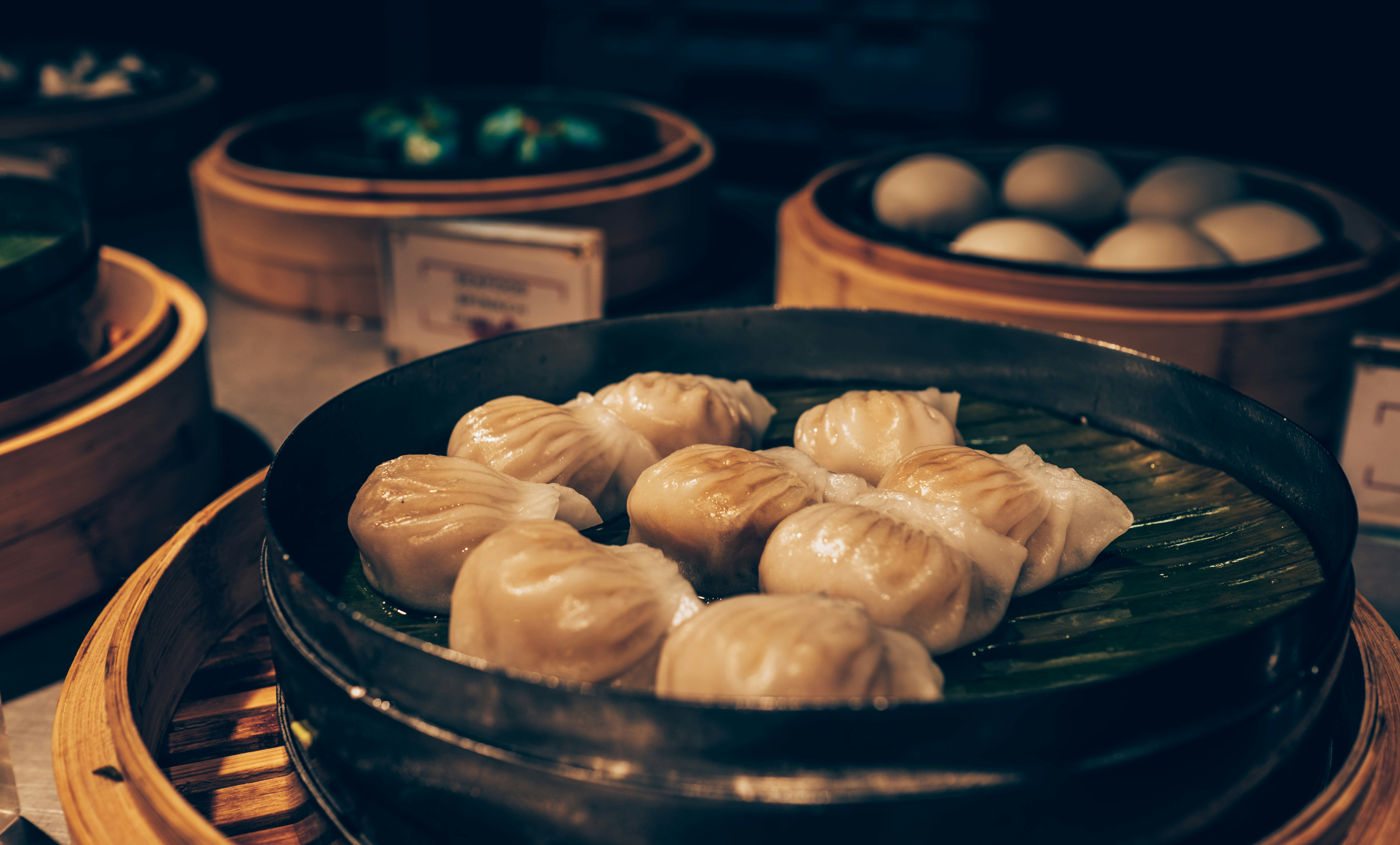
Char kway teow consists of flat rice noodles stir-fried over high heat with garlic, soy sauce, bean sprouts, egg, and other ingredients.
Many traditional preparations also contain cockles and Chinese sausage. The distinctive smoky flavour is associated with a cooking characteristic known as wok hei.
Where to try it: Old Airport Road Food Centre and Chinatown Complex are useful starting points.
What to order: Choose a traditional preparation if you want to experience the characteristic combination of smoky noodles, savoury sauce, and fresh ingredients.
Dietary note: Traditional recipes may contain pork, seafood, and shellfish. Ask the stall about ingredients before ordering.
5. Kaya Toast
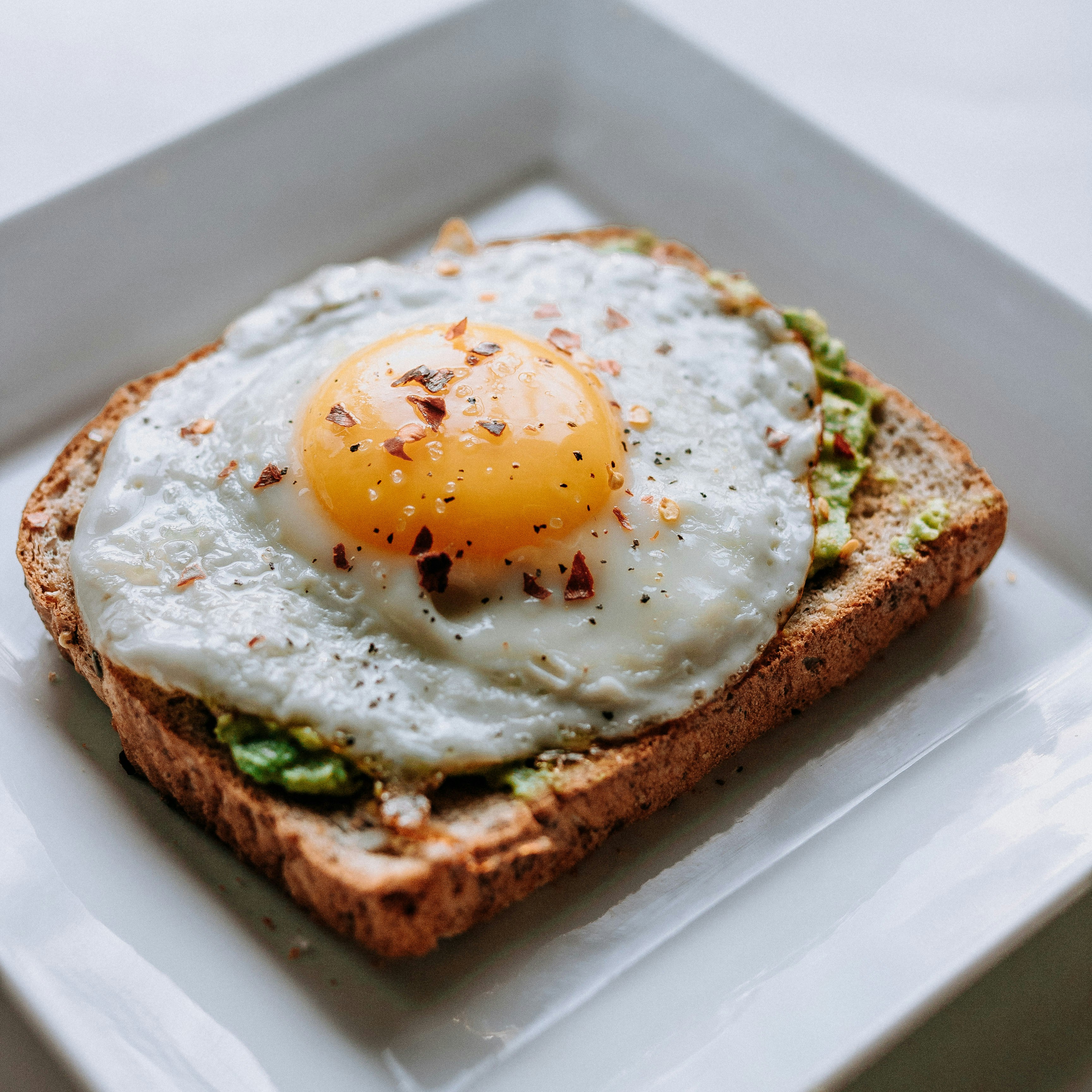
Kaya toast is a traditional Singapore breakfast made with toasted bread, coconut-egg jam, and butter. It is commonly served with soft-boiled eggs and local coffee or tea.
Kaya is a sweet spread prepared using coconut milk, eggs, sugar, and pandan. Its smooth texture and fragrant flavour make it a popular accompaniment to crisp toast.
Where to try it: Ya Kun Kaya Toast, Toast Box, and independent neighbourhood kopitiams are convenient options.
What to order: A traditional kaya toast set with soft-boiled eggs and kopi provides a complete local breakfast experience.
Pro tip: Try dipping a small piece of toast into the seasoned soft-boiled eggs. This combination is a familiar way to enjoy the breakfast set.
6. Nasi Lemak
Nasi lemak is a traditional Malay rice dish prepared with coconut milk and pandan leaves. The fragrant rice is commonly accompanied by sambal, anchovies, peanuts, cucumber, and egg.
Additional choices can include fried chicken or fish, depending on the stall. The combination of creamy rice, spicy sambal, and crunchy toppings creates a balanced meal.
Where to try it: Look for Malay food stalls in Kampong Glam, Geylang Serai, and established hawker centres.
What to order: Start with the basic rice set and add a protein according to your preference.
Dietary note: Ask whether the sambal and other sauces contain shrimp paste or other seafood ingredients.
7. Satay
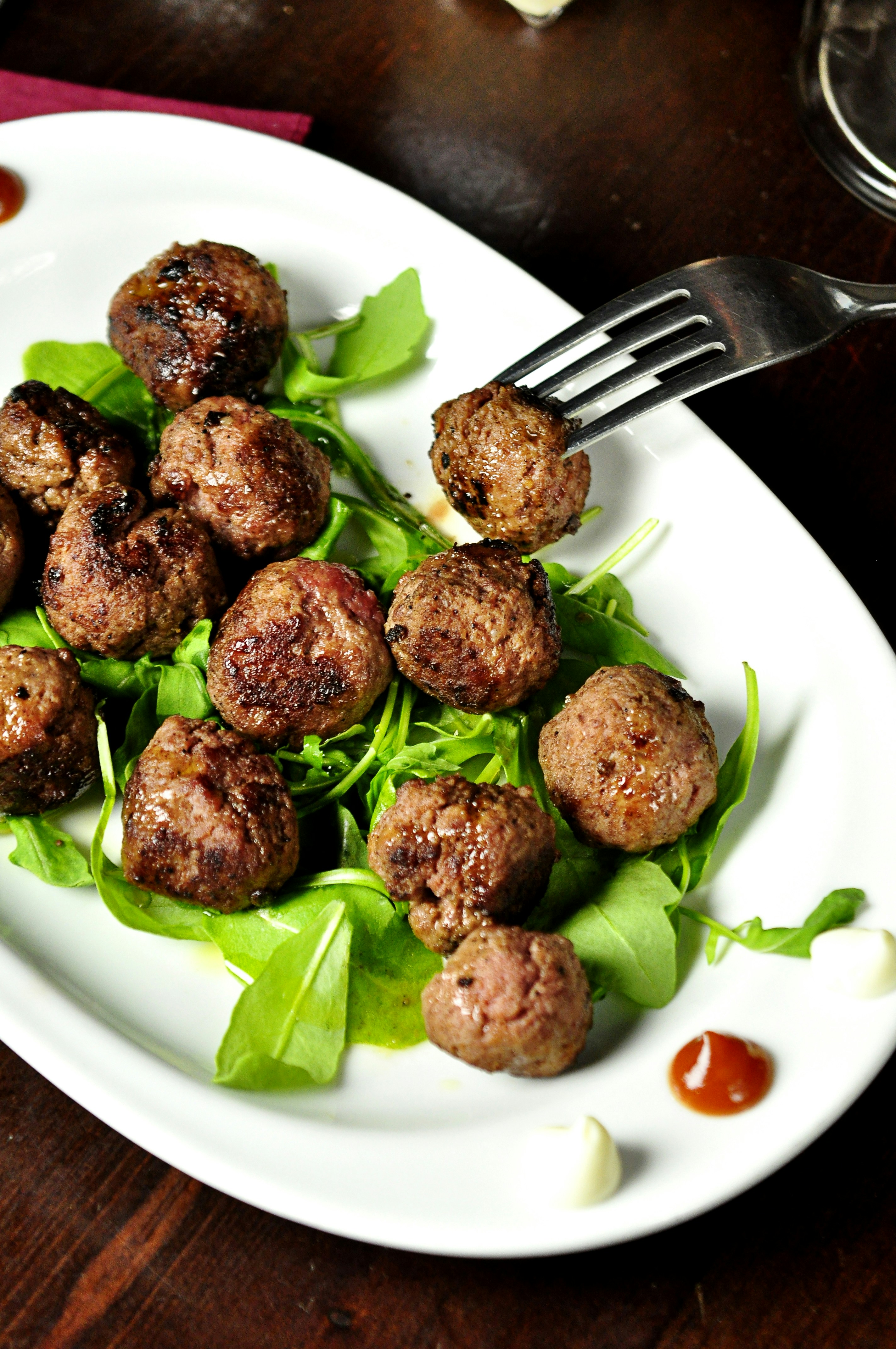
Satay is a popular Southeast Asian grilled food made with seasoned meat cooked on skewers over charcoal. Common varieties include chicken, beef, and mutton.
The skewers are usually served with peanut sauce, cucumber, and rice cakes known as ketupat.
Where to try it: Lau Pa Sat is a well-known location for satay, particularly during its evening dining hours.
What to order: Order several skewers and share them with your group. This allows you to sample different meat varieties without ordering a full meal for each person.
Note: Peanut sauce contains nuts, so travelers with peanut allergies should avoid it and confirm possible cross-contact.
8. Roti Prata
Roti prata is a popular Indian-influenced flatbread that is prepared by stretching, folding, and cooking dough on a hot griddle.
The outside becomes crisp while the inside remains soft and layered. It is commonly served with curry, although sweet and savoury variations are also available.
Where to try it: Little India and Upper Thomson have established prata eateries.
What to order: Plain prata and egg prata are good starting choices. Ask for curry separately if you prefer to control how much you use.
Pro tip: Prata works particularly well as a breakfast or late-evening meal when you want something filling without choosing a large restaurant menu.
9. Hokkien Mee
Singapore-style Hokkien mee is a noodle preparation combining yellow egg noodles and rice vermicelli. The noodles are cooked with a rich prawn-based stock and commonly served with prawns, squid, egg, and other ingredients.
The noodles absorb the seafood broth during cooking, creating a moist and savoury preparation. Some stalls serve the dish with lime and sambal for additional flavour.
Where to try it: Old Airport Road Food Centre is a useful destination for exploring traditional noodle stalls.
What to order: Choose a standard serving with the traditional accompaniments.
Dietary note: This dish normally contains seafood and may contain pork. It is not suitable for people avoiding these ingredients unless the stall confirms an alternative preparation.
10. Bak Kut Teh
Bak kut teh is a traditional pork rib soup known for its peppery or herbal broth. Garlic, spices, and long-simmered pork ribs give the soup its characteristic flavour.
It is often served with rice, youtiao, and side dishes. The pepper-based version is particularly familiar in Singapore.
Where to try it: Song Fa Bak Kut Teh is one of the recognized names associated with this local specialty.
What to order: Try the traditional pork rib soup with rice if you eat pork.
Important: Bak kut teh contains pork and is not suitable for people following a pork-free diet.
11. Fried Carrot Cake (Chai Tow Kway)
Singapore’s fried carrot cake is very different from the sweet Western cake made with carrots. It is a savoury dish prepared using steamed radish cake, eggs, preserved radish, and seasonings.
There are two common styles: white and black. The black version includes sweet dark soy sauce, while the white version focuses more on savoury flavours and a lightly crisp texture.
Where to try it: Old Airport Road Food Centre and neighbourhood hawker markets are good places to look.
What to order: Try both versions if you are sharing with someone.
12. Popiah
Popiah is a fresh spring roll filled with ingredients such as cooked vegetables, turnip, tofu, peanuts, and sauces, wrapped in a thin soft skin.
Unlike deep-fried spring rolls, fresh popiah has a soft texture and highlights the flavour of its fillings.
Where to try it: Chinatown and traditional neighbourhood hawker centres often have stalls selling popiah.
What to order: Choose a freshly prepared roll and ask about the ingredients in the filling.
Pro tip: Popiah makes a useful lighter snack between larger meals.
13. Rojak
Rojak is a traditional salad combining fruits and vegetables with a thick, sweet-savoury sauce. Common ingredients include cucumber, pineapple, bean sprouts, and fried dough pieces.
The sauce often contains fermented shrimp paste, sugar, and other seasonings. Crushed peanuts provide additional texture.
Where to try it: Look for traditional rojak stalls in Chinatown and established hawker centres.
What makes it special? Rojak combines sweet, sour, savoury, crunchy, and soft textures in a single dish.
Allergy note: Traditional sauce can contain shrimp paste and peanuts. Confirm the ingredients before ordering.
14. Mee Rebus
Mee rebus is a Malay noodle dish featuring yellow noodles covered in a thick, savoury sauce. The gravy is commonly prepared with sweet potato, spices, and other ingredients.
Boiled egg, tofu, lime, and green chillies are common toppings. The sauce is thicker and sweeter than many traditional noodle soups.
Where to try it: Explore Malay food stalls in Geylang Serai and Kampong Glam.
What to order: Choose a traditional serving with the standard toppings to experience the complete preparation.
15. Mee Siam
Mee siam is a noodle dish with Southeast Asian influences, commonly prepared using thin rice vermicelli in a tangy and mildly spicy gravy.
Ingredients can include dried shrimp, tamarind, spices, tofu, and boiled eggs. Some versions are served relatively dry, while others have more sauce.
Where to try it: Malay and Peranakan food stalls are good places to look for traditional mee siam.
What to order: Ask for the traditional preparation and confirm the level of spice before ordering.
16. Fish Head Curry
Fish head curry is a substantial seafood dish featuring a fish head cooked in an aromatic curry gravy with vegetables.
The preparation reflects the combination of culinary influences found in Singapore. Depending on the restaurant, the curry can include tamarind, spices, tomatoes, and vegetables.
Where to try it: Little India and established Indian restaurants are useful starting points.
What to order: This dish is generally better suited to sharing, especially when served in a large portion.
Note: Ask about the fish variety, portion size, and possible allergens before ordering.
17. Sambal Stingray
Sambal stingray is a popular seafood preparation featuring stingray grilled with a spicy sambal topping. It is frequently cooked on a banana leaf and served with lime and sliced onions.
The banana leaf helps keep the seafood moist while the sambal contributes a strong combination of chilli, aromatic ingredients, and savoury flavour.
Where to try it: East Coast Lagoon Food Village and seafood-focused hawker centres are useful places to explore.
What to order: Share a serving with other seafood dishes and rice.
Pro tip: Confirm the weight and total price before ordering seafood, especially when the menu displays prices by weight.
18. Oyster Omelette (Orh Luak)
Oyster omelette is a traditional hawker dish made with eggs, oysters, starch, and seasonings. It is cooked on a hot surface until parts of the mixture develop a crisp texture.
The oysters provide a distinctive seafood flavour, while the egg and starch create a combination of soft and crispy textures.
Where to try it: Chinatown Complex, Newton Food Centre, and other seafood-focused hawker centres are worth exploring.
What to order: Ask for the preferred texture, as some stalls prepare a crispier version while others serve a softer omelette.
Dietary note: This dish contains shellfish and eggs. It should be avoided by travelers with relevant allergies.
19. Ice Kacang

Ice kacang is a colourful shaved-ice dessert made with finely shaved ice and a combination of sweet toppings.
Common ingredients include red beans, sweet corn, grass jelly, syrups, and evaporated milk. Some versions include additional toppings and flavourings.
Where to try it: Traditional dessert stalls in hawker centres and neighbourhood markets are good places to find ice kacang.
What to order: Choose a traditional version if you want to experience the familiar combination of shaved ice and sweet toppings.
20. Chendol
Chendol is a traditional Southeast Asian dessert made with shaved ice, coconut milk, palm sugar syrup, and green pandan-flavoured jelly strands.
Red beans and other toppings may also be included. The combination of creamy coconut milk and rich palm sugar makes it particularly enjoyable after a spicy meal.
Where to try it: Traditional dessert stalls and established hawker centres across Singapore sell different versions.
What to order: Start with the classic coconut milk and palm sugar preparation.
Pro tip: Eat chendol soon after it is served so the shaved ice retains its refreshing texture.
Where to Eat Traditional Food in Singapore
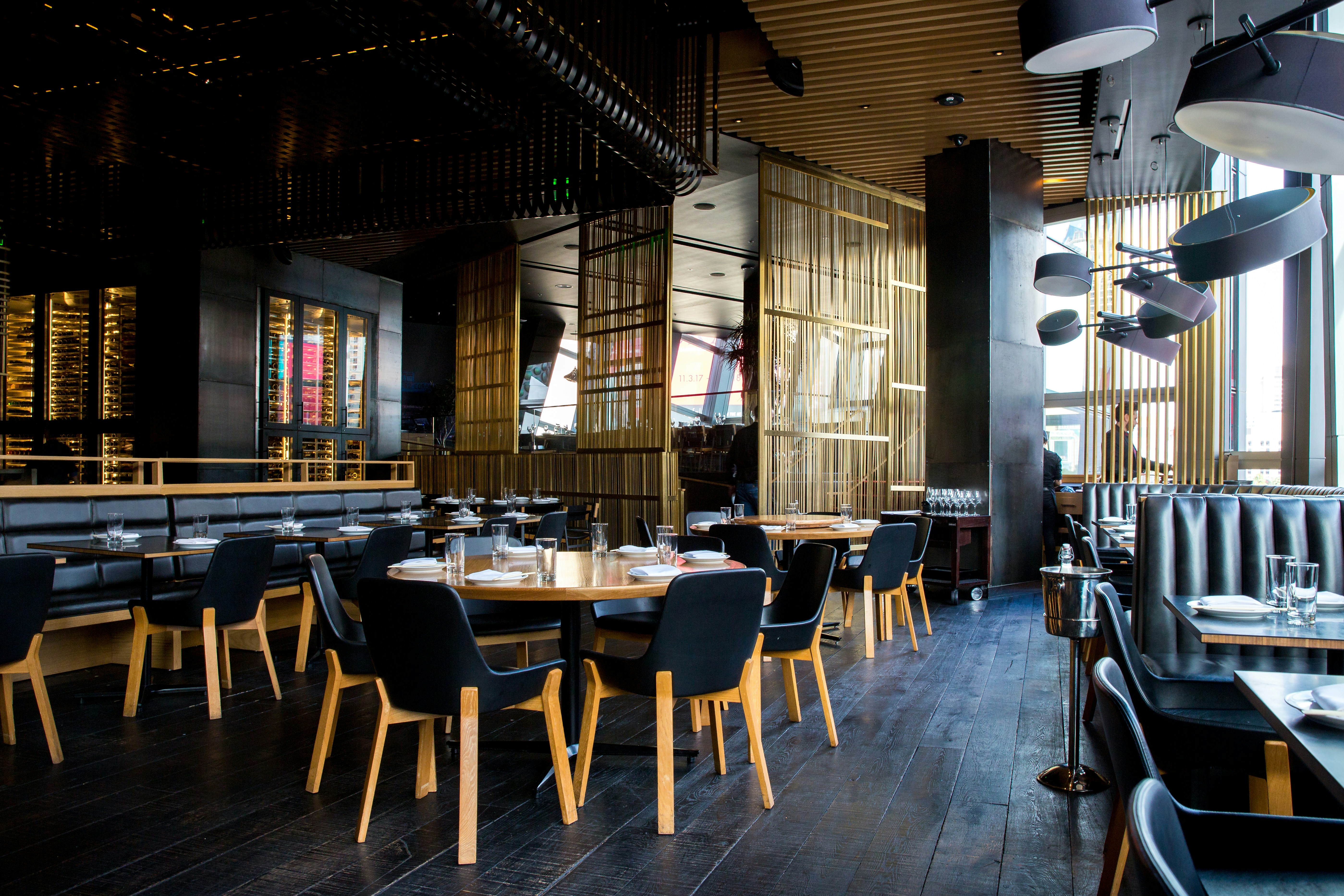
The best way to discover authentic local food in Singapore is to visit established hawker centres in different neighbourhoods. Each location offers a different combination of specialties, food stalls, and dining experiences.
1. Maxwell Food Centre
Maxwell Food Centre is located in Chinatown and is particularly useful for visitors interested in traditional chicken rice and other local hawker dishes.
Its location makes it convenient to combine lunch with nearby Chinatown attractions. Visitors can explore several food stalls without travelling between distant neighbourhoods.
Best for: Hainanese chicken rice, traditional noodles, and local hawker meals.
2. Chinatown Complex Food Centre
Chinatown Complex offers a large selection of independent food stalls and traditional dishes. It is an excellent place to explore several different preparations during one visit.
Best for: Chicken rice, noodles, traditional Chinese hawker food, and local specialties.
3. Old Airport Road Food Centre
Old Airport Road Food Centre is a popular destination for visitors interested in classic hawker dishes. Its range of stalls makes it particularly useful for comparing different noodle and rice preparations.
Best for: Char kway teow, Hokkien mee, and fried carrot cake.
4. Lau Pa Sat
Lau Pa Sat is a historic market in the central business district. Its distinctive architecture and range of dining options make it popular with visitors.
The satay street experience is particularly associated with evening dining.
Best for: Satay, grilled food, and a central dining location.
5. Tiong Bahru Market
Tiong Bahru Market is a useful stop for traditional breakfast and lunch dishes. Its location in a residential neighbourhood provides a different atmosphere from the central tourist districts.
Best for: Chicken rice, breakfast sets, traditional noodles, and local snacks.
6. East Coast Lagoon Food Village
East Coast Lagoon Food Village combines outdoor dining with a coastal park setting. It is particularly useful for travelers interested in seafood and grilled specialties.
Best for: Sambal stingray, satay, and seafood dishes.
For more destination experiences, explore our practical destination visit guide and our tours and activities resources when organizing your Singapore sightseeing schedule.
How Much Does Food Cost in Singapore?
Hawker centres are generally more affordable than full-service restaurants, while premium seafood dishes can cost considerably more. Your total food budget depends on portion sizes, dining locations, ingredients, and how often you choose restaurant meals.
Instead of relying on one average meal price, divide your food budget into different categories.
| Food category | Typical budget level | Examples |
|---|---|---|
| Basic hawker meals | Low | Chicken rice, prata, noodles |
| Traditional breakfast | Low | Kaya toast and eggs |
| Hawker seafood | Medium to high | Sambal stingray, oyster omelette |
| Restaurant seafood | High | Chilli crab and shared seafood dishes |
| Traditional desserts | Low | Chendol and ice kacang |
These are relative budget categories rather than fixed current prices. Check individual stall menus and restaurant quotations before ordering because prices vary by location, portion, seafood weight, and ingredients.
How to calculate your daily food budget
A practical daily food budget can be calculated using this simple formula:
Daily food budget = Breakfast + Lunch + Dinner + Snacks and drinks
For example, suppose your planned spending is:
- Breakfast: SGD 6
- Lunch: SGD 9
- Dinner: SGD 15
- Snacks and drinks: SGD 5
Example total = SGD 35 per person per day.
This is an illustrative planning calculation, not a verified average Singapore food price. A seafood restaurant meal can increase the total considerably.
For a complete vacation budget, combine your food estimate with accommodation, transport, and activities. Our guides on building a practical travel plan and planning a trip effectively can help organize these expenses.
Dietary Requirements and Food Allergies
Travelers should check ingredients and food preparation methods before ordering because traditional Singapore dishes may contain pork, seafood, shellfish, peanuts, eggs, or shrimp paste. Never assume a dish is suitable based only on its name or appearance.
Finding halal food in Singapore
Singapore has many halal-certified dining options, particularly around areas such as Kampong Glam and parts of Geylang Serai.
Look for appropriate halal certification and confirm the restaurant’s current status when necessary. A dish that appears vegetarian or seafood-based is not automatically halal-certified.
Eating vegetarian food
Vegetarian travelers can explore Indian vegetarian restaurants, vegetarian Chinese stalls, and vegetable-based dishes.
However, some apparently vegetarian noodle and rice preparations may contain seafood stock, dried shrimp, oyster sauce, or other animal-derived ingredients.
Ask about the complete preparation rather than checking only the visible toppings.
Managing food allergies
Common allergens in Singaporean food include:
- Peanuts and other nuts
- Crustaceans and shellfish
- Fish and seafood sauces
- Eggs
- Soy and wheat
- Milk and coconut-based ingredients
For severe allergies, communicate your requirements clearly and ask about shared cooking equipment, utensils, and preparation surfaces. If a stall cannot confirm that a meal is safe, choose another option.
A Practical Two-Day Singapore Food Itinerary
A two-day food itinerary works best when you group meals by neighbourhood instead of travelling across the city for every individual dish. This approach reduces unnecessary transportation and gives you more time to explore local food culture.
Day 1: Chinatown and the central dining districts
| Time | Activity | Food recommendation |
|---|---|---|
| 8:00 AM | Breakfast | Kaya toast and kopi |
| 11:00 AM | Chinatown exploration | Traditional snacks |
| 12:30 PM | Lunch at Maxwell | Hainanese chicken rice |
| 3:00 PM | Local dessert stop | Ice kacang or chendol |
| 6:30 PM | Lau Pa Sat | Satay and shared dishes |
This route introduces several well-known Singapore dishes while keeping the day focused on a relatively compact central area.
Day 2: Little India, Katong, and East Coast
| Time | Activity | Food recommendation |
|---|---|---|
| 8:00 AM | Little India breakfast | Roti prata |
| 11:00 AM | Neighbourhood exploration | Traditional snacks |
| 12:30 PM | Katong lunch | Katong laksa |
| 3:00 PM | Local food exploration | Popiah or rojak |
| 6:30 PM | East Coast dining | Sambal stingray or seafood |
Check individual stall opening hours before visiting. Hawker stalls can have different operating days, closing times, and rest days.
If you want to extend your stay, our guide to organizing your trip can help you combine food experiences with sightseeing, transport, and accommodation.
How to Order Food Like a Local in Singapore
Ordering food at a Singapore hawker centre is straightforward when you understand the queue, payment, seating, and collection process. A little preparation makes the experience easier, especially during busy lunch periods.
1. Check the menu before joining the queue
Many stalls display their menus and prices above the counter. Check the ingredients, portion options, and payment methods before ordering.
2. Understand the local food terminology
- Kopi: Local-style coffee.
- Teh: Tea.
- Dabao: Takeaway or takeaway food.
- Chope: Reserve a seat, commonly using a small personal item such as a tissue packet.
- Hawker centre: A communal dining area containing multiple independent food stalls.
3. Carry a convenient payment option
Many establishments accept digital payments, but payment methods differ between stalls. Keep a small amount of Singapore dollars available rather than assuming every vendor accepts cards.
4. Return your tray after eating
Follow the instructions at the dining location and return your used tray and tableware to the designated collection point. This helps maintain shared dining spaces.
5. Avoid ordering too much food
Singapore offers many different dishes, so ordering a full portion of everything can quickly become expensive and wasteful.
Share suitable dishes with your group, choose smaller portions when available, and leave room for desserts.
Common Mistakes When Exploring Singapore Food
The biggest mistake is treating Singapore’s food scene as a list of famous restaurants rather than a neighbourhood-based culinary experience. A more flexible approach makes it easier to discover traditional food and control spending.
Eating only near major attractions
Restaurants in heavily visited tourist areas are convenient, but they should not be your only dining option. Explore neighbourhood food centres for a broader introduction to everyday local cuisine.
Ignoring ingredient information
Traditional sauces, stocks, and toppings may contain ingredients that are not immediately visible. Check carefully if you follow a specific diet or have allergies.
Assuming every famous dish is inexpensive
Chicken rice and noodles are generally different budget propositions from premium seafood. Confirm prices before ordering, especially when dishes are sold by weight.
Visiting hawker stalls at unsuitable times
Some popular stalls sell out early or close on particular days. Check the latest operating information before making a special journey.
Trying too many dishes in one sitting
A better approach is to spread your food exploration across several meals and neighbourhoods. This allows you to experience more variety without wasting food.
Final Takeaway: Which Singapore Dishes Should You Try First?
The best first-time Singapore food experience starts with Hainanese chicken rice, Katong laksa, chilli crab, char kway teow, kaya toast, and satay. These dishes provide a useful introduction to the country’s Chinese, Malay, Indian, and Peranakan culinary influences.
For a balanced experience, combine traditional hawker meals with a few specialty seafood dishes and local desserts. Visit Maxwell Food Centre, Chinatown Complex, Old Airport Road Food Centre, and Lau Pa Sat to explore different dining environments.
Most importantly, approach Singapore’s cuisine with curiosity. Ask about ingredients, explore unfamiliar dishes, compare different stalls, and enjoy the food traditions that make this destination distinctive.
With the right neighbourhoods and a little planning, Singapore can become one of the most memorable destinations for travelers who enjoy discovering local food.
Frequently Asked Questions About Singapore Food
These answers cover common questions about traditional Singaporean dishes, food prices, hawker centres, dietary requirements, and local dining experiences.
1. What is the most famous traditional food in Singapore?
Hainanese chicken rice is among Singapore’s most recognizable traditional dishes. It features poached or roasted chicken, fragrant rice, chilli sauce, ginger paste, and dark soy sauce. Chilli crab and laksa are also internationally recognized Singapore specialties.
2. What should first-time visitors eat in Singapore?
First-time visitors should try Hainanese chicken rice, chilli crab, Katong laksa, char kway teow, kaya toast, satay, and roti prata. These dishes provide a good introduction to the country’s different culinary traditions.
3. Where can tourists find authentic Singapore hawker food?
Maxwell Food Centre, Chinatown Complex, Old Airport Road Food Centre, Lau Pa Sat, and Tiong Bahru Market are useful starting points. Each location offers a different selection of traditional dishes and independent food stalls.
4. Is Singapore street food affordable for tourists?
Hawker centres generally provide more affordable dining options than full-service restaurants. Rice dishes, noodles, and traditional breakfast sets are useful choices for controlling food expenses. Premium seafood dishes can cost considerably more.
5. What is a traditional Singapore breakfast?
A traditional Singapore breakfast often includes kaya toast, soft-boiled eggs, and local coffee or tea. Roti prata is another popular breakfast choice, particularly in Indian-influenced neighbourhood eateries.
6. Is Singapore food suitable for vegetarians?
Yes. Singapore has vegetarian Chinese restaurants, Indian vegetarian eateries, and vegetable-based food options. However, some dishes that appear vegetarian may contain seafood stock, shrimp paste, or oyster sauce. Always confirm ingredients before ordering.
7. Can Muslim travelers find halal food in Singapore?
Yes. Singapore has halal-certified dining establishments, including options around Kampong Glam and Geylang Serai. Check current certification and restaurant information rather than assuming a dish is halal based on its ingredients alone.
8. What is the difference between Singapore laksa and other laksa varieties?
Katong laksa is particularly known for its coconut-based curry broth and shorter rice noodles. Other laksa varieties across Southeast Asia can have different broths, ingredients, spice combinations, and noodle styles.
9. What desserts should visitors try in Singapore?
Ice kacang and chendol are two traditional desserts worth trying. Ice kacang combines shaved ice with sweet toppings, while chendol features coconut milk, palm sugar, and pandan-flavoured jelly.
10. How many days are enough to explore Singapore’s local food?
Two days provide a useful introduction to major hawker dishes and several food neighbourhoods. Three to four days allow more time to explore specialist stalls, seafood restaurants, traditional coffee shops, and less central dining areas.
11. What is the best time to visit Singapore hawker centres?
Breakfast, lunch, and early evening are popular dining periods. Arriving slightly before peak lunch hours can make it easier to find seating and avoid longer queues. Individual stall opening hours vary.
12. Do Singapore hawker centres accept credit cards?
Payment options vary between stalls. Some accept cards and digital payments, while others prefer cash or local payment services. Carry a small amount of Singapore dollars as a backup.
Official Sources and Further Reading
For reliable information about Singapore’s food heritage and dining experiences, consult these established resources:
- Singapore Tourism Board: Local Food and Drinks – Traditional dishes and local culinary highlights.
- UNESCO: Hawker Culture in Singapore – Cultural heritage and community dining.
- National Environment Agency: Hawker Culture – Singapore’s hawker heritage and food culture.
Plan Your Singapore Holiday With The Offers Guy
Exploring local cuisine is only one part of planning a successful Singapore holiday. Compare accommodation, transportation, flights, and activities before finalizing your travel arrangements.
Explore these useful resources:
- Hotels and accommodations – Compare accommodation options for your stay.
- Flight booking resources – Explore international flight options.
- Airport transfers and transportation – Explore airport transportation options.
- How to plan a trip – Organize your travel budget and itinerary.
Editorial note: Food ingredients, restaurant operations, stall opening hours, and prices can change. Confirm current details directly with individual food providers. The Offers Guy recommends checking dietary requirements and allergen information before ordering.