A Santorini travel guide for first-time visitors should help you make the right decisions before arriving on this famous Greek island. Choosing the wrong accommodation area, visiting Oia during the busiest hours, or relying on limited transportation without checking schedules can make your holiday more expensive and stressful than necessary.
Santorini, Greece, is famous for its whitewashed villages, blue-domed churches, volcanic beaches, dramatic caldera views and beautiful Aegean Sea sunsets. However, the island offers much more than its famous photography locations. Understanding its geography, transportation, accommodation areas and seasonal differences will help you plan a better trip.
This guide covers 15 essential Santorini travel tips, including the best time to visit, how many days to spend, where to stay, transportation options, beaches, local attractions, hidden expenses and a practical first-time itinerary.
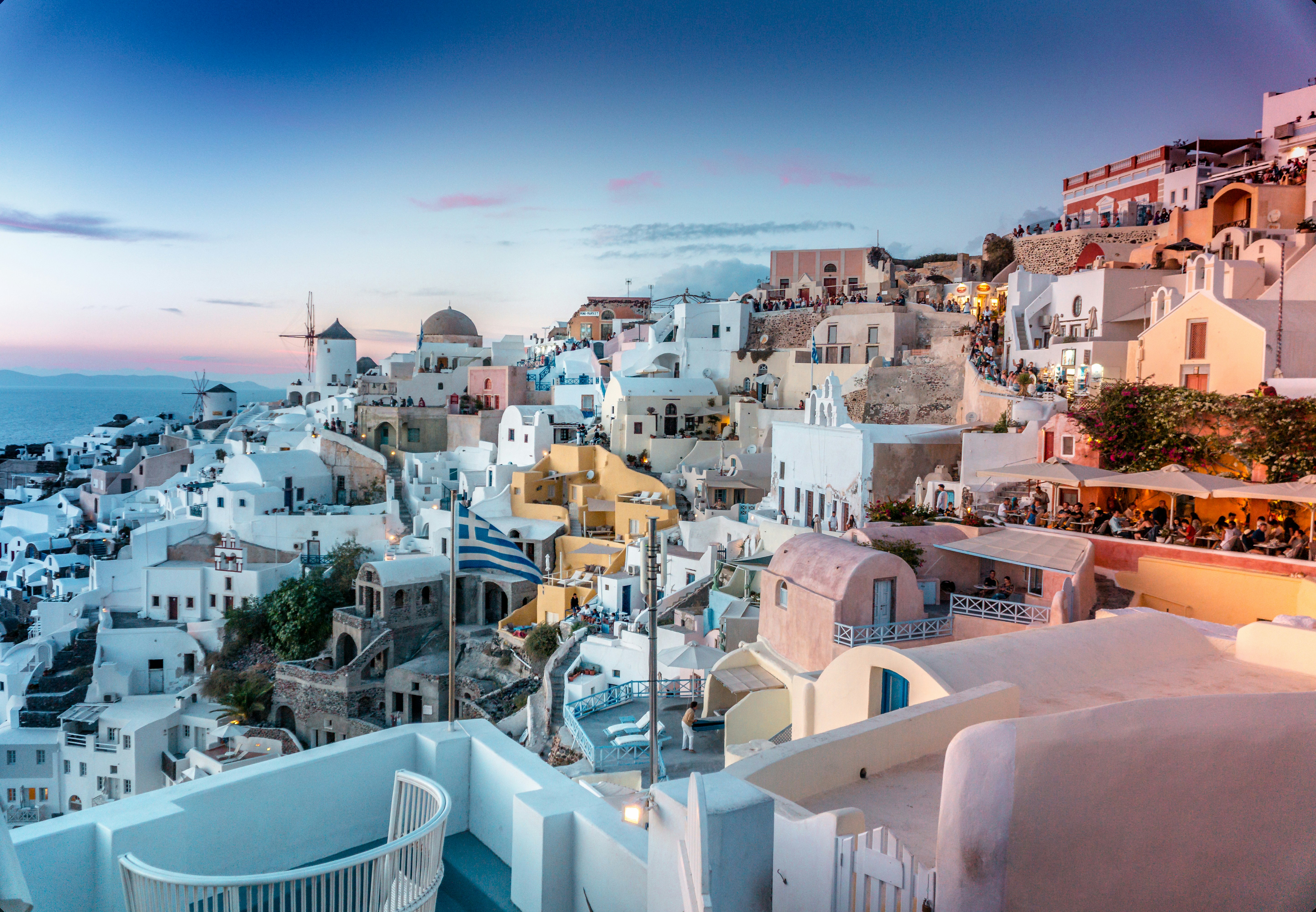
Table of Contents
1. Understand Santorini Before Your Trip
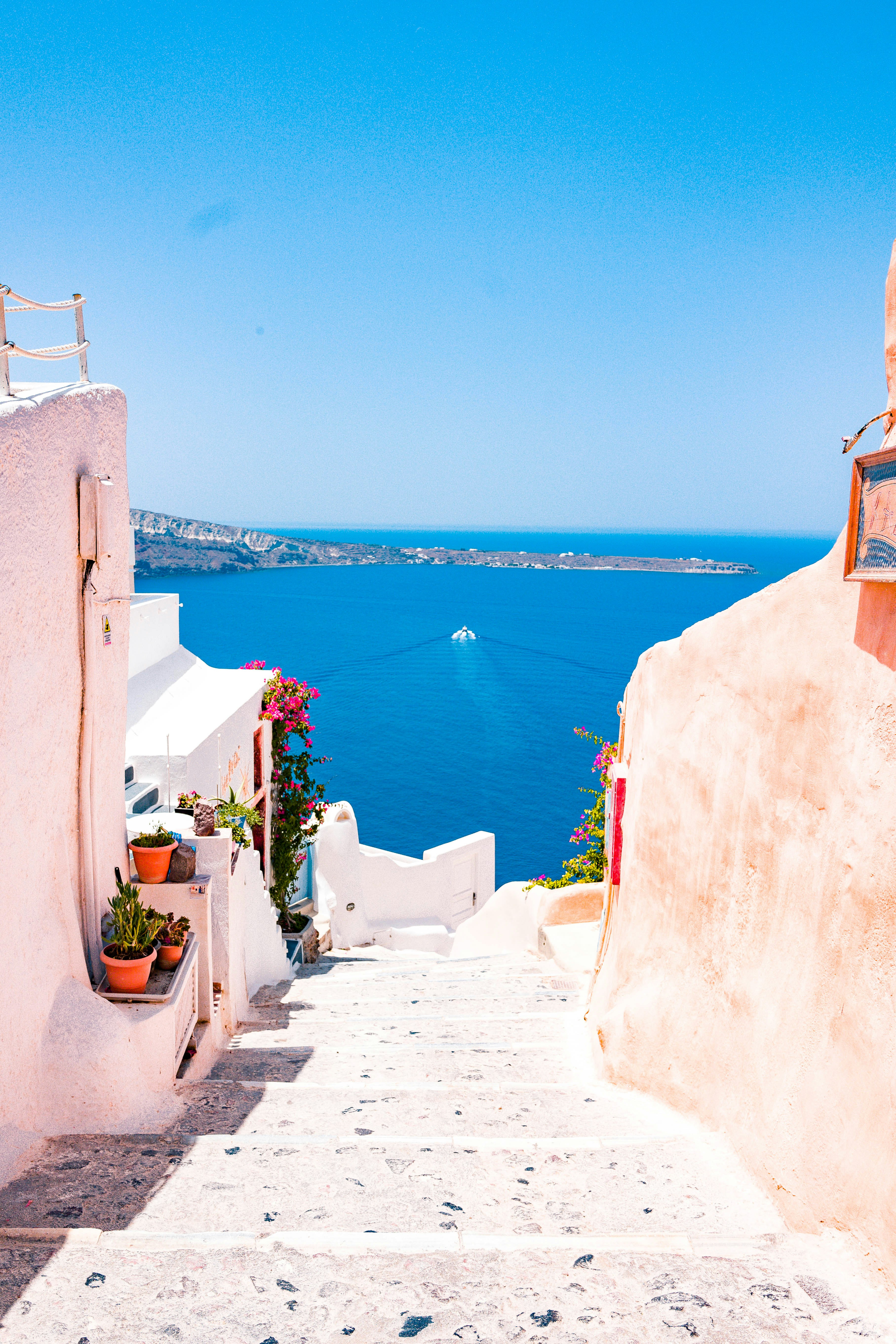
Santorini is a volcanic island in Greece’s Cyclades group, located in the southern Aegean Sea. Its distinctive landscape was shaped by volcanic activity, creating steep caldera cliffs, unusual beaches and settlements built along the island’s elevated edges.
The destination is also known by its historical name, Thera. Its main tourist settlements include Fira, Oia, Imerovigli, Firostefani, Kamari and Perissa.
Where is Santorini located?
Santorini is situated southeast of mainland Greece. It belongs to the Cyclades islands and can be reached by domestic flights, international seasonal flights and passenger ferries.
Most visitors arrive at Santorini International Airport or Athinios Ferry Port. Both are connected to the island’s main settlements through road transportation.
What makes Santorini different from other Greek islands?
Santorini stands out because its villages overlook a large volcanic caldera rather than a conventional flat coastline.
- Caldera views: Elevated villages provide panoramic views of the volcanic basin.
- Traditional architecture: Whitewashed houses, narrow streets and distinctive churches define the island’s appearance.
- Volcanic beaches: Black, red and grey volcanic materials create unusual coastal landscapes.
- Historic attractions: Ancient Akrotiri and Ancient Thera reveal the island’s archaeological importance.
- Local cuisine: Santorini is known for fava, cherry tomatoes, white eggplant and traditional island dishes.
For official destination information, explore Visit Greece’s official Santorini destination guide.
2. Choose the Best Time to Visit Santorini
May, June, September and early October are excellent months for many first-time visitors seeking a balance between pleasant weather, sightseeing conditions and seasonal crowds.
Santorini experiences a Mediterranean climate with hot, dry summers and relatively mild winters. However, the best travel month depends on whether you prioritize swimming, photography, outdoor activities or lower accommodation costs.
Compare the different travel seasons
| Travel Period | What to Expect | Best For |
|---|---|---|
| March–April | Milder temperatures and quieter surroundings | Walking and sightseeing |
| May–June | Warmer weather and increasing visitor numbers | First-time visits and outdoor activities |
| July–August | Hot weather, busy attractions and high demand | Summer holidays and beach visits |
| September | Warm conditions and generally fewer peak-season visitors | Beaches and sightseeing |
| October | Cooler conditions and reduced seasonal services | Relaxed exploration |
| November–February | Quieter island atmosphere and limited seasonal businesses | Independent travelers |
Is summer a good time to visit Santorini?
Yes. Summer is suitable for travelers who want beach activities, boat excursions and long days outdoors. However, July and August generally bring the highest visitor demand.
Popular viewpoints in Oia and Fira can become crowded, while accommodation and transportation require more advance planning.
Pro tip: If you want to photograph Santorini without large crowds, explore popular villages early in the morning instead of arriving during the afternoon sightseeing rush.
3. Decide How Many Days You Need
Three to four days is a practical starting point for a first Santorini holiday, while five days provides additional time for beaches, villages and slower exploration.
Although Santorini is relatively compact, its attractions are spread across different parts of the island. Trying to visit everything in one day can lead to unnecessary transportation and rushed sightseeing.
Recommended trip lengths
| Trip Length | Suggested Activities |
|---|---|
| 1 day | Fira, Oia and a caldera viewpoint |
| 2 days | Fira, Oia, Imerovigli and one beach |
| 3 days | Add Akrotiri and southern Santorini |
| 4 days | Add a boat excursion and additional villages |
| 5–7 days | Explore more beaches, museums and traditional settlements |
For travelers planning a wider Greek or European holiday, spending four days in Santorini can provide a good balance without using too much of the overall vacation.
Before finalizing your trip, compare your accommodation and transportation expenses with our guide to budget travel in Europe.
4. Choose the Right Area to Stay in Santorini
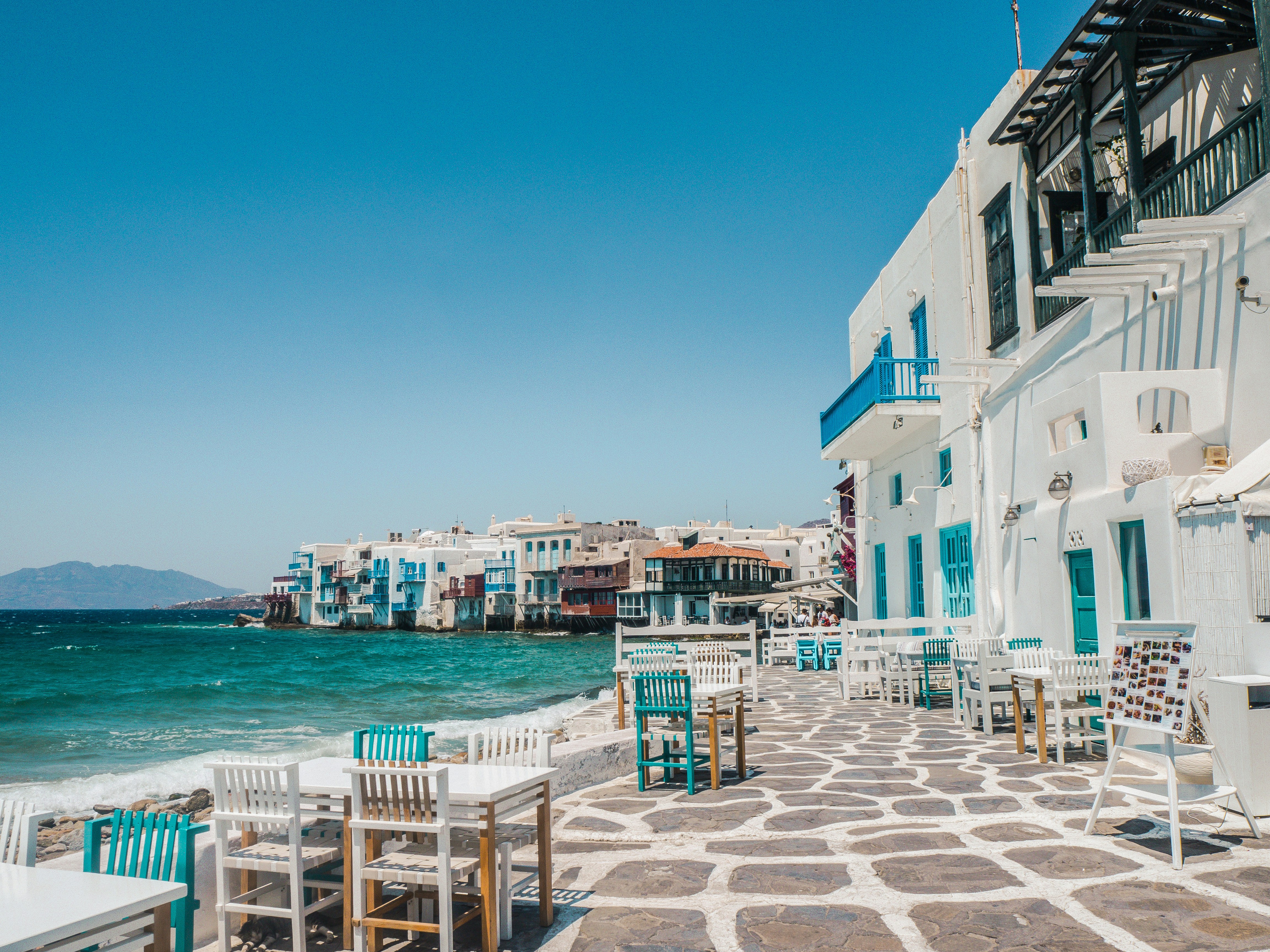
The best place to stay in Santorini depends on your budget, preferred views, transportation needs and holiday style. Oia is famous for caldera scenery, Fira provides convenient access to transportation and services, while Kamari and Perissa offer different beach-focused experiences.
Compare the most popular accommodation areas
| Area | Main Advantage | Potential Disadvantage | Suitable For |
|---|---|---|---|
| Oia | Iconic caldera scenery | Higher accommodation demand | Views and photography |
| Fira | Central location and bus connections | Busy streets and crowds | First-time visitors |
| Imerovigli | Elevated caldera views | Fewer central services | Quiet stays |
| Firostefani | Convenient location near Fira | Limited accommodation choices | Walkable sightseeing |
| Kamari | Beachfront facilities | Different scenery from the caldera villages | Beach holidays |
| Perissa | Black-sand beach and casual atmosphere | Longer journeys to northern villages | Value-conscious travelers |
How to select your accommodation
Do not choose a hotel based only on photographs of its swimming pool or balcony. Check its actual location, walking access, luggage arrangements, nearby transportation and total booking cost.
- Check whether the property is located above the caldera or near the beach.
- Ask whether stairs are required to reach the entrance or room.
- Confirm whether luggage assistance is available.
- Check cancellation conditions and mandatory accommodation charges.
- Read recent reviews about noise, cleanliness and accessibility.
Compare available properties through The Offers Guy Hotels and Accommodations guide before booking.
Pro tip: A hotel outside Oia can provide excellent scenery and convenient access to attractions without requiring you to pay the highest accommodation rate.
5. Understand Transportation Options
KTEL public buses are generally the most economical way to travel between Santorini’s main tourist settlements, while rental vehicles provide more flexibility.
Santorini’s roads are often narrow and busy during the summer. Understanding the island’s transportation network before arrival helps prevent delays and unnecessary expenses.

Public buses
Public buses connect Fira with major destinations, including Oia, Kamari, Perissa, Akrotiri and the airport.
Fira functions as the main bus interchange. This means some journeys between different villages require travelers to change buses in Fira.
Remember to:
- Check the latest departure timetable.
- Confirm the correct destination before boarding.
- Allow extra time during peak visitor periods.
- Check the last return service before visiting distant attractions.
- Carry a suitable payment method for ticket purchases.
Check the latest routes and fares through the official KTEL Santorini bus website.
Rental cars and scooters
A rental car is useful for exploring southern villages, beaches and locations that have limited public transportation.
However, parking can be difficult around Oia and Fira, particularly during busy months. Drivers should also be comfortable with narrow roads, unfamiliar junctions and steep sections.
Before renting:
- Check your driving licence and applicable Greek rental requirements.
- Understand insurance coverage and excess charges.
- Inspect the vehicle before departure.
- Confirm parking arrangements at your accommodation.
- Wear an appropriate helmet when riding a scooter.
Airport and ferry-port transfers
Santorini Airport and Athinios Ferry Port are separate locations, and the port road can become busy when several ferries arrive together.
Pre-booking a transfer can be useful when arriving late, carrying heavy luggage or staying somewhere with difficult access.
Explore airport transfers and transportation services before your departure.
6. Visit Oia at the Right Time
Visit Oia early in the morning for quieter streets and return in the evening if you want to experience its famous sunset atmosphere.

Oia is located at the northern end of Santorini. Its narrow lanes, white buildings, blue domes and elevated viewpoints make it one of the island’s most recognizable settlements.
What should you explore in Oia?
- Oia Castle viewpoint: A popular location for views across the village and caldera.
- Traditional streets: Explore the narrow pathways and distinctive architecture.
- Blue-domed churches: Photograph the traditional buildings from publicly accessible viewpoints.
- Ammoudi Bay: Visit the coastal area below Oia, subject to current road and pedestrian access restrictions.
- Local shops: Browse small stores and galleries throughout the village.
Oia is particularly busy around sunset. Arrive early if you want a comfortable viewing position, and respect private terraces and residential entrances when taking photographs.
Important: Do not assume that every popular viewpoint is freely accessible. Some terraces and pathways belong to private accommodation or businesses.
7. Explore Fira Beyond the Main Streets
Fira is one of the most convenient places to explore Santorini because it combines caldera views, shopping, museums, restaurants and the island’s main bus interchange.
Many visitors treat Fira as a quick stop before heading to Oia. However, the town deserves more time because it offers several experiences that are different from the northern village.
Things to do in Fira
- Walk along the caldera-edge pathways.
- Explore the Archaeological Museum of Thera.
- Visit local shops and traditional streets.
- Enjoy panoramic views of the volcanic landscape.
- Use Fira as a starting point for exploring nearby settlements.
Fira is also a useful base for travelers who prefer public transportation. Its central bus station makes reaching several major attractions more convenient.
8. Walk the Fira to Oia Caldera Trail
The Fira to Oia walking route is one of Santorini’s most rewarding outdoor experiences, connecting several caldera settlements through scenic paths.
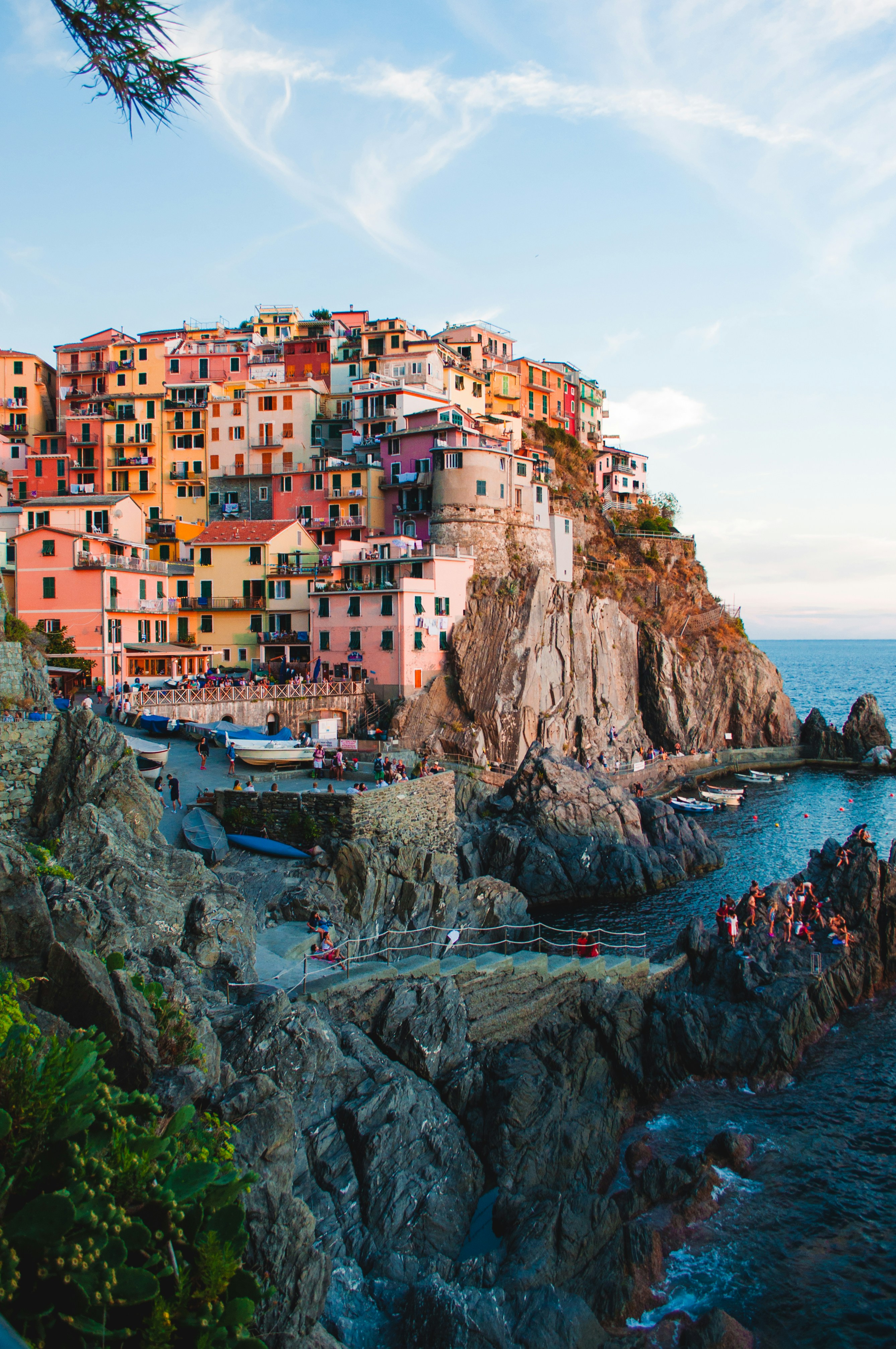
The route passes through Firostefani and Imerovigli before continuing toward Oia. Travelers experience changing views of the coastline, volcanic landscape and traditional architecture.
How to prepare for the walk
- Wear comfortable walking shoes with good grip.
- Carry drinking water and sun protection.
- Start early to avoid the strongest afternoon heat.
- Allow time for photography and breaks.
- Check the weather and trail conditions before setting out.
The route involves uneven surfaces, exposed sections and elevation changes. It is not a suitable activity for every traveler, particularly during extreme heat or difficult weather.
Pro tip: Consider walking only the Fira–Firostefani–Imerovigli section if you want beautiful caldera scenery without committing to the entire route.
9. Explore Santorini’s Volcanic Beaches
Santorini’s beaches are known for their volcanic sand, unusual rock formations and distinctive coastal scenery rather than extensive white-sand shorelines.

Which beaches should first-time visitors explore?
| Beach | Known For | Suitable For |
|---|---|---|
| Kamari Beach | Black volcanic sand and visitor facilities | Families and beach visitors |
| Perissa Beach | Long black-sand coastline | Swimming and beach activities |
| Perivolos Beach | Black sand and coastal restaurants | Relaxed beach days |
| Monolithos Beach | Shallow-water sections and sand | Families |
| Vlychada Beach | Distinctive white volcanic rock formations | Photography and scenery |
| Red Beach | Red volcanic cliffs and unusual landscape | Scenic sightseeing |
Is Red Beach safe to visit?
Red Beach is famous for its dramatic cliffs, but visitors must pay attention to local safety restrictions and possible rockfall hazards.
Do not cross barriers or use closed paths to reach the shoreline. Check current access information locally before planning a visit.
For a broader overview, consult Visit Greece’s official Santorini beaches guide.
10. Discover Ancient Akrotiri
Akrotiri is an important archaeological attraction in southern Santorini, offering a look at a prehistoric settlement preserved beneath volcanic material.
The site is often compared with Pompeii because volcanic activity helped preserve buildings and other evidence of ancient life.
What can you see at Akrotiri?
- Remains of prehistoric buildings.
- Ancient streets and settlement structures.
- Archaeological evidence of everyday life.
- Examples of sophisticated ancient construction.
- Historical information about the settlement’s development.
Allow enough time to explore the site rather than treating it as a short photography stop.
Check current ticket prices, opening days and seasonal schedules through the Greek Ministry of Culture’s Akrotiri visitor information before traveling.
Note: Archaeological site opening hours can change between summer and winter. Verify the schedule before arranging transportation.
11. Consider a Volcano and Caldera Boat Trip
A boat excursion offers a different perspective of Santorini by allowing visitors to experience its volcanic coastline and surrounding waters.
Depending on the tour, excursions may include Nea Kameni, Palea Kameni, scenic caldera sailing and swimming stops where conditions permit.
What should you check before booking?
- Departure port and meeting location.
- Total excursion duration.
- Included transportation to the port.
- Whether swimming stops are included.
- Weather-related cancellation policies.
- Accessibility and physical requirements.
Compare different tour inclusions instead of selecting an excursion based entirely on its advertised price. A cheaper option may have a different departure location, shorter duration or fewer included services.
You can also explore tours and activities for your holiday when comparing available experiences.
12. Calculate Your Santorini Travel Budget
The cost of a Santorini holiday depends on your travel season, accommodation location, transportation choices, dining habits and selected activities.
Santorini can be an expensive Greek island, especially when travelers choose premium caldera-view accommodation during peak summer months.
Instead of relying on a single estimated holiday price, create a personalized budget using the main expense categories.
What should your budget include?
| Expense | What to Calculate | Money-Saving Approach |
|---|---|---|
| Flights | Return airfare and baggage | Compare dates and airlines |
| Accommodation | Nightly rates and mandatory charges | Compare different villages |
| Food | Breakfast, lunch and dinner | Mix restaurants and casual local meals |
| Transportation | Buses, transfers and vehicle rental | Use public transportation where practical |
| Activities | Boat trips, museums and attractions | Prioritize experiences |
| Connectivity | Mobile data and roaming | Compare travel SIM and eSIM options |
| Contingency | Unexpected expenses | Keep a separate reserve |
Use a simple holiday budget formula
A practical way to estimate your Santorini travel expenses is:
Total holiday budget = Flights + Accommodation + Food + Transportation + Activities + Connectivity + Emergency reserve.
For example, if two travelers book a four-night stay, calculate accommodation for four nights, daily meals for two people, round-trip transportation, selected activities and a separate reserve.
Do not assume that the cheapest hotel automatically creates the cheapest holiday. A property far from the attractions may require additional transportation expenses.
For more planning advice, read how to travel Europe on a strict budget.
Look for accommodation outside the busiest areas
Firostefani, Imerovigli, Kamari and Perissa are worth comparing when researching accommodation. Their suitability depends on whether you prefer caldera views, convenient transport or beach access.
Compare the total cost of staying in each area, including daily transportation and any mandatory accommodation charges.
13. Experience Traditional Santorini Food
Traditional Santorini cuisine is worth exploring because the island has distinctive agricultural products and recipes influenced by its volcanic environment.
Food is an important part of the local experience, and visitors can discover several specialties that are closely associated with the island.
Traditional dishes and local ingredients to try
- Santorini fava: A creamy dish prepared using local yellow split peas.
- Tomatokeftedes: Traditional tomato fritters made using local tomatoes and herbs.
- White eggplant: A distinctive island vegetable used in several traditional preparations.
- Melitzanosalata: A traditional eggplant-based dip.
- Fresh seafood: Seafood dishes are available at restaurants around the island.
Try local food at traditional restaurants rather than limiting every meal to the busiest caldera-view locations.
For additional information about local cuisine, explore the official Visit Greece Santorini guide.
14. Pack for Santorini’s Landscape and Weather
Comfortable walking shoes, sun protection, breathable clothing and a small day bag are essential items for exploring Santorini comfortably.
The island has steep pathways, uneven stone streets and exposed walking routes. Your packing list should therefore consider the landscape rather than focusing only on beach clothing.
Essential packing checklist
- Comfortable walking shoes with good grip.
- Lightweight clothing for warm weather.
- Sun protection and sunglasses.
- A reusable water bottle.
- Swimwear and a beach towel.
- A lightweight jacket for breezy evenings.
- Power bank and charging equipment.
- Travel documents and booking confirmations.
- Small backpack for day trips.
- Personal medication and basic travel essentials.
Prepare your mobile connectivity
Mobile internet can be useful for navigation, transport schedules, hotel directions and online reservations.
Check whether your existing mobile plan includes international roaming before purchasing another service. Travelers can also compare local SIM cards and eSIM packages.
Explore SIM cards and travel connectivity options before leaving home.
15. Avoid Common First-Time Visitor Mistakes
The biggest Santorini planning mistakes involve underestimating transportation, choosing accommodation without checking its location and trying to visit too many attractions in limited time.
These problems are avoidable when you plan your route around the island’s geography and actual travel requirements.
Common mistakes and how to avoid them
| Common Mistake | Why It Creates Problems | Better Approach |
|---|---|---|
| Booking only for the view | Some properties require difficult stair access | Check location and accessibility |
| Visiting Oia only at sunset | Popular viewpoints become crowded | Visit in the morning too |
| Ignoring bus schedules | Return journeys may be inconvenient | Check the latest timetable |
| Trying to see everything in one day | Travel time reduces sightseeing time | Group attractions geographically |
| Ignoring summer heat | Walking becomes uncomfortable | Schedule outdoor activities early |
| Assuming all beaches are sandy | Volcanic beaches can have coarse surfaces | Pack suitable footwear |
| Ignoring access restrictions | Some paths and coastal areas may be closed | Follow local safety notices |
| Forgetting additional charges | The final holiday cost becomes higher | Calculate the complete booking price |
Pro tip: Keep one flexible period in your itinerary. This gives you room to adjust activities if weather, transport schedules or visitor conditions change.
A Practical 4-Day Santorini Itinerary for First-Time Visitors
A four-day Santorini itinerary can cover the main caldera villages, beaches, archaeological attractions and a boat excursion without requiring an unnecessarily rushed schedule.
The following route groups nearby attractions together to reduce backtracking and make better use of your time.
Day 1: Explore Fira and Nearby Villages
- Arrive and check into your accommodation.
- Explore Fira’s traditional streets.
- Walk toward Firostefani.
- Continue to Imerovigli if time and weather permit.
- Enjoy a relaxed evening overlooking the caldera.
Day 2: Visit Oia and Northern Santorini
- Travel to Oia early in the morning.
- Explore the traditional streets and viewpoints.
- Spend time around the northern coastline where access is permitted.
- Return to Oia later if you want to experience sunset.
- Arrange your return transportation in advance.
Day 3: Discover Southern Santorini
- Visit the archaeological site of Akrotiri.
- Explore the village of Akrotiri.
- Check the current access conditions around Red Beach.
- Continue toward Vlychada or Perissa.
- Spend the afternoon enjoying the coastline.
Day 4: Enjoy a Boat Excursion and Local Experiences
- Take a suitable caldera or volcano boat excursion.
- Explore additional viewpoints or traditional villages.
- Enjoy local island cuisine.
- Leave enough time for your departure transfer.
This itinerary is flexible. Boat departures, archaeological site opening times, weather conditions and transportation schedules should determine the final order of activities.
Final Santorini Travel Planning Checklist
A successful first Santorini holiday starts with choosing the right travel dates, accommodation location and transportation plan.
Before departure, confirm the following:
- Travel documents and Greek entry requirements.
- Flight or ferry arrival details.
- Accommodation location and check-in arrangements.
- Airport or ferry-port transportation.
- Public bus schedules or rental vehicle arrangements.
- Attraction opening times and booking requirements.
- Beach and coastal access conditions.
- Travel insurance and mobile connectivity.
- A realistic daily spending budget.
- Emergency contact information.
Santorini offers far more than its famous sunset photographs. Its volcanic landscape, historic settlements, traditional cuisine, beaches and walking routes make it a destination worth exploring at a comfortable pace.
Use these 15 essential tips to organize your trip, compare your options and make informed decisions before arriving. A little preparation can help you enjoy more of Santorini without unnecessary costs or travel complications.
Frequently Asked Questions About Visiting Santorini
These answers address common questions first-time visitors ask when planning a holiday in Santorini, Greece.
1. Is Santorini worth visiting for first-time travelers?
Yes. Santorini is worth visiting for travelers interested in volcanic scenery, traditional Greek architecture, beaches, historic attractions and coastal views. Its combination of villages, archaeological sites and outdoor experiences makes it suitable for different travel styles.
2. How many days should you spend in Santorini?
Three to four days is a practical duration for most first-time visitors. This allows time to explore Fira, Oia, Imerovigli, beaches and attractions such as Akrotiri without rushing every activity.
3. What is the best month to visit Santorini?
May, June, September and early October are excellent periods for many travelers. They generally provide a useful balance of sightseeing conditions, seasonal activities and visitor demand compared with the busiest summer months.
4. Is Santorini expensive for tourists?
Santorini can be expensive, particularly for caldera-view accommodation during peak summer. Travelers can control costs by comparing different accommodation areas, using public buses, booking carefully and planning meals and activities in advance.
5. Is Fira or Oia better for first-time visitors?
Fira is generally more convenient for transportation, restaurants and central sightseeing. Oia is better known for its iconic architecture and caldera views. The right choice depends on your budget and preferred holiday experience.
6. Can you explore Santorini without renting a car?
Yes. Public buses connect several important villages, beaches and attractions through Fira. However, travelers should check the latest schedules because some journeys require a change of bus and services can be less frequent outside peak season.
7. Are Santorini’s beaches suitable for families?
Some beaches, including Monolithos and Kamari, are popular with families because of their facilities and accessible coastal areas. Always check swimming conditions, beach access and local safety information before visiting.
8. Is Santorini suitable for a budget holiday?
Yes, although it requires careful planning. Consider staying in Kamari or Perissa, using public transportation, comparing accommodation prices and selecting paid activities according to your priorities.
9. How do you travel from Athens to Santorini?
You can travel from Athens to Santorini by domestic flight or passenger ferry. Flight and ferry journey times differ, so compare departure schedules, baggage conditions, airport or port transfers and the total journey cost before booking.
10. What should first-time visitors pack for Santorini?
Pack comfortable walking shoes, lightweight clothing, sunglasses, sun protection, swimwear, a reusable water bottle, a power bank and a small day bag. A lightweight layer is also useful for breezy evenings and boat excursions.
11. Is the Fira to Oia walking trail difficult?
The route includes uneven surfaces, elevation changes and exposed sections. Travelers with reasonable walking fitness can enjoy it, but comfortable footwear, water and suitable weather conditions are important.
12. What are the main attractions in Santorini?
Popular attractions include Oia, Fira, Imerovigli, the caldera walking route, Kamari Beach, Perissa Beach, Vlychada, Red Beach and the archaeological site of Akrotiri. Boat excursions around the volcanic caldera are another popular experience.