A Sagada travel guide with budget itinerary helps you explore the mountain town of Sagada in Mountain Province, Philippines, without spending more than necessary on transportation, accommodation, guided activities, and meals. The key is to plan your route, register with the local tourism office, and group attractions that can be visited together.
Sagada is known for its hanging coffins, limestone caves, mountain viewpoints, pine-covered trails, and cool highland atmosphere. A well-planned three-day trip can cover the town’s main attractions, although weather, guide availability, and travel schedules may require adjustments.
This guide explains how to reach Sagada, where to stay, how to budget for a three-day itinerary, and which expenses to confirm before departure. It also includes practical advice for independent travelers who want to explore responsibly while supporting local guides and businesses.
1. Why visit Sagada on a budget?
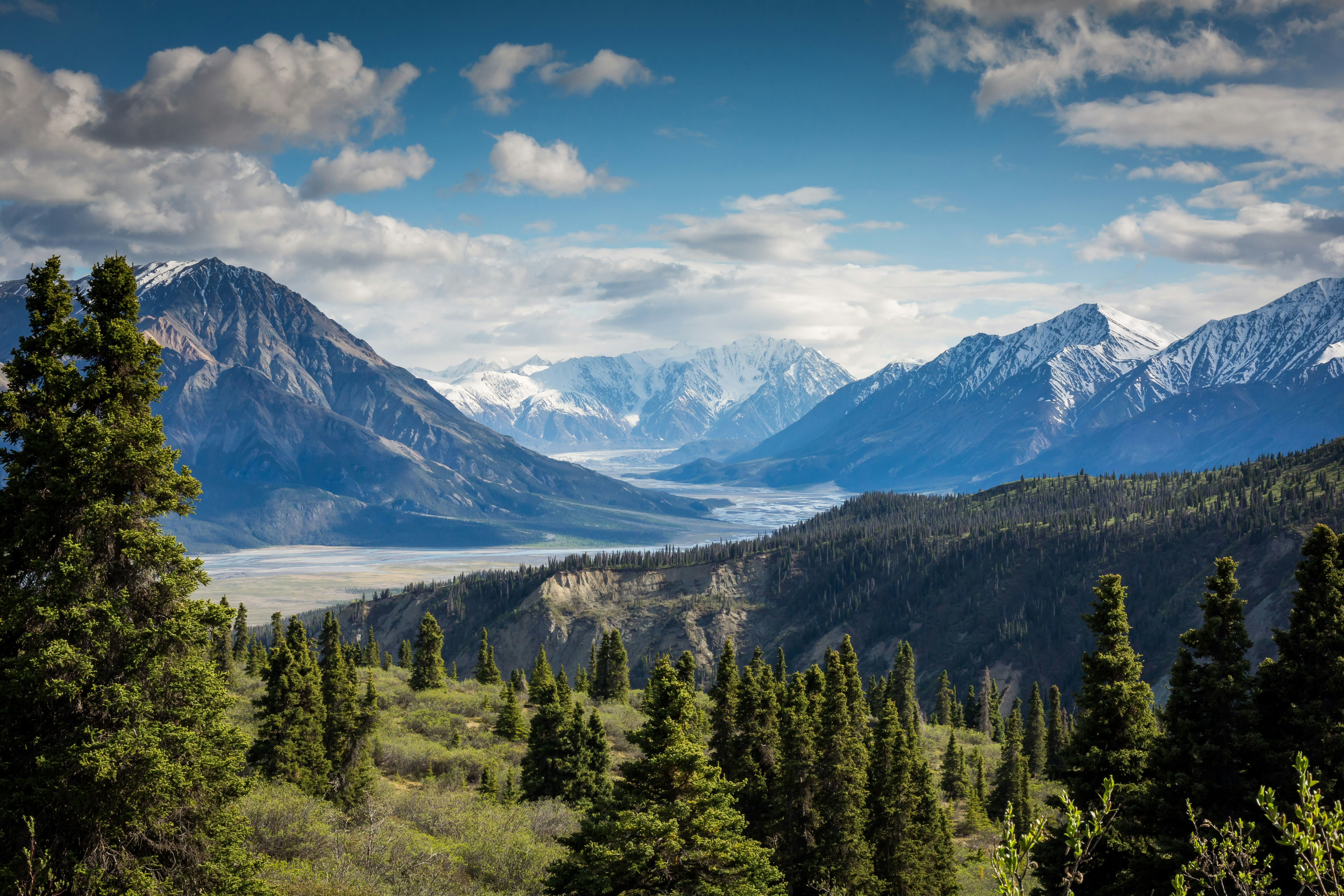
Sagada is a good choice for travelers who enjoy mountain scenery, cultural heritage, guided outdoor activities, and quiet small-town experiences. Unlike a beach holiday focused on resort stays, a Sagada trip often revolves around walking, hiking, caves, viewpoints, and locally operated tours.
The destination is in the Cordillera Administrative Region of northern Luzon. Its elevation contributes to cooler conditions than many lowland Philippine destinations, especially at night and before sunrise.
Travelers can control several expenses by sharing rooms, dividing group guide and vehicle costs, eating at local establishments, and avoiding unnecessary transfers between attractions.
What makes Sagada different?
- Cultural heritage: Visit the Hanging Coffins area and learn about local burial traditions through an authorized guide.
- Underground exploration: Join a guided cave excursion suited to your fitness and comfort level.
- Mountain landscapes: Explore viewpoints and walking trails when conditions permit.
- Local experiences: Visit community businesses, small shops, and local food establishments.
- Flexible travel: Build your itinerary around a few meaningful experiences rather than trying to visit every attraction.
For broader planning, browse tours and activities for travelers and compare the kinds of experiences you want to prioritize before setting your budget.
2. When is the best time to visit Sagada on a budget?
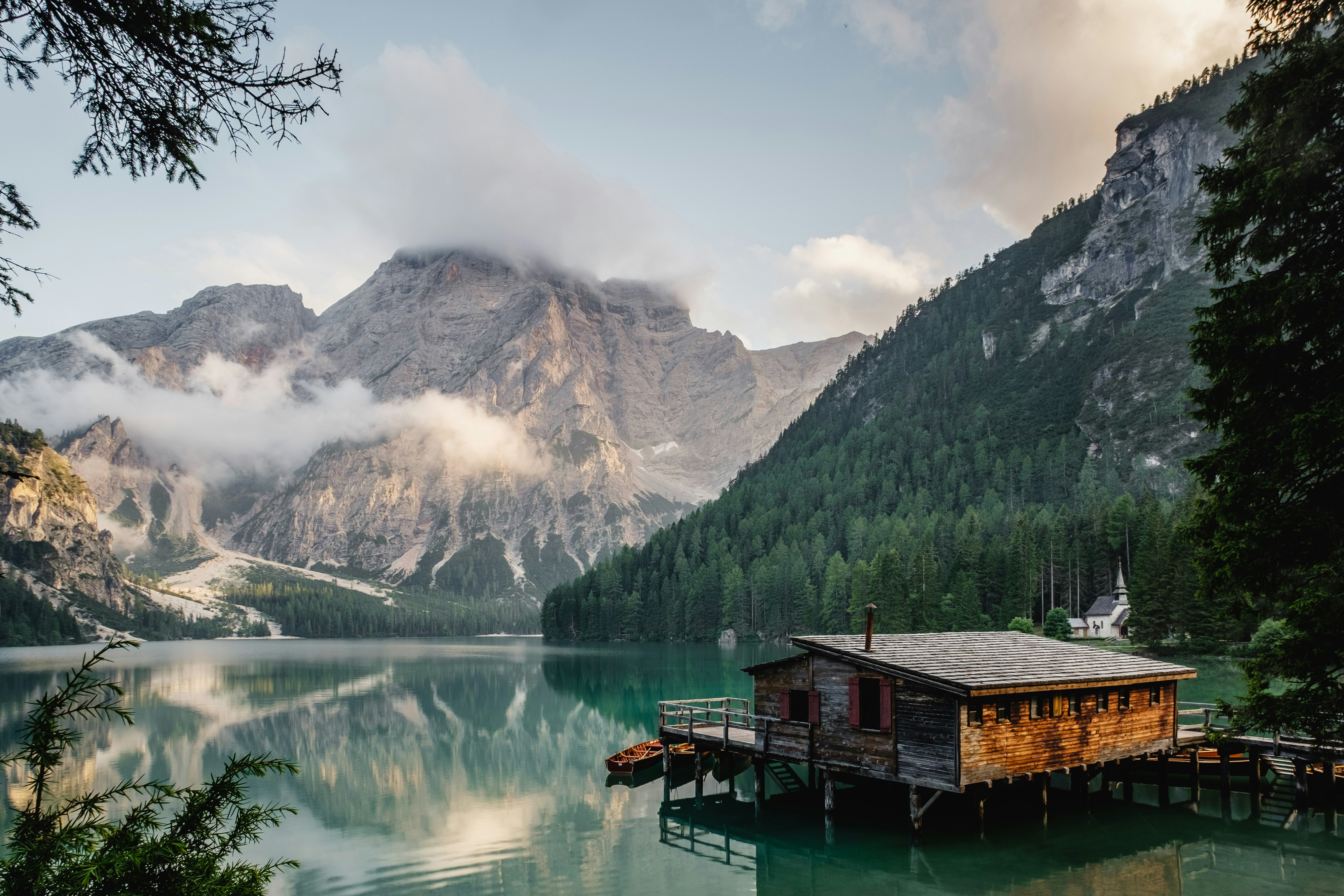
The best travel dates depend on your priorities: clearer hiking conditions, fewer visitors, lower accommodation costs, or a particular local event. The dry season is generally more convenient for outdoor activities, while the rainy season can bring slippery trails, reduced visibility, and transport disruptions.
| Travel period | Potential advantages | What to consider |
|---|---|---|
| December to February | Cool weather and potentially clearer mountain views | Higher demand during holidays; bring warm clothing |
| March to May | Often suitable for outdoor activities in drier conditions | Check local forecasts and holiday crowds |
| June to October | Potentially quieter travel periods | Rain, fog, landslides, and trail closures can affect plans |
| November and other shoulder dates | May offer a balance between visitor numbers and conditions | Weather and prices vary by week |
These are broad seasonal patterns, not a guarantee of daily weather or lower prices. Check the forecast and local advisories close to your departure date.
Pro tip: Avoid choosing dates based only on the cheapest room rate. A discounted stay can become expensive if poor weather forces you to extend your trip or change your transport arrangements.
For official destination updates, consult the Sagada Tourism Office website before confirming your activities.
3. How to get to Sagada affordably
Public transportation is usually the practical budget choice for reaching Sagada, with direct buses from Metro Manila or a connecting journey through Baguio. Your best route depends on the available departure times, total fare, transfer time, and whether you want to visit other destinations along the way.
Option A: Direct bus from Manila
Direct bus services from Metro Manila offer a convenient way to reach Sagada without arranging a separate transfer in Baguio. The journey is long, so choose a departure that allows you to arrive with enough time to register, check in, and rest before an excursion.
- Check the operator’s current timetable and terminal location.
- Compare the total fare, including any applicable booking charges.
- Reserve a seat in advance during holidays and busy weekends.
- Confirm your return journey before finalizing accommodation.
Option B: Travel through Baguio
The alternative is to take a bus from Manila to Baguio, then transfer to a bus or other available public transport serving Sagada. The mountain journey offers scenic views, but the transfer requires careful timing.
Compare the combined cost of both tickets instead of assuming the connecting route is cheaper. If you need an overnight stay in Baguio, include that room and meal expense in your calculation.
See the official Sagada guide to getting there for route information. Transport availability, fares, and journey durations can change, so confirm details directly with the operator.

Should you rent a vehicle?
A private vehicle is most useful when the extra cost is shared by a group and the driver is experienced with mountain roads. For solo travelers and couples, public transport may cost less overall.
Before renting, ask about fuel, driver charges, parking, insurance, and any restrictions on tourist vehicles. Review the relevant car and bike rental options when comparing transport arrangements.
Important: Do not plan a demanding hike immediately after an overnight bus journey. Rest first, particularly if you are tired or uncomfortable after a long ride.
4. How much does a Sagada trip cost?
A realistic budget for a three-day, two-night Sagada trip should include transportation, lodging, meals, tourism registration, guide fees, local transfers, and a contingency fund. The final amount depends on your departure city, accommodation standards, selected tours, and group size.
The following figures are illustrative planning allowances in Philippine pesos (PHP), not verified live quotations. Check actual prices before booking.
| Expense | Illustrative budget per person | Planning note |
|---|---|---|
| Round-trip intercity transport | ₱1,600–₱3,000 | Depends on origin and route |
| Accommodation for two nights | ₱800–₱2,400 | Shared or basic room allowance |
| Meals and drinking water | ₱900–₱1,500 | About ₱300–₱500 daily |
| Registration and site charges | ₱150–₱400 | Verify current requirements and fees |
| Guides and local transfers | ₱700–₱1,800 | Depends on tours and group sharing |
| Miscellaneous and contingency | ₱400–₱800 | Snacks, small purchases, unexpected costs |
Using the low and high ends of these allowances, the estimated total is approximately ₱4,550–₱9,900 per person for three days and two nights, including the assumed round-trip intercity transport.
This range is a planning example, not a promise that every traveler can complete the trip at the lower end. A solo traveler who cannot share a room or guide may spend more, and premium accommodation or additional cave tours can increase the total.
How to calculate your own Sagada travel budget
Use this simple formula before booking:
Total trip budget = transportation + accommodation + food + registration and activities + local transfers + contingency.
For example, suppose your estimated expenses are:
- Round-trip transport: ₱2,200
- Two nights in a shared room: ₱1,200
- Meals: ₱1,050
- Registration, guides, and activities: ₱1,200
- Local transfers: ₱400
- Contingency: ₱500
The estimated total is ₱6,550 per person. Replace these illustrative figures with current quotations for your actual travel dates.
Note: Ask whether guide, shuttle, and site charges are quoted per person or per group. Dividing a shared fee among four travelers can make a substantial difference to the final budget.
5. Three-day Sagada budget itinerary
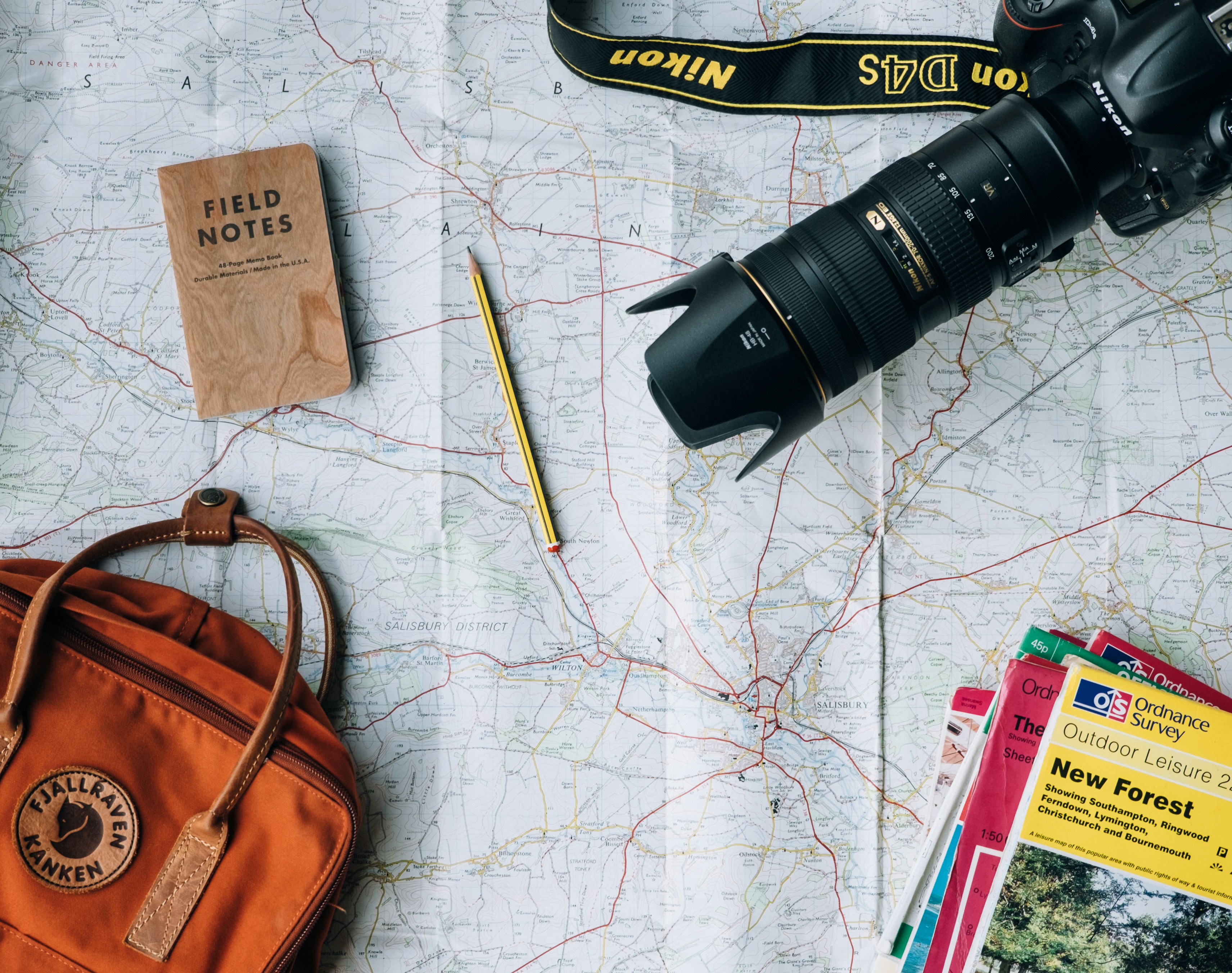
A three-day Sagada itinerary works best when nearby attractions are grouped together and physically demanding activities are separated by enough rest. The schedule below is a framework, not a fixed timetable; follow the tourism office’s current tour availability and departure instructions.
Day 1: Arrive, register, and explore the town
Start with registration and a manageable walking itinerary rather than rushing straight into a demanding excursion. If you arrive after an overnight bus journey, prioritize food, rest, and familiarizing yourself with the town.
- Morning: Arrive, complete required tourist registration, and check in or leave your luggage with your accommodation if permitted.
- Late morning: Have breakfast or an early lunch at a local establishment and confirm your next day’s guide arrangements.
- Afternoon: Visit the Hanging Coffins and Echo Valley area if the authorized tour schedule, weather, and your arrival time allow.
- Evening: Walk around the town center, buy essentials, and prepare clothing and water for the next day.
Access to heritage sites may require a registered guide. Ask the tourism office about current procedures rather than entering restricted areas independently.
Day 2: Choose a cave tour or a mountain hike
Dedicate the second day to one major guided activity, such as a suitable cave excursion or a mountain viewpoint trek. Trying to squeeze multiple demanding tours into a single day can leave little time for meals, recovery, and unexpected delays.
- Early morning: Join your pre-arranged tour if weather and local conditions permit.
- Morning to midday: Complete the selected hike or cave activity with an authorized local guide.
- Afternoon: Rest, eat, and explore a nearby cultural or community attraction if time allows.
- Evening: Confirm the next day’s transport and settle any remaining tour charges.
For the Lumiang-Sumaguing Cave Connection, ask about the route’s physical difficulty, duration, equipment, guide requirements, and whether the conditions are appropriate for your experience. Do not book a challenging cave route simply because it appears in a popular itinerary.
If you prefer a less strenuous day, select a shorter walk or a viewpoint visit available through local tourism providers.
Day 3: Visit one final attraction and depart

Keep the final morning short and close to your transport departure point. A remote trail or long cave excursion is risky when you have a bus to catch later the same day.
- Morning: Visit a nearby viewpoint, market, or other attraction that fits your remaining time.
- Late morning: Return to your accommodation, collect luggage, and check out.
- Before departure: Confirm your terminal and boarding time, eat, and keep cash for incidental expenses.
- Departure: Board your pre-booked bus or connecting transport.
For travelers who want to include Bomod-ok Falls, a longer hike, or several cave routes, four days may be more practical. Never assume an activity will be available on a particular date without confirming its operating conditions.
6. Best Sagada attractions for a budget trip
The best attractions for your budget are the ones that match your interests, fit your schedule, and have manageable transport and guide costs. Choose a few highlights rather than paying for tours you do not have enough time or energy to enjoy.
Hanging Coffins and Echo Valley
The Hanging Coffins area is one of Sagada’s best-known cultural attractions. The site reflects local burial traditions and should be approached respectfully, with attention to community rules and the guidance of local tourism personnel.
Confirm the current registration and guide process before visiting. Do not touch, climb on, or disturb burial structures, and follow instructions about photography.
Sumaguing Cave and Lumiang Cave
These limestone cave systems attract visitors interested in underground rock formations and guided exploration. Some routes involve slippery surfaces, uneven footing, confined spaces, and considerable physical effort.
Ask your guide about the difficulty and duration before committing. Wear appropriate footwear, follow safety instructions, and do not enter a cave route without the required guide or equipment.
Kiltepan and other viewpoints
Mountain viewpoints can offer beautiful highland scenery when visibility is good. Sunrise outings require an early start, and fog or cloud cover may prevent you from seeing the expected view.
Check the current access rules and transport arrangements rather than relying on old blog schedules. Carry a warm layer and allow time to return safely.
Bomod-ok Falls
Bomod-ok Falls is a rewarding option for travelers who enjoy longer walks and natural scenery. Reaching the falls involves a trek, so check the trail’s current status, guide arrangements, and your own fitness before planning a visit.
Rain can make the route more difficult. If the trail is closed or conditions are unsafe, choose another activity instead of trying to reach the falls at all costs.
Local crafts, food, and cultural experiences
Not every worthwhile Sagada experience requires a demanding hike. Local shops, community businesses, and cultural attractions can provide a slower way to understand the destination while supporting residents.
Check opening hours and any admission or participation charges before setting out. Ask permission before photographing people, homes, ceremonies, or culturally significant places.
For current attractions and approved providers, start with the official Sagada destination guide.
7. Where to stay and eat in Sagada on a budget
A basic guesthouse or homestay can help reduce accommodation costs, while eating at local establishments keeps meal spending predictable. Choose a location that makes sense for your planned tours and departure arrangements, not just the lowest advertised nightly rate.
How to choose affordable accommodation
- Compare the total price for your entire stay rather than the nightly rate alone.
- Ask whether the room has a private or shared bathroom and what facilities are included.
- Confirm heating, hot-water availability, and bedding if you are sensitive to cold weather.
- Check the distance to the town center, meeting points, and transport terminal.
- Confirm cancellation conditions and whether a deposit is required.
- Ask about parking if you are arriving in a private vehicle.
Sharing a room can reduce the per-person cost, but only if everyone is comfortable with the arrangement. During busy periods, reserve early and verify the booking directly.
Compare your options through hotel and accommodation resources before choosing a place to stay.
How to keep food expenses manageable
Plan a reasonable daily meal allowance and look for local restaurants that publish their menus or prices. Ask about serving sizes and meal availability before ordering if you have a strict budget.
- Eat regular meals at local establishments instead of relying entirely on convenience purchases.
- Carry drinking water and refill where safe and permitted.
- Bring suitable snacks for long excursions, subject to tour rules.
- Ask your accommodation whether breakfast is included in the quoted rate.
- Keep some money available for meals when returning from a remote attraction.
Do not assume that every restaurant is open early or late. Mountain towns have different business hours, and tour departures may begin before many establishments open.
8. Seven practical ways to save money in Sagada
The most dependable savings come from reducing unnecessary transfers, sharing eligible group expenses, and confirming costs before an activity begins. Cutting safety essentials or ignoring local requirements is not a good way to make a trip cheaper.
- Travel with a small group. Where guide or vehicle charges are shared, ask for the total group price and calculate each person’s share.
- Compare complete transport routes. Include transfers, overnight stays, meals during connections, and baggage costs.
- Book accommodation around your itinerary. A convenient guesthouse may reduce the need for extra local transport.
- Choose fewer paid activities. One well-planned cave tour and one cultural excursion may provide more value than several rushed tours.
- Travel outside the busiest dates when practical. Compare actual rates, but do not sacrifice safe weather conditions just to obtain a lower price.
- Carry sufficient cash. Some businesses may not accept cards, and banking facilities can be limited. Keep your money secure.
- Set aside an emergency reserve. A delay, room change, or transport disruption should not leave you without enough money to get home.
One useful method is to separate your money into transport, accommodation, food, activities, and emergency funds. This makes overspending easier to identify before the trip is over.
If you are comparing a self-arranged holiday with an organized package, review package tour options and compare what each quoted price actually includes.
9. What should you pack for Sagada?
Pack for cool evenings, changing weather, uneven walking surfaces, and the specific activities on your itinerary. Lightweight clothing alone may not be sufficient in the highlands, especially for early-morning departures.
- A warm jacket or sweater and comfortable layers.
- Grippy walking shoes appropriate for your selected trails.
- A rain jacket or other suitable rain protection.
- A small daypack, drinking water, and permitted snacks.
- A flashlight or headlamp if recommended by your cave guide.
- Personal medication and a basic first-aid supply.
- Identification, booking confirmations, and tourism registration details.
- Cash, a charged phone, and a power bank.
- A waterproof bag for electronics and important documents.
For cave excursions, follow the guide’s equipment requirements. Do not substitute ordinary casual shoes or phone lights for equipment required for a particular route.
How to stay safe on mountain trails
Tell your guide about relevant mobility limitations or concerns before booking a strenuous activity. Follow local instructions, stay on permitted routes, and turn back when conditions become unsafe.
Rain, poor visibility, slippery rocks, and sudden changes in weather can affect hiking and road travel. Avoid driving unfamiliar mountain roads at night, particularly in fog or heavy rain.
Consider travel insurance that specifically covers your planned activities and transport risks. Read exclusions carefully rather than assuming every hiking or cave activity is covered.
10. Common mistakes to avoid when planning a Sagada trip
The biggest planning mistakes are underestimating travel time, overlooking mandatory arrangements, and budgeting only for transport and accommodation. A little preparation can prevent expensive last-minute changes.
Arriving without checking registration requirements
Visitors should confirm the current tourist registration procedure and any required passes before traveling. The municipality operates an official registration system, and requirements can change.
Use the official Sagada tourist registration portal to review the applicable process. Do not assume that an old blog post contains the latest rules or charges.
Assuming all attractions are available every day
Trail closures, weather, community schedules, and guide availability may affect your itinerary. Confirm each activity close to your visit and keep an alternative plan.
Ignoring shared tour costs
A tour advertised at a group price may not represent the amount each traveler pays. Ask how many participants are included, whether transport is separate, and whether there are additional access charges.
Leaving no time for transport delays
Mountain journeys can take longer than expected. Avoid scheduling a demanding activity immediately before a departure, and leave a comfortable margin for reaching the terminal.
Planning too many activities
A packed itinerary can turn a relaxing mountain holiday into a tiring checklist. Prioritize a few attractions that interest you most, then add other stops only when time and conditions allow.
Frequently Asked Questions About a Sagada Budget Trip
These answers cover common questions about trip duration, transportation, activity costs, and practical planning.
How much money should I prepare for three days in Sagada?
An illustrative budget is approximately ₱4,550–₱9,900 per person for three days and two nights, including assumed round-trip transport. Your actual cost depends on your origin, room arrangement, guide fees, selected activities, and current fares. Confirm quotations before traveling.
Can I explore Sagada without joining a tour package?
Yes, you can arrange transport and accommodation independently. However, some attractions require authorized local guides or specific registration procedures. Check the current rules for each activity and arrange required services through the local tourism system.
How many days are enough for a Sagada trip?
Three days and two nights can provide time for the town, a cultural excursion, and one major outdoor activity. Four days may be more comfortable if you want multiple cave tours, longer hikes, or more flexibility for weather disruptions.
What is the cheapest way to travel to Sagada from Manila?
Compare direct bus services with a connecting route through Baguio. Include both ticket prices, transfer time, possible overnight accommodation, meals, and booking charges. The cheapest route on paper may not be the cheapest after all additional expenses.
Is a local guide required for the Hanging Coffins and caves?
Tourist access to these attractions is subject to local rules, and guided arrangements are required for relevant heritage and cave activities. Confirm the current requirements, approved guide arrangements, and fees with the Sagada Tourism Office before visiting.
When should I book accommodation in Sagada?
Book early for major holidays, long weekends, and other busy periods. Before paying, confirm the total cost, cancellation terms, room facilities, and proximity to your planned activities and departure point.
Is Sagada suitable for travelers on a tight budget?
Yes, if you plan transportation carefully, choose reasonably priced accommodation, share eligible group expenses, and limit paid activities to those you value most. Keep enough money for registration, required guides, safe transport, and unexpected delays.
What should I do if rain disrupts my Sagada itinerary?
Follow local advisories and your guide’s instructions. Postpone or replace unsafe hikes and cave activities, and contact your transport operator if road conditions affect your departure. Maintain an emergency reserve for additional meals or accommodation.
Final Takeaway: Plan a Better-Value Sagada Trip
A successful Sagada trip depends on realistic budgeting, respectful cultural visits, suitable activities, and enough time for mountain travel. Start by confirming your route and registration requirements, reserve accommodation that suits your itinerary, and arrange authorized guides for activities that require them.
Use the three-day itinerary as a flexible framework rather than a fixed schedule. Check the weather, verify current fees, and prioritize the experiences that matter most to you. A few carefully chosen attractions can provide a more rewarding visit than trying to see everything in a short stay.
For more travel planning resources, explore The Offers Guy, including its guides to accommodation, transfers and transport services, and tours and activities.
Before departure, reconfirm transport, accommodation, registration, and tour availability. Careful preparation helps you protect your budget while enjoying Sagada’s highland landscapes and cultural heritage responsibly.