This Sagada travel guide itinerary and budget helps you plan the mountain journey, choose the best transport route, estimate your expenses, and organize a practical visit to caves, viewpoints, and cultural landmarks. Located in Mountain Province in the northern Philippines, Sagada is known for its highland scenery, limestone caves, hanging coffins, walking trails, and cool mountain climate.
The most important planning decision is how to reach Sagada and how many nights to stay. A direct bus from Metro Manila offers convenience, while traveling through Baguio provides a classic Cordillera mountain-road experience. Your final budget depends on transport, accommodation, guide arrangements, meals, and the attractions you choose.

Why Is Sagada Worth Visiting on a Budget?
Sagada is worth visiting for its mountain scenery, cave adventures, cultural heritage, and walking trails, particularly for travelers who enjoy nature more than expensive resort activities. The town offers several experiences that can be combined into a compact itinerary without arranging a separate long-distance transfer for every attraction.
Travelers can explore Echo Valley, learn about local burial traditions at the Hanging Coffins, join a guided cave excursion, and visit mountain viewpoints. The experience is most rewarding when you allow enough time for the journey and avoid squeezing too many activities into one day.
Before choosing attractions, check the official Sagada tourism destination guide. Site access, guide arrangements, weather, and local operating procedures can change.
How to Get to Sagada From Manila
The two practical public-transport options from Manila are a direct bus to Sagada or a bus to Baguio followed by onward transport to Sagada. Compare departure times, ticket availability, total travel time, and the convenience of each connection before booking.
Option 1: Take a direct bus from Manila
A direct service, when available on your travel date, avoids changing buses in Baguio. CODA Lines is identified by the Sagada Tourism Office’s getting-here guide as an operator serving the direct Manila–Sagada route.
- Check the operator’s current departure point and schedule.
- Reserve seats early for weekends, holidays, and peak travel periods.
- Confirm baggage allowances, ticket conditions, and arrival arrangements.
- Keep warm clothing accessible because the journey and arrival can be chilly.
A direct journey is convenient, but road conditions, stops, and traffic can affect arrival times. Avoid scheduling a non-refundable activity immediately after the expected arrival.
Option 2: Travel through Baguio City
The Baguio route is useful when direct seats are unavailable or you want to include Baguio in your trip. From Manila, travel to Baguio and continue by bus or another authorized public-transport service toward Sagada.
- Book a Manila–Baguio ticket with a reputable operator.
- Check onward departures from Baguio’s relevant transport terminal.
- Allow a generous connection window instead of assuming both journeys will run on time.
- Confirm the last available departure before purchasing the first ticket.
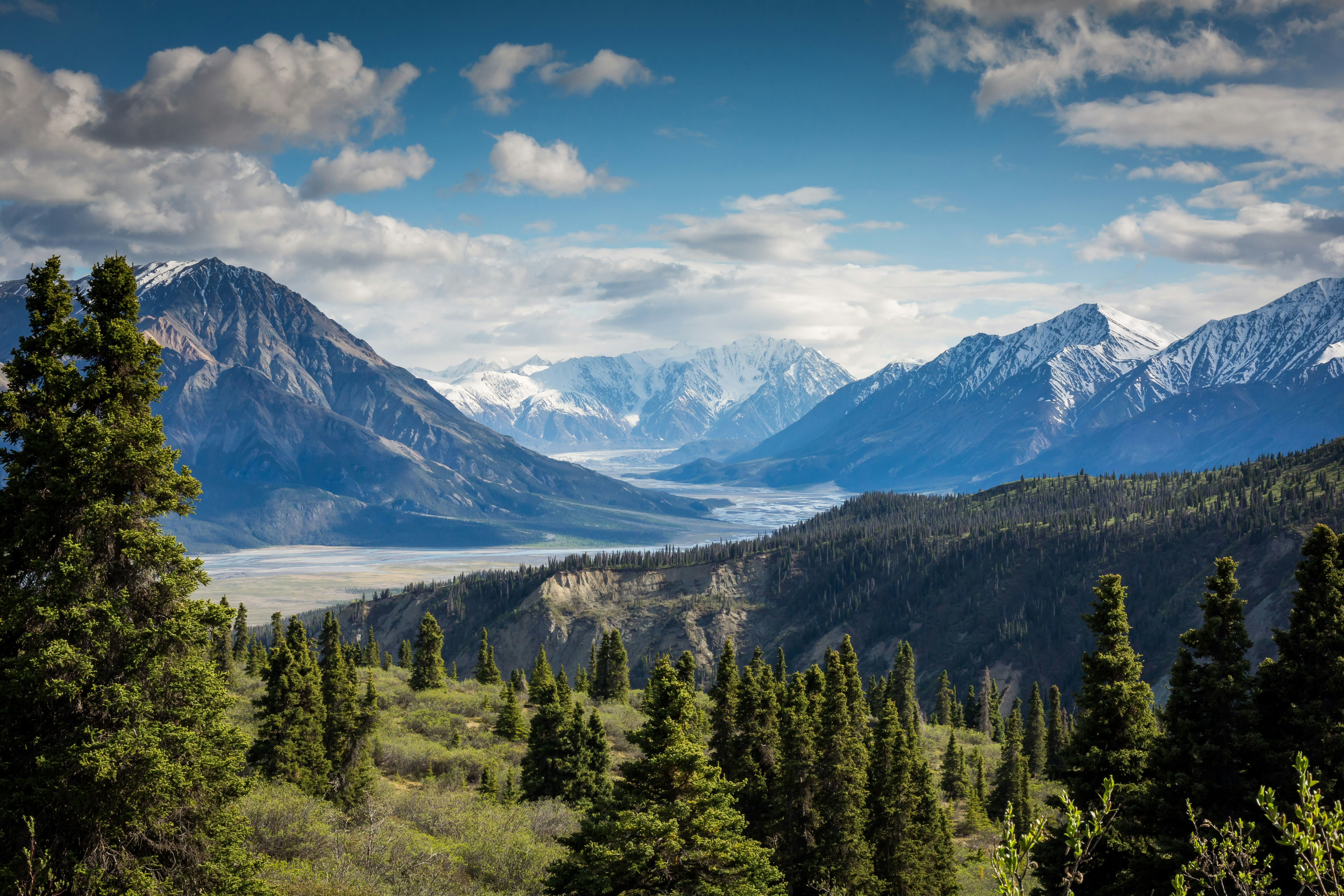
The onward journey follows winding mountain roads, including sections of the Halsema Highway. For current route information and driving precautions, consult the official transportation guidance.
Which route should you choose?
| Travel option | Main advantage | What to consider |
|---|---|---|
| Direct Manila–Sagada bus | Fewer transport changes | Availability and departure times |
| Manila–Baguio–Sagada | Can include a Baguio stop | Connection time and onward schedules |
| Private vehicle | Flexible stops and departure time | Fuel, parking, road conditions, and driver fatigue |
For the cheapest option, compare the complete return journey rather than just the outbound ticket. A slightly more expensive direct bus may save an additional transfer or an unplanned overnight stay.
Sagada Travel Guide: Estimated Budget Breakdown
A realistic Sagada budget should include round-trip transport, accommodation, meals, local transportation, registration, guided activities, and an emergency reserve. The following figures are illustrative planning allowances in Philippine pesos, not verified live quotations or official tariffs.
| Expense | Illustrative budget | How to plan |
|---|---|---|
| Round-trip bus travel from Manila | ₱1,400–₱2,400 | Check current operator fares and route availability. |
| Basic accommodation for two nights | ₱1,000–₱2,400 per person | Estimate assumes shared accommodation; confirm the actual room price. |
| Meals for three days | ₱750–₱1,500 | Allow approximately ₱250–₱500 per day. |
| Local transportation | ₱300–₱800 | Depends on attractions, transfers, and group size. |
| Registration and site fees | ₱150–₱500 provisionally | Verify current requirements and fees locally. |
| Guided activities | ₱500–₱1,500 provisionally | Actual costs vary by activity, group size, and official rates. |
| Contingency | ₱400–₱800 | Keep this separate for delays and unexpected costs. |
Using these assumptions, a two-night, three-day trip could require roughly ₱4,500–₱9,900 per person. This is a planning range, not a promise that every itinerary can be completed at those prices. Solo travelers paying for private accommodation or exclusive guides may spend more.
Check the current registration process and approved tourism providers through the Sagada Tourism Office before departure.
How to calculate your own Sagada travel budget
Use this formula to compare travel plans:
Total trip budget = return transport + accommodation + meals + local transport + registration and site fees + guided activities + contingency.
For example, if transport costs ₱1,800, accommodation costs ₱1,400, meals cost ₱900, local transport costs ₱400, activities and fees cost ₱900, and your reserve is ₱500, the estimated total is ₱5,900 per person.
This example is a budgeting exercise, not a current price quotation. Replace each figure with confirmed costs before booking.
Three-Day Sagada Itinerary for First-Time Visitors
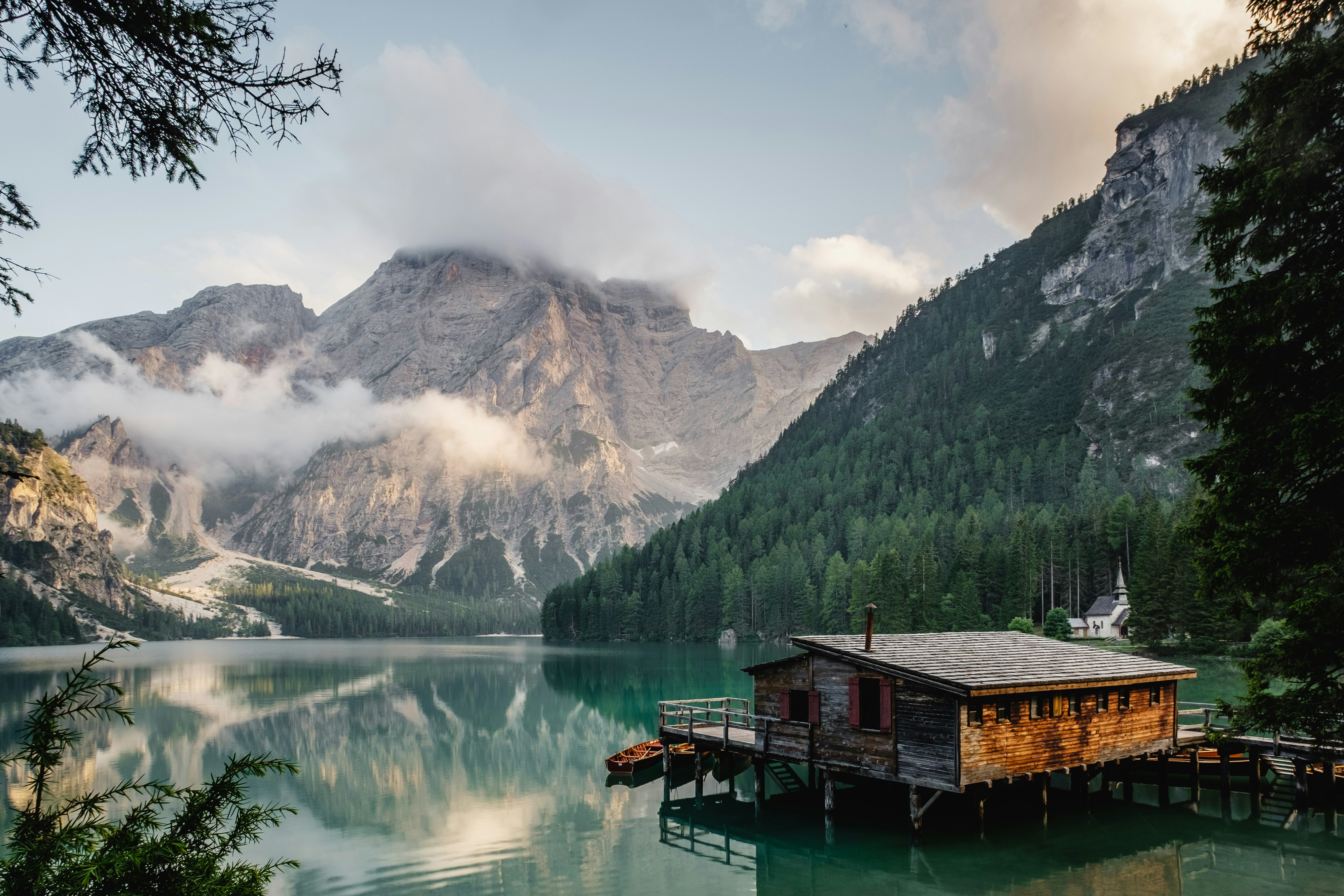
A three-day Sagada itinerary can cover the town, Echo Valley, a guided cave experience, and a sunrise or hiking excursion, provided local schedules and weather cooperate. Because the journey from Manila is long, plan your arrival and departure around transport times rather than treating all three calendar days as full sightseeing days.
Day 1: Arrive, register, and explore the town
- Arrive in Sagada and check your accommodation’s check-in arrangements.
- Complete the required tourist registration and orientation.
- Ask the tourism office about current access rules, accredited guides, and available excursions.
- Explore the town center and arrange your next day’s activity.
- Eat an early dinner and rest after the mountain journey.
Keep the first day flexible. If your bus arrives late, skip additional sightseeing rather than rushing into an unfamiliar trail before dark.
Day 2: Sunrise, cave exploration, and cultural landmarks
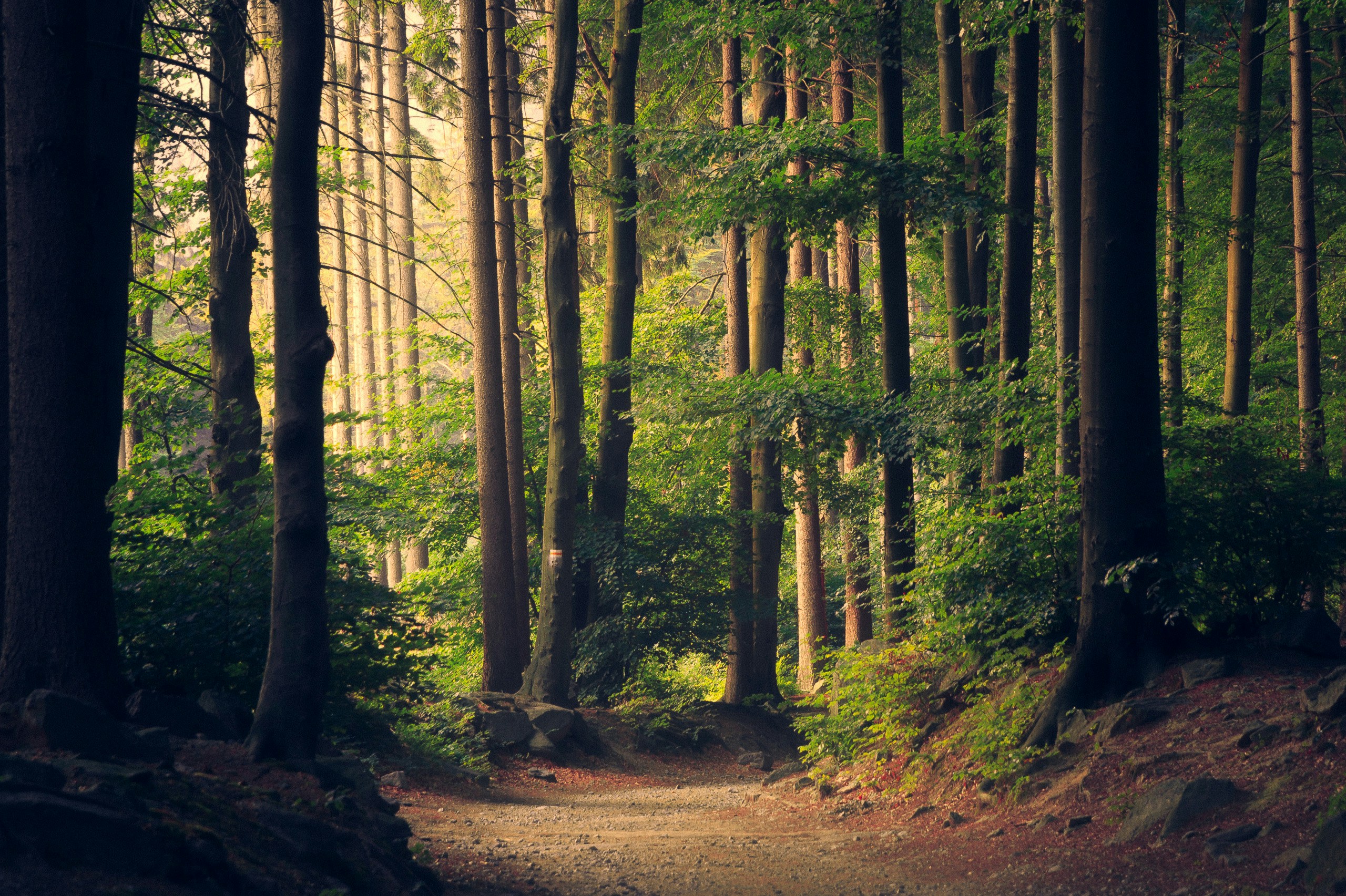
- Begin early if your chosen viewpoint is operating and the weather is suitable.
- Return for breakfast and prepare for the day’s guided activity.
- Explore Sumaguing Cave or another officially available guided route.
- Visit Echo Valley and the Hanging Coffins if access and timing permit.
- Leave enough time to return safely before evening.
Do not assume that every attraction can be visited in one day. Cave exploration can take several hours, and weather, guide availability, and local rules may change the schedule.
The Mountain Province Tourism feature on Sagada’s sunrise and caves provides destination-specific background on Kiltepan and the area’s cave formations.
Day 3: Short walk, local breakfast, and departure
- Enjoy breakfast and check out according to your accommodation’s rules.
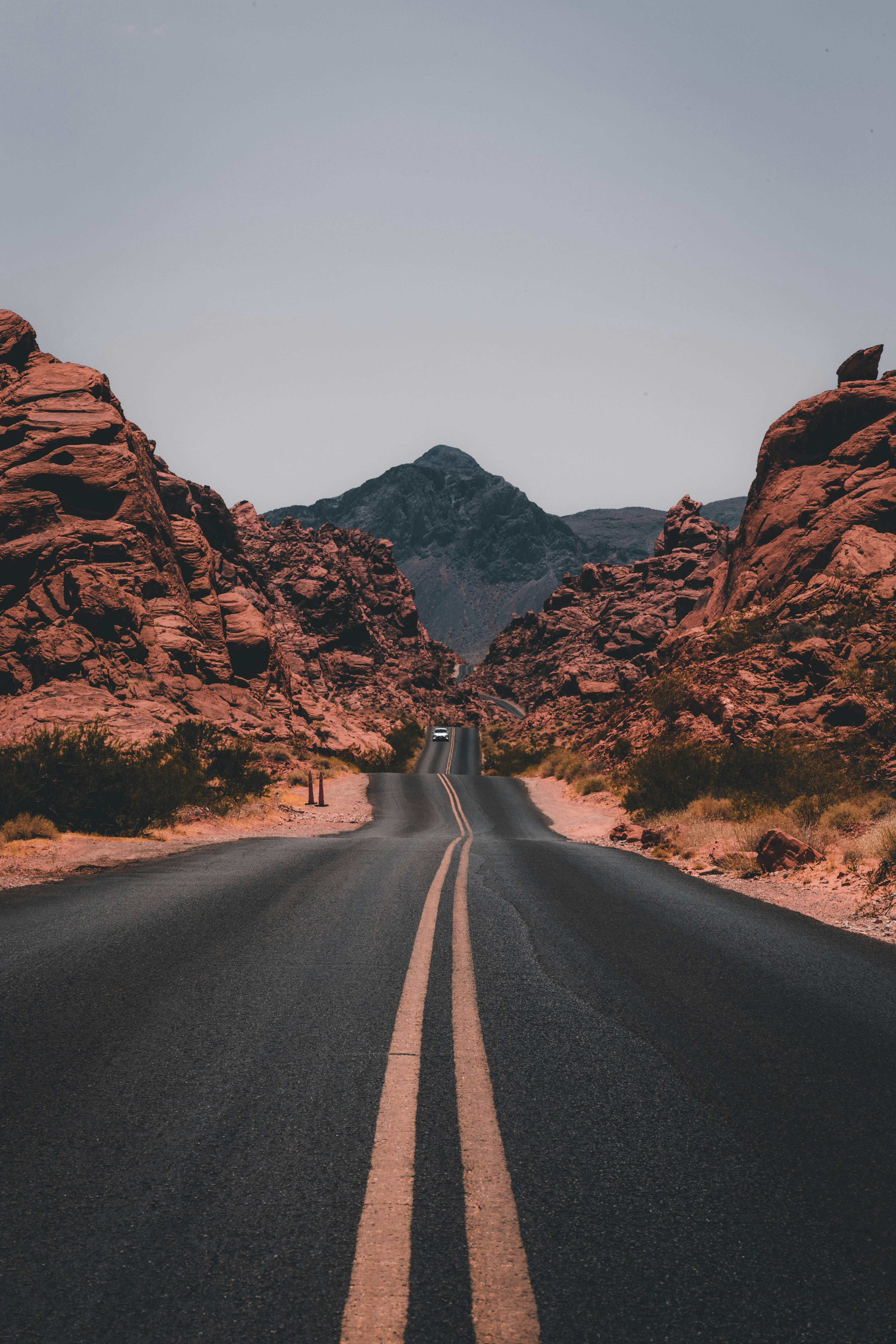
- Take a short, nearby walk if you have sufficient time.
- Buy locally made products or snacks if they fit your budget.
- Confirm your departure terminal and boarding time.
- Keep cash for meals and unexpected transport changes.
Do not schedule a distant attraction immediately before your return bus. A missed departure could create additional accommodation and transport expenses.
Best Places to Visit in Sagada
The most rewarding Sagada attractions for a short trip are Echo Valley, the Hanging Coffins, Sumaguing Cave, and a suitable mountain viewpoint. Choose activities based on your fitness, available time, current access conditions, and the local guidance required.
1. Echo Valley and the Hanging Coffins
Echo Valley offers a walking experience through Sagada’s landscape and provides context for the region’s distinctive burial traditions. The Hanging Coffins are culturally significant and should be approached respectfully rather than treated as props for photographs.
Follow local instructions, stay on permitted paths, and do not touch or disturb burial sites. Ask about current route conditions before setting out.
2. Sumaguing Cave
Sumaguing Cave is known for its limestone formations and physically demanding guided exploration. Some routes involve steep, slippery, or uneven surfaces, so the activity is not suitable for every visitor.
- Book through an accredited local tourism provider.
- Ask about the route’s difficulty, duration, and required equipment.
- Wear footwear with reliable grip.
- Follow your guide’s instructions and do not enter restricted areas independently.
Never choose a cave tour based on price alone. Guide arrangements, group size, route difficulty, and safety procedures matter more than saving a small amount.
3. Kiltepan Viewpoint
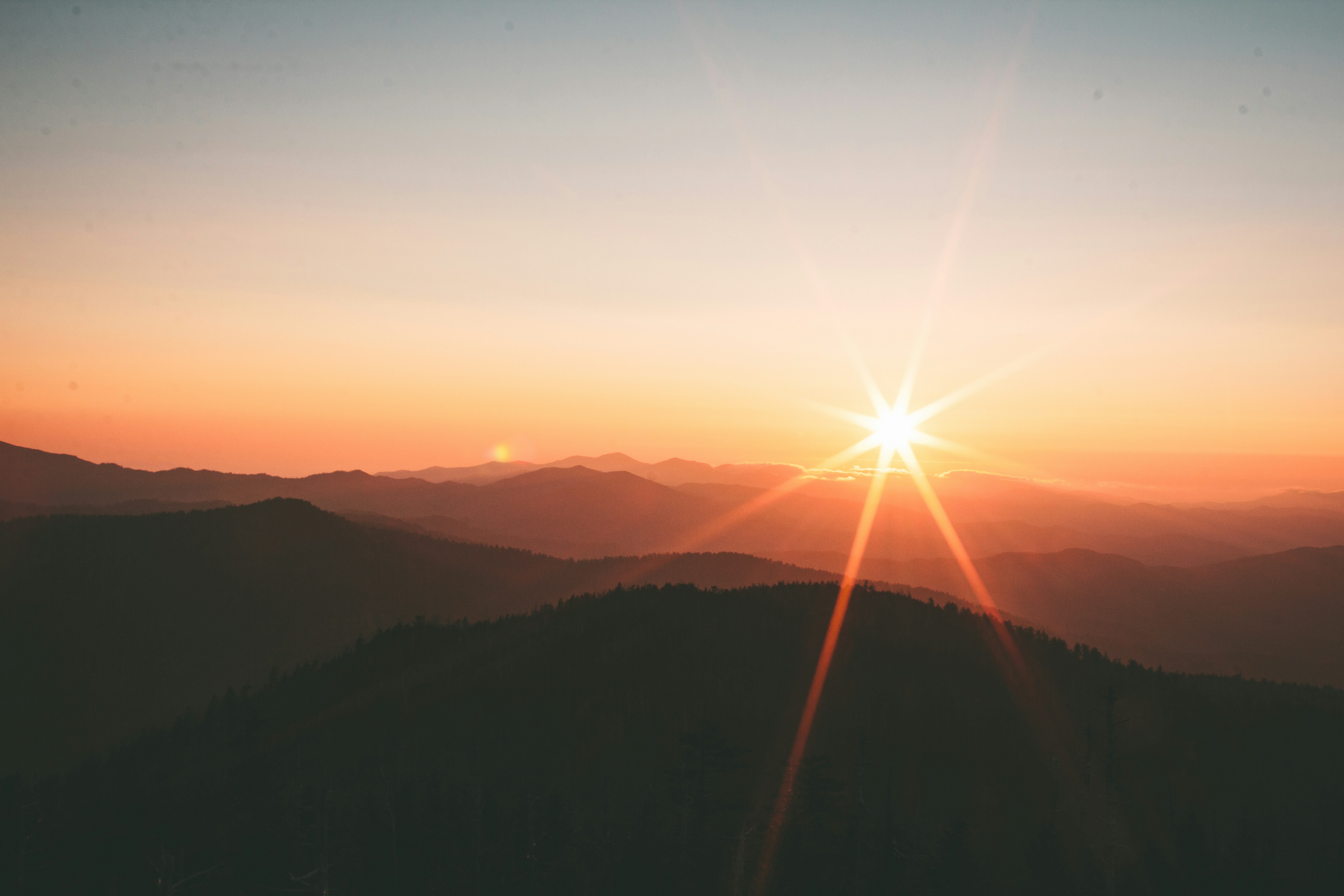
Kiltepan is associated with early-morning mountain views and the possibility of seeing clouds across the surrounding highlands. Sunrise is weather-dependent, so a clear view cannot be guaranteed.
Confirm current access, transport arrangements, and any restrictions with local tourism authorities. If fog or rain prevents visibility, use the extra time for a relaxed breakfast or another open activity.
4. Bomod-ok Falls and other guided walks
Bomod-ok Falls and other countryside excursions can add hiking and rural scenery to a Sagada itinerary. Availability, trail conditions, transport, and local arrangements should be checked before committing to a route.
For an itinerary that includes several outdoor activities, allow time for rest and avoid combining a strenuous hike with a demanding cave excursion unless a qualified local guide confirms that the schedule is appropriate.
Where to Stay in Sagada on a Budget
Budget-conscious travelers should compare guesthouses, inns, and other permitted accommodation near the town center before booking. Staying conveniently can reduce the time and cost of reaching restaurants, registration facilities, and departure points.
Use the The Offers Guy hotels and accommodations guide to organize your stay comparison.
Compare these details before paying:
- Total room price, including taxes and mandatory charges.
- Whether the quoted rate is per room or per person.
- Bathroom arrangements, bedding, hot water, and heating or blankets.
- Check-in rules for overnight bus arrivals.
- Walking distance to the town center and transport connections.
- Cancellation terms and payment requirements.
Sharing a room can reduce the per-person cost, but confirm the maximum occupancy and actual sleeping arrangements. During holidays and popular cool-weather months, reserve early and verify your booking directly with the property.
Food and Daily Expenses in Sagada
Plan a daily food allowance that covers breakfast, lunch, dinner, and drinking water rather than budgeting only for restaurant meals. Prices vary by establishment, portion size, and season, so check local menus and keep some flexibility in your daily allowance.
For a budget trip, you can:
- Choose simple local meals instead of ordering every meal at a premium-priced café.
- Ask about portion sizes and set meals before ordering.
- Carry a reusable water bottle where safe drinking-water refill options are available.
- Bring suitable snacks for long excursions without leaving food waste on trails.
- Keep cash available because payment methods differ between establishments.
Do not assume that all businesses accept cards or that an ATM will be convenient when you need it. Withdraw or exchange enough cash before travelling into remote areas, while keeping it secure.
What Is the Best Time to Visit Sagada?
The best time to visit Sagada depends on whether you prioritize cooler weather, clearer mountain views, fewer crowds, or flexibility with your budget. Conditions vary by year, and mountain weather can change quickly.
| Travel period | Potential advantage | Planning consideration |
|---|---|---|
| December–February | Cool highland conditions | Popular dates may require earlier bookings. |
| March–May | Can suit outdoor itineraries | Check temperatures, trail conditions, and local demand. |
| June–October | Potentially quieter travel dates | Rain, fog, landslides, and delays may affect plans. |
| November | May offer a useful shoulder-season option | Weather and holiday demand can vary. |
Before travelling, check weather forecasts and local advisories. Avoid mountain-road driving at night where visibility is poor, and do not proceed with a hike or cave trip if local authorities or your guide advise against it.
What Should You Pack for Sagada?
Pack warm layers, rain protection, comfortable walking shoes, personal medication, and a small daypack for Sagada’s cool weather and outdoor activities. Your exact packing list should reflect the season and planned difficulty of your excursions.
- Warm jacket and an extra layer for early mornings.
- Rain jacket or compact umbrella.
- Walking shoes with dependable grip.
- Small flashlight or headlamp when recommended for an activity.
- Reusable water bottle and light snacks.
- Power bank and charging cables.
- Personal medication and a basic first-aid kit.
- Identification, booking confirmations, and sufficient cash.
Keep luggage manageable because some accommodations and attractions may involve walking on slopes or uneven surfaces. Follow local advice on what equipment is necessary for each guided excursion.
Budget Mistakes to Avoid on a Sagada Trip
The most expensive mistakes are underestimating transport costs, ignoring mandatory guide arrangements, and leaving no reserve for weather-related changes. A few checks before departure can prevent avoidable spending.
- Booking transport without checking onward connections: Confirm both legs and allow enough time between services.
- Using outdated attraction prices: Confirm current fees and registration requirements through official local sources.
- Trying to visit every attraction: Prioritize the experiences that matter most and leave time for delays.
- Ignoring accommodation location: A cheaper room far from transport or dining options may increase daily expenses.
- Travelling without cash: Prepare for businesses that do not accept electronic payments.
- Underestimating the weather: Rain and fog can affect visibility, trail safety, and road journeys.
- Booking an unsuitable adventure: Match the difficulty of a cave or hike to your physical ability and follow your guide’s advice.
Travelers planning additional excursions can compare options through The Offers Guy tours and activities resources. Confirm the actual operator, inclusions, and current local requirements before booking.
Essential Planning Links for Your Sagada Trip
Use these resources to verify practical details before departure:
- Sagada Tourism Office — tourist registration, destination information, and local travel guidance.
- Official directions to Sagada — public transport routes and mountain-road precautions.
- Accredited Sagada tourism partners — local guide organizations and authorized tourism providers.
- Mountain Province Tourism: Sagada sunrise and caves — destination-specific background.
- The Offers Guy flight resources — organize your journey to the Philippines and onward transport.
- The Offers Guy transfer resources — compare airport and ground-transfer planning options.
- The Offers Guy SIM card resources — plan connectivity for maps and travel coordination.
Sagada Travel Guide: Frequently Asked Questions
How many days are enough for Sagada?
Three days can cover the town, selected cultural attractions, and one or two guided outdoor activities. Allow additional days if you want a slower pace, several hikes, or a longer journey through Baguio and the Cordillera region.
What is a reasonable budget for a three-day Sagada trip?
A provisional budget of approximately ₱4,500–₱9,900 per person may be useful for a two-night trip using shared budget accommodation, public transport, modest meals, and selected activities. Actual spending depends on current fares, accommodation, guide fees, and your itinerary, so verify every major expense before departure.
Is there a direct bus from Manila to Sagada?
Yes, direct services have been offered, including CODA Lines. Confirm current departures, boarding locations, fares, and seat availability with the operator or the official Sagada Tourism Office before travelling.
Do tourists need to register upon arriving in Sagada?
The local tourism system requires visitors to register. Check the official tourism website for the current registration process, applicable fees, and instructions before visiting attractions.
Can I visit Sumaguing Cave without a guide?
Do not plan an independent cave exploration. Check current local rules and arrange the appropriate accredited guide for your chosen route. Cave terrain can be slippery and physically demanding, and following a guide’s safety instructions is essential.
When is the best time to see the sea of clouds in Sagada?
Early morning is the usual time to attempt a mountain-viewpoint visit, but clouds, rain, and visibility are unpredictable. Confirm access and local conditions, and treat a sea-of-clouds view as a possibility rather than a guarantee.
Is Sagada suitable for first-time budget travelers?
Yes, if you plan transport, accommodation, cash, and guided activities in advance. First-time visitors should avoid tight connections, check road and weather conditions, and choose hikes or cave excursions that match their fitness and experience.
What should I book before travelling to Sagada?
Prioritize long-distance transport and accommodation for busy dates. Confirm any guided activities, tourist registration requirements, departure times, and cancellation conditions before finalizing your itinerary.
Final Takeaway: Plan a Better Sagada Trip
A successful Sagada trip starts with realistic transport arrangements, a budget that includes more than accommodation, and an itinerary that respects the mountain environment. Direct transport from Manila may simplify the journey, while the Baguio route can suit travelers who want to explore more of the Cordillera.
For the best experience, prioritize a few meaningful attractions, use accredited local guides where required, carry enough cash, and leave room for changing weather. Verify schedules and fees through official sources rather than relying on old travel reports.
Use this Sagada travel guide itinerary and budget as a planning framework, then replace the example costs with confirmed prices for your dates. Careful preparation helps you spend less time dealing with unexpected expenses and more time enjoying Sagada’s landscapes, culture, and outdoor experiences.
Editorial note: This guide provides general planning information. Transport fares, accommodation rates, attraction access, registration procedures, and guide charges may change. Confirm current details with the relevant operator or local tourism authority before travel.