Panama City with kids can be an excellent family city break when you combine the Panama Canal, interactive museums, historic neighborhoods, waterfront walks, and rainforest experiences with a realistic daily schedule. The key is to plan around the weather, children’s ages, transportation time, and the cost of guided activities.
Panama City, the capital of Panama, offers a different experience from a typical beach holiday. Families can explore engineering, wildlife, local history, and outdoor spaces without changing hotels every day. This guide covers family-friendly attractions, where to stay, a practical three-day itinerary, transportation, estimated costs, and ways to make the trip easier.
Important: This article covers Panama City, Panama, rather than Panama City, Florida. For additional planning advice, see our family travel tips.
When Is the Best Time to Visit Panama City With Kids?
The best time for outdoor sightseeing is generally the drier season, which usually runs from around December through April, although individual weather conditions vary. The rainy season can also work for families if you schedule outdoor activities earlier in the day and keep indoor alternatives available.
Panama City has a tropical climate, so heat, humidity, and sudden showers can affect how long children comfortably spend outside. Rather than trying to complete every attraction, build the day around one major outing and a flexible second activity.
Choose travel dates based on your family’s priorities
- December to April: Often a good choice for outdoor walks, waterfront sightseeing, and day trips, but popular periods may have higher accommodation prices.
- May to November: Rain can interrupt outdoor plans, so consider museums, flexible bookings, and early starts.
- School holidays: Book suitable family rooms and any essential guided tours in advance.
- Traveling with toddlers: Prioritize shade, air-conditioned breaks, short transfers, and accommodation with convenient food options.
Check the forecast close to departure instead of relying entirely on seasonal averages. You can also use our guide to family vacation destinations to compare the trip with other options.
Which Family-Friendly Attractions Should You Visit?
The strongest family itinerary combines the Panama Canal, Biomuseo, Casco Antiguo, and one nature-focused experience rather than attempting every attraction in a single day. This mix gives children a range of experiences without making the holiday feel like a series of rushed transfers.
Choose attractions according to age, interests, opening hours, ticket prices, and the amount of walking involved. Confirm current admission requirements and operating schedules on official websites before leaving your hotel.
1. See the Panama Canal in action

The Panama Canal is a valuable family attraction because it helps children understand how ships cross between major oceans using an engineered waterway and lock system. It is particularly interesting for school-age children who enjoy machinery, geography, ships, or science.
The Miraflores Visitor Center is a well-known place to learn about the canal. Before visiting, check its current opening hours, visitor access, exhibition availability, and whether ship movements are expected during your planned visit.
Make the experience more engaging by asking children to observe how a ship moves through the locks, why water levels change, and how the canal helps international shipping. The visit can also connect naturally to lessons about trade, engineering, and geography.
- Arrive early enough to avoid the hottest part of the day.
- Check current admission and transport costs before booking.
- Bring water and allow time for the visitor exhibits.
- Do not promise a ship transit at a particular time unless the schedule confirms it.
Use the official Panama Canal website for canal information and relevant visitor updates.
2. Discover biodiversity at Biomuseo

Biomuseo is a strong option for families interested in Panama’s biodiversity, natural history, and the connections between ecosystems. Its exhibits provide a useful indoor alternative when the weather makes a long outdoor excursion less comfortable.
The museum explores how the formation of the Isthmus of Panama influenced the movement of species and the natural history of the region. That makes it a useful stop for children who are curious about animals, habitats, geology, and environmental science.
Before the visit, review the museum’s official information at Biomuseo. Confirm current hours, ticket prices, exhibition access, and any age-specific activities.
Pro tip: Give children a simple challenge, such as identifying three new species or explaining one thing they learned about Panama’s ecosystems. A small activity like this can make a museum visit more engaging.
3. Walk through Casco Antiguo

Casco Antiguo, also called Casco Viejo, is ideal for a slower family outing focused on historic streets, architecture, plazas, and local culture. The neighborhood is best explored at a comfortable pace rather than treated as a checklist of monuments.
Choose a short walking route, take breaks in shaded places, and stop for refreshments when needed. Older children may enjoy photographing balconies, identifying architectural details, and learning how Panama’s historic center developed.
Some streets have uneven surfaces, and the heat can make extended walks difficult for young children. A lightweight stroller may be useful on suitable routes, but check the surfaces before relying on it for the entire visit.
Consult Visit Panamá’s Panama City guide for destination background and official tourism information.
4. Walk or cycle along the Amador Causeway
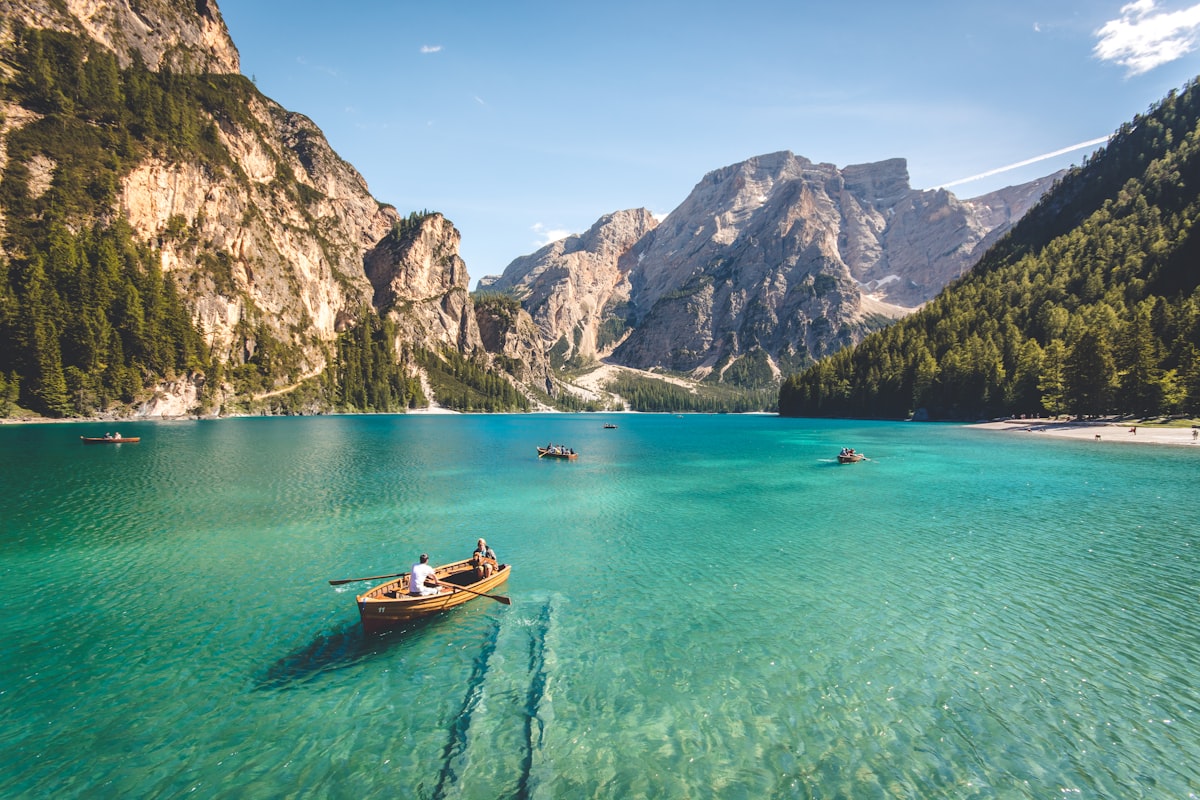
The Amador Causeway is a useful choice for families who want waterfront scenery, outdoor movement, and views across the bay without committing to a full-day excursion. Depending on the conditions and your children’s ages, the outing can involve walking, cycling, or simply stopping to enjoy the views.
Go in the morning or later in the afternoon to reduce exposure to the strongest heat. If you rent bicycles, check helmet availability, equipment condition, route suitability, and supervision requirements before setting off.
Do not assume every section has shade or that cycling is appropriate for every child. Keep the outing short if children are tired, and bring water, sun protection, and a plan for returning to your accommodation.
5. Explore Metropolitan Natural Park
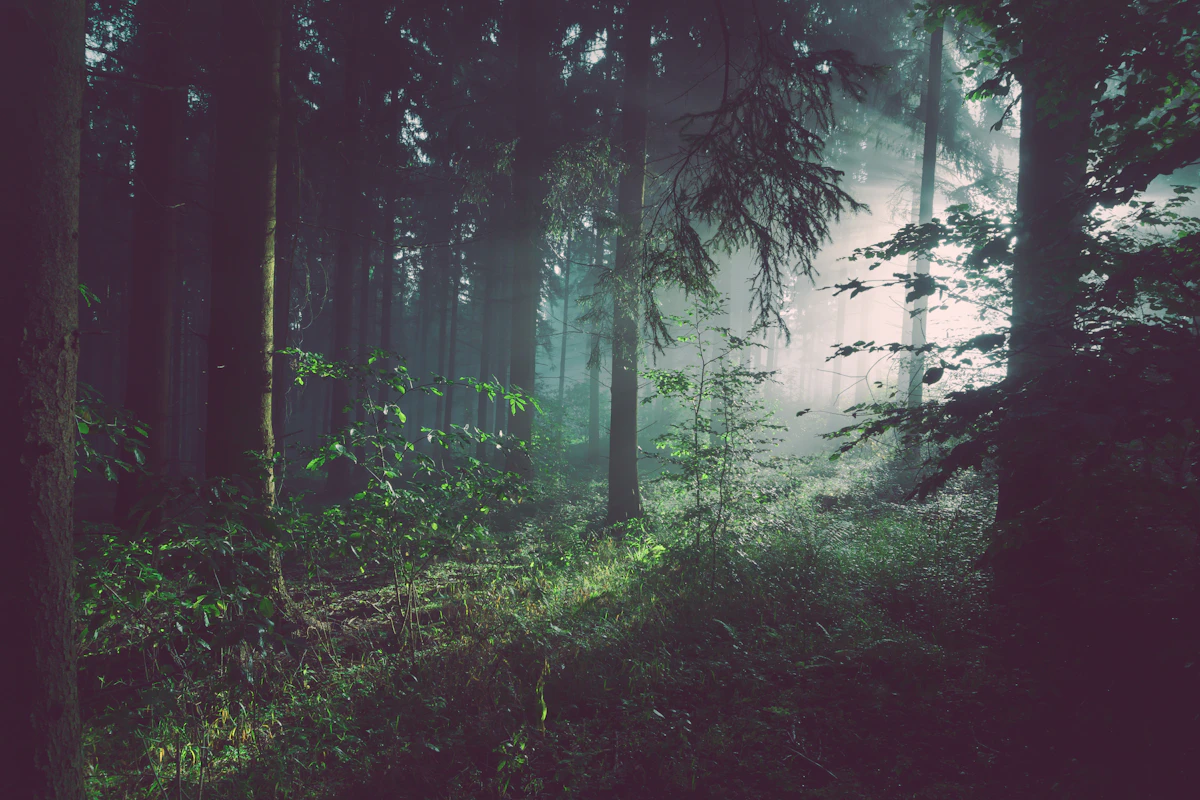
Metropolitan Natural Park offers families a chance to experience tropical greenery and wildlife close to the city, provided the chosen trail suits the children’s abilities. It is a better fit for families who enjoy outdoor exploration than for visitors seeking a fully paved, indoor attraction.
Check trail distances, elevation, weather conditions, opening hours, and current access rules before setting out. Children may find birds, plants, insects, and forest sounds just as interesting as reaching a viewpoint.
- Choose a short route appropriate for the youngest child.
- Wear closed-toe shoes with suitable grip.
- Carry drinking water and insect protection.
- Stay on marked trails and do not feed or approach wildlife.
- Turn back if heat, rain, or fatigue makes continuing uncomfortable.
For current nature and outdoor ideas, see Visit Panamá’s outdoor activities guide.
6. Consider Panama Viejo for history
Panama Viejo suits families with children who enjoy archaeology, ruins, and stories about how cities develop over time. The historic archaeological site offers a different perspective from the modern skyline and the colonial streets of Casco Antiguo.
Explain the visit in age-appropriate terms: Panama’s early settlement, historic trade routes, and the remains that help researchers understand the past. Keep the walk flexible, particularly in hot or wet weather.
Check access, visitor facilities, and current opening arrangements before travelling there. If your children are very young, choose one main historic site rather than trying to cover both historic neighborhoods and multiple museums in a single day.
How Should You Choose Activities by Age?
The best activities for children depend on their energy, attention span, mobility, and interests—not simply their age. Use this comparison to decide which experiences deserve priority.
| Family situation | Good starting point | What to plan for |
|---|---|---|
| Toddlers and preschoolers | Short waterfront outings and brief museum visits | Nap time, shade, snacks, toilets, and easy transport |
| Primary-school children | Panama Canal, Biomuseo, and short nature walks | Interactive learning and breaks between activities |
| Older children and teenagers | Canal engineering, historic sites, cycling, and guided nature outings | More independence, physical activity, and deeper cultural experiences |
| Mixed-age families | One major attraction followed by a flexible activity | Choose a pace the youngest traveller can comfortably manage |
Where Should Families Stay in Panama City?
The best family accommodation is usually the property that combines convenient transport, suitable sleeping arrangements, nearby food, and a transparent total price. A hotel does not need to be the cheapest available to offer the best value.
When comparing neighborhoods and properties, consider how often you will need a taxi, whether your children can rest comfortably in the room, and how far you will travel for meals. The most convenient location depends on your chosen attractions and budget.
Check these details before booking
- Room layout: Confirm bed sizes, occupancy limits, and whether connecting rooms are available if needed.
- Food: Look for breakfast options, a refrigerator, or nearby restaurants and grocery stores.
- Transport: Estimate the cost and time of trips to the canal, museum, historic district, and airport.
- Rest: Check noise levels, air conditioning, and whether the room can accommodate daytime naps.
- Final price: Review taxes, cancellation terms, parking, breakfast, and other additional charges.
Compare suitable options through Hotels & Accommodations. For more planning ideas, read our family vacation destination guide.
How Do You Get Around Panama City With Kids?
Use a combination of walking in suitable neighborhoods and pre-planned transport between distant attractions. The right choice depends on traffic, the children’s ages, luggage, and whether you need a child restraint.
Walking works for compact sightseeing routes, but the distance between separate attractions can make a full day on foot impractical. Before leaving your accommodation, group nearby places together and estimate the journey between each stop.
Compare your transportation options
- Ride-hailing or taxis: Convenient for direct journeys, but confirm the fare, pickup point, and appropriate child-restraint arrangements.
- Metro and public transport: Potentially useful for some routes; check current service, stations, fares, and accessibility before relying on them with a stroller.
- Private transfers: Worth comparing for airport arrivals, longer excursions, or families carrying substantial luggage.
- Rental cars: Consider one if your itinerary includes several destinations outside the city, but calculate parking, fuel, insurance, and child-seat costs.
For arrival planning, compare options through airport transfers and transportation services. Review car and bike rentals if you expect to travel beyond the city center.
Note: Confirm child-seat requirements with the provider and check current local regulations. Never assume that every vehicle will have an appropriate restraint available.
How Much Does a Family Trip to Panama City Cost?
The cost of Panama City with kids depends on accommodation, international airfare, guided activities, local transport, food, and the length of your stay. Build your budget around the total trip rather than the price of one hotel or attraction.
Because prices change by travel date and provider, the following is a budgeting framework rather than a live price quote. Use current hotel rates, official attraction prices, and transport quotes to calculate your actual total.
| Expense | What to include | How to control costs |
|---|---|---|
| Flights | Tickets, baggage, seat fees, and airport transport | Compare dates and the complete fare |
| Accommodation | Room rate, taxes, breakfast, and extra charges | Compare the final price and location |
| Food | Meals, drinks, snacks, and groceries | Mix restaurant meals with convenient grocery options |
| Activities | Admission, tours, equipment, and guides | Prioritize a few high-value experiences |
| Local transport | Airport transfers, taxis, public transport, or rental car | Group attractions by location |
| Contingency | Unexpected transport, medical, or schedule costs | Keep a separate emergency reserve |
Use a simple family travel budget formula
Total family trip cost = flights + accommodation + food + activities + local transportation + insurance + fees + contingency.
For example, if your family expects to spend $1,000 on accommodation, $500 on activities, $400 on food, $250 on local transportation, and $250 on other trip expenses, your estimated on-the-ground budget is $2,400 before international flights. These figures are illustrative, not current Panama City prices.
For a realistic plan, replace every example with a current quote for your travel dates and family size. Keep some money available for unexpected costs rather than allocating every dollar to scheduled activities.
Read our family trip planning guide for more advice on organizing transport, accommodation, and activities.
What Is a Good Three-Day Panama City Family Itinerary?
A practical three-day itinerary combines the canal, historic sightseeing, and nature or waterfront time, with only one major activity planned for each morning. This structure gives children room to rest and makes it easier to adapt to weather changes.
Day 1: Panama Canal and an easy afternoon
- Morning: Visit the Miraflores Visitor Center, subject to current access and opening hours.
- Lunch: Choose a convenient restaurant along your return route.
- Afternoon: Rest at the hotel or take a short, low-effort outing.
- Evening: Enjoy an uncomplicated dinner and prepare for the next day.
Day 2: Biomuseo and the Amador Causeway
- Morning: Explore Biomuseo and its biodiversity exhibits.
- Lunch: Eat nearby after checking available options.
- Afternoon: Walk or cycle along a suitable section of the Amador Causeway if the weather and energy levels allow.
- Evening: Return early if the children are tired.
Day 3: Casco Antiguo or a nature outing
- Morning: Explore Casco Antiguo, or choose Metropolitan Natural Park if your family prefers a nature-focused day.
- Lunch: Take a break in a convenient location.
- Afternoon: Visit one additional nearby place only if the family still has energy.
- Evening: Pack and confirm the next day’s transportation arrangements.
Do not combine the full nature walk, multiple historic sites, a museum, and the canal into one packed day. Travel time, weather, queues, and children’s needs can turn an ambitious schedule into an exhausting one.
What Should You Pack for Panama City With Kids?
Pack lightweight clothing, sun protection, comfortable shoes, reusable water bottles, essential medicines, and rain protection for each child. The right preparation makes tropical sightseeing more comfortable and reduces unnecessary purchases during the trip.
- Breathable clothes and an extra change for younger children.
- Comfortable walking shoes with good grip.
- Sun hats, sunscreen, and insect repellent suitable for each child’s age.
- Compact rain jackets or ponchos.
- Water bottles and simple snacks.
- Required medication and basic first-aid supplies.
- Passports, booking confirmations, insurance information, and emergency contacts.
- Chargers, downloaded maps, and offline copies of important documents.
For a more organized packing routine, see our proven family travel tips. Keep essential medicines and important documents in your carry-on luggage rather than checked bags.
How Can You Keep a Panama City Family Holiday Safe and Comfortable?
Use ordinary travel precautions, check current local guidance, and adapt activities to the weather and the needs of your children. A useful safety plan covers transport, water, sun exposure, medical needs, and communication if family members become separated.
- Keep children close in crowded areas and agree on a meeting point.
- Use reputable transport providers and confirm child-seat arrangements.
- Drink safe water, take regular breaks, and watch for signs of overheating.
- Follow park guidance and stay on marked trails during nature outings.
- Check swimming conditions and supervision requirements before entering the water.
- Save your accommodation address and emergency contacts offline.
- Review destination-specific health advice with a qualified healthcare professional before international travel.
For official country information, check the Visit Panamá tourism website and your government’s current travel advice before departure. Conditions and entry requirements can change, so verify information close to your trip.
What Mistakes Should Families Avoid?
The biggest avoidable mistakes are overloading the itinerary, ignoring transport time, underestimating the total budget, and failing to prepare for tropical weather. Small adjustments can make the same attractions much easier to enjoy.
- Scheduling too much: Choose one main attraction and leave room for breaks.
- Ignoring distances: Check travel times before placing separate attractions on the same day.
- Assuming admission is the only cost: Include transport, food, equipment, and any guide fees.
- Planning outdoor activities without a backup: Keep a museum or indoor alternative available.
- Booking unsuitable accommodation: Check sleeping arrangements, air conditioning, location, and total price.
- Relying on unverified schedules: Confirm current hours, tickets, and access directly with attraction operators.
- Forgetting downtime: Tired children may enjoy a short walk more than another major attraction.
Frequently Asked Questions About Panama City With Kids
These answers cover the main decisions families need to make before planning their visit. Select a question to reveal its answer.
Is Panama City, Panama, good for a family vacation?
Yes. Panama City can suit families interested in the Panama Canal, museums, historic neighborhoods, waterfront activities, and tropical nature. The experience is most manageable when you plan around the children’s ages, heat, transport time, and budget.
How many days should a family spend in Panama City?
Three full days is a useful starting point for the canal, a museum, historic sightseeing, and a waterfront or nature outing. Families wanting more excursions or a slower pace may prefer four or five days.
What are the best educational activities for kids in Panama City?
The Panama Canal and Biomuseo are strong choices for children interested in engineering, geography, biodiversity, and science. Panama Viejo also provides an opportunity to introduce older children to archaeology and local history.
Can you explore Panama City with toddlers?
Yes, but choose short outings, convenient transport, shaded breaks, and accommodation that supports naps and meals. Avoid scheduling long walks or several major attractions in one day.
Is Panama City affordable for families?
Costs depend on your dates, accommodation, activities, and transport choices. Compare the complete cost of each option, prioritize a few major attractions, and leave a contingency reserve rather than relying on headline prices.
What is the best area to stay in Panama City with children?
The best area depends on your planned activities, budget, and preferred transport. Compare accommodation locations against the canal, museums, historic district, food options, and airport journey before booking.
Is public transportation practical for families in Panama City?
Public transport may be useful for some routes, while taxis or private transfers may be more convenient for others. Check current routes, fares, accessibility, and child-restraint arrangements before choosing your transport plan.
What should families do in Panama City when it rains?
Consider indoor attractions such as Biomuseo, subject to opening hours, or spend time resting at your accommodation. Keep outdoor activities flexible and avoid forest trails during unsafe weather conditions.
Is Panama City the same as Panama City Beach in Florida?
No. Panama City is the capital of Panama in Central America. Panama City and Panama City Beach are separate destinations in Florida, United States, with different attractions, geography, and travel requirements.
Should families book Panama City attractions in advance?
Book in advance when a particular tour, timed entry, or guided experience is essential to your plans. Check official attraction websites for current booking rules, prices, and cancellation policies.
Final Takeaway: Plan a Better Family Trip to Panama City
Panama City with kids works best when you combine a few memorable attractions with convenient accommodation, realistic transport plans, and enough time to rest. Start with the Panama Canal, add Biomuseo or Casco Antiguo, and choose either a waterfront outing or a nature experience that matches your children’s interests.
Before booking, verify current attraction information, compare the full trip cost, and prepare for heat and rain. A flexible three-day itinerary is a practical starting point, but your family’s ideal schedule will depend on ages, interests, and travel dates.
For your next step, explore our guides to family travel, family vacation destinations, family trip planning, and hotels and accommodations to organize the rest of your journey.