Offbeat adventure travel destinations offer a better way to escape crowded attractions by combining unusual landscapes, outdoor activities, local culture, and practical exploration.
If you want a trip that feels more memorable than following the same tourist route, choosing lesser-known destinations can make a major difference. The best offbeat adventure travel destinations are not necessarily completely unknown; they are places where you can find distinctive experiences without building your entire itinerary around the world’s most crowded attractions.
This guide explains how to choose an unusual adventure destination, which places are worth considering, how to control costs, and how to plan responsibly. The recommendations also include practical ideas for hiking, scenic drives, wildlife, cultural experiences, and outdoor activities.
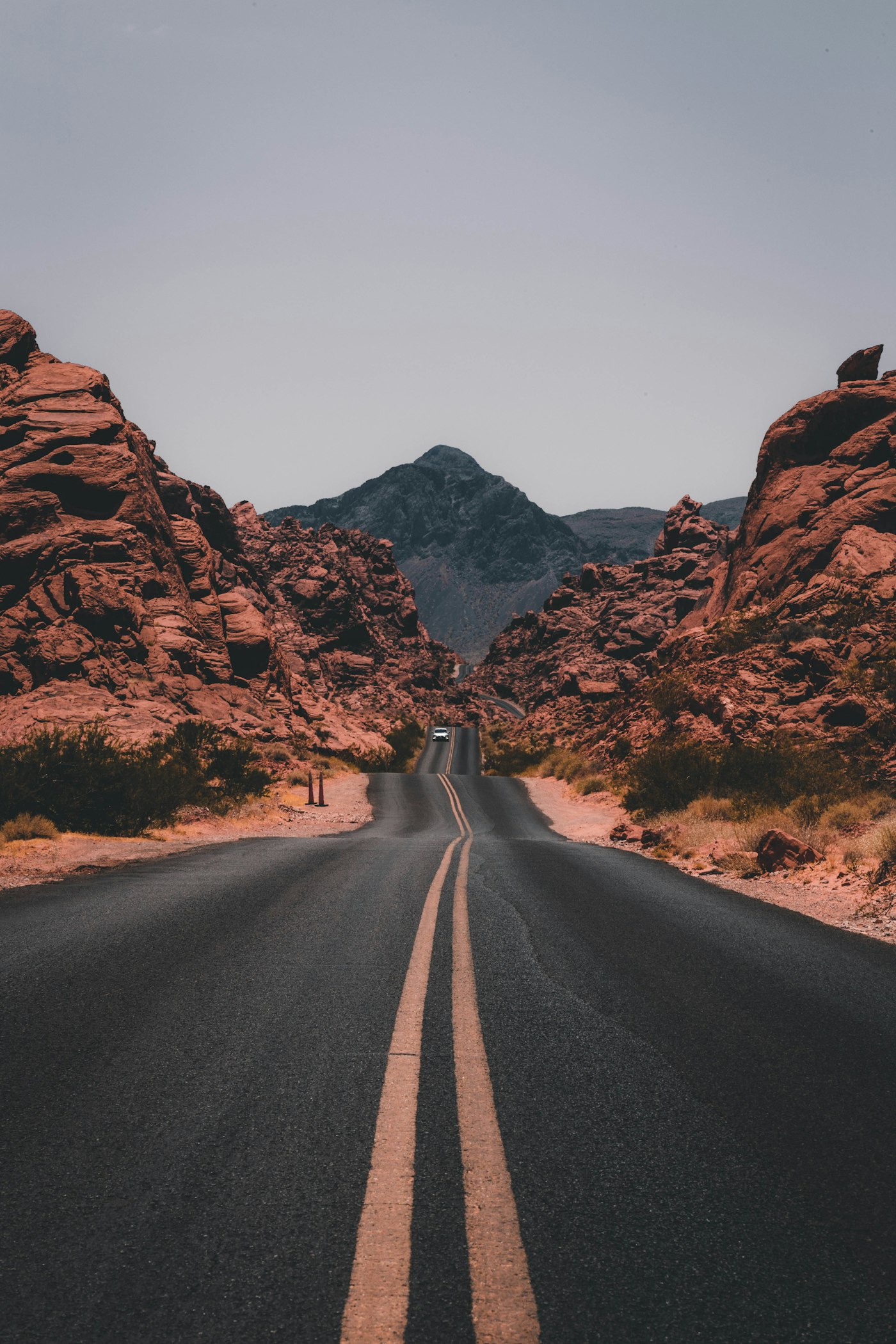
What Is Offbeat Adventure Travel?
Offbeat adventure travel means exploring less conventional destinations or experiences that combine outdoor activity, discovery, culture, and a degree of independence.
That does not necessarily mean visiting a completely remote wilderness area. An offbeat trip can be as simple as choosing a lesser-known national monument instead of the most famous national park in the region.
The National Park Service specifically recommends exploring lesser-known alternatives to heavily visited destinations. Its collection of hidden-gem recommendations includes places such as Black Canyon of the Gunnison, Mojave National Preserve, Great Basin, and John Day Fossil Beds. :contentReference[oaicite:0]{index=0}
This makes offbeat adventure travel particularly useful for travelers who want:
- Fewer crowds and more personal space.
- Distinctive landscapes.
- Hiking and outdoor recreation.
- Scenic road-trip opportunities.
- Local communities and cultural experiences.
- More flexible itineraries.
- Photography opportunities away from famous viewpoints.
Pro tip: Do not define an offbeat destination only by how few people visit. A better test is whether the destination offers an experience that feels different from the standard tourist itinerary.
How to Choose an Offbeat Adventure Destination
The best offbeat adventure destination should match your activity level, transportation options, budget, season, and tolerance for limited services.
A beautiful remote destination can become a poor choice if you underestimate driving distances, weather, road conditions, accommodation availability, or mobile connectivity.
1. Start With the Type of Adventure
Choose the outdoor experience first, then select the destination that provides the right environment for that activity.
For example, hikers may prioritize trail networks, while photographers may prefer dramatic landscapes and changing light. A road-tripper may care more about scenic routes and dispersed attractions.
- Hiking: look for maintained trails and manageable elevation.
- Wildlife: research seasonal animal activity and viewing rules.
- Photography: prioritize landscapes, sunrise access, and viewpoints.
- Road trips: check fuel stops and road conditions before departure.
- Cultural exploration: spend more time in villages, towns, and historic areas.
2. Check Access Before Booking
A destination is only practical when you know how you will reach it, where you will sleep, and what services are available after arrival.
For national parks and public lands, check the official park website before leaving. Some locations have seasonal roads, limited parking, permits, reservation requirements, or restricted services.
The National Park Service recommends checking reservations, asking park rangers for current information, and considering less-crowded alternatives when popular locations are busy. :contentReference[oaicite:1]{index=1}
3. Compare the Complete Trip Cost
The cheapest destination is not always the destination with the cheapest accommodation because transportation and activity costs can change the final budget.
Use this simple planning formula:
Total trip cost = transportation + accommodation + food + activities + entrance fees + local transportation + emergency buffer.
That calculation is especially important for remote adventure travel destinations where a cheap hotel may be offset by expensive rental-car mileage or long-distance transfers.
9 Offbeat Adventure Travel Destinations to Consider
These nine destinations provide a useful mix of dramatic scenery, hiking, wildlife, scenic drives, cultural exploration, and alternatives to heavily visited tourist routes.
The list intentionally includes both U.S. destinations and an international option so you can choose an adventure based on budget, travel distance, and experience level.
| Destination | Best For | Adventure Style | Planning Priority |
|---|---|---|---|
| Black Canyon of the Gunnison | Canyon scenery | Hiking, photography | Weather and trail planning |
| Mojave National Preserve | Desert exploration | Road trips, hiking | Fuel and heat preparation |
| Great Basin National Park | Mountains and stargazing | Hiking, caves, astronomy | Seasonal conditions |
| John Day Fossil Beds | Geology and scenery | Hiking, photography | Driving distances |
| American Samoa | Tropical wilderness | Hiking, beaches, culture | Flights and logistics |
| Interior Portugal | Villages and slow travel | Road trips, hiking, culture | Route planning |
| Cedar Breaks | High-elevation scenery | Hiking, photography | Seasonal access |
| Katahdin Woods and Waters | Forest and rivers | Hiking, canoeing, wildlife | Remote-area preparation |
| Devils Postpile | Geology | Hiking, waterfalls | Seasonal access |
1. Black Canyon of the Gunnison, Colorado
Black Canyon of the Gunnison is a strong choice for travelers seeking dramatic canyon scenery without building a trip around one of America’s busiest parks.
The National Park Service highlights Black Canyon of the Gunnison as one of its hidden-gem alternatives. The canyon features steep cliffs, dramatic rock walls, overlooks, hiking opportunities, fishing, and kayaking. :contentReference[oaicite:2]{index=2}
This destination works particularly well for a short outdoor trip because you can combine scenic viewpoints with selected hikes instead of needing an extremely complicated itinerary.
Best experiences
- Scenic overlooks.
- Short and longer hikes.
- Landscape photography.
- Fishing opportunities.
- Canyon-focused road-trip exploration.
Planning note: Check current park conditions before committing to a detailed hiking schedule, particularly when weather or seasonal closures may affect access.
2. Mojave National Preserve, California
Mojave National Preserve is ideal for desert adventure travelers who want expansive landscapes, Joshua trees, dunes, scenic drives, and dark-sky experiences.
The National Park Service identifies Mojave National Preserve as a hidden gem and notes its Joshua trees, wildlife, sand dunes, scenic driving, hiking, and camping opportunities. :contentReference[oaicite:3]{index=3}
Unlike a conventional city vacation, the experience here is largely about landscape and distance. That makes preparation especially important.
What to plan
- Carry sufficient water for your planned activity.
- Check fuel availability before entering remote areas.
- Download maps before leaving reliable connectivity.
- Avoid scheduling strenuous hiking during dangerous heat.
- Check current road conditions.
Pro tip: A desert road trip becomes much easier when you treat fuel, water, weather, and navigation as part of the itinerary rather than afterthoughts.
3. Great Basin National Park, Nevada
Great Basin National Park combines mountain scenery, ancient bristlecone pines, caves, hiking, and excellent opportunities for stargazing.
The National Park Service lists Great Basin among its hidden-gem destinations and highlights Wheeler Peak, Lehman Caves, bristlecone pines, and exceptionally dark night skies. :contentReference[oaicite:4]{index=4}
This makes Great Basin particularly attractive if you want an adventure trip with several different activities rather than one headline attraction.
Build a varied itinerary
- Start with a scenic drive or visitor-center orientation.
- Choose a hike appropriate to current conditions.
- Explore Lehman Caves if tours are operating.
- Schedule an evening for stargazing.
- Keep a flexible plan for changing mountain weather.
Always verify current operating conditions and reservations through the official National Park Service website before traveling.
4. John Day Fossil Beds, Oregon
John Day Fossil Beds is an excellent off-the-beaten-path adventure for travelers interested in colorful geology, fossils, hiking, photography, and Oregon’s high-desert landscapes.
The National Park Service describes John Day Fossil Beds as a place with colorful rock layers, fossils, hiking trails, birdwatching, and photography. :contentReference[oaicite:5]{index=5}
This is a particularly useful choice for travelers who want something different from the standard coastal Oregon itinerary.
Instead of trying to see everything in a single day, create a route around the area’s geological features and allow enough time for driving between locations.
Best fit: photographers, geology enthusiasts, hikers, road-trippers, and travelers searching for unusual Oregon destinations.
5. National Park of American Samoa
National Park of American Samoa offers a genuinely remote tropical adventure involving rainforest, beaches, biodiversity, villages, and dramatic coastal scenery.
The National Park Service describes the park as one of the most remote national parks and notes that it spans parts of Tutuila, Taʻū, and Ofu. The park combines tropical rainforest, coral-sand beaches, biodiversity, villages, and land-and-sea scenery. :contentReference[oaicite:6]{index=6}
This destination is different from a typical U.S. mainland adventure trip because logistics and available services require more attention.
Why it stands out
- Remote island setting.
- Tropical rainforest.
- Coastal scenery.
- Cultural experiences.
- Hiking opportunities.
- Wildlife and marine environments.
Important: Do not plan American Samoa as a casual last-minute weekend trip from the mainland. Research flights, accommodation, local transportation, weather, and park conditions well in advance.
6. Interior Portugal
Interior Portugal is a compelling choice for travelers who want village life, scenic road trips, hiking, history, food, and slower-paced exploration away from the country’s busiest tourist corridors.
Portugal’s official tourism organization specifically promotes slow travel through lesser-known regions, historic villages, Schist villages, local communities, landscapes, traditions, and the interior National Road 2 route. :contentReference[oaicite:7]{index=7}
This is a useful example of how offbeat adventure travel does not have to mean extreme outdoor sports. Exploration can be adventurous because of the route, culture, food, landscapes, and independence involved.
A simple Portugal adventure route
- Choose a base town in central or northern Portugal.
- Rent a car if the route requires multiple rural stops.
- Combine historic villages with short hikes.
- Eat at local restaurants rather than planning every meal around tourist districts.
- Leave unscheduled time for scenic stops.
For additional destination inspiration, you can also explore our guides to Portugal off the beaten path and hidden gems in Europe for budget travel.

7. Cedar Breaks National Monument, Utah
Cedar Breaks National Monument is a smart alternative for travelers who want Utah’s colorful geological scenery without limiting the trip to the state’s most famous parks.
The National Park Service includes Cedar Breaks in its hidden-gem recommendations and describes its sandstone formations, hoodoos, canyon views, wildflowers, birdwatching, and seasonal winter scenery. :contentReference[oaicite:8]{index=8}
Because this is a high-elevation destination, seasonality should be part of the planning process. Check current access and weather information rather than assuming conditions are the same as lower-elevation Utah destinations.
Best for: photographers, hikers, scenic road-trippers, and travelers building a less conventional Utah itinerary.
8. Katahdin Woods and Waters, Maine
Katahdin Woods and Waters offers forest, rivers, wildlife, hiking, fishing, canoeing, and winter recreation for travelers looking beyond Maine’s most famous coastal attractions.
The National Park Service recommends Katahdin Woods and Waters as an alternative for travelers who enjoy the scenery and adventure associated with more popular destinations such as Acadia. :contentReference[oaicite:9]{index=9}
The attraction here is the combination of wilderness atmosphere and outdoor recreation. A trip can be structured around hiking during the day and quieter evenings in nearby communities or campsites.
Good activities for an active Maine trip
- Hiking.
- Canoeing.
- Fishing.
- Wildlife watching.
- Scenic driving.
- Winter snow activities when conditions permit.
9. Devils Postpile, California
Devils Postpile National Monument is a fascinating choice for travelers interested in unusual geology, hiking, waterfalls, and alternatives to California’s busiest mountain attractions.
The National Park Service identifies Devils Postpile as a hidden-gem alternative and highlights its distinctive basalt columns, hiking, Rainbow Falls, fishing, and summer recreation. :contentReference[oaicite:10]{index=10}
The geological formation makes this destination particularly different from a standard scenic overlook. Visitors can combine the geological feature with a broader hiking itinerary.
Planning note: Seasonal transportation and access can affect how you organize the day, so check current National Park Service information before traveling.
How to Plan an Affordable Offbeat Adventure Trip
An affordable adventure trip usually comes from controlling transportation, accommodation, activity, and food costs rather than choosing the destination solely because it looks inexpensive.
Start by comparing your destination against several nearby alternatives. Our guide to best budget travel destinations can help you build the broader destination shortlist.
1. Travel During Shoulder Seasons
Shoulder-season travel can reduce demand while still providing suitable weather for many destinations.
However, do not assume every shoulder season is automatically better. Mountain roads, trails, campgrounds, ferries, and visitor facilities can have seasonal restrictions.
2. Stay Outside the Most Expensive Area
Staying in a nearby town can sometimes reduce accommodation costs while keeping the main attraction within driving distance.
Calculate the extra fuel and parking costs before making the decision. A $40 cheaper hotel is not a bargain if it adds $60 in transportation costs.
3. Use Free or Low-Cost Activities
Hiking, scenic drives, viewpoints, photography, beaches, public lands, and self-guided cultural exploration can provide substantial value without expensive tours.
When you do want paid activities, compare them carefully with the alternatives in our guide to tours and activities to book in the USA.
4. Compare the Full Vacation Cost
Use the following planning calculation before booking:
Adventure budget = transport + lodging + food + activities + fees + parking + fuel + emergency reserve.
This gives you a more realistic number than comparing hotel prices alone.
A Practical 5-Day Offbeat Adventure Itinerary
A five-day adventure itinerary works best when you choose one main destination and add nearby experiences instead of constantly changing hotels.
Day 1: Arrival and local exploration
Arrive, collect your rental car if necessary, check into your accommodation, and explore the surrounding town. Avoid scheduling your hardest hike immediately after a long journey.
Day 2: Main outdoor activity
Choose the signature hike, scenic drive, canyon experience, or cultural route that motivated you to visit.
Day 3: Lesser-known attraction
Use the third day for a quieter attraction. This could be a secondary trail, viewpoint, village, geological feature, or local cultural experience.
Day 4: Flexible adventure day
Keep this day flexible. Weather, road closures, fatigue, or unexpected discoveries can change your plans.
Day 5: Slow morning and departure
Have breakfast locally, take a final short walk, and leave sufficient time for your return journey.
For more planning guidance, see our resources on choosing the right destination for your travel style and hidden gem destinations.
Common Offbeat Adventure Travel Mistakes
The biggest mistake is treating an unfamiliar destination like a conventional city vacation where services and transportation are always close by.
Mistake 1: Underestimating distances
Remote attractions can appear close on a map but require substantial driving. Add realistic travel time instead of filling every hour with activities.
Mistake 2: Ignoring seasonal access
High elevations, deserts, winter roads, and remote areas can have very different conditions from nearby cities.
Mistake 3: Relying completely on mobile data
Download maps and important reservation information before entering areas where connectivity may be unreliable.
Mistake 4: Overpacking the itinerary
Adventure travel benefits from flexibility. Trying to visit six attractions in one day can turn a memorable trip into a stressful driving exercise.
Mistake 5: Ignoring local rules
Stay on permitted trails, follow parking rules, respect wildlife distances, and check whether permits or reservations are required.
How to Travel Responsibly in Lesser-Known Destinations
Responsible adventure travel means protecting natural areas, respecting local communities, following official rules, and minimizing the impact of your visit.
The National Park Service recommends discovering lesser-known places while following park guidance and Leave No Trace principles. :contentReference[oaicite:11]{index=11}
- Pack out your waste.
- Stay on designated trails where required.
- Keep a safe distance from wildlife.
- Respect local communities and cultural traditions.
- Do not remove rocks, plants, fossils, or historical objects.
- Follow fire restrictions.
- Use established campsites when required.
- Support locally owned businesses when practical.
Less crowded does not mean less protected. Some unusual destinations are environmentally sensitive precisely because their ecosystems have not been exposed to the same level of visitation as major tourist centers.

More Offbeat and Budget Travel Ideas
Use related destination guides to expand your trip research instead of relying on a single destination list.
- Offbeat adventure travel ideas
- Hidden gem destinations
- Hidden gem USA destinations
- Hidden gems in Europe for budget travel
- Hidden gem European cities for solo travelers
- Portugal off the beaten path
- Choosing the right destination for your travel style
- Best budget travel destinations
- Budget-friendly destinations
- Affordable vacation destinations in the USA
- Best national parks for a weekend trip
- Best day trips to take in the USA
- Things to do in the USA
- Tours and activities to book in the USA
Frequently Asked Questions About Offbeat Adventure Travel
What are the best offbeat adventure travel destinations for beginners?
Black Canyon of the Gunnison, John Day Fossil Beds, and interior Portugal can be good starting points because they offer adventure without requiring extreme expedition skills.
Beginners should choose destinations with reliable accommodation, established trails, accessible attractions, and reasonable transportation options.
How can I find lesser-known adventure destinations?
Start with official tourism agencies, national park resources, state park websites, local visitor organizations, and maps of nearby attractions.
The National Park Service maintains resources specifically designed to help travelers discover lesser-known parks and alternative destinations. :contentReference[oaicite:12]{index=12}
Are offbeat adventure trips cheaper than popular vacations?
They can be cheaper, but the final cost depends on transportation, accommodation, food, activities, and distance from major airports.
A remote destination may have affordable lodging but require a long rental-car journey, so compare the complete trip cost before booking.
What should I pack for an off-the-beaten-path adventure?
Pack according to the environment, with suitable footwear, weather protection, navigation tools, water, food, medication, first-aid supplies, and backup power where appropriate.
Remote destinations require more preparation because shops and services may not be immediately available.
How do I plan an unusual adventure road trip?
Choose a central base, identify two or three major attractions, estimate driving time, check road conditions, and leave at least one flexible day.
This approach reduces unnecessary hotel changes while preserving enough freedom to explore unexpected stops.
What is the difference between hidden gems and offbeat destinations?
A hidden gem generally emphasizes relative obscurity, while an offbeat destination emphasizes an unusual experience or alternative to conventional tourism.
A destination can therefore be well known but still offer an offbeat experience if you explore a less-visited area or activity.
Are remote travel destinations safe?
Remote destinations can be safe when travelers understand weather, access, wildlife, navigation, communications, and local regulations before departure.
Check official destination information and avoid assuming that a less-crowded location has the same services as a major tourist center.
What are good offbeat adventure destinations in the USA?
Black Canyon of the Gunnison, Mojave National Preserve, Great Basin, John Day Fossil Beds, Cedar Breaks, and Katahdin Woods and Waters are strong options.
The National Park Service specifically identifies several of these locations as alternatives to more heavily visited destinations. :contentReference[oaicite:13]{index=13}
Final Takeaway
The best offbeat adventure travel destinations combine a distinctive experience with realistic access, manageable costs, suitable activities, and responsible travel practices.
You do not need to travel to an extremely remote wilderness area to have an unusual adventure. A lesser-known national monument, desert preserve, geological site, rural village, forest landscape, or alternative road-trip route can create a much more memorable experience than simply visiting the most famous attraction in a region.
Start by deciding what type of adventure you want. Then compare destinations based on season, transportation, accommodation, total cost, activity level, and current official information.
Most importantly, leave room for discovery. The strongest offbeat trips are often the ones where the destination gives you something to explore rather than a checklist of attractions to complete.