Norway with kids works best when families combine manageable city sightseeing, short outdoor adventures, scenic transportation, flexible meals, and enough downtime between major activities. Norway can look challenging on a map because fjords, mountains, islands, and long distances separate many attractions, but the trip becomes much easier when you choose one or two bases instead of trying to see everything.
This guide focuses on the practical side of Norway with kids: where families can go, how to get around, which activities suit different ages, how to handle weather, what accommodation works best, and how to build a realistic itinerary without exhausting children.

Why Norway Works for Family Travel
Norway is particularly suitable for families who want nature, transportation experiences, outdoor activities, and attractions rather than a holiday built entirely around theme parks. Visit Norway specifically highlights family accommodation, public transportation, museums, playgrounds, nature activities, and family-oriented destinations across the country.
The biggest advantage is variety. A family can spend the morning exploring a city, take a scenic train or ferry after lunch, and finish the day beside a fjord without needing a completely separate activity for every age group.
Visit Norway also recommends avoiding over-scheduling, noting that one major adventure per day can be enough for families. That is particularly useful when traveling with younger children because transportation itself can become part of the day’s experience.
For broader family planning, see our guides to best family vacations and best holiday destinations for families.
Where to Go in Norway With Kids
The easiest family destinations in Norway are Oslo, Bergen, Southern Norway, the fjord region, and selected parts of Northern Norway. The right choice depends on your children’s ages, the season, and whether your priority is cities, nature, wildlife, snow, or scenic road and boat journeys.
| Destination | Best for | Family planning approach |
|---|---|---|
| Oslo | Museums, parks, easy city activities | 2–3 nights |
| Bergen | Fjords, city walks, scenic transport | 2–3 nights |
| Fjord Norway | Boat trips, waterfalls, landscapes | 2–4 nights |
| Southern Norway | Beaches, family parks, summer activities | 3–5 nights |
| Tromsø | Northern lights, winter experiences | 3–4 nights |
| Lofoten | Scenery, beaches, outdoor exploration | 3–5 nights |
Do not treat this as a checklist that requires visiting every location. A family traveling for one week will usually have a better experience concentrating on a small geographic area.
Oslo With Kids
Oslo is a practical starting point for Norway with children because families can combine museums, parks, waterfront areas, playgrounds, and public transportation without immediately committing to long road journeys.
For younger children, build the day around one major attraction and one outdoor break. Older children can handle a museum followed by a neighborhood walk, waterfront visit, or another interactive activity.
Oslo is also useful as an arrival or departure city because it allows parents to recover from a long international flight before starting a more demanding fjord itinerary.
Families interested in museums should check opening times and ticket arrangements before visiting. Some attractions offer child pricing or family tickets, so checking the official attraction website before paying can prevent unnecessary expense.
For transportation planning throughout Norway, use Entur, the national travel planner referenced by Visit Norway for planning public transportation.
How Many Days Do You Need in Oslo With Kids?
Two or three nights is a useful starting point for most families visiting Oslo for the first time. Two nights can work for a short trip, while three nights provides more flexibility if children need slower mornings or an unexpected weather day changes the plan.

Bergen With Kids
Bergen is a strong family base for combining city sightseeing with fjord experiences and scenic transportation. The city gives parents access to urban amenities while keeping some of Western Norway’s most famous landscapes within reach.
Families should avoid turning Bergen into a race through attractions. Choose a small number of experiences and leave time for walking, snacks, playgrounds, and weather changes.
A major advantage of Bergen is the possibility of making transportation part of the attraction. A boat, train, or organized fjord excursion can keep children interested while moving between destinations.
Families planning accommodation can also compare hotels with apartments or cabins. Visit Norway notes that family hotels commonly offer family rooms, extra beds, and cots, while cabins and apartments can provide additional space and cooking flexibility.
For accommodation research, start with our hotels and accommodations guide.
Norwegian Fjords With Kids
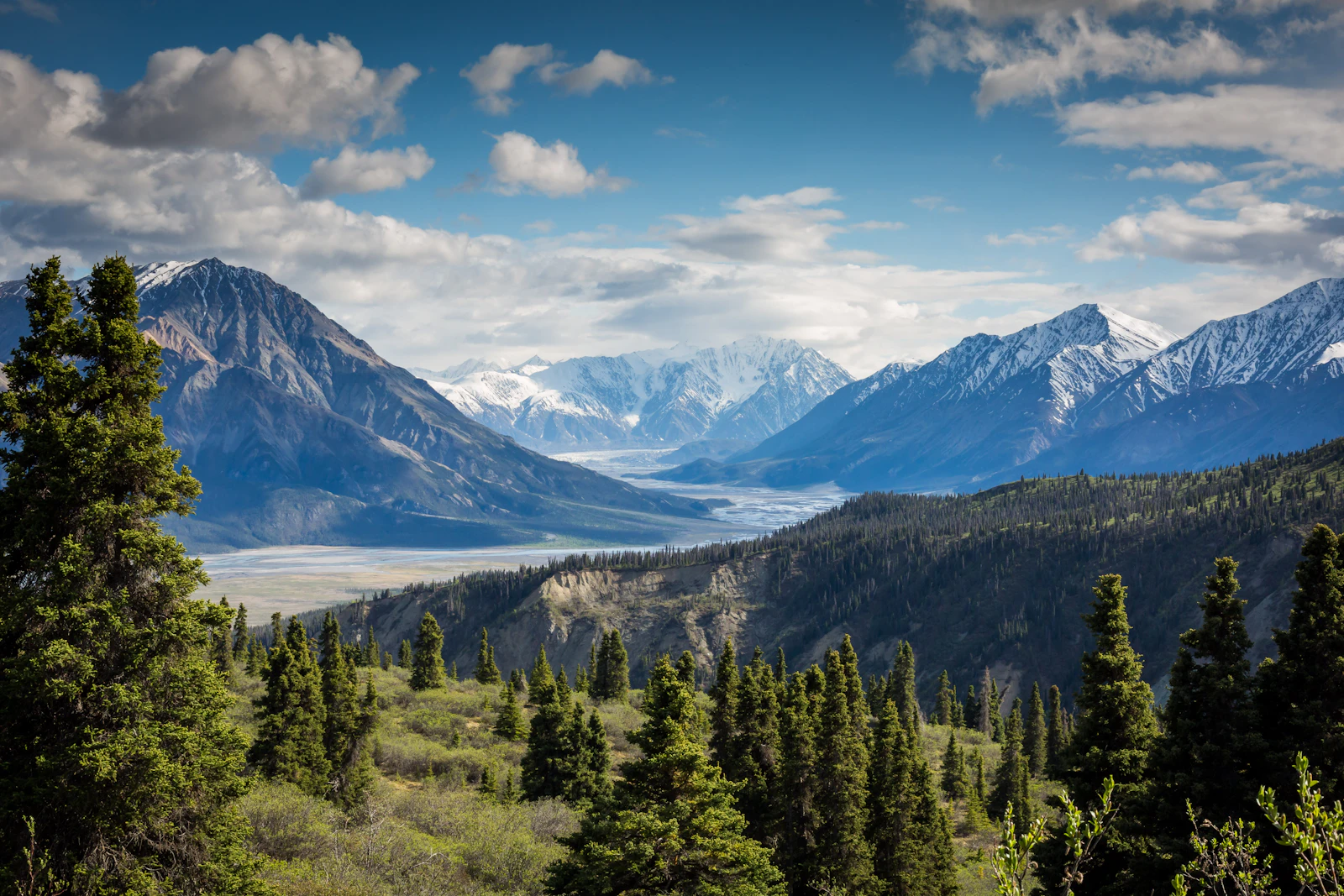
Norwegian fjords are especially rewarding for families because a boat journey can provide spectacular scenery without requiring children to complete a strenuous hike.
This is an important distinction. Families sometimes assume that seeing Norway’s famous landscapes requires difficult mountain hikes, but fjord cruises, viewpoints accessible by road, short walks, ferries, and scenic train journeys can provide memorable experiences with considerably less physical demand.
When planning a fjord day, use a simple three-part structure:
- Choose one major scenic experience.
- Add one short walk or family activity.
- Keep the remaining time flexible.
This approach reduces the chance that a delayed ferry, tired child, rain shower, or unexpected attraction closure ruins the entire day.
For organized excursions and family attractions, see our tours and activities guide.
Are Norwegian Fjords Suitable for Young Children?
Yes, Norwegian fjords can work very well with young children when families choose low-effort activities and avoid treating every mountain trail as a family hike.
Fjord cruises and ferries are particularly useful because children can move around more than they could during a long car journey, while parents still get access to major scenery.
Always check the conditions and duration of a specific excursion before booking. A two-hour scenic boat trip and a full-day mountain excursion create very different demands for a toddler.
Northern Norway With Kids
Tromsø and Northern Norway can be excellent for families interested in northern lights, winter landscapes, wildlife, and unusual seasonal experiences.
Winter trips require more planning because cold temperatures, limited daylight, and weather conditions affect outdoor activities. Younger children may need shorter outdoor sessions with warm indoor breaks.
For a northern lights trip, avoid promising children that they will definitely see the lights. Aurora activity depends on conditions outside your control, so build other activities into the itinerary.
Families visiting in winter should also research the age requirements for individual excursions. Dog sledding, snowshoeing, whale watching, and other activities can have different minimum ages and weather restrictions.

Best Family Activities in Norway
The best activities for children in Norway are those that combine movement, scenery, and participation rather than requiring children to stand still for long periods.
1. Short Family Hikes
Short hikes are often more successful with children than ambitious summit routes because the experience remains manageable even when energy levels change.
Choose trails based on actual terrain, elevation, weather, and the child’s ability rather than the word “easy” in a travel article.
Our best hikes with kids guide can be used alongside this article when deciding how to introduce children to outdoor walking.
2. Fjord Cruises and Ferries
Fjord cruises and ferries allow families to experience major Norwegian landscapes without requiring children to hike for hours.
Bring snacks, layers, and something small to keep younger children occupied. A scenic journey is much easier when children are comfortable.
3. Museums and Interactive Attractions
Interactive museums can provide an important indoor alternative when rain or cold makes outdoor sightseeing uncomfortable.
Choose museums based on age suitability rather than simply choosing the most famous attraction. A highly specialized museum may be less useful for a six-year-old than a smaller interactive venue.
4. Beaches and Outdoor Play
Norway’s beaches, parks, and playgrounds provide low-cost breaks that can balance expensive attractions and transportation days.
Visit Norway notes that playgrounds are common in larger Norwegian cities and that some schoolyards and kindergarten areas may be available for public play outside school hours.
5. Wildlife Experiences
Wildlife activities can turn a normal travel day into a memorable experience for children who enjoy animals.
Depending on the destination and season, families can investigate whale watching, wildlife safaris, moose experiences, farms, animal parks, and other age-appropriate activities.
Use the official Visit Norway family activities guide to investigate current options.

How to Get Around Norway With Kids
Families can use trains, buses, ferries, express boats, domestic flights, rental cars, and combinations of these options depending on the route.
Visit Norway recommends Entur for planning public transportation and notes that children may travel free or at discounted rates on some services. Exact fares and conditions should always be checked for the journey you intend to take.
Trains can be particularly useful because they give children more freedom than a conventional car journey. Visit Norway also notes that some long-distance trains have family-friendly carriages with play areas and that stroller spaces can generally be reserved.
For longer road trips, break the journey into smaller sections. A family itinerary that looks efficient on a map can become exhausting when children spend several consecutive hours in a car.
For families combining buses and trains, our trains and buses guide provides another planning resource.
Should You Rent a Car in Norway With Kids?
A rental car is most useful when your itinerary includes rural areas, cabins, multiple fjord stops, or destinations that are inconvenient by public transportation.
A car is less essential for a city-focused itinerary based around Oslo or Bergen, particularly when accommodation is centrally located.
Compare the full cost rather than the rental price alone. Include fuel, tolls, parking, ferries, child seats, and any one-way rental charges.
For vehicle planning, see our car and bike rental guide.
Where Families Should Stay
The best family accommodation in Norway gives you enough space, easy transportation access, and a practical place to eat or prepare food.
Hotels are convenient for short city stays because breakfast, reception services, and central locations can simplify family logistics.
A cabin or apartment can make more sense for several nights, particularly when traveling with multiple children. Having a kitchen can also reduce the pressure of finding a restaurant for every meal.
Visit Norway specifically recommends choosing a base where you can stay longer instead of constantly packing and unpacking.
Pro tip: One additional night in the same accommodation can sometimes make a family trip feel easier than adding another destination.
Food and Daily Family Costs
Norway can be expensive for families, so accommodation with breakfast or kitchen access can make daily spending easier to control.
Do not build a family budget around attraction tickets alone. The hidden costs are often transportation, snacks, restaurant meals, parking, ferries, and spontaneous purchases made when children are tired.
A practical daily budget should therefore be calculated as:
Daily family cost = accommodation + transport + food + activities + contingency
For example, if accommodation is $180, transportation averages $60, food costs $100, activities cost $80, and you reserve $30 for unexpected spending, the planning figure becomes $450 for that day.
The numbers will vary significantly by family size, season, destination, and booking choices, so use the formula as a planning framework rather than a fixed Norway price.
Supermarkets can be useful for breakfast supplies, snacks, picnic lunches, and drinks. Visit Norway also notes that tap water is safe to drink in Norway.
Weather and What to Pack
Layering is one of the most important family travel strategies in Norway because weather can change quickly, particularly in mountainous and coastal areas.
For children, pack clothing that allows you to adjust rather than relying on one heavy layer.
- Water-resistant outer layer
- Warm mid-layer
- Comfortable base layer
- Extra socks
- Comfortable walking shoes
- Hat appropriate to the season
- Small daypack
- Water bottle
- Snacks
- Basic first-aid supplies
Check the local forecast before every major outdoor activity. Visit Norway recommends checking weather conditions because Norwegian mountain weather can change rapidly even during summer.
The official Yr weather service is a useful resource for checking local forecasts before leaving your accommodation.

Hiking Safety With Children
Family hiking in Norway should be based on the child’s ability, current conditions, route difficulty, and weather rather than the popularity of a trail.
Norway’s official mountain safety guidance recommends planning the route, adapting it to abilities and conditions, checking forecasts and warnings, carrying necessary equipment, choosing safe routes, and being willing to turn around.
This is especially important because famous Norwegian hikes are not automatically family-friendly. Visit Norway specifically notes that routes such as Trolltunga, Besseggen, and Romsdalseggen can require high fitness and experience.
For families, a successful hike is not the hike with the most impressive elevation gain. It is the hike that everyone finishes safely while still enjoying the surroundings.
Read the official Norwegian mountain safety guidance before attempting a mountain route.
For more family hiking ideas, combine this guide with our family hiking guide.
A Practical Norway Family Itinerary
A seven-day Norway family itinerary is easier when it uses two main bases and treats transportation as part of the holiday rather than trying to cover the entire country.
Days 1–2: Oslo
Use the first day for a gentle arrival, a nearby park, waterfront walk, or family attraction. Save the more demanding sightseeing for the second day after everyone has adjusted.
Day 3: Scenic Travel Day
Travel toward Bergen or the fjord region using a combination of train, boat, or other suitable transportation. Keep the schedule flexible because children may need breaks.
Days 4–5: Bergen and Fjord Experience
Use one day for Bergen and another for a fjord-focused experience. Avoid adding several major excursions to the same day.
Day 6: Outdoor Family Day
Choose a short hike, viewpoint, family activity, beach, museum, or other experience based on the weather and children’s energy levels.
Day 7: Flexible Buffer Day
Keep the final day intentionally flexible. It can absorb bad weather, transportation changes, shopping, a favorite activity repeated, or simply a slower morning before departure.

Common Mistakes When Traveling to Norway With Kids
The most common family travel problems in Norway come from over-scheduling, underestimating distances, ignoring weather, and choosing activities based on adult interests rather than children’s abilities.
1. Trying to See Too Much
Norway is geographically large. Adding too many destinations creates repeated packing, check-ins, transportation, and meal planning.
2. Treating Every Famous Hike as Family-Friendly
A famous trail can still be inappropriate for young children or inexperienced hikers. Research terrain, duration, elevation, weather, and age requirements before leaving.
3. Ignoring Transportation Time
A two-hour journey may sound short to an adult but can feel very long to a child after several previous travel days.
4. Forgetting Food Breaks
Children often tolerate sightseeing much better when snacks and meal times are planned rather than treated as an afterthought.
5. Building the Entire Trip Around One Weather-Dependent Activity
Outdoor experiences are one of Norway’s major attractions, but weather can change. Always keep at least one indoor or lower-risk alternative available.
6. Packing for Only One Season
Even a summer family trip can require rain protection and warmer layers, particularly when visiting mountainous or coastal regions.
How to Make Norway With Kids Easier
The simplest family strategy is to plan one major experience each day, stay longer in fewer places, and keep transportation and weather buffers in the itinerary.
- Choose your children’s priorities first. Decide whether the family wants fjords, museums, wildlife, beaches, hiking, winter activities, or a mixture.
- Select two or three bases. Avoid changing accommodation every night unless the route genuinely requires it.
- Book the important transportation early. Check schedules, family seating, stroller requirements, and child fares.
- Check age restrictions. Some adventure activities have minimum ages or seasonal limitations.
- Plan food stops. Keep snacks available during long travel days.
- Build weather alternatives. Pair outdoor activities with indoor options.
- Leave empty time. Children need recovery time just as adults do.
Families planning longer international trips can also use our proven family travel tips guide for additional planning ideas.
Preparing Kids for the Flight to Norway
Long-haul flights to Norway are easier when parents plan sleep, entertainment, food, movement, and arrival-day expectations before boarding.
Do not schedule an intense mountain excursion immediately after an overnight international flight. Give children time to recover before introducing a demanding activity.
For practical ideas, see our guide on how to keep kids entertained on long flights.

Frequently Asked Questions About Norway With Kids
Is Norway a good destination for families with young children?
Yes, Norway can work very well for families with young children when the itinerary uses short activities, convenient accommodation, and flexible transportation. Families can combine playgrounds, museums, scenic boat trips, parks, short walks, and family-friendly attractions without requiring children to complete demanding hikes.
What is the best place in Norway for a family vacation?
Oslo and Bergen are practical starting points for many families because they combine accommodation, transportation, attractions, food, and access to additional experiences. Families interested in fjords can use Bergen as a base, while families seeking winter experiences can consider Tromsø.
How many days are enough for Norway with kids?
Seven days is enough for a focused family trip, while 10 to 14 days allows more time for fjords, cities, outdoor activities, and slower travel. The ideal duration depends on how many regions you want to visit.
Is Norway expensive for families?
Norway can be expensive for families, particularly when restaurant meals, accommodation, transportation, and paid activities are combined. Families can manage costs by comparing accommodation types, using supermarkets for some meals, checking child discounts, and avoiding unnecessary transportation between too many destinations.
Can you travel around Norway without a car with kids?
Yes, families can travel through many parts of Norway using trains, buses, ferries, express boats, and domestic flights. Entur can be used to plan public transportation, while a rental car becomes more useful for rural areas and flexible road-trip itineraries.
What should children wear in Norway?
Children should generally wear flexible layers with weather protection appropriate to the season and activity. Rain protection, warm layers, comfortable shoes, and extra socks are particularly useful because weather can change quickly.
Are Norway’s famous hikes suitable for children?
Some Norwegian hikes are excellent for families, but famous mountain routes should never be assumed to be child-friendly. Check route difficulty, elevation, distance, weather, terrain, and the child’s experience before choosing a trail.
What is the best season for a Norway family vacation?
Summer is generally the easiest season for families focused on hiking, fjords, road trips, and outdoor sightseeing, while winter suits families specifically seeking snow and northern experiences. Spring and autumn can also work depending on the region and activity.
Can families see fjords without hiking?
Yes, families can experience Norwegian fjords through boat trips, ferries, scenic roads, viewpoints, and other transportation-based experiences. This makes fjord travel accessible to families whose children are too young for demanding mountain trails.
What is the biggest planning mistake when visiting Norway with children?
The biggest practical mistake is trying to cover too many destinations in one trip. Norway’s geography makes transportation a significant part of the experience, so fewer bases and more flexible days usually make family travel easier.
Responsible Family Travel in Norway
Families should treat Norway’s natural environment as part of the destination’s shared public space and follow local guidance on trails, wildlife, waste, and outdoor access.
Norway’s right to roam provides broad access to nature, but visitors are expected to behave responsibly. Stay on appropriate trails, take rubbish with you, respect wildlife, and avoid disturbing residents or private property.
The official Visit Norway visitor guidelines explain responsible outdoor behavior and the principles behind the right to roam.
Final Takeaway
Norway with kids becomes much easier when the trip is designed around your children’s energy, the geography of each region, realistic transportation times, and flexible outdoor plans.
You do not need to hike a famous mountain, visit every fjord, or change cities every day to experience Norway. A slower itinerary based around Oslo, Bergen, selected fjord experiences, or one northern destination can provide more useful family time than an overloaded national tour.
The strongest family plan combines one major experience per day with simple meals, comfortable accommodation, short outdoor adventures, scenic transportation, and enough empty time for children to rest.
Before departure, verify current transportation schedules, attraction opening times, age requirements, weather conditions, and safety guidance because these details can change by season and location.