A good Malaysia food guide should help travelers understand what to order, where regional specialties come from, and which ingredients make each dish distinctive. Malaysian cuisine combines Malay, Chinese, Indian, Peranakan, and regional Bornean food traditions, creating an exceptional variety of rice dishes, noodles, grilled specialties, curries, snacks, and desserts.
From coconut rice and spicy Penang noodles to crispy flatbread and traditional shaved-ice desserts, Malaysia offers something different in almost every food destination. This guide explores 15 traditional Malaysian dishes, their ingredients, regional origins, flavors, and practical tips for finding authentic versions during your trip.
Table of Contents
What Makes Malaysian Cuisine Special?
Malaysian cuisine is a multicultural food tradition influenced by Malay, Chinese, Indian, Peranakan, and indigenous communities. These influences combine local ingredients, cooking techniques, and regional specialties to create dishes that vary considerably between states.
For travelers, this means that a food experience in Kuala Lumpur can feel very different from eating in Penang, Kelantan, or Sarawak. The differences are particularly noticeable in noodle preparations, rice dishes, curry gravies, seafood, and traditional desserts.
According to Tourism Malaysia’s guide to Malaysian food, the country’s food culture includes a wide selection of rice specialties, noodles, regional dishes, and traditional sweets.
The Main Culinary Influences
- Malay cuisine: Known for coconut milk, lemongrass, turmeric, sambal, ginger, and aromatic spice pastes.
- Chinese Malaysian cuisine: Features stir-fried noodles, rice dishes, soups, seafood, and wok-based cooking.
- Indian Malaysian cuisine: Includes roti canai, banana leaf rice, dhal, dosai, and different curry preparations.
- Peranakan cuisine: Combines Chinese culinary heritage with Malay ingredients and cooking traditions.
- Sabah and Sarawak cuisine: Features distinctive indigenous ingredients, rice preparations, vegetables, seafood, and regional cooking methods.
Understanding these influences makes it easier to choose meals according to your preferences instead of ordering familiar dishes throughout the entire trip.
15 Must-Try Dishes in This Malaysia Food Guide
Start with nasi lemak, char kway teow, roti canai, satay, and regional laksa when exploring Malaysian food for the first time. These dishes provide an excellent introduction to the country’s rice, noodle, bread, grilled-food, and curry traditions.
1. Nasi Lemak – Malaysia’s Famous Coconut Rice Dish
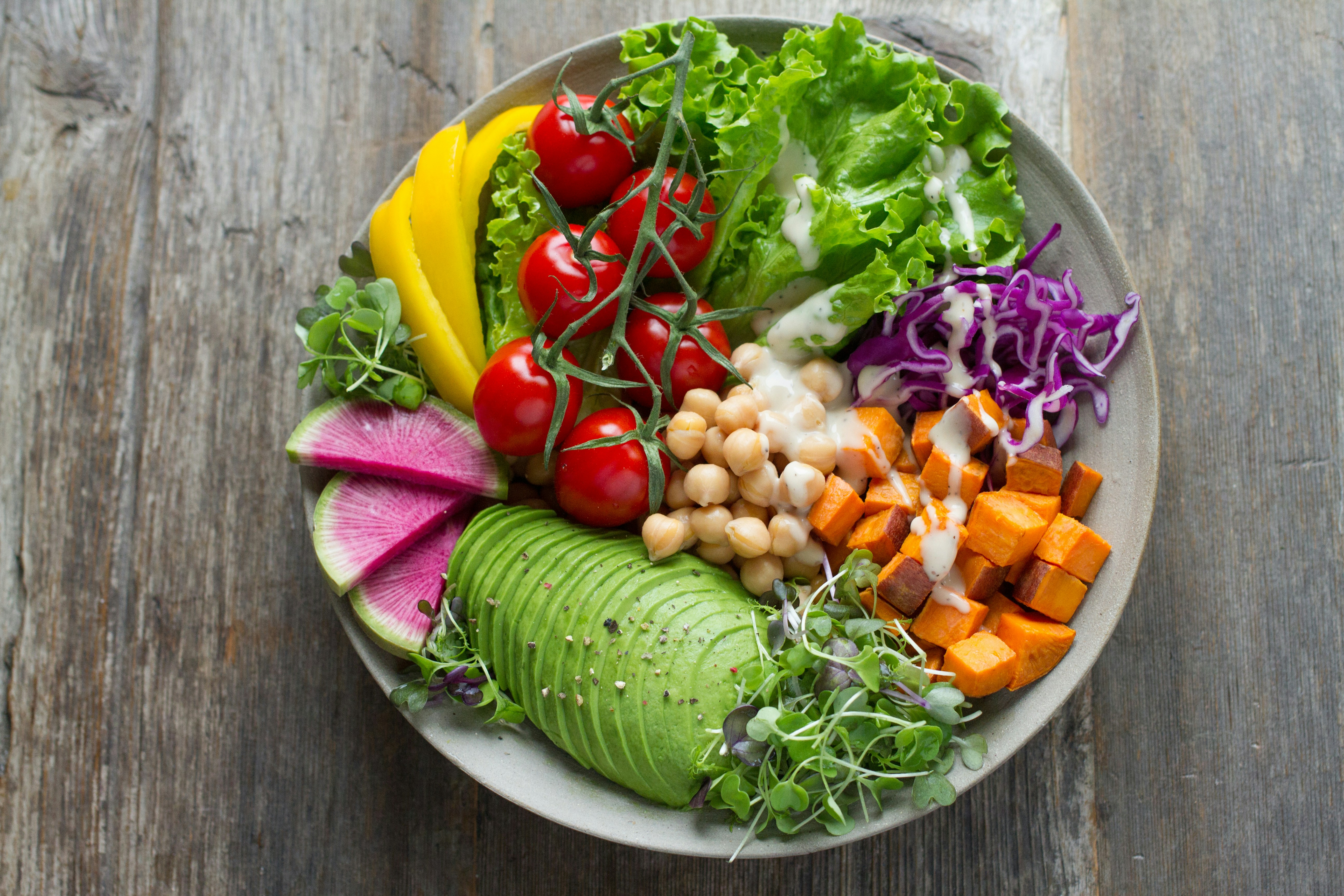
Nasi lemak is one of the most recognizable Malaysian dishes and a popular choice for breakfast, lunch, or dinner. The traditional preparation uses rice cooked with coconut milk and pandan leaves, producing a fragrant and slightly creamy texture.
The classic serving usually includes:
- Sambal, a spicy chili-based condiment.
- Ikan bilis, or crispy anchovies.
- Roasted peanuts.
- Cucumber slices.
- Boiled or fried egg.
Many restaurants also serve nasi lemak with fried chicken, fish, squid, or beef rendang. These variations make the dish suitable for different appetites and preferences.
Where to try it: Kuala Lumpur, Selangor, Penang, and local breakfast establishments throughout Malaysia.
Ordering tip: Ask whether the sambal is particularly spicy and whether the anchovies contain any additional ingredients you prefer to avoid.
Why try it: Nasi lemak provides a balanced introduction to coconut rice, sambal, crunchy accompaniments, and Malaysian breakfast culture.
2. Char Kway Teow – Penang’s Famous Stir-Fried Noodles
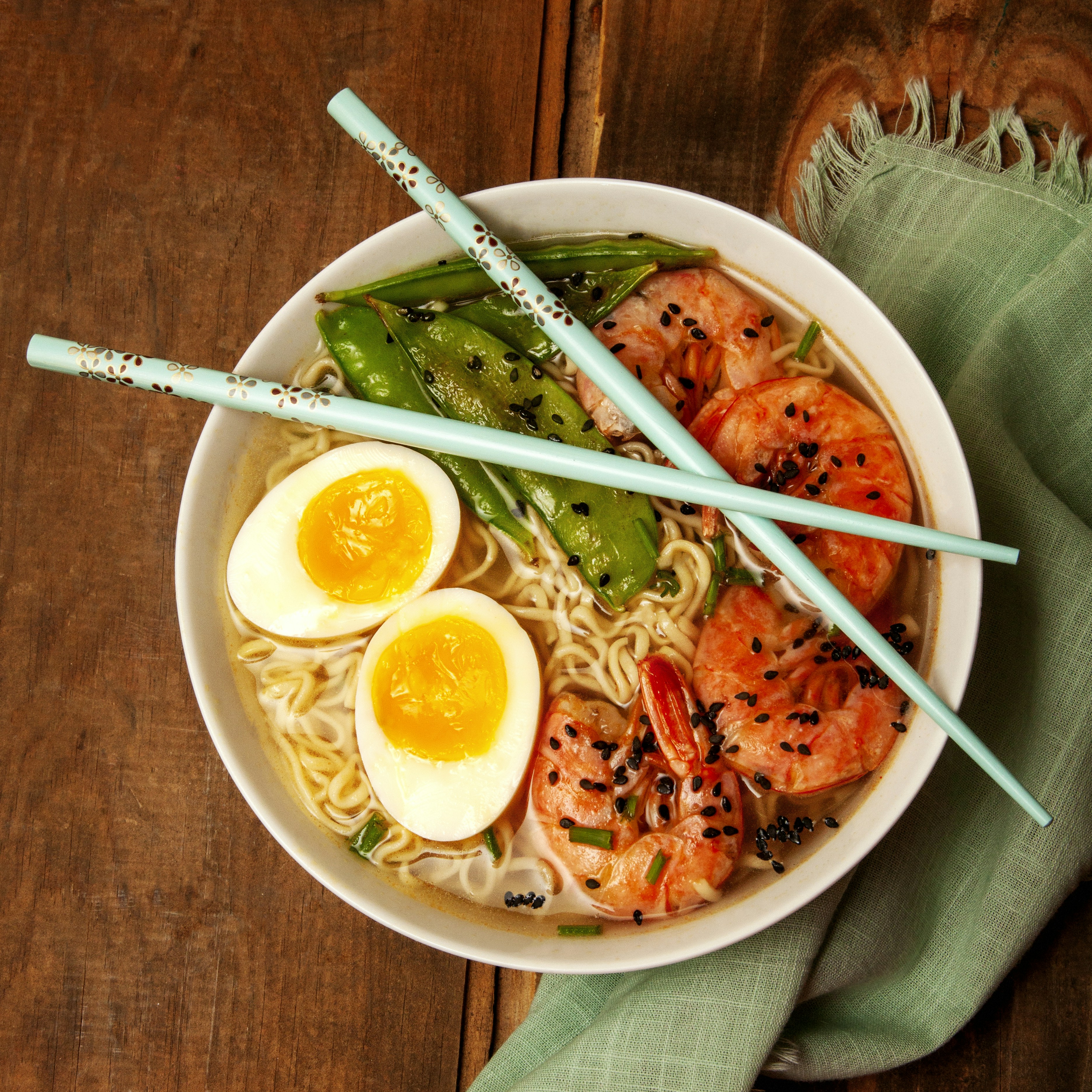
Char kway teow is a popular Malaysian noodle dish particularly associated with Penang. It uses wide, flat rice noodles stir-fried over high heat with ingredients that develop a distinctive smoky aroma.
Common ingredients include:
- Flat rice noodles.
- Prawns and cockles.
- Bean sprouts.
- Chinese chives.
- Egg.
- Soy-based sauces and chili.
The cooking technique is important. High heat creates the characteristic wok aroma, while the sauce gives the noodles their savory flavor.
Where to try it: George Town, Penang, particularly at established local hawker centers.
Ordering tip: Ask whether the preparation contains seafood, oyster sauce, or pork-based ingredients. Recipes differ between stalls.
Why try it: It is one of the most useful dishes for understanding Penang’s Chinese Malaysian food traditions.
3. Penang Assam Laksa – A Distinctive Sour and Spicy Noodle Soup
Penang Assam Laksa is a regional noodle specialty known for its tangy, spicy, and aromatic fish-based broth. Unlike coconut-rich curry laksa, Assam Laksa generally uses tamarind and other sour ingredients to produce a lighter, sharper flavor.
Its traditional ingredients include:
- Thick rice noodles.
- Fish-based broth.
- Tamarind.
- Chili and aromatic herbs.
- Cucumber, onion, and pineapple.
- Mint and other fresh garnishes.
The combination of sourness, spice, herbs, and fish creates a distinctive flavor that is different from many other Southeast Asian noodle soups.
Where to try it: Penang, especially George Town and the Air Itam area.
Ordering tip: Choose this dish if you enjoy sour flavors and seafood-based soups. Confirm the fish ingredients if you have seafood allergies.
Why try it: Penang Assam Laksa demonstrates how Malaysian regional recipes can transform familiar noodles into something completely different.
4. Roti Canai – Crispy Malaysian Flatbread
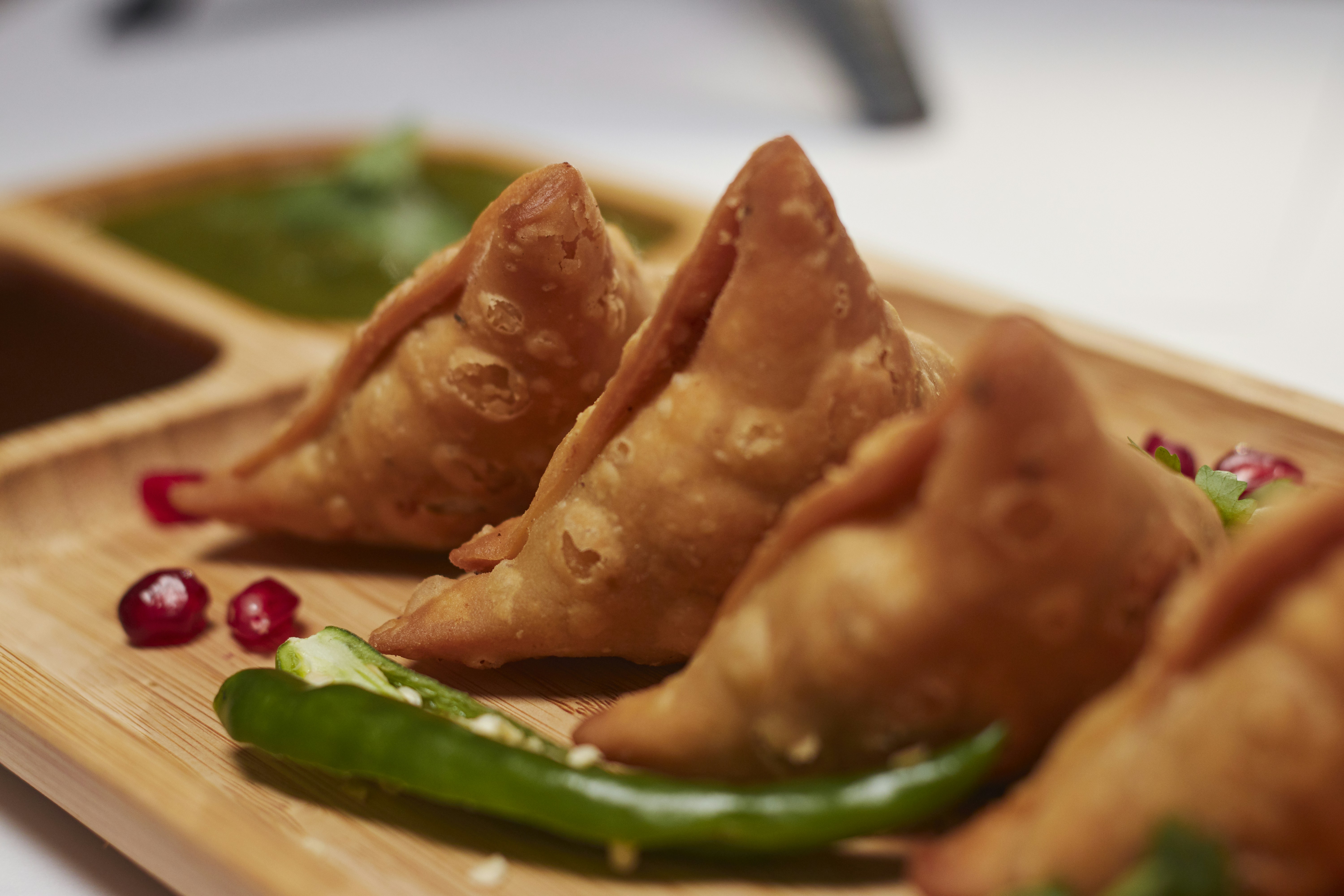
Roti canai is a layered flatbread influenced by Indian culinary traditions and widely enjoyed throughout Malaysia. The dough is stretched, folded, and cooked on a hot griddle until the outside becomes crisp and the inside remains soft.
Popular accompaniments include:
- Dhal, a lentil-based preparation.
- Chicken curry.
- Fish curry.
- Vegetable curry.
Some restaurants also offer variations such as roti telur with egg, roti bawang with onion, and sweet versions served with condensed milk.
Where to try it: Kuala Lumpur, Penang, Johor Bahru, and traditional mamak restaurants across the country.
Ordering tip: Roti canai with dhal is a useful starting point if you want a relatively simple meal. Check the ingredients of the accompanying sauces if you follow a particular diet.
Why try it: It is an accessible introduction to Malaysia’s Indian-influenced breakfast and casual dining culture.
5. Satay – Malaysian Grilled Meat Skewers
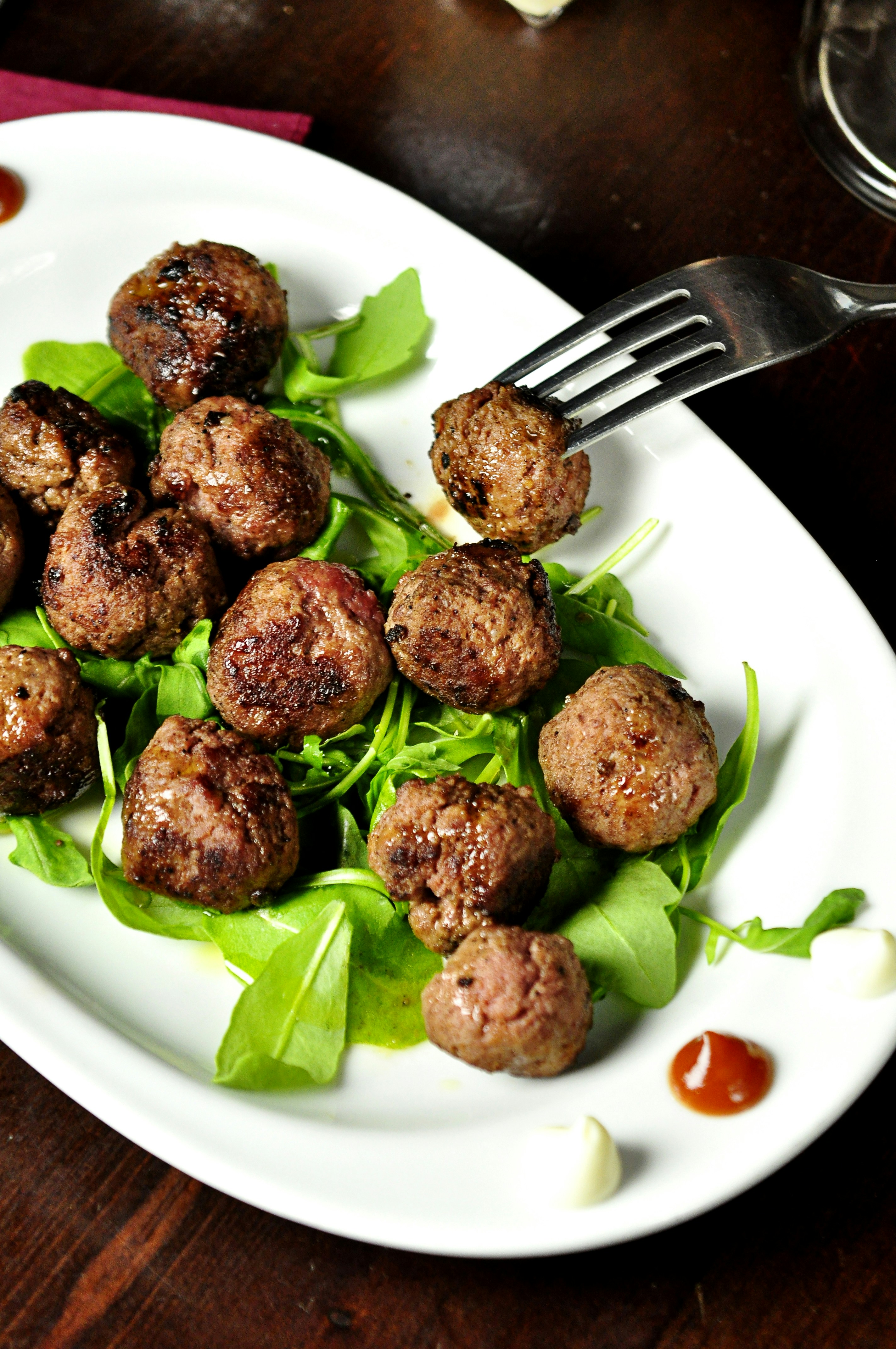
Satay consists of marinated meat threaded onto skewers and grilled over charcoal. Chicken and beef are common choices, although availability varies between restaurants.
Traditional accompaniments include:
- Peanut sauce.
- Cucumber.
- Onion.
- Ketupat or compressed rice cakes.
The marinade commonly uses aromatic spices and seasonings, while charcoal cooking adds a smoky flavor.
Where to try it: Kajang, Kuala Lumpur, and food markets throughout Malaysia.
Ordering tip: Peanut sauce is a major component, so ask about preparation if anyone in your group has a nut allergy.
Why try it: Satay is an excellent choice for travelers who prefer grilled food and smaller portions that can be shared.
6. Beef Rendang – Slow-Cooked Malaysian Spiced Meat
Beef rendang is a richly flavored dish prepared by slowly cooking meat with coconut milk, spices, and aromatic ingredients until the mixture becomes thick and concentrated.
Traditional recipes can include:
- Beef.
- Coconut milk.
- Ginger and galangal.
- Lemongrass.
- Turmeric and other spices.
- Chili and shallots.
Slow cooking allows the meat to absorb the spice mixture. The finished preparation is usually much thicker than an ordinary curry.
Where to try it: Malay restaurants in Kuala Lumpur, Negeri Sembilan, and traditional regional food establishments.
Ordering tip: Rendang is often served with steamed rice, ketupat, or lemang. Ask whether the recipe is beef or chicken because both versions are available.
Why try it: It is particularly interesting for travelers who enjoy slow-cooked dishes with complex spice combinations.
7. Nasi Kandar – Penang’s Rice and Curry Specialty
Nasi kandar is a popular Malaysian rice meal particularly associated with Penang. It consists of steamed rice served with a selection of curries, gravies, vegetables, and protein options.
Typical choices include:
- Steamed white rice.
- Chicken curry.
- Fish curry.
- Beef preparations.
- Vegetable side dishes.
- Different curry gravies mixed over the rice.
One of its distinctive features is the combination of different gravies, which creates a more complex flavor than ordering a single curry.
Where to try it: George Town, Penang, where nasi kandar restaurants are an important part of the local food scene.
Ordering tip: Decide on your preferred protein first, then select one or two side dishes. Ask about spice levels before requesting mixed gravy.
Why try it: Nasi kandar is ideal for travelers who want to explore several Malaysian curry flavors in one meal.
8. Nasi Kerabu – Traditional Blue Rice From Kelantan
Nasi kerabu is a distinctive rice dish associated with Kelantan and Malaysia’s east coast. Its most recognizable feature is blue-tinted rice, traditionally colored with butterfly pea flowers.
A traditional serving can include:
- Blue-colored rice.
- Fresh herbs and vegetables.
- Fish crackers or other regional accompaniments.
- Spicy sambal.
- Grilled fish or chicken.
- Traditional fermented fish-based condiments in some preparations.
The combination of fresh herbs, rice, and different accompaniments creates a meal with several textures and flavors.
Where to try it: Kota Bharu, Kelantan, and traditional restaurants serving east coast Malaysian cuisine.
Ordering tip: Ask which herbs and fermented condiments are included, particularly if you have strong food preferences or dietary restrictions.
Why try it: Nasi kerabu provides an excellent opportunity to explore the distinctive food traditions of northeastern Malaysia.
9. Sarawak Laksa – A Regional Noodle Specialty
Sarawak Laksa is one of the most recognizable dishes from Malaysian Borneo. Its broth uses a distinctive spice paste and is commonly served with rice vermicelli, shredded chicken, prawns, egg, and fresh garnishes.
Common components include:
- Rice vermicelli.
- Spiced laksa broth.
- Shredded chicken.
- Prawns.
- Egg strips.
- Fresh coriander and lime.
Although Sarawak Laksa and Penang Assam Laksa share the same general name, their flavor profiles and preparation methods are quite different.
Where to try it: Kuching, Sarawak.
Ordering tip: Ask whether the broth contains seafood ingredients and whether additional chili is served separately.
Why try it: It offers a practical way to experience the culinary identity of Malaysian Borneo without needing a complicated food itinerary.
10. Mee Goreng Mamak – Malaysian Indian-Muslim Fried Noodles
Mee goreng mamak is a popular stir-fried noodle dish associated with mamak restaurants. It combines noodles with vegetables, tofu, sauces, chili, and different protein options.
Depending on the restaurant, ingredients may include:
- Yellow noodles.
- Potatoes and tofu.
- Bean sprouts.
- Egg.
- Tomato-based sauce.
- Chicken or seafood.
The result is a savory, slightly sweet, and often spicy noodle preparation.
Where to try it: Kuala Lumpur, Penang, and Indian-Muslim restaurants throughout Malaysia.
Ordering tip: Request less chili if you prefer mild food. Ask whether the dish includes egg or seafood.
Why try it: It is a satisfying introduction to the casual restaurant culture found across Malaysian cities.
11. Nasi Dagang – A Traditional East Coast Rice Meal
Nasi dagang is particularly associated with Terengganu and Kelantan. The traditional version uses a combination of rice and glutinous rice, often prepared with coconut milk.
It is commonly served with:
- Fish curry, often using ikan tongkol.
- Pickled cucumber and vegetables.
- Boiled egg.
- Local seasonings.
The combination produces a fragrant rice meal that differs from the coconut rice preparation used in nasi lemak.
Where to try it: Kuala Terengganu and traditional breakfast restaurants in Terengganu.
Ordering tip: Try the traditional fish curry version if you enjoy seafood-based meals.
Why try it: It introduces visitors to a regional breakfast tradition that is less commonly encountered outside Malaysia’s east coast.
12. Curry Mee – A Creamy Malaysian Noodle Soup
Curry mee, also known as curry laksa in some regions, is a noodle soup prepared with an aromatic curry broth. Coconut milk often provides the creamy texture, although recipes vary.
Typical ingredients include:
- Yellow noodles or rice vermicelli.
- Coconut-based curry broth.
- Chicken, prawns, or tofu.
- Bean sprouts.
- Fresh herbs and chili.
Some versions contain additional seafood or regional ingredients, creating differences between restaurant preparations.
Where to try it: Penang, Kuala Lumpur, and other major Malaysian food destinations.
Ordering tip: Curry mee is generally a better option for travelers who prefer creamy and aromatic noodle soups over strongly sour broths.
Why try it: Comparing curry mee with Penang Assam Laksa is a useful way to understand Malaysia’s different noodle-soup traditions.
13. Cendol – A Refreshing Traditional Malaysian Dessert

Cendol is a popular traditional dessert made with shaved ice, green pandan-flavored rice-flour jelly, coconut milk, and gula Melaka, or palm sugar.
Some preparations also include:
- Red beans.
- Sweet corn.
- Additional jelly.
- Glutinous rice.
The contrast between cold ice, soft jelly, creamy coconut milk, and caramel-like palm sugar makes cendol particularly appealing in Malaysia’s warm climate.
Where to try it: Penang, Kuala Lumpur, Melaka, and traditional dessert stalls.
Ordering tip: Ask for less palm sugar if you prefer a lighter dessert.
Why try it: Cendol is one of the easiest ways to experience traditional Malaysian sweet ingredients.
14. Ais Kacang – Malaysian Shaved-Ice Dessert
Ais kacang, also known as ABC, is a colorful shaved-ice dessert served with a combination of sweet toppings and syrups.
Common ingredients include:
- Finely shaved ice.
- Red beans.
- Sweet corn.
- Jellies and palm seeds.
- Evaporated or condensed milk.
- Palm sugar or other sweet syrups.
Unlike cendol, which focuses on pandan jelly and palm sugar, ais kacang is usually a more elaborate combination of toppings and textures.
Where to try it: Penang, Kuala Lumpur, and local dessert shops throughout Malaysia.
Ordering tip: Share one serving if you are already having a full meal. The dessert can contain several sweet toppings.
Why try it: It is a refreshing option after exploring Malaysia’s spicy rice and noodle dishes.
15. Traditional Malaysian Kuih – Colorful Local Sweets

Kuih refers to a broad collection of traditional Malaysian snacks, cakes, and bite-sized desserts. Many varieties use coconut milk, rice flour, glutinous rice, pandan, palm sugar, and local fruits.
Some popular varieties include:
- Kuih seri muka: A layered dessert with glutinous rice and pandan custard.
- Kuih lapis: A colorful layered steamed cake.
- Onde-onde: Small pandan-flavored rice cakes filled with palm sugar and coated with grated coconut.
- Kuih ketayap: A rolled pandan crepe filled with sweet coconut.
Where to try them: Traditional markets, local bakeries, breakfast stalls, and Malaysian kuih shops.
Ordering tip: Buy a small selection rather than one large portion. This allows you to compare different textures and flavors.
Why try it: Kuih offers a closer look at everyday Malaysian food traditions beyond restaurant meals.
Where to Find Malaysia’s Regional Food Specialties
The best Malaysian food experience comes from matching each dish with the region where its culinary tradition is especially established. Kuala Lumpur offers variety, Penang is particularly associated with hawker specialties, and the east coast and Borneo introduce different regional dishes.
| Destination | Food specialties | Best food experience |
|---|---|---|
| Kuala Lumpur | Nasi lemak, roti canai, satay, mee goreng | Urban restaurants and food markets |
| George Town, Penang | Char kway teow, Assam laksa, nasi kandar | Traditional hawker food |
| Kajang | Satay | Grilled meat restaurants |
| Kota Bharu, Kelantan | Nasi kerabu and regional kuih | Traditional east coast cuisine |
| Kuala Terengganu | Nasi dagang | Local breakfast establishments |
| Kuching, Sarawak | Sarawak laksa | Local noodle restaurants |
| Melaka | Peranakan food and cendol | Heritage food establishments |
Why Penang Deserves Special Attention
Penang is particularly valuable for travelers interested in traditional Malaysian food because the island combines Chinese Malaysian, Malay, Indian, and Peranakan influences.
George Town provides opportunities to explore traditional food establishments, local markets, and heritage neighborhoods within a relatively compact area. Travelers can also combine food experiences with the city’s cultural attractions.
For sightseeing ideas, see our Penang Travel Guide and plan your food stops around the attractions you want to visit.
Why Kuala Lumpur Is a Convenient Starting Point
Kuala Lumpur is a useful introduction to Malaysian food because visitors can find traditional Malay restaurants, mamak establishments, Chinese Malaysian food, and modern dining options.
Travelers can organize a food-focused day around breakfast at a roti canai restaurant, lunch at a nasi kandar establishment, and an evening satay meal.
For a wider sightseeing plan, explore our Kuala Lumpur Attractions guide before selecting restaurants and neighborhoods.
How to Plan a Malaysian Food Experience
A five-day food itinerary can introduce travelers to Malaysia’s major culinary traditions without spending the entire trip moving between restaurants. The practical approach is to combine a major city with a regional food destination and leave enough time for local markets.
A Practical Five-Day Malaysian Food Itinerary
| Day | Location | Food experience |
|---|---|---|
| Day 1 | Kuala Lumpur | Nasi lemak breakfast, roti canai lunch, satay dinner |
| Day 2 | Kuala Lumpur | Mee goreng mamak, nasi kandar, traditional kuih |
| Day 3 | George Town, Penang | Char kway teow, Penang Assam Laksa, cendol |
| Day 4 | Penang | Nasi kandar, local snacks, and traditional desserts |
| Day 5 | Penang or return to Kuala Lumpur | Breakfast specialties and a relaxed final food experience |
This itinerary is a suggested planning framework rather than a fixed restaurant schedule. Actual travel time depends on your transport choice, traffic, and departure arrangements.
Travelers can compare ground transport options through our Trains and Buses guide when arranging travel between Kuala Lumpur and Penang.
How to Organize Each Food Day
- Start with breakfast: Choose nasi lemak, roti canai, or a regional rice specialty.
- Explore local lunch options: Look for a traditional restaurant or established hawker center.
- Try a regional specialty: Choose a dish associated with the destination rather than ordering the same meal everywhere.
- Leave room for dessert: Sample cendol, ais kacang, or traditional kuih.
- Record your favorites: Keep notes about ingredients, spice levels, and restaurants worth revisiting.
Pro tip: Avoid planning three large meals close together. Malaysian food portions and accompanying dishes can be substantial, so smaller shared tastings can help you experience more specialties comfortably.
Practical Tips for Ordering Malaysian Food
Understanding a few basic food terms and ordering habits makes Malaysian restaurants and hawker stalls easier to navigate. Ask about ingredients, spice levels, portion sizes, and preparation methods before ordering unfamiliar dishes.
1. Understand Common Menu Terms
| Term | Meaning |
|---|---|
| Nasi | Rice |
| Mee | Noodles |
| Ayam | Chicken |
| Ikan | Fish |
| Daging | Meat, commonly beef in menu descriptions |
| Sayur | Vegetables |
| Pedas | Spicy |
| Kurang pedas | Less spicy |
| Tanpa | Without |
| Air | Water or a beverage, depending on context |
2. Choose the Right Type of Food Establishment
- Hawker centers: Useful for trying several affordable local specialties in one location.
- Mamak restaurants: Suitable for roti canai, mee goreng, and other casual meals.
- Traditional Malay restaurants: Good for nasi lemak, rendang, and regional rice dishes.
- Chinese Malaysian restaurants: Useful for noodles, rice meals, and regional stir-fried specialties.
- Traditional markets: Excellent places to explore kuih, snacks, and local breakfast foods.
3. Ask About Portion Sizes and Ingredients
Some Malaysian meals are served with several side dishes, sauces, and condiments. Ask whether a dish is intended for one person or for sharing before placing a large order.
Also check the ingredients of sauces, broths, and marinades. A dish’s name alone does not always reveal everything used in its preparation.
How Much Should You Budget for Malaysian Food?
Your Malaysian food budget depends on the type of restaurant, location, portion size, and ingredients you choose. Hawker meals and local eateries generally provide more economical options than hotel restaurants and upscale dining establishments.
Instead of relying on a single national food-price average, use the following illustrative planning allowances. These are budgeting examples, not verified current restaurant prices.
| Food category | Illustrative allowance per person | Typical experience |
|---|---|---|
| Local breakfast | RM 5–15 | Roti canai or a simple nasi lemak |
| Local lunch | RM 10–20 | Rice or noodle meal |
| Local dinner | RM 12–25 | Satay, rice, or curry meal |
| Dessert or snack | RM 3–12 | Cendol, kuih, or ais kacang |
For example, a traveler spending RM 10 on breakfast, RM 15 on lunch, RM 20 on dinner, and RM 7 on dessert would spend approximately RM 52 for that day’s food.
Daily food budget formula:
Breakfast + Lunch + Dinner + Snacks = Estimated Daily Food Cost
RM 10 + RM 15 + RM 20 + RM 7 = RM 52
Use this as a starting estimate and check actual menus before traveling. Prices can vary substantially by city, restaurant, portion, and season.
For broader destination comparisons, read our budget travel destinations guide and most affordable vacation destinations guide.
Dietary Requirements and Food Safety in Malaysia
Travelers with dietary restrictions should confirm ingredients and preparation methods directly with restaurants rather than relying only on a dish’s traditional recipe. Malaysian food can contain seafood, peanuts, eggs, dairy, soy, meat-based sauces, and other ingredients that may not be obvious from the menu description.
Halal Food Considerations
Halal food is widely available in Malaysia, particularly at many Malay restaurants and certified establishments. However, travelers who require halal assurance should check the restaurant’s current certification and ask about food preparation.
Official information about Malaysian food and restaurant culture is available through Tourism Malaysia.
Vegetarian and Vegan Food Choices
Vegetarian travelers can find suitable options, but some apparently vegetable-based dishes may contain fish sauce, shrimp paste, dried seafood, eggs, or animal-based stock.
Before ordering, ask whether the preparation contains:
- Fish sauce or shrimp paste.
- Meat-based broth.
- Eggs or dairy products.
- Animal-derived cooking ingredients.
Food Allergies
Peanuts, seafood, soy, eggs, and other ingredients appear in many Malaysian preparations. Travelers with allergies should communicate their requirements clearly and ask about cross-contact during cooking.
Street Food Hygiene
Choose food establishments where ingredients are handled properly and meals are prepared under visibly hygienic conditions.
Useful precautions include:
- Prefer freshly cooked hot meals.
- Check that raw ingredients are stored appropriately.
- Choose stalls with good food turnover.
- Use clean drinking water.
- Be cautious with food that has been sitting uncovered for extended periods.
For additional guidance, consult Malaysia’s Ministry of Health Food Safety and Quality Programme, which outlines food hygiene and safety requirements.
Common Mistakes to Avoid When Exploring Malaysian Cuisine
The biggest mistake is limiting your food experience to internationally familiar dishes instead of exploring regional specialties. Malaysia’s culinary diversity is best understood by trying different ingredients, cooking methods, and local food traditions.
- Ordering only familiar meals: Include at least one regional specialty in each destination.
- Ignoring spice levels: Ask for less chili if you are not accustomed to spicy food.
- Skipping breakfast: Malaysian breakfast dishes are an important part of the country’s food culture.
- Eating too much at once: Try smaller portions and share different specialties.
- Assuming every laksa tastes the same: Compare Penang Assam Laksa with Sarawak Laksa and curry mee.
- Ignoring ingredient information: Check sauces, broths, and condiments when dietary requirements matter.
- Planning meals without considering transport: Combine food stops with nearby sightseeing to avoid unnecessary travel.
Frequently Asked Questions About Malaysian Food
These frequently asked questions cover the dishes, ingredients, regional specialties, and practical dining considerations travelers commonly need to understand before visiting Malaysia.
1. What is the most famous traditional food in Malaysia?
Nasi lemak is one of Malaysia’s most recognizable traditional dishes. It consists of coconut milk-infused rice served with sambal, anchovies, peanuts, cucumber, and egg, with optional accompaniments such as chicken or rendang.
2. What Malaysian food should first-time visitors try?
First-time visitors should consider nasi lemak, roti canai, satay, char kway teow, nasi kandar, and Penang Assam Laksa. Together, these dishes introduce several important Malaysian cooking traditions.
3. Which Malaysian city is famous for traditional street food?
George Town in Penang is particularly famous for its traditional hawker food, including char kway teow, Assam Laksa, and nasi kandar. Kuala Lumpur also offers an extensive selection of regional and multicultural food.
4. Is Malaysian food generally spicy?
Many Malaysian dishes contain chili, but not every meal is spicy. Roti canai, some rice dishes, desserts, and selected noodle preparations can be relatively mild. Ask for less chili when ordering.
5. What is the difference between nasi lemak and nasi kerabu?
Nasi lemak features coconut milk-infused rice served with sambal and traditional accompaniments. Nasi kerabu is associated with blue-tinted rice, fresh herbs, vegetables, and regional side dishes, particularly in Kelantan.
6. What is the difference between Penang Assam Laksa and Sarawak Laksa?
Penang Assam Laksa has a tangy, fish-based broth commonly flavored with tamarind. Sarawak Laksa uses a distinctive aromatic spice broth and is commonly served with rice vermicelli, chicken, prawns, and egg.
7. What Malaysian food is suitable for vegetarians?
Some roti canai, vegetable dishes, kuih, and selected rice or noodle meals may be suitable for vegetarians. However, sauces, shrimp paste, fish-based broths, and cooking ingredients should always be checked.
8. Is halal food easy to find in Malaysia?
Halal food is widely available across Malaysia, particularly at many Malay restaurants and certified establishments. Travelers requiring certification should check the current status of individual restaurants.
9. What Malaysian desserts should travelers try?
Cendol, ais kacang, kuih seri muka, kuih lapis, and onde-onde are excellent traditional dessert choices. These specialties feature ingredients such as coconut milk, pandan, palm sugar, and glutinous rice.
10. How much money should I budget for food in Malaysia?
A practical starting allowance for local meals and snacks might be around RM 40–60 per person daily, depending on restaurant choices and portion sizes. Hotel dining and upscale restaurants can cost considerably more.
11. What should I eat in Penang?
Try Penang Assam Laksa, char kway teow, nasi kandar, cendol, and traditional kuih. These dishes provide a useful introduction to Penang’s distinctive food culture.
12. What should I eat in Kuala Lumpur?
Kuala Lumpur is a good place to try nasi lemak, roti canai, satay, mee goreng mamak, and different Malaysian rice and curry dishes. Its multicultural restaurant scene offers considerable variety.
13. What is the best time to explore Malaysian street food?
Breakfast, lunch, and evening are all useful times to explore Malaysian food. Breakfast stalls introduce traditional rice and bread dishes, while many hawker centers offer a wider selection of noodles, grilled specialties, and desserts later in the day.
14. Is Malaysian food suitable for families?
Yes. Families can choose from rice dishes, grilled chicken, mild noodle preparations, flatbread, and traditional desserts. Ask restaurants for less spicy preparations and check ingredients for children with allergies.
15. Can travelers experience Malaysian food on a short trip?
Yes. A three-to-five-day visit can introduce travelers to several major specialties. Kuala Lumpur and Penang make a useful combination for exploring urban food culture and traditional regional dishes.
Final Takeaway: Experience Malaysia Through Its Food
Malaysia’s food culture is one of the country’s most rewarding travel experiences. From nasi lemak and char kway teow to Penang Assam Laksa, Sarawak Laksa, satay, and traditional kuih, every regional specialty offers a different perspective on Malaysian culinary heritage.
For a first visit, start with Kuala Lumpur’s multicultural restaurants and continue to Penang for its distinctive hawker traditions. Travelers with more time can explore Kelantan, Terengganu, Melaka, and Sarawak to discover additional regional specialties.
The best approach is to eat locally, ask about ingredients, explore different cooking traditions, and leave room for dishes you have never tried before. A thoughtfully planned food itinerary can turn an ordinary Malaysian holiday into a much more memorable cultural experience.
Before your journey, explore our The Offers Guy travel resources, compare hotel accommodation options, and research local tours and activities to build a complete Malaysia travel plan.