Loch Lomond and Trossachs National Park with kids is an excellent choice for families seeking scenic walks, island adventures, wildlife, boat trips, and manageable outdoor activities in Scotland. The best family experiences combine short trails, safe planning, interesting scenery, and enough flexibility for children to rest, explore, and enjoy the outdoors.
Families can explore the shores of Loch Lomond, walk through woodland around Balmaha, take a boat to Inchcailloch, or discover the quieter landscapes of the Trossachs. However, choosing the right activity matters because some mountain routes are considerably more demanding than the park’s easier family walks.
This guide explains where to go, which activities suit different ages, how to plan a practical family day, what to pack, and which mistakes to avoid. It also includes official planning resources, realistic safety considerations, and suggestions for combining outdoor adventures with a comfortable family trip.

Why Visit Loch Lomond and the Trossachs National Park with Kids?
The park suits families because it offers different levels of outdoor activity, from short woodland walks to more demanding hill routes and boat-based adventures.
Loch Lomond and The Trossachs National Park covers a large area of Scottish countryside containing lochs, forests, hills, villages, islands, and walking routes. This variety allows families to choose activities based on children’s ages, weather conditions, energy levels, and available time.
A family with toddlers may prefer a short lakeside walk and a picnic. Families with older children may enjoy a longer woodland route, an island visit, or a supervised outdoor activity. Experienced teenagers may be ready for a more challenging hillwalk, provided the weather and route conditions are suitable.
The most important planning principle is to avoid treating the entire park as one simple attraction. Different areas have different facilities, road conditions, walking distances, parking arrangements, and transport options.
Before travelling, consult the official Loch Lomond and The Trossachs National Park visitor planning information for current access, facilities, transport, and responsible-visiting guidance.
9 Best Things to Do in Loch Lomond and Trossachs National Park with Kids
The most rewarding family activities include short forest walks, lakeside exploration, island trips, gentle hill routes, scenic cruises, and nature-focused adventures.
1. Walk the Millennium Forest Trail at Balmaha
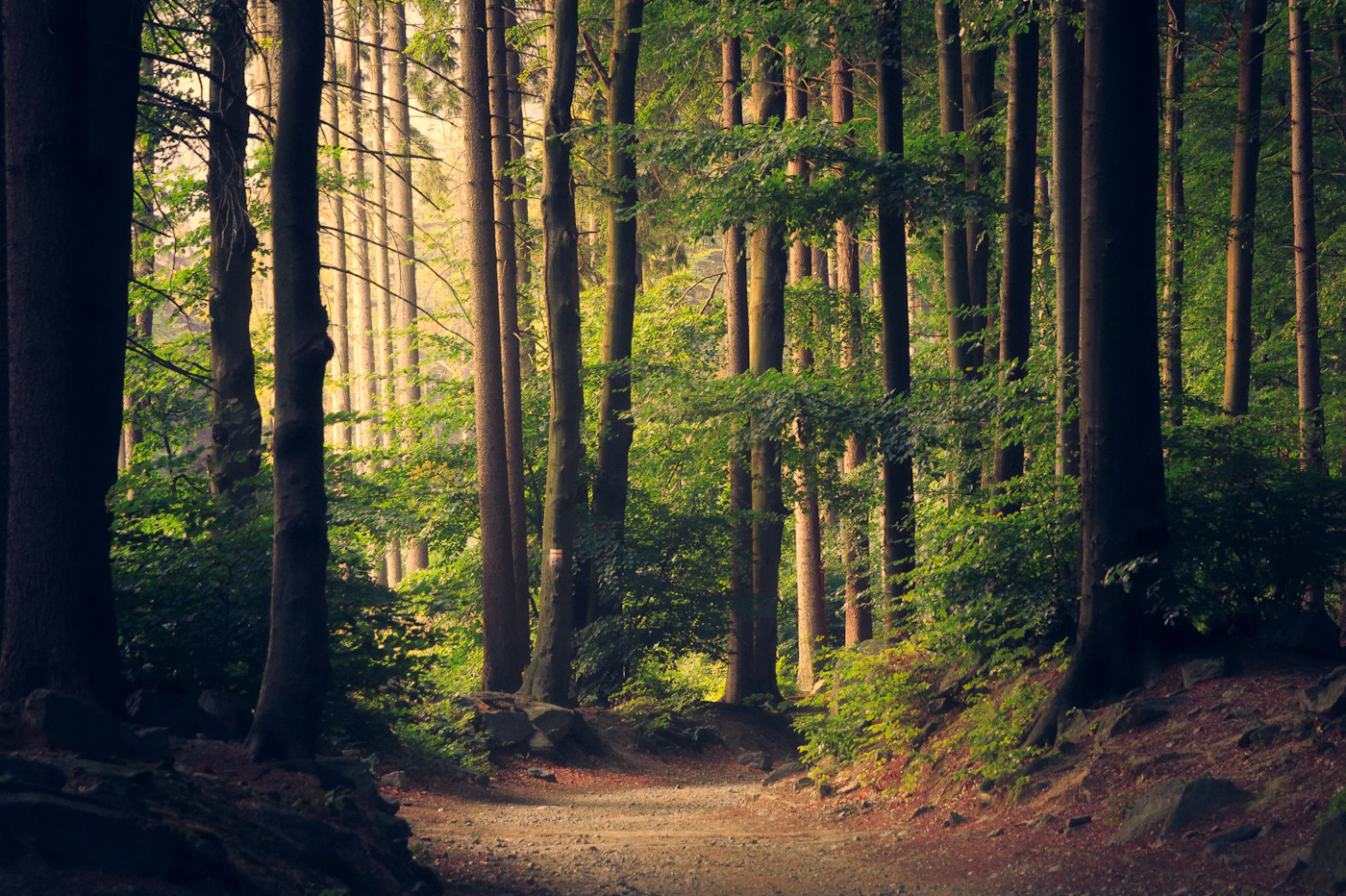
The Millennium Forest Trail is a useful starting point for families wanting a short woodland walk near Loch Lomond.
Balmaha is one of the most practical bases for exploring the eastern side of Loch Lomond. The official national park itinerary describes the Millennium Forest Trail as approximately 1 mile long, with a walking time of around 45 minutes.
The route gives children an opportunity to experience woodland scenery without committing to a long mountain hike. Families can look for different tree shapes, listen for birds, observe changing vegetation, and stop for photographs along the way.
The trail can work particularly well for:
- Families with younger children who need frequent breaks.
- Parents looking for a short outdoor activity before lunch.
- Visitors combining a walk with Balmaha village.
- Families who want a gentle introduction to Scottish woodland.
Check the current route condition and accessibility information before travelling, especially after heavy rain. Woodland paths may become muddy or slippery.
For additional family walking ideas, see our guide to best hikes with kids.
2. Explore Inchcailloch Island
Inchcailloch combines a boat journey, woodland exploration, wildlife opportunities, and scenic views across Loch Lomond.
Families can travel from Balmaha to Inchcailloch by boat, depending on the operating season and available service. The island is a nature reserve with woodland paths, beaches, wildlife, and historical connections.
The journey itself can become part of the adventure. Children often enjoy watching the boat leave the shore, observing the surrounding islands, and spotting birds or other wildlife from the water.
Once on the island, families should choose a route according to their children’s stamina. A short exploration may be sufficient for younger children, while older children may enjoy walking farther along the island paths.
Before visiting, confirm:
- Boat departure times and return arrangements.
- Whether the service operates during your planned visit.
- Weather and water conditions.
- Available toilets and other facilities.
- Whether children can comfortably manage the selected walking route.
The official park information explains the island’s walking routes and transport options. Read the Inchcailloch visitor information before planning your trip.

3. Enjoy the Shores of Loch Lomond
A lakeside visit is one of the easiest ways to introduce children to the scenery of Loch Lomond without planning a demanding hike.
Families can enjoy views of the water, watch boats, take photographs, eat a packed lunch, or explore suitable shore areas. The experience is flexible because parents can decide how long to stay according to the weather and children’s energy.
However, lakeside environments require supervision. Water edges can be uneven, slippery, or deeper than they appear. Children should remain within close reach of an accompanying adult, particularly near piers, rocks, and boat-launching areas.
For a more structured experience, families can investigate official boat services operating from locations such as Balloch, Luss, Tarbet, Inversnaid, and Rowardennan. Services vary by route and season.
Check the official boat, ferry, and waterbus information before making a booking.
4. Try the Conic Hill Walk with Older Children
Conic Hill can provide an impressive family hiking experience, but the route should be assessed carefully for younger children and changing weather.
Conic Hill is located near Balmaha and is known for its views across Loch Lomond and the Highland Boundary Fault. The route is more demanding than a short woodland stroll, especially where the path becomes steep or uneven.
Older children and teenagers who already enjoy walking may appreciate the sense of achievement that comes with reaching a viewpoint. Younger children may find the ascent tiring, particularly in wet or windy conditions.
Before choosing Conic Hill, consider:
- Your children’s previous walking experience.
- The forecast, wind, rain, and visibility.
- The amount of daylight available.
- Footwear and clothing.
- Whether everyone can complete the route safely.
Do not choose a hill route simply because it appears short on a map. Elevation gain, surface conditions, and weather can make a walk substantially harder.
Use the official Conic Hill route information when preparing for the walk.

5. Visit Balloch for a Flexible Family Day
Balloch is a convenient gateway for families seeking access to Loch Lomond, transport connections, and a range of nearby visitor facilities.
Balloch can work well when parents want a less remote experience. Depending on the chosen area, families may combine a walk with a meal, a visit to the lochside, or a boat trip.
The village and surrounding attractions can also provide flexibility when the weather changes. A family does not necessarily need to spend an entire day hiking to enjoy the national park.
Families travelling without a car may find Balloch useful because it has rail connections from Glasgow. However, onward transport to other destinations should be checked carefully before departure.
Use the official national park visitor information to plan transport and local activities.
6. Take a Family Boat Trip
A boat trip allows children to experience the landscape from the water while reducing the amount of walking required.
Boat trips may be particularly helpful for families with children who become tired during long walks. A cruise can also add variety to a trip that already includes woodland trails and sightseeing.
Available services differ by location, season, operator, route, and weather. Some journeys are short, while others are designed as longer scenic experiences.
Before booking, check:
- Departure point and return location.
- Journey length.
- Child fares and family ticket options.
- Accessibility and pram arrangements.
- Weather cancellation policies.
Never assume that every boat service operates daily throughout the year. Confirm the details directly with the relevant operator.
7. Explore the Wider Trossachs
The Trossachs offer families a combination of forests, lochs, viewpoints, villages, and quieter outdoor experiences beyond the busiest parts of Loch Lomond.
Families who have already explored Balmaha may want to investigate other areas around Loch Katrine, Aberfoyle, Callander, or Loch Lubnaig. The best choice depends on the route, available time, and whether the family wants walking, sightseeing, cycling, or a scenic drive.
Do not attempt to cover too many areas in one day. Roads can be winding, and journey times may be longer than expected when travelling with children.
A practical approach is to choose one main destination and one optional stop. This leaves time for food, toilet breaks, photographs, and unexpected delays.
8. Plan a Nature and Wildlife Walk
Nature walks give children a reason to slow down and observe wildlife, plants, water, and changing landscapes.
Instead of treating a walk as a race to reach the end, parents can turn the experience into a simple outdoor learning activity. Children can look for different leaves, listen for birds, identify woodland sounds, or record interesting observations in a small notebook.
Wildlife should always be observed from a respectful distance. Families should not feed animals, disturb nesting birds, or remove plants, stones, or other natural materials.
For younger children, a short route with several points of interest is often more enjoyable than a longer route with little variety.
9. Enjoy a Family Picnic and Scenic Viewpoint
A well-planned picnic can turn a short walk into a complete family outing without requiring an expensive restaurant meal.
Choose a suitable picnic area or established stopping point, and check whether facilities are available. Carry enough food and water for the planned activity, especially when visiting areas with limited services.
Parents should avoid leaving food waste behind. The national park’s responsible-visiting guidance encourages visitors to protect the landscape and take litter home when appropriate.
A picnic also provides a useful rest period between activities. Children may enjoy the day more when the schedule includes time to sit, eat, and explore at their own pace.
How to Choose the Right Family Walk
The best family walk is one that matches children’s ability, weather conditions, route difficulty, and the time available.
Families should evaluate a walking route before arriving rather than relying only on photographs or social media recommendations. A route described as “easy” by an experienced hiker may still be challenging for a toddler or a child who rarely walks outdoors.
| Family situation | More suitable activity | What to consider |
|---|---|---|
| Toddlers and preschool children | Short woodland or lakeside stroll | Frequent breaks, safe surfaces, toilet access |
| Primary-school children | Short forest trail or nature walk | Distance, snacks, weather, interest points |
| Older children | Longer walk or island exploration | Fitness, route navigation, suitable footwear |
| Experienced teenagers | More demanding hill route | Forecast, elevation, daylight, emergency planning |
Pro Tip: Plan the route around the least experienced member of the family. A shorter successful walk is usually better than an ambitious route that leaves everyone exhausted.
Families looking for suitable outdoor equipment can also review our guide to essential hiking gear for kids.
A Practical One-Day Family Itinerary
A relaxed itinerary should include one main outdoor activity, time for food, and enough flexibility to respond to weather or tired children.
Morning: Begin in Balmaha
Start with breakfast and travel to Balmaha. Allow extra time for parking, preparing bags, using toilets, and checking the weather.
Families can begin with the Millennium Forest Trail or another short local walk. This provides an opportunity to assess how everyone feels before committing to a longer activity.
Late Morning: Choose One Main Adventure
Depending on the season and available services, families can choose between exploring Inchcailloch, enjoying the lochshore, or undertaking a more challenging walk.
Do not attempt every activity in one day. A single enjoyable experience is often more memorable than a rushed list of attractions.
Afternoon: Lunch and a Flexible Stop
Enjoy a packed lunch or eat at a suitable local establishment. After lunch, choose a short walk, a scenic viewpoint, or a boat trip if the schedule and weather permit.
Keep an alternative plan available. Rain, wind, delayed transport, or tired children may require a change of schedule.
Late Afternoon: Return Before Conditions Deteriorate
Allow enough time to return to the car, accommodation, or transport connection before darkness or worsening weather. Families should avoid extending a walk simply to complete the original plan.
Note: This itinerary is a planning framework rather than a fixed schedule. Actual travel times depend on the chosen route, transport, season, and children’s walking pace.
Where to Stay for a Family Visit
The best accommodation base depends on whether your family prioritises transport access, outdoor scenery, facilities, or proximity to a particular walking area.
Balloch
Balloch can suit families who want access to transport connections, visitor facilities, and the southern end of Loch Lomond. It may be a practical option for visitors arriving from Glasgow.
Balmaha and the Eastern Shore
Balmaha is useful for families focusing on Conic Hill, the Millennium Forest Trail, and Inchcailloch. Accommodation availability and prices vary, so booking early may be sensible during busy periods.
Villages in the Trossachs
Areas around Aberfoyle, Callander, and other Trossachs communities may suit families who want a quieter base or plan to explore multiple lochs and forest areas.
When comparing accommodation, consider more than the advertised nightly price:
- Parking charges.
- Breakfast costs.
- Family room arrangements.
- Distance from the planned activities.
- Kitchen facilities.
- Cancellation conditions.
For practical accommodation planning, read our guide to saving money on family hotels.
How to Get Around Loch Lomond and the Trossachs with Kids
A car provides flexibility across the national park, while public transport can work well for carefully planned journeys between selected destinations.
The park is geographically large, and some attractions are separated by winding roads and limited public transport services. Families should therefore choose their base and activities before deciding how to travel.
Travelling by Car
A car makes it easier to carry food, spare clothing, child seats, walking equipment, and emergency supplies. However, drivers should allow extra time for narrow roads, bends, congestion, and busy car parks.
Never use passing places on single-track roads as parking areas. They are needed to allow vehicles to pass safely.
Travelling by Public Transport
Some areas can be reached using trains, buses, and waterbus services, but connections may be limited. Check departure times and return options before beginning a walk or island visit.
The official park website provides information about planning a visit and getting around the park.
What to Pack for Loch Lomond and Trossachs National Park with Kids
Families should pack for changing Scottish weather, muddy paths, hunger, minor emergencies, and the possibility of spending longer outdoors than expected.
- Waterproof jackets and trousers.
- Warm layers that can be added or removed.
- Comfortable walking shoes with suitable grip.
- Extra socks and spare clothing for younger children.
- Water bottles and high-energy snacks.
- Sun protection, including sunscreen and hats.
- A small first-aid kit.
- Fully charged mobile phones and a power bank.
- Printed or downloaded route information.
- Child carriers or suitable equipment where necessary.
- Waste bags for taking rubbish home.
Do not rely entirely on a mobile phone signal. Download maps or carry an alternative method of navigation when walking in areas with limited connectivity.
Parents should also check whether their selected attraction has toilets, food facilities, accessible paths, or places to shelter from rain.

Safety Advice for Families
Family safety depends on choosing suitable routes, supervising children near water, checking weather conditions, and preparing for changing outdoor conditions.
Water Safety
Lochs, rivers, piers, and rocky shorelines can present hazards. Children should remain close to adults around water, and parents should not assume that calm-looking water is safe for swimming.
Weather and Hillwalking
Scottish weather can change quickly. Rain, wind, mist, and low temperatures can affect visibility and walking conditions.
Check the forecast before departure and be willing to cancel or shorten a route. A hill walk should not continue simply because the family has already started.
Ticks and Outdoor Health
The national park warns visitors that ticks are present, particularly during spring and summer. Families should learn about tick prevention, check clothing and skin after outdoor activities, and follow appropriate health guidance.
Read the official information about responsible outdoor visits and safety.
Respect the Environment
Families should keep dogs under control where required, avoid disturbing wildlife, take litter home, and follow local access guidance.
Responsible behaviour helps protect the park for future visitors and reduces the impact of busy visitor periods.
Common Mistakes to Avoid
The most common family travel mistakes involve overplanning, ignoring weather, underestimating distances, and failing to check transport or facilities.
- Trying to cover too much: Choose one main area rather than driving across the entire park.
- Choosing a route based only on photographs: Check distance, elevation, surface, and current conditions.
- Ignoring children’s energy levels: Build in breaks and allow plans to change.
- Forgetting food and water: Some areas have limited services.
- Failing to check boat times: Confirm return arrangements before visiting an island.
- Arriving without suitable clothing: Scottish weather can change quickly.
- Leaving too late: Allow time for parking, walking, delays, and returning before darkness.
- Ignoring local regulations: Check camping, parking, access, and environmental guidance.
Families who want more general planning advice can read our proven family travel tips.
How to Save Money on a Family Trip
The easiest way to control family travel costs is to combine free outdoor activities with careful transport, food, and accommodation planning.
Many outdoor experiences in the national park can be enjoyed without paying an attraction admission fee. However, transport, parking, boat journeys, accommodation, and food can still increase the total cost.
Use a Simple Family Budget
Before travelling, estimate the following costs:
| Expense | Planning question |
|---|---|
| Accommodation | Does the room include family facilities and parking? |
| Transport | What will fuel, public transport, or boat tickets cost? |
| Food | Can breakfast or lunch be prepared in advance? |
| Activities | Are any boat trips or attractions paid? |
| Equipment | Do children need waterproof clothing or new footwear? |
A packed lunch can reduce spending, but families should still carry enough food and water for unexpected delays. The cheapest plan is not always the most practical if it creates long journeys or unnecessary stress.
For broader planning strategies, read our guide on how to plan a family vacation on a budget.
Frequently Asked Questions About Loch Lomond and Trossachs National Park with Kids
Families should choose activities based on children’s ages, walking experience, weather, transport, and the facilities available at each destination.
Is Loch Lomond and the Trossachs National Park suitable for toddlers?
Yes. Toddlers can enjoy suitable woodland paths, short lakeside walks, nature observation, and carefully supervised sightseeing. Parents should choose short routes with manageable surfaces and access to toilets or food facilities where possible.
What is the easiest family walk near Loch Lomond?
The Millennium Forest Trail near Balmaha is one option for families seeking a short woodland experience. The official park itinerary describes it as approximately 1 mile long and around 45 minutes, although walking times vary by pace and stops.
Can children visit Inchcailloch Island?
Yes. Children can enjoy the boat journey and explore suitable island paths with adult supervision. Families should check boat timetables, weather conditions, walking distances, and return arrangements before travelling.
Is Conic Hill suitable for young children?
Conic Hill is more demanding than a short woodland walk. Suitability depends on the child’s age, fitness, walking experience, weather, and route conditions. Families should review the official route information and choose a safer alternative if conditions are unsuitable.
How many days are needed for a family trip?
One day can cover a selected area such as Balmaha and the eastern shore. Two or more days allow families to explore additional parts of the park without rushing between destinations.
Is a car necessary when visiting with kids?
A car is useful for reaching different parts of the national park, especially when travelling with equipment or young children. Public transport can work for selected routes, but families should check connections and return times carefully.
What should families do if the weather changes?
Families should shorten the walk, move to a safer location, or change the day’s activity. Carry waterproof clothing, check forecasts, and avoid continuing a demanding route in unsafe conditions.
Can families camp in Loch Lomond and the Trossachs National Park?
Yes, but camping rules apply in certain areas. Camping Management Zones operate during specified periods, and some locations require a permit or campsite booking. Check the official national park camping guidance before making arrangements.
What is the best way to plan a family walking day?
Choose one suitable route, check the forecast, pack food and water, identify toilets and parking, and allow time for breaks. Families should also prepare an alternative activity in case the weather or children’s energy levels change.
Final Takeaway
Loch Lomond and Trossachs National Park with kids is most enjoyable when families choose manageable activities, plan around the weather, and allow time for exploration and rest.
Start with a short woodland walk or lakeside visit, then consider an island trip, boat journey, or more demanding hill route if the family is ready. Balmaha provides a useful starting point for several experiences, while Balloch and the wider Trossachs offer additional options.
The best family itinerary does not need to include every attraction. A carefully chosen walk, a scenic view, a picnic, and time together can create a more rewarding experience than a rushed schedule.
Before departure, check official visitor information, transport arrangements, route conditions, and local safety guidance. With realistic planning, Loch Lomond and The Trossachs can become an enjoyable destination for children and adults alike.