This Langkawi travel guide covers the island’s best attractions, beaches, nature experiences, transportation options, accommodation areas, and practical planning advice. Langkawi is an excellent destination for travelers who want to combine tropical beaches, mountain scenery, mangrove forests, island excursions, and Malaysian culture in one holiday.
However, the island is larger and more spread out than many first-time visitors expect. Choosing the right accommodation area, grouping nearby attractions, and arranging transportation before arrival can save considerable time and money. This guide explains how to plan a rewarding Langkawi holiday without rushing between attractions.
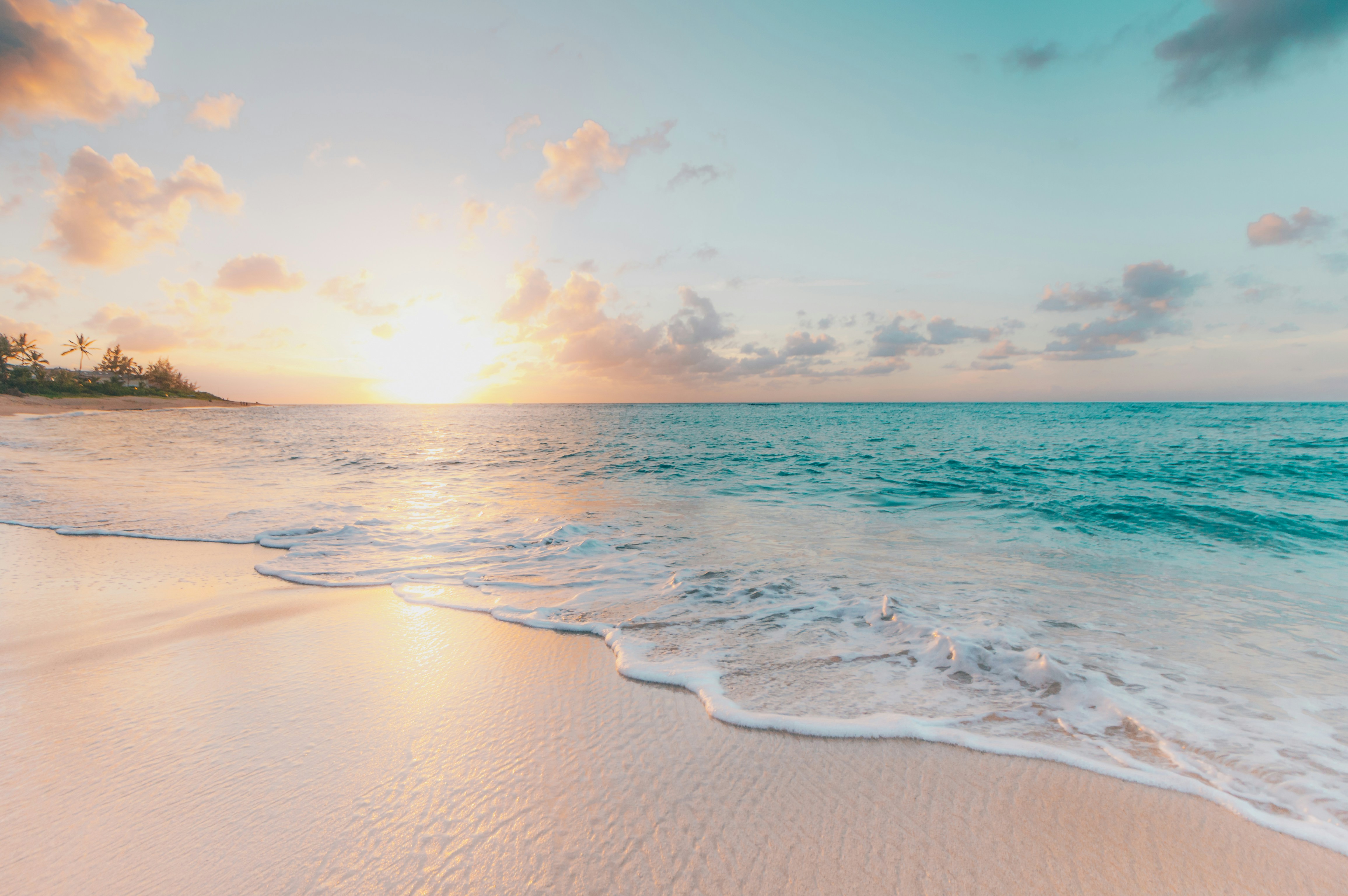
What Makes Langkawi Worth Visiting?
Langkawi is worth visiting for its combination of beaches, UNESCO Global Geopark landscapes, mountain attractions, mangrove ecosystems, and accessible island excursions.
Located in Kedah, northwestern Malaysia, Langkawi is an archipelago in the Andaman Sea. The island group is known for its geological formations, limestone landscapes, tropical forests, and coastal scenery.
Langkawi is particularly interesting because it offers several different experiences without requiring international travel between destinations. Visitors can explore a mountain cable car in the morning, take a mangrove boat excursion in the afternoon, and enjoy a sunset at the beach.
According to Tourism Malaysia’s Langkawi destination guide, the island contains three geoparks: Machinchang Cambrian Geoforest Park, Kilim Karst Geoforest Park, and Dayang Bunting Marble Geoforest Park.
Who Should Visit Langkawi?
Langkawi suits beach lovers, couples, families, nature enthusiasts, photographers, and travelers looking for a relaxed Malaysian island holiday.
- Families: Cable car rides, aquariums, beaches, and boat excursions offer varied activities.
- Couples: Tanjung Rhu, quieter resorts, and scenic coastal areas provide relaxing surroundings.
- Adventure travelers: Mangrove kayaking, hiking, island hopping, and outdoor activities provide variety.
- Budget travelers: Public beaches, local restaurants, and independently arranged sightseeing can help control spending.
- First-time international visitors: Langkawi provides a manageable introduction to Malaysia’s island destinations.
12 Best Things to Do in Langkawi
The best Langkawi attractions combine mountain viewpoints, beaches, geological landmarks, wildlife habitats, and cultural experiences. These 12 places provide a practical starting point for planning your sightseeing schedule.
1. Ride the Langkawi SkyCab and Visit SkyBridge

Langkawi SkyCab and SkyBridge are among the island’s most recognizable attractions, offering elevated views across the Machinchang mountain landscape.
The cable car begins at Oriental Village near Burau Bay and travels towards Gunung Machinchang. Visitors can enjoy views of tropical rainforest, mountain ridges, and surrounding islands during the journey.
At the upper station, visitors can continue towards the famous SkyBridge, a curved pedestrian bridge suspended above the surrounding forest. The bridge provides a different perspective of the island’s mountainous landscape.
The Malaysian tourism authority describes the SkyBridge as approximately 125 metres long. The bridge and cable car are separate experiences, so check the current ticket arrangements before visiting.
How to plan your visit:
- Allow approximately two to three hours for the main cable car experience and sightseeing.
- Check operating schedules and weather-related closures before leaving your accommodation.
- Consider visiting earlier in the day to allow flexibility if weather conditions change.
- Wear comfortable shoes for the walking sections.
Pro tip: Avoid treating the SkyCab as a quick stop. Combining the cable car, SkyBridge, and Oriental Village makes the journey more worthwhile.
Check current visitor information through the official Panorama Langkawi website.
2. Explore Kilim Karst Geoforest Park

Kilim Karst Geoforest Park is the best choice for travelers interested in mangrove forests, limestone formations, wildlife, and guided boat excursions.
Located in northeastern Langkawi, this geological area features winding waterways, mangrove ecosystems, limestone cliffs, and coastal habitats.
A typical guided boat excursion can include several stops depending on the operator and selected package.
- Mangrove channels and forest scenery.
- Gua Kelawar, commonly known as Bat Cave.
- Views of limestone formations rising above the water.
- Wildlife observation in the surrounding natural environment.
- Floating fish farms where included in the selected tour.
Travelers can choose between motorboat excursions and kayaking experiences. Motorboats require less physical effort, while kayaking provides a slower way to explore the waterways.
Important: Choose responsible tour operators that follow wildlife-viewing guidelines. Avoid activities that encourage feeding, disturbing, or handling wild animals unnecessarily.
For geological background, consult Tourism Malaysia’s official Langkawi information.
3. Visit Pantai Cenang Beach

Pantai Cenang is Langkawi’s best-known beach area and a convenient base for restaurants, accommodation, shopping, and coastal activities.
The beach stretches along the southwestern coast and is particularly popular with visitors who want to combine relaxation with easy access to tourist facilities.
Activities available in the wider area may include:
- Swimming where sea conditions are suitable.
- Walking along the sandy coastline.
- Kayaking and selected water sports.
- Beach photography and sunset viewing.
- Exploring nearby restaurants and local shops.
Pantai Cenang is also useful for travelers who do not want to drive long distances for every meal or activity.
Practical advice: Accommodation directly beside the busiest beach areas may cost more. Compare nearby streets before choosing a hotel, especially if you plan to stay for several nights.
4. Discover Tanjung Rhu Beach

Tanjung Rhu is an excellent choice for travelers seeking quieter coastal scenery and a more peaceful beach experience than Pantai Cenang.
Located in northern Langkawi, this area is known for its scenic coastline, pale sand, shallow-looking coastal scenery, and views of nearby limestone formations and offshore islands.
The atmosphere is generally more relaxed than the main tourist strip. Travelers can spend time enjoying the landscape, taking photographs, and exploring the surrounding area.
Before swimming, check local conditions, tide information, and any beach safety notices. Access to certain resort areas may also be restricted, so use designated public access points.
Best for: Couples, photographers, families seeking a quieter beach, and visitors planning a northern Langkawi sightseeing day.
5. Take an Island-Hopping Tour to Dayang Bunting

Island hopping is one of the most popular Langkawi experiences, particularly for visitors interested in offshore scenery and short boat journeys.
One of the best-known destinations is Pulau Dayang Bunting, associated with the Dayang Bunting Marble Geoforest Park.
The island is famous for Tasik Dayang Bunting, also known as the Lake of the Pregnant Maiden. The freshwater lake is surrounded by forested hills and offers a distinctive landscape compared with Langkawi’s beaches.
Common island-hopping itineraries may include:
- Dayang Bunting and its freshwater lake.
- Pulau Singa Besar for scenic wildlife observation.
- Pulau Beras Basah for beach time, depending on the operator and conditions.
The exact route, time at each stop, and included activities vary by tour provider.
Pro tip: Ask whether the tour includes entrance fees, boat transfers, life jackets, and waiting time at each island before paying.
Explore the available options in our Tours & Activities section.
6. Walk to Telaga Tujuh Waterfall
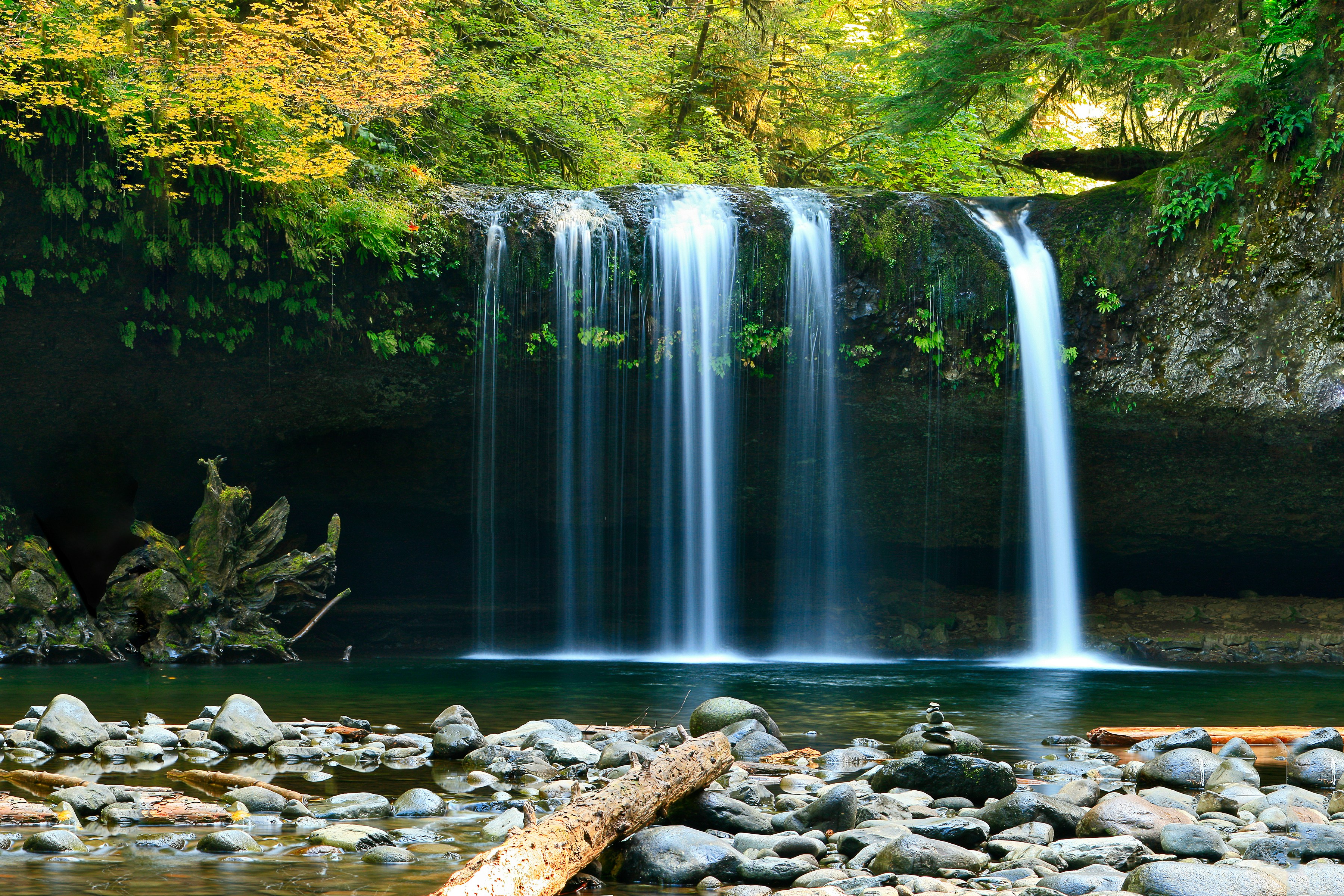
Telaga Tujuh, also called Seven Wells Waterfall, is one of Langkawi’s best natural attractions for visitors who enjoy forest scenery and outdoor walking.
The waterfall is located near the Machinchang mountain area. Its name refers to a series of natural pools associated with the cascading water.
The lower waterfall area is more accessible, while reaching the upper pools requires a steeper walk involving steps and uneven sections.
Visitors should prepare for:
- Comfortable walking shoes with good grip.
- Drinking water and sun protection.
- Wet and slippery surfaces after rainfall.
- Additional walking time if visiting the upper pools.
Safety note: Heavy rain can make waterfall paths and rocks dangerous. Avoid entering fast-flowing water or climbing slippery surfaces.
7. See the Wildlife and Scenery at Temurun Waterfall
Temurun Waterfall offers another opportunity to experience Langkawi’s rainforest environment away from the main beach areas.
Located in the island’s northwestern region, the waterfall is surrounded by forest and natural rock formations.
It is a useful addition to a sightseeing route that includes Datai Bay or other northwestern attractions.
The experience depends on recent rainfall. Water flow can vary considerably between wetter and drier periods, so do not assume that the waterfall will always have the same appearance.
Planning tip: Combine Temurun Waterfall with nearby attractions instead of making a separate long journey solely for a short visit.
8. Explore Kuah Town and Eagle Square

Kuah Town is Langkawi’s main commercial centre and a useful place to explore local shopping, restaurants, and waterfront landmarks.
One of its best-known attractions is Dataran Lang, commonly called Eagle Square. The large eagle monument has become an iconic landmark associated with the island.
Visitors can also explore nearby waterfront areas, shopping centres, and local businesses.
Kuah is particularly useful for travelers who want to understand a different side of Langkawi beyond its beaches and resorts.
Consider including:
- Eagle Square for sightseeing and photography.
- Nearby waterfront areas for a relaxed walk.
- Local shopping centres for everyday purchases.
- Malaysian restaurants for regional food experiences.
Practical tip: Kuah is also an important transport area for visitors arriving or departing by ferry.
9. Visit Underwater World Langkawi

Underwater World Langkawi is a popular indoor attraction for families and travelers interested in aquatic life.
Located near Pantai Cenang, the attraction provides an alternative to outdoor sightseeing, particularly during hot weather or periods of rain.
Visitors can explore marine exhibits and learn about different aquatic environments. The exact exhibits and animal presentations may change, so check current visitor information before planning your visit.
This attraction is particularly convenient for families staying around Pantai Cenang because it can be combined with nearby shopping and beach activities.
Planning tip: Check admission prices, opening hours, and accessibility information before arrival.
10. Discover Langkawi’s Rice Heritage at Laman Padi

Laman Padi offers a cultural alternative to Langkawi’s beach and adventure attractions through its connection with traditional rice cultivation.
Located near Pantai Cenang, this attraction introduces visitors to the importance of rice farming in Malaysian life.
Depending on available facilities and visitor arrangements, travelers may learn about traditional agricultural methods, rice production, and local food culture.
It is a useful stop for visitors who want more variety in their itinerary rather than spending every day on beaches and boat excursions.
Best for: Families, cultural travelers, and visitors interested in Malaysian traditions and agriculture.
11. Enjoy the Views from Gunung Raya

Gunung Raya is Langkawi’s highest mountain and an excellent destination for visitors interested in forest scenery and elevated viewpoints.
The mountain rises above the island’s central landscape and provides a different sightseeing experience from the coastal attractions.
Travelers can explore the area by road, subject to local access conditions, or investigate guided nature experiences where available.
Visitors interested in hiking should research the specific route, distance, weather, and trail conditions before starting.
Important: Do not assume that every viewpoint is freely accessible or that all trails are suitable for inexperienced hikers. Check local guidance before departure.
12. Explore Pulau Tuba
Pulau Tuba is a quieter inhabited island near Langkawi that appeals to visitors interested in local island life and less-developed surroundings.
Unlike the busier tourist areas, Pulau Tuba offers a slower experience shaped by fishing communities, village landscapes, and coastal scenery.
Tourism Malaysia highlights Pulau Tuba as an alternative for visitors who want to explore beyond the main island.
Activities may include:
- Exploring village surroundings.
- Observing local fishing and island life.
- Enjoying peaceful coastal scenery.
- Arranging suitable local transport and guided experiences.
Access requires a boat journey, so arrange transportation in advance and confirm the return schedule. This is particularly important if you are visiting independently.
Best for: Slow travelers, photographers, and visitors who have already explored Langkawi’s main attractions.
How to Plan a Langkawi Itinerary
A three-day Langkawi itinerary is enough to cover several major attractions, while four to five days allow a more relaxed island experience.
The most efficient approach is to group attractions by geographical area. Langkawi is not a compact walking destination, and traveling repeatedly between northern, eastern, and western areas can waste valuable sightseeing time.
3-Day Langkawi Travel Itinerary
| Day | Morning | Afternoon | Evening |
|---|---|---|---|
| Day 1 | SkyCab and SkyBridge | Oriental Village and Telaga Tujuh | Pantai Cenang |
| Day 2 | Kilim mangrove tour | Kuah Town and Eagle Square | Waterfront sightseeing |
| Day 3 | Island hopping | Dayang Bunting or beach time | Relax at Pantai Cenang |
5-Day Langkawi Travel Itinerary
| Day | Recommended activities |
|---|---|
| Day 1 | Arrive, check in, and explore Pantai Cenang. |
| Day 2 | SkyCab, SkyBridge, Oriental Village, and Telaga Tujuh. |
| Day 3 | Kilim Geoforest Park and mangrove exploration. |
| Day 4 | Island hopping and Dayang Bunting. |
| Day 5 | Tanjung Rhu, Kuah Town, or a quieter northern island excursion. |
Pro tip: Keep one flexible half-day in your schedule. Weather, boat schedules, and mountain attraction closures can affect outdoor activities.
Getting Around Langkawi
Renting a car or arranging private transportation is often the most convenient way to explore Langkawi’s widely distributed attractions.
Unlike Kuala Lumpur, Langkawi does not have an extensive urban rail or metro network. Visitors should arrange their transportation according to their accommodation location and planned activities.
| Transport option | Best for | Main consideration |
|---|---|---|
| Rental car | Independent sightseeing | Driving eligibility, parking, and rental conditions |
| Taxi or ride-hailing | Individual journeys | Availability and fare confirmation |
| Private driver | Families and groups | Agree on route and total price |
| Scooter rental | Experienced riders | Valid licence, safety, and insurance requirements |
| Tour transfers | Organized excursions | Pickup locations and inclusions |
Should You Rent a Car in Langkawi?
A rental car is particularly useful when you want to visit several geographically separated attractions in one day.
For example, a traveler staying near Pantai Cenang who wants to visit Tanjung Rhu, Kilim, and Kuah may find independent transport more flexible than arranging separate journeys.
Before renting, compare the complete price, fuel policy, insurance coverage, security deposit, and permitted driving requirements.
Explore our car and bike rental resources when comparing independent transportation options.
How to Reach Langkawi
Most international visitors reach Langkawi through Langkawi International Airport or connect through another Malaysian transport hub.
Air travel is convenient for visitors arriving from destinations with suitable flight connections. Another option is traveling through mainland Malaysia and taking a ferry from an operating mainland terminal.
Ferry services and schedules can change, so check the operator’s current timetable rather than relying on older travel information.
For airport transportation, compare pickup arrangements and transfer prices before arrival through our airport transfer resources.
Where to Stay in Langkawi
Pantai Cenang is convenient for first-time visitors, Kuah is practical for shopping and ferry access, while Tanjung Rhu and Datai Bay suit travelers seeking quieter surroundings.
| Area | Best for | What to consider |
|---|---|---|
| Pantai Cenang | First-time visitors | Popular tourist area and convenient dining |
| Kuah | Shopping and local town access | Less focused on beach accommodation |
| Tanjung Rhu | Peaceful beach holidays | Greater dependence on transport |
| Datai Bay | Nature-focused luxury stays | Higher-end accommodation options |
| Pantai Kok | Mountain and marina access | Useful for western island attractions |
Accommodation Planning Advice
Do not choose a hotel solely because it has a low nightly rate. Consider the distance to restaurants, beaches, airport transfers, and your most important attractions.
A hotel far from the main tourist areas may require additional daily transportation, reducing the savings from a cheaper room.
Compare location, cancellation terms, taxes, breakfast, and total stay costs through our Hotels & Accommodations section.
Best Time to Visit Langkawi
The best time to visit Langkawi depends on your preferred activities, tolerance for rainfall, and flexibility with travel dates.
Langkawi has a tropical climate, meaning warm temperatures and humidity throughout the year. Rainfall patterns can influence beach conditions, boat excursions, hiking, and mountain attractions.
November through April is generally a popular period to investigate for relatively drier holiday conditions, although rainfall can occur at any time. May through October can bring wetter conditions, but this does not mean every day will be rainy.
| Travel consideration | Planning advice |
|---|---|
| Beach holidays | Check coastal weather and sea conditions. |
| Island hopping | Choose flexible dates and confirm boat operations. |
| Hiking | Avoid slippery trails during heavy rainfall. |
| SkyCab sightseeing | Check visibility and weather-related operating notices. |
| Budget travel | Compare dates outside major holiday periods. |
Note: Weather is not the only factor. Malaysian school holidays, public holidays, and international travel demand can influence accommodation prices and attraction crowds.
Langkawi Travel Costs and Budget Planning
Your Langkawi holiday budget depends mainly on accommodation, transportation, island tours, attraction tickets, dining, and travel dates.
Rather than relying on a single advertised daily budget, calculate the complete cost of your trip. Prices can change with season, exchange rates, hotel availability, and the number of paid experiences you choose.
Build a Practical Langkawi Holiday Budget
| Expense | What to calculate |
|---|---|
| Flights or ferry | Return transportation and baggage |
| Accommodation | Nightly rate multiplied by nights, including taxes |
| Local transport | Rental, fuel, taxis, or transfers |
| Activities | Cable car, boat tours, and admission tickets |
| Food | Daily meals, snacks, and drinks |
| Contingency | Weather changes and unexpected expenses |
Use this simple calculation:
Total trip budget = Transportation + Accommodation + Activities + Food + Local travel + Emergency allowance.
For example, if a couple plans a four-night stay, the accommodation budget should be calculated using four nights rather than simply multiplying a hotel price by the number of calendar days of the holiday.
Likewise, compare the combined price of an island-hopping excursion with separate boat arrangements before deciding which offers better value.
How to Save Money on a Langkawi Holiday
- Book accommodation after comparing several areas, not just the cheapest listing.
- Group attractions geographically to reduce transportation expenses.
- Use public beaches and free sightseeing areas between paid activities.
- Compare independent excursions with organized tour packages.
- Travel outside major holiday periods when your schedule allows.
- Check the total price, including fees, before confirming reservations.
Travelers comparing affordable international destinations can also explore our guides to cheap holiday destinations and budget travel destinations.
12 Practical Langkawi Travel Tips for First-Time Visitors
Good preparation makes a Langkawi holiday easier by reducing transportation problems, unexpected costs, and weather-related disruptions.
- Choose your accommodation carefully: Pantai Cenang is a convenient starting point for many first-time visitors.
- Arrange airport transportation: Confirm your pickup arrangements before arriving.
- Check SkyCab operations: Weather and maintenance can affect operating schedules.
- Book island tours responsibly: Confirm the itinerary, inclusions, and operator arrangements.
- Carry sun protection: Tropical sunlight can be intense even when clouds are present.
- Stay hydrated: Outdoor sightseeing in humid conditions can be tiring.
- Wear suitable footwear: Waterfalls and hiking areas can have uneven and slippery surfaces.
- Check tide and sea conditions: Do not assume every beach is suitable for swimming throughout the day.
- Respect wildlife: Observe animals from appropriate distances and avoid disturbing natural habitats.
- Keep flexible sightseeing time: Rainfall can disrupt outdoor activities.
- Check mobile connectivity: Arrange a suitable travel SIM or eSIM before departure.
- Consider travel insurance: Review coverage for medical emergencies, cancellations, and planned activities.
International visitors can compare connectivity options through our SIM cards and travel connectivity resources.
For additional preparation advice, read our best travel planning tips before finalizing your holiday.
What Should You Pack for Langkawi?
A practical packing list should focus on warm weather, outdoor activities, and occasional rainfall.
- Lightweight and breathable clothing.
- Comfortable walking shoes.
- Sandals or suitable beach footwear.
- Sun protection and sunglasses.
- Reusable drinking water bottle.
- Light rain jacket or compact umbrella.
- Waterproof bag for boat excursions.
- Personal medication and basic first-aid supplies.
- Travel documents and booking confirmations.
Keep valuable electronics protected during boat trips, and avoid carrying unnecessary valuables to beaches or remote natural attractions.
Frequently Asked Questions About Visiting Langkawi
These answers cover the most common planning questions about Langkawi attractions, travel time, transportation, costs, and accommodation.
1. How many days are enough to explore Langkawi?
Three days are sufficient for several major attractions, including SkyCab, island hopping, and a mangrove excursion. Four to five days are better for travelers who want additional beach time, waterfalls, and quieter areas.
2. What are the best things to do in Langkawi for first-time visitors?
Start with Langkawi SkyCab and SkyBridge, Pantai Cenang, Kilim Geoforest Park, and a Dayang Bunting island-hopping tour. These experiences introduce visitors to the island’s mountain scenery, beaches, geological landscapes, and surrounding islands.
3. Is Langkawi worth visiting for a family holiday?
Yes. Families can combine beaches, cable car sightseeing, aquarium visits, boat excursions, and nature attractions. Choose accommodation with convenient transport and avoid overloading the itinerary with long journeys.
4. Which area is best to stay in Langkawi for tourists?
Pantai Cenang is a convenient choice for first-time visitors because it has restaurants, hotels, shopping, and beach access. Tanjung Rhu is better suited to quieter coastal holidays, while Kuah is useful for shopping and ferry connections.
5. Is Langkawi expensive for tourists?
Langkawi can accommodate different travel budgets. Costs depend on hotel category, transportation, dining choices, and paid excursions. Travelers can manage expenses by combining free attractions with selected paid experiences.
6. Can you explore Langkawi without renting a car?
Yes. Visitors can use taxis, ride-hailing services where available, private drivers, and organized tour transfers. However, renting a car offers greater flexibility for exploring remote beaches and attractions spread across the island.
7. What is the best beach to visit in Langkawi?
Pantai Cenang is best for convenient tourist facilities, restaurants, and activities. Tanjung Rhu is a stronger choice for travelers seeking quieter coastal scenery and a more relaxed environment.
8. Is Langkawi suitable for a honeymoon?
Yes. Couples can choose secluded resorts, peaceful beaches, scenic island excursions, and nature-focused experiences. Tanjung Rhu and Datai Bay are worth considering when privacy and a quieter setting are priorities.
9. What is the best time to visit Langkawi?
November through April is generally a popular period for visitors seeking relatively drier weather. However, tropical rainfall can occur throughout the year, so check the forecast and activity conditions before booking.
10. Is Langkawi better than Penang for a holiday?
Langkawi is better for beaches, island hopping, mountain scenery, and nature-based activities. Penang is especially appealing for heritage architecture, cultural attractions, and food experiences. The best choice depends on your travel priorities.
11. Is island hopping worth doing in Langkawi?
Yes. Island hopping provides access to smaller islands and scenic locations such as Dayang Bunting. Compare boat operators, included stops, safety arrangements, and weather conditions before booking.
12. Can Langkawi be explored on a three-day budget trip?
Yes. A three-day trip can cover the main attractions if you prioritize activities, select reasonably priced accommodation, group nearby destinations, and limit expensive excursions.
Final Takeaway: Is Langkawi Worth Adding to Your Malaysia Trip?
Langkawi is an excellent Malaysian island destination for travelers seeking beaches, mountain viewpoints, mangrove forests, island excursions, and a relaxed holiday atmosphere.
For a first visit, prioritize SkyCab and SkyBridge, Pantai Cenang, Kilim Geoforest Park, and Dayang Bunting. Add Tanjung Rhu or the waterfalls if you have more time.
The most effective planning strategy is to choose accommodation based on your preferred activities, arrange transportation in advance, and group attractions by location. A well-planned three-to-five-day visit can provide a varied experience without making every day unnecessarily busy.
Before booking, confirm attraction schedules, weather conditions, transportation arrangements, and current entry requirements. With realistic planning, Langkawi can be one of the most rewarding stops on a Malaysia holiday.
Explore more destinations in our best holiday destinations guide and discover additional travel inspiration with The Offers Guy.