Japan vacation packages are easiest to compare when you price the flight, hotel, transportation, activities, and unavoidable fees together instead of judging the headline package price alone.
Japan can look expensive at first, but the right package can make a major difference when you combine airfare, accommodation, airport transfers, rail travel, sightseeing, and travel insurance into one carefully planned trip. The best deal is not necessarily the package with the lowest advertised price; it is the option that leaves the fewest expensive gaps after you arrive.
This guide focuses on practical package planning for first-time visitors, couples, families, and travelers who want a cheap vacation package without sacrificing location or convenience.
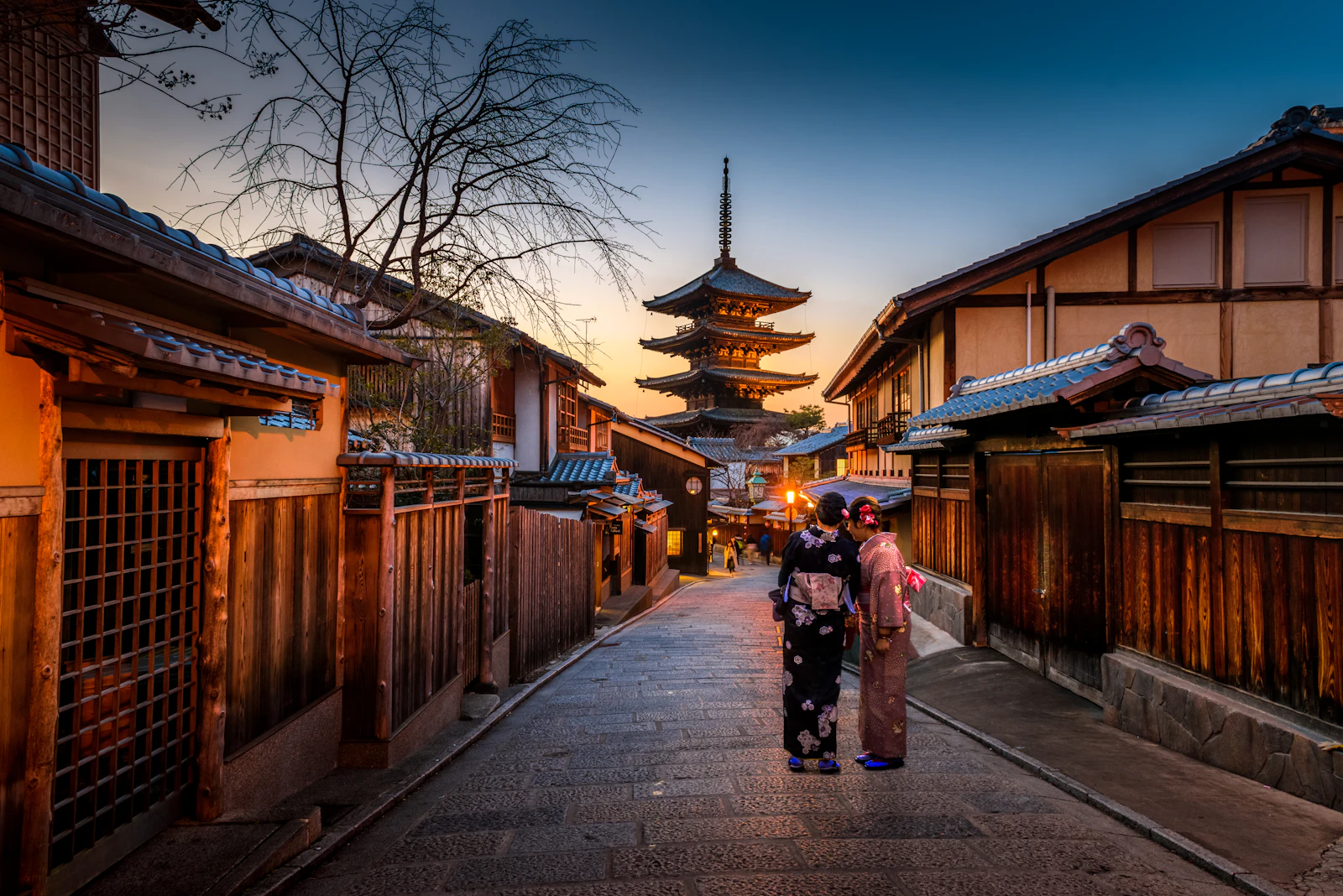
What Are Japan Vacation Packages?
A Japan vacation package combines two or more major trip components, such as flights, hotels, transportation, tours, or activities, into one booking or coordinated itinerary.
A package can be particularly useful for a first trip because Japan has several moving parts. You may need an international flight, airport transfer, hotel in a convenient neighborhood, intercity transportation, attraction tickets, connectivity, and insurance.
However, a bundled price can hide differences in hotel location, baggage allowances, cancellation rules, transfers, meals, and taxes. That is why comparing the total trip cost is more useful than comparing the advertised starting price.
If you are still learning how package pricing works, start with this guide to compare vacation package prices before choosing a Japan itinerary.
Quick rule: A good Japan package should reduce planning work without creating expensive compromises in location, transportation, or flexibility.
11 Japan Vacation Packages Worth Comparing
The strongest package options are built around a clear travel style, trip length, destination combination, and realistic budget.
-
1. Tokyo and Kyoto Vacation Package
A Tokyo-Kyoto package is one of the most practical choices for first-time visitors who want modern city life and traditional Japan in one trip.
Tokyo gives travelers enormous shopping districts, museums, food neighborhoods, observation decks, and efficient public transportation. Kyoto adds temples, gardens, historic streets, traditional architecture, and cultural experiences.
For a first visit, a package covering both cities for about seven to nine nights can create a strong balance without attempting to cover the entire country.
-
2. Tokyo, Kyoto and Osaka Package
A Tokyo-Kyoto-Osaka itinerary works well for travelers who want three major cities while keeping the route geographically logical.
Osaka adds a different food and nightlife experience and works particularly well as a base for day trips. Kyoto and Osaka are also close enough to connect efficiently by rail.
This type of Japan travel package is especially attractive for travelers who want more variety than a Tokyo-only holiday.
-
3. Japan Family Vacation Package
Family packages should prioritize convenient hotels, short transfers, flexible meal options, and activities that work for different ages.
A family itinerary does not need to visit five cities to be successful. Tokyo plus Kyoto or Osaka can provide enough attractions without turning every day into a long transportation day.
Before booking, check whether the hotel provides suitable room configurations and whether breakfast, baggage handling, and airport transportation are included.
-
4. Japan Honeymoon Package
A Japan honeymoon package can combine Tokyo, Kyoto, Hakone, or another scenic destination with higher-quality accommodation and slower pacing.
The important distinction is that a romantic package should not simply add expensive hotels. Look for meaningful experiences such as a ryokan stay, private dining, scenic transportation, cultural activities, or a hot-spring experience.
-
5. Budget Japan Vacation Package
A budget Japan package works best when travelers control hotel location, travel dates, baggage costs, and unnecessary intercity transfers.
Saving money does not mean choosing the cheapest hotel available. A slightly more expensive hotel near a major station can sometimes reduce daily transportation costs and travel time.
Travelers searching for ways to lower package costs can also review these tips to find cheap vacation packages.
-
6. Japan Luxury Vacation Package
A luxury Japan itinerary should focus on exceptional location, service, food, and experiences rather than simply selecting the highest hotel category.
Luxury travelers can consider premium hotels in Tokyo, traditional ryokan accommodation in Kyoto or Hakone, private guides, curated food experiences, and premium rail or transfer arrangements.
-
7. Japan Spring Vacation Package
Spring packages are popular because travelers can combine city sightseeing with seasonal scenery, but demand can affect hotel and airfare prices.
Cherry blossom timing varies by location and year, so avoid treating one exact bloom date as guaranteed. Build some flexibility into the itinerary if seasonal scenery is a major reason for the trip.
-
8. Japan Autumn Vacation Package
Autumn packages can be excellent for travelers who want comfortable sightseeing conditions and colorful landscapes without making cherry blossoms the focus.
Kyoto, Nikko, Hakone, and other scenic areas can fit naturally into an autumn itinerary, although peak foliage dates also vary.
-
9. Japan Food and Culture Package
A food-and-culture itinerary should allocate enough time for markets, local restaurants, temples, workshops, and neighborhood exploration instead of rushing between landmarks.
Japan’s official tourism organization highlights food, culture, history, nature, shopping, and relaxation as major travel interests, making a themed itinerary easy to customize. Explore official Japan activities and experiences.
-
10. Japan Rail and City Package
A rail-focused package can work well when the itinerary includes several long-distance journeys rather than just one Tokyo-Kyoto trip.
Do not automatically assume a nationwide rail pass is cheaper. Compare the individual journeys, regional passes, and other transportation options against the pass price for your exact itinerary.
-
11. Japan Extended Vacation Package
A 10- to 14-night Japan itinerary gives travelers more room to add destinations such as Hiroshima, Kanazawa, Takayama, Nara, Hokkaido, or Okinawa.
The advantage is not simply seeing more places. Extra days can reduce the pressure to change hotels constantly and allow more time for neighborhoods, food, and local experiences.
Which Japanese Destinations Work Best for a Package?
The best destination combination depends on your trip length, interests, airport, transportation budget, and tolerance for changing hotels.

| Destination | Best for | Suggested stay | Package role |
|---|---|---|---|
| Tokyo | First-time visitors, shopping, food, entertainment | 3–4 nights | Primary city base |
| Kyoto | Temples, gardens, history, traditional culture | 2–3 nights | Cultural stop |
| Osaka | Food, nightlife, city breaks, day trips | 2–3 nights | Western Japan base |
| Hakone | Hot springs and mountain scenery | 1–2 nights | Scenic add-on |
| Hiroshima | History and nearby Miyajima | 1–2 nights | Longer itinerary |
| Hokkaido | Nature, food, winter and outdoor travel | 4+ nights | Separate regional trip |
For a first visit, Tokyo plus Kyoto is usually easier to manage than trying to add Hokkaido or Okinawa. Japan is geographically diverse, and the Japan National Tourism Organization organizes the country into broad regions including Kanto, Kansai, Hokkaido, Kyushu, Shikoku, and Okinawa. See the official Japan destination guide.
If your package includes Kyoto, you can also use our detailed travel to Kyoto guide to plan temples, neighborhoods, transportation, and sightseeing time.
How Much Should a Japan Vacation Package Cost?
There is no single fair price for a Japan package because airfare, hotel category, season, trip length, city combination, and included transportation can change the total dramatically.
Instead of relying on an advertised package number, build a personal trip budget using this simple formula:
Total Japan trip cost = airfare + accommodation + local transportation + intercity transportation + food + activities + insurance + connectivity + taxes and fees.
For example, imagine a seven-night trip with a $900 airfare, $125 average nightly hotel cost, $250 intercity and local transportation budget, $350 food allowance, $180 activities, $60 connectivity and $80 insurance. The estimated total would be:
$900 + $875 + $250 + $350 + $180 + $60 + $80 = $2,695.
This example is not a market quote. It is a budgeting model that shows why a $1,999 package can become much more expensive once missing components are added.
For a lower-cost trip, compare the package with a separately booked itinerary. You can also explore our guide to a week-long trip to Japan under $2,000 for a budget-focused planning framework.
A Practical 7-Day Japan Vacation Package Plan
A seven-day first-time itinerary works best when it limits hotel changes and concentrates on Tokyo, Kyoto, and one carefully selected day trip.
- Day 1 — Tokyo arrival: Check into a centrally located hotel, recover from the flight, and explore the immediate neighborhood.
- Day 2 — Tokyo highlights: Visit major neighborhoods and reserve time for food and shopping rather than filling every hour.
- Day 3 — Tokyo deep dive: Choose one theme such as modern Tokyo, traditional Tokyo, food, museums, or shopping.
- Day 4 — Tokyo to Kyoto: Travel to Kyoto, check in, and explore an evening neighborhood.
- Day 5 — Kyoto culture: Dedicate the day to temples, gardens, historic streets, and local food.
- Day 6 — Kyoto or Osaka: Choose between deeper Kyoto exploration or an Osaka day trip.
- Day 7 — Departure: Leave enough time for airport transportation and avoid scheduling a distant attraction before an international flight.
The value of this itinerary is its restraint. Travelers often make a Japan trip more expensive by moving between too many cities. A focused route can provide more usable sightseeing time and fewer transportation costs.
For air travel, compare the available routes separately from the package. Our guide to cheap flights to Japan can help you evaluate airfare as a separate component.
How to Compare Japan Vacation Package Prices
The most reliable comparison method is to calculate the final price per traveler after adding every important inclusion and exclusion.
- Write down the advertised price. Record exactly what the package claims to include.
- Check the hotel. Look at the actual property, neighborhood, room category, occupancy and cancellation policy.
- Check airfare. Confirm airline, baggage, airport, connection time and ticket restrictions.
- Check transportation. Determine whether airport transfers, trains, subway travel or regional transportation are included.
- Check activities. Identify whether tours and attraction tickets are included or merely suggested.
- Add mandatory fees. Include taxes, service fees, resort charges where applicable, booking fees and other unavoidable costs.
- Compare flexibility. A slightly higher refundable package may be more valuable than a cheaper non-refundable option.
Use this comparison equation:
Real package cost = advertised price + unavoidable extras + transportation gaps + activity gaps + baggage and booking fees.
This method prevents a common mistake: comparing a fully loaded independent itinerary against a package that only includes a flight and hotel.
Should You Include Rail Travel in a Japan Package?
Rail travel should be included only when the transportation value matches the itinerary rather than simply because a package advertises a rail pass.
The nationwide JAPAN RAIL PASS currently has 7-, 14-, and 21-day options. The official JR Group announced in April 2026 that overseas-agent prices are scheduled to change from October 1, 2026, while official online prices were to remain at the existing levels until a later announcement. Always verify the current price before purchase through the official JAPAN RAIL PASS website. :contentReference[oaicite:2]{index=2}
For example, the official published online price shown in the 2025 English material is ¥50,000 for an adult seven-day Ordinary JAPAN RAIL PASS, with higher prices for longer durations and Green Cars. Because prices are subject to change, treat those figures as reference information rather than a permanent rate. :contentReference[oaicite:3]{index=3}
Compare the pass with the actual journeys you intend to take. A short Tokyo-Kyoto-Tokyo itinerary may require a different calculation from a longer Tokyo-Kyoto-Hiroshima-Osaka route.
If your itinerary uses buses or trains beyond the major intercity route, the site’s trains and buses travel resources can help you plan alternatives.
How to Choose Hotels for a Japan Package
The best hotel for a Japan package is usually the property that balances price, station access, room quality, luggage convenience, and sightseeing location.
Tokyo is enormous, so saying that a package includes a “Tokyo hotel” is not enough. Ask where the property is located and which station provides the most practical access to your itinerary.
Kyoto also rewards careful location selection. A hotel near convenient transportation can reduce daily friction when you are visiting temples, gardens, markets, and surrounding districts.
Compare room size as well. A very low-priced room may be acceptable for a solo traveler but less comfortable for a couple with large luggage.
For more accommodation planning, explore the site’s hotel and accommodation resources before accepting the hotel automatically bundled into a package.
What Mistakes Should You Avoid When Buying Japan Vacation Packages?
The biggest mistake is choosing a package from the headline price without checking what the traveler will actually receive after all costs and restrictions are considered.
- Choosing the cheapest headline price: The lowest advertised price can exclude baggage, transfers, activities, meals or taxes.
- Adding too many cities: More destinations can mean more hotel changes, luggage transfers and lost sightseeing time.
- Ignoring hotel location: A cheap room far from your daily activities can create hidden transportation costs.
- Buying a rail pass automatically: Calculate the value against your actual journeys.
- Ignoring cancellation rules: Read the conditions before payment.
- Planning only around a famous season: Peak demand can affect package availability and accommodation prices.
- Skipping insurance: Travel disruption can turn a low-cost package into an expensive trip.
- Booking every activity: An overpacked schedule can reduce the value of a Japan vacation.
Travel insurance should be treated as part of the trip budget rather than an optional afterthought. You can compare the site’s travel insurance resources before choosing coverage.
How to Add More First-Party Value to Your Japan Trip
The most useful package planning combines a realistic itinerary with your own cost calculations instead of copying a generic destination checklist.
Before booking, create a simple spreadsheet with your flight price, hotel total, transportation estimate, food allowance, activity costs, insurance and connectivity. Then compare that independent total with the package.
For an additional information-gain layer, record the actual price you find, the date you checked it, what was included, and which costs were excluded. Prices change, so recording the date makes your comparison transparent rather than presenting a temporary rate as a permanent fact.
You can also build a trip around one practical question: “What will I actually spend after landing?” That question exposes hidden costs much faster than comparing two headline package prices.
For travelers adding guided experiences, food tours, cultural activities or attractions, the site’s tours and activities resources can help organize the experience portion of the itinerary.
Japan Vacation Package Booking Checklist
Before paying for a package, confirm the flight, hotel, baggage, transportation, activities, fees, cancellation rules, and destination fit.
- ☐ Flight dates and airports confirmed
- ☐ Checked baggage included or budgeted
- ☐ Hotel name and location verified
- ☐ Room category confirmed
- ☐ Cancellation policy read
- ☐ Airport transfer checked
- ☐ Intercity transportation calculated
- ☐ Rail pass compared with individual tickets
- ☐ Activities and attraction tickets confirmed
- ☐ Meals and breakfast checked
- ☐ Travel insurance reviewed
- ☐ SIM/eSIM or Wi-Fi planned
- ☐ Currency and payment arrangements prepared
- ☐ Entry requirements checked using official sources
- ☐ Total trip cost calculated
For official planning information, use the Japan National Tourism Organization planning guide. JNTO provides information for first-time visitors covering customs, connectivity, weather, geography, luggage services and other practical planning issues. :contentReference[oaicite:4]{index=4}
Entry requirements can vary according to nationality and travel circumstances, so verify the latest information through Japan’s official government and diplomatic resources before departure. The Ministry of Foreign Affairs of Japan provides official consular and visa information. :contentReference[oaicite:5]{index=5}
Japan Vacation Package FAQs
The best package depends on your budget, travel dates, trip length, preferred cities, and the number of services genuinely included in the final price.
What should be included in a Japan vacation package?
A useful package may include international flights, hotel accommodation, airport transfers, intercity transportation, activities, breakfast, or other services. Always check the exact inclusions because package definitions vary between providers.
Are Japan vacation packages cheaper than booking separately?
Sometimes. A package can offer savings when airfare and hotels are bundled, but independent booking can be better when you need flexible dates, specific hotels, or a customized itinerary. Compare the final cost of both options.
How many days are enough for a first Japan trip?
Seven days can provide a useful introduction to Tokyo and Kyoto, while 10 to 14 days gives travelers more time for Osaka, Hiroshima, Hakone, or another regional destination.
Is Tokyo and Kyoto a good Japan itinerary?
Yes. Tokyo and Kyoto provide a strong first-time combination because travelers can experience modern urban Japan, traditional culture, food, temples, gardens, shopping, and major transportation hubs without covering too much territory.
Should families choose an all-inclusive Japan holiday?
Families should compare the actual inclusions rather than choosing a package simply because it is described as all-inclusive. Convenient hotels, transfers, flexible rooms and age-appropriate activities may be more valuable than a large number of bundled services.
Is the Japan Rail Pass worth buying?
The answer depends on the exact route. Calculate the cost of your planned long-distance journeys and compare it with the current JAPAN RAIL PASS price before buying. Official prices and purchase conditions can change, so verify the current information on the official rail pass website.
What is the cheapest way to plan a Japan holiday?
Start by comparing travel dates, airfare, hotel locations, transportation and the number of destinations. A focused Tokyo-Kyoto itinerary can be easier to budget than a trip that changes cities repeatedly.
What hidden fees should I check before booking?
Check baggage, taxes, booking fees, airport transfers, hotel charges, transportation, meals, activities, cancellation penalties, insurance and connectivity. Add every unavoidable cost before comparing two package prices.
Which Japanese cities are best for first-time visitors?
Tokyo and Kyoto are strong starting points. Osaka can be added for food and nightlife, while Hakone, Hiroshima, Nara and other destinations can be considered when the trip is longer.
Can I build a custom Japan travel package?
Yes. A custom itinerary can combine flights, hotels, transportation and activities according to your priorities. Custom planning is particularly useful when you want a specific hotel, longer stays, fewer city changes or unusual destinations.
Final Takeaway
The best Japan vacation packages are not simply the cheapest options; they are the packages that deliver the right destinations, hotel locations, transportation, experiences, flexibility, and total value for your trip.
For a first visit, start with a focused Tokyo-Kyoto itinerary and add Osaka if your schedule allows. Compare the package against a separately booked trip, calculate the complete cost, and check every major exclusion before paying.
Japan rewards travelers who plan the structure of the trip carefully. A realistic seven-day itinerary, a well-located hotel, sensible transportation choices, and a transparent budget can produce a better experience than an overloaded itinerary with a cheaper headline price.
Finally, use official Japanese tourism and government sources for current entry, transportation and destination information, then use your package comparison to decide where the commercial offer genuinely saves time or money.