An Ireland itinerary with kids works best when you combine two or three nights in convenient bases, short sightseeing sessions, outdoor adventures, and enough flexibility for unpredictable weather. For a first family trip, spend seven days travelling from Dublin to Galway, the Cliffs of Moher, and Killarney rather than changing hotels every night.
This guide gives you a practical day-by-day route, approximate journey times, family-friendly activities, transport choices, budgeting advice, and alternatives for rainy days. It is designed for families travelling with school-age children, although parents can adapt the schedule for toddlers or teenagers.

What Is the Best 7-Day Ireland Itinerary With Kids?
The best seven-day route for many first-time family visitors is Dublin, Galway, the Cliffs of Moher, and Killarney, with overnight stays that reduce unnecessary driving. This route combines city attractions, coastal scenery, traditional towns, and accessible outdoor activities.
| Day | Base | Main activities | Suggested overnight stay |
|---|---|---|---|
| 1 | Dublin | City centre, parks, relaxed arrival day | Dublin |
| 2 | Dublin | Family attractions, museums, gardens | Dublin |
| 3 | Galway | Travel west, explore the city | Galway |
| 4 | Galway or County Clare | Cliffs of Moher and the Burren | Galway or nearby |
| 5 | Killarney | Travel south, explore Killarney | Killarney |
| 6 | Killarney | National park, lakes, family walks | Killarney |
| 7 | Departure city | Return travel and departure | As required |
Planning note: The itinerary assumes arrival in Dublin and departure from the same airport. The final day involves a substantial journey back from County Kerry, so an early flight may require an additional night near Dublin Airport. If your international flight departs from Shannon or Cork, adjust the final route accordingly.

How Should You Plan an Ireland Family Itinerary?
Choose your overnight bases first, then add attractions that fit comfortably around each location. This prevents the common mistake of booking distant sights on the same day and spending most of the holiday in the car.
Use this planning framework before reserving accommodation:
- Choose your travel pace. Seven days is enough for a highlights trip, while nine or ten days allows for slower mornings and extra stops.
- Group nearby attractions. Explore Dublin together, visit the Cliffs of Moher while staying in the west, and save Killarney National Park for County Kerry.
- Book family accommodation strategically. Compare the total price of family rooms, apartments, breakfast, parking, and cancellation terms.
- Check seasonal opening hours. Outdoor attractions, boat services, and visitor facilities may operate differently throughout the year.
- Keep one flexible activity per day. Replace a long walk with a museum, a playground, or a relaxed café stop if the weather changes.
For additional planning ideas, read our guides to proven family travel tips and planning a family vacation on a budget.
Pro tip: Plan around your children’s energy levels, not the maximum number of attractions you can fit into a map. One memorable outdoor experience is usually better than three rushed stops.
Days 1–2: What Can Families Do in Dublin?
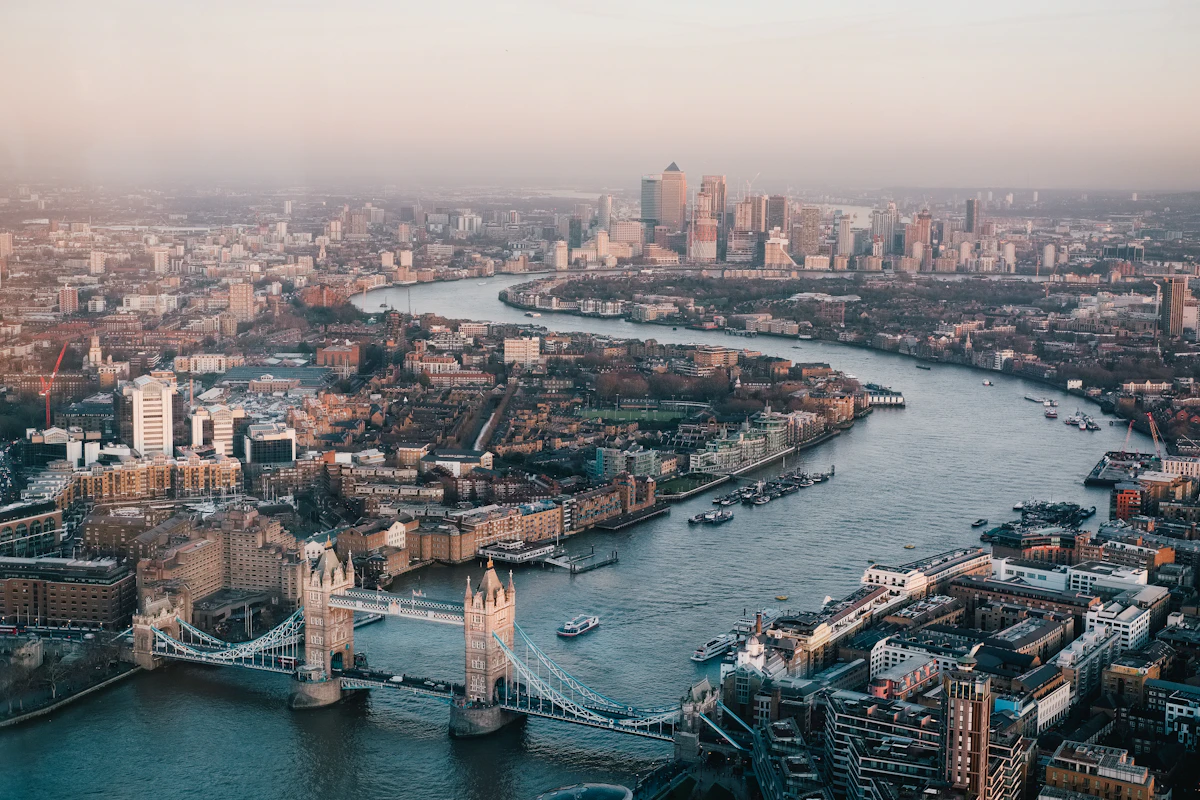
Spend the first two days exploring central Dublin, combining one major attraction with a park, a walk, or a relaxed meal each day. Staying centrally can reduce local transport requirements and makes it easier to return to your accommodation when children need a break.
Day 1: Arrive and explore at an easy pace
Keep arrival day light by choosing nearby attractions rather than booking a timed activity immediately after landing. Immigration, baggage collection, airport transfers, and tired children can make a tightly scheduled first day difficult.
- Check in, unpack, and buy any essential snacks or supplies.
- Walk through the city centre and discover nearby streets and public spaces.
- Visit St Stephen’s Green if the family wants an outdoor break.
- Eat an early dinner and prepare for the next day.
St Stephen’s Green is a useful low-cost stop because it is a public park with walking paths and a children’s playground. Check current access information and conditions before visiting.
Day 2: Choose one major attraction
Reserve the main part of the day for one attraction that matches your children’s ages and interests. Families can consider interactive museums, historic sites, gardens, or a guided city experience.
- Choose an interactive museum if your children enjoy hands-on learning.
- Explore historic streets and architecture if the family enjoys culture.
- Allow time for lunch and a playground or park break.
- Check ticket prices and timed-entry requirements before leaving your accommodation.
For families who prefer outdoor activities, St Stephen’s Green offers a simple alternative to an expensive attraction. Its paths also provide an opportunity to slow down between city stops.
Transport tip: Compare walking with public transport before buying a visitor pass. Transport for Ireland explains available services and tourist ticket options in its official visitor travel guide.

Day 3: Travel to Galway With Children
Travel from Dublin to Galway in the morning and leave the afternoon for exploring Galway’s compact city centre. Rail and coach services offer alternatives to driving, while a rental car provides greater flexibility for stops outside the cities.
Check the current timetable and journey duration before booking. Actual travel times depend on the departure service, traffic, and your accommodation locations.
What should families do in Galway?
Focus on a short city walk, a relaxed meal, and one additional activity rather than filling the afternoon with distant excursions. Galway is a useful base for exploring County Clare and the wider west coast.
- Explore the central streets and browse local shops.
- Walk towards the waterfront if weather and time allow.
- Choose a family-friendly meal and keep the evening flexible.
- Prepare snacks, rain jackets, and walking shoes for the following day.
If your family prefers fewer hotel changes, staying in Galway for two nights is practical. If you want an earlier start at the Cliffs of Moher, compare accommodation in Galway with options closer to County Clare.

Day 4: Cliffs of Moher and the Burren With Kids
Visit the Cliffs of Moher for Ireland’s dramatic coastal scenery, then add a short stop in the Burren only if the family has enough time and energy. The cliffs rise up to approximately 214 metres above the Atlantic at their highest point, so children need close adult supervision near exposed coastal areas.
How can families visit the Cliffs of Moher safely?
Use the designated visitor areas and approved paths, follow all local safety instructions, and keep children away from cliff edges. Wind, rain, and low visibility can change the experience significantly.
- Check the official Cliffs of Moher visitor information before travelling.
- Confirm admission arrangements, parking, opening information, and any temporary access restrictions.
- Bring waterproof layers, secure footwear, drinking water, and snacks.
- Allow time for the visitor centre and viewing areas rather than attempting a long coastal walk with tired children.
- Skip exposed or unsuitable paths if weather conditions are poor.
Official visitor information describes the site’s viewing areas, visitor centre, and access arrangements. Check current details before you go, as facilities and services can change.
Should you add the Burren to the same day?
Add a short Burren stop if you have a car, favourable conditions, and enough daylight; otherwise, keep the Cliffs of Moher as the main activity. The Burren’s limestone landscapes offer a different perspective on Ireland’s natural environment.
Choose an accessible, suitable stopping point and follow local guidance. Avoid adding several remote locations simply because they appear close together on a map; narrow roads and parking can make short distances take longer than expected.
Rainy-day alternative: Spend longer at the Cliffs visitor centre if open, explore a local indoor attraction, or return to Galway earlier. Confirm current opening times before setting out.
Days 5–6: Killarney National Park and County Kerry
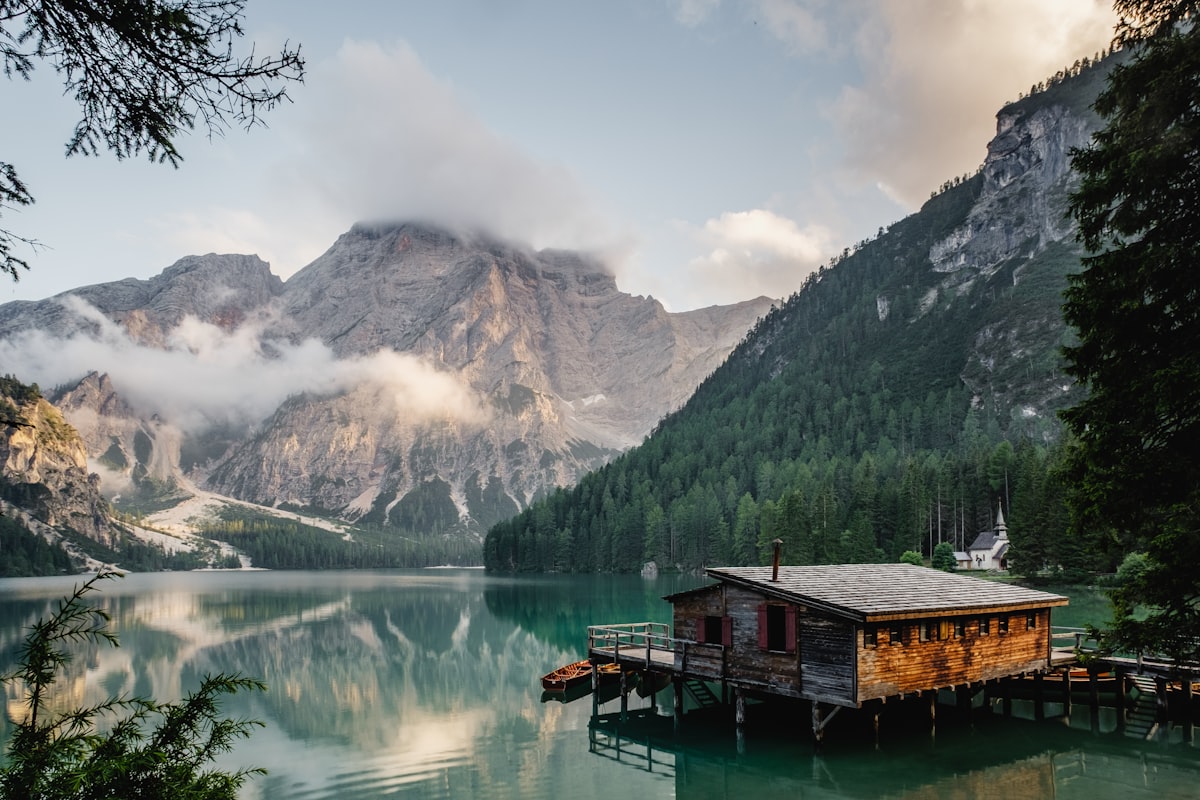
Use Killarney as a two-night base for lakeside scenery, manageable walks, gardens, and a slower day outdoors. This gives children more time to enjoy the landscape without moving accommodation every morning.
Day 5: Travel to Killarney and explore locally
Make the journey south your main activity and explore nearby Killarney after checking in. The drive from Galway to Killarney can take several hours, depending on the route and traffic, so avoid booking a fixed afternoon activity too early.
- Stop for lunch and a short break during the journey.
- Check into your accommodation and unpack.
- Explore the town or choose a short, easy walk.
- Prepare a simple plan for the national park the next morning.
Day 6: Explore Killarney National Park
Choose one or two accessible park activities based on your children’s ages, walking ability, and the weather. Killarney National Park includes lakes, woodland, mountain scenery, and historic features, making it suitable for families who enjoy nature.
Use the official National Parks of Ireland information to research the park, check visitor guidance, and choose an appropriate area to explore.
- Start with a short walk or scenic viewpoint.
- Allow time for wildlife observation and photography without disturbing animals.
- Choose a picnic if conditions are suitable and permitted.
- Check trail surfaces, distances, accessibility, and weather before choosing a route.
Families looking for more outdoor ideas can explore our guide to the best hikes with kids. Treat trail recommendations as a starting point and verify current conditions before setting out.
Pro tip: Do not assume a route is child-friendly just because it is short. Uneven surfaces, steep sections, exposed edges, and wet ground can make a short walk challenging for young children.
Day 7: Plan the Return Journey Carefully
Keep the final day focused on reaching your departure airport with a generous time buffer. Travelling from Killarney to Dublin on the same day as an international flight can be stressful, particularly when driving conditions or transport schedules change.
Before finalising the itinerary, compare three options:
- Return to Dublin the previous evening: Usually the more relaxed choice for an early departure.
- Stay near the departure airport: Useful if the flight time makes a same-day transfer impractical.
- Use an open-jaw flight: If available at a reasonable total cost, arriving in Dublin and departing from another suitable airport may reduce backtracking.
Compare the total airfare, transport cost, baggage allowance, and accommodation expense before deciding. A cheaper flight can become less attractive when it requires an extra hotel night or a long transfer.
Is a Rental Car or Public Transport Better for an Ireland Itinerary With Kids?
Public transport is often convenient between major cities, while a rental car provides more flexibility for rural attractions and family stops. The right choice depends on your children’s ages, luggage, driving preferences, and the locations you plan to visit.
| Factor | Rental car | Public transport |
|---|---|---|
| City sightseeing | Parking can add cost and hassle | Often convenient for central areas |
| Rural attractions | More flexible for multiple stops | May require extra connections or tours |
| Children’s rest breaks | Flexible stopping where permitted | Depends on schedules and services |
| Budget planning | Include rental, fuel, parking, and insurance | Compare individual fares and family tickets |
| Driving responsibility | Driver handles navigation and road rules | No need to drive yourself |
For a car-based trip, compare rental terms at car and bike rental resources. Check the excess, deposit, insurance exclusions, fuel policy, child-seat availability, and restrictions on taking a vehicle across borders if relevant.
For public transport, consult Transport for Ireland for official travel information and use the relevant rail or coach operator to confirm intercity services.
Important safety note: Ireland drives on the left. Review local road rules, rural-road conditions, and child-restraint requirements before driving. Confirm the correct child seat for each child’s age, height, and weight with the rental provider and official guidance.
How Much Does an Ireland Family Trip Cost?
Your total family budget depends mainly on travel dates, accommodation, transport, food, and paid attractions. Rather than relying on a single headline figure, estimate each major cost for your own family and verify live prices before booking.
| Budget category | What to include | How to control costs |
|---|---|---|
| Accommodation | Six nights, taxes, breakfast, parking | Compare the total stay price and room occupancy rules |
| Transport | Rail or coach tickets, or car rental, fuel and parking | Compare the full route rather than one fare |
| Food | Breakfast, lunch, dinner, snacks | Choose accommodation with suitable food facilities |
| Attractions | Entry tickets, tours, parking, optional activities | Prioritise a few meaningful paid experiences |
| Travel essentials | Insurance, connectivity, rain gear, contingency funds | Buy only what your family needs |
A simple family travel budget formula
Calculate the trip total by adding accommodation, transport, food, attractions, and a contingency allowance. Keep international flights separate initially so you can compare the cost of different travel dates and arrival or departure airports.
For example, if you estimate each category independently, your calculation is:
Total trip budget = accommodation + transport + food + attractions + travel essentials + contingency.
Enter real quotes into a spreadsheet instead of treating illustrative amounts as current Irish prices. For a family of four, a room that accommodates everyone may be better value than booking two rooms, but compare breakfast, parking, cancellation terms, and location before deciding.
See our guide to smart ways to plan a family vacation on a budget for additional cost-planning ideas.
Costs families often overlook
- Airport transfers and luggage fees.
- Rental-car deposits, excesses, fuel, and parking.
- Child seats and additional driver charges.
- Paid attraction reservations and optional tours.
- Snacks, rainwear, laundry, and replacement essentials.
- An additional airport hotel night if the departure time requires it.
Note: Attraction prices and transport fares can change. Check official booking pages for the dates you intend to travel rather than relying on old prices or estimates from another family.
What Should You Pack for Ireland With Children?
Pack lightweight waterproof layers, comfortable walking shoes, spare clothing, and a small day bag for each child. Ireland’s weather can change during the day, so flexible layers are more useful than relying on a single heavy jacket.
- Waterproof jackets and light layers.
- Comfortable shoes with good grip.
- Spare socks and a change of clothes for younger children.
- Reusable water bottles and familiar snacks.
- Sun protection for brighter days.
- Any essential medication and basic first-aid supplies.
- Portable chargers, downloaded maps, and booking confirmations.
- Child travel equipment appropriate to your family’s needs.
For a long international journey, our guide to keeping kids entertained on long flights can help you prepare activities and manage travel-day routines.
What Mistakes Should Families Avoid in Ireland?
The biggest planning mistake is trying to see too much in too little time. Ireland’s map can make destinations look close together, but driving on rural roads, parking, stops, and changing weather can lengthen journeys.
1. Changing hotels every night
Frequent check-ins and packing take time away from sightseeing. Choose a few bases and explore nearby attractions from each one.
2. Underestimating the weather
Rain and wind can affect outdoor plans. Keep an indoor alternative and check official visitor updates before leaving.
3. Booking every hour in advance
Timed attractions can be useful, but an overfilled schedule leaves little room for meals, rest, and unexpected delays.
4. Ignoring the total transport cost
A rental car may look convenient, but parking, fuel, insurance, and deposits affect the final price. Public transport may be more practical for city days.
5. Leaving the airport transfer until the last minute
Work backwards from your flight’s check-in requirements and allow a realistic buffer. Consider an overnight stay near the airport if the journey is long.
Final Takeaway: Make Your Ireland Family Trip Enjoyable
An effective Ireland itinerary with kids balances famous sights with comfortable travel days. Spend two days in Dublin, use Galway to explore the west coast, visit the Cliffs of Moher, and leave two nights for Killarney and its national park.
Before departure, confirm attraction access, transport timetables, accommodation details, weather, and your family’s travel documents. Keep the schedule flexible enough to replace a difficult outdoor day with a simpler activity.
The goal is not to visit every landmark. It is to create a trip where children have time to explore, parents are not constantly rushing, and the family can enjoy Ireland’s cities, coastline, and countryside together.
Frequently Asked Questions
How many days do you need in Ireland with kids?
Seven days is a practical starting point for Dublin, Galway, the Cliffs of Moher, and Killarney. Nine or ten days provides more flexibility for slower mornings, extra stops, and weather changes.
What is the best Ireland itinerary with kids for first-time visitors?
A useful first-trip route is Dublin for two nights, Galway for two nights, and Killarney for two nights, with the seventh day reserved for returning to your departure airport. Adjust the overnight locations to suit your flight times.
Can you explore Ireland with children without renting a car?
Yes. Major cities are connected by rail and coach, and organised excursions can reach some popular attractions. Rural destinations may require additional transfers, so check each journey before choosing a public-transport-only itinerary.
Is the Cliffs of Moher visit suitable for young children?
Families can visit designated viewing areas, but close supervision is essential around exposed coastal locations. Follow the site’s current safety instructions and avoid unsuitable paths during strong winds or poor visibility.
What is the best time of year for an Ireland family holiday?
Late spring and summer generally offer longer daylight hours, which can make sightseeing easier. These periods can also be busier and more expensive. Compare seasonal opening schedules, accommodation rates, and weather expectations before choosing dates.
How can families reduce the cost of an Ireland trip?
Compare accommodation by total stay cost, travel between cities by different transport modes, and attraction prices before booking. Use public parks and suitable free outdoor activities to balance paid experiences, and keep a contingency fund.
Is seven days enough for Dublin, Galway, and Killarney?
Seven days can cover the highlights, but it involves some substantial travel days. Families who prefer a slower pace should add days or remove a destination rather than trying to fit every attraction into one trip.
Should families stay in Galway or near the Cliffs of Moher?
Galway offers a convenient city base with dining and transport options. Staying closer to County Clare can reduce the journey to the cliffs. Compare accommodation availability, onward travel, and the time your family wants to spend in each area.