The Inca Trail with kids can be a memorable family adventure, but the right route depends on your children’s hiking experience, altitude tolerance, health, and ability to manage long days on uneven stone steps. Families do not need to tackle the classic four-day trek to experience the history and landscapes surrounding Machu Picchu. A shorter trek, a guided archaeological visit, or a train-based itinerary may provide a better experience for younger children.
This practical guide compares the classic and short routes, explains permits and altitude risks, provides a family preparation plan, and helps you estimate the full trip budget before committing to a booking. Start by exploring our tours and activities planning page to organize suitable experiences around your family’s abilities.
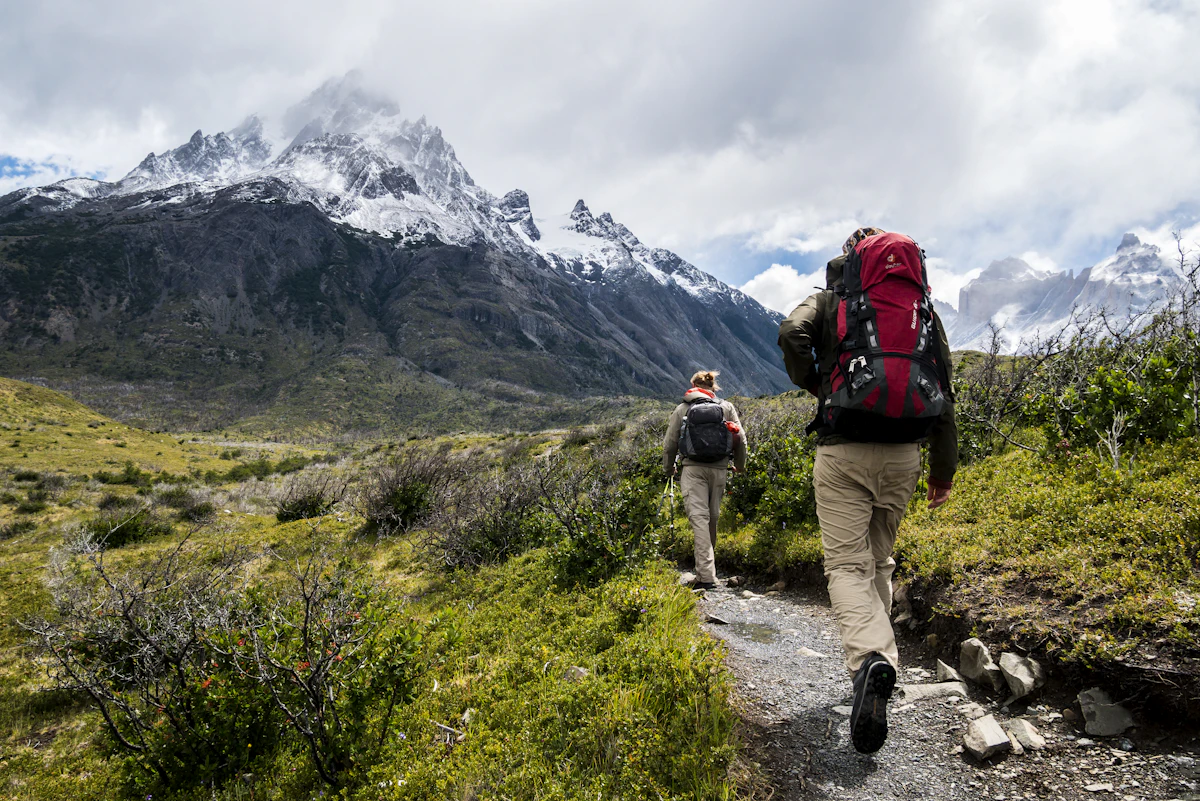
1. Is the Inca Trail With Kids a Good Idea?
The Inca Trail can suit experienced, well-prepared older children, but the classic trek is demanding and is not the best choice for every family. The route includes uneven stone paths, steep staircases, changing weather, limited facilities, and sections at substantial altitude.
The classic route takes approximately four days and three nights. The highest point, Dead Woman’s Pass, reaches about 4,215 metres (13,828 feet). At that elevation, even fit adults can experience fatigue, headaches, nausea, or other symptoms associated with altitude.
Children’s enthusiasm is only one part of the decision. Consider whether your child can walk for several hours, cope with cold nights, follow a guide’s instructions, and communicate discomfort instead of pushing through it.
What age is appropriate for hiking the Inca Trail?
There is no single age that guarantees a child is ready for the trek. Minimum ages, child participation rules, and booking requirements should be confirmed with the authorized operator responsible for your specific route.
- Young children: Consider short, low-altitude walks and guided archaeological sites instead of a multiday trek.
- School-age children: Evaluate hiking experience, stamina, medical considerations, and the length of each walking day.
- Teenagers: The classic trek may be realistic for experienced hikers who train beforehand and understand the physical challenge.
These are planning categories, not medical or official age limits. A teenager who rarely hikes may be less prepared than a younger child who regularly walks long distances. Discuss individual health concerns with a qualified healthcare professional before planning strenuous activity at altitude.
For more preparation ideas, read our guide to travel insurance and protection and confirm that the policy covers trekking, altitude-related treatment, and emergency evacuation where required.
2. Choose the Right Inca Trail Route for Your Family
The short Inca Trail is worth comparing first if your family wants to experience an original Inca path without committing to several consecutive days of trekking. However, a shorter itinerary can still involve steep stairs, substantial walking, and altitude exposure.

Classic four-day Inca Trail
The classic trek usually covers roughly 40–43 kilometres, depending on the itinerary and route measurements, over four days and three nights. Exact distances and daily schedules vary by operator.
- Best suited to experienced hikers who can manage consecutive walking days.
- Includes high mountain passes, archaeological sites, camping, and changing ecological zones.
- Requires advance arrangements through an authorized operator and an available permit.
- May be too demanding for children who have not practised long hikes or who struggle with altitude.
Short Inca Trail: approximately two days
The short route commonly begins around kilometre 104 and follows a section of the historic trail toward Machu Picchu. The precise walking distance, entrance arrangements, and overnight plan depend on the booked itinerary.
- Provides an introduction to Inca stone paths and archaeological remains.
- Generally avoids the classic route’s high Dead Woman’s Pass.
- Still includes uneven terrain, climbs, stairs, and a substantial hiking day.
- Requires its own appropriate reservations and permits where applicable.
Train and guided Machu Picchu visit
A train-based visit is often the most practical option for families who want to see Machu Picchu without completing a multiday trek. You can arrange transport to Machu Picchu Pueblo, stay overnight, and visit the archaeological site using an available entry circuit.
This option does not eliminate every challenge. Train connections, stairs, walking distances, visitor circuits, and altitude still matter. Check the current official entry rules and select an itinerary that allows breaks.
| Route option | Typical duration | Main challenge | Family planning priority |
|---|---|---|---|
| Classic Inca Trail | 4 days, 3 nights | High pass and consecutive hiking days | Endurance, acclimatization, camping |
| Short Inca Trail | Usually 2 days | Steep steps and a long walking day | Walking ability and route details |
| Train-based visit | 1–2 days or longer | Transfers, stairs, visitor circuits | Flexible pacing and comfortable lodging |
Durations are typical planning examples, not guaranteed schedules. Confirm the precise route, walking distance, elevation profile, and entry arrangements before paying.
Compare available guided experiences through package tours and use hotel accommodation planning to build in recovery time before and after your visit.
3. Understand Altitude Risks Before Hiking With Children
Altitude deserves more attention than the distance alone because the classic Inca Trail climbs above 4,000 metres, where altitude illness can affect healthy adults and children. Fitness does not guarantee protection against altitude sickness.
Cusco itself sits at approximately 3,400 metres (11,150 feet), so arriving directly from a low-altitude location and starting strenuous exercise immediately can make the trip more difficult.
How should families acclimatize in Cusco?
Plan several easy days before strenuous trekking and follow individualized medical advice rather than relying on a fixed acclimatization schedule. Two or three nights in the region may help with planning, but they do not guarantee that altitude illness will be prevented.
- Discuss the planned maximum elevation with your healthcare professional before travelling.
- Arrange an initial low-effort day after reaching Cusco.
- Choose gentle sightseeing and allow children to rest when tired.
- Avoid increasing elevation rapidly when symptoms develop.
- Ask your guide what emergency procedures and evacuation arrangements are available.
Which symptoms should parents watch for?
Possible altitude-sickness symptoms include headache, nausea, dizziness, unusual tiredness, and reduced appetite. Children may not describe their symptoms clearly, so parents should monitor changes in behaviour, balance, energy, and willingness to eat or drink.
Stop ascending if altitude illness is suspected and seek appropriate medical assessment. Severe breathlessness at rest, confusion, difficulty walking straight, or a worsening condition requires urgent emergency assistance and descent when medically indicated. Do not attempt to manage serious symptoms simply by resting at camp.
Read the official CDC guidance on high-elevation travel and altitude illness before finalizing your plans.
Weather, rain, and cold conditions
The Inca Trail passes through changing environments, from exposed highland areas to humid cloud forest. Conditions can shift during a single day, and nights may be cold even when daytime walking feels warm.
The protected area’s official guidance identifies November through March as the rainy season and recommends April through October as a generally favourable visiting period. Weather varies, and February is normally the annual maintenance closure for the Inca Trail network.
Check current conditions and official closures with SERNANP’s Historic Sanctuary of Machupicchu information before booking.
4. A Practical Family Itinerary for the Inca Trail and Machu Picchu
A family itinerary should include arrival time, acclimatization, the trek or train journey, a manageable Machu Picchu visit, and a recovery buffer. Avoid connecting an exhausting hike to an international flight or a tight onward transfer.

Example: seven-day family plan
| Day | Suggested activity | Why it helps |
|---|---|---|
| 1 | Arrive in Cusco and rest | Allows time for initial adjustment |
| 2 | Gentle sightseeing or a low-effort activity | Helps assess comfort and energy |
| 3 | Explore a suitable Sacred Valley site | Provides cultural experiences without a long trek |
| 4 | Begin the pre-booked trek or travel to the next overnight stop | Follows the selected route’s actual schedule |
| 5 | Complete the short trek or continue the classic route | Keeps the main activity within the booked itinerary |
| 6 | Visit Machu Picchu if not already included | Allows time for the archaeological site |
| 7 | Return to Cusco or continue travelling | Provides a buffer for delays and fatigue |
This is a framework, not a guaranteed seven-day trekking schedule. A classic four-day trek requires more time for the trail itself, while a two-day trek may fit a shorter plan. Follow the operator’s itinerary and the official entry time attached to your booking.
How to keep children engaged on the trail
- Give children a simple map and explain the day’s destination.
- Use archaeological sites to discuss Inca engineering, terraces, and stone construction.
- Plan short breaks before fatigue becomes overwhelming.
- Let children take photographs at safe stopping points.
- Set a family rule that anyone can report pain, dizziness, or exhaustion without being criticized.
For transport arrangements, compare your options through airport transfers and transport services. For rail-based alternatives, review train and bus travel planning.
5. Inca Trail Permits, Guides, and Booking Rules
The regulated Inca Trail requires advance planning through an authorized operator, and families should verify permits for every traveller, including children. Do not assume that a child can join without a permit or that a standard Machu Picchu entry ticket automatically includes trail access.
SERNANP states that access to the Inca Trail network is managed through authorized tourism operators. Daily capacity is limited, and availability depends on the date, route, and current regulations.
What should parents confirm before paying?
- Child eligibility: Confirm the minimum age, any operator restrictions, and whether the selected route is suitable for your child’s experience.
- Permit availability: Check the actual departure date for every member of the family.
- Passport details: Ensure traveller names and passport information match booking requirements.
- Included services: Request written details of the guide, meals, camping equipment, transfers, and entrance tickets.
- Emergency support: Ask about evacuation arrangements, guide training, and what happens if a child cannot continue.
- Cancellation terms: Read the rules for changes, missed departures, illness, and permit refunds before committing.
The Inca Trail generally closes during February for annual maintenance. Confirm the exact operating calendar for your travel year instead of relying on an old itinerary or a third-party availability calendar.
For official conservation and access guidance, use the Peruvian National Service of Natural Protected Areas (SERNANP) and confirm trail-specific details directly with your authorized operator.
6. Calculate the Real Cost of Hiking the Inca Trail With Kids
The total family cost includes more than the advertised trek price: account for permits, transport, accommodation, meals, equipment, insurance, and contingency funds. A cheaper headline price may exclude services that become expensive when arranged separately.
Build a complete trip budget
| Expense | How to calculate it |
|---|---|
| Trail package | Quoted package price multiplied by participating travellers |
| Flights | Return airfare for each family member |
| Accommodation | Room price multiplied by nights, including pre-trek rest days |
| Transport | Airport transfers, train tickets, buses, and local journeys |
| Food | Meals not included in the package plus snacks and drinks |
| Equipment | Hiking shoes, rain protection, warm layers, and any rentals |
| Insurance | Cover appropriate to the planned activities and altitude |
| Contingency | Extra funds for delays, unexpected nights, or necessary changes |
Example family budget formula
Suppose a family of four receives a hypothetical package quote of $700 per person, spends $1,800 on return flights in total, pays $100 per night for five nights of accommodation, budgets $45 per day for additional meals, and reserves $400 for equipment and miscellaneous costs.
Estimated trip total = $2,800 + $1,800 + $500 + $315 + $400 = $5,815.
This is an illustrative calculation, not a current market quote. The example assumes seven days of additional meals at $45 per day and does not include any expenses already covered by the package. Replace every assumption with current written prices before booking.
Ask whether child discounts apply to the package, transport, accommodation, and site entry separately. A discounted entrance ticket does not necessarily mean that every component of a guided trek receives the same discount.
Compare international travel through flight booking resources and organize the broader trip through package tour planning. Check the terms and inclusions rather than comparing prices alone.
7. What to Pack for the Inca Trail With Kids
Pack lightweight essentials that protect children from rain, cold, sun, blisters, and dehydration. Your authorized operator should provide a precise equipment list because included gear and porter weight limits vary.
Family packing checklist
- Broken-in hiking shoes with dependable grip.
- Moisture-managing socks and spare pairs.
- Lightweight waterproof jacket and rain trousers.
- Warm insulating layer, hat, and gloves for cold conditions.
- Sun hat, sunglasses, and broad-spectrum sunscreen.
- Reusable water bottles and a reliable water-treatment plan recommended by the operator.
- Comfortable daypack with only essential personal items.
- Snacks suitable for the child’s dietary needs.
- Personal medicines and a first-aid kit agreed with your healthcare professional.
- Passport, permit confirmation, emergency contacts, and insurance details.
Do not assume that water from streams is safe to drink. Ask the operator how drinking water is supplied and treated. Pack medicines in their original packaging and discuss altitude-related medication with a qualified clinician rather than self-prescribing.
Keep the child’s backpack manageable
Children should not carry a heavy adult-sized pack simply to prove their endurance. Parents can carry shared supplies while children carry only a comfortable load appropriate to their age and ability.
Use a practice walk to identify rubbing seams, loose straps, uncomfortable shoes, or a pack that becomes painful after an hour. Small problems on a short walk can become serious sources of distress on a multiday trek.
For staying connected before and after the trek, review SIM card and connectivity options. Mobile coverage can be unreliable on remote trail sections, so offline maps and written emergency information remain useful.
8. How to Prepare Children for the Inca Trail
Prepare with regular walking, gradual increases in distance, stairs, and comfortable equipment rather than trying to build endurance through one exhausting practice hike. Training improves readiness, but it does not eliminate altitude risk or replace medical advice.
A simple six-week preparation plan
| Period | Practice | Goal |
|---|---|---|
| Weeks 1–2 | Comfortable walks on several days each week | Build a consistent routine |
| Weeks 3–4 | Longer walks and gentle stair practice | Improve stamina gradually |
| Week 5 | A longer walk with the intended footwear and daypack | Test equipment and comfort |
| Week 6 | Moderate practice followed by adequate rest | Arrive rested rather than exhausted |
Adjust this schedule to your child’s starting fitness, age, and medical needs. Families with little hiking experience may need more preparation, and children should not be pushed through pain or illness.
Build a family stop-and-check routine
At each break, check whether everyone is drinking appropriately, staying warm or cool enough, and feeling comfortable. Ask specific questions instead of simply asking whether the child is fine.
- Are your feet sore or rubbing anywhere?
- Do you feel dizzy, sick, unusually tired, or short of breath?
- Are your clothes wet or are you getting cold?
- Would you like to stop and tell the guide how you feel?
Agree beforehand that the family will turn back or change plans when necessary. Reaching Machu Picchu is not more important than a child’s health and safety.
9. Easier Alternatives to the Full Inca Trail for Families
Families who are not ready for the classic trek can still explore Inca history and Andean scenery through a shorter guided walk, a train journey, or selected Sacred Valley archaeological sites. Choosing an easier option is a practical travel decision, not a failed adventure.

Explore the Sacred Valley
The Sacred Valley offers cultural sites, traditional settlements, and mountain scenery. Choose specific locations according to walking distance, stairs, elevation, and transport arrangements. Not every archaeological site is suitable for every child.
Choose a train-based Machu Picchu visit
A train-based itinerary removes the need to walk the full trail and can leave more energy for exploring the archaeological site. Reserve transport and entry in advance, and check the walking requirements of your assigned visitor circuit.
Try a short guided nature walk
A local guide can help identify an easier trail that suits your family’s ability and the season. Confirm access rules, trail conditions, and whether the route has steep drops, exposed steps, or limited emergency access.
For a broader choice of family activities, start with tours and activities. You can also browse the The Offers Guy travel blog for additional trip-planning ideas.
Common Mistakes Families Should Avoid
The biggest planning mistakes are underestimating altitude, choosing a trek based on age alone, and booking a schedule with no flexibility. Avoid these errors before committing to a non-refundable trip.
- Booking too late: Trail capacity is limited, so verify permits before purchasing non-refundable flights.
- Skipping acclimatization: Allow time to adjust and follow professional medical advice.
- Assuming the short route is easy: Check the actual distance, stairs, elevation, and expected walking time.
- Ignoring the February closure: Verify the operating calendar for the exact year of travel.
- Underestimating the full cost: Include transfers, meals, insurance, equipment, and emergency reserves.
- Overpacking: Keep children’s loads manageable and follow operator weight limits.
- Ignoring symptoms: Tell the guide promptly about pain, dizziness, nausea, or unusual exhaustion.
- Rushing the itinerary: Leave recovery time before important transport connections.
Responsible travel also means respecting marked paths, archaeological structures, wildlife, and local conservation instructions. Follow the guide’s directions and carry waste out when suitable disposal facilities are unavailable.
Frequently Asked Questions About the Inca Trail With Kids
These answers address the main decisions families should make before choosing a route to Machu Picchu.
Can children hike the Inca Trail?
Children may be able to join an appropriate Inca Trail itinerary if they meet the applicable age and booking requirements and are physically prepared. Confirm eligibility with the authorized operator and assess the child’s health, hiking experience, and ability to cope with altitude.
Is the two-day Inca Trail better for families?
The short Inca Trail may suit some families because it avoids the classic trek’s multiday camping schedule and highest pass. However, the route still includes steep stairs and a substantial hiking day, so it is not automatically suitable for younger or inexperienced children.
How high does the classic Inca Trail climb?
The classic route reaches approximately 4,215 metres (13,828 feet) at Dead Woman’s Pass. This elevation can cause altitude illness even in fit travellers, so discuss risk and preparation with a healthcare professional before booking.
How many days should families spend in Cusco before trekking?
Many itineraries allow two or three days for acclimatization before strenuous activity, but individual needs vary. A fixed number of nights does not guarantee safety. Follow medical guidance and do not ascend when altitude-illness symptoms develop.
Can we visit Machu Picchu without hiking the full Inca Trail?
Yes. Families can consider a train-based visit to Machu Picchu with advance transport and site-entry reservations. Check the available visitor circuits, walking requirements, and current access rules before choosing an itinerary.
When is the Inca Trail closed?
The Inca Trail network normally closes in February for annual maintenance. Check the current official calendar because trail conditions and operational arrangements can change. Machu Picchu sightseeing may have different access arrangements from the trekking route.
What should children wear on the Inca Trail?
Children should wear broken-in hiking shoes, comfortable moisture-managing layers, waterproof outerwear, sun protection, and warm clothing for cold conditions. Test all footwear and equipment before the trip, and follow the operator’s specific packing guidance.
How much does an Inca Trail family trip cost?
The total depends on the route, number of travellers, package inclusions, flights, accommodation, food, equipment, and insurance. Request an itemized quote and calculate the complete family budget rather than relying on a per-person trek price alone.
What if a child becomes unwell during the trek?
Tell the guide immediately if a child develops concerning symptoms. Stop ascending when altitude illness is suspected and obtain appropriate medical assistance. Severe breathlessness at rest, confusion, difficulty walking, or worsening symptoms require urgent emergency care.
Should we buy travel insurance for the Inca Trail?
Travel insurance is worth considering, but families should read the policy carefully. Confirm coverage for trekking at the planned elevation, emergency medical treatment, evacuation, trip interruption, and any exclusions that apply to children.
Final Takeaway: Plan the Right Inca Trail Experience for Your Family
The best Inca Trail experience with kids is the one that balances adventure, cultural discovery, physical ability, and safety. Experienced families may prefer the classic trek, while others may enjoy the short route or a train-based visit to Machu Picchu.
Before booking, verify child eligibility, permits, current trail conditions, altitude precautions, and the complete trip budget. Build in rest days, choose an authorized operator, and make it easy for children to speak up if they feel unwell.
For your next step, compare family travel packages, check accommodation options, and review the The Offers Guy disclaimer for information about this website’s content.
Travel Research and Image Notes
Trail access, prices, entry circuits, age restrictions, and weather conditions can change. Verify time-sensitive details with official Peruvian authorities and the authorized operator before travel. The itinerary and budget above are planning examples, not guarantees or personal trek reports.
Image links point to illustrative Unsplash photography and search pages. Replace any image that does not accurately represent its caption with a verified photograph of the actual destination before publication. The article should not imply that the publisher personally completed this trek or tested an operator unless that experience has genuinely occurred.