How to travel on a small budget comes down to controlling your biggest expenses before departure, choosing destinations that fit your finances, and spending intentionally while away. You do not need luxury accommodation, expensive restaurants, or a packed itinerary to enjoy a meaningful trip. A realistic budget, flexible travel dates, affordable transportation, and a few carefully chosen experiences can make travel possible even when your available money is limited.
This guide explains how to plan an affordable vacation with limited money, calculate a practical daily spending limit, avoid hidden costs, and make better decisions about flights, accommodation, meals, and activities. It also includes a sample five-day budget and actionable strategies for travelers who want to explore more without creating financial pressure.

What Does Traveling on a Small Budget Actually Mean?
Traveling on a small budget means allocating limited money toward transportation, accommodation, food, and experiences without spending beyond your available resources. It is not necessarily about choosing the cheapest option in every category.
A $15 room located far from public transportation may cost more overall than a $25 room near the city center. Similarly, a low airfare with expensive baggage charges may be less affordable than a slightly higher fare that includes the luggage you need.
The goal is to calculate the complete cost of a trip rather than focus on individual advertised prices.
Three principles of affordable travel
- Prioritize: Spend on experiences that matter most to you.
- Compare: Evaluate the total cost of different options.
- Stay flexible: Adjust dates, destinations, and travel duration when prices are high.
For a broader planning framework, see our guide on how to plan your trip on a budget.
How to Calculate a Realistic Budget Before Traveling
A realistic travel budget starts with your available money, subtracts essential expenses, and divides the remaining amount across transportation, accommodation, food, activities, and emergency savings.
Before searching for flights or hotels, establish the maximum amount you can comfortably spend.
Use this simple travel budget formula
Total trip budget = Transportation + Accommodation + Food + Activities + Local transport + Emergency reserve
For example, imagine you have $500 available for a five-day trip.
| Expense category | Example allocation |
|---|---|
| Round-trip transportation | $120 |
| Accommodation for four nights | $120 |
| Food and drinks | $100 |
| Local transportation | $35 |
| Activities and attractions | $55 |
| Emergency reserve | $70 |
| Total | $500 |
This is an illustrative planning example, not a guaranteed destination price. Actual costs depend on location, season, exchange rates, availability, and personal requirements.
Calculate your daily spending limit
Once transportation and accommodation are covered, divide the remaining spending money by the number of travel days.
Daily spending allowance = Remaining flexible budget ÷ Number of travel days
If $210 remains for five days, your flexible allowance is $42 per day. This amount covers food, local transportation, activities, and small purchases.
Pro tip: Keep your emergency reserve separate from your everyday spending money. Do not treat unused emergency funds as permission to increase your daily budget.
For a more detailed breakdown, explore ways to create a travel budget.
15 Practical Ways to Travel on a Small Budget
The most effective affordable travel strategies reduce major expenses first, then control smaller daily purchases. These 15 methods provide a practical framework for planning a lower-cost vacation.
1. Choose a destination based on total affordability
A destination is affordable when transportation, accommodation, meals, local travel, and activities fit your available budget.
Do not choose a place simply because its flights are cheap. A remote destination with expensive transfers and accommodation can quickly become costly.
Compare destinations using these factors:
- Average accommodation cost.
- Availability of inexpensive meals.
- Public transportation access.
- Free attractions and outdoor activities.
- Visa and entry requirements.
Explore our list of budget-friendly destinations for additional planning ideas.

2. Travel during shoulder season
Shoulder season is the period between a destination’s busiest and quietest travel seasons. It can offer a useful balance between weather, availability, and accommodation prices.
For example, travelers visiting a European city may compare spring or autumn dates with peak summer dates.
However, check local holidays, weather conditions, attraction schedules, and transportation availability before booking.
3. Compare flexible flight dates
Flexible departure dates can reveal lower fares that are unavailable on your preferred travel day.
Compare:
- Departing one or two days earlier.
- Returning on a weekday.
- Nearby airports.
- One-way combinations where practical.
- Different departure times.
Google Flights provides date and price comparison features that can help travelers examine available options.
Read our practical guide on how to find cheap flights.

4. Compare the complete hotel price
A cheap hotel is not necessarily an inexpensive stay once taxes, service charges, parking, and transportation are included.
Compare the final checkout price rather than the first displayed nightly rate.
For example:
| Option | Room cost | Transport cost | Combined cost |
|---|---|---|---|
| Hotel A | $35 | $15 | $50 |
| Hotel B | $45 | $5 | $50 |
Both options cost the same in this example. Hotel B may offer greater convenience despite the higher room rate.
Learn more through how to find cheap hotels.

5. Consider hostels and guesthouses
Hostels, guesthouses, and budget hotels can reduce accommodation expenses, particularly for solo travelers.
Before booking, check:
- Guest reviews and recent cleanliness feedback.
- Security and luggage storage.
- Distance from public transportation.
- Shared bathroom arrangements.
- Cancellation conditions.
A private room in a guesthouse may also be economical for two travelers when compared with booking separate beds.
6. Stay near public transportation
Accommodation near a metro, bus station, or reliable transit route can reduce taxi expenses and travel time.
Calculate the cost of reaching your planned attractions before selecting a neighborhood.
A slightly more expensive room may save money across several days if it eliminates repeated private transfers.
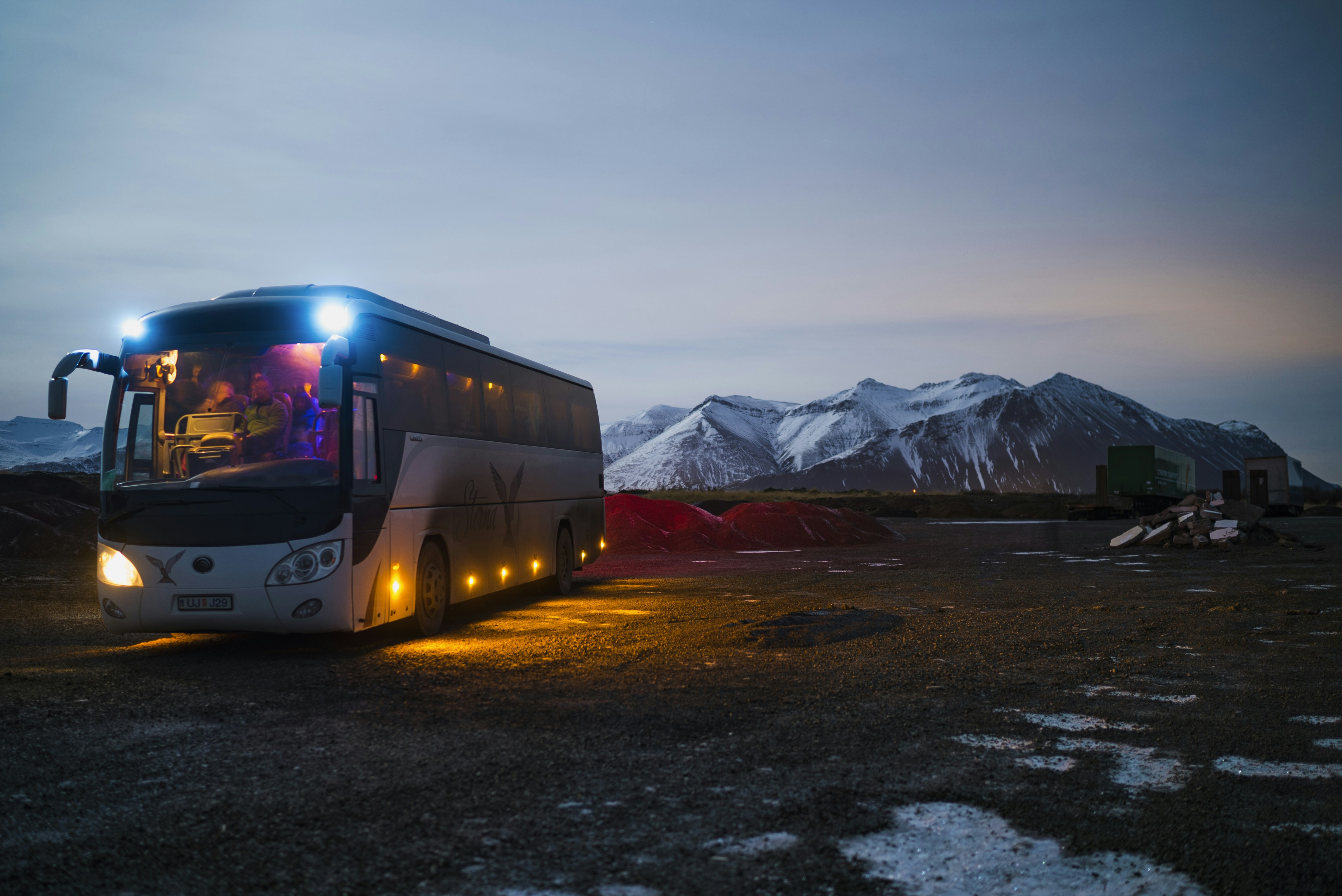
7. Use public transportation instead of taxis
Public transportation is often a practical way to reduce travel expenses in cities with reliable bus, train, or metro networks.
Check whether the destination offers:
- Day passes.
- Multi-journey tickets.
- Airport express services.
- Regional transportation cards.
- Walkable tourist districts.
For longer journeys, compare buses and trains through our trains and buses travel resources.
8. Prepare some meals yourself
Food expenses can become difficult to control when every meal comes from a restaurant.
Choose accommodation with a shared kitchen, refrigerator, or basic cooking facilities when suitable.
A simple daily approach might include:
- Breakfast from a grocery store.
- A local lunch special.
- A self-prepared dinner on selected days.
- Reusable water bottles where safe drinking water is available.
This approach reduces restaurant dependence without requiring you to avoid local cuisine entirely.

9. Prioritize free attractions
Many destinations offer memorable experiences that do not require expensive admission tickets.
Consider:
- Public parks and gardens.
- Historic neighborhoods.
- Walking routes.
- Public beaches.
- Scenic viewpoints.
- Free museum days where available.
- Local markets and public squares.
For national parks in the United States, check the official National Park Service website for entrance fees, reservation requirements, and current visitor information.
10. Pack light to avoid baggage fees
Traveling with fewer belongings can reduce baggage charges and make public transportation easier to use.
Check the airline’s exact cabin baggage dimensions and weight restrictions before departure.
Pack:
- Versatile clothing combinations.
- Essential toiletries in permitted quantities.
- Comfortable walking shoes.
- Required travel documents.
- Only necessary electronic accessories.
Use our guide to avoid checked baggage fees before booking your flight.

11. Build an itinerary around one area
Visiting too many cities in a short period creates repeated transportation, accommodation, and luggage expenses.
Instead of visiting four cities in five days, consider spending the entire trip in one city with one nearby day trip.
This reduces transfers and leaves more time for meaningful exploration.
12. Compare attraction passes carefully
City passes are useful only when the attractions you genuinely want to visit justify their cost.
Calculate the individual ticket prices of your planned activities and compare them with the pass price.
Pass value = Total individual admission cost − Pass price
If a pass costs $60 and your selected attractions would individually cost $45, the pass does not save money.
13. Avoid unnecessary foreign transaction charges
International travelers should compare card foreign transaction fees, ATM charges, and currency conversion terms before departure.
When a payment terminal offers conversion into your home currency, compare the displayed exchange rate with your card provider’s terms before accepting.
Keep a small backup payment method in a separate secure location.
14. Use travel insurance appropriate to your trip
Travel insurance is a risk-management expense rather than an automatic saving.
Compare medical coverage, exclusions, baggage protection, trip cancellation terms, and deductibles before selecting a policy.
Our travel insurance resources can help you understand the considerations involved.
15. Track spending every evening
Daily expense tracking helps you identify overspending before it affects the rest of your trip.
Record:
- Food and drinks.
- Transportation.
- Activities.
- Shopping.
- Unexpected charges.
If you spend $12 more than planned on the first day, adjust optional spending on another day instead of ignoring the difference.
For additional ideas, read budget travel hacks and ways to save money on your next trip.
How to Find Affordable Accommodation Without Sacrificing Comfort
The most practical way to find affordable accommodation is to compare total stay costs, location, guest reviews, and included facilities rather than choosing the lowest advertised price.
Accommodation is often one of the largest expenses on a multi-day vacation, so even a small nightly saving can make a meaningful difference.
Compare accommodation types
| Accommodation | Potential advantage | What to check |
|---|---|---|
| Hostel | Lower cost for solo travelers | Privacy and security |
| Guesthouse | Smaller, local properties | Facilities and location |
| Budget hotel | Private accommodation | Taxes and extra charges |
| Apartment | Kitchen access | Cleaning and service fees |
| Camping | Potentially low nightly cost | Equipment and site fees |
Use a location-cost calculation
Suppose a hotel costs $30 per night but requires $12 in daily transportation. A centrally located alternative costs $38 per night and requires only $3 in local transport.
For a four-night stay:
- Hotel A: ($30 + $12) × 4 = $168.
- Hotel B: ($38 + $3) × 4 = $164.
The more expensive room is actually cheaper overall in this example.
Note: These are hypothetical figures used to demonstrate the calculation, not current hotel quotations.
How to Reduce Transportation Expenses on a Small Budget
Transportation savings come from comparing the complete journey, including airport transfers, baggage, local travel, and the time required to reach your destination.
Do not compare a flight and a bus using ticket prices alone.
Compare different travel methods
| Travel method | Potential benefit | Possible drawback |
|---|---|---|
| Bus | Lower ticket price on some routes | Longer journey |
| Train | Comfort and central stations | Availability varies |
| Flight | Faster long-distance travel | Airport and baggage costs |
| Shared transfer | Lower individual transfer cost | Waiting time |
| Walking | No fare for suitable routes | Distance and accessibility |
Calculate the real transportation cost
Complete transport cost = Ticket + Baggage + Airport transfer + Local transport + Necessary fees
For example, a $70 flight with $25 baggage and $20 airport transfers costs $115 before other expenses.
A $95 train ticket arriving near your accommodation may be the more economical option.
For European itineraries, compare regional train and coach options before committing to a multi-city route. Our guide to cheap ways to travel Europe provides additional ideas.
How to Save Money on Food While Traveling
Travelers can control food expenses by combining local restaurants, grocery shopping, simple breakfasts, and occasional self-prepared meals.
Food is one of the easiest categories to underestimate because small purchases accumulate throughout the day.
Use a flexible meal budget
Imagine a traveler has $25 per day for food.
| Meal | Illustrative budget |
|---|---|
| Breakfast | $5 |
| Lunch | $8 |
| Dinner | $10 |
| Water or snack | $2 |
| Total | $25 |
Actual food prices vary significantly by destination and dietary requirements. In expensive cities, this budget may require grocery meals or a different accommodation choice.
Eat locally without overspending
- Look for lunch specials and fixed-price menus.
- Compare neighborhood restaurants with tourist-area restaurants.
- Check menu prices before sitting down.
- Use grocery stores for breakfast and snacks.
- Carry a reusable bottle where local water is safe to drink.

Five-Day Affordable Vacation: A Practical Budget Example
A five-day trip becomes easier to manage when fixed expenses are booked first and flexible daily expenses are assigned a clear limit.
Consider a hypothetical domestic getaway with a total budget of $450.
Sample five-day spending plan
| Expense | Amount |
|---|---|
| Round-trip bus or train | $75 |
| Four nights of accommodation | $120 |
| Food for five days | $100 |
| Local transport | $30 |
| Attractions and activities | $45 |
| Emergency reserve | $50 |
| Total | $420 |
Remaining budget: $30.
The remaining amount can absorb small price differences without using the emergency reserve.
How to organize the itinerary
| Day | Suggested activity | Spending approach |
|---|---|---|
| Day 1 | Arrival and neighborhood walk | Use public transport |
| Day 2 | Historic district and local market | Prioritize free attractions |
| Day 3 | Park or outdoor activity | Prepare a simple lunch |
| Day 4 | One paid attraction | Choose the experience you value most |
| Day 5 | Breakfast and departure | Keep transfer money available |
This itinerary is a planning model rather than a real destination quotation. The same framework can be adjusted for a city break, coastal vacation, or short countryside trip.

Common Mistakes That Make Budget Travel More Expensive
The biggest budget travel mistakes involve overlooking hidden costs, choosing inconvenient accommodation, and planning more activities than the available money can support.
1. Booking only by the cheapest advertised price
Compare taxes, baggage, transfers, cancellation terms, and required extras before paying.
2. Planning too many destinations
Every additional city can create transportation and accommodation costs. Reduce unnecessary transfers when the trip is short.
3. Ignoring visa and entry requirements
International travelers should verify visa fees, passport validity, entry conditions, and transit requirements through official government sources before purchasing non-refundable tickets.
For travel documentation and entry-related planning, explore our airport and transfer services and relevant travel resources.
4. Spending the emergency reserve
Unexpected delays, medical needs, and transport changes can create costs that are difficult to predict. Keep emergency funds separate from discretionary spending.
5. Treating every free activity as worthwhile
Free does not automatically mean valuable. Choose activities that match your interests, schedule, safety needs, and accessibility requirements.
How to Travel Internationally With a Small Budget
International budget travel requires additional planning for visas, currency exchange, mobile connectivity, insurance, and transportation between arrival airports and accommodation.
Before departure, prepare a checklist covering the following:
- Passport validity and visa requirements.
- Return or onward travel documentation where required.
- Travel insurance appropriate to your circumstances.
- International payment methods and emergency cash.
- Mobile data, roaming, or eSIM arrangements.
- Airport transportation and accommodation confirmation.
- Local laws, safety guidance, and emergency contacts.
For mobile connectivity options, visit our travel SIM card resources.
Travelers considering organized itineraries can also compare the total price of package tours against independently booked transportation and accommodation.
How to Make Budget Travel Sustainable Over Time
Frequent affordable travel becomes more manageable when you create a dedicated travel fund and plan trips around money you have already saved.
Instead of financing an unnecessary vacation through high-interest debt, establish a monthly savings target.
Example: Saving for a $600 trip
| Monthly saving | Time required |
|---|---|
| $50 | 12 months |
| $75 | 8 months |
| $100 | 6 months |
| $150 | 4 months |
These figures assume consistent savings without interest or changes in the target amount.
A dedicated travel fund makes it easier to compare opportunities without confusing available spending money with essential household expenses.
Frequently Asked Questions About How to Travel on a Small Budget
These answers address common questions about planning inexpensive vacations, managing daily expenses, and reducing unnecessary travel costs.
1. How can I travel on a small budget without sacrificing comfort?
Choose clean, well-reviewed accommodation, use reliable public transportation, and spend selectively on experiences. Saving money does not require compromising basic safety, hygiene, or essential comfort.
2. What is the cheapest way to plan a vacation with limited money?
Start with your maximum available budget, compare destinations, travel during flexible dates, and book transportation and accommodation only after calculating their complete costs. Prioritize free attractions and maintain emergency savings.
3. How much money should I save for a five-day trip?
The amount depends on the destination, travel method, accommodation, and food costs. Calculate transportation, four nights of lodging, five days of meals, local transport, activities, and an emergency reserve before deciding whether the trip is affordable.
4. Can I travel internationally with a small budget?
Yes, when airfare, visa costs, accommodation, local transportation, meals, and currency-related charges fit your finances. Compare nearby destinations and verify entry requirements before booking.
5. How do I find affordable hotels in popular tourist cities?
Compare guesthouses, hostels, budget hotels, and accommodation near public transportation. Check the final checkout price, recent reviews, cancellation terms, and the cost of reaching attractions.
6. Is traveling by bus cheaper than flying?
Bus travel can cost less on some routes, but the result depends on journey length, baggage, airport transfers, booking dates, and time. Compare the complete door-to-door cost before choosing.
7. How can I avoid overspending during a vacation?
Set a daily spending allowance, record purchases, separate emergency money, and review expenses every evening. Adjust optional activities when spending exceeds your original plan.
8. What are the best ways to reduce food expenses while traveling?
Use grocery stores for selected meals, choose local lunch specials, book accommodation with kitchen access when practical, and check restaurant prices before ordering.
9. How can I travel more often with a limited income?
Create a dedicated travel savings fund, choose shorter trips, explore nearby destinations, and plan around your available savings. Avoid borrowing money for discretionary travel when repayment would create financial pressure.
10. What should I prioritize when planning a low-cost trip?
Prioritize transportation, safe accommodation, food, essential documentation, and emergency funds. Allocate remaining money to the attractions and experiences that matter most to you.
Final Takeaway: Make Every Travel Dollar Work Harder
How to travel on a small budget is ultimately about making deliberate choices before and during the trip. Choose a destination that fits your finances, compare complete transportation and accommodation costs, use local travel options, plan meals, and reserve money for unexpected expenses.
You do not need to visit every attraction or move between several cities to have a worthwhile vacation. A carefully planned short trip can provide meaningful experiences without putting pressure on your finances.
Start with your available budget, choose one realistic destination, and build an itinerary around what you genuinely want to experience.
Explore more practical travel planning advice at The Offers Guy.