Geothermal pools in Iceland range from luxurious mineral-rich lagoons to historic swimming pools and naturally heated bathing areas surrounded by volcanic landscapes. The best choice depends on your budget, travel route, preferred atmosphere, and whether you want spa facilities or a more natural experience.
This guide compares seven memorable bathing destinations, explains which pools suit different travelers, and shows how to combine geothermal bathing with sightseeing without wasting time or money.
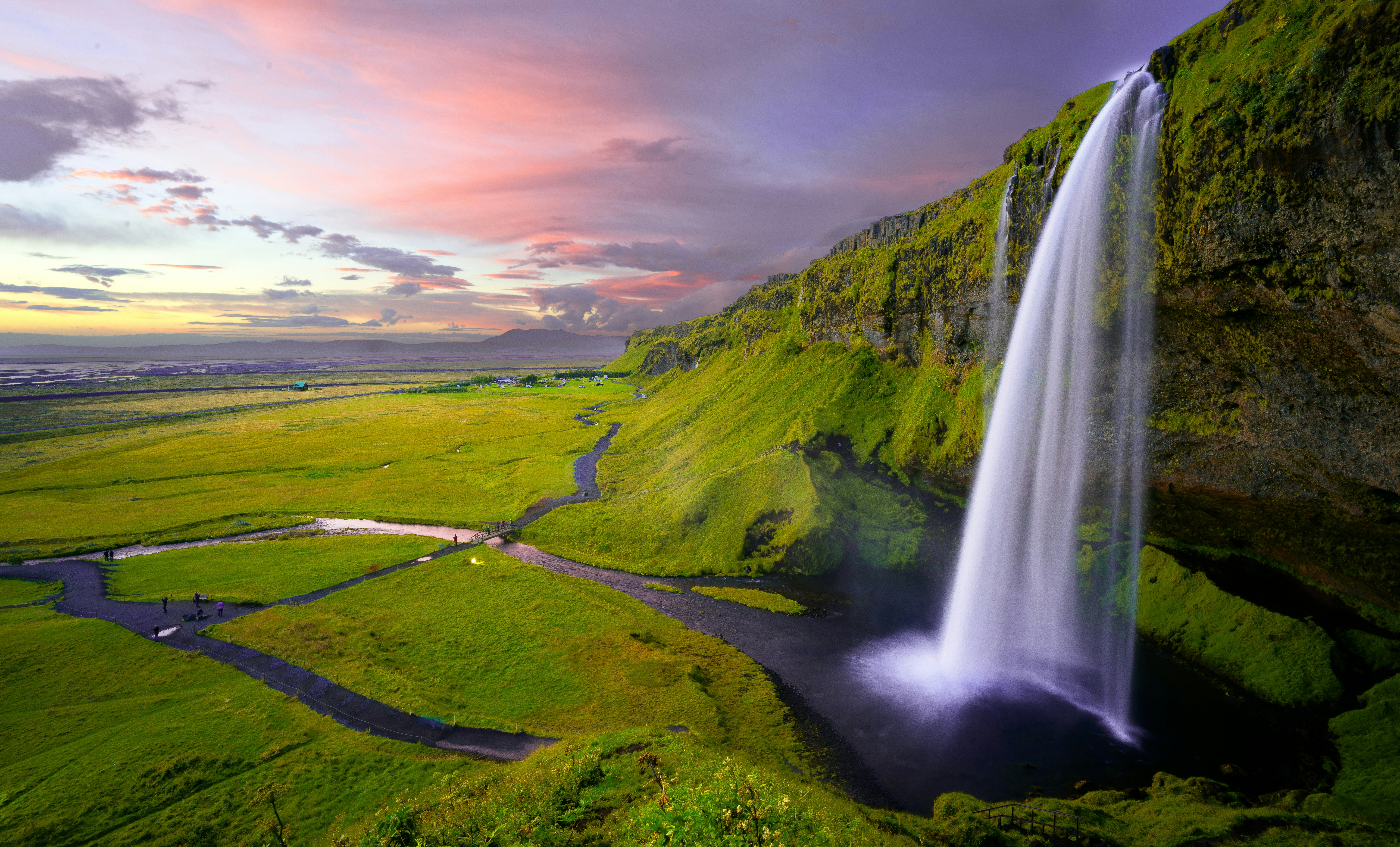
7 Best Geothermal Pools in Iceland
The best geothermal bathing experience in Iceland depends on your priorities: choose the Blue Lagoon for its iconic mineral-rich water, the Secret Lagoon for historic charm, and Reykjadalur for a hike followed by a natural hot-water soak.
Iceland’s geothermal bathing culture is part of everyday life, not just a luxury tourism experience. The country’s public swimming pools, hot tubs, and specialist spas offer different ways to enjoy naturally heated water. Visit Iceland’s geothermal pool guide explains how deeply this tradition is connected to local culture.
1. Blue Lagoon: Best for an Iconic Spa Experience
The Blue Lagoon is a strong choice for travelers who want an internationally recognized geothermal spa with mineral-rich water and modern visitor facilities.
Located on the Reykjanes Peninsula, the Blue Lagoon is famous for its milky-blue water and dark lava surroundings. It is particularly convenient for travelers connecting their arrival or departure at Keflavík International Airport with a stay in Reykjavík, although you should allow enough time for transfers and your booked bathing session.
The experience is more structured than visiting a wild hot spring. Visitors can expect designated bathing areas, changing facilities, and spa services depending on the admission package selected.
- Best for: First-time visitors, couples, and spa enthusiasts.
- Time allowance: Around two to three hours for bathing, changing, and relaxing.
- Budget: Premium; ticket prices vary by package and date.
- Planning tip: Reserve a timed entry and check current access conditions before traveling.
Check admission options and visitor information directly on the official Blue Lagoon website before including it in your itinerary.
2. Secret Lagoon: Best for a Historic Hot Spring Experience
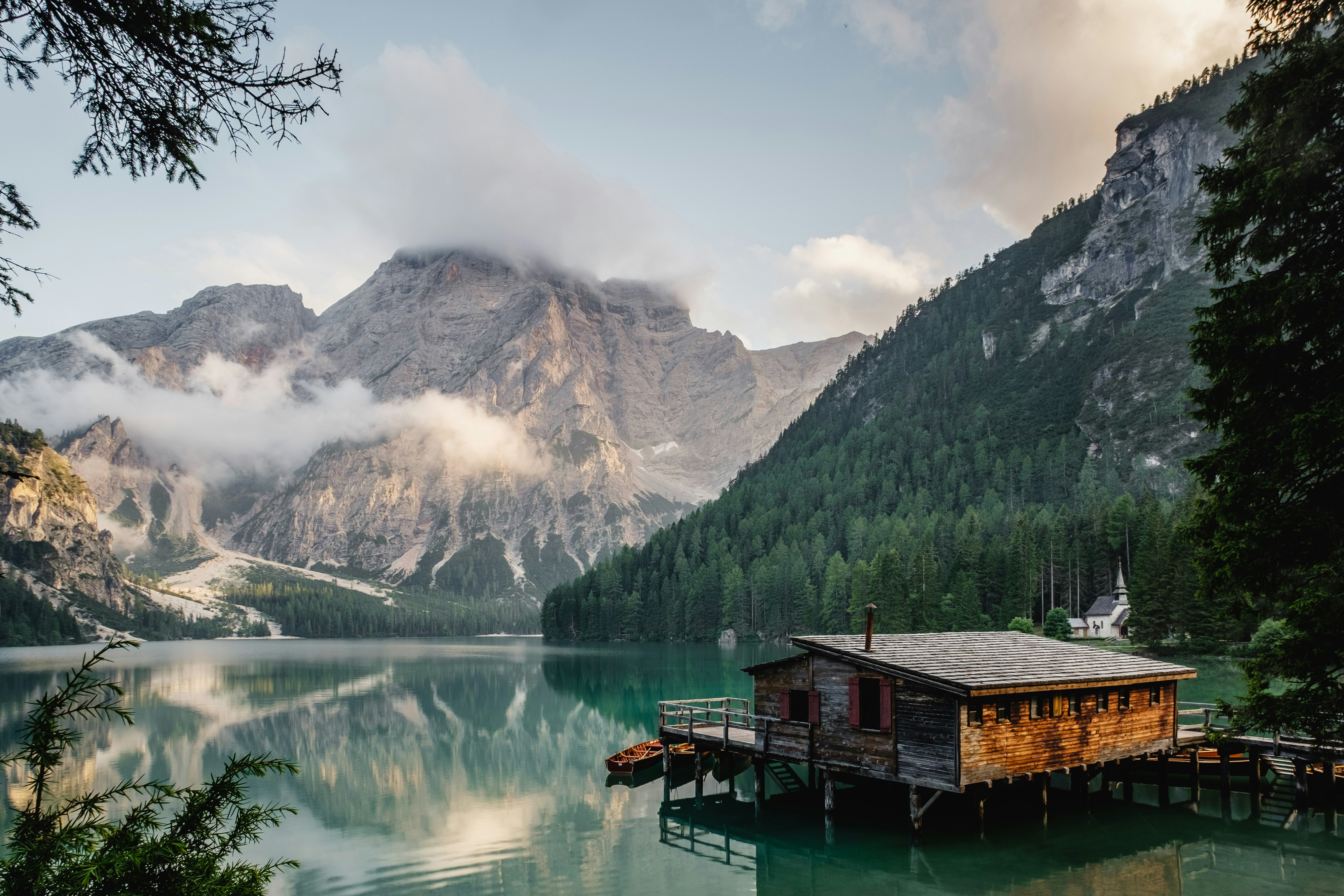
The Secret Lagoon is an excellent option for travelers who prefer a more rustic bathing atmosphere and want to explore the Golden Circle region.
Located in Flúðir in South Iceland, the Secret Lagoon is also known as Gamla Laugin. Its history dates to 1891, making it a distinctive alternative to newer luxury spa complexes.
The setting feels closer to a traditional geothermal bathing area than an elaborate resort. Steam rises around the pool, and geothermal activity can be observed in the surrounding landscape from designated areas.
- Best for: Couples, independent travelers, and Golden Circle road trips.
- Time allowance: Approximately 60–90 minutes in the bathing area, plus travel time.
- Budget: Mid-range compared with luxury spas; verify current admission rates.
- Planning tip: Book ahead, especially during busy travel periods.
For current admission, opening hours, and booking conditions, use the official Secret Lagoon website.
3. Sky Lagoon: Best for Ocean Views Near Reykjavík
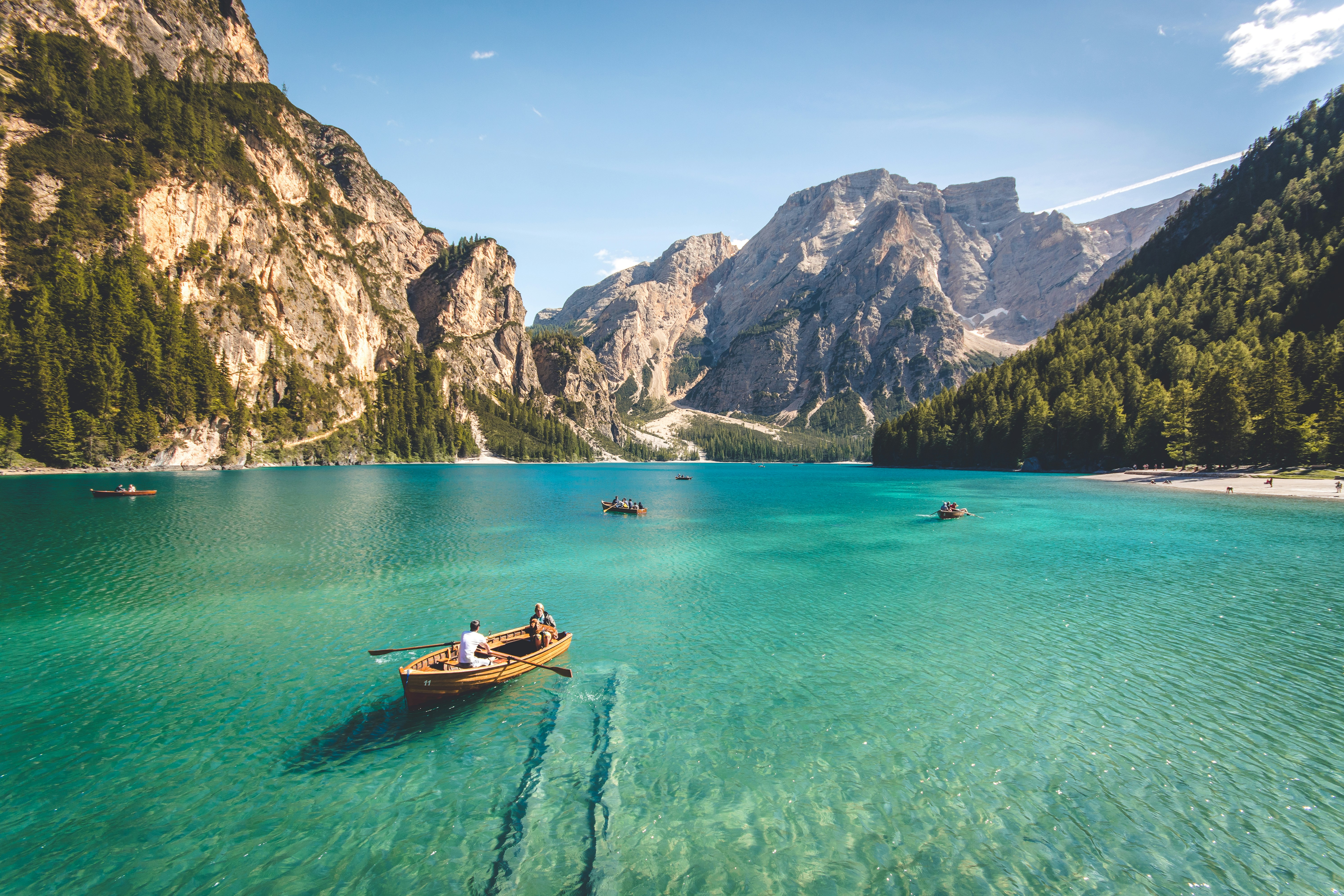
Sky Lagoon suits travelers who want a contemporary geothermal spa experience without driving far from Reykjavík.
Situated near the capital, Sky Lagoon combines warm-water bathing with ocean views and modern wellness facilities. Its design emphasizes the contrast between hot water, cool air, and the surrounding coastal environment.
Some admission options include access to the spa’s Skjól ritual, a multi-step wellness experience. Check the package details rather than assuming every ticket includes every treatment.
- Best for: Reykjavík visitors, couples, and short city breaks.
- Time allowance: Around two to three hours, depending on the package.
- Budget: Mid-range to premium.
- Planning tip: Compare ticket packages and transportation costs before booking.
See facilities, packages, and booking details on the official Sky Lagoon website.
4. Reykjadalur: Best for Hiking and Natural Warm Water
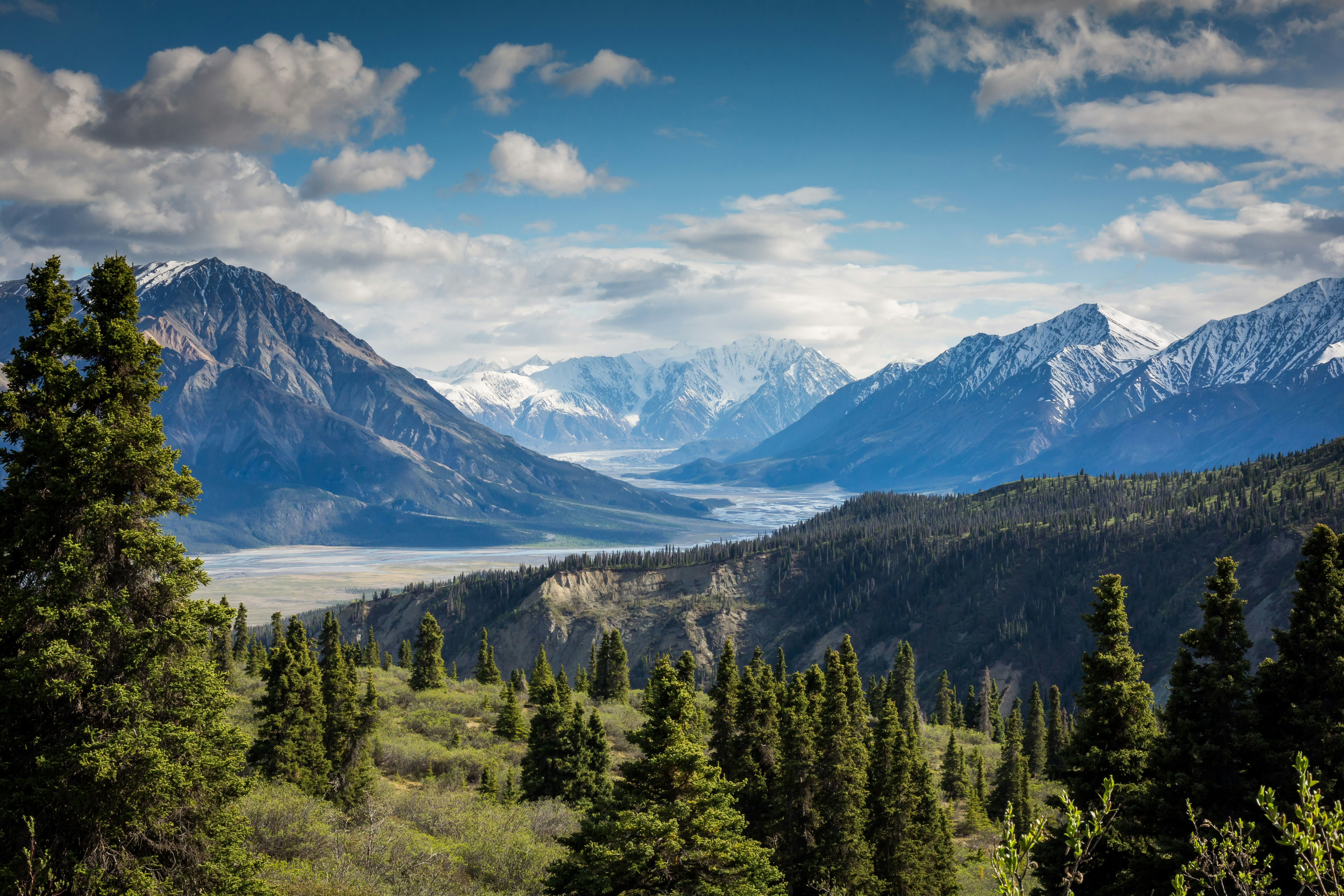
Reykjadalur is ideal for active travelers who want to hike through geothermal scenery before bathing in a designated section of a naturally heated river.
Near the town of Hveragerði, Reykjadalur means “Steam Valley.” The popular trail crosses a geothermal landscape before reaching the river bathing area. Unlike a staffed spa, the experience depends more heavily on weather, trail conditions, and your preparation.
The hike is commonly described as roughly 3–4 kilometres each way, but your actual distance and time depend on your starting point, route, pace, and conditions. Allow several hours for the complete outing rather than treating it as a quick roadside stop.
- Best for: Hikers, outdoor enthusiasts, and travelers seeking natural scenery.
- Time allowance: Approximately three to four hours or longer for the full outing.
- Budget: Potentially economical, but transport, parking, and other expenses may apply.
- Planning tip: Bring suitable footwear, a swimsuit, a towel, and a waterproof layer.
Only enter the designated bathing section when conditions permit. The surrounding geothermal terrain contains dangerously hot water and unstable ground, so stay on marked paths and obey signs.
5. Earth Lagoon Mývatn: Best for North Iceland
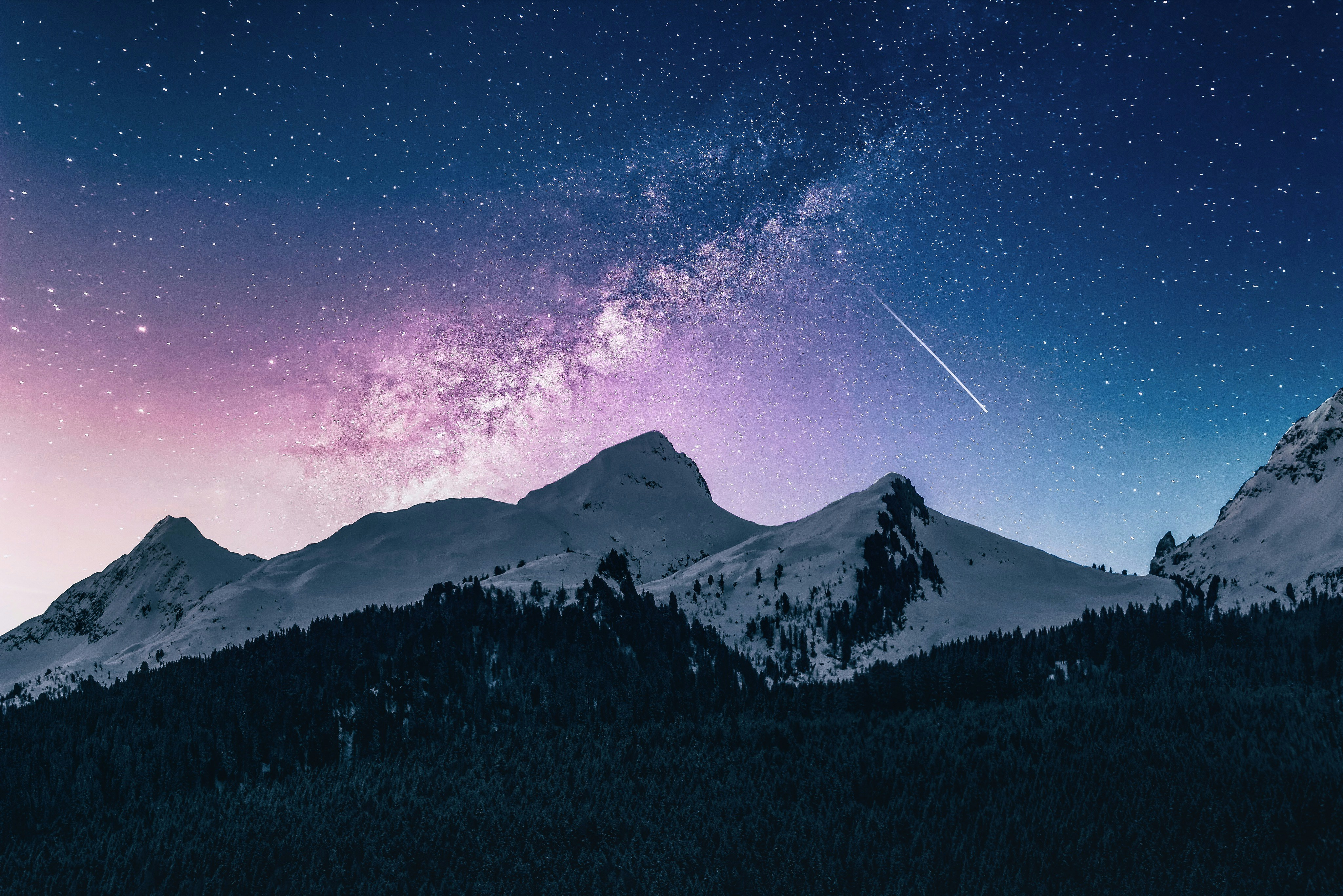
Earth Lagoon Mývatn is a compelling choice for travelers exploring Lake Mývatn, volcanic formations, and the wider Diamond Circle region.
Previously known as Mývatn Nature Baths, Earth Lagoon Mývatn offers geothermal bathing in a region shaped by volcanic activity. The surrounding landscape makes the experience particularly appealing to travelers who want a spa stop without limiting their trip to Reykjavík and South Iceland.
The lagoon underwent extensive renovation and expansion in 2026. Facilities, admission categories, and prices may therefore differ from older travel guides, so check the current official information before visiting.
- Best for: North Iceland road trips, couples, and landscape enthusiasts.
- Time allowance: Around two hours or more.
- Budget: Mid-range to premium; current admission prices depend on the selected experience.
- Planning tip: Combine the visit with other Lake Mývatn attractions rather than making a long detour solely for bathing.
Review the latest facilities, ticket categories, and opening hours at the official Earth Lagoon Mývatn website.
6. GeoSea: Best for Geothermal Sea Baths
GeoSea is worth considering if you want heated seawater bathing and expansive coastal views in northern Iceland.
Located in Húsavík, GeoSea uses naturally heated seawater rather than offering the same type of experience as every freshwater hot spring. The coastal setting creates a different atmosphere, particularly when the sea and surrounding mountains dominate the view.
GeoSea works especially well for visitors who are already exploring Húsavík or planning whale-watching activities. It is less practical as a quick addition to a Reykjavík-only itinerary because northern Iceland requires substantial travel time.
- Best for: Coastal scenery, North Iceland itineraries, and relaxation.
- Time allowance: Around 90 minutes to two hours.
- Budget: Mid-range to premium.
- Planning tip: Check local weather, ticket availability, and opening times before choosing your bathing slot.
For current visitor information, consult the official GeoSea website.
7. Local Geothermal Swimming Pools: Best for Saving Money
Municipal geothermal swimming pools are often the best-value choice for travelers who want warm water, hot tubs, and a local cultural experience without paying luxury-spa prices.
Iceland’s public swimming pools are used by residents throughout the year. Many have outdoor pools, hot tubs, changing rooms, and sometimes saunas or steam rooms. Facilities vary from one municipality to another.
For travelers watching their spending, a local pool can provide an enjoyable bathing experience at a lower cost than a famous lagoon. It can also fit into a Reykjavík sightseeing day or a stop in a smaller town along a road trip.
- Best for: Budget-conscious travelers, families, and visitors interested in local culture.
- Time allowance: Around 45–90 minutes.
- Budget: Generally the most economical category on this list.
- Planning tip: Check municipal admission rates, family tickets, and available facilities.
Read the official guidance on Iceland’s swimming pool culture before your first visit.
Which Geothermal Pools in Iceland Should You Choose?
Choose based on geography, total cost, facilities, and the kind of experience you want rather than selecting a pool solely because it is famous.
| Destination | Region | Best for | Cost level | Planning consideration |
|---|---|---|---|---|
| Blue Lagoon | Reykjanes Peninsula | Iconic spa experience | Premium | Reserve a timed entry |
| Secret Lagoon | Flúðir, South Iceland | Historic atmosphere | Mid-range | Combine with Golden Circle sightseeing |
| Sky Lagoon | Near Reykjavík | Coastal spa and wellness | Mid-range to premium | Compare ticket packages |
| Reykjadalur | Near Hveragerði | Hiking and natural bathing | Potentially economical | Check trail and weather conditions |
| Earth Lagoon Mývatn | North Iceland | Volcanic landscapes | Mid-range to premium | Check current facilities and prices |
| GeoSea | Húsavík, North Iceland | Heated seawater and coastal views | Mid-range to premium | Combine with northern sightseeing |
| Municipal pools | Across Iceland | Budget-friendly bathing | Economical | Check local rules and opening hours |
Cost levels are relative planning categories, not live quotes. The final amount depends on the date, ticket package, transportation, rentals, and whether you visit more than one destination.
How Much Should You Budget for Geothermal Bathing?
Budget for admission, transportation, towel or swimsuit rental, food, and any additional spa treatments rather than comparing entry prices alone.
Ticket prices change, and the same destination may offer several admission levels. The following is a planning framework, not a claim about current ticket prices.
| Expense | What to include | How to control costs |
|---|---|---|
| Admission | Pool or spa entry | Compare standard tickets with premium packages |
| Transport | Bus, rental car, fuel, or organized tour | Choose a pool already on your route |
| Towel and swimwear | Rental charges if required | Bring your own clean items when permitted |
| Food and drinks | Meals, snacks, and refreshments | Plan meals around your day trip |
| Optional extras | Rituals, drinks, treatments, or premium access | Pay only for extras you genuinely want |
Example: Calculate the Total Cost Before Booking
The real cost of a geothermal pool visit is the sum of all expenses associated with reaching and using the facility.
Use this formula to compare two destinations:
Total visit cost = admission + transport + rentals + food + optional extras.
For example, if you are comparing two hypothetical options, one with a lower ticket price but expensive transport and another with a higher ticket price close to your hotel, calculate both totals before deciding. These are illustrative cost components, not quoted prices for a specific pool.
For a broader trip budget, review our guides to the best vacation destinations and holiday destinations worth considering when comparing travel styles and overall costs.
A Practical Two-Day Geothermal Pool Itinerary
A two-day plan based around Reykjavík and South Iceland can combine geothermal bathing with sightseeing while avoiding unnecessary backtracking.
This sample itinerary assumes you are staying in or near Reykjavík and have suitable transportation. Check current opening times, weather, road conditions, and booking availability before setting your schedule.
Day 1: Reykjavík and a Coastal Spa
- Morning: Explore Reykjavík’s central attractions and have breakfast near your accommodation.
- Late morning or early afternoon: Visit Sky Lagoon if you want a spa experience close to the capital. Reserve a suitable time in advance.
- Afternoon: Return to Reykjavík for museums, shopping, or a relaxed meal.
- Evening: Keep your schedule flexible, especially in winter when weather and daylight can affect travel.
Day 2: Golden Circle and Secret Lagoon
- Morning: Start early and visit selected Golden Circle attractions, allowing time for parking and walking.
- Midday: Continue toward Flúðir, checking your driving time and road conditions.
- Afternoon: Enjoy a reserved session at the Secret Lagoon.
- Evening: Return to your accommodation or stay in South Iceland if the next day’s plans take you farther along the coast.
Do not treat this as a fixed timetable. Road conditions, winter daylight, attraction queues, and spa reservations can all change the amount of time available.
If you prefer outdoor adventure over a spa-focused trip, substitute Reykjadalur for one of the paid facilities only when the trail and bathing area are suitable for your abilities and the current conditions.
How to Plan a Geothermal Pool Visit in Iceland
The most reliable approach is to choose a pool that matches your route, book where required, and prepare for cold weather and wet changing areas.
Step 1: Choose the Right Region
Start with your accommodation and sightseeing route. The Blue Lagoon and Sky Lagoon are practical options around the capital and Reykjanes area, while Secret Lagoon works well for South Iceland. Earth Lagoon Mývatn and GeoSea are better suited to northern itineraries.
Review travel places and destination ideas to organize the rest of your trip around the region you choose.
Step 2: Check Tickets and Facilities
Confirm admission times, cancellation rules, towel rental, swimsuit rental, locker access, age restrictions, and any package requirements. Do not rely on old blog posts for prices or opening hours.
For a wider selection of activities, browse tours and activities before committing to a day-trip schedule.
Step 3: Prepare Your Swimming Kit
Bring a swimsuit, towel, flip-flops or suitable footwear for changing areas, and a waterproof bag for belongings. A warm outer layer helps when moving between the building and the outdoor pool.
For an outdoor hike such as Reykjadalur, also bring water, weather-appropriate clothing, and footwear with good grip.
Step 4: Check Transport and Accommodation
Some pools are convenient for short visits from the capital; others require a longer road trip. Check whether public transport serves the destination and whether the return journey fits your booked session.
Use hotel and accommodation planning resources to compare where to stay along your chosen route. If your itinerary involves a rental car, review car and bike rental options before traveling.
Geothermal Pool Safety and Icelandic Bathing Etiquette
Use designated bathing areas, shower thoroughly before entering public pools, and never assume that a natural hot spring is safe because it looks calm.
Iceland’s geothermal environment includes water that can be dangerously hot, unstable ground, and areas where access is restricted. The Icelandic Environment Agency’s traveller safety guidance warns visitors to stay on designated paths and avoid testing geothermal water by touch.
- Stay on marked paths: Thin ground near hot springs can collapse and expose visitors to scalding water.
- Follow bathing rules: Public pools and spas generally require a thorough shower without swimwear before entering the water.
- Watch your temperature tolerance: Leave the water if you feel dizzy, weak, overheated, or unwell.
- Respect closures: Do not enter restricted areas or assume a natural pool is open just because it appears accessible.
- Protect the environment: Do not leave rubbish, add soap to natural water, or damage fragile geothermal formations.
- Check weather and roads: Conditions can change quickly, particularly on exposed routes and highland roads.
Visitors with medical concerns, including conditions affected by heat exposure, should seek appropriate medical advice before bathing. Follow the instructions of the facility and leave the water if you feel unwell.
5 Common Mistakes to Avoid
Most avoidable problems come from poor route planning, outdated information, unsuitable clothing, or treating natural geothermal areas like managed swimming pools.
- Choosing a pool far from your route: A cheap ticket may become an expensive excursion if it requires a long detour.
- Booking too late: Popular spas can have limited availability at preferred times, particularly in busy seasons.
- Trusting old prices: Renovations, seasonal schedules, and admission packages can change. Check official websites.
- Ignoring changing-room etiquette: Showering without swimwear before entering public bathing water is an important Icelandic hygiene custom.
- Entering an unsafe natural spring: Never enter unmarked water or step onto unstable geothermal ground simply to take a photograph.
Final Takeaway: Which Icelandic Geothermal Pool Is Worth Visiting?
The Blue Lagoon is a strong first choice for an iconic spa experience, Secret Lagoon suits a historic and relaxed visit, and Reykjadalur appeals to travelers who want hiking and natural scenery.
Sky Lagoon is convenient for Reykjavík, Earth Lagoon Mývatn and GeoSea suit northern itineraries, and local municipal pools provide a more economical way to experience Iceland’s bathing culture.
Choose one or two pools that fit your route rather than trying to visit every destination. Check official booking information, calculate the complete cost, and prioritize safety to make geothermal bathing a memorable part of your Iceland trip.
Frequently Asked Questions
Open a question below to read the answer.
1. What are the best geothermal pools in Iceland for first-time visitors?
The Blue Lagoon, Sky Lagoon, and Secret Lagoon are strong choices for first-time visitors because they offer established bathing facilities. Choose based on your route, budget, preferred atmosphere, and ticket availability.
2. Are geothermal pools in Iceland natural or man-made?
Both types exist. Some bathing areas use naturally heated water in a relatively natural setting, while modern geothermal spas channel or regulate geothermal water in purpose-built facilities. A geothermal pool is not necessarily an untouched natural hot spring.
3. Can you visit Iceland’s hot springs without paying for a luxury spa?
Yes. Municipal swimming pools are often an economical alternative, and some natural bathing areas may have lower direct costs. However, transportation, parking, access restrictions, and required facilities can affect the total expense. Never assume an unmarked spring is safe or open to the public.
4. What is the best time of year to visit geothermal pools in Iceland?
Geothermal bathing can be enjoyable year-round. Winter offers a dramatic contrast between warm water and cold air, while summer provides longer daylight for combining pools with sightseeing. Weather, opening hours, and access to natural bathing areas vary by location and season.
5. Do you need to shower before entering Icelandic geothermal pools?
Yes. Public swimming pools and many geothermal spas require visitors to shower thoroughly without a swimsuit before entering the water. Follow the instructions posted at the specific facility.
6. Are natural hot springs in Iceland safe for children?
Safety depends on the particular site. Choose a managed facility suitable for the child’s age and swimming ability, supervise children closely, and follow the venue’s rules. Unmarked geothermal water and unstable ground can cause severe burns.
7. Can you see the Northern Lights while bathing in Iceland?
It may be possible at some outdoor pools during the darker months, provided the sky is clear and aurora activity is sufficient. Seeing the Northern Lights is never guaranteed, and you should prioritize safe access and the facility’s rules over waiting outdoors for a display.
8. What should you pack for a geothermal pool in Iceland?
Pack a swimsuit, towel, suitable footwear, a warm outer layer, and a waterproof bag. Check whether towels and swimsuits are available for rent. For natural bathing areas reached by hiking, also bring appropriate footwear, water, and weather-resistant clothing.
9. Is Reykjadalur suitable for travelers who do not want to hike?
Reykjadalur is less suitable if you want to avoid walking because reaching its bathing area requires a hike. A managed spa or municipal pool is a better option for travelers who prefer easy access to changing facilities and warm water.
10. Should you book geothermal pools in Iceland in advance?
Advance booking is advisable for popular spas, especially during peak travel periods or for specific time slots. Check each venue’s official website for current reservation policies, ticket availability, and cancellation terms.
Editorial note: Admission prices, opening hours, access rules, and facilities can change. Confirm all time-sensitive details with the official destination websites before departure. This guide is for travel planning and does not replace local safety instructions.