Family friendly beaches Hawaii visitors should consider include Kūhiō Beach, Ala Moana Beach Park, Kailua Beach, Poʻipū Beach, and Kaʻanapali Beach, but the right choice depends on your children’s ages, swimming ability, beach facilities, and daily ocean conditions. Hawaii offers sandy swimming areas, protected sections, shallow shoreline experiences, snorkeling opportunities, and beach parks where parents can combine ocean time with convenient facilities.
For families, the best beach is not necessarily the one with the most famous photographs. It is the beach where children can enjoy an age-appropriate experience, adults can supervise comfortably, and the family can find shade, restrooms, food, and a practical way back to the accommodation.
This guide compares nine beaches across Oahu, Maui, Kauai, and Hawaii Island, explains what makes each destination suitable for different family needs, and provides a practical one-day planning framework.
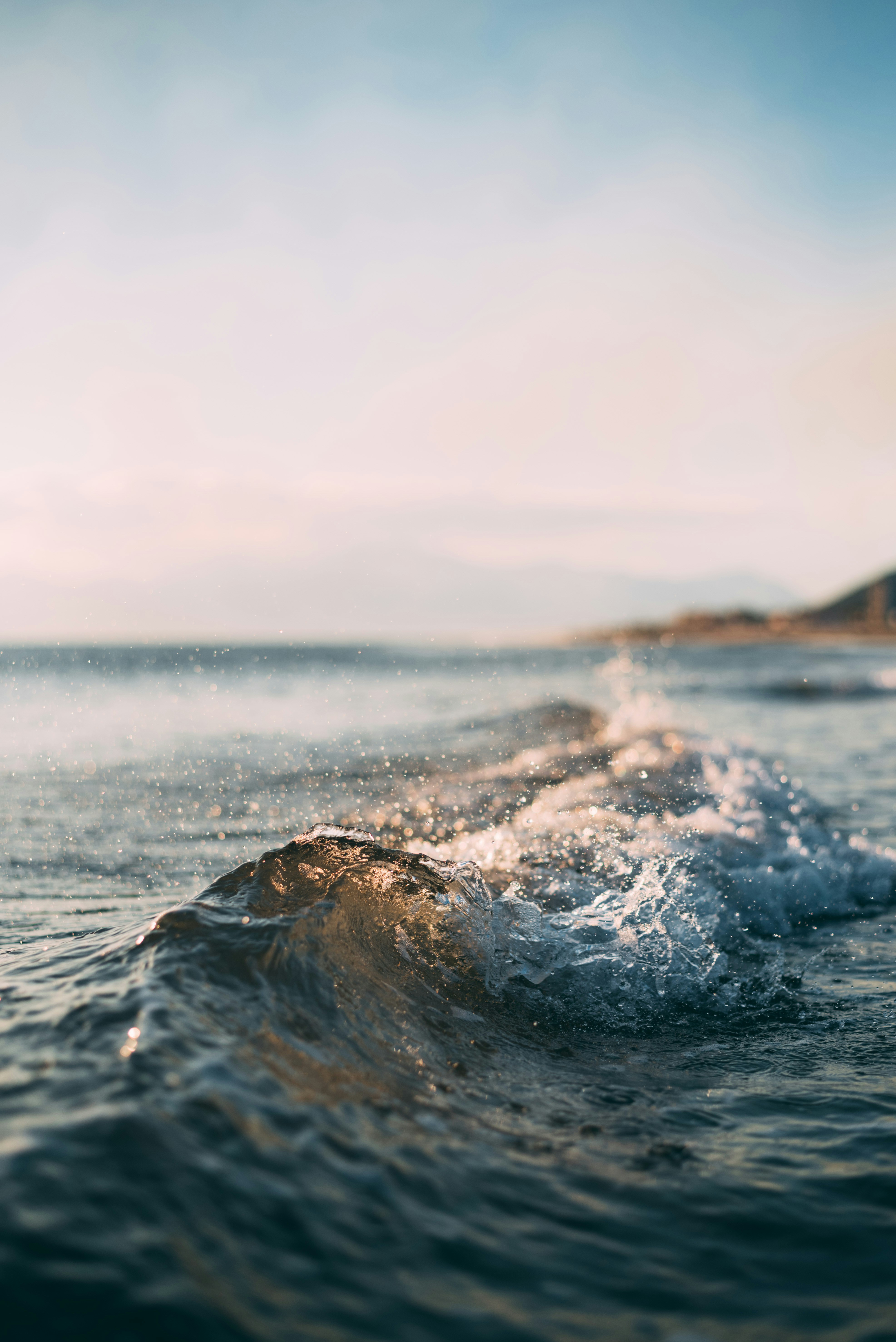
Which Family Friendly Beaches in Hawaii Should You Consider First?
For convenient family swimming, begin by comparing Kūhiō Beach, Ala Moana Beach Park, Poʻipū Beach Park, and Kamaʻole Beach Park III. These locations offer useful combinations of beach access, facilities, and family-oriented recreation, although ocean conditions must always be checked on the day.
| Beach | Island | Family planning advantage | Best suited to |
|---|---|---|---|
| Kūhiō Beach | Oahu | Protected swimming enclosure | Families seeking a convenient Waikiki beach |
| Ala Moana Beach Park | Oahu | Park facilities and sheltered swimming area | Mixed-age families |
| Kailua Beach | Oahu | Wide sandy shoreline | Beach walks and active families |
| Kaʻanapali Beach | Maui | Resort access and coastal activities | Families combining beach and accommodation |
| Kamaʻole Beach Park III | Maui | Park setting and family recreation | Picnics and beach days |
| Baby Beach, Lahaina | Maui | Historically sheltered nearshore area | Shoreline exploration when conditions permit |
| Poʻipū Beach Park | Kauai | Family-oriented beach park | South Shore visitors |
| Lydgate Beach Park | Kauai | Rock-enclosed swimming areas | Families seeking a protected setting |
| Hapuna Beach | Hawaii Island | Large sandy beach and facilities | Families who enjoy open coastal scenery |
Beach characteristics are not guarantees of safe swimming. Check the official Hawaii lifeguarded beach directory for current coverage and schedules.
How to Choose the Best Family Beach in Hawaii
The most useful way to select a Hawaiian beach is to evaluate water conditions, supervision, facilities, accessibility, and your children’s swimming confidence before comparing scenery. A beautiful beach may be unsuitable for a toddler on a high-surf day, while a less famous beach park may provide everything your family needs.
1. Match the beach to your children’s ages
- Babies and toddlers: Look for convenient access, shade options, nearby restrooms, and a protected shoreline. Keep children out of the water if conditions are uncertain.
- Children aged 5–9: Consider beach parks with facilities and opportunities for supervised sand play.
- Older children: Look for beginner-friendly activities, guided experiences, and beaches with lifeguard coverage.
- Teenagers: Combine beach time with coastal walks, beginner surf lessons, or supervised water activities.
2. Check facilities before leaving your hotel
A family beach day can become uncomfortable when a child needs a restroom, a parent needs shade, or everyone runs out of drinking water.
Check for:
- Restrooms and outdoor showers
- Parking and walking distance
- Picnic tables or shaded areas
- Lifeguard coverage and operating hours
- Nearby food and drinking water
- Accessible pathways where needed
For accommodation planning, compare your beach location with family-friendly hotels and accommodation options before finalizing your itinerary.
Best Family Friendly Beaches in Hawaii: Oahu
Oahu is a practical island for families who want beaches, restaurants, accommodation, and attractions within a relatively compact travel itinerary. Waikiki is especially convenient for visitors who prefer not to rent a car for every activity.
1. Kūhiō Beach, Waikiki
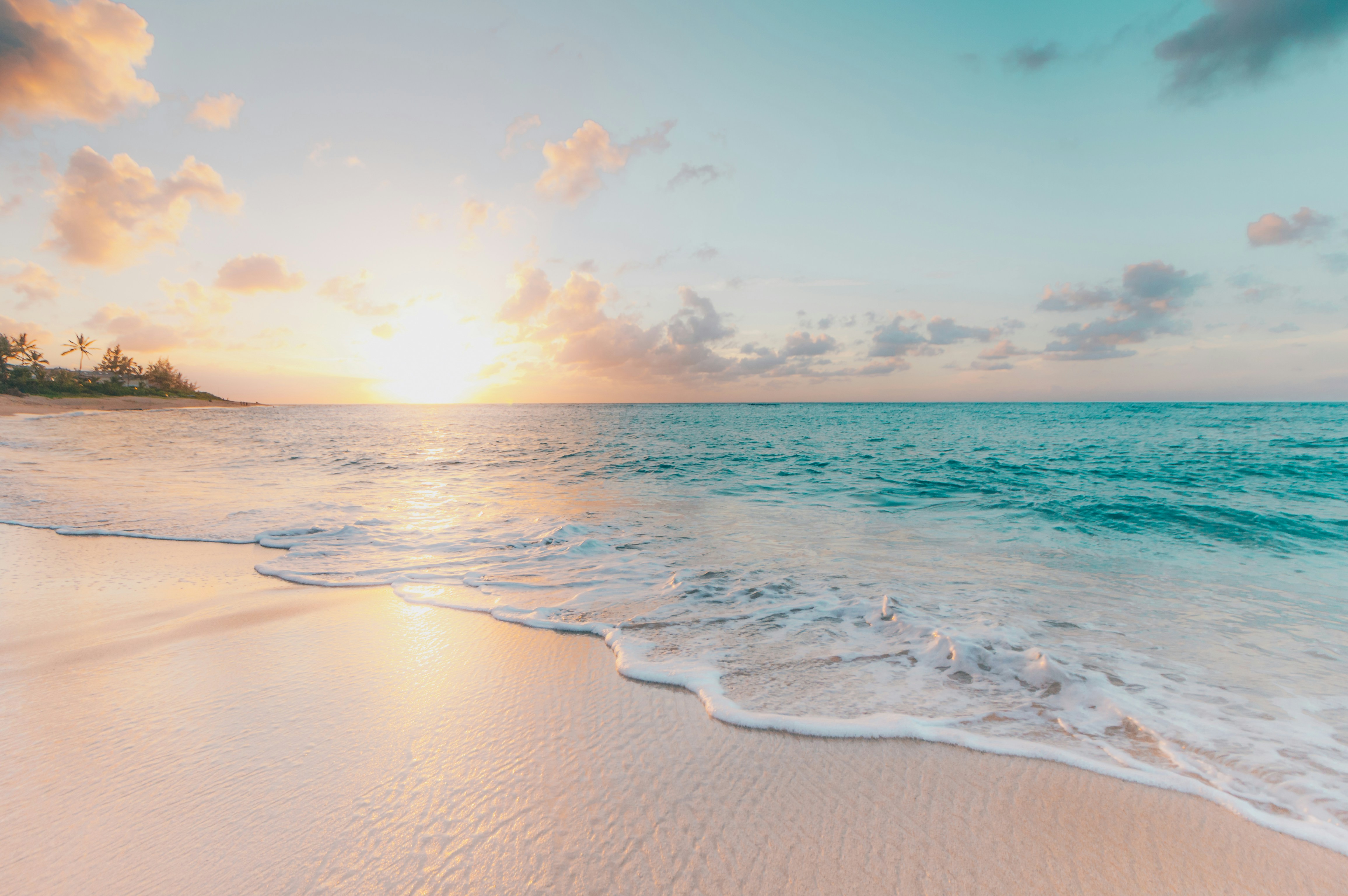
Kūhiō Beach is a useful starting point for families staying in Waikiki because its concrete barriers create a sheltered swimming enclosure. The beach also has lifeguard coverage, nearby food concessions, showers, and access to the wider Waikiki beachfront.
The protected area is often called Kūhiō Ponds. However, barriers do not remove every ocean hazard, and families should still check conditions and follow lifeguard instructions.
Practical family plan:
- Arrive earlier in the day to organize your beach space.
- Identify the lifeguard station before children approach the water.
- Use the sheltered area only when conditions and warnings permit.
- Take a break for lunch rather than keeping young children in direct sun.
See the official Kūhiō Beach destination information for its facilities and beach characteristics.
2. Ala Moana Beach Park
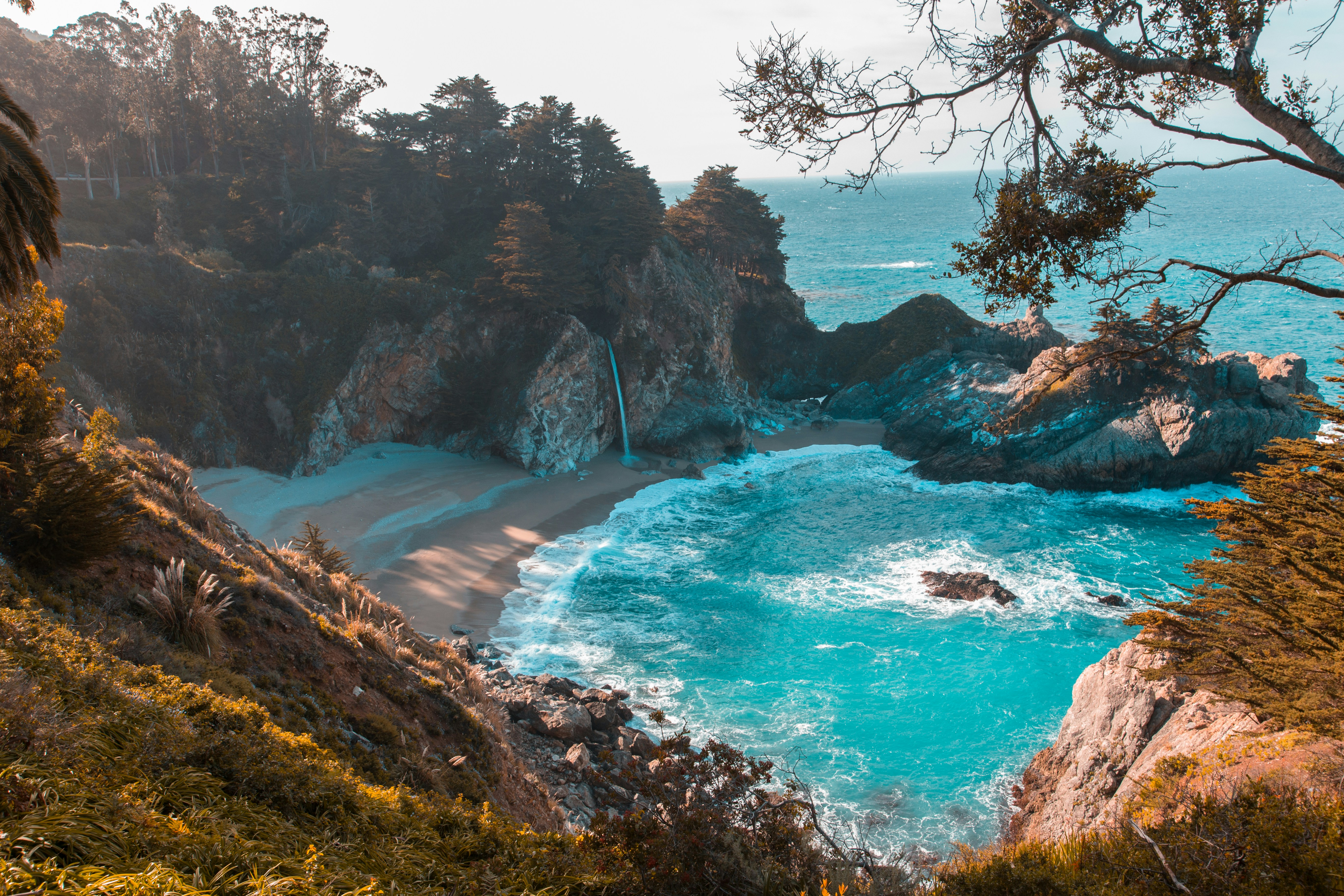
Ala Moana Beach Park is worth considering for families who want a beach outing with park facilities and a more practical alternative to a resort beachfront. The offshore reef helps create a sheltered swimming area, although the water must still be assessed before entering.
The adjoining Magic Island area adds walking space and open views. Families can split the day between supervised shoreline time, a picnic, and a relaxed walk.
Why parents may prefer it:
- Large public park environment
- Beach and picnic opportunities
- Convenient access from Honolulu
- Options for families who do not want a full-day excursion
For a wider trip, combine the beach with family-friendly attractions and activities when planning your overall vacation schedule.
3. Kailua Beach
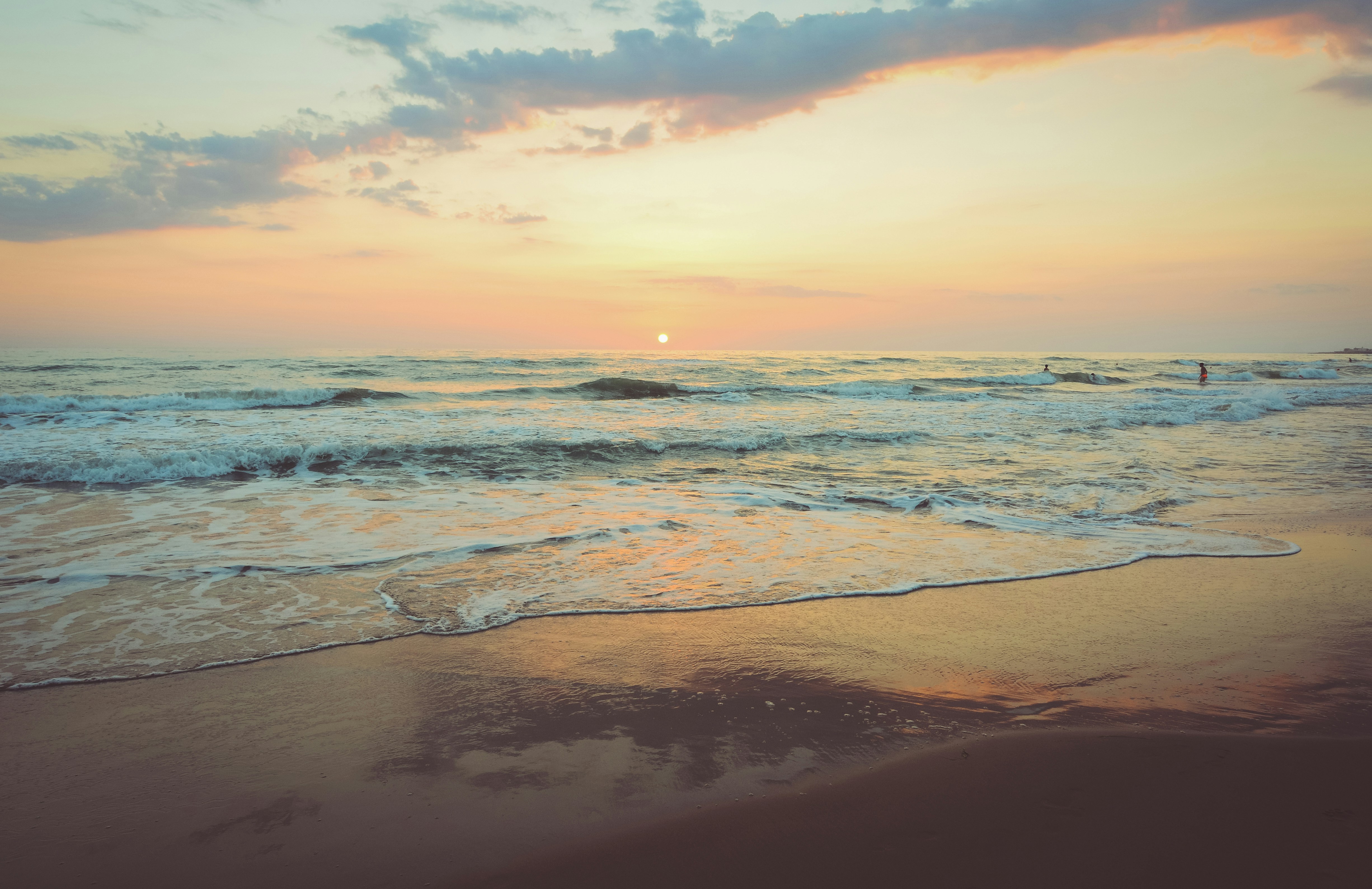
Kailua Beach is a scenic choice for families who want a spacious sandy shoreline and a full beach-day atmosphere. Its wide coastal setting allows room for sand play, walking, and enjoying the scenery.
However, the Windward Coast can experience wind, currents, and changing surf. Do not assume that clear turquoise water means calm swimming conditions.
For families with younger children, prioritize a lifeguarded area, check the day’s conditions, and keep activities close to shore.
Planning tip: Bring drinking water, sun protection, snacks, and a change of clothes. Check parking and beach access before departure.
Families who enjoy short outdoor excursions may also like our guide to kid-friendly hikes in Hawaii.
Family Friendly Beaches in Maui for a Relaxed Vacation
Maui offers families a combination of resort beaches, public beach parks, and coastal scenery, particularly around South and West Maui. Choose a beach based on the day’s conditions rather than relying on its reputation alone.
4. Kaʻanapali Beach
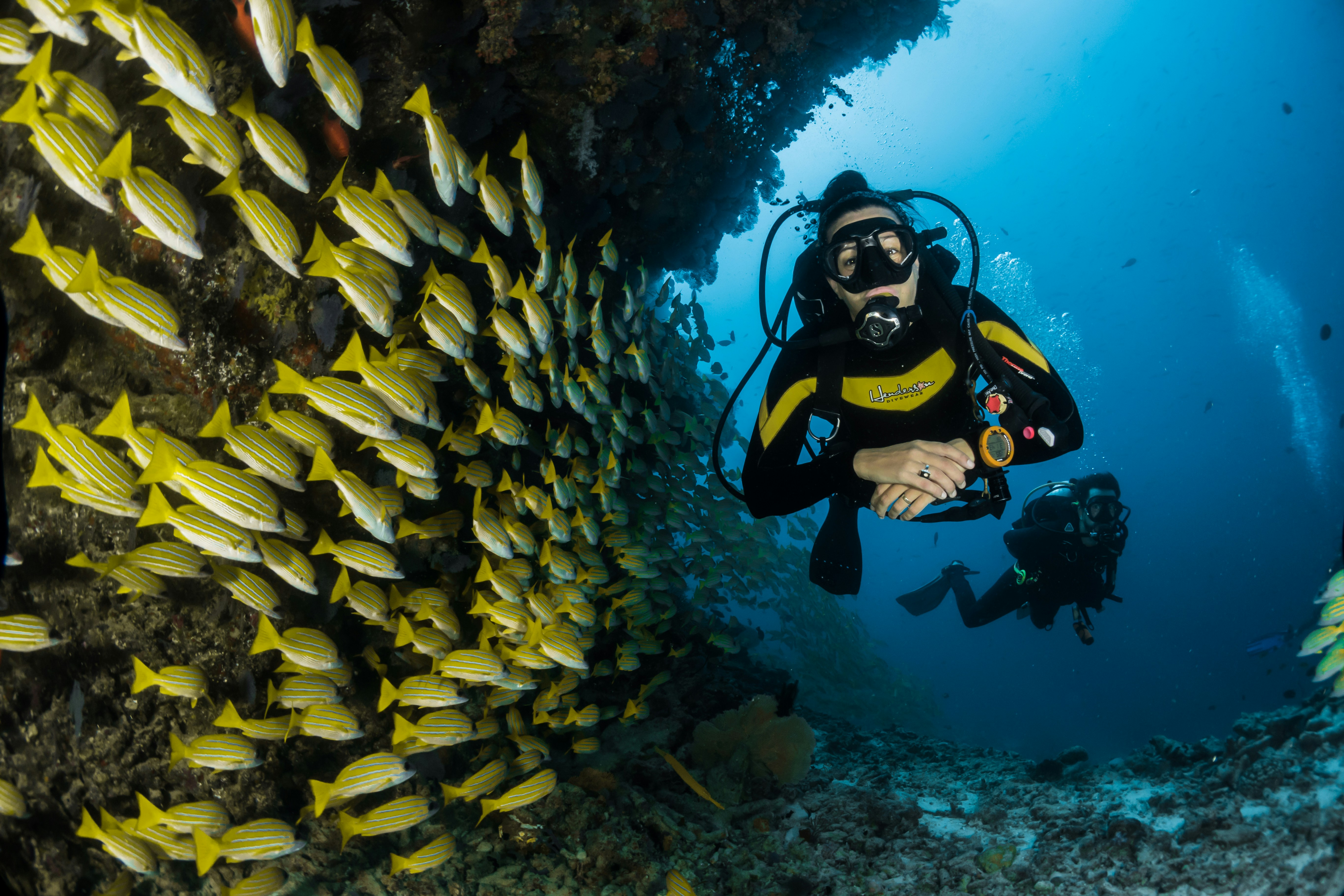
Kaʻanapali Beach suits families who want to combine beach time with accommodation, dining, and resort-area convenience. The long shoreline provides room for walks and coastal exploration, while nearby properties make it possible to return for rest breaks.
Families should distinguish between a convenient beach location and a safe swimming location. Wave conditions, currents, and the specific section of shoreline matter.
For a family staying nearby, a practical schedule is:
- Morning: Check conditions and enjoy the beach.
- Midday: Return to accommodation for lunch and rest.
- Afternoon: Take a short coastal walk or enjoy a supervised activity.
5. Kamaʻole Beach Park III
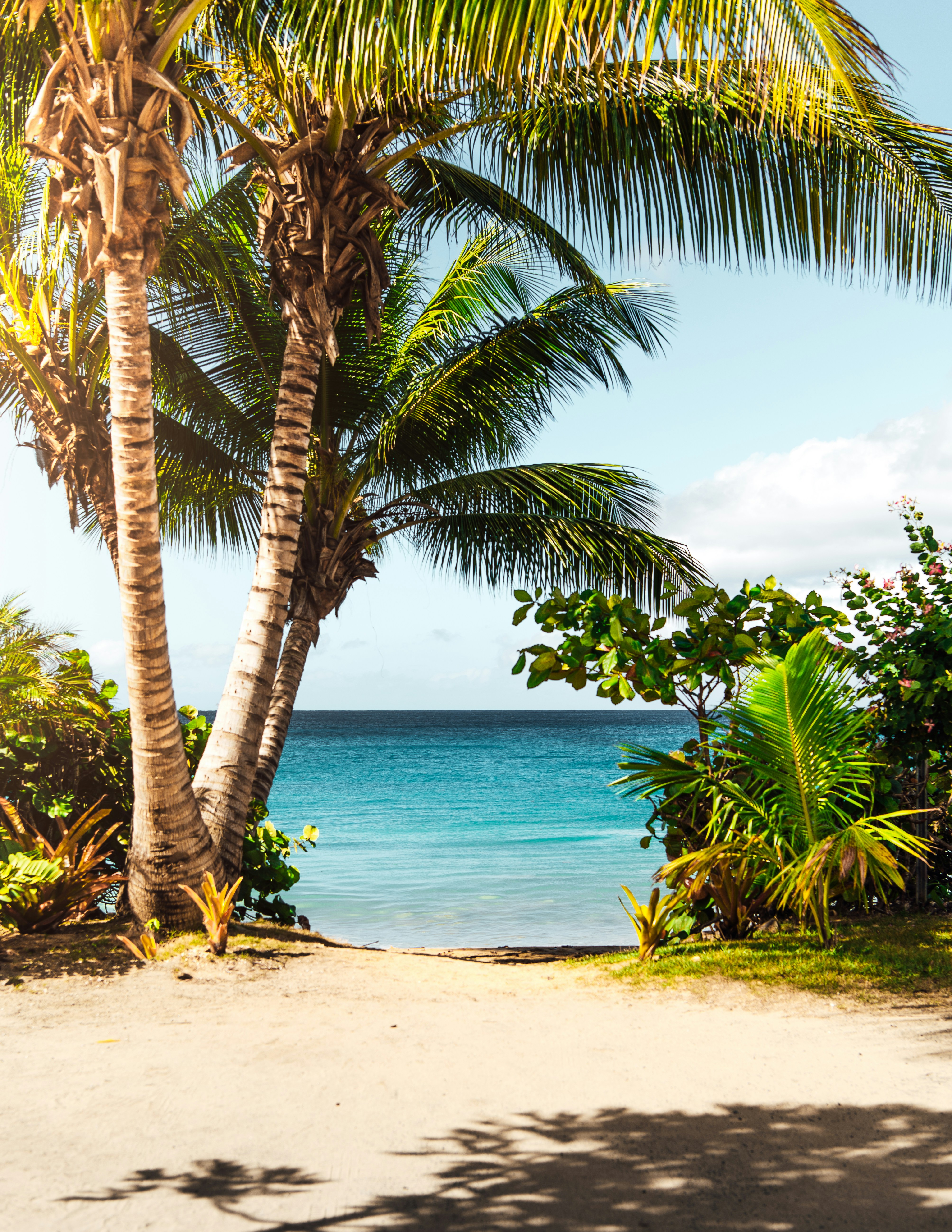
Kamaʻole Beach Park III is a practical South Maui option for families who want a beach park rather than an exclusively resort-based experience. The park setting makes it suitable for planning a beach outing with breaks and land-based recreation.
Its shoreline is not a guarantee of calm water. Check the surf, ask a lifeguard about current hazards, and keep children away from strong shorebreak.
Best planning approach: Pack a picnic, arrive with enough time to settle in, and keep the schedule flexible if the ocean becomes unsuitable.
6. Baby Beach, Lahaina
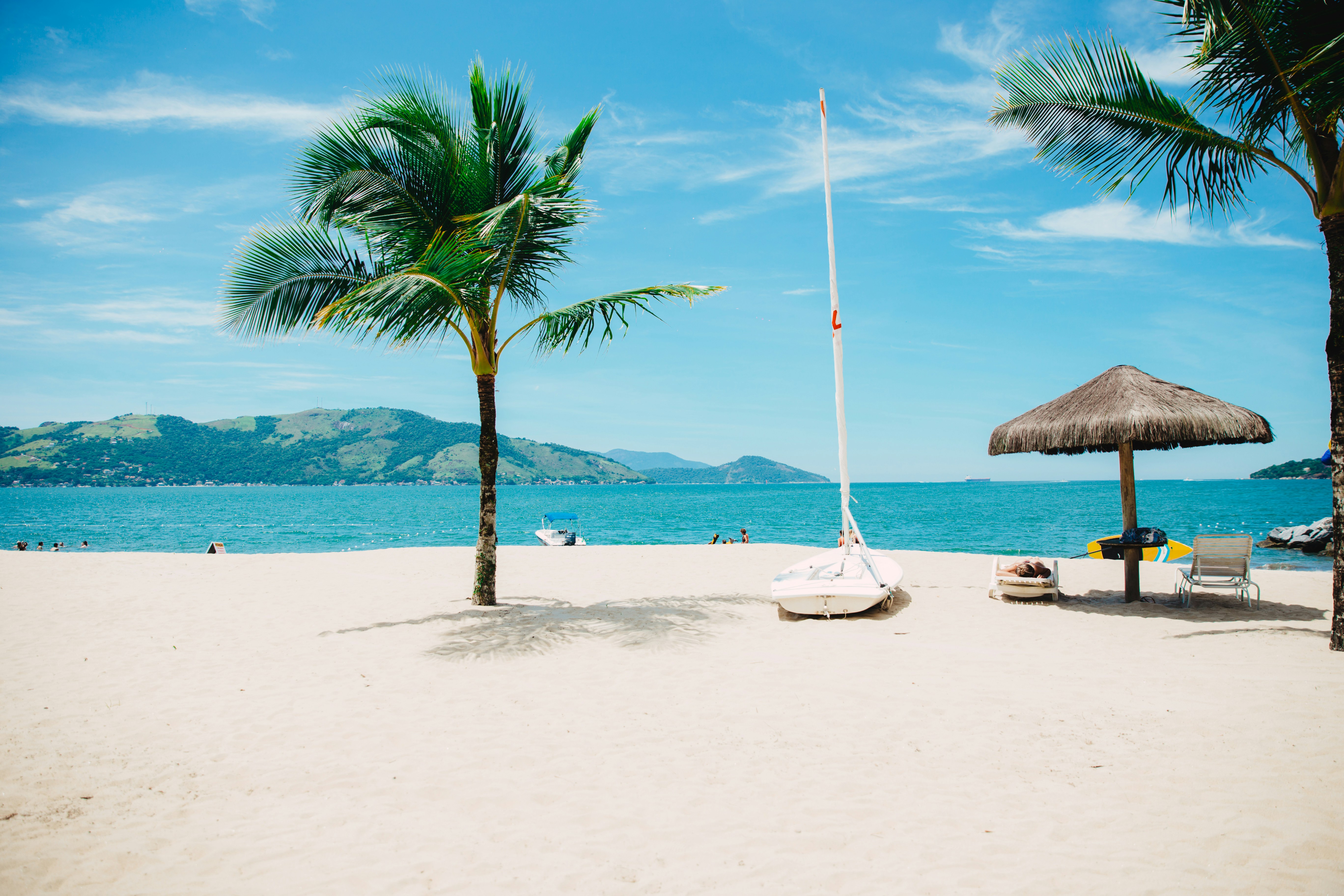
Baby Beach in Lahaina is known for a reef-sheltered nearshore area, making it a beach families may investigate for gentle shoreline activities when conditions allow. The name should not be interpreted as a safety guarantee for babies or toddlers.
Families should verify current access, local conditions, and any relevant community or recovery-related restrictions before visiting West Maui.
Never leave a child unattended in shallow water. Small waves, uneven bottoms, and sudden changes can create hazards even close to shore.
Best Beaches in Kauai for Families With Children
Kauai is particularly appealing to families who want a slower-paced vacation with beaches, green landscapes, and outdoor experiences. South and East Shore beach parks offer different options, but seasonal surf changes are important when choosing a swimming location.
7. Poʻipū Beach Park

Poʻipū Beach Park is one of the most useful South Shore locations for families because it combines a popular beach setting with lifeguard coverage and nearby visitor services. Its protected areas can be attractive for families seeking a manageable beach outing.
Parents should still assess the exact swimming area and ask lifeguards about current conditions. The presence of a lifeguard does not replace direct adult supervision.
Family activities to consider:
- Supervised shoreline play
- Beach walks
- Wildlife observation from a respectful distance
- Picnic breaks
Do not approach, touch, feed, or block the path of Hawaiian monk seals or sea turtles. Follow posted wildlife protection guidance.
8. Lydgate Beach Park

Lydgate Beach Park is particularly relevant to families looking for an enclosed swimming area rather than an exposed open-ocean beach. Its rock-enclosed ponds provide a different swimming environment from a conventional sandy shoreline.
The park also offers land-based recreation, making it easier to plan a varied family outing.
Before entering the water, check the conditions, inspect the area for hazards, and supervise children closely. Enclosed does not mean risk-free.
Useful for: Families staying around Lihue or the East Shore who want to combine beach time with a park visit.
Family Beaches on Hawaii Island
9. Hapuna Beach State Recreation Area

Hapuna Beach is a major white-sand beach destination on Hawaii Island, with facilities that can support a planned family beach day. Its large sandy shoreline is especially attractive to families who enjoy open coastal scenery and beach walks.
However, Hapuna can experience powerful surf and shorebreak, particularly during seasonal changes. It should not automatically be selected for young or inexperienced swimmers.
Use the designated facilities, check lifeguard availability, and stay out of the water when conditions or warnings indicate danger.
Families planning a broader island trip can combine the beach with our guide to Hawaii Volcanoes National Park with kids, subject to driving time and current park conditions.
How to Plan a One-Day Hawaii Beach Vacation With Kids
A successful family beach day works best when swimming, food, shade, rest, and transportation are planned as one schedule rather than separate decisions. The following sample itinerary is designed for a family staying near Waikiki and visiting a suitable lifeguarded beach.
| Time | Activity | Practical purpose |
|---|---|---|
| 7:30 AM | Check surf and weather conditions | Choose a suitable beach |
| 8:30 AM | Arrive and identify lifeguard station | Set up a clear supervision plan |
| 9:00 AM | Beach and shoreline time | Enjoy cooler morning hours |
| 10:30 AM | Snack and water break | Reduce fatigue and dehydration |
| 11:30 AM | Lunch | Take a break from sun exposure |
| 12:30 PM | Return to hotel or shaded rest | Allow younger children to recover |
| 3:30 PM | Optional short outing | Keep the afternoon flexible |
What should a family beach bag contain?
- Reef-conscious sun protection and sun-protective clothing
- Drinking water for every family member
- Snacks and a small first-aid kit
- Beach towels and a change of clothes
- Waterproof bag for phones and valuables
- Child identification information
- Appropriate flotation equipment for supervised activities
For families organizing multiple attractions, use our tours and activities planning resource to compare options before booking.
How Much Does a Family Beach Day in Hawaii Cost?
A family beach day can be inexpensive when you use public beaches, bring food, and avoid unnecessary equipment rentals, but transportation and parking can change the total. The following is an illustrative planning budget, not a quoted local price.
| Expense | Illustrative family budget |
|---|---|
| Public beach access | $0 where no admission applies |
| Groceries and snacks | $25–$50 |
| Transportation and parking | $10–$40 |
| Optional equipment rental | $20–$60 |
| Miscellaneous supplies | $10–$20 |
| Illustrative total | $65–$170 |
These figures are planning assumptions for a family outing, not verified current vendor prices. Admission, parking, rentals, and transportation vary by beach and season. Confirm costs before departure.
Three practical ways to reduce costs
- Stay near your preferred beach: Compare accommodation costs with transportation expenses rather than selecting a hotel by nightly price alone.
- Pack lunch: Groceries can reduce the cost of feeding a family at resort-area restaurants.
- Choose one paid activity: A beach day does not need multiple tours or rentals to be enjoyable.
For more budgeting strategies, read how to plan a family vacation on a budget.
Hawaii Beach Safety Tips for Families With Young Children
The most important rule for family beach safety in Hawaii is to choose a lifeguarded location, check current conditions, and maintain uninterrupted adult supervision around the water. Hawaii’s ocean can change quickly, and calm-looking water may still contain dangerous currents or shorebreak.
Understand the difference between a beach and a swimming beach
A beach may be suitable for walking, photographs, and sand play while being unsuitable for swimming. Conditions can vary by shoreline, tide, season, and weather.
Use these five safety checks
- Check official beach conditions before leaving.
- Locate the lifeguard station and ask about hazards.
- Read and obey warning signs.
- Keep children within immediate adult supervision.
- Leave the water when conditions deteriorate or lifeguards advise it.
Hawaii Ocean Safety specifically advises families to avoid heavy shorebreak, supervise children continuously, and never rely on flotation toys as a substitute for swimming ability or adult oversight.
Read the official beach safety guidance for families and review Hawaii’s beach warning signs.
What about snorkeling with children?
Snorkeling should not be treated as a beginner activity simply because the water looks clear. Children need appropriate swimming ability, suitable equipment, close adult supervision, and conditions that match their experience.
For younger children, consider staying on land or using a supervised, professionally guided activity rather than entering unfamiliar water independently.
Common Mistakes Families Make When Choosing Hawaii Beaches
Many disappointing beach days happen because families plan around photographs or online popularity instead of the actual conditions and needs of their children. Avoid these common mistakes:
1. Assuming every beach is calm
Hawaii’s shorelines have different exposure, currents, and seasonal surf. Check conditions on the day.
2. Choosing a beach without checking facilities
Restrooms, showers, parking, and shade can make a significant difference for families with small children.
3. Overloading the itinerary
Two or three beach stops may sound efficient, but young children often enjoy one well-planned beach more than repeated car journeys.
4. Treating lifeguards as babysitters
Lifeguards monitor public safety. Parents and guardians remain responsible for their children.
5. Ignoring island driving distances
A beach that looks close on a map may require a longer journey because of road layouts, traffic, and parking access. Build realistic travel time into your plans.
Frequently Asked Questions About Family Friendly Beaches in Hawaii
These answers address common family travel questions about swimming, facilities, beach selection, and vacation planning.
Which Hawaiian island is easiest for a first family beach vacation?
Oahu is a practical starting point for many first-time visitors because Waikiki combines beaches, hotels, restaurants, and attractions. Families should still compare accommodation costs, travel preferences, and beach conditions before selecting an island.
What are the best family beaches in Hawaii for young children?
Kūhiō Beach, Ala Moana Beach Park, Lydgate Beach Park, and Poʻipū Beach Park are useful starting points for research because of their protected areas or family-oriented facilities. No beach is automatically safe for toddlers, and conditions must be checked on arrival.
Are there calm water beaches in Oahu for kids?
Kūhiō Beach’s protected swimming enclosure and Ala Moana’s sheltered area are two options families commonly investigate. Water conditions can change, so parents should consult lifeguards and official safety reports before swimming.
Which Hawaii beaches have lifeguards and restrooms?
Several popular public beach parks have lifeguard services and facilities, including locations at Waikiki, Ala Moana, Poʻipū, and selected Maui beaches. Check the official lifeguard directory for current schedules and the specific amenities available at each location.
Is snorkeling suitable for children in Hawaii?
Snorkeling may be appropriate for confident swimmers with suitable equipment, close adult supervision, and favorable conditions. Children should not enter unfamiliar water simply because a beach is popular for snorkeling.
What is the best time of day for a family beach visit?
Morning is often convenient because families can organize their outing before the hottest part of the day. However, ocean conditions, weather, and lifeguard schedules matter more than the clock. Always check the specific beach before entering the water.
Can families visit Hawaii beaches without renting a car?
Yes. Families staying in Waikiki can access several beaches on foot or by local transportation. Other islands and more remote beaches may require a rental car, shuttle, or organized excursion.
How can families plan an affordable Hawaii beach vacation?
Compare accommodation locations, use public beach parks, prepare some meals, and limit paid activities. Check parking, transportation, and equipment rental costs before deciding that a beach outing is free.
Are Hawaii beaches safe for babies and toddlers?
Families can enjoy the shoreline with babies and toddlers when conditions are appropriate, but no ocean beach is risk-free. Maintain direct supervision, avoid hazardous surf, and follow lifeguard instructions.
What should parents check before visiting a Hawaii beach?
Check current surf and weather, lifeguard availability, access restrictions, parking, facilities, and any posted warnings. Hawaii Ocean Safety and local authorities provide information to help visitors make informed decisions.
Final Takeaway: Choosing Family Friendly Beaches in Hawaii
The right family beach in Hawaii is the one that fits your children’s ages, swimming confidence, travel schedule, and the ocean conditions on the day you visit. Kūhiō Beach and Ala Moana are convenient Oahu options, Poʻipū and Lydgate offer family-oriented beach park experiences on Kauai, and Maui provides a mix of resort and public beach settings.
Plan around facilities, supervision, and realistic travel time rather than trying to visit every famous shoreline. A relaxed beach day with suitable conditions can be more rewarding for children than a packed itinerary.
Before leaving your accommodation, check the official Hawaii Ocean Safety resources and follow local lifeguard guidance.