A cycling tour in Ireland is an excellent way to explore coastal villages, quiet country roads, green valleys, historic towns, and dramatic Atlantic scenery at your own pace. The best trip depends on your fitness, available time, weather tolerance, and whether you prefer a guided tour or an independent cycling holiday.
This practical guide explains how to choose an Irish cycling route, estimate costs, plan overnight stops, transport a bicycle, and prepare for changeable weather. It also covers route-planning resources and ways to build a realistic itinerary without trying to cover the whole country in a few days.

Why Choose a Cycling Tour in Ireland?
A cycling holiday in Ireland lets you experience the landscape between destinations instead of seeing everything from a car or tour bus. You can stop at coastal viewpoints, explore small towns, visit heritage sites, and adjust your day according to the weather and your energy.
Ireland suits several types of cyclists, but no single route is ideal for everyone. Leisure cyclists may prefer shorter rides around towns and greenways, while experienced riders may enjoy longer coastal journeys with substantial climbing and exposed roads.
- Scenic variety: Explore Atlantic coastlines, lakes, farmland, mountains, and historic settlements.
- Flexible travel: Choose daily distances that leave time for sightseeing and rest.
- Local experiences: Plan stops at visitor centres, gardens, museums, and small communities.
- Different budgets: Combine guesthouses, hostels, campsites where permitted, and occasional hotel stays.
For help planning the wider holiday, see this Ireland itinerary with kids for family-focused trip planning ideas. Adapt any family itinerary to the needs and abilities of your cycling group.
9 Cycling Tour Ireland Route Ideas
The best Irish cycling route is the one that matches your ability, available days, and preferred scenery. The routes below are planning ideas rather than guaranteed, continuously signed cycling trails. Verify the exact road sequence, current access, and daily distance before setting off.
1. Great Western Greenway, County Mayo

The Great Western Greenway is a strong option for cyclists seeking a designated off-road route in western Ireland. It runs between the Westport and Achill area, with route sections connecting communities and countryside scenery in County Mayo.
Plan stops according to your chosen starting point, available daylight, and accommodation. Check the official route information for current conditions and access before travelling.
Check the Great Western Greenway website for route-planning information.
2. The Ring of Kerry, County Kerry
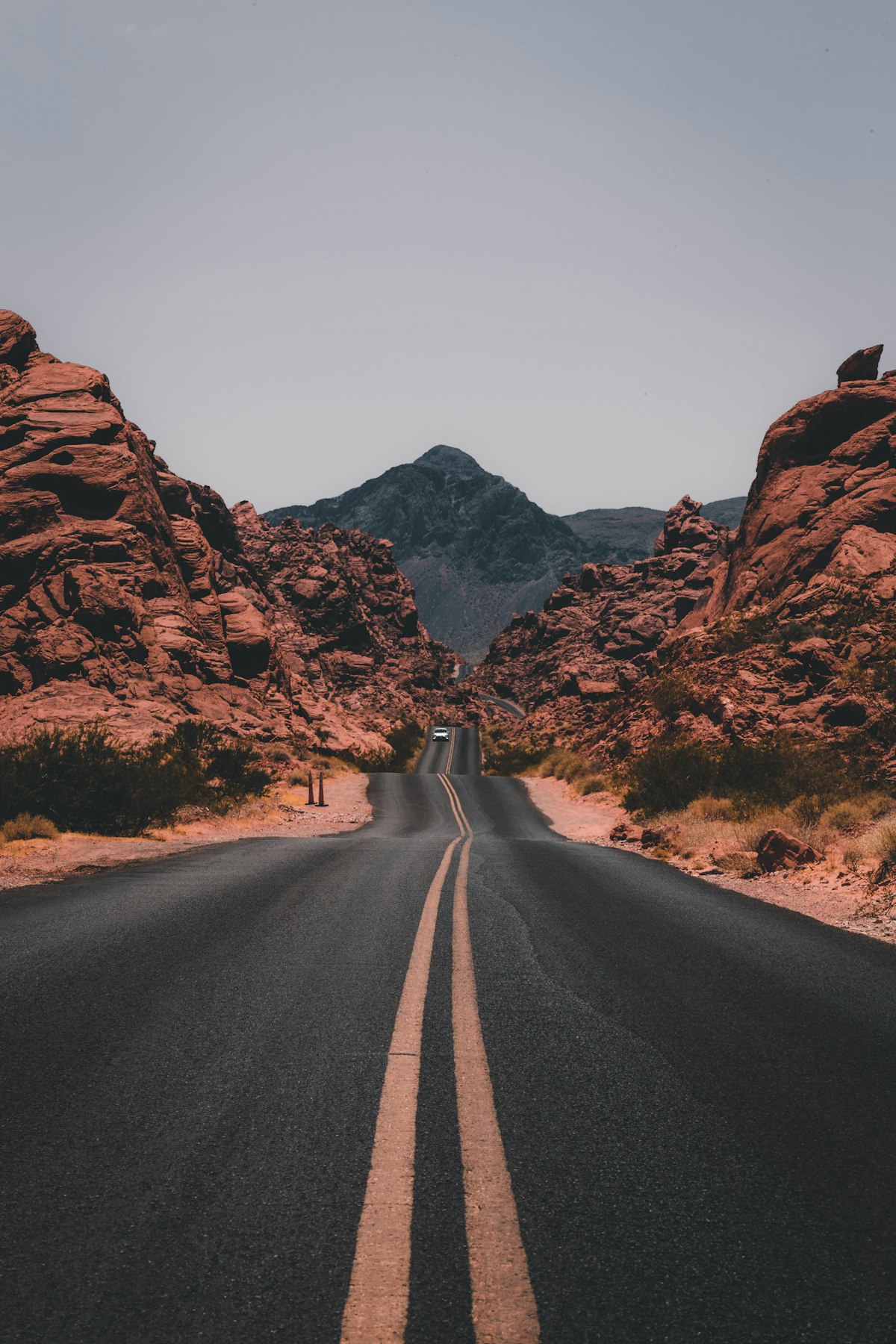
The Ring of Kerry suits fit cyclists who want a longer journey through coastal scenery, mountain landscapes, and traditional towns. Its full circuit is a substantial undertaking, so many visitors split the journey across several days.
Traffic, narrow sections, elevation changes, and exposed weather can make this route demanding. Choose overnight stops before departure rather than assuming you can complete every section comfortably in one day.
For an independent trip, calculate daily distances and identify accommodation with secure bicycle storage where possible.
3. The Dingle Peninsula, County Kerry

The Dingle Peninsula is worth considering for cyclists who enjoy dramatic coastal views and short stops in small communities. The route can include exposed stretches, steep gradients, and narrow roads, so it is better suited to riders comfortable sharing roads with traffic.
Rather than rushing around the entire peninsula, consider a base in Dingle and plan a shorter out-and-back ride. This provides flexibility if wind or rain makes the exposed sections uncomfortable.
4. The Waterford Greenway, County Waterford
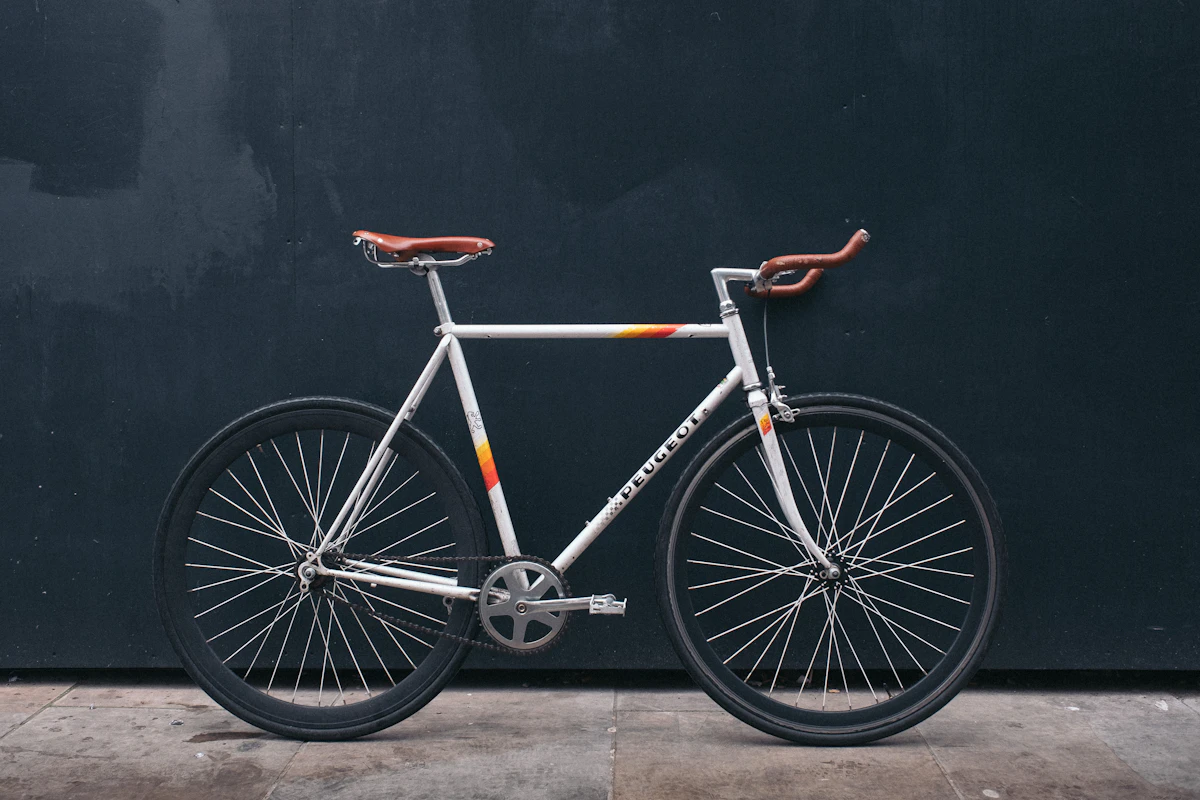
The Waterford Greenway is a useful option for riders who prefer a dedicated greenway experience over long stretches of busy public roads. The route connects Waterford City with the Dungarvan area and includes varied landscapes and former railway infrastructure.
Check the official route information for access, facilities, bicycle hire, and current closures. If you are travelling with children or inexperienced riders, confirm that the planned distance is suitable for everyone in the group.
For more outdoor activity ideas, explore tours and activities on The Offers Guy.
5. The Causeway Coastal Area, Northern Ireland

The Causeway Coastal Area is attractive to confident cyclists who want sea views, dramatic headlands, and visits to major coastal attractions. Plan a route that avoids overloading the day with sightseeing stops and challenging road sections.
Remember that Northern Ireland is part of the United Kingdom, while the Republic of Ireland is a separate country. If your trip crosses the border, check current entry requirements, insurance coverage, and any bicycle transport arrangements that apply to your journey.
6. The Boyne Valley, County Meath
The Boyne Valley is worth considering for a cycling trip focused on history, heritage, and countryside rather than remote coastal roads. Build a route around suitable local roads and verified cycle routes, with stops at heritage attractions that are open on your travel dates.
Check opening times in advance, as visitor facilities and access arrangements vary. A shorter route with time for one or two historic sites may be more rewarding than attempting to cover the entire region in a single ride.
7. The Shannon Region
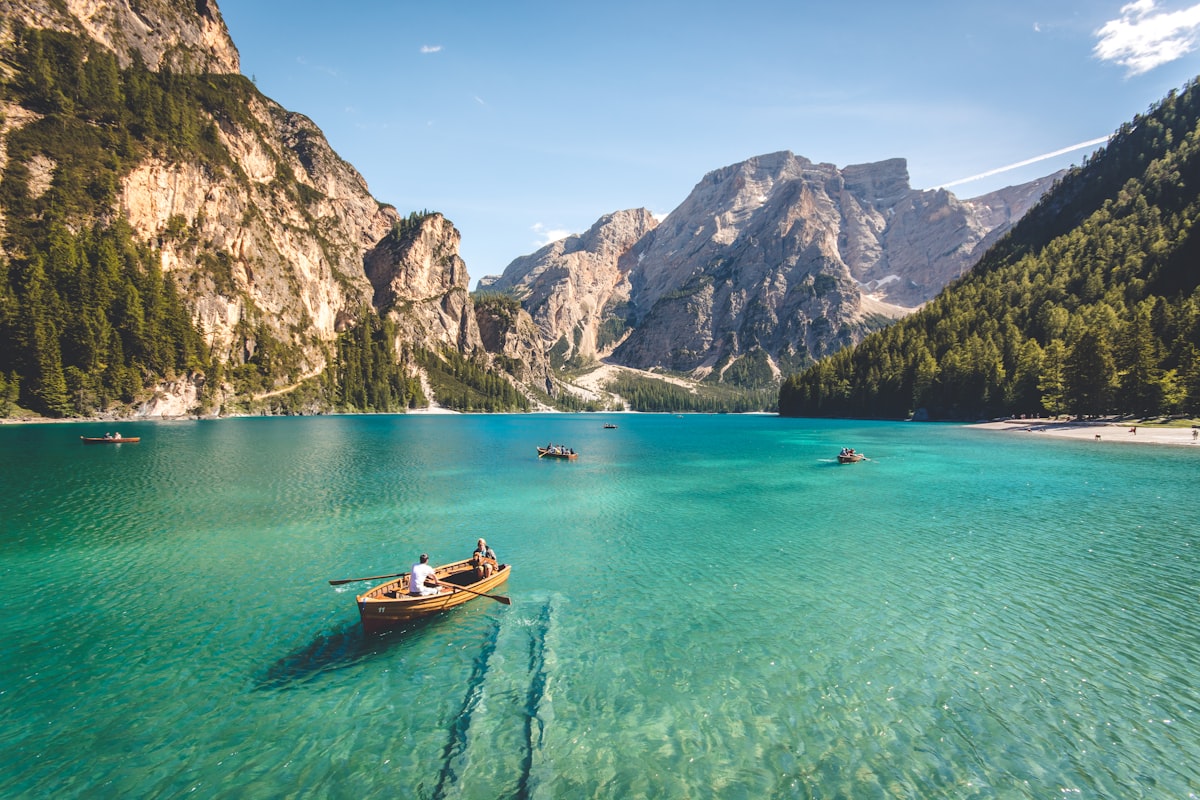
The Shannon region can suit cyclists who want to combine riverside landscapes, lakes, small towns, and cultural attractions. Choose connected sections carefully because not every attractive road beside the river is a designated cycle route.
Use a reliable route planner to check road type, gradients, distances, and suitable overnight stops. Avoid assuming that a direct driving route will also be comfortable or safe by bicycle.
8. Connemara, County Galway
Connemara is a rewarding option for experienced cyclists who enjoy open landscapes, rugged hills, and changing Atlantic weather. The scenery can be spectacular, but wind exposure, limited services on some stretches, and variable road conditions require careful preparation.
Carry enough water and food for sections where shops are sparse. Confirm the location of your next accommodation before leaving a town, particularly outside the busiest travel season.
9. Dublin and Nearby Coastal Areas
A Dublin-based cycling holiday can work well for travellers who want short rides, public transport connections, and access to urban attractions. Plan a suitable route to coastal areas and use designated cycling infrastructure where available.
Urban cycling brings different challenges from rural touring, including junctions, pedestrians, parked vehicles, and traffic. Check local restrictions before combining a bicycle journey with buses or trains.
Use Transport for Ireland to investigate public transport connections and relevant travel information.
How to Choose the Best Ireland Cycling Route
Choose your route by matching daily distance, climbing, traffic exposure, and available services to the least experienced rider in your group. A route that looks short on a map can take much longer when it includes steep hills, headwinds, photographs, and sightseeing.
| Travel style | Planning approach | What to check |
|---|---|---|
| Leisure cycling | Choose shorter greenway sections and frequent stops. | Surface, facilities, and return transport. |
| First multi-day tour | Stay in towns with accommodation and food options. | Daily climbing, luggage, and weather alternatives. |
| Experienced touring | Plan longer stages with backup overnight options. | Road conditions, elevation, daylight, and water. |
| Family cycling | Use suitable traffic-free sections and flexible days. | Age restrictions, safe crossings, toilets, and rest stops. |
Before confirming your route, use Sustrans as a supplementary resource for cycling and active-travel guidance, and check local Irish route authorities for route-specific information.
A Practical Seven-Day Cycling Tour Ireland Itinerary
A seven-day cycling holiday is more manageable when you focus on one region instead of attempting to cross the entire island. The example below uses western Ireland as a planning base and leaves room for adjustments rather than prescribing unverified daily mileage.
- Day 1 — Arrive and prepare: Reach your base, collect your rental bicycle if needed, check the brakes and gears, and complete a short test ride.
- Day 2 — Ride a greenway section: Choose a manageable distance and confirm the surface, facilities, and return arrangements.
- Day 3 — Explore a nearby town: Keep the ride short and spend time visiting local attractions or resting.
- Day 4 — Plan a longer ride: Attempt a more demanding stage only if the previous rides and weather have been comfortable.
- Day 5 — Add a scenic excursion: Choose a verified route with suitable road conditions and enough daylight.
- Day 6 — Keep a flexible day: Use it for a shorter ride, an alternative activity, or a weather-related change.
- Day 7 — Return and depart: Allow enough time to return the bicycle, reach your transport connection, and handle unexpected delays.
This is a framework, not a fixed route. Before booking, choose a specific region, verify the connection between each overnight stop, and check whether your preferred accommodation is practical for cyclists.
How Much Does a Cycling Tour in Ireland Cost?
The cost of an Irish cycling holiday depends on accommodation, bicycle hire, meals, luggage transfers, transport, and the time of year. Calculate the full trip budget before booking instead of comparing tour prices alone.
Use the following worksheet to estimate your own costs. The amounts are intentionally left for you to fill in with current quotes because prices vary by location, season, bicycle type, and group size.
| Expense | How to calculate it |
|---|---|
| Bicycle hire | Daily rental rate × rental days |
| Accommodation | Nightly rate × nights |
| Food and water | Estimated daily allowance × days |
| Transport | Flights or trains + local transfers + bicycle fees |
| Luggage transfer | Quoted service cost for the planned stages |
| Repairs and contingency | Reserve an amount appropriate to your route and equipment |
Trip budget formula: bicycle hire + accommodation + meals + transport + luggage services + attraction tickets + contingency = estimated total cost.
For example, if you are comparing two tours, calculate the total cost per person for the same number of nights. Check whether bicycle rental, meals, luggage transfers, and cancellation protection are included in each quotation.
For accommodation planning, explore hotel and accommodation options and confirm that your chosen property accepts bicycles or provides secure storage.
Bicycle Rental, Luggage, and Transport
Reserve a suitable bicycle and confirm transport arrangements before committing to a multi-day route. Rental availability, bicycle sizes, equipment, and collection points can vary, especially during busy holiday periods.
Should you rent a bicycle or bring your own?
Renting can reduce the complexity of transporting a bicycle through airports and between destinations. Bringing your own may be preferable if you need a particular frame size, familiar components, or specialist equipment.
- Confirm frame size and bicycle type before paying.
- Ask whether a helmet, repair kit, lock, and luggage rack are included.
- Check the rental company’s breakdown and replacement arrangements.
- Verify train and bus bicycle policies for your exact journey.
- Keep important rental, insurance, and emergency contact details accessible.
For travel between towns, review train and bus travel options and airport transfer services. Do not assume every service accepts assembled bicycles or large bicycle cases.
How should you handle luggage?
For a self-guided cycling holiday, pack only what you can safely carry or arrange a reputable luggage-transfer service. Confirm collection times, delivery locations, weight limits, and what happens if your ride is delayed.
Irish Weather, Cycling Safety, and Essential Packing
Prepare for rain, wind, changing temperatures, and reduced visibility even when the morning forecast looks promising. Conditions can change during a single ride, particularly on exposed coastal roads and higher ground.

Essential packing checklist
- Well-fitted helmet and high-visibility clothing.
- Waterproof jacket and weather-appropriate layers.
- Comfortable cycling shorts and gloves.
- Front and rear lights, plus spare batteries or charging equipment.
- Phone, offline route maps, and a power bank.
- Water bottles, snacks, and a basic first-aid kit.
- Spare inner tube or compatible repair supplies and a pump.
- Identification, emergency contacts, travel insurance details, and payment methods.
Road safety essentials
Ride on the left in Ireland and Northern Ireland. Keep to the appropriate road position, signal clearly, slow down at junctions, and avoid assuming that drivers can see you around bends or over hills.
Before departure, check the official Road Safety Authority of Ireland for current road-safety guidance. For Northern Ireland, check the applicable local guidance and road rules separately.
Do not ride through dangerous weather simply to maintain an itinerary. Shorten the stage, use an alternative activity, or postpone the ride when wind, visibility, flooding, or road conditions make cycling unsafe.
How to Plan and Book a Cycling Tour in Ireland
Plan the route first, confirm daily stages second, and book transport and accommodation only after checking that the whole itinerary works. This order helps prevent expensive changes and unrealistic riding days.
- Choose your region: Decide whether you prefer greenways, coastal scenery, historic towns, or challenging rural roads.
- Set a realistic distance: Account for climbing, weather, breaks, and your least experienced rider.
- Check official route information: Verify access, surface conditions, road closures, and local restrictions.
- Choose guided or self-guided travel: Compare the level of route support, luggage transfers, emergency assistance, and flexibility.
- Book suitable accommodation: Check cancellation terms, arrival times, bicycle storage, and proximity to your route.
- Confirm transport: Verify bicycle policies for flights, trains, buses, and transfers.
- Prepare a backup plan: Identify nearby towns, alternative routes, and transport options if weather disrupts your day.
- Check documents and insurance: Review entry requirements, medical cover, bicycle cover, and policy exclusions relevant to your nationality and itinerary.
- Recheck everything before departure: Review the forecast, route updates, booking confirmations, and bicycle condition.
If your holiday includes family sightseeing as well as cycling, these Ireland family activity ideas may help you plan non-cycling stops. Check each attraction’s location and opening hours before building it into your route.
Common Cycling Tour Ireland Planning Mistakes
The biggest mistakes are overestimating daily distance, underestimating weather, and booking services without confirming bicycle arrangements. A little extra planning can make a multi-day tour safer and more enjoyable.
- Planning only by kilometres: Include elevation, surface, traffic, and stops when estimating riding time.
- Ignoring wind direction: A strong headwind can make a familiar distance substantially harder.
- Leaving accommodation too late: Popular areas can have limited availability for particular dates.
- Assuming every road is cycle-friendly: Verify road conditions and prefer suitable designated routes where practical.
- Carrying too much luggage: Keep weight manageable and protect essential equipment from rain.
- Relying entirely on mobile data: Download maps and save important information for offline access.
- Skipping a backup plan: Know where you can stop safely or change transport if conditions deteriorate.
Pro tip: Plan each day around the ride you can complete comfortably, not the maximum distance you hope to achieve. Leave enough time for food, photographs, repairs, and unexpected delays.
Frequently Asked Questions About Cycling Tours in Ireland
What is the best month for a cycling tour in Ireland?
Late spring through early autumn is a popular period for cycling because daylight is generally longer. Rain and wind are possible in every season, so check the forecast and prepare appropriate clothing rather than relying on the month alone.
Is Ireland suitable for beginner cyclists?
Yes. Beginners can choose shorter greenway sections, gentle routes, and itineraries with frequent rest stops. Check gradients, surfaces, road exposure, and the distance to food and accommodation before committing to a route.
Can I do a cycling tour in Ireland without a car?
Yes, depending on your route. Some trips can be organised around towns, greenways, and public transport, but you must verify whether individual trains, buses, and transfers accept bicycles and whether advance reservations are required.
How many days do I need for cycling in Ireland?
Three to four days can work for a compact regional trip, while a week gives you more flexibility for sightseeing and rest. Longer journeys require additional planning for daily distances, overnight stops, and changing weather.
Is a guided or self-guided Ireland cycling holiday better?
A guided tour provides organised support and local knowledge. A self-guided tour offers greater flexibility but requires you to manage navigation, bookings, route changes, and emergency arrangements yourself.
How much should I budget for an Irish cycling holiday?
Your total depends on accommodation, bicycle hire, meals, transport, and included services. Obtain current quotes for your travel dates and compare the complete cost per person instead of relying on a general daily estimate.
Do I need to book bicycle rental in advance?
Advance booking is sensible during busy periods, particularly if you need a specific frame size, an electric bicycle, child equipment, or a multi-day rental. Confirm collection, return, and breakdown arrangements before paying.
What should I pack for cycling in Ireland?
Pack a helmet, waterproof layers, lights, reflective clothing, water, snacks, a phone with offline maps, a power bank, basic repair supplies, and suitable travel documents. Adjust your equipment to the route and season.
Final Takeaway
The best cycling tour in Ireland combines a suitable route with realistic daily distances, dependable accommodation, safe transport arrangements, and a flexible weather plan. Start with one region, verify the route using official sources, and leave enough time to enjoy the places you visit.
Whether you choose a greenway in County Mayo, a coastal journey in Kerry, or a shorter cycling break near Dublin, careful preparation will help you make better decisions and avoid unnecessary travel costs. Compare the full budget, check current conditions, and prioritise safety over completing every planned kilometre.