Biri Island on a Budget is achievable when you plan the mainland transfer, boat crossing, local transport, accommodation, and rock formation tour before leaving home. Located in Northern Samar, Philippines, Biri is known for enormous coastal rock formations shaped by wind, waves, and geological processes over millions of years.
The main challenge is not finding expensive attractions to avoid. It is coordinating the journey to this remote island, where boat availability, weather, tide conditions, and local transport can determine how much you spend and how much you see.
This practical Biri Island travel guide covers the route through Lavezares, a realistic one-day itinerary, budget-planning examples, accommodation considerations, and ways to avoid preventable costs. Use the figures as planning examples rather than guaranteed current prices, and confirm local charges before departure.
Why Visit Biri Island in Northern Samar?
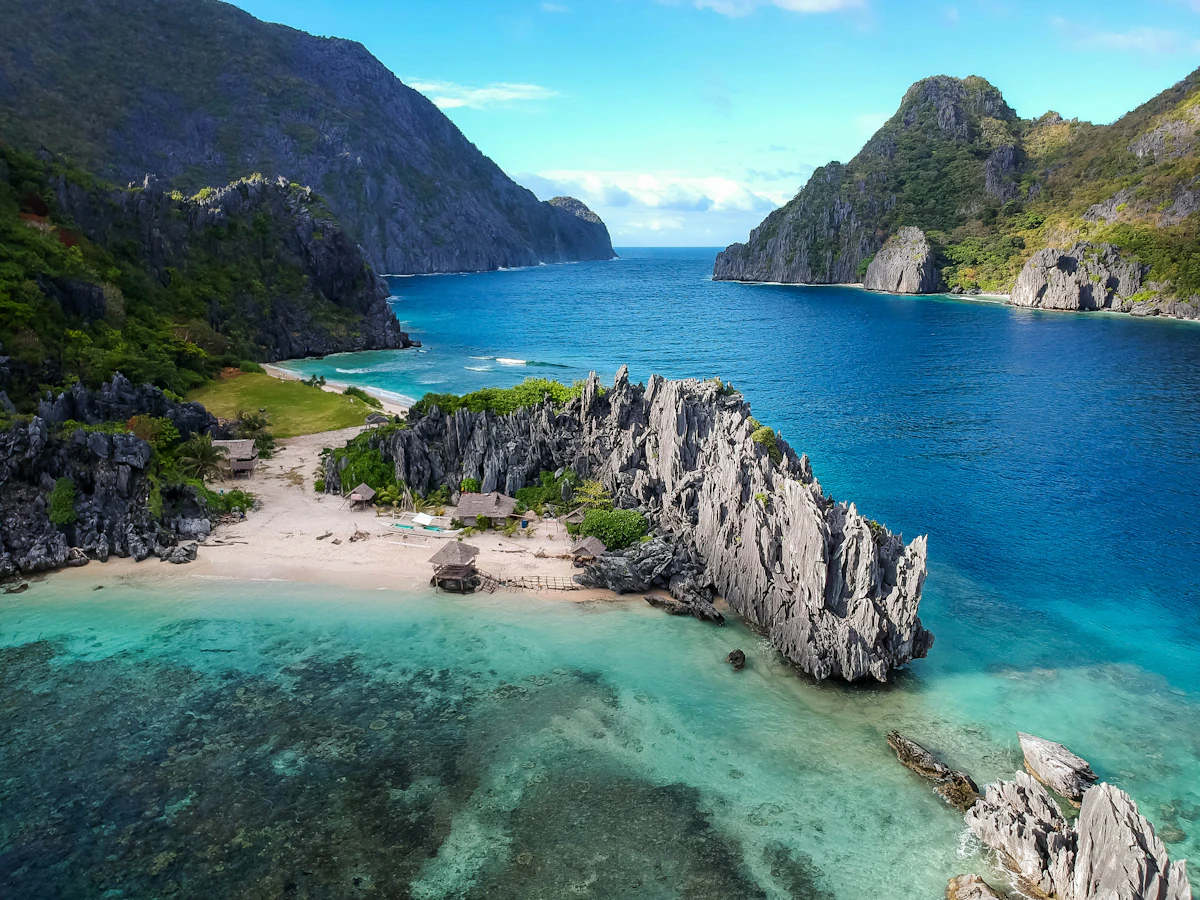
Biri Island is worth considering for travelers who want dramatic natural scenery, coastal exploration, and a destination beyond the Philippines’ busiest island resorts. Its main attraction is the group of immense rock formations along the coast, with natural pools and striking geological textures that change appearance with the tide and light.
The municipality lies at the northern end of Samar, where the Pacific Ocean meets the San Bernardino Strait. The landscape belongs to a protected natural environment, making responsible sightseeing and following local guidance important.
According to the Northern Samar tourism destination guide, Biri is associated with seven named formations: Magasang, Magsapad, Macadlaw, Bel-at, Caranas, Puhunan, and Pinanahawan. Access and visitor arrangements vary, so ask the local tourism office which formations are accessible on your visit.

Unlike a destination where you can spend the whole day walking between attractions, Biri requires more attention to transport logistics. A successful low-cost trip balances sightseeing with enough time for boat transfers, registration, local transport, and possible weather delays.
How to Get to Biri Island on a Budget
For most independent visitors, the practical route is to reach Lavezares in Northern Samar and take a local boat across to Biri Island. Catarman is a useful mainland transport hub, while travelers arriving from other parts of Samar may connect by road.
Step 1: Reach Catarman or another suitable mainland connection
Compare the complete cost of reaching Northern Samar, not just the advertised transport fare. Depending on your starting point, you may travel by air and road or use a longer overland journey.
Before buying a ticket, check the arrival time against the local transport schedule. Arriving late in the day can create an additional accommodation expense if the onward journey cannot be completed safely.
For flight planning, compare options through The Offers Guy flight resources. Check actual routes and availability with the relevant transport providers before booking.
Step 2: Travel to Lavezares Port
From Catarman, take a locally available bus or minibus toward Lavezares. The Northern Samar tourism guide describes this mainland road journey as taking approximately an hour, although departure point, traffic, and waiting time affect the total.
Confirm your drop-off point and the location of the passenger boat terminal before setting out. Keep enough time for the road transfer and passenger registration instead of planning a connection with no buffer.
Step 3: Take the boat to Biri
The crossing from Lavezares is commonly described as taking around 45–60 minutes, depending on the service and conditions. Actual departure times, fares, passenger requirements, and weather restrictions must be confirmed locally.
Ask the boat operator about the last return crossing before paying. If sea conditions interrupt service, staying overnight may become necessary, so keep an emergency reserve instead of spending your entire budget on the outbound trip.
For current destination information, consult the Lavezares tourism guide to Biri Island and verify its operational details with local authorities.
Step 4: Arrange transport around the formations
Once you arrive, ask the tourism office about registration, applicable environmental charges, local guides, and transport to the rock formations. Motorcycles commonly used for local transport are known as habal-habal.
Ask whether a guide or vehicle can be shared legally with other travelers. Sharing an eligible group expense may reduce the amount paid per person, but confirm the permitted group size and total charge rather than assuming every service allows sharing.
How Much Does Biri Island Cost on a Budget?
Your total Biri Island budget depends on where you start, whether you stay overnight, how you divide local transport costs, and the current price of boats and tours. Because rates can change, the following table is a planning worksheet, not a published or guaranteed tariff.
| Expense | What to include | How to control the cost |
|---|---|---|
| Mainland transport | Travel to Catarman or Lavezares and the onward road journey | Compare complete routes and avoid unnecessary overnight stops |
| Boat crossing | Return boat fare or the applicable charter share | Confirm both directions and the final return departure |
| Island transport | Motorcycle hire or another locally approved transfer | Ask for the full route price before starting |
| Guide and visitor fees | Required registration, environmental charges, and guide services | Confirm current charges at the tourism office |
| Food and water | Meals, drinking water, and snacks | Carry sufficient drinking water and plan meals in advance |
| Accommodation | Guesthouse, homestay, or other suitable room | Compare total prices and ask about included facilities |
| Emergency reserve | Unexpected transport, weather, or overnight costs | Keep this money separate from your sightseeing budget |
Calculate your own trip total
Use this formula to avoid confusing a low boat fare with the total cost of the visit:
Total trip cost = mainland transport + return boat fare + local transport + required fees + food + accommodation + emergency reserve.
For example, imagine that your own confirmed estimates are ₱1,000 for mainland transportation, ₱500 for the return boat trip, ₱600 for local transport and guiding, ₱150 for required fees, ₱350 for food, and ₱400 for a shared room. These are hypothetical amounts for demonstrating the calculation, not verified Biri Island prices.
| Expense | Illustrative amount |
|---|---|
| Mainland transport | ₱1,000 |
| Return boat trip | ₱500 |
| Local transport and guide | ₱600 |
| Fees | ₱150 |
| Food | ₱350 |
| Shared accommodation | ₱400 |
| Illustrative total | ₱3,000 |
If two people split the ₱600 local transport and guiding charge equally, each person pays ₱300 for that component. This only works if the operator permits the arrangement and the stated amount covers the agreed service.
Add your actual emergency reserve to the total. Travelers arriving from farther away must also add their original journey to Northern Samar; the example above does not represent an all-inclusive trip from Manila or another departure city.
For more budgeting methods, read our guide to building a travel budget for a vacation.
A Practical One-Day Biri Island Itinerary
A one-day rock formation tour is possible when the boat schedule, weather, and local transport arrangements line up, but an overnight stay provides more flexibility. The schedule below is a planning framework; follow the actual boat departure and the guide’s recommendations instead of treating these times as fixed operating hours.
| Planning period | Suggested activity | Budget consideration |
|---|---|---|
| Early morning | Travel to Lavezares Port and check in for the boat | Allow for mainland transport and waiting time |
| Morning | Cross to Biri and complete visitor registration | Pay the confirmed boat and applicable visitor charges |
| Late morning | Travel to accessible rock formations with a local guide | Confirm the shared or private transport price |
| Midday | Explore formations accessible under the day’s tide conditions | Bring water and protect yourself from sun exposure |
| Afternoon | Finish sightseeing and return to the port with a safety buffer | Do not risk missing the final boat |
| Evening | Continue to your mainland destination or stay overnight | Keep funds for a room if travel plans change |
Do not try to visit every formation simply to maximize the number of stops. Choose the accessible sites that fit the tide, walking conditions, weather, and available time.
When is an overnight stay the better choice?
An overnight visit makes sense if you want to avoid a rushed transfer, photograph the landscape at different times of day, or have a backup plan for uncertain weather. It also reduces the pressure to complete the entire tour before the last boat departs.
Compare the extra room and meal costs with the risk of a delayed return. A day trip is not automatically cheaper if a missed connection creates unplanned transport or accommodation expenses.

Which Biri Island Rock Formations Should You Prioritize?
Prioritize the formations that are accessible on the day of your visit and match your interests, rather than relying on a fixed sightseeing order. Tides, water levels, weather, and local access instructions affect what you can safely explore.
Bel-at Rock Formation
Bel-at is among Biri’s best-known natural attractions and is associated with striking rock surfaces and a tidal pool. Ask your guide about water levels and the safest route before walking onto exposed rock.
Magasang Rock Formation
Magasang is recognized for its dramatic rock walls and sculpted coastal appearance. Wear footwear with good grip and follow the guide’s advice about slippery surfaces and wave exposure.
Magsapad and Caranas
Magsapad and Caranas offer additional geological features worth discussing with your guide. Sea arches, ledges, and wave-cut surfaces can be particularly sensitive to tide and sea conditions.
Macadlaw and the other named formations
Macadlaw, Puhunan, and Pinanahawan are also associated with the island’s geological landscape. Ask the local tourism office which stops are available, how much walking they require, and whether your schedule allows them.
For destination background and local attraction information, consult the official Municipality of Biri profile and the Northern Samar tourism guide.
7 Ways to Save Money on Biri Island
1. Confirm the entire route before departure
Check your mainland connection, port location, boat schedule, return crossing, and local tour arrangements before traveling. This reduces the risk of paying for an unnecessary extra night or emergency transfer.
2. Travel with a small group when practical
Ask whether local transport and guide charges can be shared among your group. Confirm the permitted passenger capacity and the complete price before agreeing.
3. Compare the cost of a day trip and an overnight visit
Calculate both options using transport, meals, room charges, and possible delays. Choose the arrangement that fits your budget and the actual boat schedule, not simply the one with fewer booked hours.
4. Carry enough cash
Do not assume that ATMs, card terminals, or reliable digital payments will be available wherever you need them. Ask your accommodation or local tourism office about payment options and withdraw enough cash on the mainland for expected expenses and a reasonable reserve.
5. Pack essential items from home
Bring sun protection, a reusable water bottle, suitable footwear, a waterproof bag for electronics, and any personal essentials you normally use. Packing thoughtfully can reduce last-minute purchases, but follow local rules about waste and refill water only where safe.
6. Keep the itinerary focused
Choose a manageable number of accessible attractions rather than paying for additional transport without enough time to enjoy the stops. A focused route is often easier to coordinate and leaves room for weather-related changes.
7. Compare deals by total cost
For inspiration on reducing travel expenses, read these practical budget travel hacks and our guide to budget travel destinations. Apply the same principle to Biri: compare the complete journey, not a single advertised price.
Where to Stay and Eat in Biri
Choose accommodation based on its total price, location, basic facilities, and how easily you can reach the port or your planned activities. Guesthouses, homestays, and small local properties may suit independent travelers, but availability and amenities should be confirmed directly.
Ask whether the quoted room price includes all guests, bedding, water, electricity, and any other charges. Check the cancellation policy and whether you can arrive late if mainland transportation is delayed.
For accommodation research, start with The Offers Guy hotels and accommodations resource. Treat it as a planning starting point, and verify actual Biri properties, locations, and availability before paying.
For meals, look for local eateries and ask residents or your accommodation host about nearby options. Carry enough drinking water for the planned outing, and confirm whether food will be available near the attractions or whether you should eat before leaving town.
Local food can be an important part of the experience. Keep your food budget realistic rather than assuming that every meal will be available at the same price or at every time of day.
When Is the Best Time to Visit Biri Island?
The best time for your visit depends on sea conditions, rainfall, tide schedules, and the local boat operator’s assessment of safety. Drier months may be more convenient for outdoor sightseeing, but seasonal patterns do not guarantee calm seas or uninterrupted boat service.
Before booking, check a reliable weather forecast and ask the local tourism office about current sea conditions. If your trip falls during a period of unsettled weather, leave a flexible day in your itinerary whenever possible.
Tides matter because some rock surfaces and natural pools are easier to approach at certain water levels. Do not assume that a photograph taken at low tide reflects the conditions on your travel date.

Common Mistakes to Avoid on a Budget Biri Island Trip
- Assuming the boat will operate in all weather: crossings may be delayed or cancelled when conditions are unsafe.
- Forgetting the return journey: confirm the final boat and arrive at the port with enough time to spare.
- Budgeting only for the boat: include road transport, local transfers, required fees, food, and accommodation.
- Walking onto exposed rocks without guidance: slippery surfaces, sudden waves, and changing tides can create serious hazards.
- Expecting every attraction to be accessible: ask about current access conditions and follow the local guide’s instructions.
- Assuming every listed fee is current: confirm charges directly with local operators and tourism officials.
- Leaving no emergency reserve: unexpected weather or transport changes may require extra spending.
For broader travel preparation, explore airport and transfer planning resources and travel insurance information. Review the specific terms and coverage before choosing a service or policy.
Frequently Asked Questions About Biri Island on a Budget
1. Can you visit Biri Island on a tight travel budget?
Yes. Compare mainland transportation, boat fares, local transport, required visitor fees, food, and accommodation before departure. Traveling with a group may reduce eligible shared expenses, but actual savings depend on confirmed local prices.
2. How do you get to Biri Island from Catarman?
A commonly used route is to travel by road from Catarman to Lavezares Port and then take a local boat to Biri Island. Confirm road transport, boat departures, and return arrangements before setting out.
3. How long does the boat ride to Biri Island take?
The crossing from Lavezares is commonly described as approximately 45–60 minutes. The actual journey can vary with the boat service and sea conditions, so confirm the expected crossing time with the operator.
4. Is one day enough to explore Biri Island?
A day may be sufficient for a focused rock formation tour if boat schedules and weather cooperate. An overnight visit gives you more flexibility and a backup if a crossing is delayed or cancelled.
5. Which Biri Island rock formations should first-time visitors see?
Bel-at and Magasang are among the best-known formations. Magsapad, Caranas, Macadlaw, Puhunan, and Pinanahawan are also named attractions. Ask your guide which sites are accessible and suitable for the day’s tide and weather conditions.
6. Do travelers need cash on Biri Island?
Carrying sufficient cash is prudent because card acceptance and access to banking services may be limited. Confirm payment options with your accommodation and local operators before leaving the mainland.
7. What should you pack for a budget trip to Biri Island?
Bring comfortable footwear with good grip, sun protection, drinking water, a waterproof bag for electronics, personal essentials, and enough cash for planned expenses. Follow local guidance about appropriate clothing and safe access to coastal areas.
8. Can bad weather affect a Biri Island itinerary?
Yes. Unsafe sea conditions can delay or cancel boat crossings, and changing tides can limit access to some formations. Check forecasts, confirm service with the operator, and keep enough time and money for possible changes.
Final Takeaway: Plan Biri Island Around the Real Costs
The smartest way to visit Biri Island on a Budget is to plan the complete journey, verify local prices, prioritize accessible rock formations, and protect your return travel arrangements. The island’s natural scenery is the main attraction, but good preparation makes the experience safer and easier to manage.
Confirm transport and weather conditions before departure, bring sufficient cash, and compare a day trip with an overnight stay using realistic figures. With those details settled, you can spend less time worrying about logistics and more time appreciating Northern Samar’s remarkable coastline.
Editorial note: Travel times, boat operations, attraction access, fees, and accommodation availability can change. Confirm current information with local tourism authorities and transport operators before traveling. The illustrative budget above is not a quote or a guarantee of current prices.