The best tourist attractions in the USA for first-time visitors combine iconic landmarks, national parks, historic sites, museums, and experiences that make planning a first trip easier. Instead of trying to see everything, start with attractions that offer strong sightseeing value, practical access, and enough variety to match your travel style.
The United States is unusually diverse for sightseeing. A first trip can include a major national park, a famous harbor landmark, a free museum complex, a historic city district, or a dramatic natural landscape.
This guide focuses on attractions that are genuinely useful for first-time travelers rather than simply creating a long list of famous names. For broader planning, you can also explore our guide to things to do in the USA and our recommendations for the best places to visit in the USA.
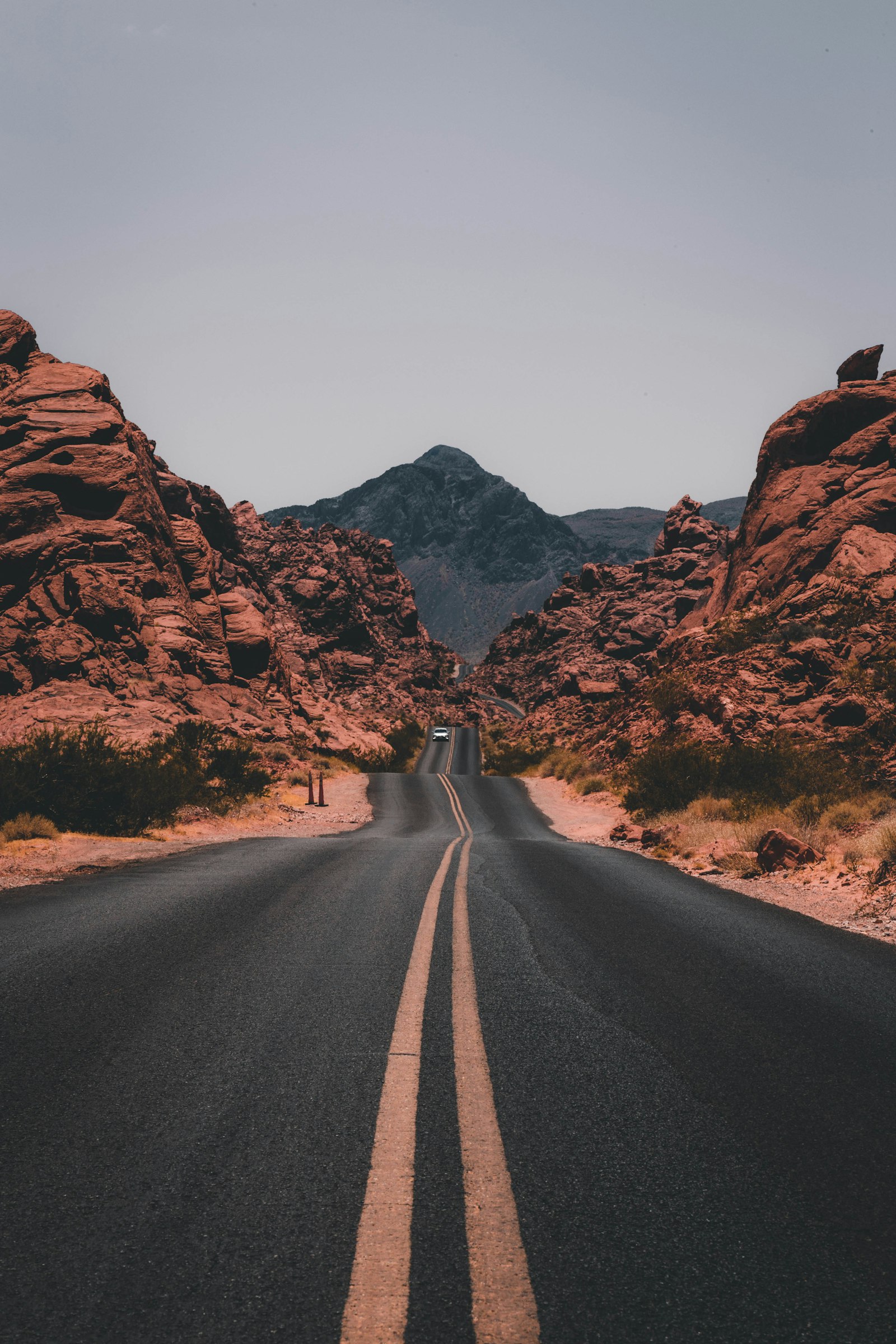
How to Choose Tourist Attractions in the USA
The best attraction is not necessarily the most famous one; it is the place that fits your destination, available time, budget, and travel interests.
First-time visitors often make one mistake: they treat sightseeing as a checklist. That can produce an exhausting itinerary where every day involves transportation, queues, reservations, and another landmark.
A better approach is to group attractions geographically and select experiences that provide different types of value.
- Iconic value: choose at least one landmark that represents the destination.
- Natural value: include a park, coastline, canyon, mountain, or other outdoor experience.
- Cultural value: visit a museum, historic district, monument, or cultural institution.
- Practical value: prioritize attractions that can be combined in the same area.
For travelers trying to control costs, our guide to free things to do in major US cities is useful because many major destinations have substantial free sightseeing options.
1. Grand Canyon National Park
Grand Canyon National Park is one of the strongest first-trip choices because a single destination delivers dramatic scenery, hiking, viewpoints, educational programs, and outdoor experiences.
The South Rim is open year-round, and the National Park Service provides viewpoints, hiking opportunities, visitor services, ranger programs, scenic roads, and shuttle transportation. Current park information should always be checked before travel because road, weather, and seasonal conditions can change.
The National Park Service currently recommends checking the park’s digital calendar for programs and activities. The South Rim also has free shuttle buses serving visitor areas, scenic overlooks, trailheads, and village services. Check Grand Canyon activities and current visitor information at the National Park Service.
What should first-time visitors do?
First-time visitors should combine several viewpoints with a manageable section of the Rim Trail rather than attempting an ambitious canyon hike without preparation.
- Watch sunrise or sunset from a suitable viewpoint.
- Walk a manageable section of the Rim Trail.
- Visit the visitor center for current conditions.
- Use shuttle services where appropriate.
- Allow extra time for weather and traffic.
The practical lesson is simple: do not schedule the Grand Canyon as a rushed half-day stop. The scale of the landscape makes additional time valuable.
2. Statue of Liberty and Ellis Island
The Statue of Liberty is one of the most recognizable tourist attractions in the USA and works particularly well for first-time visitors who want history, architecture, and New York Harbor views.
The National Park Service says visitors must take a ferry to reach the islands, with ferry service departing from The Battery in New York and Liberty State Park in New Jersey. The park recommends purchasing ferry tickets in advance, especially for visitors who want pedestal or crown access.
According to the National Park Service, approximately 3.8 million people visit the Statue of Liberty each year. The monument’s crown requires a substantial stair climb, while pedestal access also involves stairs, although an elevator is available for visitors who cannot use the stairs. Review current Statue of Liberty planning information from the National Park Service.
How much time should you allow?
Allow several hours if you want to combine ferry travel, Liberty Island, the museum, monument access, and Ellis Island.
Do not build another tightly scheduled attraction immediately afterward. Ferry schedules, security, boarding, and island exploration can make the experience take longer than expected.
Travelers looking for more inexpensive New York sightseeing can also see our guide to cheap things to do in New York City for tourists.
3. Smithsonian Museums in Washington, D.C.
The Smithsonian is one of the best tourist attractions in the USA for travelers who want high-value cultural sightseeing without paying general admission at most Smithsonian museums.
The Smithsonian Institution describes itself as the world’s largest museum complex. Its Washington, D.C., network includes numerous museums and the National Zoo, with free admission at Smithsonian locations except Cooper Hewitt in New York City.
However, “free” does not always mean “walk in without planning.” Several locations require free timed-entry passes or tickets. The Smithsonian’s official visitor guidance should therefore be checked before visiting. Plan a Smithsonian visit using the official Smithsonian Institution visitor guide.
Which Smithsonian museums are best for first-time visitors?
First-time visitors should select museums based on personal interests rather than trying to see the entire Smithsonian complex in one day.
- National Air and Space Museum for aviation and space history.
- National Museum of American History for U.S. history.
- National Museum of Natural History for science and natural history.
- National Museum of African American History and Culture for American history and culture.
- National Museum of the American Indian for Native history and heritage.
The Smithsonian also provides maps showing how its museums are distributed around the National Mall. That makes it easier to build a walking itinerary rather than crossing the city repeatedly.
4. New York City Landmarks
New York City is ideal for first-time sightseeing because several major tourist attractions can be combined into a single urban itinerary.
Instead of treating Manhattan as one attraction, divide the city into geographic clusters. A morning around Lower Manhattan can be followed by another neighborhood rather than crossing the city for every stop.
Useful combinations include:
- Statue of Liberty and Lower Manhattan
- Central Park and nearby museums
- Times Square and Broadway
- Empire State Building and Midtown
- Brooklyn Bridge and surrounding neighborhoods
This approach reduces unnecessary transportation and gives you more time at each attraction.
If your trip is centered on New York, our best day trips to take in the USA guide can also help you compare city sightseeing with nearby excursions.
5. National Mall and Washington, D.C. Landmarks
Washington, D.C.’s National Mall is one of the most efficient sightseeing areas in the country because major monuments, memorials, museums, and government landmarks are concentrated within a walkable area.
A first-time itinerary can combine the Lincoln Memorial, Washington Monument, World War II Memorial, Vietnam Veterans Memorial, and nearby Smithsonian museums.
The key advantage is planning efficiency. You can see several major sites without booking separate tours for every stop.
However, walking distances can add up quickly. Comfortable footwear, water, weather planning, and realistic timing are more important than squeezing every landmark into one afternoon.
For a wider family itinerary, see our guide to family-friendly attractions in the USA.
6. Yellowstone National Park
Yellowstone is a powerful choice for travelers seeking geothermal landscapes, wildlife, scenic drives, and a national-park experience that feels completely different from major U.S. cities.
Unlike an urban attraction where several sights can be reached on foot, Yellowstone requires more logistical planning. Distances, seasonal road conditions, wildlife rules, and accommodation locations matter.
Build the itinerary around geographic sections rather than trying to cross the entire park repeatedly.
What makes Yellowstone different?
Yellowstone combines geothermal features, large landscapes, wildlife habitat, and scenic roads in a way that creates a destination rather than a single attraction.
- Plan by park region.
- Start early for popular areas.
- Follow wildlife-viewing rules.
- Check road and weather conditions before driving.
- Carry water and appropriate outdoor gear.
This is also why national parks should not be planned like city sightseeing. The attraction is the environment itself, so rushing between individual viewpoints can reduce the quality of the experience.
7. Golden Gate Bridge and San Francisco
The Golden Gate Bridge is one of the easiest iconic American landmarks to combine with city sightseeing, waterfront views, neighborhoods, and nearby attractions.
First-time visitors can combine Golden Gate viewpoints with areas such as Fisherman’s Wharf, the waterfront, Golden Gate Park, and historic neighborhoods.
Rather than simply photographing the bridge and leaving, consider building an attraction cluster around it. This creates more value from transportation time.
A flexible itinerary is particularly useful in San Francisco because hills, traffic, weather, and walking distances can change how quickly you move between attractions.

8. Orlando Theme Parks and Family Attractions
Orlando is one of the strongest U.S. destinations for families who want immersive attractions, themed entertainment, and structured activities for different age groups.
The major advantage of Orlando is concentration. Families can create a trip around theme parks and then add lower-cost or slower-paced activities between major park days.
Do not automatically schedule a theme park every day. A rest day can improve the overall trip, especially for families traveling with younger children.
Use our guide to tours and activities to book in the USA when comparing attractions, guided experiences, and activities that require reservations.
9. Extend Your Trip With Major International Attractions
Travelers with longer vacations can add international attractions after exploring the USA, but the extension should be planned around flight time, budget, and trip length.
For example, Paris and London offer dense sightseeing environments where multiple landmarks can be combined within compact itineraries.
Our guide to amazing things to do in Paris can help when extending a U.S. vacation to France, while our things to do in London guide covers another major sightseeing destination.
Visit London’s official visitor guide currently highlights attractions such as the Tower of London, Buckingham Palace, London Eye, Westminster Abbey, and other major sights. It also recommends checking booking requirements because many attractions use timed entry. See London’s official attractions guide.
The lesson is transferable: dense cities reward geographic planning, while national parks reward regional planning.
10. Family-Friendly Attractions in the USA
The best family-friendly tourist attractions in the USA offer multiple activity types so adults and children can enjoy the same destination without following an overly rigid schedule.
Good family attractions usually provide a combination of visual experiences, interactive activities, outdoor space, food options, and convenient facilities.
When comparing attractions for children, consider more than the headline attraction.
- Walking distance between activities
- Rest areas and bathrooms
- Food availability
- Weather protection
- Age suitability
- Reservation requirements
A family itinerary should also leave empty space. The goal is not to maximize the number of attractions visited; the goal is to maximize the quality of the trip.
11. Free and Low-Cost Tourist Attractions
Free museums, public parks, monuments, scenic viewpoints, and self-guided walking areas can dramatically reduce the cost of sightseeing in major U.S. destinations.
Washington, D.C. is particularly useful for budget-conscious travelers because many Smithsonian museums offer free admission. The Smithsonian’s official visitor information confirms that admission is free at its museums except Cooper Hewitt in New York City, although certain locations require free passes or tickets.
That creates an important distinction: free admission does not necessarily mean zero trip cost. Transportation, food, parking, accommodation, and optional tours can still represent the largest expenses.
For more budget ideas, explore our free things to do in major US cities guide.
How to Plan a Tourist Attractions Itinerary
The easiest way to plan tourist attractions is to group nearby sights together, reserve time-sensitive attractions first, and leave flexible time around the fixed bookings.
Step 1: Choose one main destination
Start with one city or region. A first-time traveler does not need to cover the entire United States in one vacation.
Step 2: Select three attraction categories
Choose one iconic landmark, one cultural experience, and one outdoor or neighborhood experience. This prevents the itinerary from becoming repetitive.
Step 3: Identify attractions requiring reservations
Some attractions have limited entry, timed tickets, ferries, tours, or seasonal availability. Book these before filling the rest of your schedule.
Step 4: Group attractions geographically
Look at a map and combine nearby attractions. Saving 30–60 minutes of transportation on several days can create meaningful additional sightseeing time.
Step 5: Calculate the real cost
Use this simple planning formula:
Total sightseeing cost = attraction tickets + transportation + parking + food + optional tours + booking fees.
For example, if a day includes $60 of admission, $20 of transportation, $25 of food, and $15 of additional fees, the realistic sightseeing budget is $120—not $60.
Step 6: Leave recovery time
After a long walking day, schedule a lighter attraction. This is particularly important for families and travelers visiting large cities.
Common Tourist Attraction Mistakes to Avoid
The biggest sightseeing mistakes are overbooking, ignoring travel time, failing to check official updates, and choosing attractions without considering personal interests.
- Trying to see everything: fewer attractions often create a better experience.
- Ignoring reservations: popular attractions can have limited entry.
- Underestimating distance: large cities and national parks require realistic transportation time.
- Ignoring official sources: opening hours and access rules can change.
- Budgeting only ticket prices: transportation and food can add substantially to a sightseeing day.
- Repeating the same experience: mix landmarks, museums, outdoor activities, and local neighborhoods.
Pro tip: Before publishing or booking a specific attraction, verify current opening hours, ticket rules, closures, and transportation information through the attraction’s official website.
Frequently Asked Questions About Tourist Attractions
What are the best tourist attractions in the USA for first-time visitors?
Top choices include the Grand Canyon, Statue of Liberty, Smithsonian museums, Washington, D.C. landmarks, New York City attractions, Yellowstone, and the Golden Gate Bridge.
What is the best U.S. attraction for a first vacation?
The best choice depends on your interests, but a major city combined with a nearby landmark or national park provides excellent variety for a first vacation.
Which American attractions are good for families?
Orlando theme parks, Smithsonian museums, major national parks, zoos, aquariums, and family-oriented city attractions are strong options.
What are some affordable tourist attractions in the USA?
Free museums, public parks, national monuments, scenic viewpoints, walking districts, and selected Smithsonian museums can provide excellent sightseeing value.
Should I book famous attractions in advance?
Yes, advance booking is sensible for attractions with timed entry, limited capacity, ferry reservations, special tours, or seasonal access.
How many attractions should I visit in one day?
Two or three major attractions plus flexible time is usually more comfortable than filling every hour with scheduled sightseeing.
Are national parks worth visiting on a first U.S. trip?
Yes, especially if you want scenery and outdoor experiences, but national parks require more transportation and weather planning than compact city attractions.
How can I save money on U.S. sightseeing?
Combine free attractions with paid highlights, walk between nearby sights, compare attraction passes carefully, and calculate transportation and food costs before booking.
Final Takeaway
The best tourist attractions in the USA are the ones that give your trip a clear purpose while fitting your available time, budget, and interests.
For a first visit, start with one major city or region and choose a balanced mix of iconic landmarks, cultural attractions, outdoor experiences, and free sightseeing.
The Grand Canyon can deliver an unforgettable natural experience. The Statue of Liberty provides history and symbolism. Washington, D.C. offers an unusually strong combination of monuments and free museums. New York City provides dense urban sightseeing, while San Francisco and Yellowstone offer very different landscapes.
Most importantly, verify current visitor information before traveling. The National Park Service, Smithsonian Institution, and official destination organizations provide the most reliable information for access, closures, reservations, and visitor conditions.
For more trip-planning ideas, continue with things to do in the USA, best places to visit in the USA, and tours and activities to book in the USA.