The best places to visit in New York City include Central Park, Times Square, the Statue of Liberty, the Empire State Building, world-famous museums, historic neighborhoods, and Brooklyn’s waterfront. For a rewarding first visit, combine iconic landmarks with free attractions and neighborhood walks instead of trying to see everything in one day.
New York City spans five boroughs, but many famous attractions are concentrated in Manhattan and nearby Brooklyn. This guide explains what to see at 20 memorable spots, how much time to allow, which experiences are free, and how to combine attractions into a practical itinerary.

Use this guide alongside our New York City travel guide for first-time visitors to organize your sightseeing, accommodation, and transportation plans.
1. Central Park: Best for Walking and Outdoor Sightseeing
Central Park is one of the best places to visit in New York City for scenic walks, outdoor recreation, photography, and a break from busy Manhattan streets.

Stretching from 59th Street to 110th Street, Central Park is large enough to deserve a dedicated visit. Popular stops include Bethesda Terrace, Bow Bridge, The Mall, and the Lake.
For a first visit, choose two or three landmarks rather than attempting to walk across the entire park. The southern section is a convenient starting point if you are also exploring Midtown or the Upper East Side.
- Best for: Families, couples, photographers, and walkers.
- Suggested time: 2–3 hours.
- Cost: General park access is free.
Practical tip: Wear comfortable shoes and check the Central Park Conservancy website for visitor information and seasonal activities.
2. Times Square: Best for First-Time Visitors
Times Square is the place to experience New York’s bright digital billboards, busy pedestrian plazas, entertainment district, and unmistakable city atmosphere.

Visit in the evening to see the illuminated signs at their most impressive. Times Square is also close to Broadway theaters, Bryant Park, Rockefeller Center, and several major subway stations.
You do not need to purchase a ticket to enjoy the public spaces. Allow time for photographs, people-watching, and a walk through the surrounding Theater District.
- Best for: First-time visitors, families, and photography.
- Suggested time: 45–90 minutes.
- Cost: Free to explore the public areas.
Practical tip: Keep your phone and valuables secure in crowded areas, and avoid buying tickets from unverified street sellers.
3. Statue of Liberty: Best for American History
The Statue of Liberty is an essential New York City landmark for visitors interested in American history, immigration, and harbor views.

The monument stands on Liberty Island and is usually visited by ferry, often with a stop at Ellis Island. Visitors can learn about the statue’s history, explore the grounds, and enjoy views across New York Harbor.
Allow several hours for ferry transportation, security procedures, and time on the islands. Crown access has separate requirements and should be planned well in advance.
- Best for: History enthusiasts, families, and first-time visitors.
- Suggested time: 3–5 hours for a combined island visit.
- Cost: Ferry tickets and some special access require payment.
Practical tip: Buy tickets through the authorized National Park Service visitor information and confirm ferry schedules before traveling.
4. Empire State Building: Best for Skyline Views
The Empire State Building offers classic panoramic views of Manhattan and is an excellent choice for travelers who want an iconic observation-deck experience.
The 86th-floor observation deck provides open-air views, while the 102nd-floor observatory offers another elevated perspective. The experience also includes exhibits about the building’s history.
Choose your preferred observation experience before booking. If you are considering several observation decks, compare their views, prices, and locations rather than paying for every option.
- Best for: Couples, photographers, and skyline enthusiasts.
- Suggested time: 1.5–2.5 hours.
- Cost: Paid admission.
Practical tip: Check official Empire State Building visitor information for ticket options, opening hours, and access details.
5. Brooklyn Bridge: Best for Free Skyline Photography
Brooklyn Bridge is one of the best free places to visit in New York City for historic architecture, skyline photographs, and a memorable walk between Manhattan and Brooklyn.

The pedestrian walkway makes the bridge an enjoyable sightseeing experience, particularly for visitors who like architecture and photography. You can begin in Manhattan and finish in Brooklyn, where DUMBO and Brooklyn Bridge Park are nearby.
Walk carefully, stay within the marked pedestrian area, and avoid blocking other visitors while taking photographs.
- Best for: Walkers, photographers, and budget travelers.
- Suggested time: 30–60 minutes for the crossing, plus photo stops.
- Cost: Free.
Practical tip: Start early if you prefer fewer crowds, and continue into Brooklyn rather than retracing your steps immediately.
6. Rockefeller Center: Best for Midtown Sightseeing
Rockefeller Center is an excellent Midtown stop for architecture, public art, seasonal events, and access to the Top of the Rock observation deck.

Explore the surrounding complex, see its public spaces, and combine the visit with Fifth Avenue, St. Patrick’s Cathedral, and Times Square.
If you want another observation deck, compare Top of the Rock with the Empire State Building. The best choice depends on the skyline perspective you want and your available budget.
- Best for: Architecture lovers, families, and Midtown visitors.
- Suggested time: 1–2 hours without an observation-deck visit.
- Cost: Public areas can be explored for free; specific attractions require tickets.
7. The Metropolitan Museum of Art: Best for Art and Culture
The Metropolitan Museum of Art, commonly called The Met, is a top choice for visitors interested in art, historical objects, sculpture, and cultures from around the world.

The Met contains extensive collections, so trying to see everything in one visit is unrealistic. Choose a few galleries or themes before arriving, especially if you also plan to explore Central Park.
Allow enough time to appreciate the exhibitions rather than rushing through the building to reach another attraction.
- Best for: Art lovers, culture enthusiasts, and families.
- Suggested time: 2–4 hours.
- Cost: Admission depends on visitor eligibility and current museum policies.
Practical tip: Check The Met’s official visitor guide for admission rules, current hours, and accessibility information.
8. 9/11 Memorial: Best for Reflection and History
The 9/11 Memorial is a significant place to remember the victims of the September 11 attacks and learn about an important chapter of modern American history.

The outdoor memorial features reflecting pools at the footprints of the former World Trade Center towers. The adjacent museum provides a more extensive historical experience and requires separate admission.
Visitors should approach the memorial respectfully and allow time to reflect. The site is easy to combine with One World Trade Center, Wall Street, and other Lower Manhattan landmarks.
- Best for: History enthusiasts and visitors interested in remembrance.
- Suggested time: 30–60 minutes for the outdoor memorial; longer with the museum.
- Cost: The outdoor memorial is free; museum admission is separate.
Practical tip: Check the official 9/11 Memorial & Museum visitor page before your visit.
9. The High Line: Best for an Elevated City Walk
The High Line is an elevated public park where landscaped pathways, contemporary design, art, and city views create a distinctive walking experience.
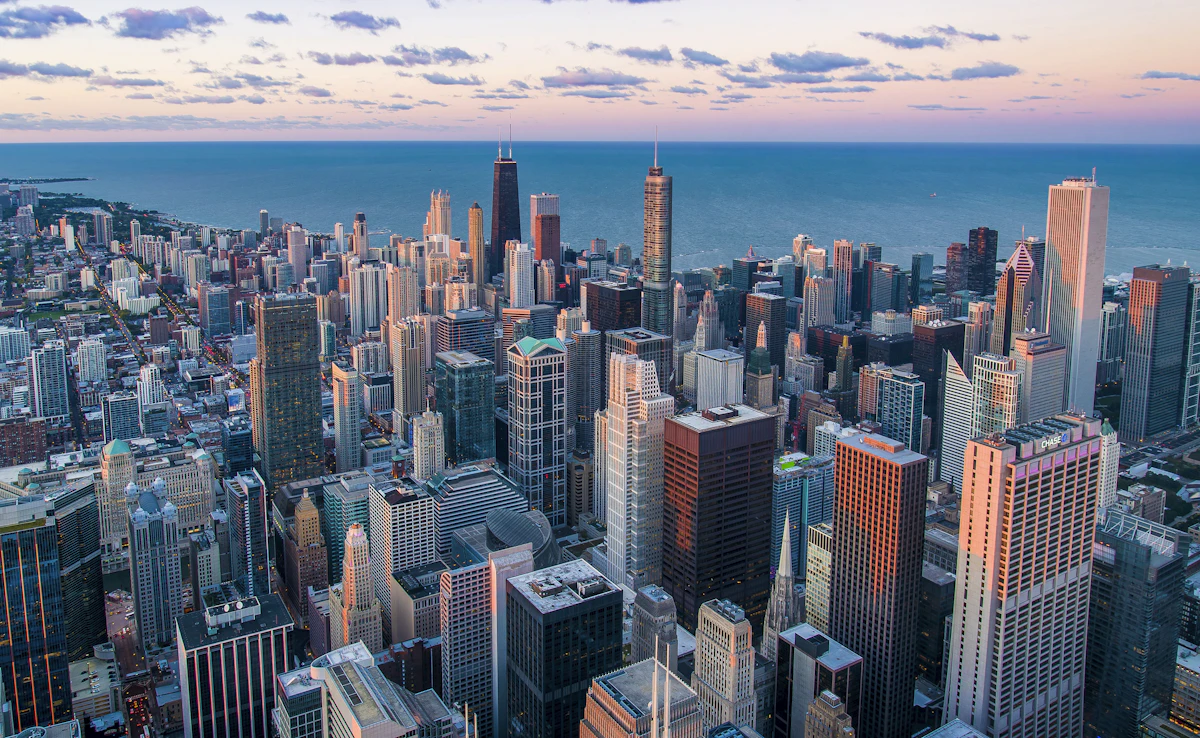
The park follows a former elevated railway route on Manhattan’s West Side. Its planting, public art, and views of nearby buildings make it a rewarding alternative to traditional sightseeing.
Combine the walk with Chelsea Market, Hudson Yards, or nearby galleries. This makes the trip more efficient and gives you time to enjoy the neighborhood.
- Best for: Walkers, architecture fans, and photographers.
- Suggested time: 45–90 minutes.
- Cost: Free general admission.
Practical tip: Check the official High Line visitor information for current hours and access details.
10. Grand Central Terminal: Best for Historic Architecture
Grand Central Terminal is a memorable free sightseeing stop known for its monumental Main Concourse, architectural details, and role in New York’s transportation network.
Look up at the decorated ceiling, appreciate the scale of the concourse, and explore the public areas without rushing through. The terminal is particularly convenient if you are already visiting Midtown.
Combine Grand Central with Bryant Park, the New York Public Library, Fifth Avenue, or Rockefeller Center for an efficient half-day route.
- Best for: Architecture lovers and first-time visitors.
- Suggested time: 30–60 minutes.
- Cost: Free to explore public areas.
Practical tip: Treat Grand Central as part of a walking route rather than planning a separate cross-city journey just to see the terminal.
11. Broadway and the Theater District: Best for Live Entertainment
Broadway is the place to experience New York’s celebrated theater scene, with professional productions ranging from major musicals to dramatic performances.
Choose a show that genuinely interests you and plan the rest of your evening around its scheduled start time. An evening performance can be combined with an earlier visit to Times Square or a nearby dinner.
Even without a ticket, walking through the Theater District lets you see theater marquees and experience the surrounding entertainment area.
- Best for: Theater fans, couples, and entertainment enthusiasts.
- Suggested time: Allow the full performance duration, plus arrival time.
- Cost: Paid shows; prices vary by production and seat.
Practical tip: Compare available seats and ticket conditions through established sellers before paying.
12. Fifth Avenue: Best for Shopping and Landmark Walks
Fifth Avenue is a useful sightseeing route because it connects famous buildings, shops, cultural landmarks, and access points to Central Park.
Instead of treating the avenue only as a shopping destination, choose a stretch that fits your interests. The Midtown section works well with Rockefeller Center and St. Patrick’s Cathedral, while the Upper East Side offers access to museum areas and Central Park.
- Best for: Shopping enthusiasts, walkers, and architecture fans.
- Suggested time: 1–2 hours, depending on stops.
- Cost: Walking is free; purchases and ticketed attractions are extra.
Practical tip: Set a spending limit before entering shops if you are traveling on a tight budget.
13. DUMBO, Brooklyn: Best for Iconic Bridge Photographs
DUMBO is one of Brooklyn’s most photogenic neighborhoods, known for its cobblestone streets, waterfront views, and striking Manhattan Bridge perspective.
Walk through the neighborhood, photograph the bridge views, and continue toward Brooklyn Bridge Park. The area offers a useful change of pace after exploring Manhattan’s busiest streets.
Allow extra time for photographs because the most recognizable viewpoints can become crowded. Be considerate of residents and avoid obstructing sidewalks or roadways.
- Best for: Photographers, couples, and neighborhood explorers.
- Suggested time: 1–2 hours.
- Cost: Exploring the neighborhood is free.
Practical tip: Visit early in the day if you prefer quieter photographs, then continue to the waterfront.
14. Brooklyn Bridge Park: Best for Waterfront Views
Brooklyn Bridge Park is an excellent free destination for waterfront walks, skyline views, open spaces, and relaxed outdoor sightseeing.
The park stretches along Brooklyn’s East River waterfront, providing views toward Lower Manhattan and nearby bridges. It works especially well after walking across Brooklyn Bridge or exploring DUMBO.
Use the park as a break between major attractions rather than trying to fill every hour with a paid activity.
- Best for: Families, photographers, and budget travelers.
- Suggested time: 1–2 hours.
- Cost: General park access is free.
Practical tip: Review the official Brooklyn Bridge Park website for current park information and events.
15. Washington Square Park: Best for Greenwich Village
Washington Square Park is a lively public space that provides a useful introduction to Greenwich Village’s historic streets and neighborhood atmosphere.
The park is known for its arch, central fountain, and gathering spaces. Street performers and everyday city life can make this stop feel different from the large tourist landmarks of Midtown.
Combine the park with a walk through Greenwich Village or nearby neighborhoods rather than visiting it as an isolated stop.
- Best for: Walkers, students, photographers, and neighborhood explorers.
- Suggested time: 30–60 minutes.
- Cost: Free.
Practical tip: Leave room in your schedule to explore nearby streets at a relaxed pace.
16. One World Trade Center: Best for Modern Manhattan Views
One World Trade Center is a defining part of Lower Manhattan’s modern skyline, and its One World Observatory offers an elevated city-view experience.
Explore the surrounding World Trade Center district, including the Oculus and nearby public spaces. If you choose the observatory, allow time for entry procedures and the visit itself.
Because the district also includes the 9/11 Memorial, combine the attractions in one visit instead of traveling back to Lower Manhattan on another day.
- Best for: Architecture enthusiasts and skyline photographers.
- Suggested time: 1–2 hours for the observatory, plus other nearby sights.
- Cost: The observatory requires paid admission; surrounding public spaces have separate access arrangements.
Practical tip: Check the official World Trade Center attractions guide before planning your route.
17. American Museum of Natural History: Best for Families
The American Museum of Natural History is a strong choice for families and curious travelers interested in natural science, fossils, biodiversity, and the universe.
Its extensive collections make the museum suitable for a longer visit. Select a few priority exhibits before arriving, particularly if you are traveling with children or have other attractions planned for the day.
The museum is near Central Park’s western side, so you can combine an indoor cultural visit with time outdoors.
- Best for: Families, science enthusiasts, and museum visitors.
- Suggested time: 2–4 hours.
- Cost: Check the museum’s current admission rules and ticket options.
Practical tip: Consult the official museum visit guide for exhibitions, opening hours, and tickets.
18. Bryant Park: Best for a Relaxing Midtown Break
Bryant Park is a convenient green space for relaxing between Midtown attractions, enjoying outdoor seating, and taking a break from busy streets.
The park sits close to the New York Public Library, Grand Central Terminal, and Times Square. That location makes it particularly useful for visitors who want to see several sights without using transportation between every stop.
Seasonal activities may change throughout the year, so check local information if you are planning around a particular event.
- Best for: Families, walkers, and budget-conscious visitors.
- Suggested time: 20–45 minutes.
- Cost: General park access is free; special activities may have separate costs.
Practical tip: Use Bryant Park as a rest stop during a Midtown walking day.
19. Chelsea Market: Best for Food and Indoor Exploring
Chelsea Market is a useful indoor stop for exploring food vendors, browsing shops, and taking a break during a West Side sightseeing route.
Combine the market with the High Line and nearby Chelsea streets. This arrangement reduces backtracking and creates a varied day that mixes architecture, outdoor spaces, and local businesses.
Food prices vary by vendor, so compare options if you are trying to control daily spending. You can browse without making every stop a major meal.
- Best for: Food explorers, families, and visitors near the High Line.
- Suggested time: 45–90 minutes.
- Cost: Entry to browse is generally free; food and purchases cost extra.
Practical tip: Visit outside peak meal periods if you prefer a less crowded experience.
20. Coney Island: Best for a Seaside Day Trip
Coney Island offers a different side of New York City, with a beach, boardwalk, seaside atmosphere, and seasonal amusement attractions.
Located in southern Brooklyn, Coney Island takes longer to reach from Midtown than many Manhattan attractions. Plan it as a separate half-day or full-day excursion instead of squeezing it between several downtown landmarks.
The experience changes by season. Some amusement attractions operate seasonally, while weather affects how enjoyable the beach and boardwalk may be.
- Best for: Families, beach walkers, and visitors seeking a different NYC experience.
- Suggested time: 3–5 hours, including travel.
- Cost: Walking along public areas is generally free; rides and other activities cost extra.
Practical tip: Check attraction schedules and subway service before making the trip.
How to Visit the Best Places to Visit in New York City in Three Days
The easiest way to explore New York City in three days is to group attractions by location and reserve timed tickets for experiences that matter most to you.
This itinerary prioritizes practical routes, reduces unnecessary travel, and balances major landmarks with free experiences.
Day 1: Midtown Manhattan
Focus on Midtown’s major landmarks, public spaces, and evening entertainment.
- Begin at Grand Central Terminal.
- Walk to Bryant Park and the New York Public Library area.
- Continue to Fifth Avenue and Rockefeller Center.
- Visit Times Square in the afternoon or evening.
- Attend a Broadway show or visit an observation deck if it fits your budget.
Choose either a major show or a longer observation-deck visit if your schedule is tight. Both can take a substantial part of the evening.
Day 2: Central Park and Museum Visits
Combine Central Park with one major museum to balance outdoor sightseeing and indoor culture.
- Start with selected Central Park landmarks.
- Visit The Metropolitan Museum of Art or the American Museum of Natural History.
- Explore a nearby neighborhood if time permits.
- Finish with a relaxed walk or a return to your preferred Manhattan area.
Do not schedule both museums in detail on the same day unless you are comfortable with a demanding itinerary. Each museum can justify several hours.
Day 3: Lower Manhattan and Brooklyn
Use the third day for historic Lower Manhattan and Brooklyn’s waterfront, with the Statue of Liberty as an optional main activity.
- Visit the 9/11 Memorial and surrounding World Trade Center district.
- Explore Wall Street or another nearby historic area.
- Walk across Brooklyn Bridge.
- Explore DUMBO and Brooklyn Bridge Park.
- Enjoy the waterfront before returning to your accommodation.
If you choose the Statue of Liberty ferry, reserve several hours and reorganize the day around the ferry schedule. Avoid trying to fit every Lower Manhattan attraction into the same afternoon.
For a shorter visit, read our practical New York City travel guide and New York City activities for first-time visitors for additional planning ideas.
How to Visit New York City on a Budget
You can reduce the cost of a New York City trip by prioritizing free attractions, grouping nearby sights, and paying only for experiences that match your interests.
The largest savings often come from deciding which attractions deserve admission fees before arriving. Parks, bridges, public spaces, and neighborhood walks can fill a meaningful part of the itinerary.
Free and low-cost attractions to prioritize
- Central Park and its public walking paths.
- Times Square and nearby pedestrian areas.
- Brooklyn Bridge and Brooklyn Bridge Park.
- The High Line.
- Grand Central Terminal’s public areas.
- Washington Square Park.
- Bryant Park.
- The outdoor 9/11 Memorial.
Estimate your sightseeing budget
Your attraction budget is the sum of admission tickets, local transportation, food, and any optional activities you choose.
Use this simple formula before your trip:
Total sightseeing budget = paid attractions + transportation + meals during outings + optional activities.
For example, if you choose two paid attractions and spend the remaining sightseeing time at free parks, public spaces, and walking routes, you may spend substantially less on admission than a traveler who purchases several observation decks and museum tickets.
This is an illustration rather than a quoted current trip price. Check official ticket pages for the actual costs applicable to your dates.
For more planning ideas, explore our hotel and accommodation resources and tours and activities guides.
How to Get Around New York City Efficiently
Walking and the subway are usually the most practical combination for visiting major New York City attractions.
Walking works well when landmarks are close together, while the subway is useful for longer trips between neighborhoods and boroughs. Check current routes, fares, and service changes using the official Metropolitan Transportation Authority website.
- Group attractions by neighborhood before leaving your hotel.
- Wear comfortable shoes and allow time for walking between stations.
- Check service updates when traveling early or late.
- Allow extra time for security checks and timed attraction tickets.
- Compare the cost of individual tickets and available fare options.
If you are flying into the city, review our flight planning resources and airport transfer information before finalizing your arrival arrangements.
Frequently Asked Questions
What are the best places to visit in New York City for first-time visitors?
Central Park, Times Square, the Statue of Liberty, the Empire State Building, Brooklyn Bridge, and the 9/11 Memorial are excellent starting points. Add a museum or neighborhood walk according to your interests.
What are the best free places to visit in New York City?
Central Park, Brooklyn Bridge, Brooklyn Bridge Park, the High Line, Times Square, Bryant Park, Washington Square Park, and the outdoor 9/11 Memorial are useful free sightseeing options. Check individual attraction policies before visiting.
How many days do you need to see New York City?
Three days provide enough time to experience several major attractions and explore a few neighborhoods. Four to five days allow a more relaxed schedule, additional museums, and excursions to places such as Coney Island.
What is the best area to stay in New York City for sightseeing?
Midtown Manhattan is convenient for many first-time visitors because it offers access to Times Square, Rockefeller Center, Fifth Avenue, and major subway connections. Compare hotel prices, neighborhood atmosphere, and transport access before booking.
What are the best places to visit in New York City with kids?
Central Park, the American Museum of Natural History, the Statue of Liberty, Brooklyn Bridge Park, and Coney Island can all work well for families. Choose attractions based on children’s ages, walking tolerance, weather, and available time.
Is New York City expensive for tourists?
New York City can be expensive, particularly when accommodation, restaurant meals, and multiple paid attractions are included. Travelers can manage costs by using free parks, walking routes, public transportation, and a limited selection of ticketed experiences.
What is the best time of year to visit New York City?
Spring and autumn are popular for walking and outdoor sightseeing because temperatures are often more comfortable than during midsummer or winter. However, weather, crowds, seasonal events, and prices vary, so choose dates that suit your priorities.
Should I book New York City attractions in advance?
Book popular timed experiences, special-access tickets, and Broadway shows in advance when possible. Confirm official schedules and ticket conditions, especially for the Statue of Liberty and observation decks.
Final Thoughts on the Best Places to Visit in New York City
The best places to visit in New York City combine famous landmarks, outdoor spaces, museums, historic sites, and distinctive neighborhoods. You do not need to visit all 20 attractions to have a rewarding trip; the better approach is to select the places that match your interests and organize them into practical daily routes.
For a first visit, begin with Central Park, Times Square, one observation deck, a major museum or historic site, and Brooklyn Bridge. Add the Statue of Liberty or a Broadway performance if either experience is a priority.
Before you go, confirm opening hours, ticket prices, and transportation updates through official visitor resources. Then build a flexible itinerary that leaves room to explore rather than rushing from one landmark to the next.
Continue planning with The Offers Guy for more travel guides, accommodation information, transportation advice, and activity ideas.