The best places to visit in Dubai include Burj Khalifa, Dubai Frame, Dubai Creek, Palm Jumeirah, historic souks, public beaches and the city’s remarkable museums. The challenge is choosing which attractions deserve your time, because Dubai’s landmarks are spread across several districts and entrance tickets can quickly increase your budget.
This guide compares 15 Dubai attractions by experience, location and practical value. It also includes a three-day sightseeing plan, transportation advice and budgeting tips to help you organize a realistic visit to Dubai, United Arab Emirates.

15 Best Places to Visit in Dubai
The best Dubai attractions depend on your interests, but first-time visitors should prioritize Downtown Dubai, one heritage district, and one coastal or outdoor experience. This combination gives you a more balanced trip than spending every day inside shopping malls or moving between distant landmarks.
1. Burj Khalifa: Best for panoramic city views

Burj Khalifa is the best choice for travelers who want an elevated view of Dubai’s skyline. Standing 828 metres tall, the tower offers observation experiences on floors 124 and 125, with a higher-level experience available through selected tickets.
Allow time for security, ticket checks, elevators and the observation area. Sunset is popular, so compare time slots before booking rather than assuming the cheapest ticket includes your preferred visit time.
- Best for: First-time visitors, architecture enthusiasts and skyline photography.
- Location: Downtown Dubai, beside Dubai Mall.
- Budget tip: Check the official Burj Khalifa website for current ticket types and prices.
Planning note: Combine Burj Khalifa with Dubai Mall and the Dubai Fountain area to reduce unnecessary transfers. Check the official Dubai tourism guide to Burj Khalifa before your visit.
2. Dubai Mall: Best for shopping and indoor attractions

Dubai Mall is ideal for combining shopping, dining and indoor entertainment in one location. The complex includes a large retail selection and attractions such as Dubai Aquarium and Underwater Zoo, although individual experiences may require separate tickets.
Do not underestimate its size. Choose specific shops or attractions in advance, allow extra walking time, and avoid scheduling a distant activity immediately after your mall visit.
- Best for: Families, shoppers and hot-weather sightseeing.
- Allow: Two to four hours, or longer if visiting paid attractions.
- Save money: Decide which paid experiences matter most instead of buying every available ticket.
3. Dubai Fountain: Best for an evening outing
The Dubai Fountain area is a strong evening choice because it combines waterfront views with the Downtown Dubai skyline. Visitors can often enjoy the surrounding promenade without purchasing an observation-deck ticket.
Performance schedules can change during maintenance, events or seasonal operations. Check current details through Visit Dubai’s official tourism website before building your evening around a show.
Practical tip: Arrive early enough to find a viewing position and leave room for dinner or a walk around the surrounding district.
4. Dubai Frame: Best for understanding old and modern Dubai
Dubai Frame is particularly worthwhile for visitors who want to compare the city’s historic districts with its modern skyline. The 150-metre landmark stands in Zabeel Park and features exhibits about Dubai’s past and future alongside elevated views.
Adult admission has been listed at AED 50 and children’s admission at AED 20 for ages 3–12, but verify the current price before visiting. The official visitor information also lists Al Jafiliya Metro Station as a nearby access point.
Best approach: Check the Dubai Frame official visitor page for opening hours, admission, access and visitor rules.
5. Museum of the Future: Best for science and innovation
Museum of the Future suits travelers interested in technology, design, science and ideas about tomorrow’s world. Its distinctive ring-shaped building is a major landmark along Sheikh Zayed Road, while its exhibitions explore possible future developments.
This is a ticketed experience, so check the exhibition format, available entry slots and booking requirements before travelling there. Do not assume walk-in admission will be available at your preferred time.
Worth knowing: If your main interest is the exterior architecture, you can photograph the building from suitable public viewpoints without planning a full museum visit.
6. Dubai Creek: Best for traditional waterfront scenery

Dubai Creek is one of the most useful places to experience the city’s trading heritage and older waterfront districts. The creek has long connected communities and commercial areas, offering a contrast with Downtown Dubai’s high-rise architecture.
Consider a traditional abra crossing where services operate, then explore nearby streets and markets. Confirm the relevant route, fare and operating arrangements locally because different crossings and services may have different conditions.
For historical context, the UAE government’s guide to exploring Dubai highlights abra rides, historic districts and traditional souks as key experiences.
7. Al Fahidi Historical Neighbourhood: Best for heritage and architecture
Al Fahidi Historical Neighbourhood is a good choice for travelers who want to explore Dubai beyond its modern skyscrapers. Its lanes, restored buildings and traditional architectural features offer a more intimate view of the city’s history.
Walk slowly, look for cultural exhibitions and check the opening arrangements of individual museums or cultural venues. Some locations may have separate schedules or admission conditions.
Suggested pairing: Combine Al Fahidi with Dubai Creek and the surrounding historic markets to make one heritage-focused half-day rather than crossing the city repeatedly.
8. Gold Souk and Spice Souk: Best for traditional markets
Dubai’s traditional souks are best for browsing jewellery, spices, fragrances and local market culture. They provide a different shopping experience from the city’s modern malls.
Compare prices between sellers, ask about product specifications and confirm the final price before agreeing to buy. For jewellery, understand the distinction between the metal price, workmanship charges and any other applicable costs.
Practical tip: Carry a payment method accepted by the seller, protect valuables in crowded areas and agree on any delivery or exchange terms before paying.
9. Palm Jumeirah: Best for island views and coastal experiences
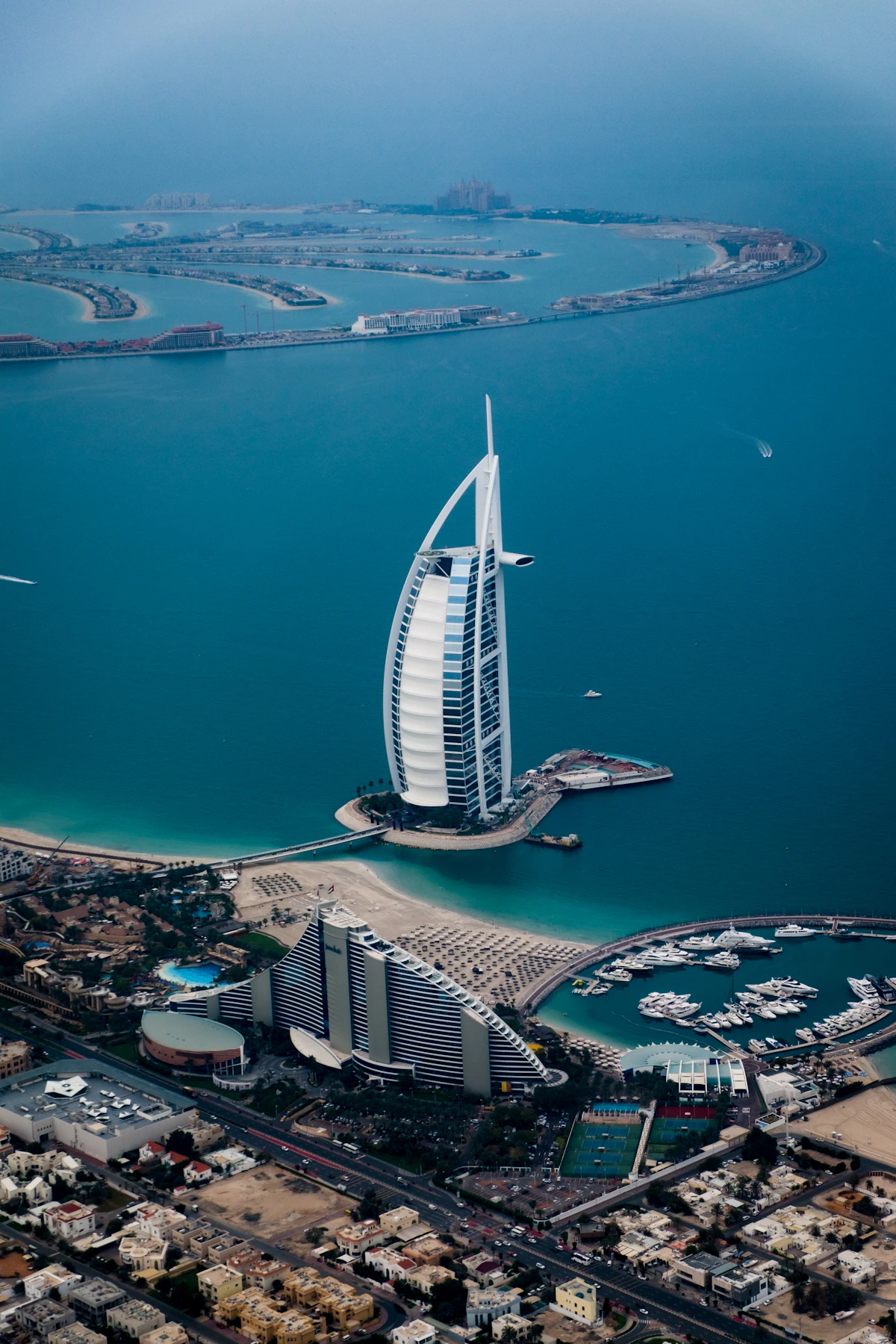
Palm Jumeirah is worth considering for waterfront scenery, resort architecture and panoramic views of Dubai’s coastline. The island contains hotels, beaches, restaurants and visitor attractions, so the best plan depends on whether you want sightseeing, a beach visit or a paid experience.
The View at The Palm provides elevated views of the island, while the Palm Monorail can help visitors reach selected stops. Check current fares, access and attraction admission separately.
Budget tip: Choose one main paid experience and enjoy the surrounding public areas where access is permitted, instead of assuming every resort beach or facility is open to everyone.
10. Dubai Marina: Best for waterfront walks
Dubai Marina works well for travelers who want a modern waterfront promenade, skyscraper views and easy access to restaurants and boat experiences. The marina’s pedestrian areas make it a useful place for a relaxed evening after a day of sightseeing.
You can walk along the waterfront, compare boat-tour options or connect your visit with nearby Jumeirah Beach Residence. Check the departure point and duration before booking a cruise or boat trip.
Best for: Couples, families, photography enthusiasts and travelers who prefer a relaxed outdoor evening.
11. Jumeirah Beach: Best for a beach break

Jumeirah’s public beach areas are useful for travelers who want sea views, fresh air and time away from crowded attractions. Facilities differ by beach, so check access, lifeguard availability, showers, parking and any local restrictions before setting out.
During hotter months, plan outdoor activities for the cooler parts of the day, drink water regularly and follow posted beach-safety guidance. Protect yourself from the sun even when a sea breeze makes the temperature feel more comfortable.
12. Kite Beach: Best for active outdoor time
Kite Beach is a good option for visitors looking for a lively beachfront setting with outdoor recreation and views toward the Burj Al Arab area. Depending on current facilities and conditions, visitors may find walking and running routes, beach activities and casual food options.
Check which facilities are available on your travel date, especially if you are planning a particular sport or visiting with children. Conditions, service hours and activity prices may vary.
Planning tip: Combine a beach visit with nearby coastal sights rather than trying to fit it between attractions on opposite sides of the city.
13. Souk Madinat Jumeirah: Best for atmosphere and photographs
Souk Madinat Jumeirah is a worthwhile stop for traditional-style architecture, waterways, shops and views toward the Burj Al Arab area. It offers a market atmosphere with a modern visitor setting, making it an easy addition to a coastal sightseeing day.
Browsing can be enjoyable without committing to a major purchase, but restaurant meals, private experiences and some activities add to the cost. Confirm any reservation requirements in advance.
Best pairing: Visit with another nearby Jumeirah attraction to reduce time spent travelling across Dubai.
14. Desert conservation and safari experiences: Best for a change of scenery

A desert excursion offers a different perspective on the landscapes surrounding Dubai’s urban districts. Depending on the operator and location, experiences may include guided nature activities, dune drives, photography stops or cultural demonstrations.
Read the package inclusions carefully. Transfers, refreshments, activity restrictions, child-age rules, cancellation terms and the duration of the excursion can differ considerably between operators.
Responsible travel note: Choose operators that explain their safety procedures, protect the environment and provide clear information about what is included in the price.
15. Dubai Aquarium and Underwater Zoo: Best for a family indoor activity
Dubai Aquarium and Underwater Zoo is a convenient indoor attraction for families and visitors interested in aquatic life. Located within Dubai Mall, it can be combined with shopping and Downtown Dubai sightseeing without requiring a separate cross-city journey.
Admission depends on the experience selected, and general access to the mall does not mean every aquarium area is included. Check ticket categories, opening arrangements, accessibility and any animal-experience rules before booking.
Best for: Families with children, indoor activities during hot weather and travelers who want several experiences in one district.
Which Dubai Attractions Should You Choose?
Choose attractions by location and experience rather than trying to visit all 15 in a single trip. The following comparison helps you prioritize the places that best fit your available time.
| Attraction | Best for | Suggested time | Cost approach |
|---|---|---|---|
| Burj Khalifa | Skyline views | 2–3 hours | Paid ticket |
| Dubai Mall | Shopping and indoor activities | 2–4 hours | Shopping and optional paid attractions |
| Dubai Fountain area | Evening sightseeing | 45–90 minutes | Promenade viewing can be free |
| Dubai Frame | City views and history | 1–2 hours | Paid ticket |
| Museum of the Future | Science and design | 2–3 hours | Paid ticket |
| Dubai Creek | Heritage and waterfront | 1–2 hours | Depends on crossing and activities |
| Al Fahidi | Historic architecture | 1–2 hours | Walking is generally free |
| Traditional souks | Markets and shopping | 1–2 hours | Browsing is free |
| Palm Jumeirah | Island views | 2–4 hours | Depends on chosen attractions |
| Dubai Marina | Waterfront walks | 1–2 hours | Walking is generally free |
| Jumeirah Beach | Beach time | 1–3 hours | Depends on facilities |
| Kite Beach | Outdoor recreation | 1–3 hours | Depends on activities |
| Souk Madinat Jumeirah | Shopping and scenery | 1–2 hours | Browsing is free |
| Desert excursion | Desert scenery | Half day or more | Usually a paid package |
| Dubai Aquarium | Indoor family activity | 1–2 hours | Paid experiences |
These are planning estimates, not guaranteed visit durations or live prices. Queues, weather, ticket availability, mobility needs and personal interests can change how long each attraction takes.
A Practical Three-Day Dubai Itinerary
Three days are enough to experience several major Dubai highlights if you group nearby attractions and avoid crossing the city repeatedly. This sample itinerary balances modern landmarks, heritage and the coast.
Day 1: Downtown Dubai
- Start at Dubai Mall and choose the shops or indoor attractions you want to visit.
- Visit Burj Khalifa at your pre-booked time.
- Explore the surrounding Downtown Dubai promenades.
- Finish with the Dubai Fountain area if a performance is scheduled.
Keep this day concentrated in one district. The combination already provides a full sightseeing schedule, especially if you have booked an observation deck or aquarium experience.
Day 2: Historic Dubai and Dubai Frame
- Explore Al Fahidi Historical Neighbourhood in the morning.
- Walk toward Dubai Creek and check local abra services.
- Visit the traditional souks across the creek if time permits.
- Visit Dubai Frame in the afternoon, subject to your ticket time.
Allow extra time for walking, crossings and museum opening arrangements. If you prefer a slower day, leave Dubai Frame for another visit rather than rushing through the heritage district.
Day 3: Choose the coast or the desert
Choose one of two routes according to your travel style:
- Coastal route: Palm Jumeirah, a selected viewpoint, Souk Madinat Jumeirah and a beach stop.
- Desert route: Spend the day on a pre-booked desert excursion, following the operator’s departure and return schedule.
Do not try to combine every coastal attraction with a full desert excursion on the same day. The travel time and activity duration can make the plan tiring and impractical.
How to Get Around Dubai Efficiently
The most practical way to explore Dubai is to combine the Metro, walking, taxis and selected transfers according to each attraction’s location. The Metro serves important areas, but not every landmark is directly beside a station.
- Metro: Useful for connecting major urban districts along the network.
- Walking: Best for exploring compact areas such as selected Downtown promenades and heritage streets.
- Taxi or ride-hailing: Helpful for destinations that require a longer walk from public transport.
- Organized transfers: Can simplify desert excursions or trips with fixed departure times.
Check routes and current fares through the Roads and Transport Authority Dubai. For airport arrival planning, see The Offers Guy’s airport transfers and transport resources.
Before booking a hotel, compare the location with your planned attractions. The Offers Guy’s hotel and accommodation guide can help you think through location, convenience and the full cost of your stay.
How to Plan Your Dubai Sightseeing Budget
The most reliable way to control sightseeing costs is to calculate tickets, transport, meals and extra fees together before you book. An attraction with an inexpensive entry ticket may still create a costly day if it requires several transfers or add-on experiences.
Use this simple formula:
Total sightseeing budget = attraction tickets + local transport + meals + optional activities + contingency.
For example, suppose your planned daily budget is AED 250 per person. You estimate AED 100 for admission, AED 35 for transport, AED 65 for meals and AED 25 for optional spending. Your planned total is AED 225, leaving AED 25 for unexpected expenses.
This is an illustrative budget, not a statement of current Dubai prices. Replace every estimate with current ticket and transport costs for your travel dates.
Use these steps to avoid overspending:
- List the attractions you genuinely want to visit.
- Check official ticket prices and reservation requirements.
- Group attractions in the same district.
- Compare public transport with the full cost of taxis and transfers.
- Keep a contingency for price changes and unplanned expenses.
For broader planning ideas, read The Offers Guy’s practical guide to affordable travel. If you are comparing package options, also review travel packages and tour resources.
Common Mistakes to Avoid When Visiting Dubai
The biggest sightseeing mistakes are overloading the itinerary, ignoring travel distances and booking attractions without checking their current conditions. A more focused schedule generally creates a more comfortable visit.
- Planning too many districts in one day: Group Downtown, heritage areas and the coast into separate blocks.
- Assuming all attractions are free: Public spaces may be free while observation decks, museums and special experiences require tickets.
- Ignoring heat: Schedule outdoor walks for cooler periods and take breaks in hot weather.
- Booking without checking terms: Confirm entry slots, cancellation rules, age limits and inclusions.
- Choosing a hotel on price alone: Include transport costs and the time needed to reach attractions.
- Relying on old schedules: Verify opening hours, transport services and attraction availability close to your visit.
International visitors should also check entry requirements and current travel advice through appropriate government sources. The official UAE visitor information is a useful starting point for destination research.
Frequently Asked Questions About the Best Places to Visit in Dubai
What are the best places to visit in Dubai for first-time visitors?
First-time visitors can prioritize Burj Khalifa, Dubai Mall, the Dubai Fountain area, Dubai Frame, Dubai Creek and Al Fahidi Historical Neighbourhood. Add Palm Jumeirah or a beach visit if you have more time.
How many days are enough to explore Dubai’s main attractions?
Three days can cover several major landmarks if you group attractions by location. Four to five days allow more time for beaches, museums, a desert excursion and slower sightseeing.
Which Dubai attractions can you visit without paying an entrance fee?
Some public promenades, beach areas, heritage streets and market districts can be explored without an attraction ticket. Costs may still apply for parking, transport, food, activities or access to particular facilities.
What is the best area in Dubai for sightseeing?
Downtown Dubai is convenient for Burj Khalifa, Dubai Mall and the fountain area. Historic Dubai is better for heritage and traditional markets, while Dubai Marina and Jumeirah suit waterfront and beach-focused plans.
What is the best time of year to explore Dubai outdoors?
The cooler months are generally more comfortable for outdoor sightseeing. Conditions vary by date, so check the forecast and schedule longer walks, beaches and desert activities according to the expected temperature.
Is public transport useful for visiting Dubai attractions?
Yes. Dubai Metro connects several major districts, and walking, taxis or other transfers can cover the remaining distance. Check the route to each attraction rather than assuming every destination is beside a station.
Should you book Dubai attraction tickets in advance?
Advance booking is sensible for popular timed-entry experiences, including observation decks and selected museums. Confirm availability, ticket inclusions, cancellation rules and the official price before making payment.
How can families plan a comfortable Dubai sightseeing trip?
Choose a manageable number of attractions each day, allow time for meals and rest, check age restrictions, and avoid long outdoor activities during extreme heat. Indoor attractions can provide useful alternatives when weather conditions are uncomfortable.
Final Takeaway
The best places to visit in Dubai are not simply the most famous landmarks; they are the attractions that fit your interests, budget and available time. Start with Downtown Dubai, add a heritage-focused day, and choose either a coastal experience or a desert excursion for variety.
Before departure, confirm ticket prices, opening hours, transport routes and entry requirements using official sources. A location-based itinerary, realistic budget and a little flexibility will help you experience more of Dubai without spending your trip rushing between attractions.
Editorial note: Attraction availability, ticket prices, transport fares and operating hours can change. Verify important details with the official attraction or service provider before visiting.