The best beaches in Malaysia range from the turquoise waters of the Perhentian Islands and Redang to the scenic shores of Langkawi and Sabah. However, choosing the right beach depends on your travel dates, preferred activities, budget, and access requirements. Some east-coast islands experience seasonal closures during the northeast monsoon, while west-coast destinations offer more practical alternatives during those months.
This guide compares 15 beautiful Malaysian beaches, including their locations, main attractions, transport options, ideal visiting periods, and practical considerations. Whether you want a family-friendly coastal holiday, excellent snorkelling, a peaceful island escape, or a convenient beach near a major city, these destinations will help you choose the right location.
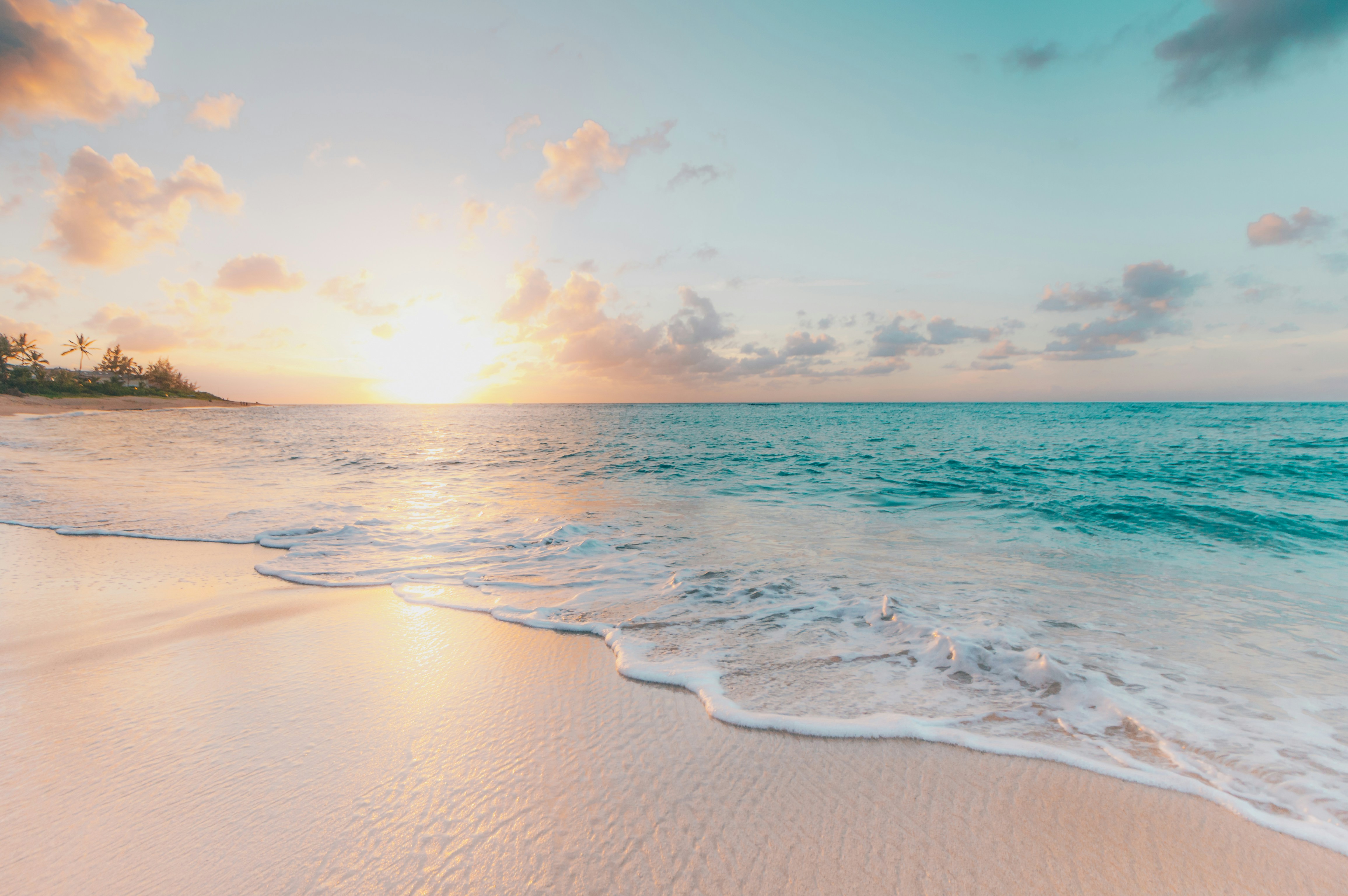
Malaysia Beaches at a Glance: Which Coastal Escape Is Best?
The Perhentian Islands and Redang are excellent choices for seasonal island snorkelling, while Langkawi offers easier access, established resorts, and convenient beach facilities.
Malaysia has coastal destinations on both sides of Peninsular Malaysia, as well as on the island of Borneo. Each location offers a different combination of scenery, marine activities, accommodation, and transport.
| Beach | Location | Best for | Typical travel season |
|---|---|---|---|
| Tanjung Rhu | Langkawi | Scenery and relaxation | November–April |
| Pantai Cenang | Langkawi | Families and facilities | November–April |
| Pantai Tengah | Langkawi | Relaxed resort stays | November–April |
| Datai Bay | Langkawi | Nature and quiet escapes | November–April |
| Long Beach | Perhentian Kecil | Snorkelling and backpackers | March–October |
| Coral Bay | Perhentian Kecil | Sunsets and quieter stays | March–October |
| Pasir Panjang | Redang | Clear water and resorts | March–October |
| Juara Beach | Tioman | Nature and tranquillity | March–October |
| Salang Beach | Tioman | Snorkelling and diving | March–October |
| Pasir Panjang | Kapas Island | Small-island escapes | March–October |
| Teluk Nipah | Pangkor | Family holidays | December–March |
| Batu Ferringhi | Penang | Coastal resorts | December–March |
| Tanjung Aru | Sabah | Sunset views | February–April |
| Manukan Island | Sabah | Day trips and snorkelling | February–September |
| Cherating Beach | Pahang | Surfing and nature | Season-dependent |
Important: These are general seasonal planning windows, not guaranteed weather forecasts. Local rainfall, sea conditions, boat schedules, and resort operating dates can change. Always confirm conditions before booking.
When Is the Best Time to Visit the Best Beaches in Malaysia?
The best time depends on which coastline you visit: east-coast island destinations generally perform best from March to October, while west-coast destinations such as Langkawi are often more suitable from November to April.
Malaysia experiences two main monsoon seasons. According to the Malaysian Meteorological Department, the northeast monsoon generally runs from November to March and brings heavy rainfall to exposed east-coast areas. The southwest monsoon generally occurs from late May to September.
East Coast: March to October
The Perhentian Islands, Redang, Tioman, and Kapas are popular seasonal island destinations.
- March to May: A useful period to consider before peak holiday demand.
- June to August: Popular months for island activities, subject to local weather.
- September to October: Conditions can vary, and some operators begin reducing services.
- November to February: Many island resorts and boat services close or operate very limited schedules.
West Coast: November to April
Langkawi and Pangkor are useful alternatives when northeast monsoon conditions affect the east coast.
- Langkawi: Consider December to March for a beach-focused holiday.
- Pangkor: December to March can be a useful planning period.
- Penang: Weather varies, but the west coast offers more flexible sightseeing opportunities.
Sabah: Check Local Island Conditions
Sabah has different local weather patterns from Peninsular Malaysia. Islands around Kota Kinabalu can be visited through organised boat trips, but rainfall, visibility, and sea conditions still influence the experience.
Check the official METMalaysia weather and monsoon information before arranging boat transfers or non-refundable accommodation.
15 Best Beaches in Malaysia for a Beautiful Coastal Holiday
These 15 destinations cover Malaysia’s most useful beach experiences, from accessible resort beaches to remote island coastlines and marine-park destinations.
1. Tanjung Rhu Beach, Langkawi

Tanjung Rhu is an excellent choice for travellers seeking a scenic and relatively peaceful beach in Langkawi.
Located on the northern side of Langkawi, Tanjung Rhu is known for its pale sand, coastal vegetation, and dramatic limestone formations. The surrounding landscape makes it particularly appealing to photographers and couples looking for a quieter beach experience.
Unlike the busier resort areas, this part of Langkawi is better suited to travellers who prioritise natural scenery over extensive commercial facilities.
- Best for: Photography, relaxation, and scenic coastal walks.
- Access: Travel by road from Langkawi International Airport or other island accommodation.
- Practical tip: Visit earlier in the day for a quieter experience.
- Consideration: Check tide conditions and local access arrangements before planning water activities.
2. Pantai Cenang, Langkawi
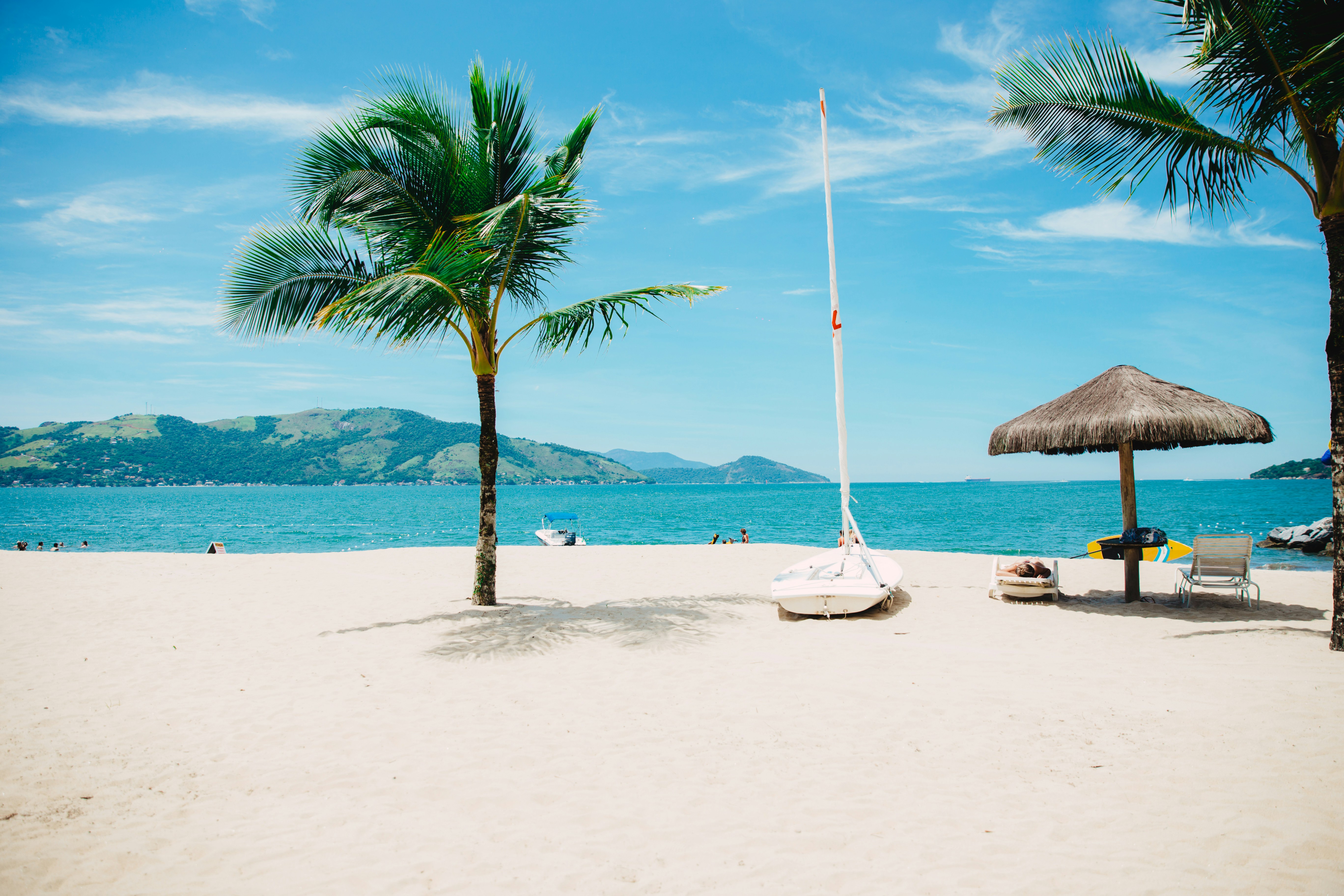
Pantai Cenang is one of the most convenient Malaysian beaches for first-time visitors who want accommodation, restaurants, and activities close together.
Situated on Langkawi’s western coastline, Pantai Cenang combines a long sandy beach with a developed tourist area. Visitors can find hotels, guesthouses, restaurants, shops, and opportunities to arrange water-based activities.
The beach is particularly practical for travellers who do not want to depend on boat transfers to reach their accommodation.
- Best for: Families, first-time visitors, and convenient beach holidays.
- Access: Road transfers from Langkawi International Airport.
- Activities: Swimming in suitable conditions, beach walks, and organised water activities.
- Practical tip: Compare accommodation locations because beachfront properties and quieter side streets offer different experiences.
3. Pantai Tengah, Langkawi
Pantai Tengah is a useful alternative to busy Cenang for travellers who prefer a more relaxed resort atmosphere.
Located south of Pantai Cenang, this beach offers convenient access to Langkawi’s developed tourism facilities while generally feeling less concentrated than its neighbouring beach area.
It suits couples and families who want restaurants and accommodation nearby without staying directly in the busiest part of the island.
- Best for: Resort stays and relaxed holidays.
- Access: A short road journey from Pantai Cenang.
- Activities: Beach walks, swimming when conditions are suitable, and resort-based recreation.
- Practical tip: Compare the walking distance between your accommodation, restaurants, and the beach.
4. Datai Bay, Langkawi
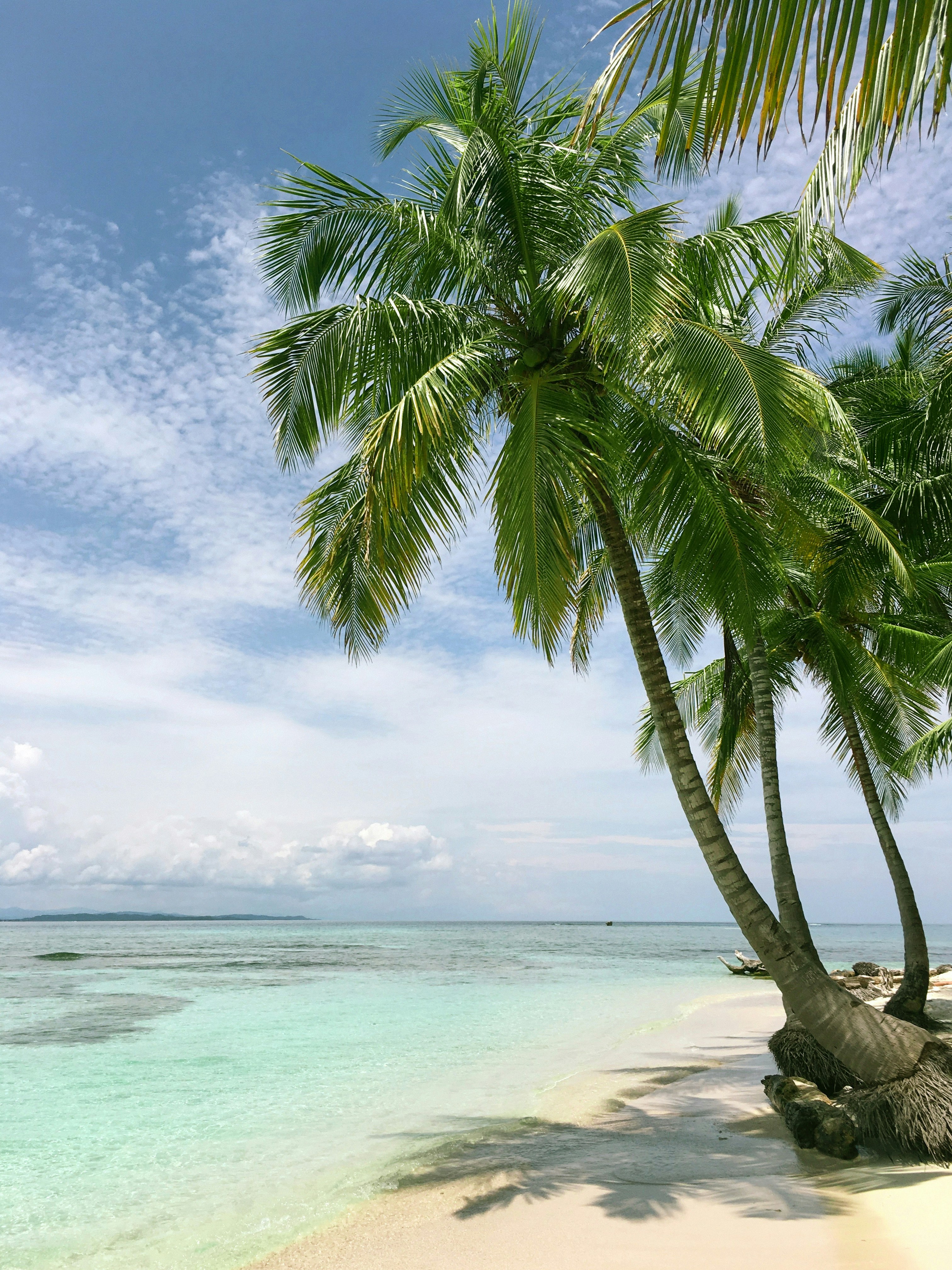
Datai Bay is particularly suitable for travellers who value rainforest scenery, peaceful surroundings, and nature-focused accommodation.
Located in northwestern Langkawi, Datai Bay is associated with a forested coastal landscape and a quieter resort environment. The surrounding natural setting gives this area a different character from the island’s busier tourist beaches.
Access to some beach areas and facilities may be connected to resort arrangements, so check public access before travelling.
- Best for: Couples, nature lovers, and premium resort stays.
- Access: Road transfers from other parts of Langkawi.
- Activities: Coastal relaxation and nature experiences.
- Practical tip: Compare the complete accommodation cost before selecting this area.
5. Long Beach, Perhentian Kecil
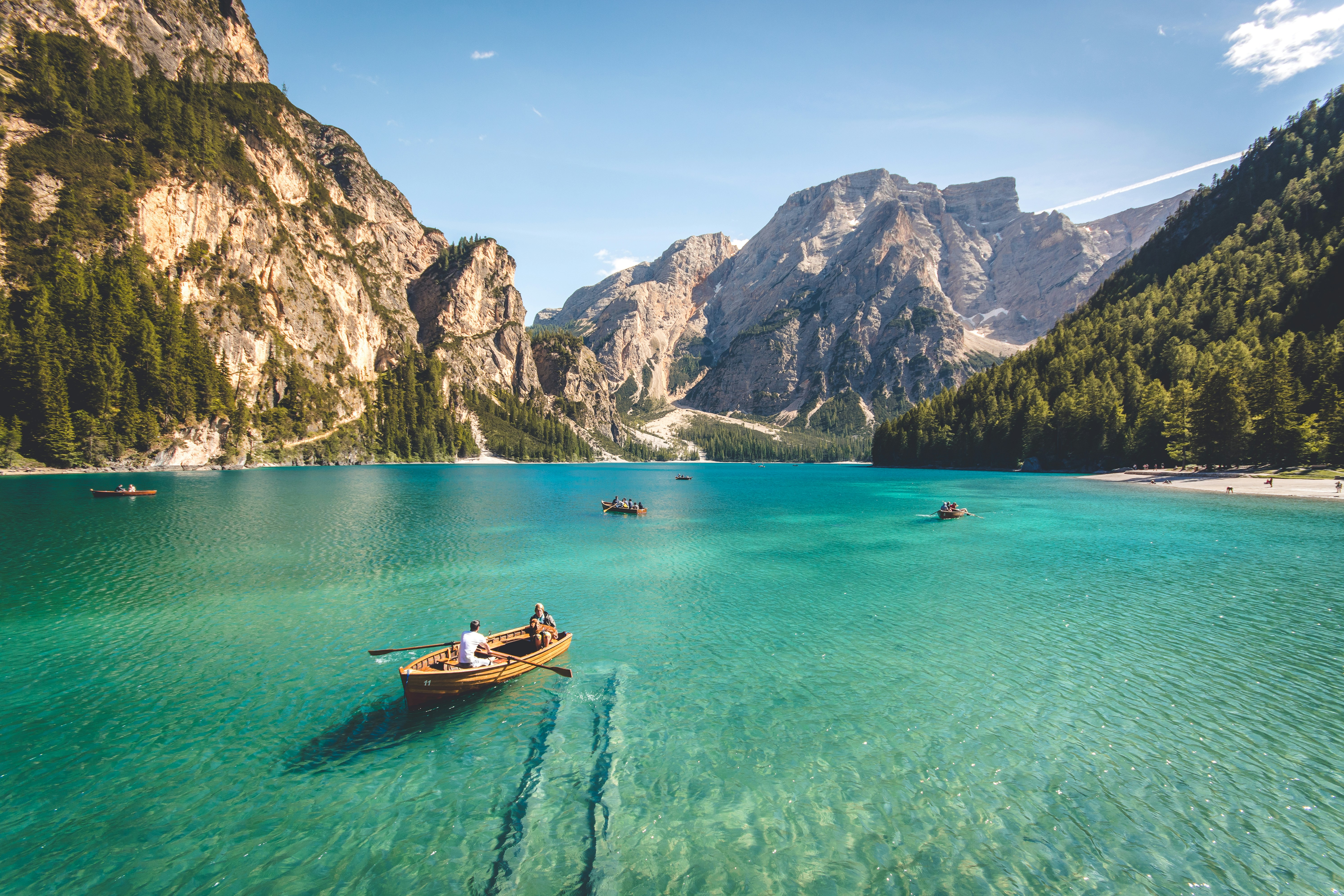
Long Beach is one of the most recognisable beach areas in the Perhentian Islands and is especially popular with independent travellers.
Located on Perhentian Kecil, Long Beach is known for its white sand, tropical surroundings, and access to organised snorkelling and diving activities.
The area has accommodation and food options suited to different budgets. However, visitors should not assume that every facility operates throughout the year.
- Best for: Backpackers, snorkelling, and island exploration.
- Access: Travel to Kuala Besut and arrange a boat transfer to Perhentian Kecil.
- Activities: Snorkelling trips, diving, swimming in suitable conditions, and beach relaxation.
- Practical tip: Confirm boat departure times and accommodation opening dates before booking.
6. Coral Bay, Perhentian Kecil
Coral Bay is a suitable choice for visitors seeking a more relaxed atmosphere on Perhentian Kecil.
Located on the opposite side of the island from Long Beach, Coral Bay offers a different setting for travellers who prefer a slower beach experience.
It is also a useful place to consider when comparing accommodation and transport options on Perhentian Kecil.
- Best for: Quiet stays, sunset views, and independent travellers.
- Access: Boat transfer from Kuala Besut, followed by local island transport or walking where practical.
- Activities: Beach relaxation and organised marine excursions.
- Practical tip: Check walking routes and luggage arrangements because island pathways can be uneven.
7. Pasir Panjang, Redang Island
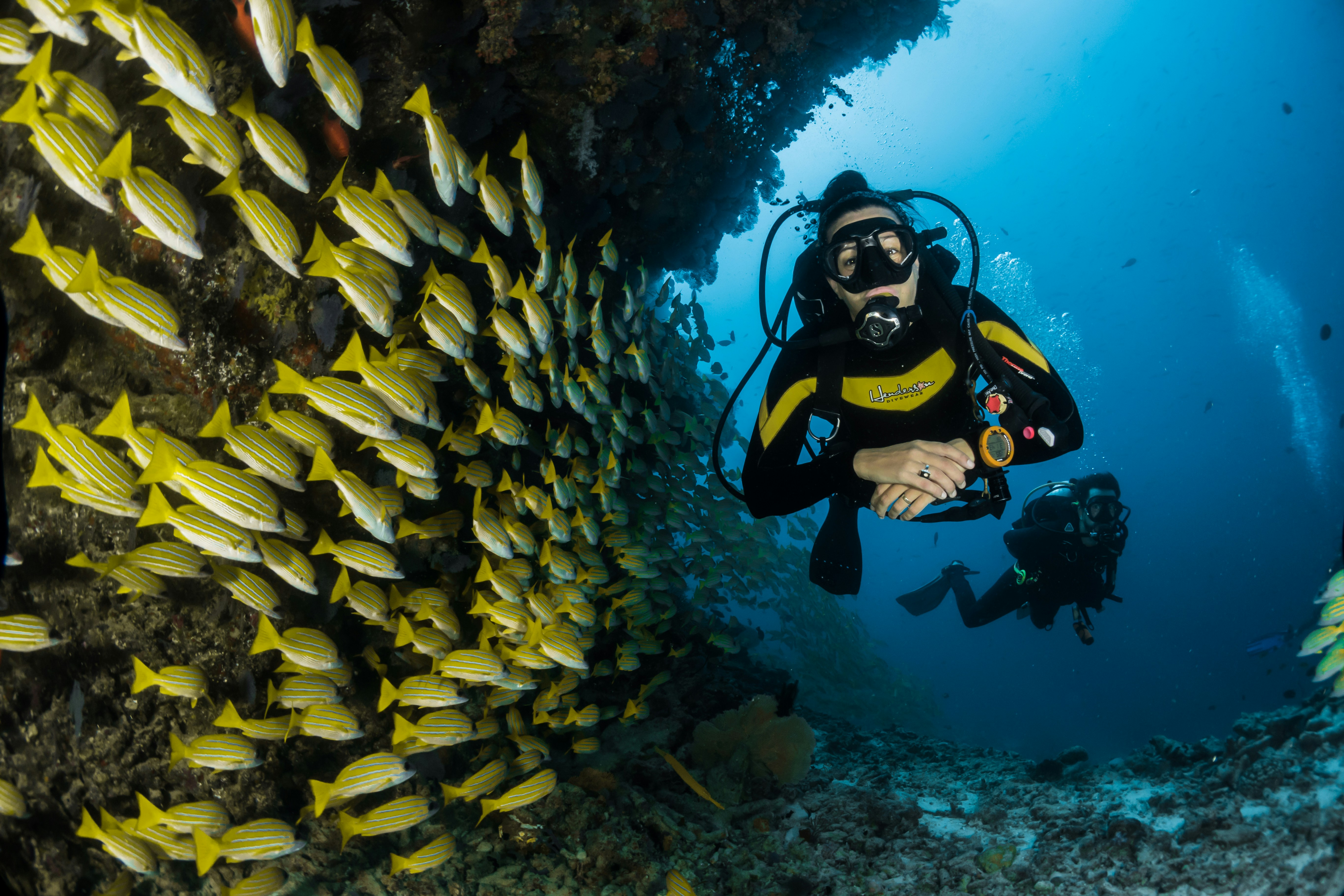
Pasir Panjang is an excellent option for travellers prioritising clear water, white sand, and organised island resort experiences.
Redang Island, located off the coast of Terengganu, is well known for its marine environment and resort accommodation. Pasir Panjang is one of its most recognised beach areas.
Snorkelling trips and diving excursions are major reasons visitors choose Redang. The surrounding waters are part of an important marine conservation area.
- Best for: Snorkelling, resort holidays, and couples.
- Access: Boat transfers commonly operate from mainland jetties, including Merang, depending on the operator.
- Activities: Snorkelling, diving, and organised island trips.
- Practical tip: Compare resort packages carefully and check what meals, transfers, and activities are included.
8. Juara Beach, Tioman Island
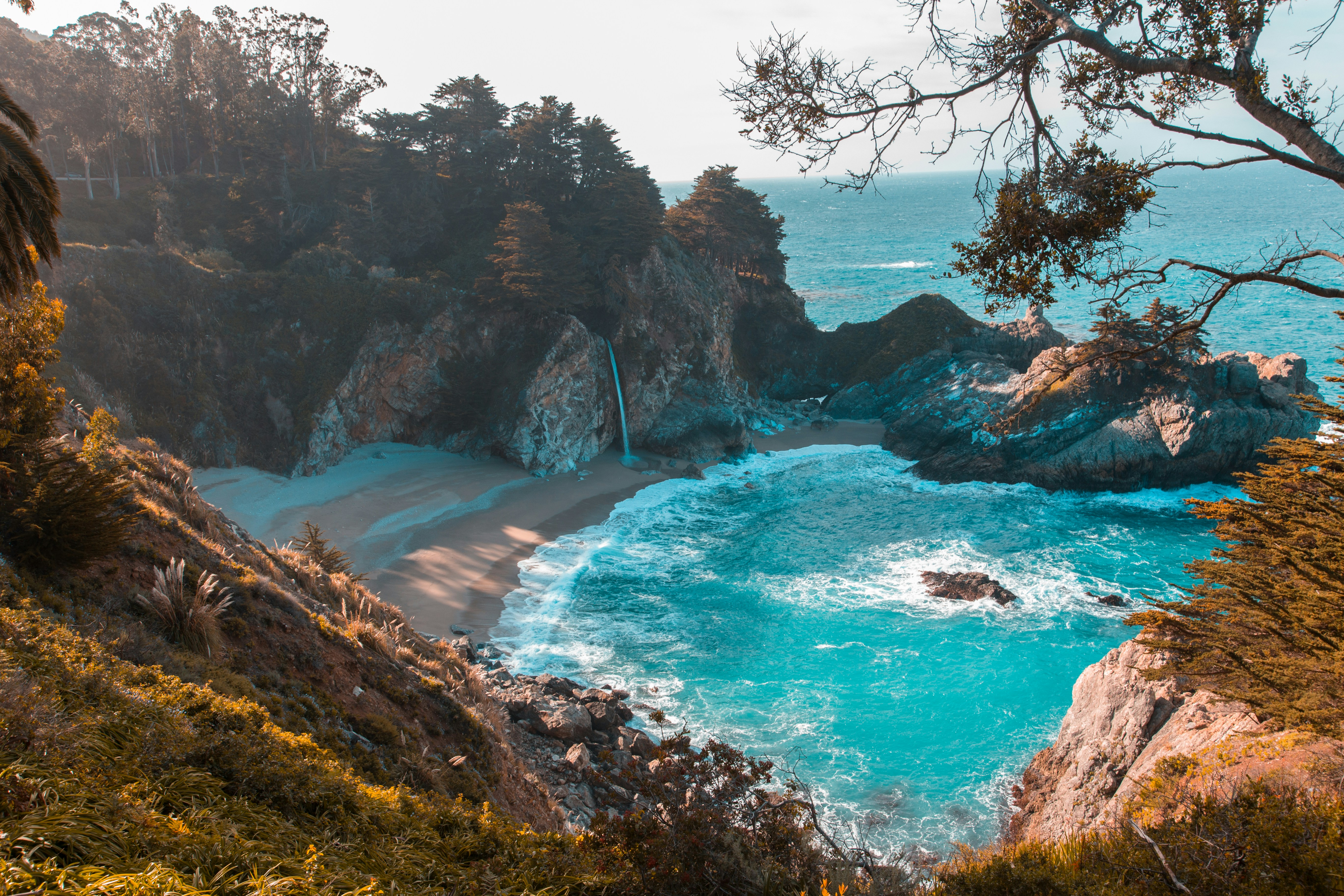
Juara Beach is a strong option for visitors who want a quieter island setting surrounded by tropical nature.
Located on the eastern side of Tioman Island, Juara offers a different atmosphere from some of the island’s busier western coastal villages.
The beach is particularly attractive to travellers interested in peaceful accommodation, coastal scenery, and a slower holiday pace.
- Best for: Nature lovers, couples, and peaceful island escapes.
- Access: Ferry connections to Tioman followed by local transport arrangements to Juara.
- Activities: Swimming in suitable conditions, nature exploration, and surfing when seasonal conditions allow.
- Practical tip: Confirm the onward journey because road and local transport arrangements can differ from other Tioman villages.
9. Salang Beach, Tioman Island
Salang Beach is worth considering for travellers who want access to island accommodation and organised diving or snorkelling activities.
Located in northern Tioman, Salang is a recognised coastal village with a relaxed island atmosphere. Its location also makes it a useful base for exploring the surrounding marine environment.
- Best for: Divers, snorkellers, and independent island travellers.
- Access: Ferry services to Tioman followed by a local boat or ground transfer depending on arrival point.
- Activities: Diving, snorkelling, and coastal relaxation.
- Practical tip: Confirm the final transfer with your accommodation before arriving.
10. Pasir Panjang, Kapas Island
Kapas Island is a useful choice for visitors who prefer a smaller island atmosphere and a relatively simple beach-focused holiday.
Located off Terengganu, Pulau Kapas is known for its coastal scenery and clear-water experiences during suitable seasonal conditions.
Its smaller scale can appeal to travellers looking for a break from larger resort destinations.
- Best for: Couples, budget-conscious island visitors, and snorkelling enthusiasts.
- Access: Boat transfers from Marang Jetty.
- Activities: Snorkelling, swimming in safe conditions, and beach relaxation.
- Practical tip: Check accommodation availability and boat operations before travelling during seasonal transitions.
11. Teluk Nipah, Pangkor Island

Teluk Nipah is a practical choice for families and travellers looking for a relatively accessible Malaysian island holiday.
Pangkor Island is located off Perak’s western coastline. Teluk Nipah offers a beach-focused environment with nearby accommodation and local services.
Compared with the more remote east-coast islands, Pangkor can be easier to incorporate into a wider road journey through western Peninsular Malaysia.
- Best for: Families, short breaks, and relaxed island holidays.
- Access: Ferry services from mainland Pangkor gateways.
- Activities: Swimming in suitable conditions, beach walks, and local boat excursions.
- Practical tip: Check ferry schedules and compare accommodation on different parts of the island.
12. Batu Ferringhi, Penang
Batu Ferringhi is a convenient choice for visitors who want a beach resort experience combined with Penang’s food, culture, and sightseeing opportunities.
Situated on Penang Island’s northern coastline, Batu Ferringhi has hotels, restaurants, and tourism facilities. It is not primarily a remote tropical island escape, but its location makes it practical for a mixed beach-and-city itinerary.
- Best for: Families, resort holidays, and combined sightseeing trips.
- Access: Road transfers from Penang International Airport or George Town.
- Activities: Beach walks, resort facilities, and organised water activities.
- Practical tip: Check recent water conditions before swimming and avoid assuming that every section is suitable for every water activity.
13. Tanjung Aru Beach, Sabah

Tanjung Aru is one of the most convenient beach destinations near Kota Kinabalu for travellers interested in sunset views.
Its proximity to the city makes it suitable for visitors who do not want to arrange an overnight island stay.
The beach is particularly popular in the late afternoon when visitors gather to enjoy the coastal scenery and changing evening light.
- Best for: Sunset photography, short visits, and city-based travellers.
- Access: Road transfer from Kota Kinabalu city and the international airport.
- Activities: Beach walks, photography, and relaxation.
- Practical tip: Allow extra time for traffic during popular evening visiting hours.
14. Manukan Island, Sabah
Manukan Island is a convenient choice for travellers who want a marine-park island experience close to Kota Kinabalu.
Manukan forms part of Tunku Abdul Rahman Park, a protected marine area containing five islands: Gaya, Manukan, Mamutik, Sapi, and Sulug.
According to Sabah Parks, Manukan is the second-largest island in the park and has developed visitor facilities, sandy beaches, and opportunities for snorkelling.
- Best for: Day trips, snorkelling, and families.
- Access: Boat services from Kota Kinabalu’s Jesselton Point area.
- Activities: Snorkelling, beach relaxation, nature trails, and picnics.
- Practical tip: Check boat return times and park entrance charges before departure.
Read the official Sabah Parks information for Tunku Abdul Rahman Park for current visitor details.
15. Cherating Beach, Pahang
Cherating is a worthwhile destination for travellers interested in surfing, coastal scenery, and a relaxed seaside atmosphere.
Located in Pahang, Cherating has a different character from the small offshore island destinations. Its mainland location makes it accessible by road, and the surrounding area offers opportunities to explore local nature and coastal attractions.
Surfing conditions are seasonal and depend on wave and weather conditions, so check local reports before arranging lessons or equipment.
- Best for: Surfing, relaxed stays, and nature-oriented trips.
- Access: Road travel from Kuantan or other locations along the east coast.
- Activities: Surfing when conditions are appropriate, beach walks, and local nature excursions.
- Practical tip: Confirm sea conditions and seasonal activity availability before booking.
How to Choose the Right Malaysian Beach for Your Holiday
The best beach is the one that matches your travel season, transport budget, accommodation expectations, and preferred activities.
Instead of choosing a destination solely because it looks attractive in photographs, compare its practical travel requirements.
1. Choose According to Your Travel Style
| Travel preference | Suggested destination | Reason |
|---|---|---|
| Family beach holiday | Pantai Cenang | Developed facilities and accommodation |
| Quiet resort escape | Datai Bay | Nature-focused surroundings |
| Budget island trip | Perhentian Kecil | Range of independent accommodation |
| Snorkelling holiday | Redang | Marine environment and organised excursions |
| Sunset photography | Tanjung Aru | Convenient coastal access near Kota Kinabalu |
| Short island getaway | Pangkor | Mainland ferry connections |
| Surfing interest | Cherating | Seasonal wave conditions |
2. Compare the Complete Travel Cost
A low hotel rate does not automatically make an island holiday affordable. Remote islands can require additional transport, boat tickets, meals, and activity charges.
Use this simple calculation:
Total beach holiday cost = Flights + Ground transfers + Boat transfers + Accommodation + Meals + Activities + Conservation charges + Emergency reserve.
For example, consider a hypothetical two-person island holiday:
| Expense | Illustrative cost |
|---|---|
| Return mainland transport | RM 160 |
| Boat transfers | RM 160 |
| Three nights accommodation | RM 600 |
| Meals | RM 240 |
| One organised activity | RM 160 |
| Estimated total | RM 1,320 |
This is a planning illustration, not a live quotation. It excludes international airfare, some local transport, and any charges not listed. Actual prices depend on travel dates and service providers.
Pro tip: Compare the final price of a resort package with the separate cost of accommodation, meals, transfers, and activities. A package can be better value when several services are included.
3. Check Marine Park Charges
Some of Malaysia’s most popular island destinations fall within protected marine parks. Visitors should account for conservation charges when estimating their travel costs.
The Department of Fisheries Malaysia lists a marine park conservation charge of RM30 for non-Malaysian adults and RM5 for Malaysian adults under its published fee schedule. Other visitor categories have different rates.
Check the official Marine Parks Malaysia conservation charge schedule before departure because charges and applicable rules may change.
4. Consider Accessibility and Boat Transfers
Langkawi, Penang, and Tanjung Aru are practical for visitors who prefer road access. Perhentian, Redang, Tioman, and Kapas require additional boat arrangements.
For island holidays, check:
- The correct departure jetty.
- Return boat schedules.
- Luggage restrictions.
- Weather-related cancellations.
- Transfer costs to your accommodation.
- Whether advance reservations are necessary.
What Does a Malaysia Beach Holiday Cost?
The cost depends mainly on the destination, season, accommodation standard, transport requirements, and number of organised activities.
Langkawi and Penang offer a broad range of accommodation and transport options. Remote island destinations may require additional boat transfers and more careful planning.
Understand the Main Expense Categories
- Flights: Compare international and domestic routes, including baggage charges.
- Accommodation: Compare guesthouses, hotels, and island resorts.
- Transfers: Include airport transport, ferries, and local journeys.
- Food: Compare hotel meal packages with independent dining.
- Activities: Budget for snorkelling, diving, and boat excursions.
- Conservation: Check applicable marine park charges.
Travellers should also consider the value of staying in one destination rather than repeatedly moving between islands. Fewer transfers can reduce expenses and leave more time for beach activities.
For accommodation comparisons, explore Hotels and Accommodations. You can also review package tours and holiday options before arranging a separate booking.
Practical 5-Day Malaysia Beach Holiday Itinerary
A five-day beach holiday works best when you select one main destination and avoid unnecessary transfers between distant islands.
Here is an example of a Langkawi-based itinerary suitable for travellers who want a mixture of beaches, sightseeing, and relaxation.
Day 1: Arrive in Langkawi
- Arrive at Langkawi International Airport.
- Arrange transport to your accommodation.
- Explore Pantai Cenang or Pantai Tengah.
- Keep the first evening relaxed.
Day 2: Explore Northern Langkawi
- Visit Tanjung Rhu.
- Explore nearby coastal scenery.
- Enjoy a relaxed afternoon.
- Check local conditions before arranging water activities.
Day 3: Nature and Island Experiences
- Arrange a suitable island or nature excursion.
- Compare activity providers and included services.
- Keep sufficient time for transfers.
Day 4: Relax at Pantai Tengah
- Spend time at the beach.
- Explore nearby restaurants and shops.
- Enjoy an unhurried evening.
Day 5: Departure
- Check out and confirm airport transportation.
- Allow sufficient time for the journey.
- Keep some flexibility for weather or transport delays.
This itinerary is an example rather than a fixed tour schedule. Visitors who want to explore Perhentian or Redang should plan a separate trip around the east-coast operating season instead of combining distant islands into an unnecessarily rushed holiday.
Essential Tips for Planning a Malaysian Beach Holiday
Good preparation helps travellers avoid seasonal closures, unexpected transfer expenses, unsuitable swimming conditions, and unnecessary booking problems.
1. Book Accommodation After Checking Seasonal Availability
Do not assume that an island resort operates throughout the year. Contact the property and confirm the actual opening dates for your stay.
2. Carry Suitable Payment Options
Some smaller islands have limited ATM access and fewer card-payment facilities. Carry an appropriate amount of Malaysian ringgit while maintaining sensible security precautions.
3. Protect Yourself From the Sun
Use suitable sun protection, drink sufficient water, and take breaks during the hottest part of the day.
4. Follow Marine Conservation Rules
Coral reefs and marine habitats are sensitive environments. Avoid standing on coral, touching marine animals, or leaving rubbish on beaches.
5. Check Swimming Conditions
Clear-looking water does not automatically mean safe swimming conditions. Check currents, waves, warning signs, and local instructions before entering the sea.
6. Compare Flights and Transfers Together
A cheap flight may arrive too late for the final boat departure. Check your arrival time, airport transfer, jetty location, and ferry schedule before purchasing separate tickets.
Compare available options through flight booking resources and airport transfer services.
7. Arrange Mobile Connectivity
Mobile coverage can differ between major tourist areas and smaller islands. Consider arranging a suitable local SIM or eSIM before leaving the mainland.
Explore international SIM card and connectivity options before travelling.
8. Consider Travel Insurance
Travel insurance may provide protection for eligible unexpected events, depending on the policy. Read exclusions and coverage limits carefully, especially for water activities and diving.
See our travel insurance resources before choosing a policy.
9. Choose Responsible Boat Operators
For snorkelling and island excursions, use operators who explain safety procedures, respect marine protection areas, and provide appropriate equipment.
10. Keep a Flexible Schedule
Weather and sea conditions can change quickly. Avoid connecting important international flights directly to a final island boat departure without allowing a suitable buffer.
Frequently Asked Questions About the Best Beaches in Malaysia
1. Which beach is the most beautiful in Malaysia?
There is no universally agreed winner. Tanjung Rhu in Langkawi is an excellent choice for coastal scenery, while Pasir Panjang in Redang and Long Beach in the Perhentian Islands are popular for tropical island landscapes and marine activities.
2. What is the best time to visit beaches in Malaysia?
For Perhentian, Redang, Tioman, and Kapas, March to October is generally the main travel season. Langkawi and other west-coast destinations are often more suitable from November to April. Always check local forecasts and operating dates.
3. Which Malaysian beaches are best for snorkelling?
Redang, the Perhentian Islands, Tioman, and Kapas are popular options for snorkelling. Water visibility depends on weather, tides, sea conditions, and the location of the reef.
4. Are Malaysian beaches suitable for family holidays?
Yes. Pantai Cenang in Langkawi, Batu Ferringhi in Penang, and Teluk Nipah in Pangkor offer useful accommodation and tourism facilities. Families should check swimming conditions and the availability of suitable facilities before visiting.
5. Are Perhentian Islands open during December?
December falls within the northeast monsoon period, when many Perhentian resorts and boat operators suspend services because of rough seas and heavy rainfall. Confirm seasonal availability before making reservations.
6. Which Malaysian beach is easiest to reach from Kuala Lumpur?
Port Dickson is one of the more accessible coastal destinations for travellers departing Kuala Lumpur. For a more developed island experience, consider Langkawi through domestic flights or other available transport connections.
7. Do visitors pay conservation fees at Malaysian marine parks?
Yes. The Department of Fisheries Malaysia publishes conservation charges for visitors to Marine Parks Malaysia. The published schedule includes different rates for Malaysian and non-Malaysian visitors, so check the current official fee information before departure.
8. Is Langkawi better than the Perhentian Islands?
Langkawi is generally more convenient for established resorts, road transport, restaurants, and flexible sightseeing. The Perhentian Islands are more suitable for seasonal island holidays focused on snorkelling, diving, and tropical coastal scenery.
9. Which Malaysian beaches are best for couples?
Datai Bay, Tanjung Rhu, Juara Beach, and quieter sections of Langkawi can suit couples looking for scenic surroundings and relaxed accommodation. The best choice depends on the season and preferred accommodation standard.
10. Can visitors swim at all Malaysian beaches?
No. Swimming suitability depends on currents, waves, weather, water quality, local restrictions, and safety conditions. Always follow local warning signs and instructions rather than assuming that a beach is safe because it is popular.
11. What should travellers pack for a Malaysia beach holiday?
Pack lightweight clothing, suitable swimwear, sun protection, comfortable footwear, a reusable water bottle, personal medication, waterproof storage, and any required travel documents. Check airline baggage rules and local accommodation facilities before departure.
12. How many days are enough for a Malaysian beach holiday?
Three to five days can be suitable for one main beach destination. Allow additional time if you plan to visit remote islands, combine multiple destinations, or include long ferry and road transfers.
Final Takeaway: Which Malaysian Beach Should You Visit?
The best beaches in Malaysia offer different experiences, and choosing the right destination starts with matching the coastline to your travel dates.
Choose Langkawi for convenient resort holidays and scenic beaches, the Perhentian Islands or Redang for seasonal snorkelling experiences, Tioman for a combination of rainforest and coastline, Pangkor for an accessible island break, and Sabah for beach experiences close to Kota Kinabalu.
Before booking, compare the full cost of transport, accommodation, activities, and conservation charges. Check the weather, seasonal closures, and local safety information so that your plans reflect actual operating conditions.
With the right preparation, Malaysia can offer a rewarding coastal holiday, whether you prefer a developed beach resort, a quiet tropical bay, or a marine-park island surrounded by beautiful natural scenery.