Backpacking Europe on a budget is easiest when you choose affordable destinations, limit unnecessary city changes, compare transportation options, and set a realistic daily spending limit before booking. A memorable European trip does not require expensive hotels or a packed schedule of paid attractions. With a practical route, affordable accommodation, and careful planning, you can experience historic cities, scenic train journeys, local markets, and beautiful landscapes without overspending.
This guide explains how to plan an affordable European backpacking trip, including a sample 10-day itinerary, an itemized budget, transport comparisons, accommodation strategies, visa expenses, and hidden costs that first-time travelers often overlook. All budget figures are illustrative estimates in euros, not live quotations or guaranteed prices.

1. How Much Does Backpacking Europe on a Budget Cost?
A 10-day backpacking trip can cost roughly €600–€1,100 within Europe before international airfare and visa expenses, depending on the countries, travel season, accommodation, and activities. Use this range as a starting point, then calculate the actual cost of your chosen route.
The biggest mistake is treating Europe as one uniform price market. Accommodation in a high-demand city can consume more of your budget than several days of meals and local transport in a less expensive destination.
For another planning perspective, compare our Europe budget travel guide before choosing your destinations.
Build your budget before booking
A useful travel budget separates major expenses so you can identify where savings will have the greatest impact. The following example assumes one traveler staying for 10 days and nine nights.
| Expense | Illustrative budget | Planning method |
|---|---|---|
| Accommodation | €225 | Average €25 per night |
| Food and groceries | €150 | Average €15 per day |
| Local transport | €45 | Public transport and walking |
| Intercity transport | €100 | Prebooked buses or suitable trains |
| Attractions | €60 | Selected paid experiences |
| Connectivity and travel extras | €35 | SIM, small fees, and essentials |
| Emergency reserve | €100 | Unexpected expenses |
| Total | €715 | Excludes international airfare and visa fees |
This example is a planning model, not a promise that every traveler can complete the route for €715. Accommodation availability, baggage charges, city taxes, exchange rates, and actual transport fares can change the total substantially.
Budget formula: Total trip cost = international airfare + accommodation + food + local transport + intercity transport + activities + required documents and insurance + emergency reserve.
Pro tip: Compare the total trip cost rather than trying to make every individual purchase as cheap as possible. Saving €20 per night on accommodation for nine nights reduces the budget by €180, which can matter more than many small daily savings.
2. Which European Destinations Are Best for Budget Backpackers?
Budapest, Kraków, Sofia, and Bucharest are useful destinations to compare when planning an affordable European backpacking route. These cities offer historic neighborhoods, public transportation, local food, and cultural attractions, although prices vary by season and location.

Budapest, Hungary
Budapest works well for travelers who want architecture, riverfront walks, public transport, and a range of accommodation choices. Explore the Danube waterfront, public squares, and historic streets before deciding which paid attractions deserve a place in your budget.
Check accommodation near a metro or tram connection rather than choosing a property based solely on its nightly rate. A slightly more expensive room can save money if it reduces repeated transport costs.
Kraków, Poland
Kraków is a strong option for travelers who enjoy historic streets, walkable sightseeing, and local food. The Old Town and surrounding historic areas can form the center of a low-cost walking itinerary.
Build your day around public spaces, architectural sights, and selected museums. Check opening hours and admission prices before visiting popular attractions.
Sofia, Bulgaria
Sofia is worth comparing if you want a European capital with historic landmarks, parks, and access to nearby natural scenery. Choose accommodation near convenient public transport and compare the cost of day trips before adding them to your itinerary.
Bucharest, Romania
Bucharest can suit travelers looking for museums, architecture, city parks, and connections to other Romanian destinations. If you want to visit Brașov or Sibiu as well, compare the additional rail or bus fares against the benefit of changing cities.
Should you include Western Europe?
You can include Western Europe on a limited budget, but expensive accommodation and intercity transport need closer attention. Lisbon, Porto, and selected smaller cities may work for a carefully priced trip, while Paris, Amsterdam, and Zurich can require a larger allowance during busy periods.
Use our guide to hidden gems in Europe for budget travelers to explore alternatives to the most heavily visited destinations.
Practical comparison: Before committing to a destination, compare the total cost of three nights of accommodation, food, local transport, and the activities you genuinely want to do. Do not assume a city is cheap simply because its country has a reputation for affordability.
3. How to Plan a 10-Day Europe Backpacking Itinerary
A 10-day European backpacking itinerary is usually more manageable with two or three bases than with a different city every day. Fewer hotel changes reduce transport costs, luggage handling, check-in delays, and time spent traveling.
Example route: Budapest, Vienna, and Kraków
This sample itinerary balances three recognizable Central European cities with time for sightseeing and practical travel connections. Confirm the current fares, journey times, and entry requirements before booking.
| Days | Base | Suggested activities | Budget approach |
|---|---|---|---|
| 1–3 | Budapest, Hungary | Historic streets, Danube waterfront, public squares | Walk where practical and use public transport |
| 4–5 | Vienna, Austria | Historic architecture, parks, public markets | Prioritize free sights and compare accommodation carefully |
| 6–9 | Kraków, Poland | Old Town, historic neighborhoods, selected museums | Use walkable sightseeing and affordable local meals |
| 10 | Departure city | Airport or station transfer and departure | Keep a reserve for transport and delays |
This is a route-planning example, not a claim that every connection is direct or inexpensive. Check the transport schedule for your dates. If Vienna-to-Kraków travel is costly or inconvenient, compare a different route before paying for accommodation.
Use the three-night rule
Staying around three nights in a destination can reduce the hidden costs of repeatedly changing accommodation. Each move may involve transport tickets, transfers, baggage storage, and time lost to check-in and check-out.
For example, an extra city change might require a €25 ticket, €10 in transfers, and €10 in luggage or other charges. That is €45 before counting lost sightseeing time. These figures are illustrative; use actual prices for your route.
Pro tip: Book the first night’s accommodation and the major transport legs before departure. Leave some flexibility for local activities, but avoid relying on last-minute transport during busy periods.
4. How to Save Money on European Trains, Buses, and Flights
The cheapest way to travel between European cities is the option with the lowest complete cost, including baggage, station transfers, reservation charges, and travel time. Compare trains, coaches, and flights for the exact route rather than assuming one transport type is always cheaper.

When should you take a train?
Trains are useful when city-center stations, convenient schedules, and reasonable advance fares make the overall journey worthwhile. They can save transfer time compared with airports located far from the city.
- Compare advance fares with flexible tickets.
- Check whether a seat reservation costs extra.
- Review luggage rules and the station’s location.
- Compare the total journey time, including connections.
Official Eurail trip-planning information can help you understand rail routes and pass options. A rail pass does not automatically include every required seat reservation or supplement.
When are buses a better option?
Long-distance buses can be good value when their total fare is substantially lower and the departure and arrival times fit your itinerary. Compare the journey duration and the cost of reaching each terminal.
An overnight bus may reduce the need for another night’s accommodation, but sleeping poorly or arriving too early for check-in can make the apparent saving less attractive.
Should you fly between European cities?
Flying makes sense when the complete airfare and airport transfers beat practical rail or coach alternatives. Include baggage fees, transfers at both airports, and any additional overnight stay required by the schedule.
For international arrivals, compare options on our flight travel resources page. Always verify baggage rules and final ticket conditions before paying.
Cost comparison example: A €35 coach plus €5 in transfers costs €40. A €25 flight plus €20 in baggage and €18 in airport transfers costs €63. In this example, the coach saves €23, although actual fares and travel times will differ.
5. How to Find Affordable Accommodation in Europe
Choose accommodation by comparing the final price, location, transport access, and essential facilities rather than selecting the cheapest nightly rate. Hostels, guesthouses, budget hotels, and private rooms can all work, depending on your priorities and group size.
Hostels versus budget hotels
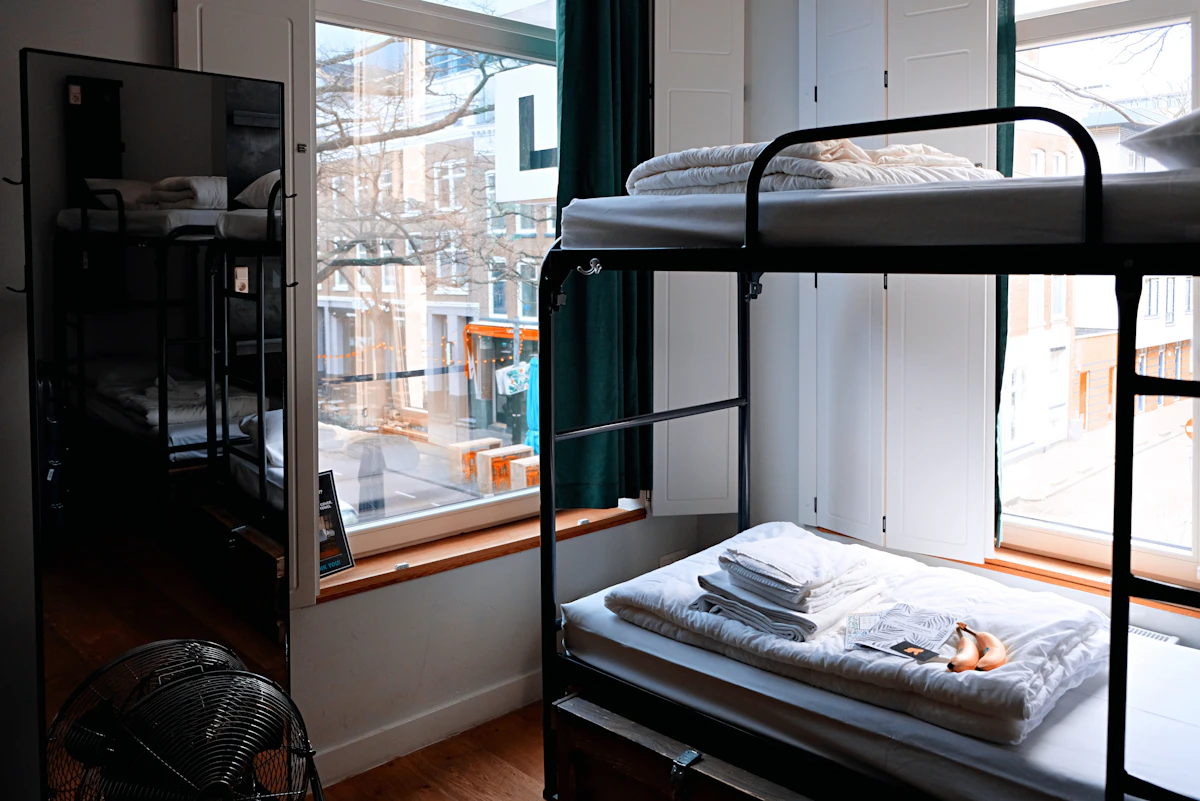
Hostels can lower costs for solo travelers, while a shared private room or budget hotel may offer better value for couples or small groups. Compare the cost per person rather than the total room price alone.
- Check whether bed linen and towels are included.
- Review kitchen access if you plan to prepare some meals.
- Confirm check-in hours and late-arrival policies.
- Calculate local taxes and cleaning charges before booking.
- Read recent reviews about noise, cleanliness, and security.
For a hotel or guesthouse, our accommodation planning resources provide a useful starting point for comparing stays.
Choose location carefully
A property near a reliable transit connection can cost less overall than a cheaper room that requires repeated paid transfers. Estimate your daily journey costs before deciding how far from the center to stay.
For example, saving €12 per night on a room for three nights saves €36. If the remote location adds €8 in transportation every day, the actual saving falls to €12 before accounting for extra travel time.
Note: Check cancellation conditions and payment deadlines. A non-refundable booking may be cheaper but can create a significant loss if your itinerary or travel documents change.
6. Save Money on Food and Sightseeing Without Missing Out
The most sustainable way to save on meals and attractions is to combine local food, supermarket essentials, free public spaces, and a few carefully selected paid experiences. Budget travel should help you spend on what matters, not force you to skip everything enjoyable.

Use a simple daily food plan
Set a daily food allowance based on local prices and divide it between breakfast, lunch, dinner, and snacks. The following €15 example is a budgeting exercise, not a guarantee that every European city offers these prices.
| Meal or expense | Illustrative allowance |
|---|---|
| Breakfast from a bakery or supermarket | €3 |
| Simple lunch | €5 |
| Dinner | €6 |
| Fruit or a small snack | €1 |
| Total per day | €15 |
In a more expensive destination, increase this allowance instead of assuming the same budget works everywhere. Check current menus, supermarket prices, and accommodation kitchen facilities.
Choose free and low-cost experiences
Walking routes, public parks, historic squares, waterfront promenades, and selected free museum days can provide memorable experiences without high admission costs. Check official attraction websites for current prices, opening hours, and reservation requirements.

Plan one or two major paid activities for each destination, then fill the remaining time with affordable experiences. Check whether city passes genuinely save money by adding up the attractions you intend to visit.
Pro tip: Reserve popular attractions when necessary, but do not buy a sightseeing pass simply because it advertises a large discount. If you visit only two included attractions, individual tickets may cost less.

8. Check European Visas, Insurance, and Mobile Connectivity
Confirm entry requirements for every country on your route before purchasing non-refundable flights or accommodation. Visa rules depend on your passport, residence, destination, transit arrangements, and length of stay.
Understand Schengen visa requirements
Travelers who require a short-stay Schengen visa generally apply through the country where they will spend the longest time, or through the first country visited when stays are equal. Always check the official rules for your nationality and itinerary.
The European Commission’s official Schengen visa guidance lists the application process, supporting documents, processing information, and standard fees. The standard fee is €90 for adults and €45 for children aged 6–12, subject to applicable exemptions and changes.
Applicants may need to provide travel medical insurance, accommodation details, evidence of financial means, and other supporting documents. Normal processing is generally 15 days, but some cases can take up to 45 days. Check appointment availability and current requirements with the relevant consulate.
Remember that not every European country belongs to the Schengen Area. Entry permission for one country does not automatically grant entry to every country on your route.
Compare insurance and mobile data
Travel insurance should match your planned activities, destination, medical needs, and cancellation risks. Review exclusions, emergency assistance, deductibles, and coverage limits rather than choosing a policy on price alone.
For mobile connectivity, compare a roaming package, local SIM, or regional eSIM. Check that your phone supports the selected service and that coverage includes the countries you plan to visit. Our SIM card and connectivity resources can help you compare available options.
Note: Visa and insurance expenses may be substantial additions to a backpacking budget. Include them separately instead of treating them as part of your daily food and transport allowance.
9. Common Backpacking Europe on a Budget Mistakes
The biggest budget mistakes are overloading the itinerary, booking based on headline prices, ignoring entry requirements, and leaving no money for unexpected costs. A few checks before departure can prevent expensive changes later.
Mistake 1: Visiting too many countries
Every additional stop can create transport expenses and lost sightseeing time. Choose fewer destinations and explore them properly instead of counting countries.
Mistake 2: Booking the cheapest accommodation without checking location
Compare nightly rates with local transportation, arrival times, and the distance to the places you want to visit.
Mistake 3: Assuming a rail pass covers every expense
Check whether reservations, supplements, and other services cost extra. Compare the pass price against the individual tickets you expect to use.
Mistake 4: Forgetting visa and transit rules
Verify entry and airport-transit requirements before booking. A low airfare is not useful if your itinerary requires documents you do not have.
Mistake 5: Using every euro for planned spending
Keep an emergency reserve and a backup payment method. Do not rely entirely on a single bank card or assume every unexpected expense will be reimbursed.
For more planning ideas, compare our guides to ways to travel Europe on a budget and building a European travel budget.
Frequently Asked Questions About Backpacking Europe on a Budget
Can I backpack Europe for €1,000?
Yes, a €1,000 budget may cover a carefully planned trip in some circumstances, but international airfare and visa expenses can make the target difficult. Start by calculating fixed costs, then choose destinations and accommodation that fit the remaining amount. Your departure country and travel dates are major factors.
What is the cheapest way to travel between European countries?
Coaches, advance-purchase trains, and selected low-cost flights can all be economical, depending on the route. Compare baggage, transfers, reservation fees, and travel time before choosing the lowest complete price.
Which European countries should first-time budget backpackers compare?
Compare destinations such as Hungary, Poland, Bulgaria, and Romania for a trip focused on cities, history, and public transportation. Check actual accommodation and transport prices for your dates because seasonal demand can change the relative cost.
How many countries should I visit in 10 days?
Two or three countries are often more manageable than five or six during a 10-day trip. Fewer stops allow more time for sightseeing and can reduce transportation, transfers, and accommodation-change costs.
Is a Eurail Pass worth buying for a budget trip?
A Eurail Pass can be useful if your planned train journeys would otherwise cost more than the pass and any required reservations. Compare individual fares, pass conditions, reservation fees, and travel dates before purchasing.
When is the best time to backpack Europe cheaply?
Shoulder seasons can offer a useful balance of lower demand and comfortable sightseeing conditions in many destinations. Compare spring and autumn dates with local events, weather, transport schedules, and accommodation prices. Savings are not guaranteed everywhere.
Do I need a Schengen visa to backpack across Europe?
Your visa requirement depends on your nationality, residence, itinerary, and length of stay. Check the European Commission’s official guidance and the relevant consulate before booking. Countries outside the Schengen Area may have separate entry requirements.
How much emergency money should I take?
Your emergency reserve should cover plausible delays, replacement transport, urgent accommodation, and essential expenses for your circumstances. A €100 reserve can be a starting example for a short budget trip, but longer journeys and complicated routes may require more.
Final Takeaway: Plan a Better European Backpacking Trip
Backpacking Europe on a budget becomes more achievable when you choose destinations strategically, minimize unnecessary travel, compare complete prices, and protect your emergency reserve. Start with a realistic spending limit, create a route with two or three main bases, and verify transport, accommodation, visa, and insurance costs before committing.
You do not need to see every famous landmark or visit every country in one trip. A thoughtfully planned itinerary can provide more time to explore, fewer travel-day expenses, and a better experience without stretching your finances.
Use The Offers Guy’s Europe budget planning guide as your next step, and confirm all live prices and official travel requirements before departure.