Austria with kids can be an excellent family holiday, combining Vienna’s interactive museums, Salzburg’s historic sights, Alpine lakes, easy nature walks, and mountain adventures. The key is to choose a few well-connected destinations instead of trying to cover the entire country in one trip.
For most families, a practical first visit combines Vienna for city attractions, Salzburg for child-friendly sightseeing, and the Salzkammergut or Zell am See region for lakes and mountain scenery. Your children’s ages, travel season, budget, and preferred pace should determine how much you include.

Why Is Austria a Good Family Holiday Destination?
Austria suits families who want a mixture of accessible cities, outdoor recreation, cultural attractions, and scenic mountain destinations. Parents can alternate museum visits and historic sightseeing with playgrounds, lake walks, cable cars, and relaxed afternoons.
Austria also has an extensive public transport network connecting major cities and many regional destinations. A rental car can still be useful for remote valleys, rural accommodation, or an itinerary involving several smaller villages.
Before choosing destinations, use these practical criteria:
- Children’s ages: Toddlers generally need shorter outings, while older children may enjoy longer hikes and interactive museums.
- Travel time: Allow time for transfers, meals, rest stops, and unexpected delays.
- Weather: Keep indoor attractions available as alternatives to mountain excursions.
- Total cost: Compare accommodation, transport, meals, attraction tickets, and optional activities.
For a broader planning framework, read The Offers Guy’s practical family travel tips before finalizing your itinerary.
What Are the Best Places to Visit in Austria With Kids?
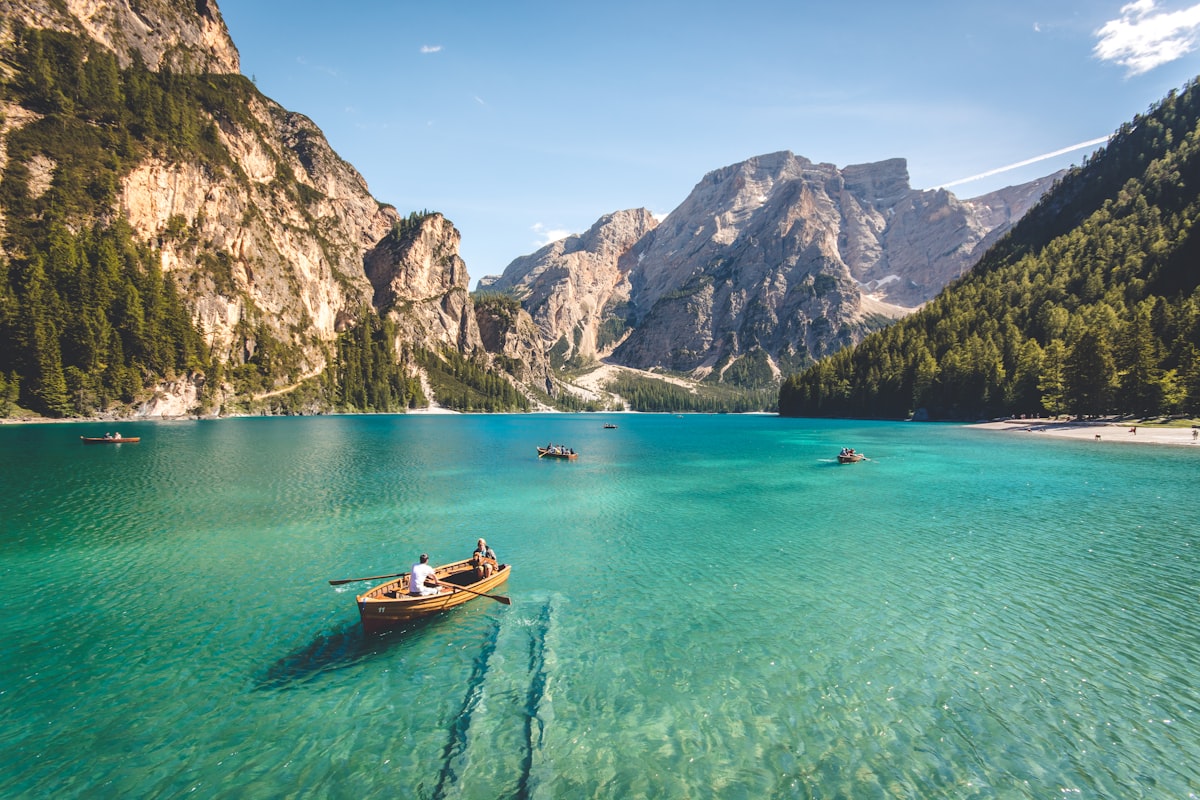
Vienna, Salzburg, and the Salzkammergut are strong choices for a first family trip, while Zell am See offers an appealing alternative for lake and mountain scenery. Choose two or three bases according to your available days rather than changing hotels every night.
| Destination | Best for | Suggested time |
|---|---|---|
| Vienna | Museums, gardens, public transport, and city attractions | 2–3 days |
| Salzburg | Historic sights, gardens, interactive museums, and family outings | 1–2 days |
| Salzkammergut | Lakeside walks, villages, swimming, and mountain views | 1–2 days |
| Zell am See | Lake activities, mountain scenery, and outdoor recreation | 2–3 days |
| Innsbruck | Mountain views, city sightseeing, and outdoor activities | 1–2 days |
These are suggested planning ranges, not minimum stays. Travel times and seasonal opening schedules will determine whether combining destinations is practical.
What Can Families Do in Vienna With Kids?
Vienna offers families a useful combination of parks, interactive museums, historic attractions, and public transport that makes city sightseeing manageable. Select one major attraction each day and leave room for outdoor play or an unplanned stop.
1. Explore Schönbrunn and its surrounding grounds
Schönbrunn is worth considering for families interested in imperial history, gardens, and nearby attractions. Choose the palace tour, gardens, or other activities according to your children’s interests and available time.
Do not assume every attraction is included in one ticket. Check the official website for current admission options, opening times, accessibility, and age-related conditions before visiting.
2. Visit the Natural History Museum or another interactive museum
An interactive museum can provide an engaging indoor activity when the weather is wet or cold. Choose exhibits that match your children’s interests rather than trying to see every gallery in one visit.
Vienna’s official tourism information lists museums with free admission for visitors under 19, subject to the individual institution’s conditions. Check Vienna’s current free activities and museum guidance before budgeting for tickets.
3. Spend time at the Prater
The Prater combines open green space with individually priced amusement rides. Entry to the Wurstelprater grounds is free, while individual rides and attractions have their own costs and operating schedules.
This makes it easier to set a spending limit: decide which rides your children want most before arriving. Check seasonal operations on the official Prater attractions website.

What Are the Best Salzburg Family Attractions?
Salzburg is a convenient choice for families who want historic streets, gardens, hands-on learning, and easy day trips without the scale of a larger capital city. Its compact sightseeing areas can help reduce the time spent moving between attractions.

4. Explore Mirabell Gardens
Mirabell Gardens offers an easy outdoor stop between Salzburg’s other sightseeing activities. Families can enjoy the landscaped grounds, take photographs, and give children a break from indoor attractions.
Allow time for a relaxed walk rather than treating the gardens as another rushed stop. Check local access information when planning around events or seasonal changes.
5. Choose the House of Nature
The House of Nature is a useful option for children who enjoy science, natural history, and interactive exhibits. It can also serve as a rainy-day alternative to outdoor sightseeing.
Check exhibitions and admission details before visiting. Salzburg’s official tourism board provides a useful overview of family-friendly sights in Salzburg, including museums, the zoo, and historic attractions.
6. Visit Hohensalzburg Fortress
Hohensalzburg Fortress gives families a chance to explore a major historic landmark while enjoying views over the city. Consider your children’s walking stamina and interest in history before deciding how much time to spend there.
Check the current access arrangements, ticket options, and opening hours. A fortress visit can work well as the day’s main activity, followed by an easy meal or an early return to your accommodation.

Where Can Families Enjoy Austrian Lakes and Mountains?
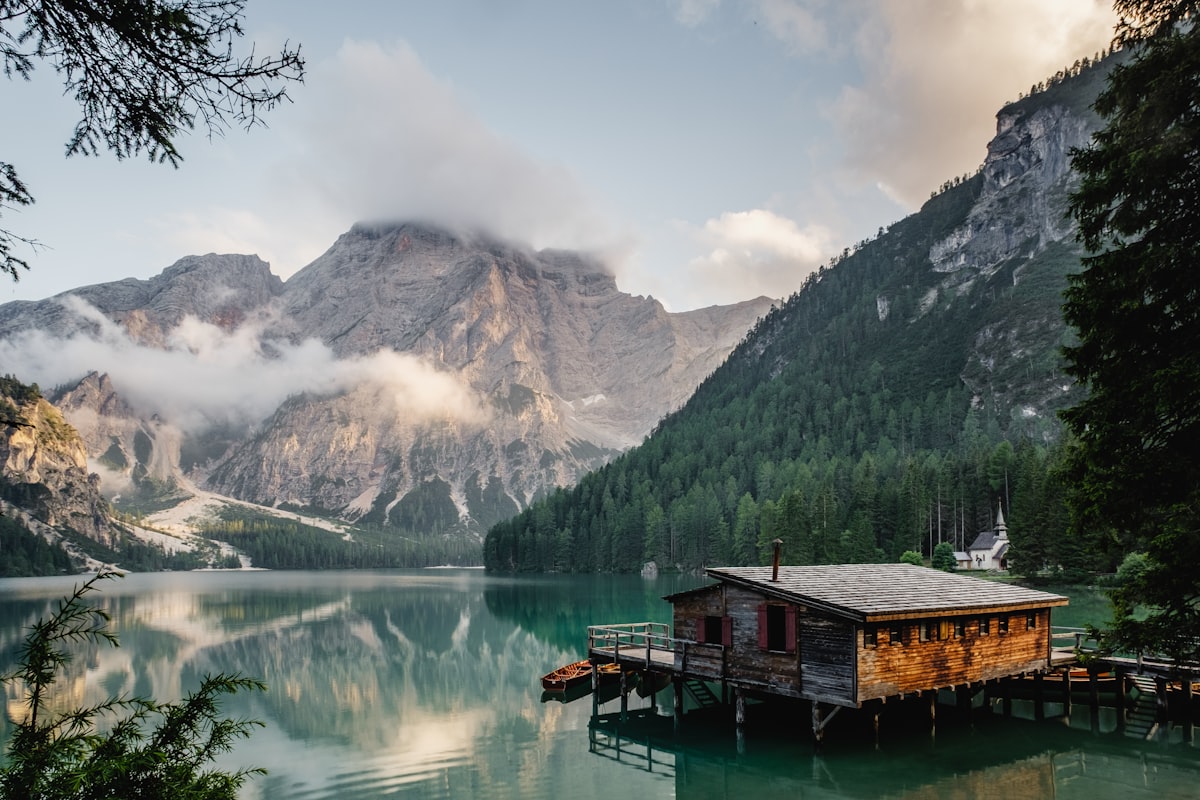
The Salzkammergut and Zell am See are good regions to investigate for lakeside scenery, family walks, swimming opportunities, and mountain excursions. The right choice depends on the season, transport connections, and whether you prefer one base or several overnight stops.
7. Explore the Salzkammergut
The Salzkammergut combines lakes, villages, and mountain scenery, making it attractive for families who enjoy relaxed outdoor holidays. Lake Wolfgangsee, Lake Attersee, and the Hallstatt area are examples worth comparing when planning a route.
Rather than trying to visit every lake, choose one or two places that fit your accommodation and transport arrangements. Some lakeside areas are more convenient for short walks, while other excursions involve longer journeys or uneven terrain.
See the official Salzkammergut regional guide for destination information and planning ideas.
8. Consider Zell am See for lake and mountain activities
Zell am See can suit families who want to combine a lakeside stay with mountain scenery and outdoor recreation. Summer activities may include lakeside walks and swimming where permitted, while winter visits require planning around snow conditions and seasonal facilities.
Before booking a mountain excursion, check cable-car operation, weather, trail difficulty, and any minimum-age or height requirements for specific activities. Mountain conditions can change quickly even when the weather in town looks pleasant.
What Is a Practical 7-Day Austria Itinerary With Kids?
A manageable seven-day itinerary can include three nights in Vienna, two nights in Salzburg, and two nights in a lake or mountain region. This outline balances city attractions with outdoor experiences, although actual travel time and your arrival airport may require adjustments.
| Day | Suggested plan | Family planning priority |
|---|---|---|
| 1 | Arrive in Vienna and take an easy local walk | Recover from travel |
| 2 | Choose one major museum or Schönbrunn visit | Keep the afternoon flexible |
| 3 | Explore the Prater or a city park | Balance attractions and play |
| 4 | Travel to Salzburg and explore the old town | Allow time for transfers |
| 5 | Visit Mirabell Gardens and one main attraction | Choose activities by age |
| 6 | Travel to a selected lake region or stay in Salzburg for a day trip | Check connections and weather |
| 7 | Enjoy a short walk before departure, if time permits | Allow a safe airport buffer |
Important: The itinerary is a planning template, not a guarantee that every transfer will be convenient on your dates. Check train schedules and connections before booking non-refundable accommodation.
For help comparing the transport options, visit The Offers Guy’s trains and buses guide and airport transfer resources.
When Is the Best Time to Visit Austria With Children?
Late spring through early autumn is a practical period for families prioritizing city walks, lakes, and mountain scenery, while winter suits families planning snow activities. The best dates depend on school holidays, regional weather, and the attractions you want to visit.
- Spring: Gardens and city sightseeing can be pleasant, but mountain weather may remain unpredictable.
- Summer: Lake activities and many hiking routes are available, although popular places can be busy and accommodation may cost more.
- Autumn: Cooler weather and seasonal scenery can suit city breaks and selected walks; check mountain access before travelling.
- Winter: Snow destinations may offer skiing and winter activities, but daylight is shorter and suitable clothing is essential.
For family hiking, consult Austria’s official guide to hiking with children. Choose routes by distance, elevation, trail conditions, and the abilities of everyone in the group.
How Much Does an Austria Family Holiday Cost?
The cost of a family trip to Austria depends on travel dates, accommodation, transport, children’s ages, and paid attractions. Build a trip budget using current prices rather than relying on a single average that may not reflect your family’s needs.
Use this formula to estimate the full cost:
Total family trip cost = flights + accommodation + intercity transport + local transport + meals + attractions + insurance + contingency.
For example, if a hypothetical family estimates $1,000 for flights, $1,200 for lodging, $350 for transport, $600 for meals, $300 for attractions, and $250 for insurance and contingency, the working budget is $3,700. These figures are an illustration, not a quote for Austria.
Ways to control family travel spending
- Compare accommodation prices for the full stay, including taxes and extra beds.
- Choose accommodation near public transport to reduce unnecessary transfers.
- Check whether a city or regional pass is worthwhile for the attractions you will actually visit.
- Mix paid attractions with parks, gardens, and walks.
- Compare the full cost of a rental car against train tickets, parking, and local transfers.
- Keep a contingency amount for weather changes or unexpected travel expenses.
Children’s fares and free-admission rules depend on age, transport operator, date, and location. Vienna, for example, has specific free-travel conditions for children on certain days and during school holidays. Verify the current rules on the official Vienna transport ticket guide.
Compare lodging through The Offers Guy’s hotel and accommodation resources before settling on a location.
How Should Families Get Around Austria?
Trains and public transport are practical for many city-to-city itineraries, while a rental car can help families reach rural accommodation and less accessible attractions. The best option is the one that minimizes total travel time, transfers, and cost for your particular route.
| Transport option | Best use | What to check |
|---|---|---|
| Train | Major cities and many regional routes | Schedules, seat reservations, luggage, and transfers |
| Bus | Regional connections and selected villages | Frequency, journey duration, and weekend service |
| Rental car | Rural routes and flexible family road trips | Child restraints, parking, insurance, and road rules |
| Local transit | City sightseeing | Child fares, ticket validity, and passes |
Book transport after mapping your overnight stays. A low-cost ticket may be less convenient if it involves multiple changes with tired children and luggage.
For self-drive plans, compare the options in car and bike rentals. Families arriving by air should also compare flight options and airport connections.
Where Should Families Stay in Austria?
Families should prioritize convenient locations, suitable sleeping arrangements, clear pricing, and access to food and transport over decorative features alone. A well-located apartment or family room can make daily routines much easier, especially with toddlers.
Before booking, check:
- Whether the room accommodates every family member comfortably.
- Whether a cot, extra bed, or kitchenette is available and whether it costs extra.
- How far the property is from the station or planned attractions.
- Whether breakfast, cleaning, parking, and local taxes are included.
- The cancellation policy and check-in arrangements.
For families moving between Vienna, Salzburg, and the lakes, compare the cost of changing hotels against the convenience of making day trips from one base. Fewer hotel changes can reduce packing time and travel stress.
What Should You Pack for Austria With Kids?
Pack versatile layers, comfortable walking shoes, weather protection, essential documents, and a small day bag that meets your children’s daily needs. The exact list should reflect the season, altitude, and activities planned.

- Comfortable walking shoes and spare socks.
- Lightweight layers and waterproof jackets.
- Sun protection and reusable water bottles.
- Passports, booking confirmations, and appropriate travel documents.
- Necessary medication and a basic first-aid kit.
- Snacks, small activities, and a change of clothes for younger children.
- Chargers, offline maps, and essential travel information.
Review your mobile connectivity options through SIM cards and travel connectivity resources so maps, bookings, and transport information remain accessible when needed.
What Mistakes Should Families Avoid in Austria?
The biggest planning mistakes are packing too many destinations into a short trip, underestimating transfers, and assuming every attraction operates year-round. A slower itinerary often delivers better value because families have more time to enjoy each place.
- Changing hotels too often: Select a few bases and explore nearby attractions.
- Ignoring seasonal schedules: Confirm cable cars, museums, lake services, and mountain routes before travelling.
- Overlooking extra costs: Include baggage, local transit, meals, parking, and optional activity fees.
- Choosing unsuitable hikes: Check elevation, terrain, distance, weather, and exit options.
- Planning every hour: Leave room for meals, rest, playgrounds, and unexpected delays.
- Assuming child discounts are universal: Verify each attraction’s age rules and transport operator’s fare conditions.
Families travelling internationally should also check visa and entry requirements for every traveller, including children, through the relevant official authorities before booking non-refundable arrangements.
Final Takeaway: Plan a Better Austria Family Holiday
The best Austria family itinerary balances city attractions, outdoor experiences, comfortable accommodation, and enough downtime for children to enjoy the trip. Start with Vienna and Salzburg, then add one lake or mountain region if your available days and budget allow.
Choose attractions that match your children’s interests, confirm seasonal schedules, compare the complete cost of transport and accommodation, and keep a backup plan for poor weather. With a realistic pace, Austria can offer a rewarding mix of culture, nature, and family adventure.
Frequently Asked Questions About Austria With Kids
These answers cover the practical questions families should settle before choosing dates, accommodation, and attractions. Select a question to reveal its answer.
Is Austria good for a first international trip with children?
Austria can be a good choice for families who enjoy city sightseeing and outdoor activities. Start with a manageable route, confirm transport connections, and choose accommodation near the places you plan to visit.
How many days are enough for Austria with kids?
Seven days can provide time for Vienna, Salzburg, and one nearby nature region, but the best duration depends on flight schedules and children’s ages. A shorter trip is often more enjoyable when it focuses on one or two destinations.
Which Austrian city is best for families with young children?
Vienna and Salzburg are useful starting points. Vienna offers museums, gardens, and extensive public transport, while Salzburg has a compact historic centre and several child-friendly attractions.
Can families travel around Austria without renting a car?
Yes. Trains and buses connect many major destinations, and local public transport can make city sightseeing straightforward. A rental car may be more convenient for remote accommodation or rural excursions.
What is the best season for Austrian lakes with children?
Summer is generally the most practical season for combining lake visits with hiking and outdoor activities. Check local swimming facilities, water conditions, weather forecasts, and seasonal transport before travelling.
Are public transport discounts available for children in Austria?
Child fares and free-travel rules vary by transport operator, age, location, and date. Review the official ticket rules for each city and train service before buying tickets.
Is Hallstatt worth visiting with children?
Hallstatt can be worthwhile for families interested in lakeside scenery and a historic village. Check travel connections, expected crowds, walking routes, and the opening status of any specific attraction you intend to visit.
How can families keep an Austria holiday affordable?
Compare accommodation for the full stay, use public transport where practical, balance paid attractions with free outdoor activities, and plan meals around your family’s needs. Verify family tickets and children’s discounts rather than assuming they apply everywhere.
What should families check before an Alpine excursion?
Check the forecast, trail difficulty, elevation, transport access, cable-car operating status, and the abilities of every family member. Carry suitable layers and water, remain on marked paths, and turn back if conditions deteriorate.