The best time to visit London depends on your budget, weather preferences, sightseeing plans, and tolerance for crowds. April to May and September to early October are excellent starting points for travelers who want a balance of comfortable sightseeing, seasonal scenery, and manageable crowds. January to March can suit budget-conscious visitors, while June to August offers long daylight hours and a busy outdoor calendar.
There is no single perfect month for everyone. This guide compares London’s four seasons, explains the trade-offs between weather and cost, and helps you choose travel dates that fit your itinerary rather than relying on a generic recommendation.
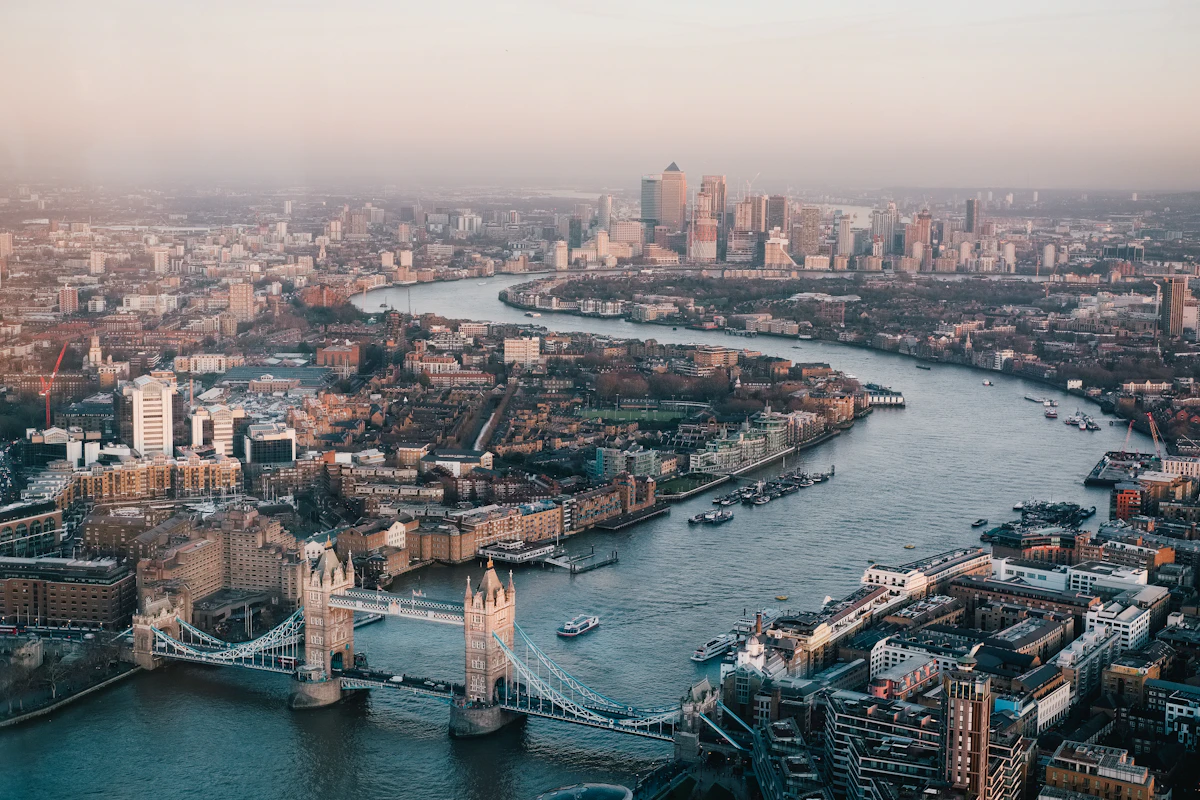
1. What Is the Best Time to Visit London?
April, May, September, and early October are strong choices for a balanced London city break, while January and February are worth considering for lower-cost travel. Your ideal dates depend on which matters most: weather, hotel prices, attractions, or a quieter experience.
London’s temperate climate allows sightseeing throughout the year. However, daylight, rainfall, public holidays, school breaks, and accommodation demand affect what you can comfortably do in one day.
- Best overall balance: May and September, subject to event calendars and hotel demand.
- Best for long daylight: June and early July.
- Best for budget flexibility: January to March, excluding major event dates and school breaks.
- Best for autumn scenery: October, especially in London’s parks.
- Best for festive displays: Late November and December.
- Best for outdoor sightseeing: Late spring and summer, with a weather backup.
These are planning recommendations, not guaranteed price or weather predictions. Compare your exact dates before booking, and check the official Visit London seasonal guide for current destination information.

2. London Weather by Season: What Should You Expect?
London has changeable weather, so comfortable sightseeing depends on layers, rain protection, and a flexible itinerary rather than a guaranteed sunny forecast. The seasonal differences are still useful for deciding when to travel.
The Met Office publishes long-term climate averages that help explain the seasonal pattern. Its 1991–2020 figures for Kew Gardens, in southwest London, show average maximum temperatures of approximately 12.9°C in April, 16.1°C in May, 20.9°C in July, and 14.0°C in October. These are climate averages, not forecasts for your travel dates.
See the Met Office climate averages for Kew Gardens to explore the monthly figures.
| Period | Typical conditions | Best suited to | Main trade-off |
|---|---|---|---|
| March–May | Cool to mild, with increasing daylight | Parks, walking, museums, and mixed itineraries | Unpredictable showers and chilly mornings |
| June–August | Generally warmer, with long days | Outdoor attractions and extended sightseeing | Higher demand, queues, and occasional heat |
| September–November | Mild at first, then cooler and darker | Culture, parks, museums, and seasonal displays | Shortening days and autumn rainfall |
| December–February | Cold, damp, and often overcast | Museums, indoor attractions, and festive experiences | Limited daylight and possible transport disruption |
Pro tip: Check the forecast again several days before departure and each morning during your stay. Climate averages help you select a season, but only a current forecast can guide that day’s clothing and outdoor plans.
3. Visit London in Spring: March to May

Spring is an excellent option for travelers who want improving daylight, blooming gardens, and a mix of outdoor and indoor activities. May is often a particularly useful compromise, although bank holidays and school breaks can increase demand.
4. Choose May for a Balanced City Break
May provides more daylight than early spring and generally milder conditions for walking between landmarks. You can combine Westminster, the South Bank, Covent Garden, and a park visit without planning every activity around the coldest part of the day.
For example, begin with Westminster in the morning, walk along the Thames, and spend the afternoon exploring a museum or garden. This approach limits unnecessary cross-city journeys while preserving flexibility if the weather changes.
Before choosing dates, check UK bank holidays and school holiday calendars. A public holiday may affect shop opening times, transport services, or attraction demand.
5. Plan for Spring Showers and Easter Crowds
Spring weather can change within a single day, and Easter is not always a quiet period. Attractions popular with families may become busy during school holidays even when the wider tourist season has not reached its peak.
- Carry a compact umbrella or lightweight waterproof jacket.
- Book timed-entry attractions for your preferred morning or afternoon.
- Keep one indoor alternative near each outdoor sightseeing area.
- Check public transport arrangements around bank holidays.
Spring works particularly well for first-time visitors who want to see major landmarks without committing every day to outdoor activities. For a practical sightseeing shortlist, use our guide to 21 amazing things to do in London.
6. Visit London in Summer: June to August

Summer is best for travelers who prioritize long daylight hours, parks, outdoor events, and a fuller sightseeing schedule. It is also one of the busiest periods, so accommodation and popular attractions deserve early attention.
7. Use June and Early July for Long Days
June approaches the year’s longest days, making it easier to fit outdoor sightseeing into a single day. You can visit a major landmark in the morning, explore a neighborhood in the afternoon, and enjoy a riverside walk later in the evening.
Long daylight does not mean every attraction stays open late. Check individual opening hours and reserve timed experiences where necessary.
A useful route is to group Westminster and the South Bank together, then choose a separate day for the Tower of London, Tower Bridge, and nearby riverside areas. For more ideas, see our practical guide to planning your trip.
8. Manage Summer Crowds and Higher Costs
June through August generally attracts more visitors, particularly during school holidays and major events. Popular landmarks can have busy entry periods, and well-located accommodation may cost more than it does during quieter months.
Use this booking sequence:
- Choose dates after checking event and school holiday calendars.
- Compare the total price of accommodation, including taxes and fees.
- Reserve high-priority timed attractions.
- Plan outdoor sightseeing early in the day when practical.
- Keep a museum or other indoor option available during hot or wet weather.
Summer can also bring occasional heatwaves. Carry water, take breaks, and check current weather warnings rather than assuming the city’s usual mild conditions will always apply.
Note: Summer is not automatically the best season for every traveler. If you dislike crowds or have a tight budget, late spring or early autumn may provide a better overall experience.
9. Visit London in Autumn: September to November

September and early October are strong choices for visitors who want to enjoy London after the summer peak while retaining opportunities for outdoor exploration. Conditions gradually become cooler, and daylight decreases as autumn progresses.
10. Choose September for a Summer-to-Autumn Balance
September can offer a useful middle ground between summer’s long days and autumn’s quieter atmosphere. Early in the month, outdoor sightseeing remains practical, while some tourist areas may become less busy after the main school holiday period.
Build your schedule around nearby attractions rather than crossing the city repeatedly. For example, combine a morning in Greenwich with its park and local sights, or dedicate a day to Westminster and the South Bank.
Do not assume September is always inexpensive. Large events, conferences, exhibitions, and popular weekends can increase hotel prices. Compare several date combinations before making a non-refundable booking.
11. Visit in October or November for Seasonal Atmosphere
October brings changing foliage and cooler weather, making the city’s parks attractive additions to a sightseeing plan. November introduces shorter days and the start of festive displays in many central areas.
Autumn is also useful for a museum-and-neighborhood itinerary. Start outdoors while daylight is available, then schedule indoor attractions, exhibitions, or a theatre performance later in the day.
- Pack layers and a waterproof outer jacket.
- Check sunset times before planning long walking routes.
- Look for school holiday dates that may increase family travel.
- Confirm seasonal event dates rather than relying on previous years.
For official seasonal suggestions, consult Visit London’s autumn guide. Event schedules can change from year to year, so verify details before purchasing tickets.
12. Visit London in Winter: December to February

Winter suits visitors who prefer museums, indoor attractions, seasonal displays, and potentially lower travel costs outside major holiday periods. The main trade-offs are colder conditions, limited daylight, and the possibility of holiday-related service changes.
13. Decide Between December and January
December is attractive for festive lights, seasonal markets, decorations, and special events. However, demand can rise sharply around Christmas and New Year’s Eve, so winter does not guarantee a cheap trip.
January is often a better starting point for travelers prioritizing value, especially after the main holiday period. Many indoor attractions remain useful in cold weather, and shorter daylight encourages a more structured daily itinerary.
February can also suit a quieter visit outside school half-term dates. Check the calendar before choosing a week, particularly if you want to avoid family holiday crowds.
14. Prepare for Short Days and Holiday Transport Changes
Winter sightseeing works best when you schedule outdoor landmarks during daylight and keep indoor experiences for later. Do not assume that normal transport frequency or attraction hours will apply on Christmas Day, Boxing Day, or New Year’s Day.
- Check transport services for your exact travel dates.
- Confirm attraction opening hours before setting out.
- Reserve accommodation early for festive weekends.
- Pack a warm coat, comfortable shoes, and rain protection.
- Leave extra time for journeys if disruption is announced.
For official visitor information and seasonal updates, start with the London visitor information guide.
15. When Is the Cheapest Time to Visit London?

January to March is often a useful period to investigate for lower-cost London travel, but the cheapest dates depend on events, accommodation demand, flight routes, and school holidays. The first weeks of January can differ considerably from dates around a major event or half-term break.
The right comparison is not simply summer versus winter. It is the total cost of two specific itineraries.
A Practical Formula for Comparing Travel Dates
Calculate your estimated trip cost using this formula:
Total trip cost = flights + accommodation + local transport + attractions + food + other planned expenses.
For example, imagine two hypothetical three-night trips:
| Expense | Quieter dates | Peak dates |
|---|---|---|
| Return flights | £180 | £260 |
| Three nights of accommodation | £360 | £510 |
| Local transport | £45 | £45 |
| Attractions | £100 | £100 |
| Food and miscellaneous spending | £150 | £150 |
| Total | £835 | £1,065 |
In this illustrative example, the quieter-date itinerary costs £230 less, or approximately 21.6% below the peak-date total. These figures are examples for budgeting, not live London prices or a prediction of actual savings.
Use The Offers Guy’s hotel and accommodation resources and flight resources to organize your comparison. Verify current prices, cancellation terms, baggage charges, and taxes with the provider before paying.
16. What Is the Best Time to Avoid London Crowds?
January to early March and September to early November can offer quieter periods, provided you avoid major events and school holidays. The experience varies by neighborhood and attraction, so quieter travel dates do not mean every landmark will be empty.
For a more relaxed visit:
- Check UK school holiday dates for the relevant year.
- Avoid major event weekends if your dates are flexible.
- Visit popular attractions early or choose a timed entry slot.
- Explore well-known neighborhoods on weekday mornings when practical.
- Keep one flexible block in the itinerary for places that become busy.
London’s central attractions can be busy year-round, particularly during weekends and public holidays. Instead of trying to eliminate crowds entirely, focus on avoiding the busiest periods at the specific places you want to visit.
17. Which Months Have the Most Daylight in London?

June has the longest days in London, making it particularly attractive for travelers who want more daylight for outdoor sightseeing. Daylight decreases through autumn and winter, so the same itinerary may need to start earlier during the colder months.
Longer daylight can help you fit in a riverside walk, park visit, or neighborhood exploration after a major attraction. It does not extend official opening hours, so check each venue separately.
Use this simple planning approach:
- Spring and summer: Put outdoor landmarks and walks into your daylight hours.
- Autumn: Start outdoor activities earlier and schedule indoor visits later.
- Winter: Prioritize daylight-sensitive sights and keep museums or galleries as afternoon options.
Check sunrise and sunset times for your exact dates rather than relying on a general seasonal estimate. This is particularly useful when planning photography, long walks, or a short city break.
18. How Do London Events and School Holidays Affect Travel Dates?
Major events, public holidays, and school breaks can affect accommodation prices, attraction queues, and transport demand regardless of the season. Check the calendar before you choose a hotel or purchase non-refundable travel tickets.
London’s annual calendar can include major sporting events, exhibitions, flower shows, theatre productions, summer festivals, and festive displays. Their dates, ticket availability, and effects on visitor demand vary each year.
Use this booking checklist:
- Check the official London events calendar for your intended month.
- Confirm UK bank holidays and school breaks.
- Compare hotel prices across nearby dates.
- Check whether your chosen attraction requires advance reservations.
- Review transport notices if an event could affect your route.
For month-specific inspiration, use Visit London’s month-by-month events guide. Treat it as a starting point and confirm important details with the event organizer.
19. A Practical Three-Day London Plan for Different Seasons
The most efficient London itinerary groups nearby attractions and adjusts outdoor activities to daylight and weather. This reduces unnecessary travel and gives you alternatives when conditions change.
Spring: Landmarks and Gardens
- Day 1: Explore Westminster, see the main riverside landmarks, and walk along the South Bank if the weather allows.
- Day 2: Visit a major museum, explore Covent Garden, and leave time for a nearby neighborhood.
- Day 3: Choose a park or garden, then keep an indoor attraction as a backup.
Summer: Outdoor Sightseeing and Long Evenings
- Day 1: Start early around Westminster and continue along the Thames.
- Day 2: Explore the Tower of London and Tower Bridge area, checking ticket times in advance.
- Day 3: Visit a park or Greenwich and use the long evening daylight for a relaxed walk.
Autumn: Neighborhoods and Culture
- Day 1: Explore central landmarks and complete outdoor activities before late afternoon.
- Day 2: Visit museums, galleries, or a booked cultural experience.
- Day 3: Explore a park or market and keep a flexible indoor alternative.
Winter: Indoor Attractions and Seasonal Displays
- Day 1: See major central landmarks during daylight, then choose an indoor evening activity.
- Day 2: Focus on museums, galleries, or another indoor attraction.
- Day 3: Explore a neighborhood, check seasonal displays, and verify transport schedules.
These are sample frameworks, not fixed schedules. Check opening hours, ticket availability, accessibility, and journey times before finalizing each day. For more destination ideas, browse our city guides for first-time visitors.
20. What Should You Pack for London in Each Season?

Pack lightweight layers, comfortable walking shoes, and rain protection in every season, then adjust warmth and sun protection to your travel dates. The best packing list supports a full day of walking without requiring a complete outfit change whenever the weather shifts.
| Season | Useful items | Practical reason |
|---|---|---|
| Spring | Light jacket, layers, compact umbrella | Temperatures and conditions can change during the day. |
| Summer | Breathable clothing, sun protection, water bottle | Long walks and occasional hot weather. |
| Autumn | Waterproof outer layer, warmer top, comfortable shoes | Cooler evenings and shorter daylight. |
| Winter | Warm coat, insulating layers, scarf, rain protection | Cold, damp conditions and longer indoor breaks. |
Do not overpack for every possible weather condition. Check the forecast close to departure, plan for the most likely conditions, and bring one practical backup layer.
21. Common Mistakes When Choosing London Travel Dates
The biggest planning mistakes are choosing dates based only on weather, assuming off-season always means cheap, and ignoring event calendars or daylight. A better decision considers the full trip experience.
- Booking summer solely for the weather: Summer can still be wet, and occasional heat can make long outdoor walks uncomfortable.
- Assuming winter is always inexpensive: Christmas, New Year’s Eve, and special events can increase demand.
- Ignoring school holidays: Half-term and Easter breaks can make popular attractions busier.
- Planning too many distant attractions: Extra journeys reduce the time available for sightseeing.
- Using climate averages as a forecast: Long-term averages describe patterns, not the weather on a particular date.
- Forgetting total trip costs: Compare accommodation, transport, attractions, taxes, and cancellation conditions together.
The best solution is to choose your priorities first, compare a few date ranges, check official information, and build a flexible itinerary before making non-refundable commitments.
Final Verdict: When Should You Book a London Trip?
Choose May or September for a balanced first visit, June for long daylight, January to March for potential budget opportunities, and December for festive experiences. These are useful starting points rather than guarantees: actual prices, weather, crowds, and event schedules vary by date.
Before booking, compare the full trip cost, check school holidays and major events, review accommodation locations, and verify attraction hours. A well-planned visit can be enjoyable in any season when the itinerary matches the conditions.
For more planning help, explore The Offers Guy’s destination visit planning guide and accommodation resources.
Frequently Asked Questions
Choose a question below to expand the answer.
What is the best month to visit London for the first time?
May and September are strong choices for first-time visitors because they can offer a useful balance of daylight, sightseeing conditions, and seasonal activities. Check the forecast, school holidays, and hotel prices for your specific dates before booking.
What is the cheapest time of year to visit London?
January to March is often worth comparing for lower-cost travel, particularly outside major events and school breaks. The actual cheapest dates depend on flight routes, hotel demand, and the length of your stay.
When is London warmest for outdoor sightseeing?
July and August are generally among London’s warmest months, with June also offering long daylight. Warm weather is not guaranteed, so check the forecast and keep an indoor alternative available.
Which months are best for avoiding tourist crowds in London?
January to early March and September to early November can be quieter than peak summer periods. Avoid major event dates, school holidays, and busy weekends at the attractions you most want to visit.
Is April a good month for visiting London on a budget?
April can be a good option, but Easter and school holidays may increase demand. Compare dates on both sides of the holiday period and check accommodation prices before deciding.
Does it rain all the time in London?
No. London experiences rainfall throughout the year, but conditions vary from day to day and month to month. Carry a compact umbrella or waterproof jacket and use the current forecast to plan outdoor activities.
Is December worth visiting London for Christmas lights?
Yes, December can be rewarding for festive displays and seasonal activities. It can also be busy and expensive around key holiday dates, so check event schedules, transport arrangements, and accommodation costs before booking.
How many days are enough for a London city break?
Three days can cover a useful selection of central landmarks, museums, and neighborhoods, while four to five days allow more time for additional attractions and a relaxed pace. The right length depends on your interests, budget, and travel time.
What should I check before choosing London travel dates?
Compare expected weather, flight and accommodation costs, public holidays, school breaks, attraction availability, daylight, and transport arrangements. Verify changeable details with official sources before paying for non-refundable bookings.
Editorial note: Seasonal descriptions and climate averages are planning guidance, not a forecast or a guarantee of prices. Verify current conditions, attraction schedules, event dates, and transport information before traveling.