The Chimney Rock Trail Capitol Reef National Park hike is a 3.6-mile loop in southern Utah with approximately 590 feet of elevation gain, steep initial switchbacks, exposed terrain, and sweeping views of the Waterpocket Fold. The National Park Service classifies the loop as strenuous, so hikers should prepare for a sustained climb rather than treat it as an easy scenic walk.
This guide explains where to start, how long the hike takes, what the route feels like, when to visit for sunset, and how to plan a safer trip. It also covers parking, water, family considerations, photography, and common mistakes that can make a desert hike more difficult than expected.

1. Chimney Rock Trail Capitol Reef National Park: Trail Overview
The Chimney Rock Loop is a strenuous 3.6-mile round-trip hike with about 590 feet of elevation gain and panoramic views of Capitol Reef’s distinctive sandstone landscape. It is a strong choice for hikers who want a rewarding viewpoint without committing to a full-day backcountry route.
The trailhead sits along Utah State Route 24, west of the Capitol Reef visitor center. The route climbs from the roadside through steep switchbacks before reaching higher ground and following a loop across an exposed ridge and mesa landscape.
| Trail detail | What to know |
|---|---|
| Location | Capitol Reef National Park, Utah |
| Distance | 3.6 miles round trip (5.9 km) |
| Elevation gain | Approximately 590 feet (180 m) |
| Difficulty | Strenuous, according to the NPS |
| Typical hiking time | About 2–3 hours, allowing extra time for breaks |
| Trail type | Loop with a steep initial ascent |
| Shade | Limited; much of the route is exposed |
| Dogs | Not permitted on park hiking trails |
| Park access | Check current entrance fees and alerts before visiting |
These figures are planning estimates, not a guarantee of your hiking time. Fitness, temperature, elevation, trail conditions, and photo stops all affect how long the loop takes.
Consult the official Capitol Reef National Park trail guide before departure for the park’s difficulty ratings and current hiking guidance.
2. What Is the Chimney Rock Loop Like?
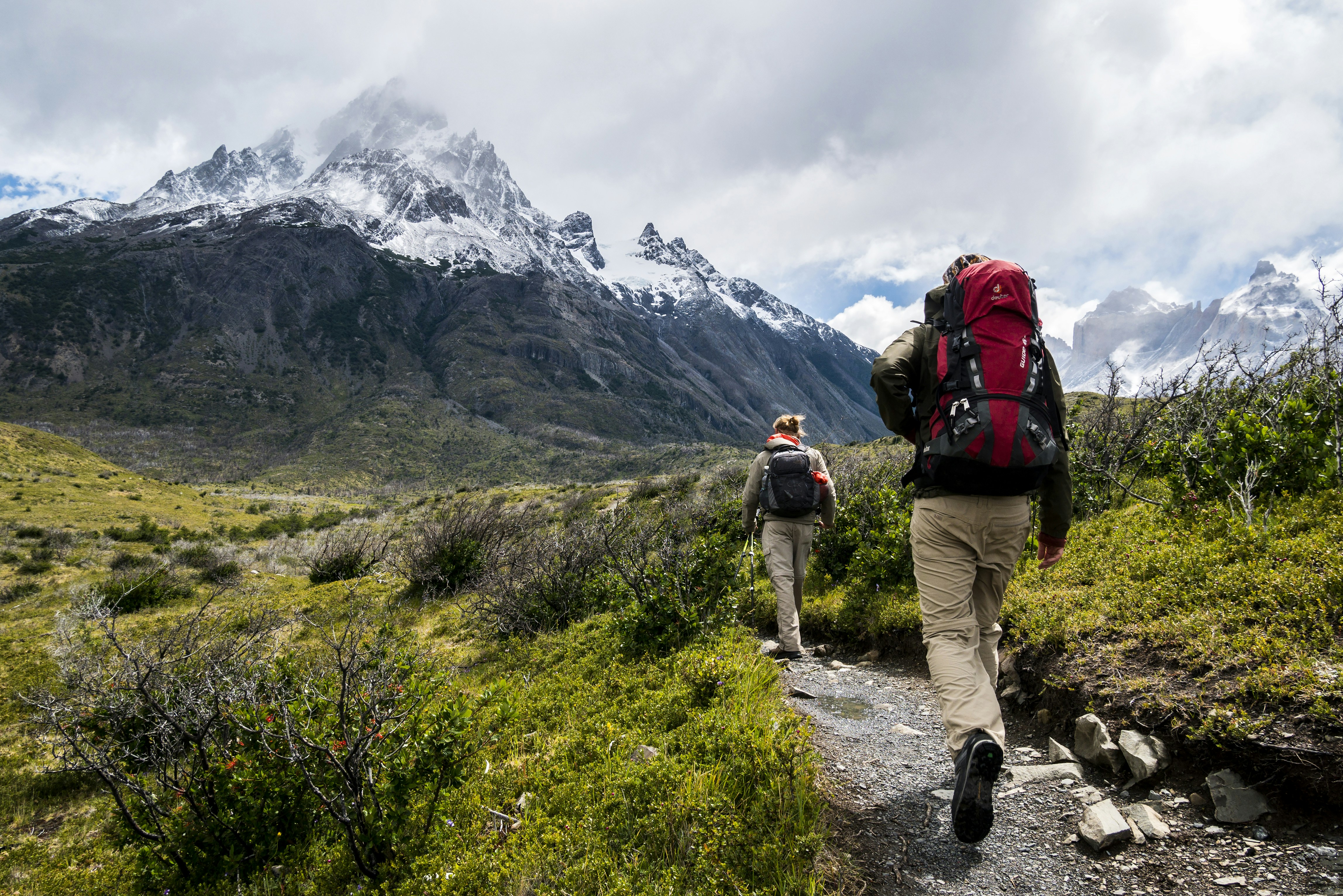
The route begins with a demanding climb, continues across exposed high ground, and rewards hikers with broad views of layered cliffs and the Waterpocket Fold. The ascent is the main physical challenge; the exposed terrain makes preparation important throughout the loop.
The initial switchbacks
The first section climbs quickly from the trailhead. The switchbacks gain elevation over a relatively short distance, which can make this part feel harder than the overall mileage suggests.
Use a comfortable pace, take short breaks when needed, and avoid trying to keep up with faster hikers. The route’s elevation and exposed setting can make strenuous exercise feel harder, especially for visitors arriving from lower elevations.
The upper loop and panoramic views
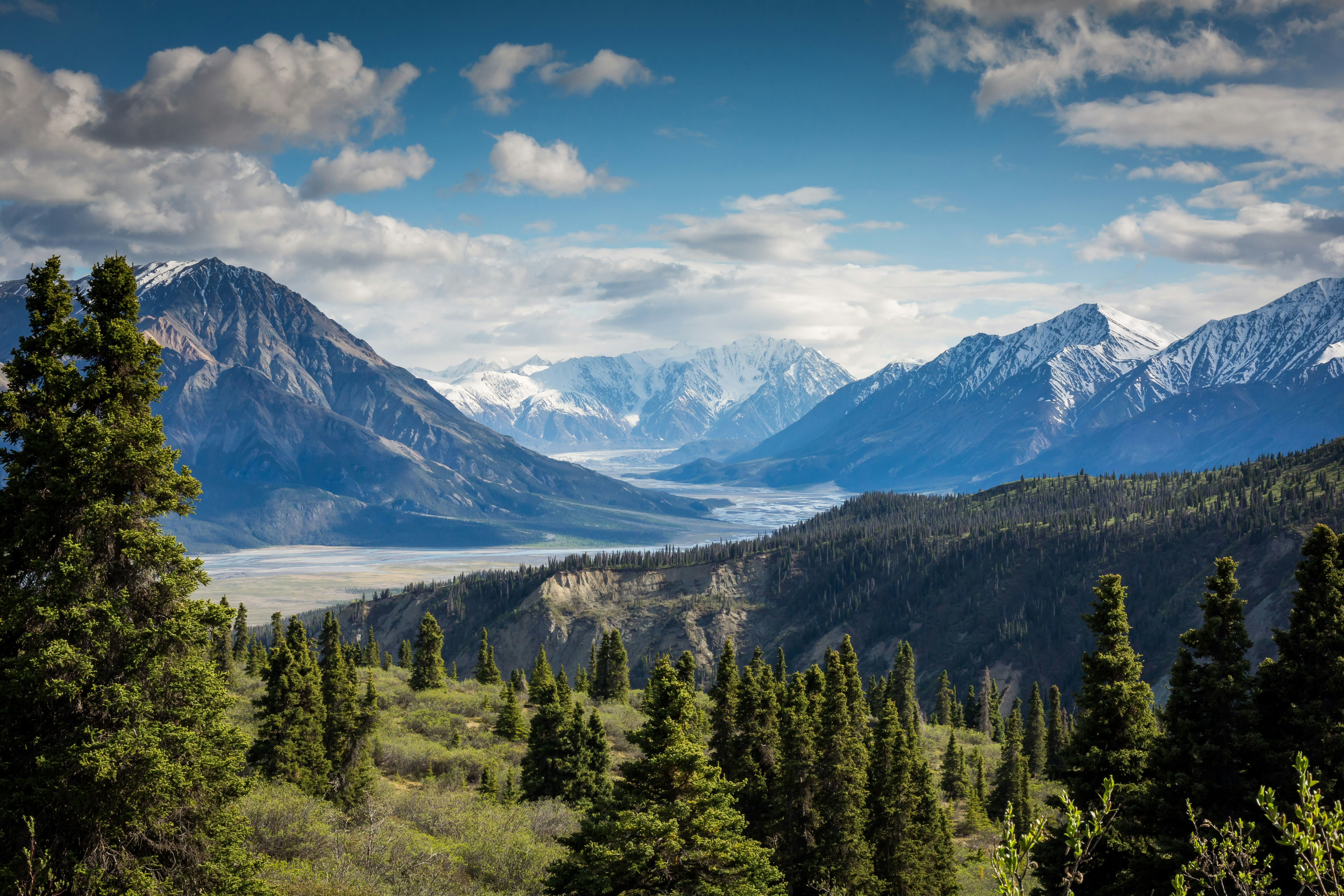
After the ascent, the trail crosses higher terrain where the surrounding cliffs, eroded slopes, and distant ridges become easier to appreciate. Chimney Rock is a prominent natural formation shaped by erosion, while the broader landscape reveals the scale of Capitol Reef’s geology.
The Waterpocket Fold is a major geological feature: a long, tilted rock formation that creates striking changes in elevation and color across the park. From the trail’s higher viewpoints, you can see the relationship between the folded landscape and the surrounding cliffs.
Trail surface and exposure
Expect uneven natural surfaces rather than a paved walking path. Sand, dirt, rock, loose material, and sloping sections can require careful foot placement.
- Wear shoes with reliable traction.
- Watch your footing on loose or sloping ground.
- Remain on the established route rather than cutting across switchbacks.
- Keep a safe distance from cliff edges and unstable rock.
For a shorter outing in the same park, compare the route with the easier viewpoints listed in the NPS hiking trail guide before deciding which hike fits your group.
3. When Is the Best Time to Hike Chimney Rock Trail?
Spring and autumn are generally comfortable seasons for hiking in Capitol Reef, while early morning is a sensible choice during hot weather. The trail has little shade, and desert temperatures can rise quickly, so conditions matter more than the calendar alone.
Spring: comfortable conditions with changing weather
Spring can bring pleasant hiking temperatures, but cold mornings, wind, and changing conditions are possible. Check the forecast before leaving and carry an extra layer if you plan to start early.
Summer: start early and plan for heat
Summer heat can make an exposed climb significantly more difficult. Start early enough to avoid the hottest part of the day, carry adequate water, and turn back if conditions become unsafe.
Afternoon thunderstorms can bring lightning and flash-flood danger to desert terrain. Do not enter a drainage or low-lying area when storms threaten, and follow park staff guidance about weather-related closures.

Autumn: a good balance for hiking and photography
Autumn often offers a useful balance between daytime temperatures and comfortable hiking conditions. It can be a good time for visitors who want to explore the ridge without the strongest summer heat.
Winter: prepare for cold and possible snow
Winter visits can be rewarding, but ice, snow, cold winds, and short daylight hours can change the difficulty considerably. Check current conditions and do not assume that a trail is safe simply because the route is open.
Is sunset worth planning around?
Sunset is a popular time for viewing the changing colors of Capitol Reef’s cliffs. However, the loop is strenuous and exposed, so allow enough time to finish before darkness unless you are properly equipped and experienced with the route.
Use the National Park Service sunset guidance to plan around the day’s conditions. Carry a headlamp as backup, and never risk a late return just to get a photograph.
4. How to Reach the Trailhead and Find Parking
The Chimney Rock trailhead is reached from Utah State Route 24, west of the Capitol Reef visitor center. The signed trailhead area has parking, but spaces can be limited during busy periods.
- Travel to Capitol Reef National Park using Utah State Route 24.
- Look for the signed Chimney Rock trailhead and parking area.
- Park only in designated spaces and check signs for closures or restrictions.
- Review the route and weather before beginning the climb.
Allow extra time for driving, parking, using restrooms, adjusting your pack, and checking trail conditions. Do not assume that parking will be available immediately when you arrive.
The park’s official trail information is the best starting point for confirming route details. Park conditions and access arrangements can change, so check current alerts before traveling.
5. Seven Practical Tips for a Better Hike
Tip 1: Carry more water than you expect to need
Bring enough water for the full hike, the weather, your pace, and a reasonable emergency margin. There may be no reliable drinking-water supply at the trailhead or along the exposed route.
Water needs vary with body size, exertion, temperature, and acclimatization. Start hydrated, drink regularly, and do not rely on finding water on the trail. Anyone experiencing confusion, faintness, severe weakness, or signs of heat illness should stop and seek appropriate emergency assistance.
Tip 2: Wear footwear with good grip
Choose hiking shoes or trail footwear that fits securely and provides traction on dirt and rock. Worn soles or smooth casual shoes can make steep or loose sections harder to manage.
Tip 3: Check weather and trail alerts before leaving
Desert weather can change quickly, and rain can create dangerous flash-flood conditions. Review the forecast, park alerts, and any trail closures on the day of your hike.
Use the National Park Service hiking safety guidance to understand local hazards and preparation recommendations.
Tip 4: Start early during warm weather
An early start reduces exposure to the strongest daytime heat and leaves more time to finish before dark. It also gives you flexibility if the climb takes longer than expected.
Set a turnaround time based on the weather, daylight, and your group’s pace. If anyone is struggling, shorten the outing rather than pushing on to complete the loop.
Tip 5: Protect yourself from the sun
Wear sun-protective clothing, a brimmed hat, and sunscreen. Sunglasses can help reduce glare from pale rock and exposed ground.
Because shade is limited, sun protection is useful even when the air temperature feels comfortable. Reapply sunscreen according to the product instructions.

Tip 6: Carry offline navigation and tell someone your plan
Mobile reception may be unreliable in parts of a national park. Download useful maps before arrival and let someone know your intended route and expected return time.
Carry a charged phone, but do not treat it as your only navigation or emergency tool. Follow established trail markers and avoid shortcuts across unmarked terrain.
Tip 7: Leave the landscape undisturbed
Stay on the established trail, pack out your rubbish, and leave rocks, fossils, plants, and historic objects where you find them. Do not create new rock cairns, because they can confuse other hikers and damage fragile terrain.
Keep a safe distance from cliff edges, and never climb unstable formations for a photograph. Responsible hiking protects both visitors and the landscape that makes Capitol Reef distinctive.
6. Is Chimney Rock Trail Suitable for Families With Kids?
Chimney Rock Loop is best suited to families with children who can manage a sustained climb, uneven terrain, and exposed hiking conditions. Its 3.6-mile distance and strenuous NPS rating mean it should not be treated as an easy family walk.
Before taking children, consider their hiking experience, ability to follow safety instructions, comfort in heat, and stamina for the initial ascent. Young children may find the steep opening section and exposed ridge challenging.
- Choose a shorter route if your children are inexperienced hikers.
- Bring adequate water, snacks, sun protection, and suitable footwear.
- Set clear rules about staying with the group and keeping away from edges.
- Turn around if the weather worsens or anyone becomes overly tired.
For more planning ideas, read The Offers Guy’s guides to best hikes with kids and national parks for families. These resources can help you compare options before choosing a route.
7. A Practical Half-Day Itinerary
Allow roughly three to four hours for a relaxed visit that includes preparation, the hike, breaks, and time to enjoy the viewpoints. This is a planning example, not an official schedule; adjust it for sunrise, sunset, season, and trail conditions.
| Stage | Suggested time | What to do |
|---|---|---|
| Arrival | 20–30 minutes | Park, check conditions, organize equipment, and use available facilities. |
| Initial climb | 30–45 minutes | Climb steadily and take breaks when needed. |
| Upper loop | 60–90 minutes | Follow the established route, enjoy the views, and take photographs safely. |
| Return and recovery | 30–45 minutes | Finish the loop, hydrate, and check whether the group needs additional rest. |
Actual timings can differ significantly. Do not use this example to calculate a sunset start without checking the date, remaining daylight, and current conditions.
What should you pack?
- Water appropriate for the conditions and hiking duration
- Snacks or a simple packed meal
- Hiking shoes with dependable traction
- Sun hat, sunglasses, and sunscreen
- Weather-appropriate layers
- Offline map and a fully charged phone
- Headlamp if there is any possibility of finishing near dusk
- Basic first-aid supplies and any essential personal medication
8. Common Mistakes to Avoid on Chimney Rock Trail
The biggest mistakes are underestimating the initial climb, carrying too little water, ignoring weather warnings, and starting too late for a safe return. These problems are avoidable with a little planning.
Assuming a short trail must be easy
A 3.6-mile loop can still be strenuous when it includes a steep ascent and exposed terrain. Judge the route by elevation gain, surface conditions, and the group’s ability rather than mileage alone.
Depending on mobile service
Download maps before leaving a connected area. Keep your group together and use the marked trail rather than relying on last-minute online directions.
Planning a sunset hike without enough daylight
Photography stops, slower hiking, and unexpected conditions can extend the outing. Allow a generous buffer and carry a headlamp, but do not use it as an excuse to ignore a safe turnaround time.
Taking unnecessary risks for photographs
Rock edges and uneven surfaces can be hazardous, especially in strong winds or low light. Take pictures from stable ground and prioritize a safe return over reaching a particular viewpoint.
9. What Else Can You Do Near Chimney Rock?
Combine the hike with a short, suitable scenic stop or a visit to the park’s visitor center rather than adding another strenuous trail without checking your remaining time and energy. Capitol Reef offers different ways to experience its geology, scenery, and historic Fruita area.
Explore other hiking options
The NPS trail guide lists routes such as Goosenecks, Sunset Point, Grand Wash, and Hickman Bridge, each with different distances and difficulty levels. Compare the current trail descriptions before selecting an additional hike.
Official reference: Capitol Reef National Park trail guide.
Plan transport and accommodation in advance
Capitol Reef is a rural destination, so plan fuel, driving time, food, and overnight accommodation before setting out. Availability and travel times can vary by season.
For general trip planning, explore The Offers Guy’s guides to hotels and accommodations and car and bike rentals. These are general travel resources rather than park-specific booking recommendations.

10. Is the Chimney Rock Trail Worth the Effort?
Yes, Chimney Rock Loop is worth considering if you want an exposed, strenuous hike with broad views of Capitol Reef’s distinctive rock formations and Waterpocket Fold. It is less suitable for visitors seeking a flat stroll, a shaded walk, or a route with minimal elevation gain.
The best plan is straightforward: check the official trail information, select a suitable time of day, carry sufficient water, wear shoes with traction, and allow enough daylight to complete the loop safely. If the conditions or the group’s fitness are not right, choose a shorter alternative instead.
For the most reliable final checks, consult the official Capitol Reef hiking page and the park’s current alerts before departure.
Frequently Asked Questions
These quick answers cover the main questions travelers ask when planning the Chimney Rock hike.
How long is Chimney Rock Trail in Capitol Reef National Park?
The Chimney Rock Loop is approximately 3.6 miles (5.9 km) round trip, according to the National Park Service. Allow around two to three hours for hiking, with additional time for breaks and photographs.
How difficult is the Chimney Rock Loop?
The National Park Service rates the loop as strenuous, with approximately 590 feet (180 m) of elevation gain. The steep initial climb, uneven ground, and exposed terrain are important considerations.
Where does the Chimney Rock Trail start?
The trailhead is along Utah State Route 24, west of the Capitol Reef visitor center. Follow the signs to the designated parking area and check current park information before arrival.
What is the best time of day to hike Chimney Rock?
Early morning is often a sensible choice during warm weather because the trail has limited shade. Sunset can provide attractive light, but hikers must allow sufficient time to complete the strenuous loop safely.
Can beginners hike Chimney Rock Loop?
Some beginners with suitable fitness, preparation, and hiking footwear may manage the route, but the strenuous rating means it is not ideal for every first-time hiker. Consider a shorter, easier trail if you are unsure.
Is Chimney Rock Trail suitable for young children?
Not necessarily. The steep climb, uneven surfaces, exposure, and total distance may be challenging for young children. Assess each child’s hiking ability and consider a shorter alternative if needed.
Are dogs allowed on Chimney Rock Trail?
No. Dogs and other pets are not permitted on Capitol Reef National Park hiking trails. Check the park’s current pet rules for areas where pets are allowed.
Is there a fee to hike Chimney Rock Loop?
Capitol Reef National Park entrance fees or applicable passes may be required. Check the official NPS fee information before visiting because rates and accepted passes can change.
Is there water available along the trail?
Do not depend on finding drinking water along the route. Carry enough for the conditions, your expected hiking time, and a reasonable safety margin.
Can you see Chimney Rock without hiking the loop?
Chimney Rock is visible from the highway near its trailhead, so visitors can appreciate the formation without completing the strenuous loop. Follow parking and roadside safety rules when stopping.
Final Takeaway
The Chimney Rock Trail Capitol Reef National Park hike delivers impressive desert scenery, a memorable climb, and broad views of the Waterpocket Fold. Its short-to-moderate mileage should not obscure the strenuous rating, elevation gain, limited shade, and need for careful preparation.
Check current park conditions, plan around the weather, carry adequate water, and choose a route that fits your ability. A well-prepared hike is more rewarding than pushing through conditions that make the trail unsafe.
Editorial note: Trail measurements and difficulty are based on official National Park Service information. Hiking times and itinerary timings are planning estimates. Confirm current access, closures, fees, weather, and safety guidance before visiting.