Riverside Walk Zion National Park is one of the best choices for visitors who want to experience towering sandstone cliffs, the Virgin River, and a scenic canyon without committing to a strenuous hike. The paved route begins at the Temple of Sinawava and leads toward the entrance to The Narrows. Plan for approximately 2.2 miles (3.5 km) round trip, allow around 1.5 hours, and check trail and weather conditions before leaving.
This guide explains the route, shuttle access, accessibility limitations, family hiking considerations, photography opportunities, and safety precautions. It also includes a practical itinerary to help you make the most of a visit to Zion National Park in Utah.

1. Riverside Walk Zion National Park: Trail Overview
Riverside Walk is an approximately 1.1-mile (1.8 km) one-way paved trail following the Virgin River through a deep section of Zion Canyon. The standard round-trip distance is about 2.2 miles (3.5 km), with a typical visit taking around 1.5 hours.
The National Park Service identifies the route as an easy hike, although sand, slopes, crowds, weather, and individual mobility can affect the experience. The trail ends where visitors can access the river and continue into The Narrows when conditions permit.

| Trail detail | What to know |
|---|---|
| Location | Zion Canyon, Utah, United States |
| Trailhead | Temple of Sinawava, shuttle stop 9 |
| One-way distance | About 1.1 miles (1.8 km) |
| Round-trip distance | About 2.2 miles (3.5 km) |
| Typical duration | Approximately 1.5 hours |
| Surface | Paved, with possible sandy or slippery sections |
| Difficulty | Generally easy, but not completely flat |
| Permit | No separate hiking permit for Riverside Walk |
Trail measurements and conditions can change. Before departure, review the official Zion trail access information for current accessibility details and reported obstructions.
2. How to Reach the Riverside Walk Trailhead
During the shuttle operating season, take the Zion Canyon Shuttle to Temple of Sinawava, stop 9, and follow the signs to Riverside Walk. This is the normal access point for the trail and the beginning of the route toward The Narrows.

Using the Zion Canyon Shuttle
The shuttle connects the Zion Canyon Visitor Center with major stops along the scenic drive. The National Park Service reports that a ride between the visitor center and Temple of Sinawava takes approximately 45 minutes in one direction.
- Arrive at the Zion Canyon Visitor Center or use an appropriate stop on the Springdale shuttle route.
- Board the Zion Canyon Shuttle heading toward Temple of Sinawava.
- Exit at stop 9 and follow trail signs to the paved path.
- Complete the walk and return to the same shuttle stop for your journey back.
Shuttle schedules change seasonally, and a full trip through the canyon takes considerably longer than the hike alone. Check the official Zion Canyon Shuttle schedule before setting off. During shuttle operations, private vehicles are generally not permitted on Zion Canyon Scenic Drive beyond Canyon Junction.
What if the shuttles are not running?
Access arrangements depend on the date, road closures, parking availability, and park operations. Private vehicles may be permitted on Zion Canyon Scenic Drive during some non-shuttle periods, but parking restrictions and temporary closures can still apply.
Do not assume that a winter visit guarantees parking at the trailhead. Confirm the day’s road access and current conditions through the National Park Service before travelling.
3. What Will You See Along Riverside Walk?
The main attractions are the Virgin River, towering sandstone canyon walls, hanging vegetation, shaded stretches, and views toward the entrance of The Narrows. The route is especially rewarding for visitors who want canyon scenery without a long backcountry hike.

The Virgin River
The river accompanies much of the walk, creating opportunities to observe moving water, riverbank plants, and changing canyon light. Stay on the established trail and avoid entering the river simply to get a better photograph.
Sandstone walls and canyon views
As you move farther along the route, the canyon walls become an increasingly prominent part of the experience. Look upward at the rock formations, but remain aware of other walkers and potential falling-rock hazards near cliff faces.
Wildlife and vegetation
Depending on the season and conditions, visitors may see birds, insects, and plants adapted to the river corridor. Wildlife sightings are never guaranteed. Observe animals from a distance and do not feed them.
4. What Is the Best Time to Visit Riverside Walk?
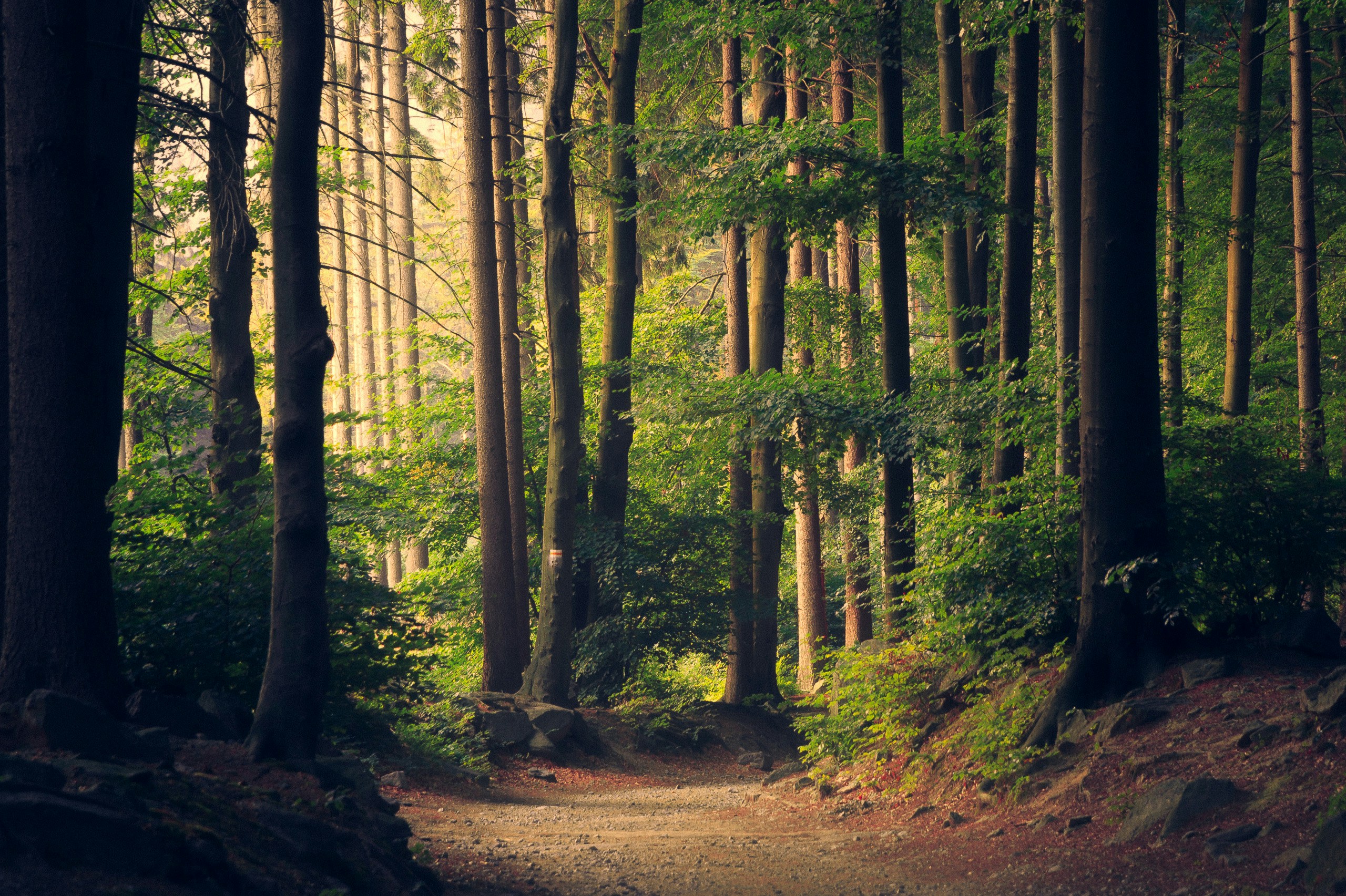
Early morning is a practical choice for cooler temperatures, softer light, and a chance to get ahead of the busiest periods. However, the best time depends on weather, shuttle availability, seasonal daylight, and current trail conditions.
| Season | Potential advantages | What to consider |
|---|---|---|
| Spring | Changing vegetation and generally milder conditions | Runoff, cold water, and changing river conditions |
| Summer | Longer daylight hours | Heat, crowds, thunderstorms, and flash-flood risk |
| Autumn | Potentially comfortable walking temperatures | Changing shuttle hours and busy weekends |
| Winter | Potentially quieter periods and different canyon scenery | Cold, ice, limited daylight, and seasonal transport changes |
There is no universally perfect month. Check the forecast and park alerts shortly before your visit, especially if you plan to continue into The Narrows. Rain falling elsewhere in the watershed can affect canyon water levels even when conditions above you appear clear.

5. Is Riverside Walk Suitable for Families and Wheelchair Users?
Riverside Walk is a useful option for many families and some visitors with mobility needs, but the route should not be treated as universally wheelchair accessible. The paved surface helps, yet slopes, cross-slopes, sand, and obstructions can make some sections challenging.
According to the National Park Service’s trail-access assessment, the first 0.4 miles of Riverside Walk have been identified as wheelchair accessible, although assistance may be needed and sand can affect the surface. Conditions may change after the assessment.
Tips for visiting with children
- Set a turnaround time that accounts for the return journey and shuttle schedule.
- Bring drinking water and snacks suitable for the length of your outing.
- Keep children on the path and away from the river’s edge where footing may be slippery.
- Explain that the trail ends at the entrance to The Narrows, where the terrain changes significantly.
- Plan rest breaks in safe places that do not obstruct other visitors.
For additional family planning ideas, see National Parks for Families and Best Hikes With Kids. These resources can help you compare outdoor activities and prepare children for a day on the trail.
6. Riverside Walk Safety and Packing Checklist
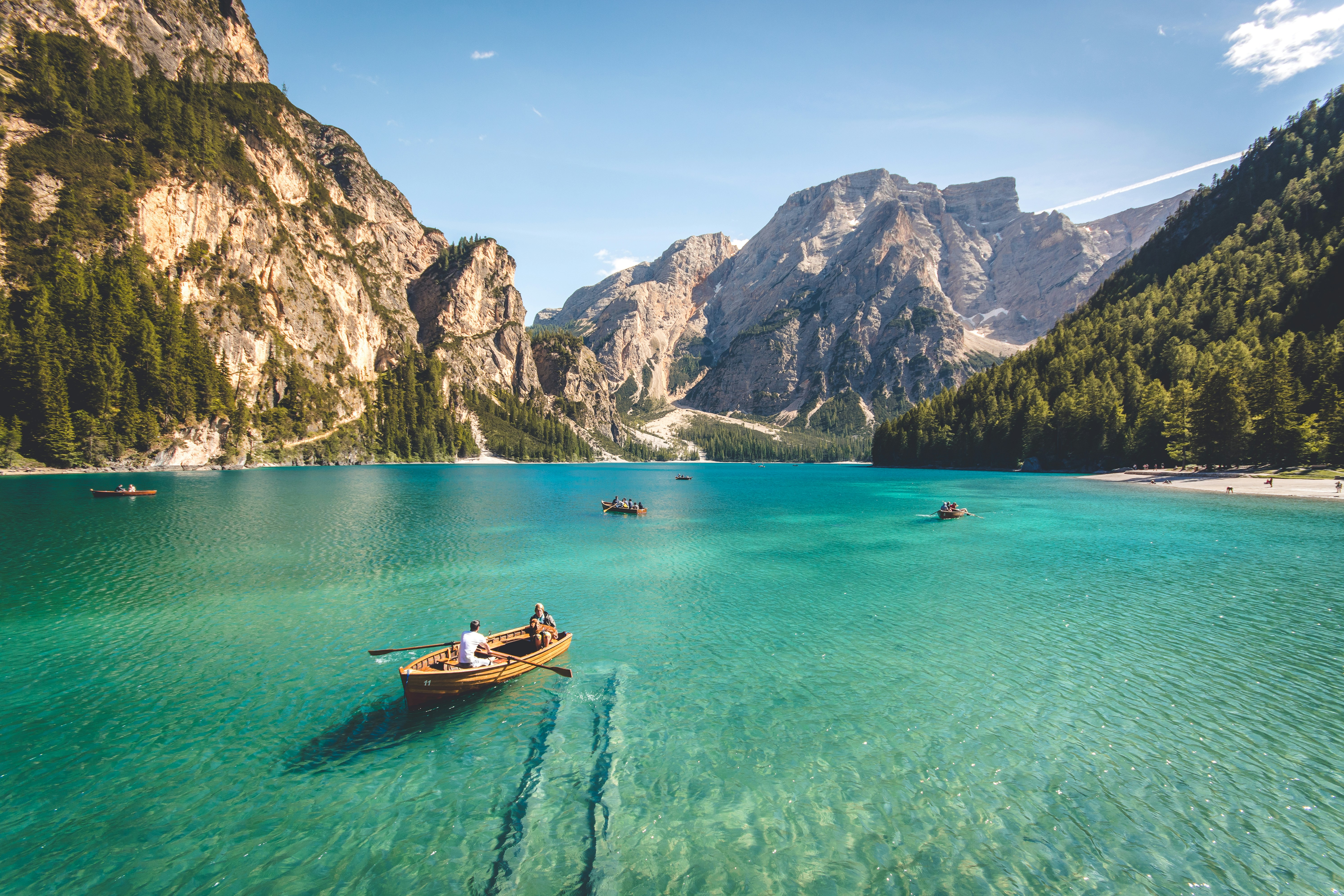
Carry water, wear secure footwear, check weather alerts, and stay on the established path. The route is relatively short, but river hazards, slippery surfaces, heat, and flash floods still require attention.
What to bring
- Drinking water in a reusable bottle.
- Comfortable walking shoes with reliable traction.
- Sun protection, including a hat and sunscreen.
- Weather-appropriate layers.
- A charged phone and a downloaded park map.
- Snacks, particularly when visiting with children.
- Any personal mobility or medical equipment you need.
Understand the difference between Riverside Walk and The Narrows
Riverside Walk is a paved canyon path. The Narrows is a different and more demanding experience that involves walking in the Virgin River, where footing is rocky, water depth varies, and currents can be strong.
Do not continue into the river in ordinary walking shoes simply because you have completed Riverside Walk. Check river-flow measurements, flash-flood forecasts, equipment requirements, and any closures before considering The Narrows.

Recognize flash-flood warning signs
Watch for worsening weather, thunder, muddy or rising water, floating debris, and a growing roar upstream. If flooding threatens, move to higher ground immediately and follow official instructions. Never attempt to cross floodwater.
Review the National Park Service guidance on flash-flood safety in Zion and check current park conditions before leaving.
7. A Practical Half-Day Riverside Walk Itinerary
Allow roughly three hours or more for a relaxed visit from the visitor center, including shuttle travel, the walk, and time to enjoy the scenery. This is a planning estimate rather than a guaranteed duration; queues and service changes can extend the outing.
- Before departure: Check the official shuttle timetable, trail alerts, and weather forecast. Pack water and confirm the return transport plan.
- Reach the visitor center: Allow time to park, use facilities, and board the appropriate shuttle.
- Travel to Temple of Sinawava: Use the ride to orient yourself and keep track of the time needed for your return.
- Walk Riverside Walk: Follow the paved route at a comfortable pace, pausing for views without blocking the path.
- Turn around or finish at the trail end: Enjoy the views at the entrance to The Narrows without entering the river unless you have separately assessed the conditions and prepared for that activity.
- Return to the shuttle: Leave a generous buffer before the final scheduled departure.
For a fuller hiking day, consider other permitted and open trails only after checking distances, difficulty, access, and weather. The National Park Service day-hiking guide is a reliable starting point.
8. What Does a Riverside Walk Visit Cost?
Riding the Zion Canyon Shuttle is free, but entering Zion National Park generally requires an applicable entrance fee or valid pass. Your total trip budget also depends on transportation to the park, parking, food, accommodation, and any optional equipment or services.
| Expense | How to plan |
|---|---|
| Park admission | Check current entrance fees and pass eligibility on the official park website. |
| Park shuttle | No separate ticket or reservation is normally required for the free shuttle. |
| Transport to Zion | Budget for fuel, rental transport, or other travel arrangements. |
| Food and water | Bring suitable supplies and check where drinking water is available. |
| Accommodation | Compare Springdale lodging with other options based on transport and total cost. |
Fees and policies can change, so confirm them directly with the official Zion entrance-fee information. Do not assume that a free shuttle means free park admission.
9. Common Mistakes to Avoid on Riverside Walk
The most avoidable problems are arriving without checking shuttle hours, underestimating the return journey, overlooking weather alerts, and confusing the paved walk with the river hike beyond it.
- Starting too late: Leave sufficient time for the shuttle journey and return, particularly during shorter daylight periods.
- Assuming the path is perfectly flat: Sand and sloped sections can make walking or wheeling more difficult.
- Ignoring weather warnings: Flash floods can occur even when rain is falling outside your immediate location.
- Entering the river unprepared: The Narrows requires separate equipment and safety planning.
- Leaving valuables or litter behind: Carry out all rubbish and respect wildlife and other visitors.
- Relying on old information: Verify trail status, shuttle service, and park access close to your travel date.
Frequently Asked Questions
These quick answers cover the most common planning questions about Riverside Walk Zion National Park.
How long is Riverside Walk in Zion National Park?
The route is approximately 1.1 miles (1.8 km) one way and 2.2 miles (3.5 km) round trip. Many visitors allow about 1.5 hours for the walk, with extra time for photographs and breaks.
Is Riverside Walk an easy hike for beginners?
Generally, yes. Riverside Walk follows a paved route, but some slopes, sandy areas, slippery surfaces, and crowds can make it more challenging for certain visitors.
Where does Riverside Walk start?
The trail begins at the Temple of Sinawava, which is Zion Canyon Shuttle stop 9 during shuttle operations. Follow the signs from the stop to the paved trail.
Can you visit Riverside Walk with a wheelchair?
Some sections may be accessible with assistance, but accessibility varies with slopes, cross-slopes, sand, and changing trail conditions. Check the latest National Park Service trail-access assessment before travelling.
Does Riverside Walk lead to The Narrows?
Yes. Riverside Walk ends at the entrance to The Narrows, where the hiking environment changes from a paved path to the Virgin River. Continuing into the river requires separate preparation and current safety checks.
Is a permit required for Riverside Walk?
A separate hiking permit is not normally required for Riverside Walk. Park entrance fees still apply unless you have an eligible pass or exemption. Additional rules may apply to other activities or routes.
Can you swim in the Virgin River during the walk?
Do not treat the river as a swimming area. Water conditions, currents, slippery rocks, flash floods, and water-quality advisories can create serious hazards. Follow current park guidance and stay on the established path.
What is the best time of day to hike Riverside Walk?
Early morning can offer cooler temperatures and a chance to avoid some crowds. Check shuttle times, weather, daylight, and current trail conditions before choosing your departure time.
Final Takeaway
Riverside Walk Zion National Park is a rewarding choice for visitors seeking an approachable canyon hike with river views and access to one of Zion’s best-known landscapes. Plan around the 2.2-mile round trip, use the official shuttle information, prepare for changing weather, and check accessibility details if needed.
The most important planning step is to verify conditions on the official National Park Service website before travelling. With realistic timing and appropriate preparation, Riverside Walk can fit comfortably into a family outing or a broader Zion Canyon itinerary.