Northgate Peaks Trail Zion National Park is a 4.2-mile round-trip hike with approximately 100 feet of elevation change, leading through high-elevation woodland to a scenic viewpoint overlooking rugged sandstone formations in Zion’s Kolob Terrace area. The trail is a rewarding option for hikers who want quieter scenery, pine forests, open meadows, and expansive wilderness views away from the busiest parts of Zion Canyon.
The most important planning detail is access: the trail begins at Wildcat Canyon Trailhead on Kolob Terrace Road, not at the main Zion Canyon visitor center. Before leaving, check official Zion National Park road and trail conditions, especially during fall, winter, and spring when snow can affect access.

Northgate Peaks Trail Zion National Park: Essential Trail Facts
The hike is approximately 4.2 miles round trip, with about 100 feet of elevation change and a typical hiking time of around two hours. Allow additional time for photographs, breaks, navigation, and changing trail conditions.
| Trail detail | What to know |
|---|---|
| Location | Kolob Terrace, Zion National Park, Utah |
| Starting point | Wildcat Canyon Trailhead |
| Distance | 4.2 miles round trip (6.8 km) |
| Elevation change | Approximately 100 feet (30 m), according to the NPS Kolob Terrace trail description |
| Estimated hiking time | About 2 hours; allow extra time for stops |
| Trail type | Out-and-back |
| Terrain | Dirt trail, woodland, meadows, and rocky viewpoints |
| Difficulty | Generally easy to moderate for hikers comfortable with an unpaved trail |
| Dogs | Not permitted on this trail |
| Water | No dependable drinking-water supply along the route |
| Fees | Zion National Park entrance fees apply unless covered by a valid pass |
These figures are planning estimates, not a guarantee of current trail conditions. Check the National Park Service’s Kolob Terrace trail descriptions before departure.

Why Is Northgate Peaks One of Zion’s Rewarding Quieter Hikes?
Northgate Peaks appeals to hikers who prefer woodland scenery and broad wilderness views over a steep, strenuous climb. Its location on the higher Kolob Terrace gives the route a different atmosphere from the sandstone walls and crowded trailheads of central Zion Canyon.
1. Enjoy a different side of Zion
The Kolob Terrace landscape includes ponderosa pine forests, quaking aspens, grassy openings, and rugged mountain formations. The combination creates a varied hiking experience rather than a continuous climb through exposed desert terrain.
For more family-oriented outdoor ideas, explore national parks for families. Choose trails based on each person’s abilities rather than assuming that every trail described as easy will suit every child.
2. Reach a memorable wilderness viewpoint
The route leads toward a viewpoint overlooking the Northgate Peaks, North Guardian Angel, and other formations in the Zion Wilderness. The scenery rewards hikers who enjoy distant ridgelines, layered rock, and expansive canyon country.
The viewpoint is the intended destination for an ordinary day hike. Climbing the peaks themselves is a different activity involving exposed scrambling and significantly greater risk.
3. Escape the busiest trail corridors
Many first-time visitors concentrate on Angels Landing, the Riverside Walk, and the Narrows. Northgate Peaks provides another way to experience Zion, although the drive to the trailhead requires separate planning.

How to Get to Northgate Peaks Trail in Zion National Park
Drive to Wildcat Canyon Trailhead via Kolob Terrace Road, approaching from the Virgin area of southwestern Utah. Do not navigate only to the main Zion Canyon Visitor Center because the Northgate Peaks trailhead is in a different section of the park.
Step 1: Reach the Kolob Terrace Road turnoff
From the Virgin area, follow the signed route onto Kolob Terrace Road. Visit Utah describes the trailhead as approximately 15.8 miles along this road from Route 9 in Virgin. Treat that figure as a general reference and confirm your route before travelling.
Step 2: Find Wildcat Canyon Trailhead
The trailhead is on Kolob Terrace Road. Park only in designated spaces, check posted signs, and confirm that the access road is open. Facilities are limited compared with the developed Zion Canyon visitor areas.
Step 3: Confirm road conditions before leaving
Kolob Terrace Road can close seasonally because of snow. A trail may be suitable for hiking in theory but inaccessible by car on the day you plan to visit.
Use the official Zion conditions page for road closures and current alerts. Download an offline map before leaving areas with reliable mobile service.

What to Expect on the Northgate Peaks Trail Route
Expect an out-and-back hike that begins on the Wildcat Canyon Trail before branching onto Northgate Peaks Trail and continuing to the viewpoint. Follow trail signs and official maps rather than relying on photographs or informal route descriptions alone.
Stage 1: Begin at Wildcat Canyon Trailhead
Start by checking your water, footwear, weather forecast, and return time. The first part of the walk follows the Wildcat Canyon Trail through high-elevation terrain.
Pay attention to junction signs. Northgate Peaks is reached by turning onto its designated trail rather than continuing indefinitely along Wildcat Canyon Trail.
Stage 2: Follow the woodland trail
The route passes through mixed conifer forest and quaking aspen, with openings that reveal the surrounding landscape. Seasonal rain and snowmelt can make sections muddy, while dry periods can leave loose dirt and uneven ground.
Wear shoes with reliable traction and maintain a pace that lets everyone in the group stay comfortable. The modest elevation change does not eliminate the need for basic hiking preparation.

Stage 3: Continue toward the viewpoint
As the route approaches the Northgate Peaks, the landscape opens toward rugged sandstone and distant ridges. This is the main photographic reward of the hike.
Take breaks in safe places away from exposed edges. If clouds, wind, rain, or snow make the terrain uncomfortable, turn around rather than trying to reach a particular viewpoint at any cost.
Stage 4: Return the way you came
Northgate Peaks is an out-and-back route, so the usual return follows the same trail to Wildcat Canyon Trailhead. Do not count on finding a shortcut or completing a loop.
Keep enough daylight and water for the return. Families should set a turnaround time before starting, even when the route looks short on a map.

When Is the Best Time to Hike Northgate Peaks?
Late spring through fall is generally the practical hiking season, provided the road is open and the weather is suitable. Conditions on the high Kolob Terrace can differ significantly from conditions in the lower elevations of Zion Canyon.
| Season | What to consider | Planning advice |
|---|---|---|
| Spring | Snowmelt, muddy sections, and changeable weather | Check road access and trail conditions before travelling. |
| Summer | Often more comfortable at higher elevations than the hotter canyon floor, but storms remain possible | Start early, carry water, and check the forecast. |
| Fall | Cooler temperatures, changing leaves, and shorter daylight hours | Allow extra time and check for early snow or road closures. |
| Winter | Snow, ice, and possible seasonal road closures | Do not assume the trailhead is reachable; verify conditions first. |
Should you hike in summer?
Summer can be attractive because the higher elevation often offers cooler conditions than the main canyon. However, exposed viewpoints, limited water availability, and afternoon thunderstorms still require preparation.
Is fall a good choice?
Fall can offer crisp air and attractive woodland colours, particularly where aspens grow. The trade-off is reduced daylight and the possibility of early snow affecting the road.
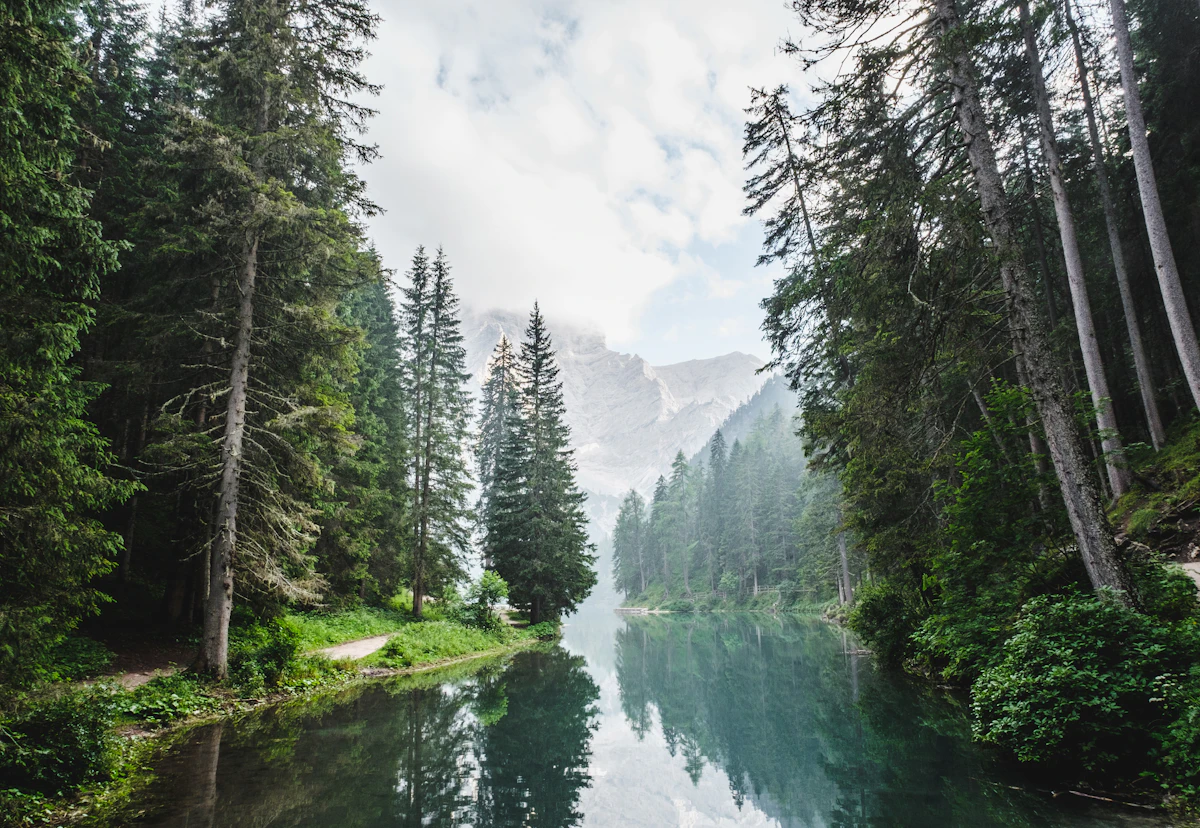
What to Pack for Northgate Peaks Trail Zion National Park
Bring sufficient drinking water, weather-appropriate layers, grippy hiking shoes, sun protection, navigation, and emergency essentials. There is no dependable drinking-water source along the trail, and facilities are limited at this remote trailhead.
Essential hiking checklist
- Water: Carry enough for every person, accounting for temperature, exertion, and individual needs.
- Food: Pack snacks or a light meal, plus extra energy food for delays.
- Footwear: Choose closed-toe shoes or hiking boots with dependable traction.
- Clothing: Use layers that can handle cool mornings, wind, and changing weather.
- Sun protection: Bring sunscreen, sunglasses, and a hat.
- Navigation: Carry an offline map and a charged phone; do not rely exclusively on mobile coverage.
- First aid: Pack basic supplies, personal medication, and blister protection.
- Waste bags: Carry out all rubbish and follow Leave No Trace practices.
- Emergency supplies: Consider a light, whistle, and extra insulation if weather or delays become a concern.
How much water should you carry?
There is no single quantity that suits every hiker. A two-hour walk in cool weather may require less water than the same route in warm, dry conditions. Start hydrated and bring a reserve rather than depending on finding water along the way.
For broader trip planning, browse hotel and accommodation options before choosing a base for your Zion visit. Consider driving time to the Kolob Terrace trailhead as well as room price.
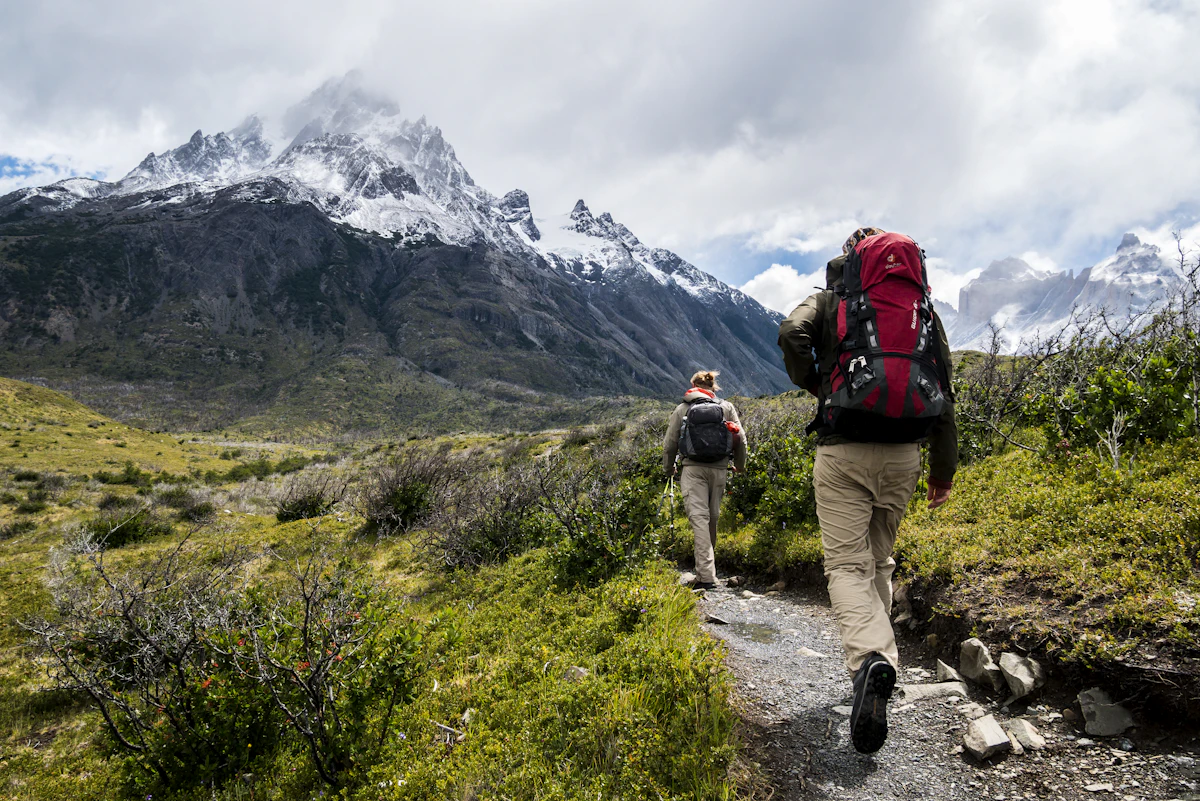
Northgate Peaks Trail Safety: Important Rules to Know
The safest approach is to remain on the established hiking route, check official alerts, avoid exposed scrambling, and turn around when conditions deteriorate. A relatively short hike can still become hazardous through sudden weather changes, navigation mistakes, or inadequate preparation.
Do not confuse the trail with climbing the peaks
The standard Northgate Peaks Trail ends at a viewpoint. Scrambling onto the actual peaks involves exposed terrain and a different level of risk. The Utah Office of Tourism describes sections of the peak scrambling as Class 3 and warns about exposure.
Ordinary hiking experience does not automatically prepare someone for exposed scrambling. Unless you have the appropriate skills, equipment, and route knowledge, enjoy the view from the established endpoint instead.
Check weather and road alerts
Rain, lightning, snow, ice, and muddy terrain can change the difficulty of a hike. Review the forecast and park conditions before setting out, and be prepared to change plans.
Respect wilderness restrictions
- Dogs are not allowed on the Northgate Peaks Trail.
- Zion Wilderness trails have a maximum group size of 12 people under National Park Service rules.
- Overnight wilderness trips require the appropriate permit.
- Pack out rubbish and follow applicable human-waste disposal guidance.
- Do not approach wildlife or leave food behind.
Consult the National Park Service hiking guidance for Zion for current regulations and additional safety information.

A Practical Half-Day Northgate Peaks Hiking Itinerary
Plan roughly three to four hours for the trail, preparation, breaks, and a buffer, then add driving time to and from your accommodation. The hike itself is commonly estimated at around two hours, but individual pace and conditions vary.
| Stage | Suggested allocation | Action |
|---|---|---|
| Before departure | 20–30 minutes | Check conditions, prepare water and food, and download maps. |
| Drive to trailhead | Depends on starting point | Allow for road conditions and navigation. |
| Hike to viewpoint | About 60 minutes | Follow the signed route at a comfortable pace. |
| Viewpoint break | 15–30 minutes | Rest, eat a snack, and take photographs from safe ground. |
| Return hike | About 60 minutes | Retrace the route and keep the group together. |
| Buffer | 30–60 minutes | Allow for slower walking, trail checks, or unexpected delays. |
This is a sample planning schedule, not an official itinerary or a promise of completion time. If the road is closed or the weather is unsuitable, choose a safe alternative rather than attempting to force the trip.
How to plan a family hiking day
- Confirm that everyone can comfortably walk the distance on uneven ground.
- Explain that the group will turn back if someone becomes tired or the weather changes.
- Pack water, snacks, layers, and basic first-aid supplies for every participant.
- Set a turnaround time and keep children within sight.
- Choose a second activity only after allowing enough time to finish the hike safely.
Families planning a wider itinerary can explore family travel ideas to compare activities and build a trip that matches their children’s ages, stamina, and interests.
Nearby Hiking Alternatives to Consider
If Northgate Peaks is inaccessible or unsuitable for your group, consider another Zion hike only after checking its location, trail conditions, and current access restrictions. Different sections of Zion can have different road conditions and travel times.
1. Timber Creek Overlook Trail
Located in the Kolob Canyons section of Zion, Timber Creek Overlook is a shorter scenic option with views across the surrounding landscape. It is not in the same area as the Northgate Peaks trailhead, so plan the drive accordingly.
2. Pa’rus Trail
The Pa’rus Trail is a paved route in the Zion Canyon area and is a better option for many visitors who need a more accessible path. Review current accessibility details and the official trail page before setting out.
3. Riverside Walk
Riverside Walk follows the Virgin River near the Temple of Sinawava. It offers a different experience from the wooded Kolob Terrace and may be appropriate for visitors looking for a relatively gentle canyon walk, subject to current access and trail conditions.
Use the official Zion trail access information to check route details before choosing an alternative. For broader trip inspiration, see national parks for a weekend trip and vacation destinations worth considering.
Frequently Asked Questions About Northgate Peaks Trail
These expandable answers cover the most important planning questions about the Northgate Peaks hike.
How long is Northgate Peaks Trail in Zion National Park?
The Northgate Peaks Trail is approximately 4.2 miles (6.8 km) round trip from Wildcat Canyon Trailhead. The standard route is out-and-back, so hikers return along the same trail.
How difficult is the Northgate Peaks hike?
The hike is generally considered easy to moderate, with approximately 100 feet of elevation change. Uneven surfaces, weather, navigation, and the abilities of individual hikers can affect the overall difficulty.
Where does Northgate Peaks Trail start?
The trail begins at Wildcat Canyon Trailhead on Kolob Terrace Road in Zion National Park, Utah. It is separate from the main Zion Canyon visitor area.
How much time should I allow for the hike?
The National Park Service lists approximately two hours for the round trip. Allow extra time for breaks, photographs, trail conditions, and the return drive.
Is Northgate Peaks Trail suitable for children?
Some families may find the modest elevation change and scenic destination appealing. However, the route is an unpaved wilderness trail, so assess children’s stamina, footwear, weather, and comfort with uneven terrain before starting.
Can dogs go on Northgate Peaks Trail?
No. Dogs are not permitted on Northgate Peaks Trail. Check Zion National Park’s current pet regulations for locations where pets are allowed.
Is Northgate Peaks Trail open in winter?
Access cannot be assumed in winter. Snow and ice can affect the trail, and Kolob Terrace Road can experience seasonal closures. Check the official park conditions page before travelling.
Do I need a permit for Northgate Peaks Trail?
A standard day hike generally does not require a wilderness permit. Overnight wilderness trips do require the applicable permit, and additional park entry requirements still apply. Confirm current rules with the National Park Service.
Can hikers climb Northgate Peaks?
The standard trail leads to a viewpoint. Climbing the actual peaks involves exposed scrambling and is substantially more hazardous than the ordinary hike. Do not attempt it without appropriate skills, equipment, and preparation.
Is drinking water available on the trail?
There is no dependable drinking-water supply along the route. Carry enough water for the full outing and an appropriate reserve for delays or changing conditions.
Final Takeaway: Is Northgate Peaks Trail Worth Visiting?
Northgate Peaks Trail is a worthwhile option for hikers seeking a relatively gentle woodland walk and expansive wilderness views in Zion’s Kolob Terrace area. Its main advantages are the varied high-elevation scenery, modest elevation change, and viewpoint overlooking the Northgate Peaks and surrounding formations.
The key to a successful visit is practical preparation. Confirm Kolob Terrace Road access, check the weather, carry sufficient water, stay on the established route, and avoid treating the exposed peaks as an ordinary hiking extension.
For the most reliable final check, consult the official Zion National Park conditions page and the Kolob Terrace trail guide before departure.