A guide visit plan helps you turn destination research into a practical trip by organizing places, timing, transport, costs, safety, and booking decisions before departure. If you are searching for a guide visit resource because you want to know what to see, where to stay, how to move around, and how much to budget, the best approach is to build one useful plan rather than collect dozens of disconnected travel pages.
A strong visit guide should answer the questions that matter before you spend money: What should you visit? How many days do you need? Which area is convenient? What should you book first? Which attractions need reservations? What hidden costs could affect the budget? And what official information should you verify shortly before departure?
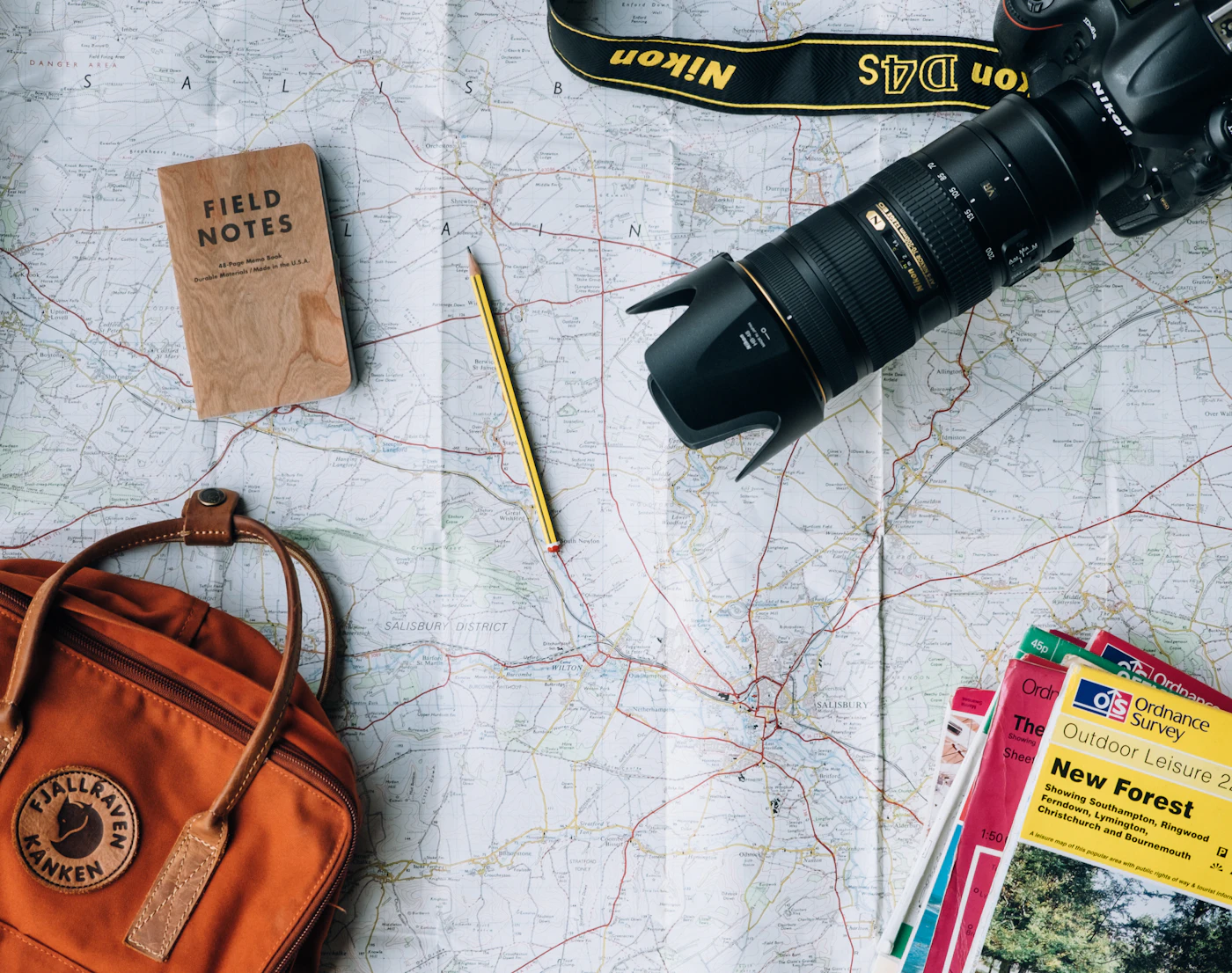
What Is a Guide Visit Plan?
A guide visit plan is a destination-focused roadmap that combines sightseeing, timing, transportation, accommodation, costs, practical requirements, and backup options. Instead of treating a travel guide as a simple list of attractions, use it as a decision-making document that helps you move from research to action.
For broader planning ideas, see The Offers Guy’s free travel guides and best travel guides for planning a trip. These resources can help you move from general inspiration to a more specific destination plan.
Why a Visit Guide Matters Before You Travel
A visit guide reduces planning friction because it puts the most important decisions in one place before you commit your time and money. Good planning does not mean scheduling every minute. It means understanding the constraints that can make an otherwise good trip frustrating.
For example, a popular attraction may be geographically close to another attraction but difficult to combine because of opening hours, timed entry, traffic, queues, or a long transfer. A good destination visit guide catches those conflicts before they become problems.
Pro tip: Separate stable information from changeable information. A landmark’s location is relatively stable; admission prices, opening hours, entry rules, transport schedules, and temporary closures can change.
7 Powerful Steps to Build a Better Guide Visit
The simplest way to build a guide visit plan is to work through destination goals, must-see places, geography, timing, costs, transport, and final verification in that order. The sequence matters because each decision affects the next one.
1. Define the Purpose of the Visit
Your first step is to decide what you want the trip to accomplish before choosing individual attractions. A city break focused on food requires a different plan from a family vacation, a photography trip, a beach escape, or a first-time cultural visit.
- Choose one primary trip purpose.
- List two or three secondary interests.
- Decide whether the priority is relaxation, sightseeing, food, culture, nature, shopping, or activities.
2. Build a Shortlist of Places to Visit
Choose a small group of high-value places rather than trying to visit every attraction mentioned online. Start with major landmarks, then add one or two experiences that fit your interests and location.
A practical visit guide can divide attractions into three groups: must-see, nice-to-see, and optional. If weather, transport delays, or fatigue disrupt the day, optional attractions are the first items to remove.
For city planning, The Offers Guy’s city guides for first-time visitors can complement a destination-specific itinerary. For a wider collection, the vacation guides section can help you compare different trip styles.
3. Group Attractions by Geography
Group nearby attractions together so you spend more of the day exploring and less time crossing the destination. Geography is one of the easiest ways to improve an itinerary without spending more money.
Open a map and mark your hotel, major attractions, restaurants you genuinely want to try, transit stations, and any fixed-time reservations. Then create daily clusters around those points.
4. Match Activities to Available Time
A realistic visit itinerary leaves space for meals, transport, queues, rest, and unexpected delays. A common planning mistake is treating the entire opening-to-closing period of a destination as usable sightseeing time.
For a full-day plan, consider using a simple structure such as one major attraction, one nearby secondary activity, a meal break, and flexible time. The exact number depends on the destination and activity type.
5. Build the Budget Around Categories
Estimate the trip by spending category instead of relying on one overall number. A useful travel budget separates transportation, accommodation, food, attractions, local transit, insurance, connectivity, shopping, taxes or fees, and an emergency buffer.
Use this simple planning formula:
Total trip estimate = transport + accommodation + food + activities + local transportation + insurance + connectivity + buffer.
For example, if a three-day trip has $300 for accommodation, $180 for food, $120 for activities, $70 for local transportation, and $80 for other planned costs, the base estimate is $750. A separate buffer should then be considered rather than pretending the estimate is a guaranteed final price.
6. Verify Transport, Documents, and Practical Requirements
Check transport connections and official entry requirements before treating an itinerary as final. A beautiful route on a map is not necessarily practical if trains stop early, airport transfers take longer than expected, or an attraction requires timed entry.
The U.S. Department of State recommends checking entry and exit requirements, passport validity, local laws, health information, and destination-specific guidance when preparing for international travel. Use the official international travel checklist as one verification point when it applies to your trip.
For transportation planning, The Offers Guy also has resources covering airport transfers and services and trains and buses. Use these categories when comparing how you will move between airports, hotels, neighborhoods, and attractions.
7. Add a Backup Plan Before Departure
A strong guide visit plan includes alternatives for bad weather, closures, delays, sold-out tickets, and unexpected changes. Your backup plan does not need to be elaborate.
- Choose one indoor alternative for a weather-sensitive day.
- Keep one flexible block for a delayed activity.
- Know how to reach your accommodation if public transport changes.
- Save important booking confirmations offline.
- Keep official emergency and destination information accessible.

How to Research a Destination Before a Visit
Research a destination in layers: official requirements first, geography second, attractions third, and traveler logistics last. This order prevents a common problem where travelers spend hours researching restaurants and attractions before checking whether the trip is practical.
Start With Official Information
Use official government, airport, transport, attraction, and tourism sources for information that can affect safety, entry, schedules, or access. The official travel guidance from the U.S. Department of State specifically directs travelers to destination advisories, entry requirements, local laws, and embassy information. Check the official international travel guidance when relevant.
Then Study the Destination’s Geography
Understanding neighborhoods can be more useful than memorizing a long attraction list. Identify the central areas, airport or station, major sightseeing zones, and areas that make sense for your accommodation.
If you are visiting the United States, The Offers Guy’s USA travel guides provide a starting point for destination-specific research. For a focused city plan, a page such as the New York City travel guide for first-time visitors can be more useful than a generic global list.
Check the Details That Change
Recheck prices, opening hours, ticket rules, transport schedules, and entry requirements close to departure because these details can change. Save the date you last verified each important item so you know what needs another check.
How to Build a Realistic Visit Itinerary
A realistic itinerary is built around fixed commitments first and flexible activities second. Start with flights, check-in and check-out, timed attractions, tours, and reservations. Then add nearby activities around those anchors.
For example, if a museum reservation begins at 10:00 a.m., avoid placing another timed activity across town at 11:30 a.m. Give yourself enough time for walking, security, queues, and transport.
A useful day plan can look like this:
- Morning: one high-priority attraction.
- Late morning: nearby sightseeing.
- Lunch: a planned area rather than a restaurant several miles away.
- Afternoon: flexible activity or second major attraction.
- Evening: neighborhood exploration, dinner, or a booked experience.
This structure gives you enough direction without turning the trip into a race. For a detailed trip-planning workflow, you can also use guide your trip as a related internal resource.
How to Control Travel Costs
The best way to control travel costs is to compare the total trip cost rather than focusing on one cheap booking. A low hotel rate may become expensive if the hotel is far from the attractions and requires repeated taxi rides.
Compare accommodation using the full daily cost: room rate, taxes and fees, breakfast, parking when relevant, local transportation, and the time required to reach major attractions.
Do the same with activities. A free attraction can still have an opportunity cost if reaching it requires a long detour. The goal is not to make every decision as cheap as possible; the goal is to get strong value from the total trip.
For transportation options, you can also review The Offers Guy’s flight resources and car and bike rental resources when comparing routes and local mobility.
How to Plan Transport and Location
Choose transportation based on reliability, total cost, travel time, and convenience rather than headline price alone. A slightly more expensive direct connection may be better value than a cheaper route requiring several complicated transfers.
When evaluating public transportation, check the official operator where possible. The U.S. Department of State’s transportation guidance also recommends researching local traffic laws, public transportation, taxis, pedestrian rules, and driving requirements when traveling abroad. Review transportation safety guidance when applicable.

How to Check Safety and Entry Requirements
Verify current entry rules, passport requirements, local laws, travel advisories, and relevant safety information before an international visit. Travel requirements can differ by nationality, destination, transit point, and trip purpose, so generic articles should not replace official information.
The U.S. Department of State’s checklist recommends reviewing destination requirements and organizing important travel documents before departure. It also notes that travelers should consider travel insurance and their individual travel needs. Review official personal travel needs guidance if you need accessibility, family, or other specialized planning information.
For lodging, transportation, activities, and tours, confirm cancellation policies and what is actually included in the advertised price. This is especially important when comparing affiliate offers or third-party booking pages.
Common Guide Visit Mistakes to Avoid
The biggest planning mistakes are overloading the itinerary, ignoring geography, using outdated information, and treating the cheapest headline price as the final cost. Avoiding these problems can improve a trip without requiring a larger budget.
Trying to See Everything
Too many attractions can reduce the quality of the experience because every delay creates a chain reaction. Keep a priority list and allow optional items to disappear when the day becomes busy.
Ignoring Travel Time
Travel time belongs inside the itinerary, not outside it. If an attraction takes 45 minutes to reach, that time should be treated as part of the day’s schedule.
Using Old Information
Older travel content is useful for ideas but should not be the final authority for changeable requirements. Recheck official sources and the attraction or transport operator before departure.
Forgetting Hidden Costs
Taxes, service fees, parking, baggage, local transport, reservation fees, and currency conversion can change the real cost of a trip. Add these categories before comparing offers.
Planning Without a Backup
A backup option makes the itinerary more flexible when weather, closures, delays, or sold-out tickets affect the original plan. Keep at least one flexible activity each day on a busy trip.
Quick Guide Visit Checklist
Before you consider your travel guide complete, confirm the destination, dates, priorities, transport, accommodation, costs, reservations, documents, and backup options.
- Destination and trip purpose selected.
- Must-see attractions prioritized.
- Attractions grouped by geography.
- Realistic daily schedule created.
- Accommodation location compared.
- Transport routes checked.
- Major costs estimated by category.
- Tickets and timed reservations identified.
- Official entry and safety information verified.
- Backup activities selected.
- Important confirmations saved.
Frequently Asked Questions About Guide Visit Planning
What should a good visit guide include?
A good visit guide should include attractions, recommended timing, transportation, accommodation areas, costs, practical requirements, safety checks, and backup options.
How far in advance should I make a travel visit guide?
Start the planning process as soon as the destination and dates are reasonably certain, then recheck changeable details shortly before departure. Flights, accommodation, major reservations, visas, and popular timed-entry attractions may require different lead times.
How many attractions should I plan in one day?
There is no universal number because attraction size, travel time, queues, opening hours, and personal pace vary. A better method is to choose one or two major priorities and add flexible nearby activities.
How can I make a destination guide more budget friendly?
Compare the total trip cost, choose accommodation with convenient transportation, group nearby attractions, and check fees before booking. A slightly higher room rate can sometimes reduce local transport costs and save valuable sightseeing time.
Should I use official sources when preparing a visit plan?
Yes, use official sources for entry rules, safety advisories, laws, transport information, and other details that can change. Travel blogs and travel guides are useful for ideas and practical context, but official sources should be checked for critical requirements.
What is the difference between a travel guide and a visit itinerary?
A travel guide provides destination information, while an itinerary turns that information into a time-based plan for a specific trip. The strongest planning process uses both: research first, then build a realistic itinerary.
How can I make a guide visit plan easier to change?
Separate fixed reservations from flexible activities and keep at least one alternative for weather, delays, or closures. This makes the plan useful without forcing you to follow every activity exactly as written.
Final Takeaway
The best guide visit plan is not the longest document; it is the one that helps you make better decisions about where to go, when to go, how to move, what to book, and what to verify. Start with your trip purpose, prioritize the places that matter most, group activities geographically, build a realistic schedule, calculate the complete cost, verify official requirements, and leave room for change.