A Japan travel guide for first-time visitors should help you choose the right cities, season, transport, accommodation, budget, and daily itinerary before you arrive.
Japan rewards travelers who plan the major decisions in advance but leave enough flexibility for neighborhood discoveries, local restaurants, seasonal events, and slower days. A first trip can combine futuristic Tokyo, historic Kyoto, Osaka’s food culture, mountain scenery, temples, gardens, and efficient rail travel without trying to see the entire country.
This guide focuses on the decisions that matter most: where to go, how long to stay, how to move between cities, where to sleep, how to manage connectivity, and where first-time travelers commonly waste money or time.

How to Plan Your First Japan Trip
The smartest way to plan a first Japan trip is to build the itinerary around two or three major bases instead of changing hotels every night.
Japan is geographically larger and more varied than a Tokyo-Kyoto-Osaka checklist suggests. The country stretches from Hokkaido in the north to subtropical Okinawa, and climate conditions can vary substantially between regions. The Japan National Tourism Organization recommends checking regional weather rather than relying on a single national forecast. Japan National Tourism Organization weather guidance is a useful starting point.
For most first-time visitors, the classic Tokyo-Kyoto-Osaka route works because the cities provide very different experiences while being connected by high-speed rail.
- Tokyo: modern neighborhoods, food, shopping, museums and traditional districts.
- Kyoto: temples, shrines, gardens, traditional streets and cultural experiences.
- Osaka: casual dining, nightlife, shopping and convenient regional day trips.
Before booking anything, decide whether your priority is culture, food, nature, shopping, anime, skiing, photography, luxury, or low-cost travel. That single decision can change the best route considerably.
Pro tip: Avoid building a schedule that requires a major attraction every two hours. Japan’s train stations can be large, popular attractions can be crowded, and simply walking through neighborhoods is part of the experience.
Which Japanese Cities Should You Visit?
Tokyo, Kyoto and Osaka are the strongest first-trip combination because they offer contrasting experiences without requiring complicated transportation.
Tokyo combines modern architecture with historic areas such as Asakusa, while Shibuya, Harajuku, Shinjuku and Ginza provide very different urban experiences. The official Tokyo destination guide from JNTO highlights the city’s major districts, airports and transportation options.
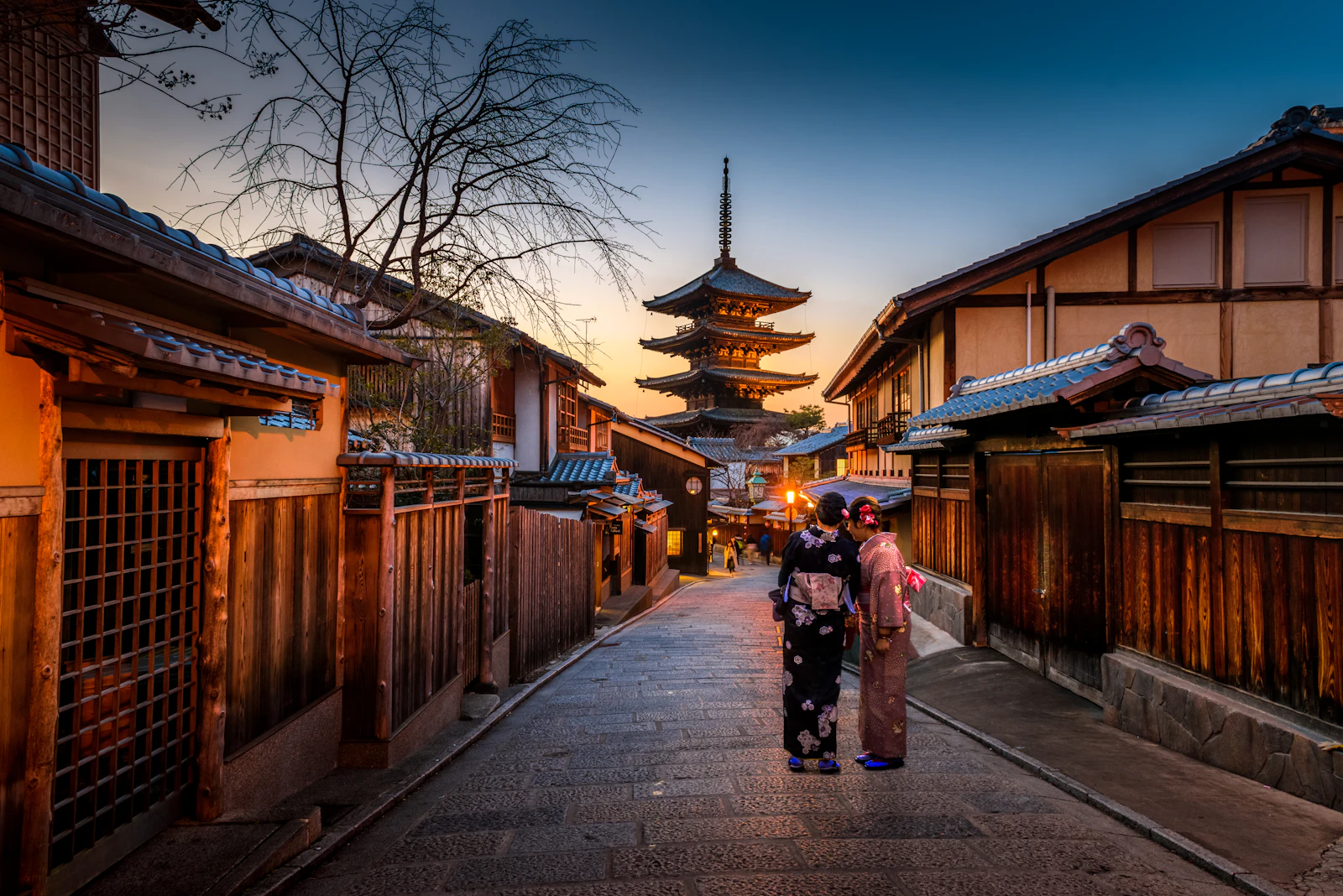
Kyoto is where many travelers experience Japan’s historic side. Kyoto’s cultural heritage includes temples, shrines, gardens, traditional wooden architecture and seasonal festivals. The official Kyoto travel guide is particularly useful when choosing neighborhoods and day trips.
Osaka is a practical base for travelers who want food, nightlife and access to nearby attractions. Travelers can also consider Hiroshima, Nara, Hakone, Kanazawa, Takayama or Mount Fuji depending on the length and purpose of the trip.
| Destination | Best For | Suggested Stay |
|---|---|---|
| Tokyo | City life, shopping, food, culture | 3–4 nights |
| Kyoto | Temples, gardens, history and culture | 2–4 nights |
| Osaka | Food, nightlife and day trips | 2–3 nights |
| Hiroshima | History and Miyajima | 1–2 nights |
| Hakone | Hot springs and Mount Fuji views | 1–2 nights |
For a deeper Kyoto itinerary, see our Travel to Kyoto guide. If Tokyo is your main destination, our Tokyo weekend itinerary can help you organize a shorter stay.
A Practical 7-Day Japan Itinerary
A balanced seven-day Japan itinerary works best with three nights in Tokyo, three nights in Kyoto or Osaka, and one flexible travel day.
Days 1–3: Tokyo
Use the first day to recover from your flight and explore the neighborhood around your hotel. On day two, combine major districts rather than crossing the entire city repeatedly. Day three can focus on Asakusa, Ueno, Shibuya, Shinjuku, or a museum depending on your interests.
Travelers arriving through Haneda or Narita should check their accommodation’s exact location before choosing an airport transfer. Tokyo has two major international airports, and the best transfer depends on where you are staying. JNTO’s Tokyo transportation information explains the main airport connections.
Days 4–5: Kyoto
Travel to Kyoto by Shinkansen and spend the first afternoon exploring a nearby district rather than immediately attempting every famous temple.
Reserve one morning for Fushimi Inari and another for areas such as Higashiyama, Gion or Arashiyama. Kyoto Station is also a major transportation hub, making it useful for regional excursions. According to JNTO, the fastest Shinkansen services connect Tokyo and Kyoto in roughly two hours and fifteen minutes, depending on service. Kyoto Station information provides current access details.
Days 6–7: Osaka
Move to Osaka or use Kyoto as your base and take a day trip. Osaka is particularly useful for travelers who want an energetic evening food scene after spending several days around temples and historical districts.
If your trip is exactly seven days, resist the temptation to add Hokkaido, Hiroshima and Okinawa. The resulting itinerary may look impressive on paper but leave very little time to actually experience each destination.
For a longer budget-focused route, our week-long Japan trip under $2,000 guide can be used alongside this itinerary.
Best Time to Visit Japan
The best time to visit Japan depends on your destination and priorities, with spring and autumn offering comfortable conditions in many regions but higher demand in popular areas.
Japan has four distinct seasons, but weather differs considerably between Hokkaido, Tokyo, Kyoto, Osaka and Okinawa. JNTO notes that cherry blossoms generally progress from southern Japan toward the north between March and May, while autumn foliage moves broadly from north to south from late September into early December. Japan’s official seasonal weather information provides regional guidance.
| Season | What to Expect | Planning Consideration |
|---|---|---|
| Spring | Cherry blossoms and mild conditions | Popular and often busy |
| Summer | Heat, humidity and festivals | Pack for heat and monitor weather |
| Autumn | Comfortable weather and foliage | Popular around peak foliage |
| Winter | Snow in northern and mountainous regions | Excellent for skiing and winter scenery |
Summer deserves special attention. JNTO describes much of Japan’s summer as hot and humid, while August and September can also bring typhoons. Winter conditions are very different in Hokkaido and snowy mountain areas compared with Tokyo and Osaka. :contentReference[oaicite:1]{index=1}
Instead of asking only for the cheapest month to visit Japan, compare the weather, hotel demand, airfare, daylight hours and activities you actually want to do.
How to Travel Around Japan
Japan’s rail network makes city-to-city travel straightforward, but travelers should choose individual tickets, regional passes or a national rail pass based on their actual route.
The Shinkansen is the obvious choice for major routes such as Tokyo to Kyoto. Local trains, subways and buses then handle most city transportation.
One practical mistake is treating every rail journey as if it were interchangeable. A train may be fast but require a transfer, while a slightly slower service may stop closer to your hotel.
For Kyoto, transportation planning deserves extra attention because major sightseeing areas are spread across the city. Kyoto Station connects to trains and subway services, while buses and walking are useful for other districts.
Our trains and buses travel resource can also be useful when comparing transportation options.
Do You Need a Japan Rail Pass?
You should calculate the cost of your planned journeys before buying a Japan Rail Pass because a pass is not automatically the cheapest option for every itinerary.
A traveler visiting Tokyo and Kyoto only may have a very different calculation from someone traveling Tokyo-Kyoto-Hiroshima-Fukuoka and back.
The official Japan Rail Pass information lists different durations and classes, so current prices and eligibility should always be checked before purchase. Japan Rail Pass official information should be your primary reference.
Do not make a purchase simply because a travel blog says a rail pass is essential. Add the individual fares for your planned long-distance journeys first, then compare the total with the current pass price and coverage.
Pro tip: Treat transportation as part of the itinerary rather than an afterthought. A hotel near a major station can save time every day even when the room costs slightly more.
Where to Stay in Japan
The best area to stay in Japan depends more on transportation access and itinerary than on choosing the most famous neighborhood.
In Tokyo, travelers can consider Shinjuku, Shibuya, Ueno, Asakusa, Ginza or areas with convenient subway access. In Kyoto, staying near Kyoto Station can simplify luggage transfers and day trips, while central neighborhoods can place you closer to restaurants and evening walks.
Accommodation types also vary significantly. Hotels provide predictable amenities, ryokan offer a traditional Japanese lodging experience, and budget properties can reduce accommodation costs for travelers spending most of the day outside.
Our hotels and accommodations guide can help when comparing lodging options.
When comparing prices, check the total rather than the headline nightly rate. Look for taxes, breakfast charges, cancellation conditions, room size, luggage storage and the distance to the nearest useful station.
Food and Dining Tips for First-Time Visitors
Japan is easiest to enjoy when travelers mix famous restaurants with neighborhood eateries, convenience stores, markets and inexpensive local meals.
Do not assume every memorable meal requires a reservation or a large budget. Ramen shops, soba restaurants, curry restaurants, izakaya and convenience stores can provide excellent low-cost options.
Tokyo, Kyoto and Osaka each have distinct food cultures. Osaka is particularly associated with casual specialties, while Kyoto is known for refined traditional cuisine and seasonal ingredients.
For popular restaurants, check reservation requirements before arrival. For smaller local restaurants, follow posted instructions and observe local dining etiquette.
One useful budget strategy is to spend more on one or two memorable meals and keep other meals simple. This creates a better overall food experience than paying premium prices three times every day.
Japan Travel Budget and Hidden Costs
A realistic Japan travel budget should include accommodation, intercity transportation, local transit, food, attractions, connectivity, luggage and small daily purchases.
| Expense | Budget Strategy | Potential Hidden Cost |
|---|---|---|
| Flights | Compare dates and airports | Baggage and seat fees |
| Hotels | Stay near transport | Taxes and breakfast |
| Rail | Compare tickets and passes | Reservations and upgrades |
| Food | Mix restaurants and casual meals | Specialty dining |
| Connectivity | Compare eSIM and pocket Wi-Fi | Data limits |
| Activities | Prioritize paid experiences | Reservation fees |
Airfare can be one of the biggest variables. Before booking, compare several travel dates rather than assuming the cheapest flight is always on a particular weekday.
Our cheap flights to Japan guide can be used when planning airfare, while our Japan flights from the USA resource is useful for travelers departing from the United States.
Another useful approach is to establish a daily spending ceiling before leaving home. For example, if your non-flight trip budget is $1,500 for 10 days, your starting average is $150 per day. You can then intentionally spend more on a special experience while saving on another day.
Internet, eSIMs and Connectivity
A reliable mobile data connection makes a first Japan trip easier because travelers can use maps, translation tools, train information, reservations and digital payments while moving around.
Travelers can compare eSIMs, physical SIM cards and pocket Wi-Fi. The right option depends on whether your phone is unlocked, whether every traveler needs connectivity, and how much data you expect to consume.
Before departure, install your chosen eSIM and confirm that your phone supports eSIM technology. Also download important maps or translation resources before leaving the airport.
Our best eSIMs for international travel guide provides a broader comparison, while the SIM cards travel resource covers another connectivity option.
Note: Connectivity is especially valuable when navigating large railway stations. Kyoto Station, for example, is a major transportation complex with multiple entrances and services. :contentReference[oaicite:2]{index=2}
What Should You Do Before Flying to Japan?
Before flying to Japan, prepare your passport and entry requirements, accommodation information, transport plan, connectivity, payment options and essential reservations.
Japan’s Digital Agency operates Visit Japan Web, which allows eligible travelers to complete arrival-related procedures online before entering the country. Check the official Visit Japan Web information before departure rather than relying on an outdated travel blog. :contentReference[oaicite:3]{index=3}
- Check your passport validity and entry requirements.
- Confirm your first accommodation address.
- Complete relevant Visit Japan Web procedures.
- Install your eSIM or arrange another internet option.
- Download essential maps and translation tools.
- Save hotel addresses offline.
- Check your airport-to-hotel route.
- Reserve high-demand experiences when necessary.
- Prepare a small amount of Japanese yen or a suitable payment method.
- Keep copies of important travel information accessible offline.
For visa information, travelers should verify requirements through official Japanese government or embassy resources because eligibility can depend on nationality and residence.
11 Experiences Worth Prioritizing on a First Japan Trip
The strongest first-trip experiences combine famous landmarks with ordinary local moments rather than treating Japan as a checklist of attractions.
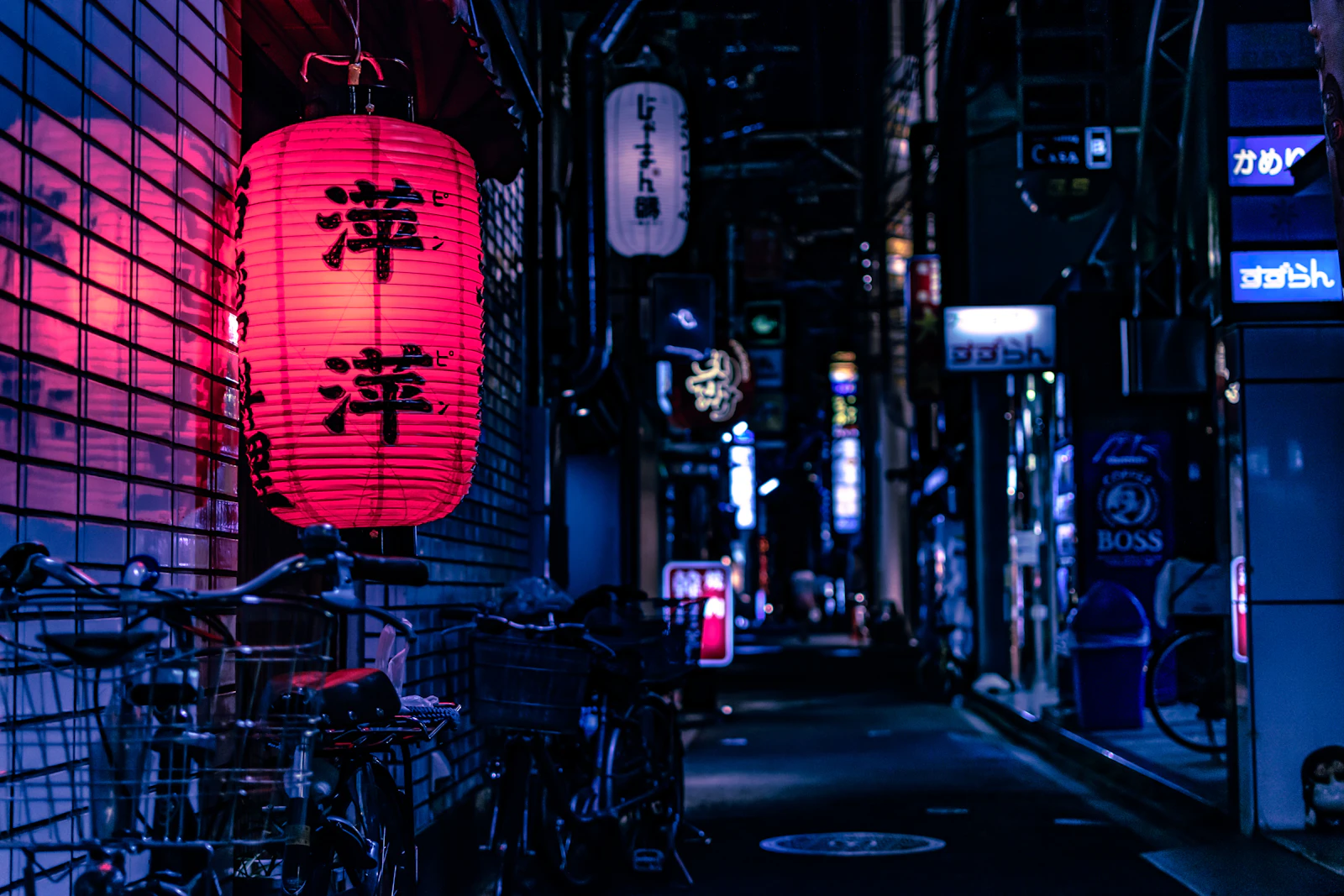
- Watch Tokyo change from a busy daytime district into a nighttime neighborhood.
- Walk through a traditional Kyoto area early in the morning.
- Ride a Shinkansen between major cities.
- Eat at a small neighborhood restaurant.
- Visit a Japanese garden during the appropriate season.
- Explore a local market without rushing.
- Spend an evening in an izakaya district.
- Try a regional Japanese specialty.
- Visit a temple or shrine respectfully and slowly.
- Take a short day trip outside the main tourist route.
- Leave one half-day completely unplanned.
That final point is deliberately included. An itinerary with no empty space can prevent travelers from discovering the places that make a trip memorable.
Common First-Time Japan Travel Mistakes
The biggest first-time Japan travel mistakes are overpacking the itinerary, changing hotels too often, ignoring regional weather and failing to calculate transportation costs.
Trying to See Too Much
Tokyo, Kyoto, Osaka, Hiroshima, Hokkaido and Okinawa cannot be experienced properly in one short trip. Pick a region and explore it deeply.
Changing Hotels Every Night
Hotel changes create packing, checkout, transportation and luggage-management tasks. Two or three bases are normally easier.
Ignoring Luggage Logistics
Large luggage can make busy train stations and narrow streets more difficult. Pack strategically and investigate luggage delivery where appropriate.
Booking Without Checking the Location
A cheap hotel that requires long transfers every morning can cost more in time and transportation than a slightly more expensive room near a useful station.
Using an Outdated Japan Rail Pass Recommendation
Prices, eligibility and travel patterns change. Always calculate your actual itinerary against current official information before purchasing.
Planning Only Around Famous Attractions
Japan’s appeal extends beyond major landmarks. Neighborhoods, small restaurants, gardens, railway stations, shopping streets and seasonal experiences can be just as memorable.
How to Make a Japan Trip More Affordable
The most effective way to reduce Japan travel costs is to control the three largest expenses first: flights, accommodation and long-distance transportation.
- Compare several flight dates before booking.
- Choose accommodation close to useful transport.
- Calculate rail passes instead of buying them automatically.
- Mix premium meals with inexpensive local food.
- Use free walking areas and public spaces between paid attractions.
- Travel outside the busiest seasonal periods when your schedule allows.
- Choose one or two paid experiences that matter most.
- Use an eSIM or connectivity option that matches your actual data needs.
Travelers looking for alternative ways to reach Japan can also explore our Honolulu to Tokyo cruise resource or Vancouver to Tokyo cruise guide.
What Makes This Japan Travel Guide Different?
A useful Japan travel guide should help you make decisions rather than simply provide a long list of attractions.
The practical framework here is simple: choose fewer bases, calculate transportation before buying passes, match your season to your destination, compare total trip costs, and protect time for unplanned exploration.
That approach also creates a better information architecture for trip planning. A traveler can move from flights to accommodation, from accommodation to transport, and from transport to destination-specific itineraries without starting the research process again.
For travelers planning around current conditions, Japan National Tourism Organization provides official destination, weather, safety and first-time visitor resources. Its destination directory covers regions from Hokkaido and Tohoku through Kansai, Kyushu and Okinawa. Explore official Japan destinations. :contentReference[oaicite:4]{index=4}
Japan Travel Guide FAQ
What is the best Japan itinerary for first-time visitors?
A Tokyo, Kyoto and Osaka itinerary is one of the simplest first-trip routes because the cities provide different experiences and strong rail connections.
Seven to ten days is enough for an introduction, while two weeks allows travelers to add Hiroshima, Hakone, Nara, Kanazawa or another regional destination.
How many days should you spend in Japan for a first trip?
Seven to fourteen days gives most first-time travelers enough time to experience several major destinations without rushing through the entire country.
Seven days works well for Tokyo, Kyoto and Osaka. Ten to fourteen days gives you more flexibility for day trips and regional experiences.
What is the cheapest way to travel around Japan?
The cheapest transportation strategy depends on your route, so compare individual train fares, regional passes, buses and national rail passes before booking.
A national pass is not automatically cheaper than individual tickets for every itinerary.
Is Japan expensive for first-time travelers?
Japan can fit different budgets because travelers can combine budget hotels, casual restaurants, public transportation and selected paid experiences.
The biggest savings usually come from controlling airfare, accommodation and intercity transportation rather than trying to save a few dollars on individual meals.
What month is best for visiting Japan?
Spring and autumn are popular choices because many regions offer comfortable sightseeing conditions, but the best month depends on the destination and activity.
Spring is associated with cherry blossoms, autumn with foliage, summer with festivals and winter with snow destinations.
Should first-time visitors stay in Tokyo or Kyoto longer?
Tokyo usually deserves more time if you prioritize modern city experiences, while Kyoto deserves more time if culture, temples and traditional neighborhoods are your priority.
A balanced itinerary can give each city two to four nights depending on the overall trip length.
Do I need an eSIM for traveling in Japan?
An eSIM is not mandatory, but reliable mobile data can make navigation, translation, reservations and train travel substantially easier.
Compare eSIMs with physical SIM cards and pocket Wi-Fi based on your phone, data needs and number of travelers.
Should I book Japan hotels in advance?
Booking ahead is particularly useful during popular seasons and for highly rated hotels in Tokyo, Kyoto and other heavily visited destinations.
Early booking also lets you choose locations close to the stations and neighborhoods that fit your itinerary.
Is Kyoto worth visiting on a first Japan trip?
Kyoto is worth visiting for travelers interested in temples, gardens, traditional architecture, Japanese cuisine and historic neighborhoods.
JNTO describes Kyoto as a major cultural destination with more than a thousand years of history and extensive transportation connections. :contentReference[oaicite:5]{index=5}
What should I avoid doing on my first Japan trip?
Avoid overcrowding your itinerary, changing hotels constantly, ignoring seasonal weather and buying transportation passes without checking the numbers.
Leaving some free time often produces a more enjoyable trip than scheduling every hour.
Final Takeaway
The best Japan travel guide for first-time visitors is not the one with the longest attraction list; it is the one that helps you build a realistic route around your time, budget and interests.
Start with Tokyo, Kyoto and Osaka if you want a classic introduction. Add destinations only when they improve the trip rather than because they look impressive on an itinerary.
Check seasonal conditions, compare transportation options, choose accommodation near useful transport, prepare connectivity before departure and verify current entry information through official sources.
Most importantly, leave room to slow down. A quiet morning in Kyoto, an unexpected restaurant in Tokyo or an ordinary train ride through the countryside can become more memorable than another attraction squeezed into an already full schedule.
For additional planning, explore our Japan travel updates and Japan travel news today resources before finalizing your itinerary.