The best travel guides for planning a trip help you turn a destination idea into a realistic itinerary, budget, booking checklist, and day-by-day plan. Instead of collecting random tips from dozens of websites, a useful travel guide should help you decide where to stay, how to get there, what to do, what to budget, and which practical details need checking before departure.
This guide explains how to choose the best travel guides for planning a trip and how to use them efficiently. You will also find a practical framework for comparing destination guides, transportation information, accommodation advice, activities, safety resources, and official government information before you book.
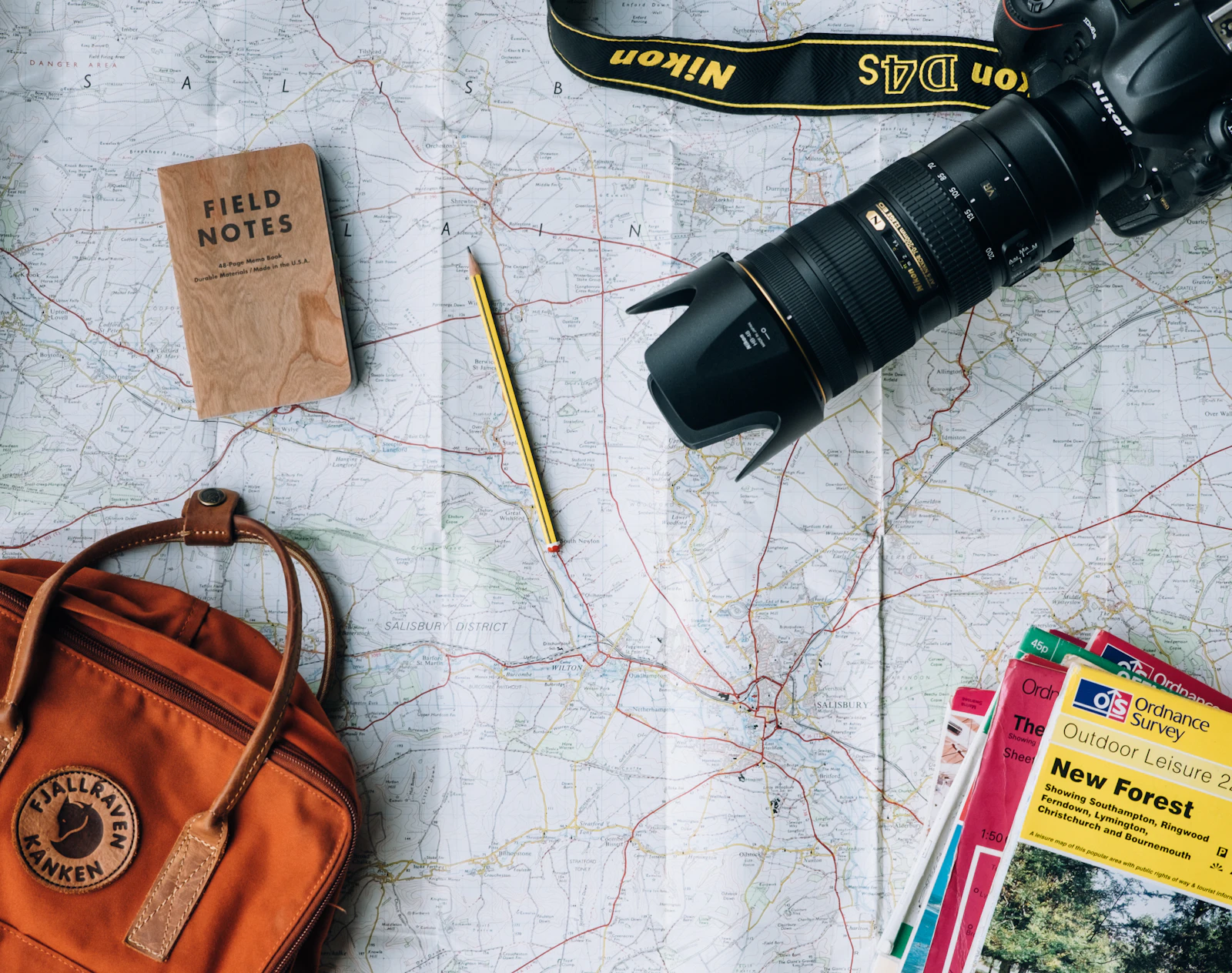
For destination-specific research, start with a detailed guide such as Best Travel Guides for Planning a Trip, then combine it with official destination information and current government guidance. For international travel, the U.S. Department of State recommends checking entry requirements, local laws, travel advisories, required documents, and personal safety considerations before departure.
What Makes a Travel Guide Useful?
A useful travel guide gives you enough reliable information to make decisions without forcing you to search for every basic detail elsewhere. The strongest guides connect destination information with practical decisions such as timing, transportation, accommodation, costs, activities, and safety.
When comparing the best travel guides for planning a trip, look for information that answers specific questions rather than pages filled with generic descriptions. A good guide should tell you what matters for your particular destination and travel style.
Look for practical information first
The most valuable travel planning information explains what to do, when to do it, how much time it requires, and what you need to arrange beforehand. Look for:
- Recommended areas to stay
- Airport and transportation options
- Typical sightseeing time
- Seasonal considerations
- Suggested itineraries
- Booking requirements
- Local transportation information
- Safety and entry requirements
- Budget considerations
- Accessibility and family-travel considerations
For additional planning ideas, compare these resources with Best Travel Planning Tips. The goal is not to read every travel article available. The goal is to collect the information needed to make confident decisions.
11 Best Types of Travel Guides for Planning a Trip
The best travel guides for planning a trip usually fall into several categories, with each guide answering a different part of the planning process. One article rarely provides every detail you need, so combining a few complementary resources is usually more effective.
1. Complete destination travel guides
A complete destination guide is the best starting point when you are still building your overall trip plan. It should cover neighborhoods, attractions, transportation, accommodation, food, timing, costs, and itinerary ideas.
For example, a destination guide for Japan should help you understand how cities connect, while a city guide should focus more heavily on neighborhoods, sightseeing routes, local transportation, and realistic daily schedules.
For first-time visitors, Japan Travel Guide for First-Time Visitors provides a useful example of how destination-specific information can be organized around traveler needs.
2. Free travel guides
Free travel guides are useful when you want destination ideas and planning information before spending money on premium resources. They can be particularly valuable during the early research stage.
Start with Free Travel Guides, then verify time-sensitive details through official destination or government sources.
3. First-time traveler guides
First-time traveler guides are especially useful because they explain basic decisions that experienced travelers may overlook. These guides can cover passports, airport procedures, packing, transportation, accommodation, travel insurance, and communication.
If this is your first major trip, review Travel Planning for First-Time Travelers before moving into more specialized research.
4. City-specific travel guides
City travel guides are best when you already know your destination and need help deciding where to stay and what to do. A strong city guide should divide information by neighborhood or area rather than giving you an unorganized attraction list.
For example, New York City Travel Guide for First-Time Visitors can be paired with transportation research and attraction planning to create a more realistic itinerary.
5. Transportation guides
Transportation guides help you understand how to move between airports, hotels, cities, attractions, and day-trip destinations. This information can have a major effect on both cost and the amount of sightseeing time available.
Depending on your destination, research Trains & Buses alongside flight information before finalizing your itinerary.
6. Accommodation guides
Accommodation guides help you choose the right location rather than simply the cheapest available room. A cheaper hotel can become expensive if it adds long daily transportation costs.
Compare neighborhood location, transport access, cancellation terms, taxes, resort fees where applicable, and the total price before booking. You can also review Hotels & Accommodations when planning your stay.
7. Activity and tour guides
Activity guides help you prioritize experiences instead of filling your itinerary with attractions that may not fit your schedule. Look for information about duration, booking requirements, age restrictions, physical demands, and location.
For activity research, see Tours & Activities and group experiences according to your actual travel priorities.
8. Package and vacation guides
Package travel guides can simplify planning when flights, accommodation, transfers, and activities need to be coordinated. They are particularly useful for travelers who prefer a structured holiday rather than arranging every component separately.
Compare the total package price with individual bookings before deciding whether a package provides genuine value. Package Tours is a useful starting point for this type of research.
9. Travel safety guides
Safety guides help you identify risks, local rules, emergency resources, and travel requirements before departure. Safety information should always come from current official sources when the subject involves entry requirements, advisories, laws, or emergencies.
The U.S. Department of State’s international travel checklist recommends checking destination requirements, local laws, passport requirements, health information, and travel insurance considerations before international travel. Review the official International Travel Checklist before departure.
10. Destination-specific official guides
Official tourism guides are valuable because they can provide current destination information that older commercial articles may not contain. These resources can include transportation changes, events, local rules, maps, seasonal information, and visitor services.
For example, the Kyoto City Official Guide provides transportation information, sample itineraries, seasonal information, areas to explore, visitor services, and responsible-tourism guidance.
11. Practical trip-planning articles
Practical travel articles are most useful when you have a specific planning problem rather than a general destination question. Examples include how to build an itinerary, how to save on transportation, how to choose a hotel, or how to plan a first international trip.
For broader reading, Best Travel Articles for Planning a Trip can help you identify supporting topics before you finalize your plan.
How to Research a Destination Before Booking
The best destination research starts with practical constraints such as dates, budget, transportation, entry requirements, and the experiences you actually want. Do not begin by building a 20-attraction wish list before checking whether the trip is realistic.
Step 1: Define the purpose of the trip
Decide whether your priority is sightseeing, relaxation, food, nature, culture, family time, nightlife, or a combination. Your answer determines how you should allocate your limited travel time.
A family trip may prioritize short transportation times and convenient accommodation, while a solo city break may prioritize walkability and public transportation.
Step 2: Check the best season
Research weather, peak periods, public holidays, major events, and seasonal closures before choosing your dates. The cheapest month is not necessarily the best month if weather or operating hours prevent you from enjoying the destination.
Step 3: Check official requirements
Verify entry requirements and safety information using current official sources rather than relying exclusively on old travel blogs. The U.S. Department of State’s planning guidance specifically recommends reviewing travel advisories, entry requirements, local laws, and embassy information.
For travelers who need international planning information, Planning Your Travel from the U.S. Department of State is an authoritative reference.
Step 4: Identify the right neighborhood
Choose accommodation based on your daily route, transportation access, and priorities rather than hotel price alone. Staying near the center can reduce transportation time, while staying farther away may work if public transport is reliable and inexpensive.
How to Build a Practical Travel Itinerary
A practical itinerary groups nearby activities together and leaves enough time for transportation, meals, rest, delays, and unexpected discoveries. A schedule that looks impressive on paper can become exhausting once travel time is included.
Use the three-layer itinerary method
Build each day around one major experience, two or three nearby secondary activities, and flexible time. This approach provides structure without turning the trip into a race.
- Anchor: Choose the main attraction or experience.
- Cluster: Add nearby attractions that make sense geographically.
- Buffer: Leave time for meals, queues, transport, rest, and unexpected changes.
For example, if a museum requires a timed reservation, place it at the center of the day and organize nearby sightseeing around that fixed appointment.
Travelers visiting Kyoto can also use the official city’s sample itineraries and transportation information when checking whether a planned route is realistic. Kyoto Travel’s official planning resources provide current destination-specific information.
How to Build a Realistic Travel Budget
A realistic travel budget includes transportation, accommodation, food, activities, local transportation, taxes, insurance, and an emergency buffer. Looking only at airfare or hotel prices can make an apparently cheap trip surprisingly expensive.
A simple travel budget formula
Total trip cost = transportation + accommodation + food + activities + local transport + insurance + fees + emergency buffer.
For example, imagine a five-day trip with $450 transportation, $600 accommodation, $300 food, $200 activities, $100 local transportation, and $150 reserved for unexpected expenses. The planning estimate becomes $1,800.
This approach also helps you compare a package holiday against individual bookings. If a package includes airport transfers, accommodation, activities, and selected meals, calculate the equivalent individual costs before deciding.
For broader deal research, you can compare this planning approach with package tour options and individual travel components.
How to Research Flights and Transportation
The best transportation plan balances price, arrival time, convenience, baggage rules, and the time required to reach your accommodation. The cheapest ticket is not always the cheapest transportation solution.
Compare the complete journey
Calculate the cost from your home to the hotel rather than comparing airfare alone. Include airport parking, transfers, trains, buses, baggage, airport changes, and local transportation where relevant.
For example, an inexpensive flight arriving at a distant airport may require an expensive transfer and several hours of additional travel.
Use Flights as part of your research and then compare the transportation options available at your destination.
Check alternative transportation
Trains, buses, airport transfers, and rental cars can sometimes make a multi-city itinerary simpler than booking separate flights. The best choice depends on distance, schedule, luggage, group size, and the value of your time.
For airport transfers and related services, review Transfers & Airport Services.
How to Choose Accommodation From a Travel Guide
The best accommodation is usually the property that fits your location, budget, transportation needs, room requirements, and cancellation preferences. A highly rated hotel in an inconvenient area may be less useful than a slightly simpler property close to your planned activities.
Compare these five factors
- Location and transportation access
- Total price including mandatory fees
- Room type and occupancy
- Cancellation and payment conditions
- Guest reviews relevant to your needs
Families should pay particular attention to room configuration and transportation. Couples may prioritize location and dining access. Solo travelers may place greater emphasis on walkability and late-night transportation.
Use Hotels & Accommodations as a starting point before comparing individual properties.
How to Choose Tours and Activities
The best activities are those that fit your interests, available time, budget, physical ability, and location. A popular attraction is not automatically worth adding to your itinerary if it does not match your travel goals.
Use a priority system
Divide activities into must-do, would-like-to-do, and optional categories before booking anything. This protects your itinerary when weather, delays, closures, or fatigue force you to change plans.
- Must-do: Experiences you would regret missing.
- Would-like: Valuable experiences that can move to another day.
- Optional: Activities to consider only if time remains.
When comparing tours, check meeting points, duration, cancellation policies, transportation, accessibility, and what is actually included. Tours & Activities can help organize this part of the research.
How to Check Travel Safety and Entry Requirements
Safety research should be completed before booking and checked again shortly before departure because official travel information can change. This is especially important for international trips.
Use official sources for high-stakes information
Verify visa requirements, passport validity, health requirements, local laws, travel advisories, and emergency information through official sources. Travel blogs are useful for experience and practical context, but official agencies should be the primary reference for rules.
The U.S. Department of State’s international travel guidance recommends reviewing destination advisories, entry requirements, local laws, lodging safety, transportation safety, health information, and insurance considerations. Read the official international travel guidance.
Consider travel insurance
Travel insurance can help protect against eligible medical, cancellation, interruption, baggage, or evacuation costs depending on the policy. Always read the exclusions and coverage limits rather than assuming every problem is covered.
The U.S. Department of State also recommends considering travel insurance and reviewing medical and evacuation coverage for international travel.
Common Mistakes When Using Travel Guides
The biggest travel planning mistake is treating one guide as a complete authority for every decision. Travel information has different levels of reliability, and some details become outdated quickly.
Mistake 1: Trusting old prices
Prices for flights, hotels, attractions, and transportation can change, so use travel guides for planning context rather than guaranteed current prices. Check the provider before committing money.
Mistake 2: Ignoring transportation time
An attraction’s distance from your hotel can matter more than its popularity when you have only two or three days. Map your daily route before adding more attractions.
Mistake 3: Following an itinerary too rigidly
A good itinerary should guide your day without making every hour mandatory. Keep at least some flexible time for weather, queues, delays, rest, and spontaneous discoveries.
Mistake 4: Using only commercial sources
Commercial travel content can provide useful practical advice, but official sources should verify laws, visas, advisories, health requirements, and other high-stakes information.
Mistake 5: Planning too many destinations
Adding more cities does not necessarily create a better vacation because transfers can consume the time you intended to spend sightseeing. For shorter trips, fewer destinations often create a more comfortable experience.
First-time travelers can also review Travel Tips for First-Time Travelers before finalizing a complex itinerary.
How to Combine the Best Travel Guides Into One Trip Plan
The most effective approach is to use different guides for different decisions and then combine the information into one master itinerary. This avoids depending on one article while keeping your research manageable.
| Planning task | Best resource type | What to verify |
|---|---|---|
| Destination overview | Complete travel guide | Areas, attractions, seasons |
| Entry requirements | Government source | Visa, passport, laws |
| Accommodation | Hotel guide | Location, price, cancellation |
| Transportation | Transport guide | Routes, schedules, total cost |
| Activities | Activity guide | Duration, availability, booking |
| Safety | Official advisory | Current risks and requirements |
This layered approach is more reliable than searching for one article that promises to answer every possible question. It also gives you a clear way to update your plan when one detail changes.
A Simple 7-Step Travel Planning Framework
Use seven steps to turn travel research into a practical plan: choose the destination, check timing, set the budget, research transport, select accommodation, build the itinerary, and verify requirements.
- Choose the destination: Define what you want from the trip.
- Check the timing: Research seasons, events, weather, and crowds.
- Set the budget: Estimate the complete trip cost.
- Research transportation: Compare flights, trains, buses, transfers, and rental options.
- Choose accommodation: Prioritize location and total value.
- Build the itinerary: Group activities geographically and leave buffer time.
- Verify everything: Recheck official requirements, bookings, opening hours, and transportation before departure.
This framework works for a weekend city break, family vacation, solo trip, international holiday, road trip, or multi-city itinerary because it focuses on decisions rather than a fixed destination.
What Information Should You Save Before Departure?
Save your confirmed bookings, transportation details, accommodation address, emergency contacts, travel documents, insurance information, and official destination resources before leaving. Keeping important information available offline can be useful when mobile connectivity is unreliable.
- Flight or train confirmations
- Hotel confirmation
- Airport transfer information
- Passport and visa information
- Travel insurance policy
- Emergency contacts
- Important addresses
- Offline maps
- Attraction reservations
- Copies of important travel documents
For communication planning, travelers can also consider SIM or connectivity options. See SIM Cards when researching how you will stay connected abroad.
Frequently Asked Questions About the Best Travel Guides
What are the best travel guides for planning a trip?
The best travel guides for planning a trip combine destination information, transportation advice, accommodation research, activities, budgeting, itinerary planning, and current safety information. Use a general destination guide for the overall plan and official sources to verify rules and requirements.
How do I choose a travel guide for a first trip?
Choose a first-trip travel guide that explains transportation, accommodation areas, basic costs, major attractions, local customs, safety considerations, and practical booking steps. A guide written specifically for first-time visitors is often easier to follow than a highly specialized destination resource.
Are free travel guides good enough for trip planning?
Free travel guides can provide excellent planning information, but important rules and time-sensitive details should be verified through official sources. Use free guides for ideas, itineraries, neighborhood comparisons, and practical tips, then confirm requirements before booking.
What should a complete destination travel guide include?
A complete destination travel guide should cover where to stay, how to arrive, local transportation, attractions, activities, food, costs, seasons, itinerary ideas, and practical safety information. The best guides also explain how these factors affect real travel decisions.
Should I follow a travel itinerary exactly?
No, a travel itinerary should provide structure while leaving enough flexibility for weather, delays, queues, rest, and unexpected opportunities. Prioritize essential experiences and keep optional activities available as backups.
Where should I check international travel requirements?
Check official government and embassy sources for visa requirements, passport rules, travel advisories, local laws, and health requirements. Commercial travel guides can provide context, but official sources should be used to verify current requirements.
How many travel guides should I use for one vacation?
Most travelers can plan efficiently with one strong destination guide plus a few specialized resources for transportation, accommodation, activities, and official requirements. Reading too many overlapping articles can create conflicting information and unnecessary research.
What makes a travel guide trustworthy?
A trustworthy travel guide clearly separates recommendations from facts, explains limitations, uses current information where possible, and points readers toward authoritative sources for high-stakes details. Transparent methodology and specific practical information are stronger trust signals than generic claims.
Final Takeaway: Build a Better Trip From Better Information
The best travel guides for planning a trip are not necessarily the longest guides; they are the resources that help you make better decisions with reliable, specific, and actionable information. Start with a destination overview, define your priorities, create a realistic budget, compare transportation, choose accommodation based on location, and build an itinerary that leaves room for real-world conditions.
Then verify important details through official sources before departure. The U.S. Department of State recommends checking destination advisories, entry requirements, local laws, documents, health considerations, and travel insurance information as part of international travel preparation.
For additional planning resources, explore Best Travel Guides for Planning a Trip, Free Travel Guides, and Best Travel Planning Tips to continue building your research.
The strongest travel plan is ultimately one that balances your budget, available time, interests, comfort, and safety. Use guides as decision-making tools—not as instructions you must follow word for word—and your research becomes much more useful.