The best travel places are destinations that match your budget, interests, available time, and preferred travel style rather than simply being the most famous places on a map.
Choosing where to travel can be harder than booking the trip itself. A destination may look perfect in photographs but become expensive because of accommodation, transportation, attraction fees, or peak-season demand.
This guide focuses on practical travel places for different types of travelers, including affordable destinations, family-friendly locations, adventure escapes, hidden gems, and classic cities worth visiting. The goal is not simply to give you a long list of destinations, but to help you decide which place makes sense for your next trip.
For more inspiration, compare this guide with our 17 best travel destinations for 2026 and our broader guide to best vacation destinations.
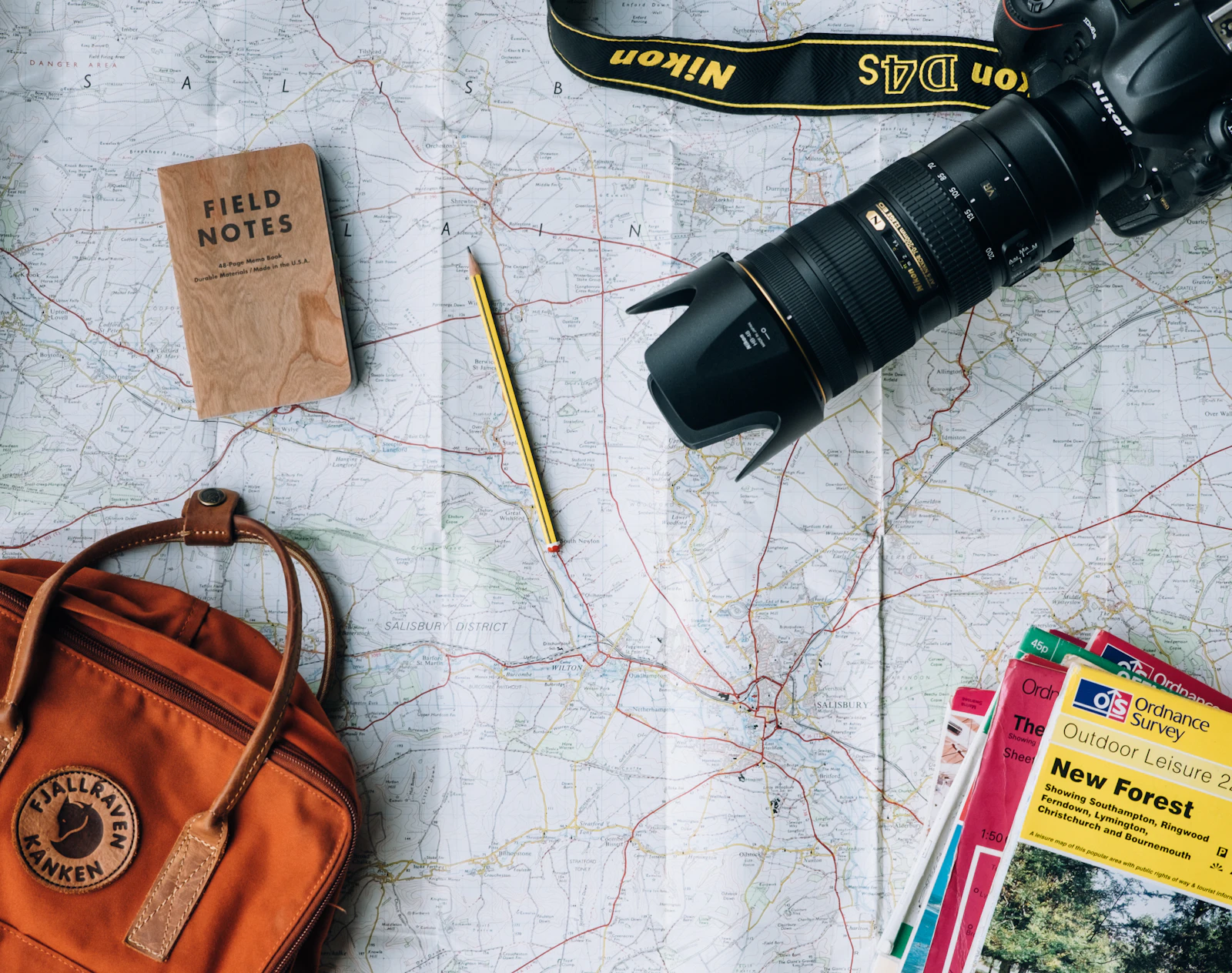
How to Choose the Best Travel Places
The right travel destination should balance total trip cost, transportation time, activities, weather, accommodation, and the type of experience you want.
A useful way to compare travel places is to score each destination before booking. Instead of asking only, “Is this place beautiful?”, ask whether the destination works for your actual trip.
- Budget: Estimate flights, hotels, meals, local transportation, activities, and taxes.
- Time: A destination requiring two days of transportation may not suit a four-day vacation.
- Interests: Match cities, beaches, mountains, history, food, wildlife, or adventure activities to your priorities.
- Season: Research weather, crowds, festivals, and seasonal prices before choosing dates.
- Logistics: Check airport access, public transportation, entry requirements, and local travel time.
For example, someone searching for affordable international destinations may prefer a city with inexpensive public transportation and accommodation rather than an isolated resort with cheap flights but expensive local costs.
Travelers looking for more inspiration can also explore our travel ideas for your next vacation.
17 Travel Places Worth Considering in 2026
These 17 destinations cover a practical mix of major cities, scenic regions, family destinations, affordable escapes, and less-obvious places to consider for 2026.
| Destination | Best For | Why Consider It |
|---|---|---|
| Kyoto, Japan | Culture and food | Historic neighborhoods, temples, gardens, and traditional cuisine |
| Lisbon, Portugal | City breaks | Walkable neighborhoods, viewpoints, food, and nearby coastal areas |
| Barcelona, Spain | Architecture and beaches | Urban attractions combined with Mediterranean scenery |
| Bangkok, Thailand | Budget travel | Food, temples, markets, and extensive accommodation choices |
| Bali, Indonesia | Relaxation | Beaches, cultural attractions, nature, and wellness experiences |
| Istanbul, Türkiye | History and food | Historic landmarks, markets, neighborhoods, and distinctive cuisine |
| Prague, Czechia | European city breaks | Historic architecture and compact sightseeing areas |
| Reykjavik, Iceland | Nature | Gateway to waterfalls, geothermal areas, and dramatic landscapes |
| Vancouver, Canada | City and outdoors | Urban attractions close to mountains, water, and outdoor activities |
| New York City, USA | First-time visitors | Museums, neighborhoods, food, entertainment, and major landmarks |
| San Diego, USA | Families and beaches | Coastal attractions, parks, museums, and family activities |
| Mexico City, Mexico | Food and culture | Museums, historic districts, markets, and diverse neighborhoods |
| Cape Town, South Africa | Scenery | Coastline, mountains, food, and surrounding attractions |
| Queenstown, New Zealand | Adventure | Mountains, lakes, hiking, and outdoor activities |
| Amalfi Coast, Italy | Scenic vacations | Coastal villages, viewpoints, food, and Mediterranean atmosphere |
| Seoul, South Korea | Modern culture | Food, shopping, technology, neighborhoods, and historic sites |
| Washington, D.C., USA | History and museums | Major museums, monuments, neighborhoods, and cultural attractions |
1. Kyoto, Japan
Kyoto is one of the strongest travel places for travelers who want traditional culture, historic architecture, gardens, and Japanese food in one destination.
Build a Kyoto itinerary around a few geographic areas rather than trying to cross the city repeatedly. Combine temple visits with neighborhood walks, traditional markets, gardens, and evening food experiences.
For a more detailed plan, see our travel to Kyoto guide.
2. Lisbon, Portugal
Lisbon works particularly well for travelers wanting a European city break with historic streets, viewpoints, food, and access to nearby coastal areas.
Stay near a convenient public transportation connection and plan walking routes by neighborhood. This reduces unnecessary taxi costs and gives you more time to explore.
3. Barcelona, Spain
Barcelona combines architecture, food, city sightseeing, and beach access, making it a versatile choice for travelers with different interests.
Reserve major attractions ahead of time when required and avoid building every day around a single famous landmark. Neighborhood exploration can provide a more balanced experience.
4. Bangkok, Thailand
Bangkok is a practical option for travelers seeking affordable food, diverse accommodation, cultural attractions, and a large choice of activities.
Use public transportation where practical, compare accommodation locations rather than only nightly rates, and leave flexibility for food markets and neighborhood exploration.
5. Bali, Indonesia
Bali suits travelers looking for a combination of beaches, cultural experiences, nature, wellness activities, and resort stays.
One useful strategy is to divide a longer trip between different areas rather than staying in one location throughout. This can provide beaches, cultural attractions, and inland scenery without making every day identical.
6. Istanbul, Türkiye
Istanbul is an excellent travel destination for combining historic landmarks, markets, neighborhoods, waterfront views, and distinctive local food.
Because the city spans two continents, group attractions by area when building your itinerary. That simple decision can save substantial local travel time.
7. Prague, Czechia
Prague is well suited to travelers who want historic European architecture, walkable sightseeing areas, cafés, and a relatively compact city experience.
Early mornings are useful for popular historic areas, while afternoons can be reserved for museums, cafés, parks, and less crowded neighborhoods.
8. Reykjavik, Iceland
Reykjavik is a useful base for travelers interested in Icelandic landscapes, geothermal experiences, waterfalls, and road-trip adventures.
Do not evaluate Iceland only by accommodation price. Include rental transportation, fuel, food, excursions, and seasonal weather considerations when calculating the real trip budget.
9. Vancouver, Canada
Vancouver is one of the better city-and-nature travel places because urban attractions and outdoor scenery can be combined within the same trip.
Travelers can build an itinerary around neighborhoods, waterfront areas, parks, museums, and mountain excursions. Check transportation conditions before committing to ambitious day trips.
10. New York City, USA
New York City is ideal for first-time travelers who want museums, food, entertainment, neighborhoods, shopping, and famous landmarks.
Instead of crossing the city several times per day, choose one or two neighborhoods as your main area and group nearby attractions together.
Travelers searching for additional American destinations can explore our guide to the best places to visit in the USA.
11. San Diego, USA
San Diego is a practical choice for families and beach-focused travelers because the destination combines coastal scenery, parks, museums, and outdoor activities.
Compare hotel locations carefully because a lower nightly rate can lose its advantage if you spend heavily on transportation every day.
12. Mexico City, Mexico
Mexico City is a strong choice for travelers interested in food, museums, history, architecture, markets, and neighborhood-based exploration.
Build the itinerary around districts instead of treating the entire metropolitan area as one sightseeing zone. This makes the trip more manageable and leaves more time for local experiences.
13. Cape Town, South Africa
Cape Town stands out for travelers who want dramatic scenery, coastal experiences, mountains, food, and access to diverse attractions.
Plan outdoor activities with weather conditions in mind and leave some flexibility for changing conditions, especially when hiking or visiting exposed viewpoints.
14. Queenstown, New Zealand
Queenstown is an excellent adventure destination for hiking, lake scenery, mountain activities, and outdoor experiences.
Adventure travelers should budget separately for activities because guided experiences can become a significant part of the total vacation cost.
15. Amalfi Coast, Italy
The Amalfi Coast is best suited to travelers prioritizing coastal scenery, villages, Italian food, and scenic experiences over fast-paced sightseeing.
Accommodation and transportation can be expensive during busy periods, so compare nearby bases and travel dates before booking.
16. Seoul, South Korea
Seoul combines modern city life, Korean food, shopping, technology, historic neighborhoods, and cultural attractions.
Use neighborhood-based planning to combine palaces and historic areas with markets, cafés, restaurants, and modern shopping districts.
17. Washington, D.C., USA
Washington, D.C. is particularly useful for history-focused travelers because the city offers major museums, monuments, government landmarks, and cultural attractions.
Check individual attraction requirements before visiting. Some museums and attractions may have specific entry procedures, hours, or reservation systems.

Best Affordable Travel Places
The cheapest destination is not always the destination with the cheapest flight; total daily spending is usually a better comparison.
When comparing affordable travel destinations, calculate at least five costs:
- Return transportation
- Accommodation per night
- Average daily food spending
- Local transportation
- Attraction and activity costs
For example, a destination with a $450 flight and $35 daily hotel may outperform a destination with a $250 flight and $110 daily hotel for a longer trip.
Travelers specifically searching for budget-friendly destinations can compare our best budget travel destinations, affordable vacation destinations, and cheapest travel destinations.
Pro tip: Create a simple trip-cost estimate before booking flights. A five-day trip can be compared using the formula: transportation + accommodation + meals + local transportation + activities + fees.
Best Family Travel Places
The best family destinations reduce unnecessary travel time and provide activities that different age groups can enjoy without overloading the itinerary.
For family travel, prioritize:
- Short transfers from airports to accommodation
- Family-friendly hotel facilities
- Accessible public transportation
- Activities suitable for different ages
- Easy access to restaurants and essential services
A family should not measure a destination only by the number of attractions. A place where parents can reach restaurants, parks, beaches, museums, or entertainment without long daily transfers can create a much easier vacation.
See our family travel destinations for 2026 and best family vacation destinations for additional ideas.
Best Hidden Gem Travel Places
Hidden gem destinations can provide a more distinctive experience when travelers are willing to trade famous landmarks for smaller towns, regional attractions, and less crowded areas.
The best way to find lesser-known travel destinations is to start with the experience you want rather than searching randomly for an obscure city.
- For beaches, search for smaller coastal towns near major resorts.
- For history, investigate secondary cities near famous capitals.
- For nature, look beyond the most heavily visited national parks.
- For food, research regional cities rather than only famous culinary capitals.
Our hidden gem destinations and hidden gems vacation spots guides can help expand your destination shortlist.
However, less famous does not automatically mean cheaper or easier. Always check transportation, accommodation availability, local services, seasonal conditions, and entry requirements.
Best Adventure Travel Places
Adventure destinations work best when the activities match your experience level, physical ability, available time, and tolerance for changing weather.
Adventure travel may include hiking, kayaking, cycling, skiing, diving, wildlife viewing, road trips, or mountain activities.
For national parks and outdoor destinations, check official park information before traveling. The U.S. National Park Service recommends checking park-specific information for fees, reservations, timed entry, maps, operating details, and safety conditions. :contentReference[oaicite:1]{index=1}
The National Park Service also provides maps covering more than 400 national parks, making official park information useful when planning outdoor-focused trips. :contentReference[oaicite:2]{index=2}
Explore our offbeat adventure travel destinations for more ideas.

How to Plan a Trip Around Travel Places
The most reliable destination-planning method is to choose the experience first, shortlist three destinations, compare total costs, and then verify logistics before booking.
Step 1: Define the Trip
Write down your available dates, approximate budget, number of travelers, preferred climate, and top three activities. This immediately removes destinations that do not fit your circumstances.
Step 2: Create a Three-Destination Shortlist
Choose one obvious destination, one alternative, and one lesser-known option. This prevents you from becoming attached to a destination before comparing its real costs.
Step 3: Compare Total Costs
Do not compare flight prices alone. Estimate the complete trip using accommodation, meals, transportation, attractions, insurance, baggage, taxes, and other unavoidable costs.
Step 4: Check Seasonal Conditions
Research the destination’s weather and seasonal events before booking. Peak season can increase accommodation prices and crowds, while shoulder season may provide a useful balance between conditions and cost.
Step 5: Verify Official Information
Before international travel, check official destination information and current health recommendations. The CDC provides destination-specific health information, travel notices, vaccination guidance, and other preparation resources. :contentReference[oaicite:3]{index=3}
The CDC recommends checking destination information before travel and discussing destination-specific health needs with an appropriate healthcare professional when necessary. :contentReference[oaicite:4]{index=4}
Step 6: Build a Flexible Itinerary
Plan one major activity each day, then add optional activities nearby. This approach protects the trip from weather changes, transportation delays, unexpected closures, or simple travel fatigue.
Step 7: Check Transportation Between Activities
A beautiful destination can become frustrating when attractions are spread far apart. Look at actual travel times rather than judging distances by the appearance of a map.
Step 8: Book the High-Risk Items First
Flights, popular hotels, timed-entry attractions, limited tours, and seasonal activities should usually receive attention before flexible activities such as neighborhood walks or casual restaurant visits.
How to Find Better Travel Places Without Overspending
The easiest way to reduce vacation costs is to compare destinations and travel dates before committing to a single itinerary.
Start with flexible dates if possible. Then compare at least three destinations that provide a similar experience.
For example, if your goal is a European city vacation, compare accommodation, transportation, food, and attractions across several cities rather than assuming the first destination you find is the best value.
You can also explore our cheap vacation destinations and best cheap vacation destinations guides.
Information-gain tip: Record the estimated total cost for each shortlisted destination before booking. This creates a practical comparison that a simple “top destinations” list cannot provide.
Common Mistakes When Choosing Travel Places
Most destination-planning mistakes happen because travelers compare attractions or flight prices instead of comparing the complete travel experience.
Choosing Based Only on Social Media
Photographs show the best moments but rarely show transportation time, crowds, weather, prices, or accessibility. Use social media for inspiration, not as your only research source.
Ignoring Local Transportation
A cheap hotel far from major attractions may cost more once daily transportation is added. Compare location and transportation together.
Overloading the Itinerary
Trying to visit every famous attraction can make a vacation exhausting. Select a few priorities and leave room for spontaneous experiences.
Forgetting Seasonal Costs
Prices can change substantially during holidays, festivals, school vacations, and major events. Check several dates when your schedule allows.
Ignoring Official Travel Information
Travel information can change. Check official sources for current health, safety, entry, park, transportation, or attraction information before departure.
How Many Travel Places Should You Visit on One Trip?
For most short vacations, visiting one main destination and adding one nearby location is more manageable than trying to cover an entire region.
A seven-day vacation could use a simple structure:
- Day 1: Arrival and light sightseeing
- Days 2–3: Main destination attractions
- Day 4: Flexible or rest day
- Day 5: Day trip or second location
- Day 6: Favorite activity or neighborhood exploration
- Day 7: Departure
This approach works because the itinerary has enough structure to remain productive without turning every hour into a scheduled activity.
Travel Places for Different Vacation Styles
The best destination depends on what you want the vacation to accomplish, so match the location to your primary travel goal.
| Travel Goal | Useful Destination Type | What to Prioritize |
|---|---|---|
| Low-cost vacation | Affordable cities | Accommodation and daily costs |
| Family vacation | Accessible cities or resorts | Short transfers and age-friendly activities |
| Adventure | Mountain or nature destinations | Weather and activity logistics |
| Culture | Historic cities | Museums, neighborhoods, food, and heritage |
| Beach vacation | Coastal destinations | Season, beaches, accommodation, and transfers |
| First international trip | Well-connected cities | Transportation and easy itinerary planning |
Final Takeaway
The best travel places are not necessarily the most famous destinations; they are the places that provide the right combination of experience, affordability, accessibility, season, and practical convenience for your trip.
Start with your budget and travel dates, identify the experience you want, compare three destinations, calculate the complete trip cost, and verify official information before booking.
If you are still building your destination shortlist, explore our best travel destinations for first-time travelers, best holiday destinations, and top destinations for your next holiday guides.
Frequently Asked Questions About Travel Places
What are the best travel places for first-time travelers?
The best destinations for first-time travelers are usually well-connected cities with reliable transportation, clear tourist infrastructure, varied attractions, and manageable itineraries.
Choose a destination where you can easily reach your hotel, restaurants, attractions, and transportation hubs. A straightforward first trip can build confidence for more complicated journeys later.
How can I find affordable travel places for a vacation?
Compare the complete trip cost rather than comparing airfare alone.
Include flights, hotels, meals, transportation, activities, taxes, baggage, and other unavoidable expenses. A destination with a slightly more expensive flight may still be cheaper overall.
What are good travel places for families with children?
Family-friendly destinations should offer short transfers, comfortable accommodation, accessible transportation, and activities suitable for different ages.
Families should also leave flexibility in the itinerary because children may need additional rest time between major activities.
How do I find hidden travel destinations that are less crowded?
Look beyond famous tourist centers and research smaller cities, nearby towns, regional attractions, and shoulder-season destinations.
Before choosing a lesser-known destination, verify transportation, accommodation, local services, weather, and safety information.
What should I check before booking an international destination?
Check entry requirements, passport validity, transportation, accommodation, weather, travel advisories, health information, and major local costs before booking.
The CDC provides destination-specific travel health information and current Travel Health Notices that can help travelers research health-related considerations. :contentReference[oaicite:5]{index=5}
How many destinations should I visit during a one-week vacation?
One primary destination plus one nearby destination is usually easier to manage during a one-week vacation.
Frequent hotel changes and long transportation days can reduce the amount of time available for actual sightseeing.
Are travel places with famous attractions always better?
Famous destinations are not automatically better because the best choice depends on your budget, interests, season, and travel style.
A smaller destination may provide a better experience if it matches what you actually want from the trip.
How can I compare two destinations before booking?
Compare total transportation, accommodation, food, local travel, attraction costs, weather, and the number of activities available during your dates.
Using the same categories for both destinations creates a more useful comparison than relying on impressions or social media popularity.
Should I plan every day of a vacation?
No, a balanced itinerary should reserve time for rest, unexpected changes, weather, and spontaneous exploration.
Schedule priority attractions while leaving open periods for flexible activities.
Where can I research official travel information?
Use official government, destination, park, transportation, and health resources to verify information that can change before your trip.
For U.S. national parks, the National Park Service provides official planning information, maps, fees, reservations, alerts, and trip-planning resources. :contentReference[oaicite:6]{index=6}
Helpful Travel Resources
- Best Travel Destinations for First-Time Travelers
- Best Vacation Destinations
- Best Budget Travel Destinations
- Hidden Gem Destinations
- Family Travel Destinations for 2026
- Cheap Vacation Destinations
Official Planning Resources
For outdoor destinations, use the National Park Service official trip-planning resources to check park information, maps, alerts, reservations, and planning requirements.
For international travel health preparation, consult the CDC Travelers’ Health resource for destination-specific information, health notices, and preparation guidance.