Choosing the best Malaysia national parks for nature lovers can be difficult because the country’s protected landscapes offer very different experiences. Some parks feature ancient tropical rainforests and wildlife, while others protect limestone caves, mountain ecosystems, coastal cliffs, waterfalls, and remote islands.
For a rewarding nature-focused trip, start with Taman Negara for rainforest exploration, Kinabalu Park for mountain scenery, Gunung Mulu for extraordinary caves, and Bako National Park for wildlife encounters. This guide compares 12 destinations, explains what makes each one special, and provides practical advice about transport, hiking, seasons, permits, and accommodation.

Table of Contents
- Why explore Malaysia’s national parks?
- 12 best national parks and nature escapes
- National parks comparison table
- Best time to visit Malaysian national parks
- How to plan a national park trip
- Suggested 7-day nature itinerary
- Travel costs and practical considerations
- Common mistakes to avoid
- Frequently asked questions
Why Explore Malaysia’s National Parks?
Malaysia’s protected natural areas offer opportunities to experience tropical biodiversity, mountain environments, ancient forests, limestone formations, and coastal ecosystems. The country’s geography makes it possible to combine several different landscapes within one extended holiday.
Peninsular Malaysia offers accessible rainforest destinations, including Taman Negara and Penang National Park. Malaysian Borneo, particularly Sabah and Sarawak, offers spectacular mountain scenery, limestone cave systems, and exceptional wildlife habitats.
These protected areas are especially valuable for travellers interested in:
- Wildlife watching: Look for proboscis monkeys, orangutans, hornbills, macaques, and other rainforest species.
- Rainforest trekking: Explore marked jungle trails, forest boardwalks, and guided wilderness routes.
- Mountain scenery: Experience the highland landscapes and botanical diversity surrounding Mount Kinabalu.
- Geological attractions: Discover limestone caves, unusual rock formations, and underground chambers.
- Coastal nature: Walk along protected beaches, mangrove ecosystems, and forest-covered headlands.
Before choosing a destination, consider your available time, fitness level, preferred activities, and transportation arrangements. Some parks are suitable for short day trips, while remote rainforest destinations require advance planning and overnight accommodation.
12 Best Malaysia National Parks for Nature Lovers
The following destinations offer a varied selection of Malaysia’s most rewarding protected natural landscapes, from accessible rainforest walks to remote wilderness adventures.
1. Taman Negara National Park, Pahang

Taman Negara is one of the strongest choices for experiencing Peninsular Malaysia’s tropical rainforest, river landscapes, and guided jungle activities.
Located across Pahang, Terengganu, and Kelantan, Taman Negara protects an extensive rainforest landscape. Kuala Tahan in Pahang is the best-known visitor gateway and provides access to several popular activities.
Top experiences include:
- Walking through the rainforest canopy walkway when operational.
- Hiking to Bukit Teresek for elevated forest views.
- Taking a guided boat journey along the Tahan River.
- Exploring forest trails and visiting Lata Berkoh.
- Learning about local Batek community heritage through responsible, guided cultural visits.
- Birdwatching and observing tropical forest ecosystems.
Practical visitor information: Kuala Tahan is the main access point for many first-time visitors. Travellers generally reach the area through Jerantut before continuing by road or arranging onward transport.
Allow at least two nights if you want to combine jungle walks, river activities, and wildlife observation. A longer stay is more appropriate for challenging trekking routes.
Pro tip: Ask your accommodation or licensed guide about current trail and canopy walkway conditions before travelling. Rainfall can affect access and activity schedules.
Official information: Malaysia Department of Wildlife and National Parks (PERHILITAN).
2. Kinabalu Park, Sabah
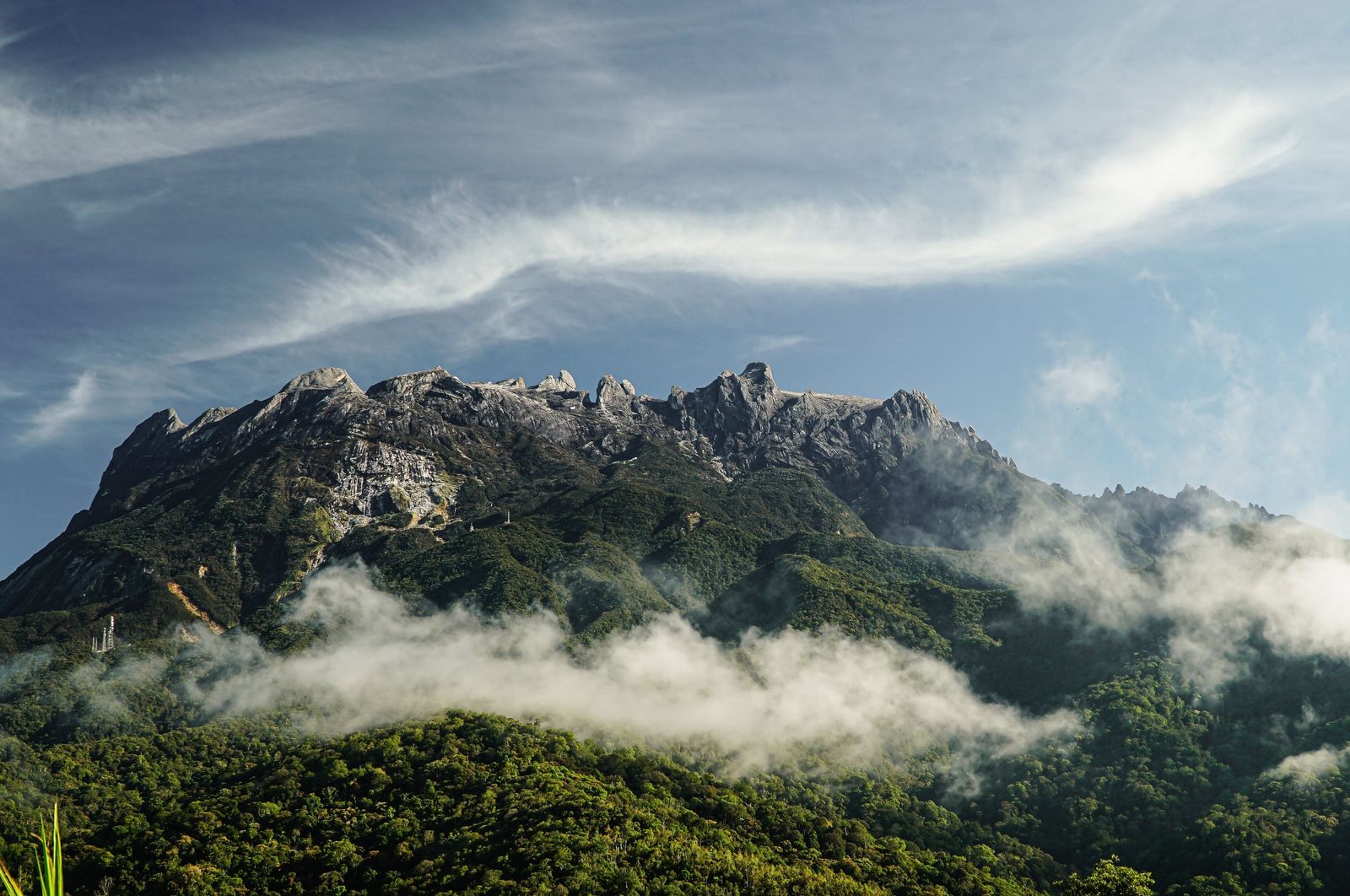
Kinabalu Park is the ideal destination for travellers interested in mountain biodiversity, botanical attractions, and spectacular highland scenery.
Located in Sabah, Malaysian Borneo, Kinabalu Park protects the landscape surrounding Mount Kinabalu. The park became Sabah’s first protected park in 1964 and is recognised as a UNESCO World Heritage Site.
The park’s changing elevation creates different habitats, including tropical forest, montane vegetation, and high-altitude environments.
Best experiences:
- Exploring the Kinabalu Park Botanical Garden.
- Walking designated nature trails.
- Enjoying mountain viewpoints and changing cloud formations.
- Learning about orchids, pitcher plants, and other mountain flora.
- Arranging a Mount Kinabalu climbing expedition.
Mount Kinabalu reaches 4,095.2 metres at Low’s Peak. Climbing requires advance arrangements and a registered mountain guide. The Timpohon route is the established climbing route, while the Mesilau route is closed.
Park Headquarters is approximately 92 kilometres from Kota Kinabalu. Staying overnight nearby gives visitors more time to enjoy the cooler mountain environment.
Note: A visit to the park headquarters and a summit expedition are different experiences. You do not need to climb the mountain to appreciate Kinabalu Park.
Official information: Sabah Parks – Kinabalu Park.
3. Gunung Mulu National Park, Sarawak

Gunung Mulu National Park is one of Malaysia’s most remarkable destinations for exploring limestone caves, underground landscapes, and tropical rainforest.
Situated in northern Sarawak, this UNESCO World Heritage Site is famous for its extensive cave systems and dramatic limestone formations.
Its best-known attractions include Deer Cave, Lang’s Cave, Clearwater Cave, and Wind Cave. The park also features the Pinnacles, an impressive collection of sharp limestone formations reached through a demanding trekking route.
What to experience:
- Explore the enormous Deer Cave with an authorised guide.
- Discover the detailed limestone formations inside Lang’s Cave.
- Visit Clearwater Cave and its surrounding natural environment.
- Experience the rainforest boardwalks.
- Observe the evening bat exodus when weather conditions allow.
- Arrange the challenging Pinnacles trek if you have suitable fitness and time.
Gunung Mulu is relatively remote. Visitors commonly fly to Mulu Airport from regional hubs, depending on available schedules. Book flights, accommodation, and guided activities before arrival.
Pro tip: Allow at least three days for the main cave experiences. The Pinnacles expedition requires additional time and advance arrangements.
Official information: UNESCO – Gunung Mulu National Park.
4. Bako National Park, Sarawak

Bako National Park is one of the best places near Kuching for combining rainforest trekking, coastal scenery, and wildlife observation.
Established in 1957, Bako is Sarawak’s oldest national park. Its compact landscape contains several different habitats, including mangroves, dipterocarp forests, beaches, and sandstone cliffs.
The park is particularly famous for proboscis monkeys, which are native to Borneo and are often seen around suitable forest habitats.
Top activities:
- Walk the Lintang Trail to experience different vegetation types.
- Explore the Telok Pandan Kecil trail for coastal scenery.
- Look for proboscis monkeys and silvered leaf monkeys.
- Discover unusual sandstone formations.
- Explore mangrove habitats and forest boardwalks.
- Enjoy guided boat journeys along the coastline.
To reach Bako, travel from Kuching to Kampung Bako and continue by boat to the park headquarters. Boat access depends on sea conditions and operational arrangements.
Allow a full day for a selection of trails. An overnight stay provides additional opportunities for observing wildlife during quieter morning and evening periods.
Important: Follow wildlife safety instructions and never feed monkeys. Keep food securely stored because macaques can approach visitors and unattended belongings.
Official visitor information: Sarawak Tourism Board – Bako National Park.
5. Endau-Rompin National Park, Johor and Pahang

Endau-Rompin is an excellent destination for travellers seeking remote rainforest landscapes, waterfalls, river adventures, and guided nature exploration.
The protected Endau-Rompin landscape extends across the Johor-Pahang region. Different visitor gateways provide access to its forest attractions, including the Peta and Selai areas.
Its most recognised natural attractions include:
- Upeh Guling Waterfall and its distinctive rock formations.
- Blue Lake, known locally as Tasik Air Biru.
- Buaya Sangkut Waterfall.
- Forest trekking routes.
- River activities and rainforest observation.
- Opportunities to learn about the heritage of the Jakun community.
Access arrangements depend on the entrance you select. Some routes involve challenging roads and four-wheel-drive transport, while guided activities require advance planning.
Planning tip: The northeast monsoon affects accessibility. The Peta entrance can be affected by flooding, while Selai has different operating conditions. Contact the relevant park management before confirming accommodation or transport.
Official information: Johor National Parks – Endau-Rompin Selai visitor advice.
6. Penang National Park, Penang

Penang National Park is a convenient choice for travellers who want coastal forest walks and wildlife experiences without travelling far from George Town.
Located at the northwestern tip of Penang Island, the park protects a mixture of tropical forest, beaches, coastal ecosystems, and important wildlife habitats.
Its main visitor entrance is at Teluk Bahang, which is accessible by public transport from George Town.
Highlights include:
- Hiking towards Kerachut Beach.
- Exploring Teluk Kampi Beach.
- Visiting the Muka Head lighthouse area.
- Observing coastal birds and other wildlife.
- Discovering the unusual meromictic lake at Kerachut Beach when conditions permit.
- Visiting the turtle conservation centre during its operating hours.
The official department lists the main entrance operating hours as 8:00 am to 4:30 pm, with a daily lunch closure from 1:00 pm to 2:00 pm. Trail conditions, facilities, and access arrangements can change.
Kerachut Beach and Teluk Kampi are substantial walks, so carry enough drinking water and allow time for the return journey. Camping requires advance arrangements.
Official information: PERHILITAN – Penang National Park.
7. Niah National Park, Sarawak
Niah National Park is particularly rewarding for visitors interested in limestone caves, archaeological heritage, and the relationship between people and tropical forest environments.
Located near Miri in Sarawak, Niah is internationally important for its archaeological discoveries. The Great Cave and surrounding archaeological areas provide evidence of early human occupation in Southeast Asia.
What makes Niah special?
- Explore the Great Cave and its enormous chambers.
- Discover the Painted Cave and its archaeological significance.
- Walk through tropical forest surroundings.
- Learn about the area’s human history.
- Observe the cave ecosystem and surrounding wildlife.
The main experience involves walking through forest paths and cave passages. Wear suitable footwear because some surfaces can be uneven, damp, or slippery.
Visitors should check current access rules and guided arrangements, particularly for archaeological areas where conservation requirements apply.
8. Lambir Hills National Park, Sarawak

Lambir Hills National Park is a strong choice for travellers interested in forest biodiversity, waterfalls, and hiking through tropical vegetation.
Located near Miri, Lambir Hills protects an important lowland mixed dipterocarp rainforest ecosystem. The park is known for its plant diversity and forest trails.
Popular experiences include:
- Hiking to Latak Waterfall.
- Exploring marked forest trails.
- Observing tropical plants and insects.
- Birdwatching in the forest canopy.
- Enjoying designated picnic areas.
Latak Waterfall is a practical introduction to the park for visitors who prefer a shorter walk. Longer trails are more suitable for travellers with additional time and hiking experience.
Start early, carry drinking water, and check current trail access with park authorities before travelling.
9. Kubah National Park, Sarawak

Kubah National Park is ideal for nature lovers seeking rainforest walks, amphibian diversity, waterfalls, and accessible wilderness near Kuching.
The park is known for its tropical forest and botanical richness, including palms and other distinctive plant species. Its location makes it a useful addition to a Kuching-based nature holiday.
Things to do:
- Explore designated jungle trails.
- Visit the waterfall trail when accessible.
- Discover tropical palm species.
- Look for frogs and other forest wildlife.
- Enjoy the forest environment and photography opportunities.
Some trails involve steep or slippery sections, particularly following heavy rainfall. Choose a route that matches your fitness level and confirm current conditions before starting.
10. Similajau National Park, Sarawak

Similajau National Park offers a distinctive combination of rainforest trails, sandy beaches, coastal vegetation, and marine environments.
Situated near Bintulu in Sarawak, Similajau is a particularly interesting option for travellers who want to experience both forest and coastline.
Best activities include:
- Walking along designated coastal trails.
- Visiting protected beaches.
- Exploring tropical forest vegetation.
- Watching birds and other wildlife.
- Discovering coastal geological features.
Check trail distances, tide conditions, and beach access before departure. Swimming should only be considered where park authorities explicitly permit it and local conditions are safe.
11. Gunung Gading National Park, Sarawak
Gunung Gading National Park is one of the most interesting destinations for travellers hoping to see Rafflesia, one of the world’s most remarkable flowering plants.
Located near Lundu, southwest of Kuching, the park protects forested mountain landscapes and is particularly associated with Rafflesia tuan-mudae.
Unlike conventional flowering plants, Rafflesia has no visible leaves, stems, or roots. Its enormous flower is a rare natural attraction, but flowering is unpredictable.
What to do here:
- Join an authorised visit to Rafflesia viewing areas when a flower is blooming.
- Explore designated rainforest trails.
- Enjoy forest and mountain scenery.
- Discover the park’s waterfalls when accessible.
Important note: Never plan a visit around a guaranteed Rafflesia sighting. Ask park staff about current flowering activity before making the journey.
12. Tanjung Datu National Park, Sarawak
Tanjung Datu National Park is an excellent option for visitors seeking a quieter coastal wilderness experience in southwestern Sarawak.
Situated near the Sarawak-Kalimantan border, the park combines forested hills, secluded beaches, and coastal ecosystems.
Why visit?
- Explore relatively quiet beaches.
- Discover coastal rainforest vegetation.
- Enjoy nature photography.
- Observe birds and other wildlife.
- Experience a less-developed protected landscape.
Reaching Tanjung Datu requires more planning than visiting parks near Kuching. Transport and boat arrangements depend on the access point and local operating conditions.
Arrange accommodation, park registration, and transport before travelling. Do not assume that public transport will take you directly to the park entrance.
Malaysia National Parks Comparison: Which Should You Choose?
The best park depends on your preferred landscape, available travel time, and comfort with remote transportation and hiking. Use this comparison to narrow down your choices.
| National park | Location | Main attraction | Suggested time |
|---|---|---|---|
| Taman Negara | Pahang and neighbouring states | Ancient rainforest and river activities | 2–3 days |
| Kinabalu Park | Sabah | Mountain biodiversity | 1–2 days |
| Gunung Mulu | Sarawak | Limestone caves | 3–4 days |
| Bako | Sarawak | Proboscis monkeys and coastal trails | 1–2 days |
| Endau-Rompin | Johor and Pahang | Waterfalls and remote rainforest | 2–3 days |
| Penang | Penang | Coastal trekking | 1 day |
| Niah | Sarawak | Archaeological caves | 1 day |
| Lambir Hills | Sarawak | Waterfalls and rainforest trails | 1 day |
| Kubah | Sarawak | Forest biodiversity | 1 day |
| Similajau | Sarawak | Coastal forest and beaches | 1–2 days |
| Gunung Gading | Sarawak | Rafflesia viewing | 1 day |
| Tanjung Datu | Sarawak | Remote coastal wilderness | 2–3 days |
Suggested durations are planning estimates rather than official minimum stays. Actual requirements depend on transport, trail conditions, and the activities you choose.
When Is the Best Time to Visit Malaysia’s National Parks?
The best visiting period depends on the region, park access, rainfall, and the specific activities you want to experience. Malaysia has a tropical climate, and rainfall patterns vary between the peninsula, Sabah, and Sarawak.
Peninsular Malaysia
For many rainforest destinations, relatively drier periods can make trekking and outdoor activities easier. However, seasonal rainfall can still affect individual routes.
- Check northeast monsoon conditions before visiting east-coast areas.
- Confirm Endau-Rompin access with the selected park entrance.
- Check Penang National Park trail and beach conditions after heavy rain.
Sabah and Sarawak
Borneo’s weather is variable, so there is no guarantee of completely dry travel conditions.
- Plan Mount Kinabalu activities around current mountain weather.
- Check cave tours and boat schedules at Gunung Mulu.
- Confirm Bako boat transfers and trail conditions.
- Ask about current Rafflesia flowering activity at Gunung Gading.
Pro tip: Rather than relying only on a general best-month recommendation, check the individual park’s official announcements approximately one week before departure and again on the day of your visit.
How to Plan a Malaysia National Parks Trip
A successful nature holiday requires advance planning for transportation, park permissions, accommodation, hiking difficulty, and weather-related restrictions.
1. Choose parks within the same travel region
Malaysia’s national parks are spread across different states and islands. Combining destinations in one geographical area reduces unnecessary travel time.
For example:
- Kuching route: Bako, Kubah, Gunung Gading, and Tanjung Datu.
- Miri route: Gunung Mulu, Niah, and Lambir Hills.
- Sabah route: Kinabalu Park and other suitable Sabah nature destinations.
- Peninsular route: Taman Negara, Penang National Park, and Endau-Rompin.
2. Arrange transport before arrival
Transport is particularly important when visiting remote protected areas. Some destinations require boat transfers, domestic flights, private vehicles, or four-wheel-drive transport.
Compare available flight options for Sabah and Sarawak, and research suitable car and vehicle rentals for road-accessible destinations.
For airport transfers, review airport transfer services before finalising your itinerary.
3. Book accommodation near park entrances
Staying close to a park reduces early-morning transportation problems and gives you more time for outdoor activities.
Compare suitable hotels and accommodation options based on location, transport access, facilities, and cancellation policies.
For remote parks, check whether accommodation is available inside the protected area or only in nearby communities.
4. Check permits and guided activities
Some activities require entrance permits, registered guides, advance reservations, or special permissions.
Confirm requirements for:
- Mountain climbing at Kinabalu.
- Camping and overnight stays.
- Extended rainforest trekking.
- Cave exploration at Gunung Mulu.
- Boat transfers and remote park visits.
Use official park websites rather than relying entirely on third-party booking information.
5. Pack appropriate outdoor equipment
The right equipment improves comfort and reduces avoidable problems during tropical rainforest trips.
Recommended items include:
- Lightweight, quick-drying clothing.
- Comfortable hiking shoes with good grip.
- Refillable drinking water bottles.
- Waterproof bags for electronics and documents.
- Insect repellent.
- Sun protection and a rain jacket.
- Personal first-aid supplies.
- Binoculars for wildlife observation.
- A headlamp for approved cave or night activities.
Suggested 7-Day Malaysia Nature Itinerary
A seven-day itinerary works best when you concentrate on one region rather than attempting to visit every national park in Malaysia.
Here is a practical example based around Kuching and Sarawak.
| Day | Destination | Suggested activities |
|---|---|---|
| 1 | Kuching | Arrival, accommodation, and local preparation. |
| 2 | Bako National Park | Coastal trekking and wildlife observation. |
| 3 | Kubah National Park | Rainforest walks and waterfall exploration. |
| 4 | Gunung Gading | Forest trails and checking Rafflesia flowering status. |
| 5 | Kuching | Recovery day and local cultural attractions. |
| 6 | Similajau or another suitable nearby destination | Coastal nature experience, subject to travel time. |
| 7 | Kuching | Return journey. |
Important itinerary adjustment: Similajau is near Bintulu, not Kuching. Travelling there requires substantial road or flight planning. For a more relaxed seven-day trip, spend the final two days around Kuching instead, or extend the holiday if you want to include Bintulu.
Another option is to build a separate Miri itinerary around Gunung Mulu, Niah, and Lambir Hills. This avoids trying to combine distant destinations into an unrealistic schedule.
How Much Does a Malaysia National Parks Trip Cost?
Your total cost depends on park entrance charges, transportation, accommodation, permits, guides, and the difficulty of your planned activities.
Instead of using one misleading national average, calculate the trip using these five expense categories.
- Transportation: Include domestic flights, buses, road transfers, boat journeys, and local transport.
- Accommodation: Compare guesthouses, hotels, park lodges, and authorised campsites.
- Park charges: Check entrance tickets, permits, conservation charges, and activity fees.
- Guides and activities: Budget for registered guides, cave tours, climbing arrangements, and boat excursions.
- Food and equipment: Include meals, drinking water, outdoor essentials, and emergency supplies.
For example, a traveller visiting Penang National Park for one day will usually have a very different budget from someone planning a multi-day Mount Kinabalu climbing expedition.
Note: Park fees and private operator charges can change. Confirm the latest prices directly with park authorities before making payment.
For a wider holiday, you can also compare package tour options and individual activity bookings to understand which arrangement offers better value.
Common Mistakes to Avoid When Visiting Malaysian National Parks
The most common planning problems involve underestimating travel distances, ignoring weather conditions, and arriving without confirming access requirements.
- Trying to visit too many parks: Focus on one region and allow sufficient time for travel.
- Ignoring monsoon conditions: Heavy rainfall can affect trails, rivers, boat transfers, and road access.
- Starting hikes too late: Begin early enough to complete your route safely before park closing times.
- Approaching wildlife: Maintain a safe distance and never feed or touch wild animals.
- Ignoring park rules: Follow guide instructions, marked trails, and conservation requirements.
- Carrying insufficient water: Tropical humidity and physical activity increase hydration requirements.
- Assuming all facilities are available: Remote parks may have limited food, mobile connectivity, and medical facilities.
- Failing to confirm return transport: Boat schedules and remote transport arrangements can limit departure options.
Responsible Tourism: How to Protect Malaysia’s Natural Landscapes
Responsible tourism helps protect wildlife, reduce environmental damage, and preserve Malaysia’s natural attractions for future generations.
Visitors should follow these practical principles:
- Carry all rubbish out of the forest.
- Never feed monkeys, birds, or other wildlife.
- Stay on authorised walking trails.
- Avoid disturbing nesting animals and sensitive habitats.
- Do not remove plants, rocks, or other natural materials.
- Choose authorised local guides and responsible operators.
- Respect local communities and cultural traditions.
- Follow swimming, camping, and photography restrictions.
Protected areas are not simply recreational destinations. They are important conservation landscapes that support biodiversity, scientific research, and local livelihoods.
Frequently Asked Questions About Malaysia National Parks
These answers address common questions about choosing, accessing, and exploring Malaysia’s protected natural areas.
1. What are the best national parks in Malaysia for first-time visitors?
Taman Negara, Kinabalu Park, Bako National Park, and Penang National Park are excellent starting points. They offer different experiences, including rainforest trekking, mountain scenery, wildlife observation, and coastal walks.
2. Which Malaysia national park is best for rainforest experiences?
Taman Negara is one of the strongest choices for experiencing Peninsular Malaysia’s tropical rainforest. Visitors can enjoy jungle trails, river journeys, birdwatching, and guided nature activities.
3. Where can visitors see orangutans in Malaysian nature destinations?
Wild orangutans inhabit protected forest areas in Sabah and Sarawak. Sightings are never guaranteed. Visitors interested in seeing orangutans can also research established conservation centres such as Sepilok Orangutan Rehabilitation Centre in Sabah and Semenggoh Wildlife Centre in Sarawak.
4. Is Taman Negara suitable for families?
Yes. Families can consider shorter guided walks, suitable river activities, and nature education experiences. Choose activities according to children’s ages, fitness levels, and weather conditions. Check height and age restrictions for individual attractions.
5. How many days should you spend in Malaysian national parks?
A single-day visit can be sufficient for accessible destinations such as Penang National Park or Lambir Hills. More remote destinations such as Gunung Mulu, Taman Negara, and Endau-Rompin generally deserve multiple days.
6. Do visitors need guides to explore Malaysia’s national parks?
Guide requirements depend on the park and activity. Mount Kinabalu climbing requires a registered mountain guide, and certain remote trekking routes and specialised activities also require authorised guides. Confirm the rules before departure.
7. What is the best Malaysian national park for wildlife photography?
Bako National Park is particularly interesting for photographing proboscis monkeys, birds, and coastal habitats. Sabah and Sarawak also offer opportunities to photograph orangutans and other Bornean wildlife in suitable locations. Maintain a safe distance and avoid disturbing animals.
8. Are Malaysian national parks open throughout the year?
Operating arrangements vary. Some parks remain open throughout the year, but particular trails, activities, and entrances may close because of monsoon conditions, flooding, maintenance, or safety restrictions. Check official announcements before travelling.
9. Which national park in Malaysia is best for hiking?
Kinabalu Park is suitable for mountain hiking and climbing, while Taman Negara offers rainforest trekking. Bako, Lambir Hills, and Penang National Park are good alternatives for shorter nature trails.
10. Can tourists camp inside Malaysian national parks?
Camping is permitted at designated locations in certain parks, subject to available facilities, permits, and advance reservations. Do not assume that overnight camping is allowed everywhere.
11. Which Malaysian national parks are easiest to reach from major cities?
Penang National Park is accessible from George Town by public transport. Bako and Kubah are practical nature destinations from Kuching, while Kinabalu Park can be reached by road from Kota Kinabalu.
12. Are Malaysian national parks suitable for beginner hikers?
Yes. Several parks have shorter marked trails and accessible visitor areas. Penang National Park and selected trails at Taman Negara and Bako can suit beginners, provided visitors check current conditions and choose appropriate routes.
Final Thoughts: Choosing the Best Malaysian National Park
The best Malaysia national parks for nature lovers depend on whether you prefer ancient rainforests, mountain landscapes, limestone caves, wildlife photography, or coastal adventures.
Taman Negara is an excellent choice for a traditional rainforest experience, Kinabalu Park offers remarkable mountain scenery, Gunung Mulu provides extraordinary cave exploration, and Bako is particularly rewarding for wildlife and coastal trekking.
For a more relaxed holiday, choose parks within the same region and spend enough time exploring each destination. Confirm permits, transport, accommodation, and weather conditions before departure.
With thoughtful planning and responsible travel choices, Malaysia’s national parks offer some of Southeast Asia’s most memorable natural experiences.
Explore more travel resources and destination guides at The Offers Guy to plan a more organised and rewarding holiday.