The best things to do in Malaysia include exploring Kuala Lumpur’s famous landmarks, discovering Penang’s historic streets, taking island trips in Langkawi, walking through ancient rainforests, and experiencing Malaysian food and culture. The country offers a rewarding combination of modern attractions, tropical landscapes, cultural heritage, and outdoor adventures.
However, Malaysia is geographically diverse, and choosing the right activities depends on how much time you have and which regions you plan to visit. This guide covers 20 worthwhile experiences, including where to find them, what makes each special, how much time to allow, and practical planning advice.
20 Best Things to Do in Malaysia for an Unforgettable Holiday
Malaysia’s most rewarding experiences combine city sightseeing, UNESCO-listed heritage, tropical islands, wildlife, mountain scenery, and local culture. These activities are spread across Peninsular Malaysia and Malaysian Borneo, so consider travel time when selecting your destinations.
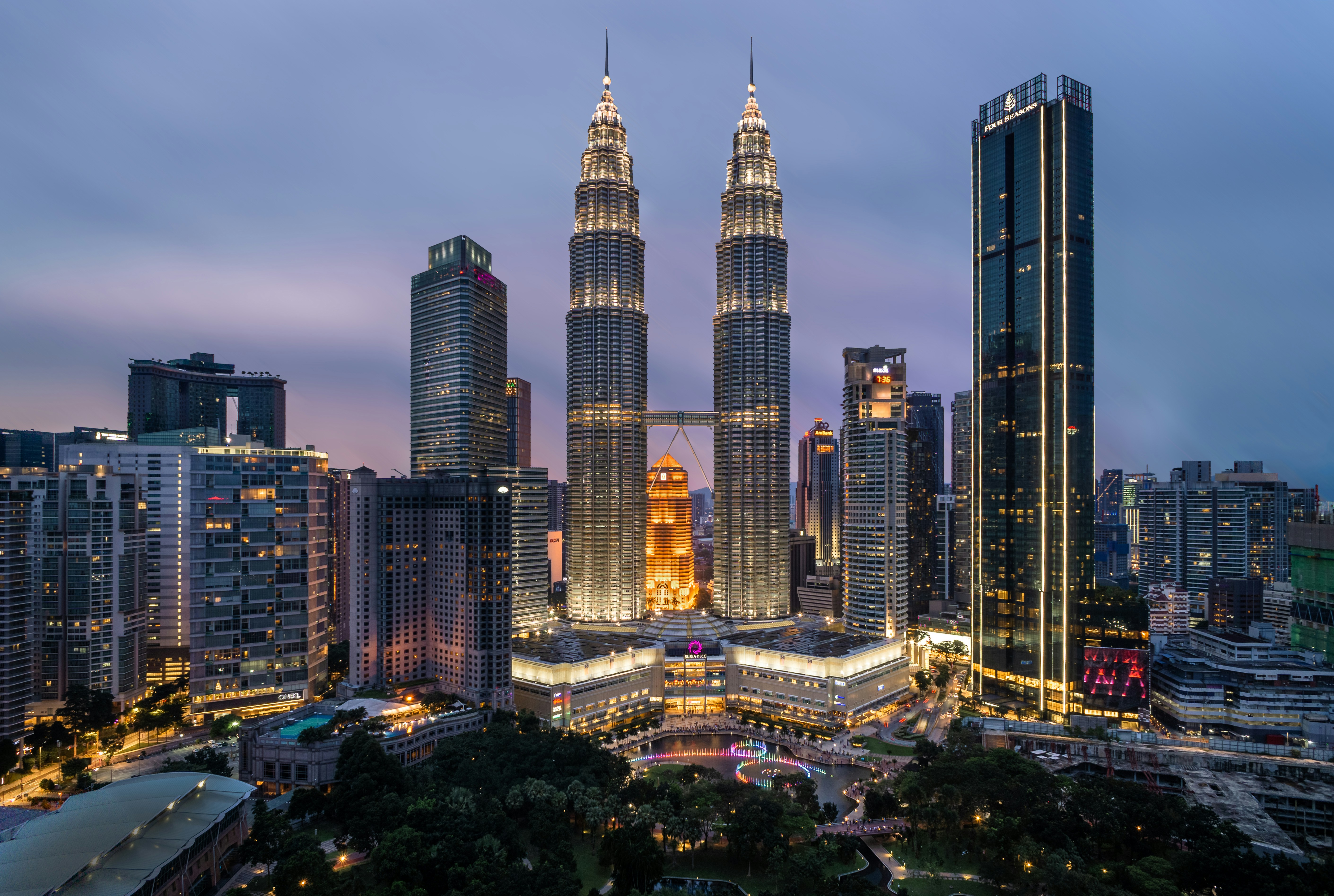
1. Visit the Petronas Twin Towers in Kuala Lumpur
Visiting the Petronas Twin Towers is one of the most recognizable experiences in Kuala Lumpur. The 451.9-metre architectural landmark dominates the city skyline and provides visitors with an opportunity to appreciate the Malaysian capital from above.
The observation experience includes the connecting Skybridge and the observation deck on the 86th floor. You can also explore the surrounding KLCC area, visit Suria KLCC shopping mall, and relax in the landscaped park.
How to make the most of your visit:
- Book observation tickets in advance, particularly during weekends and holidays.
- Visit during late afternoon for changing daylight and evening city views.
- Allow approximately two to three hours for the towers and surrounding attractions.
- Check the official Petronas Twin Towers website for current access arrangements.
Best for: First-time visitors, architecture enthusiasts, couples, and families.
2. Explore Batu Caves and Its Colourful Staircase
Batu Caves is one of the most distinctive cultural attractions near Kuala Lumpur. This limestone hill contains several caves and Hindu shrines, with the colourful staircase leading visitors towards the main Temple Cave.
The enormous golden statue of Lord Murugan stands near the entrance and is among the site’s most recognizable landmarks. Inside, visitors can appreciate the limestone formations, religious architecture, and active worship environment.
Practical visiting advice:
- Arrive early to avoid the strongest midday heat.
- Wear modest clothing suitable for a religious site.
- Wear comfortable shoes because the main staircase has 272 steps.
- Keep food and personal belongings secure around the monkeys.
- Respect worshippers and photography restrictions.
Allow two to three hours, including transportation from central Kuala Lumpur. Check current access conditions before travelling.
Best for: Cultural sightseeing, photography, architecture, and first-time visitors.
3. Discover George Town’s Street Art in Penang
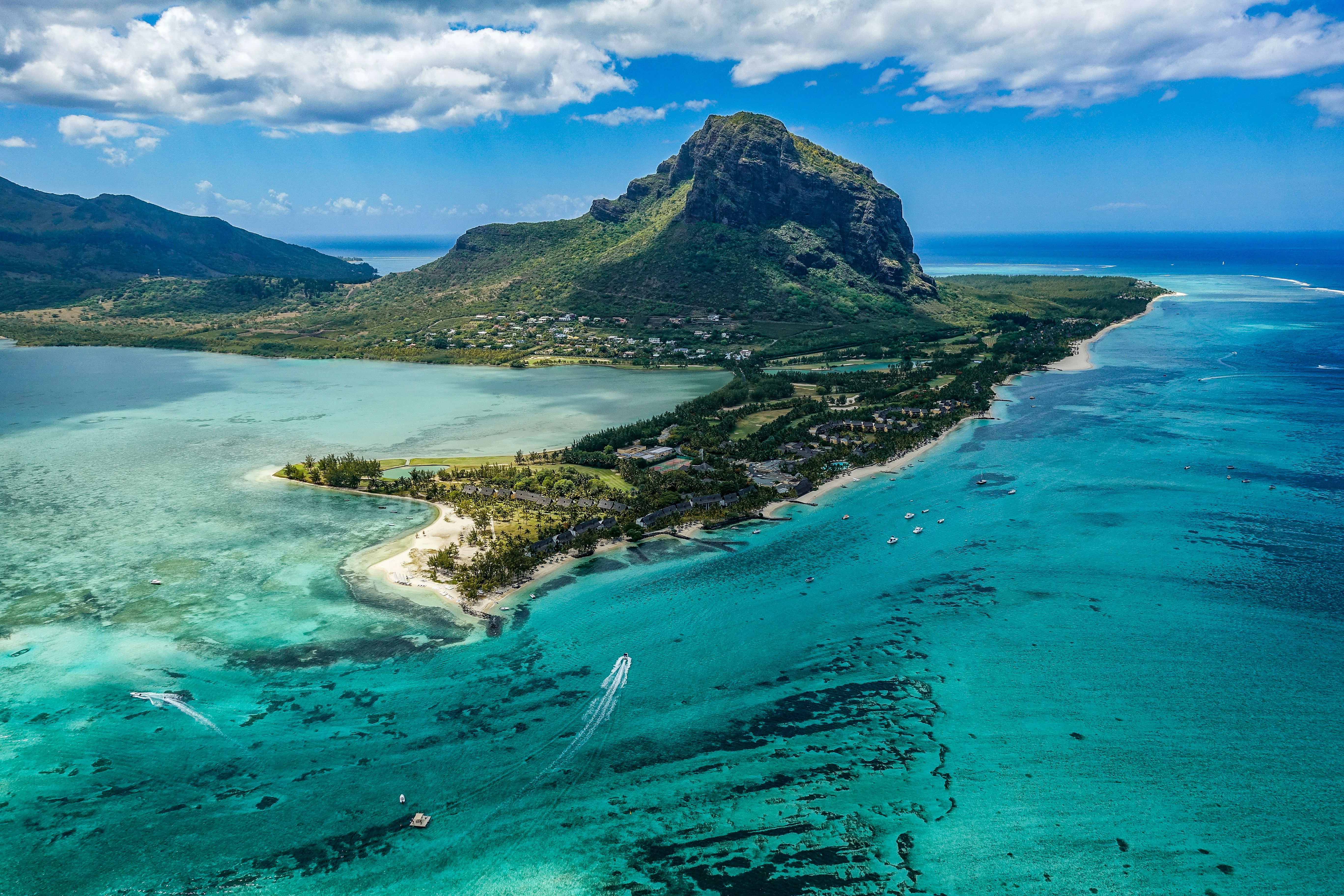
Exploring George Town is among the most enjoyable things to do in Penang, especially for travellers interested in heritage, photography, and local communities.
The historic city is known for its colourful murals, traditional shophouses, clan houses, temples, and multicultural neighbourhoods. Its historic core is part of the UNESCO-listed Melaka and George Town heritage property.
Start around Armenian Street, where famous murals and small independent businesses create an interesting walking route. Continue towards the Clan Jetties, Khoo Kongsi, and the historic streets surrounding the old commercial district.
Suggested walking route:
- Begin at Armenian Street and explore the surrounding murals.
- Visit Khoo Kongsi to understand the history of Chinese clan associations.
- Continue towards the Clan Jetties and their traditional waterfront homes.
- Finish with a visit to a local museum or heritage building.
Allow three to five hours, depending on how many attractions you enter. Visit MyPenang’s official tourism guide for local attractions and suggested routes.
Best for: History lovers, photographers, food enthusiasts, and cultural travellers.
4. Take a Cable Car Ride at Langkawi SkyCab
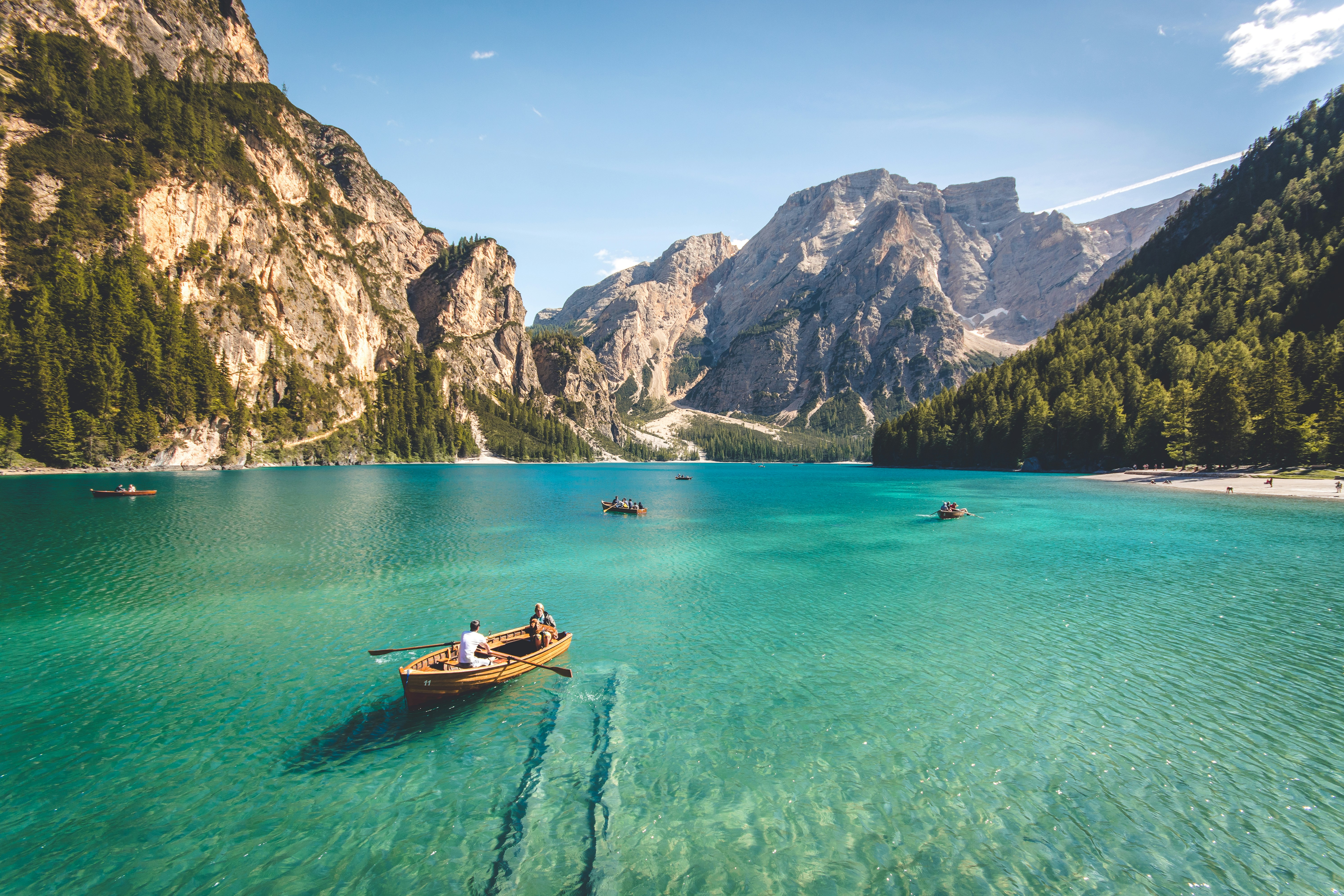
Taking the Langkawi SkyCab cable car is one of the most memorable activities for visitors seeking panoramic views of Malaysia’s tropical scenery.
The cable car takes visitors towards the summit of Gunung Machinchang, where viewing areas provide impressive perspectives over the island, surrounding sea, and forest-covered mountains.
The nearby SkyBridge is another major attraction. Its elevated curved walkway offers a different perspective of Langkawi’s landscape.
Planning tips:
- Check weather and wind conditions before purchasing tickets.
- Allow extra time for queues during school holidays.
- Wear comfortable walking shoes for the viewing areas.
- Consider combining the cable car with other attractions at Oriental Village.
Plan approximately three to four hours for the cable car and nearby attractions. Check Panorama Langkawi for current operating information.
Best for: Couples, families, photographers, and adventure enthusiasts.
5. Experience a Mangrove Boat Tour in Kilim Geoforest Park

A boat tour through Kilim Karst Geoforest Park offers a different perspective of Langkawi beyond its beaches and resorts. The protected landscape features mangrove forests, limestone formations, waterways, and diverse wildlife habitats.
Visitors can explore narrow waterways, observe coastal vegetation, and learn how mangrove ecosystems support marine life and protect shorelines.
Some tours include visits to caves and designated observation areas. Choose responsible operators that maintain appropriate distances from wildlife and avoid activities that disturb natural habitats.
What to check before booking:
- Whether the trip includes a licensed local guide.
- How long the boat journey lasts.
- Whether entrance fees and transfers are included.
- Whether the operator follows responsible wildlife-viewing practices.
Allow half a day for a comfortable excursion. Learn more about the area’s geological importance through UNESCO’s Langkawi Global Geopark information.
Best for: Nature lovers, families, photographers, and eco-conscious travellers.
6. Relax on the Beaches of Langkawi
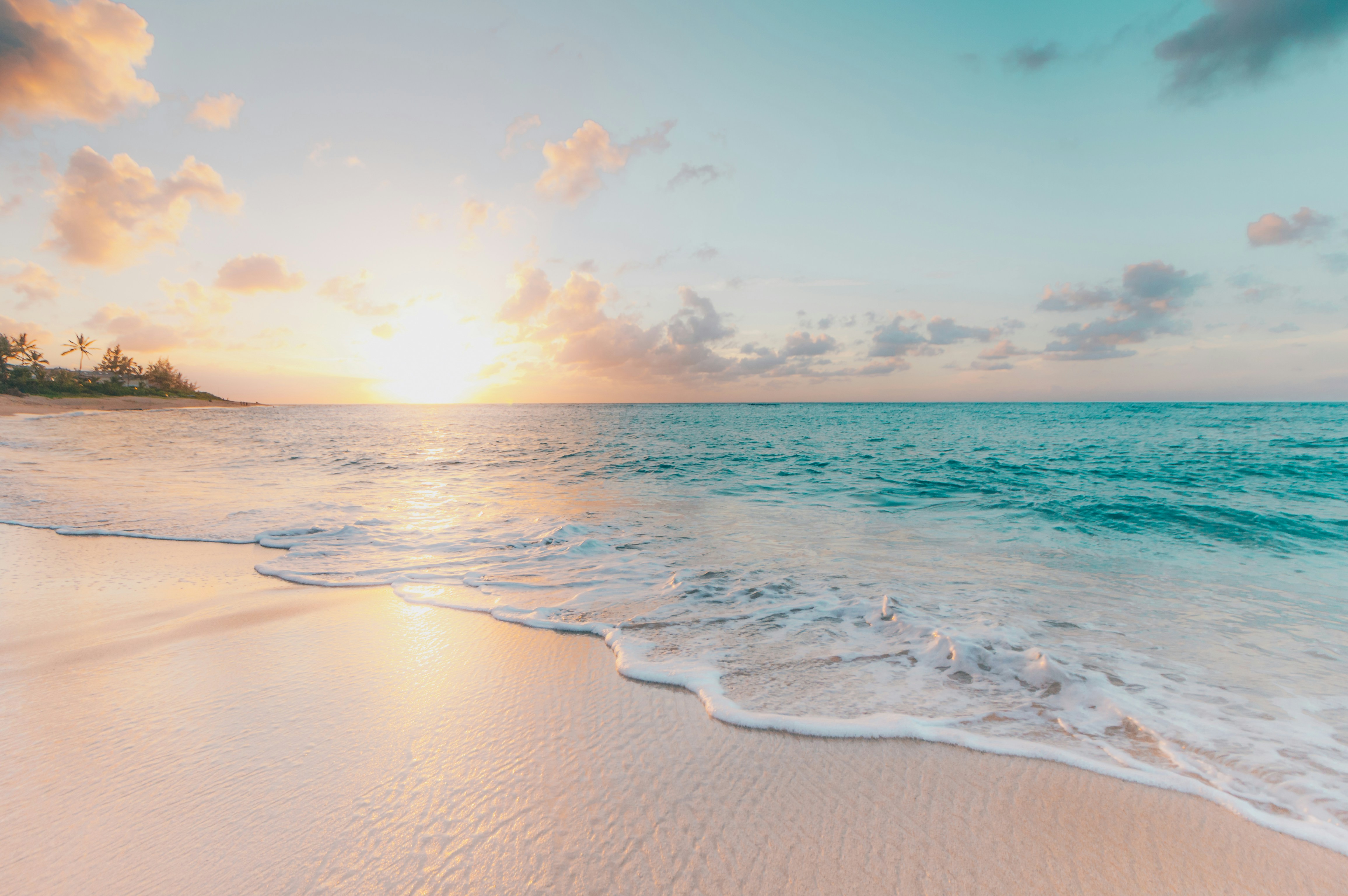
Spending time on Langkawi’s beaches is one of the simplest ways to enjoy Malaysia’s tropical island environment. The island offers different coastal settings, from accessible resort beaches to quieter stretches of sand.
Pantai Cenang is convenient for visitors who want accommodation, restaurants, shops, and water-based activities close together. Tanjung Rhu is better suited to travellers seeking a quieter coastal setting and scenic surroundings.
Which beach should you choose?
- Pantai Cenang: Convenient facilities, restaurants, accommodation, and a lively visitor atmosphere.
- Tanjung Rhu: Scenic coastline, peaceful surroundings, and beautiful views.
- Pantai Tengah: A more relaxed alternative near the main tourist area.
Check local swimming conditions, weather, and beach safety notices before entering the water. Avoid swimming in restricted areas.
Best for: Relaxation, families, couples, and beach holidays.
7. Walk Through the Historic Streets of Melaka

Melaka is one of Malaysia’s most interesting destinations for travellers who want to understand the country’s trading history and cultural influences.
The historic centre features Dutch-era buildings, traditional shopfronts, museums, heritage houses, and landmarks connected to the region’s Portuguese, Dutch, British, Malay, Chinese, and Indian histories.
Start at Dutch Square, where the distinctive red buildings provide an excellent introduction to the historic district. Continue towards A Famosa, St. Paul’s Hill, and Jonker Street.
Recommended experiences:
- Explore the historic buildings around Dutch Square.
- Visit the remains of A Famosa’s historic fortifications.
- Walk through Jonker Street and its surrounding heritage lanes.
- Discover Peranakan culture through local museums.
- Take a daytime or evening Melaka River cruise if operating.
Allow one full day to explore the historic centre comfortably. The city shares UNESCO World Heritage recognition with George Town. See the UNESCO heritage description for additional historical context.
Best for: History enthusiasts, families, photographers, and cultural travellers.
8. Discover the Tea Plantations of Cameron Highlands

Cameron Highlands offers a refreshing change from Malaysia’s warm coastal cities. Located in the state of Pahang, the highland region is known for rolling green landscapes, tea plantations, vegetable farms, and cooler temperatures.
A visit to a tea plantation provides an opportunity to learn about tea cultivation, enjoy scenic viewpoints, and understand the region’s agricultural economy.
BOH Tea Plantation is among the best-known places to include in a highlands itinerary. Visitors should check current visitor arrangements and access before travelling.
Make your visit more practical:
- Visit plantation viewpoints earlier in the day.
- Carry a light jacket because temperatures can be cooler.
- Check road conditions and allow additional driving time.
- Combine the plantation with a nearby nature walk or agricultural attraction.
Allow one to two days if you also want to explore the surrounding towns and countryside.
Best for: Nature lovers, couples, photographers, and travellers seeking cooler weather.
9. Explore Taman Negara’s Ancient Rainforest

Exploring Taman Negara is one of the most rewarding outdoor activities in Malaysia. This extensive national park protects tropical rainforest across Pahang, Kelantan, and Terengganu.
Nature enthusiasts can choose from guided jungle walks, river excursions, birdwatching, and other outdoor experiences. The park is particularly interesting for visitors who want to understand tropical biodiversity rather than simply admire landscapes from a viewpoint.
Activities worth considering:
- Join a guided rainforest walk.
- Explore designated canopy walkway experiences when available.
- Take a river journey with an authorized operator.
- Learn about local wildlife and forest conservation.
- Choose a guided excursion appropriate to your fitness level.
Allow at least two days if you want more than a short introductory visit. Arrange permits, accommodation, and activity availability before departure.
For official destination information, visit Tourism Malaysia’s Taman Negara guide.
Best for: Adventure travellers, wildlife enthusiasts, hikers, and nature photographers.
10. Visit Kinabalu Park in Sabah
Kinabalu Park is an excellent destination for travellers interested in mountain scenery, botanical diversity, and guided nature experiences.
Located in Sabah, Malaysian Borneo, the park surrounds Mount Kinabalu and protects an exceptional range of tropical habitats. The park is also a UNESCO World Heritage Site.
You do not need to climb Mount Kinabalu to enjoy the area. Visitors can explore selected nature trails, visit the botanical garden, and appreciate the mountain landscape from accessible viewpoints.
Useful visitor advice:
- Check park access and guided activity schedules.
- Bring warm clothing for cooler highland conditions.
- Use suitable footwear for nature trails.
- Arrange climbing permits and authorized guiding services well in advance if attempting the summit.
Allow a full day for a park visit, or longer if combining the area with a mountain-climbing experience. Check Sabah Parks’ official Kinabalu Park information.
Best for: Mountain enthusiasts, nature lovers, hikers, and photographers.
11. Discover Wildlife in Borneo’s Rainforests
Exploring Malaysian Borneo’s wildlife habitats is a memorable experience for visitors interested in conservation and tropical biodiversity.
Sabah and Sarawak offer different nature experiences, including forest reserves, river environments, and conservation-focused visitor centres. Sepilok Orangutan Rehabilitation Centre near Sandakan is particularly well known for its work supporting orangutan conservation.
Responsible wildlife-viewing advice:
- Choose established conservation centres and responsible local guides.
- Never feed, touch, or attempt to approach wild animals.
- Follow photography restrictions and visitor instructions.
- Avoid operators promising guaranteed wild-animal sightings.
Consider combining a wildlife visit with other Sabah experiences rather than trying to cover the entire island in a few days.
Best for: Families, wildlife enthusiasts, photographers, and conservation-minded travellers.
12. Explore Gunung Mulu National Park in Sarawak
Gunung Mulu National Park is one of Malaysia’s most remarkable nature destinations, particularly for visitors interested in limestone caves, rainforest ecosystems, and unusual geological formations.
The park is internationally recognized for its extensive cave systems and spectacular natural landscape. Visitors can choose guided cave visits and designated rainforest experiences according to their time and physical ability.
Popular attractions include Deer Cave, Lang Cave, and the park’s famous limestone pinnacles, although different experiences require different amounts of time and preparation.
Planning recommendations:
- Book popular guided cave activities ahead of time.
- Check weather-related access conditions.
- Wear footwear suitable for wet and uneven surfaces.
- Allow additional days for longer excursions.
Best for: Adventure travellers, geology enthusiasts, and experienced nature explorers.
13. Enjoy a Food Tour in Penang
Discovering Penang’s food culture is one of the most rewarding activities for visitors interested in Malaysian cuisine.
George Town brings together Malay, Chinese, Indian, and Peranakan culinary traditions. This creates an exceptional variety of regional dishes and local dining experiences.
Some popular dishes to look for include:
- Penang Assam Laksa: A tangy noodle soup with a distinctive fish-based broth.
- Char Kway Teow: Stir-fried flat rice noodles traditionally prepared with a smoky flavour.
- Nasi Kandar: Rice served with a selection of curries and side dishes.
- Cendol: A chilled dessert featuring shaved ice, coconut milk, and green jelly strands.
- Roti Canai: A flaky flatbread commonly served with curry or dhal.
Check individual restaurants for ingredients, food preparation, and halal certification if these matter to your dietary requirements. For more inspiration, use Penang’s official visitor guide.
Best for: Food enthusiasts, cultural travellers, and anyone interested in local cuisine.
14. Visit the Islamic Arts Museum Malaysia
The Islamic Arts Museum Malaysia in Kuala Lumpur offers an opportunity to explore Islamic artistic traditions, historical objects, architecture, and decorative craftsmanship.
The museum features collections that help visitors understand the development of Islamic art across different regions. Exhibitions can include manuscripts, textiles, ceramics, jewellery, and architectural displays.
This is an especially useful activity on a rainy afternoon or when you want a quieter experience between outdoor attractions.
Practical advice: Check current exhibition schedules, admission arrangements, and opening hours before visiting. Allow approximately two to three hours.
Best for: Families, history enthusiasts, students, and cultural travellers.
15. Explore the Markets and Shopping Streets of Kuala Lumpur
Exploring Kuala Lumpur’s shopping districts is a convenient way to discover Malaysian products, traditional crafts, souvenirs, and modern retail experiences.
Petaling Street is known for its market atmosphere, while Central Market is particularly useful for visitors looking for traditional crafts, batik, artwork, and locally inspired souvenirs.
Bukit Bintang offers a different shopping experience, with major malls, international retailers, and convenient dining options.
Where to go:
- Central Market: Arts, crafts, souvenirs, and traditional products.
- Petaling Street: Street markets, shopping, and historic surroundings.
- Bukit Bintang: Shopping malls and major retail brands.
- Suria KLCC: Shopping and attractions near the Petronas Twin Towers.
Compare prices before buying souvenirs, and check product quality carefully.
Best for: Families, shoppers, and visitors looking for local gifts.
16. Take a River Cruise in Kuching
A river cruise along the Sarawak River is a relaxing way to discover Kuching’s waterfront and surrounding architecture.
The river runs through the heart of the city, providing views of historic buildings, traditional settlements, and modern landmarks. Evening excursions can be particularly attractive when the waterfront is illuminated.
Before booking, compare cruise duration, departure points, sightseeing coverage, and weather arrangements.
Combine the experience with a walking tour of Kuching’s waterfront and nearby heritage attractions.
Best for: Couples, families, photographers, and relaxed city explorers.
17. Explore the Beaches and Islands of Sabah
Sabah offers several coastal and island experiences for visitors who want to explore Malaysian Borneo beyond its rainforests and mountains.
Near Kota Kinabalu, the Tunku Abdul Rahman Marine Park is a popular starting point for island excursions. Visitors can choose boat trips, designated swimming areas, and other permitted recreational activities.
For more experienced divers, destinations around Sabah’s east coast, including the wider Semporna region, are known for their marine environments. Sipadan is particularly famous, but access is regulated and requires advance planning.
Before booking an island excursion:
- Confirm boat transfers and return arrangements.
- Check marine park fees and permitted activities.
- Use reputable operators with appropriate safety equipment.
- Check local travel advisories and access restrictions.
Best for: Beach lovers, snorkelling enthusiasts, divers, and island explorers.
18. Discover the Cultural Heritage of Sarawak
Sarawak provides opportunities to learn about the diverse communities, traditions, architecture, and history of Malaysian Borneo.
Kuching is a convenient starting point for exploring museums, waterfront attractions, and local cultural experiences. Visitors can also investigate organized cultural visits and heritage attractions in the surrounding region.
Choose community-led experiences that are respectful, properly organized, and transparent about what visitors will see. Cultural traditions should be approached as living parts of local communities rather than entertainment designed solely for tourists.
Allow additional time for transportation outside Kuching, as some cultural and nature attractions require longer journeys.
Best for: Cultural travellers, families, photographers, and history enthusiasts.
19. Take a Scenic Train Journey Through Malaysia
Travelling by train is a practical way to experience parts of Peninsular Malaysia while enjoying views of towns, countryside, and changing landscapes.
Keretapi Tanah Melayu (KTM) operates intercity rail services, including the Electric Train Service on selected routes. Train travel can be especially convenient for journeys connecting Kuala Lumpur with destinations such as Ipoh and Penang’s mainland rail gateway, Butterworth.
How to plan your train journey:
- Identify your departure and arrival stations.
- Compare travel times with bus and flight options.
- Check available departures and seat availability.
- Book through official channels when advance reservations are available.
- Plan the final transfer from the railway station to your accommodation.
Visit KTM’s official website for routes and schedules. You can also explore our trains and buses travel resources for additional transport-planning guidance.
Best for: Independent travellers, families, and visitors who enjoy slower journeys.
20. Experience a Traditional Malaysian Cultural Performance
Watching a traditional Malaysian cultural performance is a meaningful way to understand the country’s artistic traditions and multicultural identity.
Depending on the destination and event schedule, visitors may encounter traditional Malay dance, Chinese cultural performances, Indian classical dance, music, and regional artistic traditions from Sabah and Sarawak.
Kuala Lumpur and major tourist destinations offer cultural events and organized performances at selected venues. Availability varies, so check schedules rather than assuming a performance takes place every day.
How to choose a worthwhile experience:
- Look for established cultural venues and community organizations.
- Check whether performances include explanations of their cultural background.
- Confirm the duration, venue, and ticket arrangements.
- Respect photography and audience guidelines.
Best for: Families, culture enthusiasts, students, and first-time international visitors.
How to Plan the Best Things to Do in Malaysia
The most efficient Malaysia itinerary groups attractions by region instead of travelling across the country repeatedly. This reduces unnecessary transfers and gives you more time to enjoy each destination.
Step 1: Choose Your Main Travel Region
Malaysia has two major geographical areas: Peninsular Malaysia and Malaysian Borneo. They offer different attractions and should be planned as separate parts of a larger itinerary.
| Region | Recommended destinations | Best experiences |
|---|---|---|
| Central Peninsula | Kuala Lumpur, Melaka | Landmarks, shopping, history |
| Northern Peninsula | Penang, Langkawi | Food, heritage, beaches |
| Highlands | Cameron Highlands | Tea plantations, nature |
| Eastern Peninsula | Taman Negara | Rainforest, wildlife, hiking |
| Sabah | Kota Kinabalu, Kinabalu Park, Sandakan | Mountains, islands, wildlife |
| Sarawak | Kuching, Mulu | Caves, culture, rainforest |
Step 2: Choose Activities Based on Your Travel Style
Not every visitor needs the same Malaysia itinerary. Select experiences that match your interests and available time.
| Travel style | Activities to prioritize |
|---|---|
| First-time visitors | Petronas Towers, Batu Caves, Melaka |
| Beach holidays | Langkawi beaches, Sabah islands |
| Food tourism | Penang food tours, Kuala Lumpur markets |
| Nature travel | Taman Negara, Kinabalu Park, Mulu |
| Family holidays | KLCC, Langkawi, Penang attractions |
| Cultural travel | George Town, Melaka, Sarawak |
Step 3: Calculate Transportation Time
One of the most common planning mistakes is underestimating transportation time. A destination that looks close on a map may require a lengthy transfer because of road conditions, ferry schedules, or limited flight connections.
For example, Kuala Lumpur, Penang, and Langkawi can be combined into a Peninsular Malaysia itinerary, but travelling to Sabah or Sarawak adds additional flight planning.
Compare available flight options and airport transfer services before confirming accommodation.
Step 4: Book Accommodation Near Your Main Attractions
Accommodation location can make a significant difference to the time and money required for sightseeing. Staying near a transport connection or the attractions you plan to visit can reduce repeated transfers.
For example, visitors spending several days in Kuala Lumpur may prefer accommodation with convenient access to an MRT or LRT station. In Penang, staying within or near George Town’s heritage district makes walking tours easier.
Compare suitable properties through our hotels and accommodation resources.
What Is the Best Time to Visit Malaysia?
Malaysia can be visited throughout the year, but the best travel period depends on the region, rainfall patterns, and planned activities. The country’s two coastlines experience different seasonal conditions.
Peninsular Malaysia’s east coast, west coast, and Malaysian Borneo should not be treated as having identical weather patterns.
- West coast: Kuala Lumpur, Penang, and Langkawi have different rainfall patterns from the east coast.
- East coast: Some islands experience stronger monsoon-related disruptions, particularly during the northeast monsoon.
- Sabah and Sarawak: Rainfall varies throughout the year, so check conditions for your specific destination.
If your priority is island hopping, diving, or boat excursions, confirm local sea conditions and operator schedules before booking. For rainforest activities, carry suitable rain protection regardless of season.
How Much Do Malaysia Activities Cost?
The cost of visiting Malaysia depends on accommodation standards, transportation, attraction tickets, guided excursions, and the number of destinations included. Some of the best experiences involve free sightseeing, while specialized excursions can increase your budget.
| Activity type | Typical budget category | Possible additional costs |
|---|---|---|
| City sightseeing | Free to moderate | Observation decks and museums |
| Heritage walking | Free to moderate | Museum entry and guided tours |
| Beach visits | Free to moderate | Transport and water activities |
| Mangrove tours | Moderate | Boat trips and transfers |
| Rainforest excursions | Moderate to higher | Guides, permits, and accommodation |
| Mountain climbing | Higher | Permits, guides, lodging, and equipment |
| Wildlife experiences | Varies | Guided visits and regional transport |
These are planning categories rather than quoted admission prices. Attraction fees, packages, and transport costs change, so confirm the final price with official providers before booking.
Use This Simple Malaysia Travel Budget Formula
A useful way to estimate the cost of a Malaysia holiday is to calculate each major expense separately.
Total trip budget = Flights + Accommodation + Local transport + Activities + Food + Insurance + Emergency allowance.
For example, if you are planning a seven-day trip, calculate accommodation for seven nights, daily meals and transportation, and the actual price of each paid activity. Add a separate allowance for unexpected expenses rather than spending your entire budget on pre-booked tours.
Travellers looking for lower-cost destinations can also compare our guides to most affordable vacation destinations and budget travel destinations.
Suggested 7-Day Malaysia Itinerary for First-Time Visitors
A seven-day first visit works best when you concentrate on Kuala Lumpur, Melaka, and one additional destination rather than attempting to cover the entire country. The following itinerary provides a practical combination of urban attractions, heritage, and local experiences.
| Day | Destination | Suggested activities |
|---|---|---|
| Day 1 | Kuala Lumpur | Arrive, explore KLCC Park, and see the Petronas Towers. |
| Day 2 | Kuala Lumpur | Visit Batu Caves, Central Market, and Petaling Street. |
| Day 3 | Melaka | Explore Dutch Square, A Famosa, and Jonker Street. |
| Day 4 | Penang | Travel to Penang and explore George Town. |
| Day 5 | Penang | Enjoy heritage attractions, street art, and local food. |
| Day 6 | Penang | Explore Penang Hill or another selected island attraction. |
| Day 7 | Departure | Allow sufficient time for airport transportation and departure. |
Important: This itinerary requires intercity transportation and is relatively busy. If you prefer a relaxed beach holiday, replace Melaka or Penang with Langkawi and allocate more time to one region. If you want to visit Malaysian Borneo, plan a separate itinerary with additional flight time.
10 Practical Tips for Visiting Malaysia
Good preparation makes sightseeing easier, especially when combining cities, islands, and rainforest destinations. Use these recommendations before departure.
- Check entry requirements: Confirm visa requirements for your passport and check the official Malaysia Digital Arrival Card information where applicable.
- Plan around regional weather: Check conditions for your exact destination, particularly before island and boat trips.
- Use suitable transportation: Compare trains, buses, flights, and local transfers instead of assuming one option is always cheapest.
- Carry appropriate clothing: Lightweight clothing is useful in tropical weather, while religious attractions require respectful dress.
- Stay hydrated: Carry drinking water when sightseeing outdoors.
- Use reputable tour operators: Check safety arrangements, inclusions, cancellation policies, and visitor reviews.
- Respect wildlife: Never feed or touch wild animals, and choose responsible nature excursions.
- Check dietary requirements: Confirm ingredients and food preparation with restaurants when necessary.
- Keep digital connectivity: Compare local SIM and eSIM options through our SIM card and travel connectivity guide.
- Arrange travel protection: Review suitable travel insurance options before departure.
How to Choose Between Peninsular Malaysia and Malaysian Borneo
Choose Peninsular Malaysia for easier combinations of major cities, heritage attractions, and popular islands; choose Malaysian Borneo for rainforest, wildlife, mountains, and cave exploration.
| Comparison | Peninsular Malaysia | Malaysian Borneo |
|---|---|---|
| Main destinations | Kuala Lumpur, Penang, Melaka, Langkawi | Sabah and Sarawak |
| Popular experiences | Food, heritage, shopping, beaches | Wildlife, mountains, caves, rainforest |
| Best travel style | City and multi-destination holidays | Nature and adventure trips |
| Transport planning | Extensive road and rail connections | More reliance on regional flights and local transfers |
| Suggested duration | 7–14 days | 7–14 days or longer |
Both regions can be included in a longer holiday, but doing so requires careful flight planning and a realistic travel budget.
Final Takeaway: Which Malaysia Activities Should You Prioritize?
The best things to do in Malaysia depend on the type of holiday you want. Kuala Lumpur is an excellent starting point for landmarks and city experiences, Penang is particularly rewarding for heritage and food, and Langkawi offers beaches, mangroves, and scenic mountain attractions.
Travellers interested in nature should consider Taman Negara, Kinabalu Park, and Gunung Mulu National Park. Visitors with additional time can explore Sabah and Sarawak for wildlife, mountain scenery, and cultural experiences.
Rather than trying to complete all 20 activities in one visit, select a few experiences from nearby destinations. A well-planned itinerary with enough time for transportation, rest, and exploration will provide a more enjoyable Malaysian holiday.
Explore more travel inspiration and practical booking resources at The Offers Guy before planning your next international trip.
Frequently Asked Questions About Things to Do in Malaysia
1. What are the best things to do in Malaysia for first-time visitors?
First-time visitors should explore the Petronas Twin Towers, Batu Caves, George Town, Melaka, and Langkawi. These destinations provide a good introduction to Malaysia’s architecture, culture, history, food, and tropical scenery.
2. How many days are enough to explore Malaysia?
Seven days are sufficient for a focused trip covering two or three destinations in Peninsular Malaysia. Allow 10–14 days if you want to explore additional regions or include Malaysian Borneo.
3. What are the best things to do in Kuala Lumpur?
Popular Kuala Lumpur activities include visiting the Petronas Twin Towers, exploring Batu Caves, walking around KLCC Park, shopping at Central Market, discovering Petaling Street, and visiting cultural museums.
4. Is Malaysia a good destination for a family holiday?
Yes. Malaysia offers family-friendly city attractions, shopping areas, nature experiences, museums, beaches, and island excursions. Kuala Lumpur, Penang, and Langkawi are useful destinations for families.
5. What are the best outdoor activities in Malaysia?
Popular outdoor experiences include rainforest walks in Taman Negara, hiking around Kinabalu Park, exploring Langkawi’s mangroves, visiting tropical beaches, and taking guided excursions in Malaysian Borneo.
6. Is Malaysia expensive for tourists?
Malaysia offers options across different budgets. Local food, public transportation, and many outdoor sightseeing experiences can help keep costs manageable, while island resorts, private tours, and mountain excursions may require higher budgets.
7. Which Malaysian island is best for a beach holiday?
Langkawi is a convenient choice for a first-time beach holiday because it combines beaches, accommodation, sightseeing, and transport options. Sabah also offers island and marine experiences for travellers seeking Malaysian Borneo’s coastal attractions.
8. What is the best month to visit Malaysia?
There is no single best month for every region. Weather varies between the west coast, east coast, Sabah, and Sarawak. Check regional rainfall and sea conditions before booking an island or outdoor holiday.
9. Can you visit Kuala Lumpur, Penang, and Langkawi in one week?
Yes, but the itinerary will be relatively busy. Plan intercity transportation carefully, avoid unnecessary hotel changes, and leave enough time for transfers. A slower trip may be more enjoyable if you choose two destinations instead.
10. What are the best cultural experiences in Malaysia?
Explore George Town’s heritage streets, Melaka’s historic centre, traditional Malaysian food, religious architecture, cultural museums, and locally organized performances. These experiences help visitors understand Malaysia’s multicultural heritage.
11. Is Malaysian Borneo worth visiting?
Yes. Malaysian Borneo is especially rewarding for nature enthusiasts interested in rainforests, orangutan conservation, Mount Kinabalu, Gunung Mulu’s caves, and coastal wildlife experiences. Allow additional time for regional transportation.
12. What should I book in advance in Malaysia?
Consider booking popular observation decks, mountain-climbing permits, guided cave excursions, island transfers, and accommodation during busy travel periods in advance. Always confirm current availability with the official provider.
Editorial note: Attraction schedules, transport services, entry conditions, and admission fees can change. Verify current details with official tourism authorities and attraction operators before travelling.
Content prepared by The Offers Guy Team.