The best places to visit in Malaysia include Kuala Lumpur, Penang, Langkawi, Melaka, Cameron Highlands, and the tropical islands of Terengganu. Malaysia offers a combination of modern cities, UNESCO-listed heritage areas, rainforest adventures, mountain scenery, wildlife experiences, and beautiful beaches. The challenge is choosing destinations that fit your available time, travel budget, and interests.
This guide covers 15 amazing destinations across Peninsular Malaysia and Malaysian Borneo, including what makes each place worth visiting, how much time to allow, what to prioritize, and how to combine destinations into a practical itinerary.

15 Best Places to Visit in Malaysia at a Glance
The best Malaysian destination depends on your travel priorities, with Kuala Lumpur ideal for city experiences, Penang for heritage, Langkawi for beaches, and Sabah and Sarawak for nature.
Use this comparison to narrow your choices before planning accommodation and transportation.
| Destination | Best For | Suggested Stay | Region |
|---|---|---|---|
| Kuala Lumpur | City attractions and shopping | 2–3 days | Peninsular Malaysia |
| Penang | Food and heritage | 2–3 days | Peninsular Malaysia |
| Langkawi | Beaches and island activities | 3–4 days | Peninsular Malaysia |
| Melaka | History and architecture | 1–2 days | Peninsular Malaysia |
| Cameron Highlands | Tea plantations and cool weather | 2 days | Peninsular Malaysia |
| Taman Negara | Rainforest and wildlife | 2–3 days | Peninsular Malaysia |
| Perhentian Islands | Snorkelling and beaches | 3–4 days | East Coast |
| Redang Island | Marine life and resorts | 3–4 days | East Coast |
| Tioman Island | Diving and nature | 3–4 days | East Coast |
| Kota Kinabalu | Coastal scenery and island trips | 2–3 days | Sabah |
| Kinabalu Park | Mountain scenery and hiking | 2 days | Sabah |
| Sepilok | Wildlife conservation | 1–2 days | Sabah |
| Kuching | Culture and nature | 2–3 days | Sarawak |
| Gunung Mulu | Caves and rainforest | 3–4 days | Sarawak |
| Ipoh | Food and limestone scenery | 1–2 days | Peninsular Malaysia |
1. Kuala Lumpur: Best Place for First-Time Visitors
Kuala Lumpur is the best starting point for first-time visitors who want modern attractions, cultural experiences, shopping, and convenient transport connections.
The Malaysian capital combines impressive architecture, traditional neighbourhoods, large shopping centres, public parks, and diverse food experiences. Its transportation network also makes it easier to organize a short city break without renting a vehicle.
Top attractions in Kuala Lumpur
- Petronas Twin Towers: Visit the famous towers and explore the surrounding KLCC area.
- Batu Caves: Explore the colourful staircase, limestone caves, and important Hindu religious complex outside the city centre.
- KL Tower: Enjoy elevated city views from one of Kuala Lumpur’s recognizable landmarks.
- Central Market: Browse Malaysian crafts, souvenirs, and cultural products.
- KLCC Park: Take a break among landscaped gardens and city-centre walking areas.
How long should you stay in Kuala Lumpur?
Allow two to three days to experience the main attractions without rushing. A longer stay is useful if you want additional shopping, museums, neighbourhood exploration, or day trips.
Practical tip: Choose accommodation near an MRT or LRT station. This can reduce taxi expenses and make daily sightseeing more manageable. Compare options through our hotel and accommodation guide.
2. Penang and George Town: Best for Food and Cultural Heritage
Penang is one of Malaysia’s strongest destinations for travellers interested in historic architecture, local cuisine, street art, and cultural experiences.

George Town, the capital of Penang, is recognized as a UNESCO World Heritage Site. Its historic streets reflect different architectural styles and the cultural influences that shaped this important trading settlement.
Best things to do in Penang
- Explore George Town’s historic streets and heritage buildings.
- Discover the area’s well-known street art and murals.
- Visit Khoo Kongsi, a historic Chinese clanhouse.
- Explore Penang Hill for elevated views of the island.
- Visit Kek Lok Si Temple and its surrounding complex.
- Experience Penang’s hawker food culture and traditional markets.
Penang is particularly suitable for travellers who enjoy exploring neighbourhoods on foot. However, plan your visits around the tropical heat and leave time for indoor attractions.
How long should you stay in Penang?
Two to three days provide enough time for George Town, Penang Hill, major heritage attractions, and local food experiences. Add another day if you prefer a slower itinerary.
Pro tip: Stay close to George Town if heritage sightseeing and food are your priorities. This avoids spending too much time travelling between attractions.
For official heritage information, consult UNESCO’s George Town and Melaka World Heritage listing.
3. Langkawi: Best for Beautiful Beaches and Island Experiences
Langkawi is one of the best places in Malaysia for beach holidays, scenic viewpoints, island excursions, and relaxed resort stays.

Located in Kedah, Langkawi is an archipelago offering beaches, forested landscapes, viewpoints, and opportunities for boat excursions. It suits couples, families, and travellers looking for a slower holiday after visiting Malaysia’s larger cities.
Top places to explore in Langkawi
- Pantai Cenang: A convenient area for beaches, restaurants, accommodation, and water activities.
- Langkawi Sky Bridge: Experience elevated views across the surrounding landscape.
- Langkawi Cable Car: Travel towards the mountain viewpoint area.
- Kilim Karst Geoforest Park: Explore distinctive limestone landscapes and mangrove environments through organized excursions.
- Tanjung Rhu Beach: Enjoy a quieter coastal setting compared with busier beach areas.
How long should you stay in Langkawi?
Three to four days are suitable for combining beach time, sightseeing, and an island or mangrove excursion.
Practical tip: Compare the cost of airport transfers and local transport before choosing a remote resort. A cheaper room may not offer better overall value if every activity requires a long paid transfer.
4. Melaka: Best for Historic Attractions and Architecture
Melaka is an excellent Malaysian destination for travellers who want historic buildings, museums, riverside scenery, and cultural heritage in a compact city.

Melaka’s location along the Strait of Malacca contributed to its importance in regional trade. The historic centre preserves evidence of different cultural and colonial influences, making the city particularly interesting for history-focused visitors.
What to see in Melaka
- Jonker Street and its historic surroundings.
- A Famosa and the remains of the historic Portuguese fortification.
- Stadthuys and Dutch Square.
- Christ Church Melaka.
- Melaka River and its surrounding waterfront.
- Baba and Nyonya heritage attractions.
Melaka works well as a short stop between Kuala Lumpur and other destinations in Peninsular Malaysia. Its compact historic area makes walking an effective way to explore many attractions.
Suggested stay: One to two days. A full day can cover the major historic area, while an overnight stay gives you more time to explore.
5. Cameron Highlands: Best for Tea Plantations and Mountain Scenery
Cameron Highlands is a popular choice for cooler weather, tea plantations, scenic countryside, and nature-focused experiences.

Located in Pahang, Cameron Highlands is known for its agricultural landscapes, tea estates, forest trails, and hillside settlements. It offers a noticeable change of scenery from Kuala Lumpur’s urban environment.
Best attractions in Cameron Highlands
- BOH Tea Plantation and its surrounding tea-growing landscapes.
- Local strawberry farms.
- Brinchang and Tanah Rata.
- Mossy Forest, subject to current access and visitor requirements.
- Selected nature trails and countryside viewpoints.
Do not try to cover every attraction in one day. Roads can be slow, especially during busy periods, and the weather can affect outdoor activities.
Suggested stay: Two days for tea plantations, selected attractions, and a relaxed highland experience.
6. Taman Negara: Best for Rainforest Adventures
Taman Negara is one of Malaysia’s major nature destinations for rainforest exploration, guided jungle activities, and wildlife-focused experiences.

Taman Negara extends across parts of Peninsular Malaysia and offers opportunities to experience tropical rainforest environments. Visitors can arrange guided activities depending on local conditions, available services, and park regulations.
Things to do in Taman Negara
- Join guided rainforest walks.
- Experience the canopy walkway when open and accessible.
- Explore designated trails.
- Arrange river transportation and authorized excursions.
- Learn about the rainforest ecosystem through local guides.
Jungle activities require appropriate footwear, drinking water, insect protection, and attention to weather conditions. Do not assume that every trail or activity remains open throughout the year.
Suggested stay: Two to three days, particularly if you want to combine guided activities with time to explore the surroundings.
7. Perhentian Islands: Best for Snorkelling and Clear Coastal Water
The Perhentian Islands are ideal for travellers seeking tropical beaches, snorkelling, diving, and a relaxed island atmosphere.
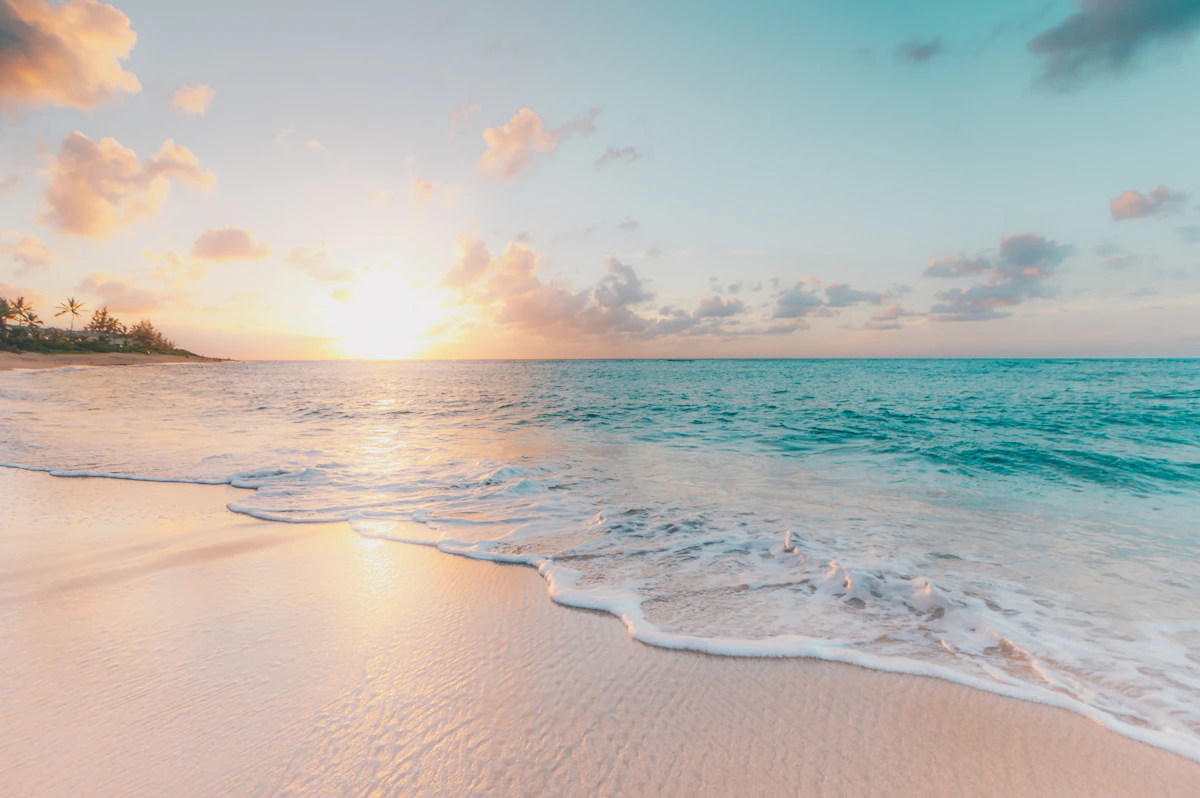
Located off the coast of Terengganu, the Perhentian Islands consist primarily of Perhentian Besar and Perhentian Kecil. The islands appeal to travellers who want to spend several days near the water rather than follow a busy city sightseeing schedule.
What makes the Perhentian Islands special?
- Organized snorkelling excursions.
- Scuba diving opportunities with qualified operators.
- Beach relaxation and swimming where conditions permit.
- Boat trips between selected coastal locations.
- Opportunities to observe marine life responsibly.
One important planning consideration is seasonality. The east coast islands are affected by the northeast monsoon, and many tourist services reduce operations or close during the rougher monsoon period. Confirm ferry schedules, accommodation availability, and marine conditions before booking.
Suggested stay: Three to four days. This provides enough time for beach relaxation and organized water activities.
8. Redang Island: Best for Marine Life and Resort Holidays
Redang Island is a strong choice for visitors who want organized beach holidays, resort accommodation, snorkelling, and access to protected marine environments.

Redang is located off the coast of Terengganu and is known for its coastal scenery and marine activities. The island is particularly suitable for travellers who prefer spending most of their holiday at one resort or beach area.
Best activities on Redang Island
- Join permitted snorkelling excursions.
- Explore designated swimming areas.
- Arrange diving activities through qualified operators.
- Enjoy resort facilities and coastal scenery.
Before booking, compare resort packages carefully. Check whether meals, boat transfers, equipment, and organized excursions are included rather than comparing room prices alone.
Suggested stay: Three to four days. Check seasonal operations and weather before confirming your dates.
9. Tioman Island: Best for Diving and Nature
Tioman Island is a good choice for travellers who want coastal scenery, diving, snorkelling, and access to a more nature-focused island environment.

Situated off the coast of Pahang, Tioman is known for its beaches, marine environment, and forested landscape. It can suit both travellers looking for a relaxed island break and those interested in organized outdoor activities.
Things to do on Tioman Island
- Explore selected beaches and coastal villages.
- Book diving and snorkelling with established operators.
- Explore suitable nature trails.
- Enjoy local village restaurants and island accommodation.
Transport planning is important because reaching the island involves a mainland transfer and a ferry connection. Confirm departure points and schedules before booking flights or accommodation.
Suggested stay: Three to four days, allowing time for transport, relaxation, and water activities.
10. Kota Kinabalu: Best for Coastal Scenery and Island Excursions
Kota Kinabalu is the main urban gateway for exploring Sabah, offering waterfront attractions, local markets, island excursions, and access to wider Borneo adventures.

Kota Kinabalu provides a practical introduction to Malaysian Borneo. Travellers can explore the city before arranging excursions to nearby islands, coastal areas, and inland natural attractions.
Top things to do in Kota Kinabalu
- Visit the waterfront and local markets.
- Explore the city mosque and cultural attractions.
- Take an organized boat trip to Tunku Abdul Rahman Marine Park.
- Explore nearby beaches and islands.
- Plan a separate trip towards Kinabalu Park.
Suggested stay: Two to three days in the city, with additional time if you plan to explore Sabah’s inland attractions.
11. Kinabalu Park: Best for Mountain Views and Hiking
Kinabalu Park is one of Malaysia’s most important nature destinations, known for Mount Kinabalu, highland scenery, biodiversity, and hiking opportunities.

Kinabalu Park surrounds the famous Mount Kinabalu and protects a remarkable mountain environment. Visitors who do not plan to climb the mountain can still enjoy the park’s scenery and selected nature experiences.
What to know before visiting
- Explore designated park trails and visitor areas.
- Learn about the region’s highland plant diversity.
- Check weather and visibility before planning outdoor activities.
- Confirm climbing permits, guide requirements, accommodation, and availability well in advance if attempting the summit.
Mount Kinabalu is not an ordinary sightseeing walk. Summit attempts require proper preparation and compliance with park regulations.
Suggested stay: Two days for a relaxed park visit. A summit expedition requires a separate, carefully arranged schedule.
12. Sepilok: Best for Wildlife Conservation Experiences
Sepilok is a valuable destination for visitors interested in orangutan conservation, wildlife education, and Borneo’s natural environment.

Located near Sandakan in Sabah, Sepilok is particularly known for the Sepilok Orangutan Rehabilitation Centre. Visitors can learn about conservation efforts and the challenges facing orangutans in their natural environment.
Places and experiences in Sepilok
- Sepilok Orangutan Rehabilitation Centre: Learn about orangutan rehabilitation and conservation.
- Bornean Sun Bear Conservation Centre: Discover conservation work involving the world’s smallest bear species.
- Rainforest Discovery Centre: Explore educational and nature-focused visitor facilities.
Follow visitor instructions, maintain appropriate distances, and never attempt to feed or touch wild animals. Responsible wildlife tourism should prioritize animal welfare rather than close-contact photographs.
Suggested stay: One to two days, depending on how many conservation and nature attractions you plan to visit.
13. Kuching: Best for Sarawak Culture and Nature
Kuching is an excellent base for discovering Sarawak’s cultural attractions, riverfront scenery, local food, and nearby nature destinations.

Kuching, the capital of Sarawak, provides access to a distinctive part of Malaysian Borneo. The city combines museums, historic buildings, riverside areas, and convenient access to nearby national parks.
Best things to do in Kuching
- Walk along the Kuching Waterfront.
- Explore the city’s museums and heritage buildings.
- Visit the Sarawak Cultural Village.
- Arrange a visit to Bako National Park.
- Explore local markets and traditional Sarawak cuisine.
Bako National Park is particularly worth considering for visitors interested in coastal landscapes, forest trails, and wildlife. Arrange transport and park access ahead of time.
Suggested stay: Two to three days in Kuching, with additional days for nearby nature excursions.
14. Gunung Mulu National Park: Best for Spectacular Caves and Rainforest
Gunung Mulu National Park is one of Malaysia’s most distinctive nature destinations, famous for its enormous cave systems, limestone formations, and tropical rainforest.

Located in Sarawak, Gunung Mulu National Park is a UNESCO World Heritage Site. It is recognized for its outstanding natural features, extensive cave systems, and biodiversity.
What to experience in Mulu
- Visit selected accessible cave attractions.
- Explore the famous Deer Cave and Lang Cave through organized visits.
- Experience the rainforest environment.
- Arrange guided activities for more demanding routes.
- Learn about the park’s geological and ecological importance.
Access is a major part of planning a Mulu trip. Flights, accommodation, guided excursions, and park arrangements should be coordinated before arrival. Some activities require suitable fitness and advance arrangements.
Suggested stay: Three to four days for a more complete experience rather than a rushed visit.
Explore UNESCO’s official Gunung Mulu National Park information before planning your visit.
15. Ipoh: Best for Local Food, Limestone Caves, and Relaxed City Breaks
Ipoh is a rewarding stop for travellers interested in Malaysian food, historic architecture, limestone landscapes, and a slower city experience.
Located in Perak, Ipoh offers a combination of heritage streets, traditional food establishments, cave temples, and nearby natural attractions. It is also a convenient addition to some overland routes between Kuala Lumpur and Penang.
Best attractions in Ipoh
- Explore Ipoh Old Town and its historic buildings.
- Visit Concubine Lane.
- Discover the limestone cave temple complexes around the city.
- Explore Kek Lok Tong Cave Temple and its garden surroundings.
- Try local dishes and traditional coffee shops.
Ipoh is particularly suitable for travellers who want to explore local culture without spending several days in a major metropolitan area.
Suggested stay: One to two days, depending on whether you include nearby attractions.
Best Time to Visit Malaysia
Malaysia can be visited throughout the year, but the best travel period depends on which coast, island, or region you plan to explore.
Malaysia has a tropical climate, and rainfall patterns vary between the west coast, east coast, and Malaysian Borneo. Choosing the right season is particularly important for island holidays and outdoor activities.
| Region | Destinations | Planning Consideration |
|---|---|---|
| West Coast | Kuala Lumpur, Penang, Langkawi | Generally more suitable for travel during the northeast monsoon than the east coast islands, although rainfall still occurs. |
| East Coast | Perhentian, Redang, Tioman | Check seasonal ferry operations and monsoon-related closures, especially around November to February. |
| Central Highlands | Cameron Highlands | Rainfall can affect roads and trails throughout the year. |
| Sabah | Kota Kinabalu, Kinabalu Park, Sepilok | Weather varies; check local conditions before mountain and wildlife excursions. |
| Sarawak | Kuching, Gunung Mulu | Expect tropical rainfall and check access conditions for outdoor activities. |
How to choose your travel dates
- Choose your main region before booking international flights.
- Check the weather pattern for the specific coast or island.
- Confirm ferry and domestic flight schedules.
- Check whether attractions and national parks have seasonal restrictions.
- Compare accommodation rates across several possible dates.
Important note: There is no single best month for every Malaysian destination. A date that works well for Kuala Lumpur may not be ideal for an east coast island holiday.
For destination-specific information, use Tourism Malaysia’s official travel website.
“`htmlSuggested Malaysia Itineraries for 7, 10, and 14 Days
The best Malaysia itinerary combines destinations within the same region instead of trying to cover the entire country in one trip.
Malaysia has two geographically separated parts: Peninsular Malaysia and Malaysian Borneo. Domestic flights can connect them, but travelling between both regions requires additional time and planning.
7-Day Malaysia Itinerary for First-Time Visitors
| Day | Destination | Suggested Activities |
|---|---|---|
| 1 | Kuala Lumpur | Arrive and explore KLCC. |
| 2 | Kuala Lumpur | Visit Batu Caves, Central Market, and KL Tower. |
| 3 | Melaka | Explore the historic centre and Jonker Street. |
| 4 | Penang | Travel to Penang and explore George Town. |
| 5 | Penang | Visit Penang Hill and heritage attractions. |
| 6 | Langkawi | Travel to Langkawi and enjoy the beach. |
| 7 | Langkawi | Explore the island before departure. |
This itinerary prioritizes famous destinations in Peninsular Malaysia. Check the transport connections carefully because some journeys require flights or ferry transfers.
10-Day Malaysia Itinerary for Nature and Culture
| Days | Destination | Travel Experience |
|---|---|---|
| 1–3 | Kuala Lumpur | City attractions, food, and cultural experiences. |
| 4–5 | Penang | Heritage streets and local cuisine. |
| 6–7 | Cameron Highlands | Tea plantations and mountain scenery. |
| 8–10 | Langkawi | Beaches, viewpoints, and island excursions. |
14-Day Malaysia Itinerary Including Borneo
| Days | Destination | Travel Experience |
|---|---|---|
| 1–3 | Kuala Lumpur | Urban attractions and heritage experiences. |
| 4–5 | Penang | Historic George Town and food experiences. |
| 6–7 | Langkawi | Beaches and island sightseeing. |
| 8–10 | Kota Kinabalu | Sabah’s coastal attractions and island excursions. |
| 11–12 | Kinabalu Park | Mountain scenery and nature experiences. |
| 13–14 | Sepilok | Wildlife conservation and rainforest attractions. |
This is an ambitious itinerary. Domestic flights and ground transfers need to be planned carefully, and you may want to remove one destination to make the trip more comfortable.
Pro tip: If you have only seven days, avoid adding both Sabah and Sarawak. Save Malaysian Borneo for a separate trip if you cannot allocate enough time.
How to Travel Between the Best Places in Malaysia
Malaysia offers domestic flights, intercity trains, long-distance buses, ferries, and local transportation, making it possible to explore many destinations without renting a car.
1. Domestic Flights
Flights are particularly useful for travelling between Kuala Lumpur and destinations such as Kota Kinabalu, Kuching, Langkawi, and other regional airports.
Compare departure airports, baggage allowances, airport transfer costs, and arrival times before selecting a fare. Browse our flight booking and travel resources when comparing your journey.
2. Intercity Trains
Trains are useful for selected journeys across Peninsular Malaysia, including connections between Kuala Lumpur, Ipoh, and other destinations on the rail network.
Check the official Keretapi Tanah Melayu (KTMB) website for current routes, timetables, and ticket availability.
3. Long-Distance Buses
Buses can be a practical option for travelling between Kuala Lumpur, Melaka, Cameron Highlands, and other towns. Compare departure terminals and journey durations before purchasing tickets.
4. Ferries and Boat Transfers
Island destinations such as Perhentian, Redang, and Tioman require additional transport arrangements. Ferry availability, departure locations, and weather conditions can affect your journey.
5. Local Transportation
Within cities, use suitable public transportation, walking routes, and licensed ride-hailing services. For airport journeys and private transfers, compare options through our airport transfers and transportation guide.
For additional transport information, consult the Malaysia Tourism Centre travel information portal.
How to Plan Your Malaysia Travel Budget
A realistic Malaysia travel budget should include accommodation, food, local transportation, domestic travel, attractions, and additional transfer costs.
The amount you spend depends on your accommodation preferences, travel season, destination choices, and activities. Kuala Lumpur and Ipoh can offer different cost structures from remote island resorts and specialist nature excursions.
Use This Formula to Calculate Your Trip Cost
Total Malaysia travel budget = International flights + Accommodation + Food + Local transport + Domestic travel + Activities + Travel insurance + Emergency allowance.
For example, consider a hypothetical seven-day trip for one traveller:
| Expense | Illustrative Budget |
|---|---|
| Accommodation (7 nights) | $210 |
| Food and drinks | $105 |
| Local transportation | $45 |
| Activities and attractions | $80 |
| Intercity transportation | $70 |
| Miscellaneous expenses | $40 |
| Estimated total | $550 |
This is an illustrative planning example, not a verified current market quotation. International airfare, insurance, visa expenses, and some optional activities are excluded. Actual prices vary by travel dates, accommodation standards, and availability.
Five Practical Ways to Save Money in Malaysia
- Book accommodation strategically: Choose a convenient location rather than automatically selecting the cheapest hotel.
- Compare transportation: Check trains, buses, and flights before committing to a route.
- Use public transportation: Reduce unnecessary taxi and private transfer expenses in major cities.
- Travel outside busy periods: Compare dates around school holidays and major local events.
- Check attraction packages: Compare individual tickets with official combination packages where available.
For additional destination inspiration and cost-conscious travel ideas, explore our guides to budget travel destinations and affordable destinations for solo travellers.
Where Should You Stay in Malaysia?
The best accommodation location depends on your activities, transportation requirements, and how long you plan to remain in each destination.
| Destination | Recommended Area to Consider | Best For |
|---|---|---|
| Kuala Lumpur | KLCC, Bukit Bintang | City attractions and shopping |
| Penang | George Town | Heritage and food |
| Langkawi | Pantai Cenang | Beach access and restaurants |
| Melaka | Historic city centre | Walking and sightseeing |
| Cameron Highlands | Tanah Rata | Convenient access to attractions |
| Perhentian Islands | Choose between Besar and Kecil | Resorts or a more active island atmosphere |
| Kota Kinabalu | City centre and waterfront | Restaurants and excursion access |
| Kuching | City centre and waterfront | Culture and city sightseeing |
Compare accommodation location, cancellation conditions, transport access, and included facilities before booking. Our hotel accommodation resources can help you organize this part of your trip.
Important Travel Tips Before Visiting Malaysia
Checking entry requirements, local weather, transportation, and regional travel conditions before departure helps prevent avoidable problems.
- Entry requirements: Check the current visa rules for your nationality through official Malaysian immigration information before travelling.
- Passport validity: Confirm passport validity requirements with the relevant official authorities and your airline.
- Weather: Pack lightweight clothing, comfortable footwear, and rain protection.
- Local customs: Dress appropriately when visiting religious and cultural sites and follow local visitor instructions.
- Payments: Carry a suitable payment card and some Malaysian ringgit for smaller purchases.
- Connectivity: Arrange a suitable local SIM or eSIM before arrival if you need mobile internet.
- Insurance: Consider travel insurance that covers your planned activities and transportation.
- Wildlife: Follow conservation guidelines and use responsible wildlife operators.
For connectivity options, see our international SIM card and mobile connectivity guide.
For destination-specific information, start with the Malaysian government’s tourist destination resources and Tourism Malaysia. Confirm current entry and immigration requirements separately through the relevant official authority.
Frequently Asked Questions About the Best Places to Visit in Malaysia
1. What are the best places to visit in Malaysia for first-time visitors?
Kuala Lumpur, Penang, Langkawi, and Melaka are excellent starting points for first-time visitors. They offer a combination of city attractions, historic heritage, local cuisine, shopping, and beach experiences.
For a seven-day trip, combining Kuala Lumpur, Penang, and one additional destination is a practical approach.
2. How many days are enough to explore Malaysia?
Seven to ten days are suitable for exploring several major destinations in Peninsular Malaysia. Allow around two weeks or longer if you also want to explore Sabah or Sarawak in Malaysian Borneo.
The ideal duration depends on the number of domestic flights, island transfers, and nature excursions included in your itinerary.
3. What is the most beautiful island to visit in Malaysia?
Langkawi, Perhentian, Redang, and Tioman are among Malaysia’s notable island destinations. Langkawi offers a broader range of sightseeing and accommodation, while Perhentian and Redang are particularly attractive for marine activities and beach holidays.
Compare seasonal conditions, ferry access, and accommodation availability before deciding.
4. Is Malaysia a good destination for a family vacation?
Yes. Malaysia offers family-friendly city attractions, beaches, nature experiences, shopping centres, and educational cultural attractions.
Kuala Lumpur, Langkawi, Penang, and selected highland destinations are useful options for families. Choose accommodation with convenient transport access and plan realistic daily activities.
5. What are the best places to visit in Malaysia for nature lovers?
Taman Negara, Kinabalu Park, Gunung Mulu National Park, Sepilok, and the Perhentian Islands are excellent options for nature-focused travellers.
These destinations offer different experiences, including rainforest exploration, mountain landscapes, cave systems, wildlife conservation, and marine environments.
6. Which Malaysian destinations are best for a beach holiday?
Langkawi, Perhentian Islands, Redang Island, and Tioman Island are among the leading choices for beach-focused holidays.
Langkawi offers a wider range of sightseeing and accommodation, while the east coast islands require more attention to seasonal ferry operations and monsoon conditions.
7. Is Kuala Lumpur worth visiting?
Yes. Kuala Lumpur is worth visiting for its architecture, cultural attractions, food, shopping, public transportation, and access to nearby destinations such as Batu Caves.
Two to three days are a reasonable starting point for first-time visitors.
8. What is the cheapest way to travel around Malaysia?
Public transportation and long-distance buses can provide economical options for many journeys in Peninsular Malaysia. Trains are useful on selected routes, while domestic flights can save time on longer journeys.
Compare the complete cost, including baggage, station transfers, and local transportation.
9. Is Malaysian Borneo worth visiting?
Yes. Sabah and Sarawak offer experiences that are different from Peninsular Malaysia, including rainforest landscapes, wildlife conservation, mountain scenery, and extensive cave systems.
Kota Kinabalu, Kinabalu Park, Sepilok, Kuching, and Gunung Mulu are particularly worthwhile destinations.
10. What is the best month to visit Malaysia?
There is no single best month for the entire country because weather conditions vary by region. West coast destinations and east coast islands have different seasonal considerations.
Check the weather and operational schedules for your specific destinations before booking flights and accommodation.
11. Can you visit Kuala Lumpur, Penang, and Langkawi in one week?
Yes. A seven-day trip can combine these three destinations if you plan transportation carefully. Allocate approximately two days to Kuala Lumpur, two days to Penang, and three days to Langkawi.
Check flight and ferry schedules before confirming the order of your journey.
12. What currency is used in Malaysia?
Malaysia uses the Malaysian ringgit (MYR), commonly written as RM. Check current exchange rates before departure and compare payment and currency conversion fees.
Final Thoughts: Which Malaysian Destination Should You Visit First?
The best places to visit in Malaysia depend on whether you prioritize city attractions, cultural heritage, tropical beaches, mountain scenery, or wildlife experiences.
For a first visit, start with Kuala Lumpur, Penang, and Langkawi. Travellers who prefer cultural history can add Melaka, while nature enthusiasts should consider Taman Negara, Kinabalu Park, or Gunung Mulu National Park.
The most important planning decision is to choose destinations that fit your travel dates and available time. Avoid overcrowding your itinerary with distant locations, particularly when island ferries and domestic flights are involved.
Compare accommodation, transportation, and activity costs, verify official travel information, and leave enough time to enjoy each destination. With the right route, Malaysia can provide an excellent combination of culture, nature, and tropical experiences.
Explore more practical destination guides and travel resources at The Offers Guy before planning your next international trip.